

Acer DX650 Review and Specifications: Form Factor, Everyday Performance and the Verdict
The Acer DX650 is one of the strangest phones Acer ever made, and that is exactly why it still gets talked about. Announced and released in June 2009, it was a Windows Mobile handset with a screen on both sides of its body: a touchscreen on the front and a small OLED display with a numeric keypad on the back. This phone with two faces, built at a time when phone makers were still experimenting with form factors, tried to be a pocket computer and a simple phone at the same time. This Acer DX650 review and full specifications guide looks at the handset as a classic from its own era, without crediting it with features it never had. The Acer DX650 release date June 2009 and original price are often asked about together, although launch pricing varied by market and by operator, so this guide focuses on the hardware and the experience rather than a single price tag. Readers who want a sense of the Acer DX650 price today should look at second hand listings, where condition and completeness matter far more than any launch figure.
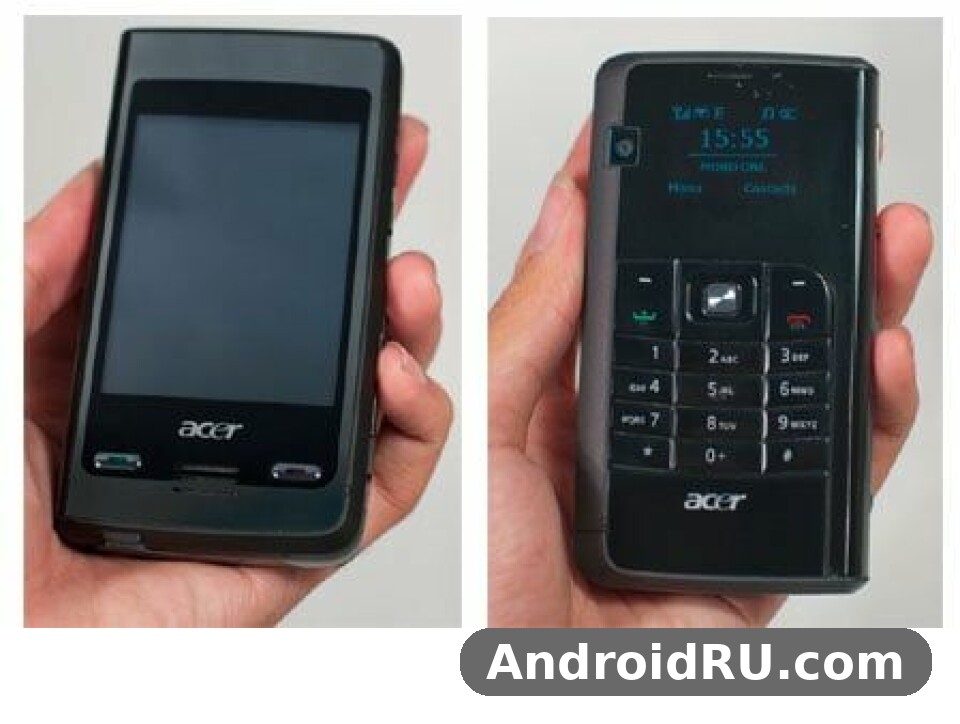
The Acer DX650 specs describe a compact device: a 2.8-inch touchscreen, a Samsung processor running at 533 MHz, a 2 megapixel camera, GPS, Wi-Fi and a removable battery. Nothing about that list sounds remarkable now, but the way Acer arranged it was unusual, and the arrangement is the story of this phone. The Acer DX650 specifications below are drawn from the launch record and the specification sheets of the time. For a sense of how Acer approached value in the same period, readers can compare it with Our Acer beTouch E101 Review: Value for Money, Performance and Detailed Specs, a handset from the same family of affordable Acer phones.
Design and the Dual-Display Idea
The Acer DX650 dual display design with secondary OLED screen is the first thing to understand, because everything else about the phone follows from it. One side of the handset carries the main touchscreen, used for Windows Mobile, messaging, browsing and media. Flip the phone over and the other side carries a 1.27-inch OLED display above a numeric keypad, so the handset can work as a plain phone for calls without waking the full touchscreen side. Acer was aiming at buyers who wanted a pocket computer but still made plenty of ordinary calls, and the two-sided body was its answer. The Acer DX650 dimensions weight and pocket friendly design support that idea: the body measures 109.6 x 59 x 15.6 mm, and the Acer DX650 109.6 x 59 x 15.6 mm body measurements put it in the same pocketable class as other business phones of 2009. The Acer DX650 133 gram weight in everyday pocket use feels light for a device with two displays, and the Acer DX650 weight of 133 grams helps the phone sit comfortably in a jacket pocket or a bag. At 15.6 mm thick it is not slim by later standards, but the thickness is the price of the second face, and the handset still feels like a phone rather than a small tablet.
Build quality is typical of the era: plastics, a firm keypad, a stylus silo and a reassuringly solid feel in the hand. There is no claim here of premium materials, and the design has aged better as a curiosity than as a fashion object. The Acer DX650 display on the front is the working screen, while the rear face is the quick screen, and learning which side to reach for becomes second nature after a day or two. The Acer DX650 dimensions of 109.6 mm tall and 59 mm wide keep one-handed use realistic on the keypad side, even if the touchscreen side asks for two hands and a stylus for precise taps.
The Main Touchscreen
The Acer DX650 2.8 inch TFT resistive touchscreen specifications set the tone for the main display: a 2.8-inch TFT panel with resistive touch, QVGA resolution of 240 x 320 pixels and support for 65K colours. The Acer DX650 240 x 320 QVGA screen resolution explained in plain terms means a modest pixel count that was normal for Windows Mobile phones of the time, sharp enough for menus, contacts and email, but soft beside the VGA panels on Acer’s higher-end models. The Acer DX650 65K color TFT display viewing experience is adequate indoors, with readable text and clear icons, though colours look muted beside later screens and sunlight readability is limited. The Acer DX650 QVGA panel is a practical screen rather than a showpiece, and it suits the business tasks the phone was built for.
A Resistive Screen Built for a Stylus
The Acer DX650 stylus input and resistive touchscreen accuracy matter more than the raw resolution, because Windows Mobile 6.1 was designed around precise taps on small controls. The Acer DX650 stylus lives in a silo in the body, and using it makes menus, checkboxes and handwriting recognition far easier than a fingertip alone. Resistive screens respond to pressure rather than to the electrical charge of skin, so the stylus, a fingernail or a gloved finger can all register a tap. That is a genuine advantage in cold weather or in work gloves, even if the screen needs a firmer press than the capacitive panels that followed.
The Secondary OLED Screen and Keypad
The Acer DX650 secondary OLED display 128 x 96 pixels is small, monochrome in character and completely practical. It shows the time, caller identity, signal strength and battery state, so a quick check does not need the main screen at all. The Acer DX650 OLED panel sips power compared with the main display, and its crisp characters stay readable in most light. Below it sits the numeric keypad, and the Acer DX650 numeric keypad on the reverse side turns the back of the phone into a working handset: dial a number, answer a call, and put the phone away, all without touching Windows Mobile. The Acer DX650 keypad has firm, well-spaced keys with clear legends, and it is the part of the phone that feels most like a traditional mobile.
Reading the OLED Screen at a Glance
The second face works best for short interactions. A glance shows who is calling, a few presses return the call or send a text, and the main screen stays asleep. That division of labour is the whole point of the design, and it is also the reason the phone keeps a distinct identity among 2009 handsets. The OLED screen will not show photos or web pages, and it was never meant to; it is a status display and a caller display, and it does that job well.
Everyday Performance and Windows Mobile
The Acer DX650 Windows Mobile 6.1 Professional operating system is the software heart of the phone, and it defines what the handset can and cannot do. This is a Windows Mobile device, not an Android phone, and it runs the Microsoft platform of its day, with Pocket Office, Windows Media Player, Internet Explorer Mobile and support for Exchange email. The Acer DX650 Windows Mobile software gives the phone a business focus: calendar, contacts, tasks, notes and documents travel with the user, and the interface rewards owners who organise their work around those tools. The Acer DX650 processor is the Samsung S3C 6410, and the Acer DX650 Samsung S3C 6410 processor performance at 533 MHz is enough for the tasks of 2009: opening email, editing a document, browsing a mobile page or playing a music file. The Acer DX650 533 MHz clock speed will not impress anyone measuring the phone against later hardware, but it matches the workload the software asks of it, and the phone stays responsive when a single task is in focus.
Memory and storage are modest, as expected for the period, and the Acer DX650 microSD card slot for expandable memory is the practical answer to that limit. A microSD card holds music, photos and documents, and swapping cards is quick. The phone also supports the usual Windows Mobile approach to multitasking, with applications staying open in the background, so owners who juggle mail and calendar entries should close apps they no longer need. Readers weighing other Acer business phones of the era can look at Is the Acer M900 Worth It? Review, Specs and Verdict, a larger Acer handset with a keyboard and a different set of trade-offs.
The Samsung Processor in Daily Tasks
In daily use the Samsung chip handles the core jobs without drama. Menus open promptly, contacts scroll smoothly, and Pocket Word and Pocket Excel open documents at a pace that feels workable rather than fast. Heavy web pages and large attachments are the moments when the 533 MHz processor shows its limits, with longer waits and occasional stutter, and owners learned to keep pages simple and attachments small. That is not a flaw unique to this phone; it is the honest reality of Windows Mobile hardware in 2009, and the DX650 sits in the middle of its class rather than at either extreme.
Software and Pocket Office
The Acer DX650 Windows Mobile apps and Pocket Office use are where the phone earns its keep for business buyers. Pocket Word, Pocket Excel, Pocket PowerPoint and Pocket Outlook cover the everyday office tasks, and synchronisation with a desktop keeps mail, calendar and contacts aligned. Third-party Windows Mobile software of the era adds navigation tools, readers and utilities, although the catalogue is frozen in time now, and modern services will not run on it. The phone is best understood today as a working snapshot of mobile computing in 2009, and its software should be judged on that basis.
Camera and Multimedia
The Acer DX650 camera is a 2 megapixel rear camera, and the Acer DX650 2 megapixel rear camera photo quality is best described as useful for the time: adequate daylight snapshots, acceptable colour, and soft detail when light falls away. The Acer DX650 2MP camera has no pretensions to replace a dedicated camera, and owners used it for quick records, a whiteboard, a document or a moment worth keeping, rather than for serious photography. The Acer DX650 camera video recording and photo gallery cover the basics, with video clips and a gallery for viewing shots on the main screen, and images are easy to move to a microSD card or a computer. There is no front camera, so self-portraits and video calls were not part of the package.
Music and video playback run through Windows Media Player, and the Acer DX650 FM radio and multimedia playback features add a genuinely useful extra. The radio gives the phone a source of music and news that needs no data connection and no stored files, which mattered in 2009, when mobile data was slow and expensive for many buyers. For a comparison with another Acer camera phone of the period, see Acer beTouch E100 Review and Full Specifications: Everything You Should Know.
The 2 Megapixel Camera
Daylight is the camera’s friend. In good light, outdoor shots show reasonable colour and enough detail for small prints or screen viewing, and the fixed-focus lens keeps operation simple. Indoors or at dusk, noise rises and detail falls, and the small sensor shows its size. The camera interface is simple, with a shutter key and basic settings, and it suits a buyer who wants a camera that is always in the pocket rather than a camera that leads the buying decision.
FM Radio and Media Playback
The FM radio is a small delight on a business phone, and it pairs naturally with the music player. Headphones carry both, and a microSD card full of tracks turns the phone into a passable media player for a commute. Video playback is limited by the QVGA screen and the modest processor, so short clips play well while long, high-bitrate files struggle, and owners who tried to push the phone as a video device found its limits quickly.
Battery Life and Charging
The Acer DX650 battery is a removable Li-Po unit rated at 1,260 mAh, and the Acer DX650 removable 1260 mAh battery life and standby figures are reasonable for a phone with two displays. The Acer DX650 1260 mAh cell powers a day of ordinary use with calls, messaging and some browsing, and standby stretches across several days when the main screen stays asleep and the OLED side handles quick checks. The Acer DX650 battery replacement and charging time guide is simple: the battery lifts out once the rear cover is removed, a spare can be carried for long days, and charging runs through the phone’s wired connection. That removable design is a real advantage for a classic phone, because a tired cell can be swapped instead of ending the handset’s useful life, and collectors value that more with every passing year.
Heavy use of Wi-Fi, GPS or the main screen shortens the day, as it does on any phone of the era, and the OLED side is the owner’s friend here: checking the time or a caller on the small screen costs far less energy than waking the full display. Owners who treated the two faces as Acer intended, quick checks on the back and real work on the front, got the best results from the battery.
Connectivity and GPS
The Acer DX650 WiFi Bluetooth GPS connectivity features cover the wireless essentials of 2009, with one clear limit that buyers should know. The Acer DX650 GSM EDGE tri band network without 3G means the phone connects over GSM and EDGE on three bands, and there is no 3G and no HSDPA, so mobile data is slow by any later measure. That is not a defect in context: many buyers of the time still used EDGE, and the phone leans on Wi-Fi for anything heavier. The Acer DX650 WiFi 802.11b g wireless internet browsing is the faster route online, and on a home or office network the browser loads mobile pages at a usable pace. The Acer DX650 Bluetooth 2.0 EDR file transfer and headsets support covers wireless headsets, hands-free car kits and file exchange with other devices, while the Acer DX650 GPS receiver works with the SiRF Star III chipset. The Acer DX650 SiRF Star III GPS receiver accuracy is good for its generation, locking onto satellites well enough for road navigation with suitable mapping software, although the small screen and modest processor make it a backup navigator rather than a dedicated device.
The Acer DX650 connectivity set is rounded out by the microSD slot and a wired connection for synchronisation and charging. The Acer DX650 GPS is a genuine asset for travellers, and the combination of GPS, Wi-Fi and Bluetooth made the phone a capable companion for business trips in its day. Readers curious about a larger Acer Windows Mobile handset can compare it with Acer F900 Review and Full Specifications: Everything You Should Know, which trades the dual-display idea for a bigger screen.
Full Specifications
The table below gathers the Acer DX650 specifications in one place, from the dual-display design to the battery and the wireless features. The Acer DX650 specifications reflect the launch record of June 2009, and they describe the phone as it was sold, without later features added by hindsight.
| Feature | Acer DX650 |
|---|---|
| Announced / Released | June 2009 / June 2009 |
| Operating system | Microsoft Windows Mobile 6.1 Professional |
| Processor | Samsung S3C 6410, 533 MHz |
| Main display | 2.8-inch TFT resistive touchscreen, 240 x 320 pixels (QVGA), 65K colours |
| Secondary display | 1.27-inch OLED, 128 x 96 pixels, with numeric keypad on the reverse side |
| Rear camera | 2 MP, video recording |
| Front camera | No |
| Battery | Li-Po 1,260 mAh, removable |
| Dimensions | 109.6 x 59 x 15.6 mm |
| Weight | 133 g |
| Network | GSM / EDGE tri-band; no 3G, no HSDPA |
| Wi-Fi | 802.11b/g |
| Bluetooth | 2.0 with EDR |
| GPS | Yes, SiRF Star III chipset |
| FM radio | Yes |
| Memory card | microSD |
| Form factor | Candybar with dual-display, two-sided design |
Acer DX650 vs Acer DX900
The Acer DX650 versus Acer DX900 comparison and differences start with the family link: the DX900 is the sibling with dual-SIM support, a VGA main display of 480 x 640 pixels and a 3.15 MP camera, while the DX650 keeps a lower-resolution QVGA main screen and a 2 MP camera. The Acer DX650 vs DX900 question has no single winner, because the two phones aim at different buyers. The DX650 is lighter, it carries the secondary OLED screen and the numeric keypad on its reverse side, and it adds an FM radio that the DX900 does not offer. The DX900 answers with a sharper screen, a better camera and two SIM slots for travellers who juggle numbers. A buyer who values the quick-check second face and the radio will prefer the DX650; a buyer who values screen sharpness and dual-SIM flexibility will prefer the DX900. Both are Windows Mobile phones from the same Acer moment, and both are best judged as classics rather than as daily drivers.
Pros and Cons
The Acer DX650 pros and cons in an honest review come down to a single trade: a genuinely clever form factor against hardware that was already modest when the phone launched. The Acer DX650 pros and cons below weigh the dual-display idea, the removable battery and the FM radio against the slow data connection and the low-resolution screen.
What Works Well
- The dual-display design lets owners check time and callers without waking the main screen.
- The secondary OLED screen and numeric keypad make the reverse side a usable plain phone.
- The FM radio, GPS with SiRF Star III and Wi-Fi cover the useful wireless features of 2009.
- The removable 1,260 mAh battery can be swapped for a spare or a fresh cell.
- The compact 133 g body slips easily into a pocket or a bag.
What Falls Short
- No 3G and no HSDPA, so mobile data runs on slow EDGE.
- The QVGA main screen is low resolution beside the VGA panel of the DX900.
- The 2 MP camera is basic, with soft results in poor light.
- Windows Mobile 6.1 is frozen in time, with no modern apps or services.
- The resistive touchscreen needs a stylus or firm press for precise taps.
Frequently Asked Questions
Is the Acer DX650 an Android phone?
No. The Acer DX650 runs Microsoft Windows Mobile 6.1 Professional, not Android. It uses Pocket Office, Windows Media Player and Internet Explorer Mobile, and its software world is the Windows Mobile catalogue of 2009 rather than any Android app collection.
Does the Acer DX650 have 3G or HSDPA?
No. The phone connects over GSM and EDGE on tri-band networks, and it has no 3G and no HSDPA. Wi-Fi 802.11b/g is the faster way to get online, and the phone is best used on a wireless network for browsing and email.
What is the Acer DX650 battery capacity?
The battery is a removable Li-Po unit rated at 1,260 mAh. Ordinary use gives about a day of service, standby stretches across several days with light use, and the removable design means a spare or replacement cell keeps the phone going.
Is the Acer DX650 worth buying today for collectors?
For a collector, yes, with the right expectations. The Acer DX650 worth buying today for vintage collectors rests on its unusual two-sided design, its working OLED second screen and its removable battery, not on its speed or its camera. Buy a complete example with its stylus and a healthy battery, and treat it as a piece of 2009 design history rather than a daily phone.
The Verdict
The Acer DX650 is a phone that tried something different and mostly made it work. The secondary screen is the whole point, and it turns an otherwise ordinary Windows Mobile handset into a memorable piece of design: a pocket computer on one side and a plain phone on the other, in a 133-gram body that still feels considered. Its limits are plain too, with no 3G, a QVGA screen and a basic camera, but those limits were shared by much of its class in June 2009, and they do not erase the cleverness of the idea. The Acer DX650 verdict for collectors is positive: this is a handset worth owning for its form factor, its OLED second face and its place in Acer’s history. The Acer DX650 second hand price and collector value today depend on condition, completeness and a working battery, so inspect any example carefully before buying. The Acer DX650 collector appeal will only grow as two-sided phones stay rare, and for readers who enjoy Acer’s early touchscreen era, Buying the Acer beTouch E200? Read This Review and Specs Guide First is a useful next read. As a classic from June 2009, the DX650 earns its place on the shelf, and it remains one of the most distinctive phones Acer ever built.

