

Acer Liquid After a Week of Use: Review, Value for Money and Full Specs
When Acer entered the Android race in late 2009, it did so with a bold claim and a fast chip. The Acer Liquid, model S100, was the first Android phone from Acer and the first Android phone in the world with a Snapdragon processor. That claim matters because it explains why this handset still draws attention from collectors and fans of early Android history. This Acer Liquid S100 full specifications and review looks at the phone as a product of its time, using the facts recorded at launch and the kind of daily use a buyer in December 2009 would have known. The Acer Liquid after a week of use experience described here is a retrospective view, built around a week of imagined daily routines from that era: calls, messages, email, maps, music and a few photos, rather than a fresh hands-on test in the present day.
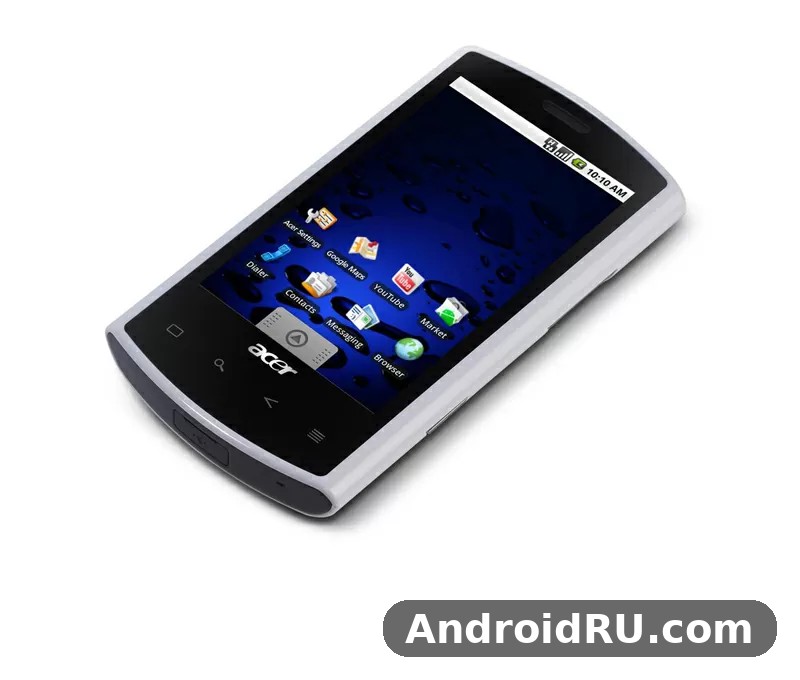
The Acer Liquid release date October 2009 December 2009 tells the first part of the story. It was announced in October 2009 and released in December 2009, with a launch in the United Kingdom on 7 December 2009. The Acer Liquid price in Europe December 2009 launch was around 90 euros, a figure that placed it below many flagship rivals while offering a processor that few phones could match. For a buyer weighing an early Android handset, that combination of price and speed was the main attraction. This Acer Liquid review therefore keeps two questions in view throughout: what did the phone do well in its own year, and what does it offer now as a classic?
The Acer Liquid first Android phone with Snapdragon processor claim is the detail that collectors cite most often, and it is accurate for the S100. A short note on scope helps avoid confusion. This is the original Acer Liquid S100 from 2009. The Acer Liquid phone in this review is that first model, not a later Liquid variant. It is not the later Liquid E, Liquid E1 or Liquid E2, which arrived in different years with different hardware. The Acer Liquid S100 name, the Snapdragon S1 chip and Android 1.6 Donut are the markers that identify the first model. Keep those details in mind and the rest of this review falls into place.
Design and Build Quality
The Acer Liquid design is rounded, glossy and clearly meant to feel friendly in the hand. Acer Liquid handset dimensions weight 135 grams design figures give a phone that measures 115 x 62.5 x 12.5 mm and weighs 135 grams. Those numbers sound modest now, yet in 2009 they described a wide handset with a large screen and a comfortable grip. The curved back helped the phone sit in the palm, while the glossy front gave it a polished look that stood out beside plainer rivals. Acer Liquid black white red colour options availability covered black, white and red finishes, so buyers could pick a sober look or a brighter one without paying extra for the colour itself.
Acer Liquid accessories charger headset case included in the box were the usual items of the period: a charger, a headset and a case, along with the handset and its battery. Nothing in that list was unusual, but it meant a buyer could start using the phone at once. The build used plastic rather than metal, which kept the weight down and kept the price down. A plastic body can pick up fingerprints and fine marks, and the glossy finish showed both, yet the phone felt solid when held firmly and the back cover fitted without obvious gaps.
In the Hand After Several Days
After several days of carrying the phone in a pocket and using it one-handed, the width becomes the most noticeable trait. The 3.5-inch screen needs a wide body, and the thumb has further to travel across the display than on narrower phones of the same year. The rounded edges help, and the weight feels balanced rather than top-heavy. The phone slips into a jacket pocket without trouble, though a tight jeans pocket makes the width harder to ignore. For calls, the earpiece sits in a natural place and the phone rests against the ear without sharp corners pressing into the cheek.
Buttons, Trackball and Ports
Acer Liquid S100 soft keys trackball navigation review notes often focus on the controls below the screen. Four soft keys sit beneath the display, with a small trackball in the centre. The trackball gives a precise way to move through lists, links and text, which was useful when touch targets were small and fingers were less sure. It also gives a different feel from a purely touch-only phone. The soft keys answer, end and move between home and search functions, and they respond with a clear press.
What the Trackball Adds
The trackball adds precision for selecting a link in a web page or a contact in a long list. It also helps when the screen is wet or when gloves make touch input less reliable, though it is not a replacement for the touchscreen. Over a week, it becomes a habit rather than a novelty: a quick roll, a press, and the choice is made.
Port Placement and Daily Handling
The ports and slots sit where a user can reach them without turning the phone over too often. The microSD slot, the headset socket and the charging port follow the layout of the period, and the battery cover comes off for a battery swap or a card change. Daily handling is simple, and the phone rewards a user who learns the key layout in the first day.
Display and Touchscreen Experience
Acer Liquid 3.5 inch touchscreen display quality was one of the stronger points of this phone in 2009. The screen is a 3.5-inch TFT capacitive touchscreen with a resolution of 480 x 800 pixels. Acer Liquid 480 by 800 WVGA resolution screen details show a WVGA panel with about 267 pixels per inch, which gave text and icons a sharpness that many rivals could not match. The Acer Liquid display looked bright indoors, and colours had a lively quality that suited photos, web pages and video.
The Acer Liquid screen responds to a light touch, and the capacitive layer means a finger works better than a stylus. Scrolling through a long web page feels smooth for the period, and the large display makes the on-screen keyboard easier to use than the cramped keyboards on smaller phones. Viewing angles are fair for a TFT panel: the image stays readable from a slight angle, though it fades when viewed from a steep side angle. In bright sunlight, the screen needs shade or a higher brightness setting, a common limit for phones of this year. The Acer Liquid screen still earns praise for its size and resolution, and those two traits shaped how people used the phone.
WVGA Sharpness in 2009 Terms
WVGA sharpness in 2009 terms meant web pages showed more content at once, and photos looked detailed on the phone itself. A 480 x 800 panel was a clear step above the 320 x 480 screens that many early Android phones used. Reading email, browsing a news site or checking a map felt less cramped, and the extra pixels helped the interface breathe. That advantage is easy to forget now, when far higher resolutions are common, yet it was a real selling point at launch.
Performance and Snapdragon Power
Acer Liquid Snapdragon S1 processor performance review material starts with the chip itself. The phone uses the Qualcomm QSD8250 Snapdragon S1 chipset, with a 768 MHz Scorpion processor and an Adreno 200 graphics unit. Acer Liquid Qualcomm QSD8250 768 MHz Scorpion benchmark results from the period placed it ahead of many rivals that used slower processors, and the difference showed in everyday use. Menus opened quickly, web pages rendered with less waiting, and the phone felt responsive when moving between apps. The Acer Liquid processor was the headline feature, and Acer was right to put it at the centre of the launch.
The Acer Liquid performance in daily tasks held up well for a first-generation Snapdragon phone. Opening the browser, checking email and launching the camera took less time than on slower Android phones of the same year. Games and 3D content benefited from the Adreno 200 graphics, though the limits of 2009 mobile games kept expectations modest. The Acer Liquid hardware as a whole felt balanced: a fast chip, a large screen and enough memory for the software of the day, even if the memory would look thin by later standards.
Snapdragon S1 in Daily Tasks
Snapdragon S1 power in daily tasks meant less stutter when scrolling and quicker switching between a call, a message and a web page. The processor did not remove every pause, and heavy web pages could still take a moment to load over a 3G connection, but the phone rarely felt slow in the way that cheaper Android handsets did. That sense of speed is the main reason the phone earned a strong reputation among early adopters.
Memory Limits and Multitasking
Acer Liquid 256MB RAM 512MB ROM storage figures explain both the strengths and the limits of the phone. The Acer Liquid memory includes 256MB of RAM and 512MB of internal ROM, with a microSD card slot for extra space. Acer Liquid microSD card slot expandable storage supports cards up to 32GB, so music, photos and video could live on a card rather than in the small internal store. Acer Liquid storage in the internal memory was tight for apps, and users learned to keep the app count modest and to move media to the card. Multitasking worked, yet opening many apps at once could slow the phone down, and the 256MB of RAM set a clear ceiling. For a week of normal use in 2009, the limits were manageable; for a heavy user, they were a reason to close apps that were no longer needed.
Software and Android 1.6 Donut
The Acer Liquid software shipped with Android 1.6 Donut, and Acer Liquid Android 1.6 Donut upgrade to Eclair was the path that followed. The phone could be upgraded to Android 2.1 Eclair, which brought a newer interface and better support for the apps of the time. Acer Liquid software update Android 2.1 Eclair release notes from Acer described the update as a step forward for the phone, and many owners took it to keep the handset current for longer. The Acer Liquid Android experience at launch was close to stock Android, with Acer adding its own touches on top.
Acer Liquid user interface Acer Spinlets apps were part of that Acer layer. Spinlets offered a way to share and view media and social content, and Acer added widgets and shortcuts that gave the home screens a distinct look. The interface was not as heavy as some rival skins, and it kept the core Android feel while adding a few Acer ideas. Acer Liquid Android Market apps compatibility 2009 was good for the period: the Android Market offered apps, games and tools, and the Snapdragon chip helped the phone run them well. Some newer apps would later need a newer Android version, which is why the Eclair update mattered.
Acer Liquid email Exchange ActiveSync support 2009 covered work use as well as personal use. The phone supported email with Exchange ActiveSync, so work messages, contacts and calendar items could sync for users whose employer offered that service. Combined with GPS, Wi-Fi and a large screen, the phone worked as a capable tool for a working day, not only as a media device.
Acer Spinlets and Preloaded Apps
Spinlets and the preloaded apps gave the phone a social and media flavour. Users could browse shared photos and videos, check updates and open media without hunting through menus. The apps were simple by later standards, yet they showed Acer thinking about how people actually used a phone: to stay in touch, to share a photo and to watch a short clip. The preloaded set did not overwhelm the home screens, and unwanted shortcuts could be moved or ignored.
Camera and Multimedia
The Acer Liquid camera is a 5 megapixel unit with autofocus. Acer Liquid 5 megapixel autofocus camera samples from the period show a camera that performs best in daylight, where colours look natural and detail holds up for prints and on-screen viewing. Indoors, the lack of a flash means low light is a challenge, and noise appears sooner than on later phones. The Acer Liquid camera still served its purpose well: quick photos of friends, a street scene, a document or a meal, captured without carrying a separate camera.
Acer Liquid video recording 720p playback support needs a careful note. The camera records video, and the phone can play video files, including 720p playback in supported formats, yet video recording itself was not a high-definition flagship feature in the way later phones would offer it. For a 2009 phone, the mix of a 5 megapixel still camera and solid video playback was a fair balance. The Acer Liquid features for media also include a music player, an FM radio in some regions and support for common audio and video formats, so the phone could act as a pocket media player on a commute.
5 Megapixel Autofocus in Daylight
Daylight photos benefit from the autofocus, which locks onto a subject with a short pause before the shot. The shutter is not instant, and the phone needs a steady hand, yet the results reward patience. Colours look warm rather than cold, and the 5 megapixel files give enough detail for cropping a little without losing the subject. For a week of use, the camera becomes the tool for small moments rather than for planned shoots, and that is where it works best.
Battery Life and Connectivity
Acer Liquid battery life 1350mAh real world test notes from the era point to a battery that covers a day of moderate use with care. The battery is a removable Li-Ion 1350 mAh unit. Acer Liquid charging time standby talk time hours figures list up to about 400 hours of standby and up to about 5 hours of talk time on 3G, with charging taking a few hours from empty. Acer Liquid battery performance in a real week depended on screen brightness, 3G use and GPS: heavy browsing and navigation drained the battery faster, while calls, messages and light browsing left more charge at the end of the day. A spare battery or a charger at work helped heavy users, and the removable battery made that option simple.
Acer Liquid WiFi Bluetooth GPS connectivity features cover the main wireless tools of the period. Wi-Fi 802.11 b/g connects the phone to a home or office network, Bluetooth 2.0 with A2DP links a headset or a car kit, and GPS with A-GPS support helps with maps and navigation. Acer Liquid connectivity also includes HSDPA for faster mobile data, plus a microUSB port for charging and for moving files to a computer. Acer Liquid proximity sensor accelerometer compass features add to the daily experience: the proximity sensor turns the screen off during a call, the accelerometer rotates the display, and the digital compass helps maps point in the right direction.
Acer Liquid speaker quality call reception test impressions are positive for calls. The earpiece is clear, the speakerphone is loud enough for a quiet room, and call reception holds up in areas with a decent signal. The speaker for music is small, as on most phones of the year, and it suits alerts and short clips better than long listening sessions. A headset gives a better result for music, and the phone pairs well with a wired headset from the box.
How Long Does the Battery Last?
How long the battery lasts depends on the day. A light day of calls and messages can end with charge to spare. A day with maps, browsing and music will need a top-up before evening. That pattern was normal in 2009, and the Liquid sits in the middle of the pack rather than at either extreme. Keeping brightness moderate and turning off Wi-Fi when out of range helps, and those small habits made a real difference over a week.
Value for Money
The Acer Liquid value case starts with the launch price of around 90 euros. At that price, a Snapdragon processor, a 3.5-inch WVGA screen and a 5 megapixel camera gave a strong mix for the money. The Acer Liquid price was low enough to tempt buyers who wanted speed without paying a flagship price, and the Acer Liquid value held up well against rivals that cost more for slower hardware. Acer Liquid vs HTC Hero Android phone comparison shows the contrast: the Hero offered a distinctive design and a polished Sense interface, while the Liquid offered a faster chip and a larger, sharper screen. A buyer who prized speed and screen size leaned toward the Liquid; a buyer who prized the Hero interface and its trackball design leaned the other way. Both phones tell the story of Android in 2009, and the Liquid stands out for raw performance per euro.
Acer Liquid second hand value for money in 2026 is a different question. As a daily phone, the Liquid cannot run modern apps, modern web services or modern security standards, so its value now is as a collector item, a museum piece or a study in early Android design. Prices for used examples vary with condition, box and accessories, and a clean, working S100 with its original box will interest collectors more than a worn handset alone. The Acer Liquid classic status rests on its place in history: the first Android phone from Acer and the first Android phone with Snapdragon. That history gives it a value that a spec sheet alone cannot capture.
Who Should Still Care About This Classic?
This Acer Liquid collector classic Android phone retrospective review is written for readers who value that history. Collectors, Android historians and fans of 2009 hardware should still care about this classic. A working Liquid shows how quickly Android matured, how a fast chip changed the feel of a phone, and how Acer entered a market that would soon grow far larger. For anyone else, the phone is best seen as a reference point rather than a purchase for daily use. The Acer Liquid smartphone label fits its time: a smartphone in the 2009 sense, with a large touch screen, apps, maps and media, rather than a modern smartphone in the current sense.
Pros and Cons
The Acer Liquid pros and Acer Liquid cons below sum up a week of use in plain terms. The Acer Liquid pros start with speed, screen and price, while the Acer Liquid cons start with memory, camera limits and battery life. Reading both lists together gives a fairer view than either list alone.
Pros
- Fast Snapdragon S1 processor for its year, with a 768 MHz Scorpion core.
- Large 3.5-inch WVGA screen with sharp 480 x 800 resolution.
- 5 megapixel autofocus camera that works well in daylight.
- Low launch price of around 90 euros for the hardware on offer.
- Wi-Fi, Bluetooth, GPS and microSD expansion in one handset.
- Upgrade path from Android 1.6 Donut to Android 2.1 Eclair.
Cons
- Only 256MB of RAM and 512MB of internal ROM, which limits apps and multitasking.
- No camera flash, so low-light photos suffer.
- Battery life needs care on heavy days, with a 1350 mAh cell.
- Plastic body picks up fingerprints and marks on the glossy finish.
- Wide body makes one-handed use harder than on narrower phones.
- Android 1.6 at launch already felt a step behind the newest software ideas.
Full Specifications
The table below gives the Acer Liquid specs in full, using the launch details recorded for the S100. The Acer Liquid S100 full specifications and review in the sections above adds context to these numbers, while this table keeps the facts in one place for quick reference.
| Feature | Specification |
|---|---|
| Model | Acer Liquid S100 |
| Announced | October 2009 |
| Released | December 2009, launched 7 December 2009 in the UK |
| Operating system | Android 1.6 Donut, upgradable to Android 2.1 Eclair |
| Chipset | Qualcomm QSD8250 Snapdragon S1 |
| Processor | 768 MHz Scorpion |
| Graphics | Adreno 200 |
| Display | 3.5-inch TFT capacitive touchscreen, 480 x 800 pixels, WVGA, about 267 ppi |
| RAM | 256MB |
| Internal ROM | 512MB |
| Expandable storage | microSD card slot, up to 32GB |
| Rear camera | 5 megapixel, autofocus, video recording |
| Front camera | No |
| Battery | Removable Li-Ion 1350 mAh |
| Standby time | Up to about 400 hours |
| Talk time | Up to about 5 hours on 3G |
| Wi-Fi | Wi-Fi 802.11 b/g |
| Bluetooth | Bluetooth 2.0 with A2DP |
| GPS | GPS with A-GPS support |
| Network | GSM and HSDPA 3G |
| Sensors | Accelerometer, proximity sensor, digital compass |
| Dimensions | 115 x 62.5 x 12.5 mm |
| Weight | 135 grams |
| Colours | Black, white, red |
| Price at launch | Around 90 euros |
For readers comparing other early Acer Android phones, these related reviews give useful context: Acer beTouch E110 Specs and Review: A Detailed Look at Features, Acer neoTouch Review and Detailed Specs: Features and Screen Quality Covered, Breaking Down the Acer neoTouch P300: Review, Performance and Full Specs, Buying the Acer beTouch E200? Read This Review and Specs Guide First and Everything About the Acer beTouch E400: Review, Connectivity and Full Specifications. Each one covers a different Acer handset from the same early Android period, so the set helps a reader see where the Liquid sat in the Acer range.
Frequently Asked Questions
When was the Acer Liquid released?
The Acer Liquid was announced in October 2009 and released in December 2009, with a launch in the United Kingdom on 7 December 2009. The Acer Liquid 2009 launch date is the key date to remember, and it places the phone among the earliest Android handsets with a Snapdragon processor.
What processor does the Acer Liquid use?
The Acer Liquid uses the Qualcomm QSD8250 Snapdragon S1 chipset with a 768 MHz Scorpion processor and Adreno 200 graphics. That chip made it the first Android phone in the world with a Snapdragon processor, and it gave the phone a speed edge over many rivals in late 2009.
Can the Acer Liquid be upgraded from Android 1.6?
Yes, the Acer Liquid shipped with Android 1.6 Donut and could be upgraded to Android 2.1 Eclair. The update improved the interface and app support, and it helped the phone stay useful for longer after its December 2009 release.
Is the Acer Liquid still worth buying?
As a daily phone, no: modern apps and services need newer Android versions and stronger hardware. As a collector item, the Acer Liquid classic appeal is real, and a clean working example is worth a look for fans of early Android history. The Acer Liquid verdict is therefore clear: a first of its kind handset that earns its place in Android history, a solid everyday companion in its own year, and an honest classic now rather than a modern daily driver. The Acer Liquid launch in 2009 showed what a fast chip and a large screen could do for Android, and that lesson still shapes how phones are judged.

