

Acer beTouch E110 Specs and Review: A Detailed Look at Features
This Acer beTouch E110 full specifications and review covers a small Android phone from the early days of the platform, when compact screens, physical buttons, and modest hardware were normal for an affordable handset. The Acer beTouch E110 review below looks at what the phone offered in 2010, how it handled daily tasks, and where its limits were most obvious. It was not a flagship, and it was not meant to be one. It was a compact classic aimed at first-time smartphone buyers who wanted email, maps, music, and a touch screen without a large price tag.
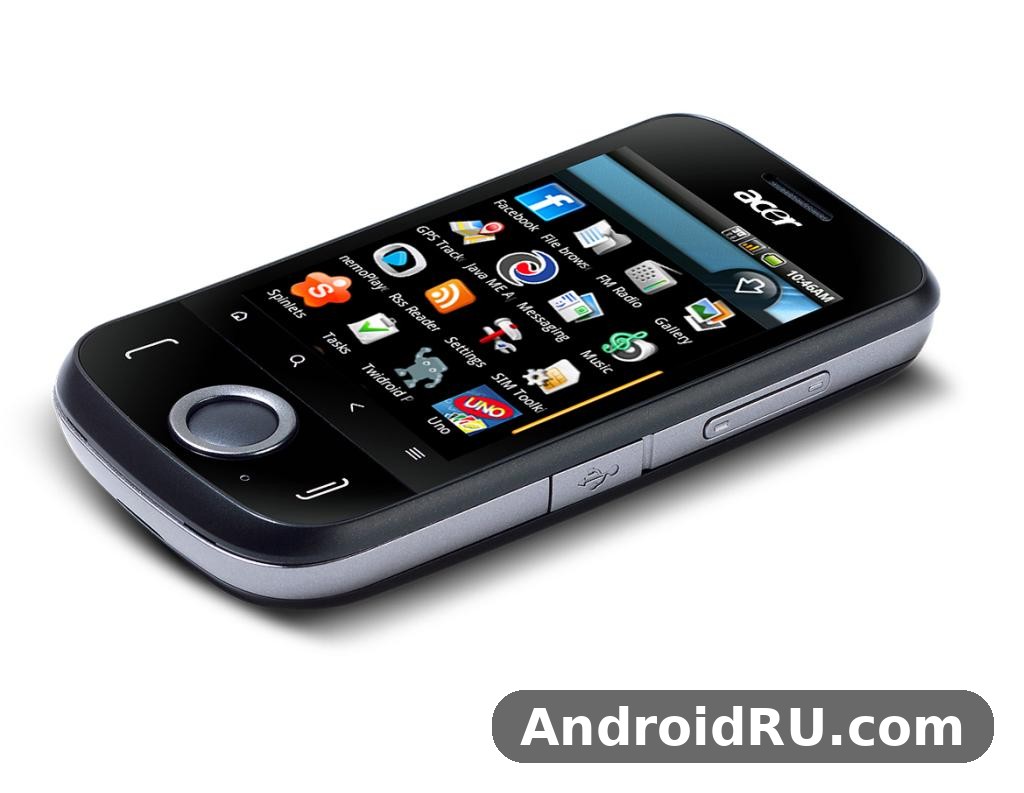
Announced in February 2010 and released in March 2010, the handset arrived at a time when Android was still finding its shape. The Acer beTouch E110 released March 2010 after announcement in February, and Acer positioned it as a low-cost route into Android. The Acer beTouch E110 price in Europe 2010 launch was around €70, which placed it well below many rival smartphones of the same period. That price shaped every choice in the design, from the screen technology to the processor and the camera.
Readers who want context from the same Acer range can compare this model with Everything About the Acer beTouch E400: Review, Connectivity and Full Specifications and with Acer Liquid After a Week of Use: Review, Value for Money and Full Specs. Those comparisons help show why the E110 sat at the entry level of the Acer Android line-up in 2010.
Overview and First Impressions
The Acer beTouch E110 Android 1.5 Cupcake phone features give a clear picture of its place in history. It ran Android 1.5 Cupcake, used a 2.8-inch resistive touch screen, and relied on a 416 MHz processor. The Acer beTouch E110 specs were modest even by 2010 standards, yet the package was complete: it had 3G, GPS, Bluetooth, an FM radio, a camera, and a microSD slot. For a buyer moving from a feature phone, that list covered the main reasons to switch.
Acer beTouch E110 hands on experience from 2010 era reports described a phone that felt light and pocketable, with a simple and practical layout and a screen that needed a firm press or a stylus. The Acer beTouch E110 design was plain rather than showy, and the plastic body kept the weight down. The Acer E110 phone was easy to hold in one hand, and its small size made it a practical second phone or a first Android device for younger users and for buyers on a tight budget.
The Acer beTouch E110 performance in basic use was acceptable for calls, texts, email, and light browsing, provided the user kept expectations in line with the hardware. It was not built for heavy games or for many apps running at once. The Acer beTouch E110 software was the stock Android 1.5 experience with Acer Shell on top, which added widgets and a different home-screen layout without changing the core system.
Design and Build Quality
The Acer beTouch E110 dimensions weight and pocket portability were among its strongest practical points. It measured 103.5 x 54 x 13.4 mm and weighed 105 grams, so it slipped into a pocket or a small bag without adding bulk. The Acer beTouch E110 dimensions were smaller than many touch-screen phones that followed, and the rounded edges made it comfortable to hold during a call.
Physical Dimensions and Colours
The Acer beTouch E110 black and dark blue colour options gave buyers a choice between a discreet black finish and a slightly more distinctive dark blue version. Both finishes used the same plastic shell, and both showed fingerprints less than a glossy black slab might have done. The Acer beTouch E110 colours were restrained, which suited a phone aimed at a wide audience rather than at fashion buyers.
Below the screen sat a row of touch-sensitive or physical controls, including call and end keys, a home key, and a back key, plus a small optical trackpad area on some descriptions of the layout. The Acer beTouch E110 touchscreen sat above those controls, and the earpiece, light sensor, and front-facing details were kept simple. A 3.5 mm headphone jack on the top edge made it easy to use standard headphones for music and FM radio.
Buttons and Ports
On the side, volume keys and a microUSB port handled charging and data transfer, while the microSD slot sat under the rear cover or behind a side flap depending on the production variant. The Acer beTouch E110 storage relied on that slot, because the built-in memory was limited. The rear cover removed to reveal the removable battery, which was a useful feature at a time when many phones still allowed a quick battery swap.
Display and Touchscreen Experience
The Acer beTouch E110 2.8 inch resistive touchscreen display used TFT technology with a QVGA resolution. The Acer beTouch E110 QVGA 240 by 320 screen resolution gave 143 pixels per inch, which was enough for menus, messages, and simple web pages, though text looked less sharp than on later high-density screens. The Acer beTouch E110 display was bright enough indoors, but it struggled in direct sunlight, as many TFT panels of the period did.
Screen Quality in Daily Use
Resistive technology meant the screen responded to pressure rather than to a light capacitive touch. The Acer beTouch E110 resistive touchscreen stylus input accuracy was better with the supplied stylus or a fingernail than with a fingertip, especially for small on-screen buttons and links. That made typing and precise taps slower than on later capacitive phones, and it is one of the main differences a modern reader should keep in mind when judging this Acer beTouch E110 review.
Colours were acceptable for photos and video at this size, and the 2.8-inch panel kept the phone compact. The Acer beTouch E110 touchscreen worked well for the Acer Shell widgets, for scrolling through contacts, and for the on-screen keyboard in portrait mode. Users who wanted a larger screen for video or web browsing would have found the E110 cramped, but for calls, messages, and quick checks, the size was a fair trade for portability.
Performance and Software
The Acer beTouch E110 ST Ericsson PNX6715 processor speed was 416 MHz, and that single-core chip handled Android 1.5 with care rather than with speed. The Acer beTouch E110 processor was paired with 256 MB of RAM and 512 MB of ROM, so the phone could run the core Google apps and a small set of extra apps, but it slowed down when several apps stayed open. The Acer beTouch E110 chipset was the ST Ericsson PNX6715, not a Snapdragon part, and that detail matters for anyone checking the specification against other 2010 phones.
The Acer beTouch E110 RAM 256 MB internal memory limited multitasking, and the usable internal storage for apps was smaller than the headline 512 MB figure suggests, because part of that space held the system. The Acer beTouch E110 memory therefore depended on a microSD card for music, photos, and extra files. The Acer beTouch E110 microSD card storage expansion options and the Acer beTouch E110 microSDHC support up to 32 GB gave owners room to grow, and a card was almost essential for anyone who wanted a music library on the phone.
Processor and Memory
In daily use, opening the browser, the camera, or the music player took a few seconds, and switching between apps could pause while the system freed memory. The Acer beTouch E110 Android Cupcake apps and limitations were clear in this area: Android 1.5 lacked some features that arrived in later versions, including support for some newer apps and widgets, and the Android Market catalogue for Cupcake was already shrinking by 2011. Owners who stayed with the stock software had a stable, simple system, while owners who tried to push it further ran into the limits of the hardware and the old operating system.
Multitasking on 256 MB RAM
With 256 MB of RAM, the phone worked best with one or two apps open at a time. A browser with several tabs, a music player, and email sync running together could cause slow redraws. Closing apps that were not in use, keeping widgets to a minimum, and using a small microSD card for media helped keep the Acer beTouch E110 performance steady for calls and messages.
Acer Shell Interface
The Acer beTouch E110 Acer Shell user interface customisation added home-screen panels, shortcuts, and Acer widgets over Android 1.5. Acer Shell made the home screen look less plain than stock Cupcake, and it gave quick access to contacts, messages, and media. The Acer beTouch E110 software update options and rooting risks were limited, because Acer did not provide a later official Android version for this model, and unofficial changes could break the phone or remove access to services. Most owners were best served by keeping the supplied software and using the apps that worked well on it.
Camera and Multimedia
The Acer beTouch E110 3.15 megapixel camera photo quality was typical for an entry-level phone camera in 2010. The Acer beTouch E110 camera used a 3.15 MP sensor with autofocus and produced 2048 x 1536 pixel images. In good daylight, photos were usable for sharing by email or for small prints, with reasonable colour and detail in the centre of the frame. In low light, noise increased and detail fell away, and there was no flash to help, so indoor shots needed steady hands and a bright room.
Photo Quality
The Acer beTouch E110 call quality and speaker volume review notes also apply to media use: the speaker was loud enough for ringtones and speakerphone calls in a quiet room, but it lacked bass and depth for music. Headphones gave a better result, and the 3.5 mm jack meant owners did not need an adapter. The Acer beTouch E110 FM radio and multimedia playback covered the main entertainment needs of the period, with an FM tuner, an MP3 player, and video playback for common formats at modest resolutions.
Video Recording
The Acer beTouch E110 video recording QVGA at 15 fps was basic, producing small clips suited to MMS or to viewing on the phone itself rather than on a large screen. Video at that resolution and frame rate looked soft and could judder during fast movement, yet it was a useful extra for capturing a short moment. The camera app was simple, with few manual controls, and that simplicity suited the target buyer.
Connectivity and Battery Life
The Acer beTouch E110 Bluetooth 2.0 and A-GPS connectivity covered wireless headsets, file transfer, and location services. The Acer beTouch E110 connectivity also included HSDPA 3G, so mobile data was available where 3G coverage existed. The Acer beTouch E110 HSDPA 3G mobile data speed test results from the period were modest by later standards, with HSDPA up to 7.2 Mbps and HSUPA up to 2 Mbps in ideal conditions, and real-world speeds depended on signal strength and network load.
The Acer beTouch E110 no Wi-Fi connection limitation explained in plain terms is simple: this phone has no Wi-Fi radio at all. That is the main weakness of the E110, and it shaped how owners used the phone. The Acer beTouch E110 email browsing without Wi-Fi hotspot access meant email, maps, and web browsing all used mobile data, which could be slow and costly on a limited data plan in 2010. Buyers who expected to use home or office Wi-Fi would have been disappointed, and anyone considering the phone today should treat the absence of Wi-Fi as a defining limit.
Mobile Data and GPS
A-GPS helped the phone find its position faster when a data connection was available, and Google Maps worked for basic navigation and for finding nearby places. The Acer beTouch E110 GPS worked best outdoors with a clear view of the sky, and it drained the battery faster when used for long periods. Bluetooth 2.0 with A2DP supported stereo headsets, which suited music on the move, and microUSB handled wired sync and charging.
The Acer beTouch E110 battery life 1500 mAh performance came from a removable Li-Ion 1500 mAh battery. Acer quoted up to 400 hours of standby and up to 5 hours of talk time on 3G, with shorter times in heavy use. The Acer beTouch E110 battery was removable, so a spare could extend a long day. The Acer beTouch E110 replacement battery and charging time were practical concerns for owners: a full charge took a few hours over microUSB, and a fresh battery restored the standby and talk times that an aged cell lost.
The Acer beTouch E110 compared with Acer beTouch E400 shows the trade-offs Acer made across its range, and the comparison here stays on the E110 itself. The E400 offered a larger screen and Wi-Fi, while the E110 offered a smaller body and a lower price. The Acer beTouch E110 radio tuner also suited the budget role, giving free broadcast listening without using mobile data. The Acer beTouch E110 versus Acer Liquid original model comparison tells a similar story: the Liquid was faster and had a larger, sharper display, while the E110 was cheaper and more compact. For detail on the Liquid, see the related Liquid review linked in the introduction.
Full Specifications
The table below brings together the Acer beTouch E110 full specifications and review details in one place. The Acer beTouch E110 specs in this table use the verified figures for the March 2010 release, including the ST Ericsson PNX6715 chipset, Android 1.5 Cupcake, and the absence of Wi-Fi. The Acer beTouch E110 release was March 2010, and the Acer beTouch E110 launch price was around €70 in Europe.
| Feature | Specification |
|---|---|
| Model | Acer beTouch E110 |
| Announced | February 2010 |
| Released | March 2010 |
| Operating system | Android 1.5 Cupcake with Acer Shell |
| Chipset | ST Ericsson PNX6715 |
| CPU | 416 MHz single-core |
| RAM | 256 MB |
| Internal storage | 512 MB ROM |
| Expandable storage | microSD, microSDHC up to 32 GB |
| Display | 2.8-inch TFT resistive touchscreen, 240 x 320 pixels, QVGA, 143 ppi |
| Rear camera | 3.15 MP, autofocus, 2048 x 1536 pixels |
| Video recording | QVGA at 15 fps |
| Front camera | None |
| Battery | Removable Li-Ion 1500 mAh |
| Standby time | Up to 400 hours |
| Talk time | Up to 5 hours on 3G |
| Connectivity | HSDPA 7.2 Mbps, HSUPA 2 Mbps, Bluetooth 2.0 with A2DP, A-GPS, microUSB 2.0 |
| Wi-Fi | No Wi-Fi |
| FM radio | Yes, stereo FM radio with RDS |
| Headphone jack | 3.5 mm |
| SIM | Mini-SIM |
| Dimensions | 103.5 x 54 x 13.4 mm |
| Weight | 105 g |
| Colours | Black, dark blue |
| Price at launch | About €70 in Europe |
The Acer beTouch E110 price, the Acer beTouch E110 features, and the Acer beTouch E110 display all point to the same conclusion in the data: this was a budget Android phone with a complete basic feature set, held back mainly by its resistive screen, its 416 MHz processor, and the lack of Wi-Fi. The beTouch E110 specs and the beTouch E110 review evidence in this article agree that the phone is best understood as a product of its time, not as a rival to later Android phones.
Pros and Cons
The Acer beTouch E110 classic Android phone collector value today is modest, because the phone is remembered as an early budget Android device rather than as a landmark model. Collectors who like early Android hardware may value a working example with its stylus and battery, while most buyers in 2010 chose it for price and size rather than for lasting prestige. The E110 specs still tell a useful story about how quickly Android hardware changed after 2010.
Pros
Compact and light at 105 grams, with a pocket-friendly 2.8-inch body. affordable entry-level Android phone at around €70 at launch, with 3G, A-GPS, Bluetooth 2.0, FM radio, and a microSD slot. Removable 1500 mAh battery and a 3.5 mm headphone jack added practical value. Simple Android 1.5 interface with Acer Shell widgets suited first-time smartphone users.
Cons
No Wi-Fi, which is a serious limit for browsing, email, and maps on a limited mobile data plan. Resistive touchscreen needed firm pressure or a stylus and felt slow beside capacitive screens. Small QVGA display, 256 MB of RAM, and a 416 MHz processor limited apps, multitasking, and video. Android 1.5 Cupcake aged quickly, with a shrinking app catalogue and no official later update. No flash, no front camera, and basic QVGA video at 15 fps.
Frequently Asked Questions
These questions cover the points buyers and collectors ask most often about the E110, using the verified specification and the 2010 release date.
Does the Acer beTouch E110 have Wi-Fi?
No. The Acer beTouch E110 has no Wi-Fi radio, so it cannot join a home, office, or public wireless network. All data use goes through HSDPA 3G mobile data, Bluetooth, or a wired microUSB connection. This is the most important limit to check before buying a used example.
When was the Acer beTouch E110 released?
The Acer beTouch E110 was announced in February 2010 and released in March 2010. Acer press material from the period listed the phone as available in March 2010, and GSMArena records the same February announcement and March release dates.
What chipset does the Acer beTouch E110 use?
It uses the ST Ericsson PNX6715 chipset with a 416 MHz processor. That is the verified chipset for this model, and it should not be confused with the Snapdragon MSM7227 used in some other Acer phones of the period. The Acer beTouch E110 chipset, RAM, and Android 1.5 software together explain its modest speed.
Is the Acer beTouch E110 still usable today?
Only in a very limited sense. It can still make calls and send texts on a compatible 2G or 3G network where those networks remain active, and it can play stored music and FM radio. Modern apps, secure browsing, and current Android services will not work well or at all on Android 1.5, and the lack of Wi-Fi adds to the limit. It is best viewed as a classic 2010 device and a collector item rather than as a daily phone.
For readers comparing other Acer phones from the same period, the related reviews are Breaking Down the Acer neoTouch P300: Review, Performance and Full Specs and Acer neoTouch Review and Detailed Specs: Features and Screen Quality Covered. A further comparison is Acer neoTouch P400 Review: Battery Life Tested and the Complete Specs. Each of those models sat above the E110 in price or features, which helps explain why the E110 was the budget choice in the Acer range.
The Acer beTouch E110 remains a clear example of early budget Android design: small, light, simple, and affordable, with a useful set of basics and one major omission. Its 2.8-inch resistive screen, 3.15 MP camera, 1500 mAh battery, and ST Ericsson processor tell the story of a phone built to a price in early 2010. The Acer beTouch E110 features were enough for calls, messages, email, maps, and music on the move, provided the owner accepted mobile data instead of Wi-Fi and a slower touch experience than later phones offered.

