

POCO F2 Pro Review: Camera Quality, Battery and Value
Released in May 2020, the POCO F2 Pro arrived as a flagship phone with a much lower price than the big-name rivals of its year. It paired a top Qualcomm chip with a large battery, a bright AMOLED screen and a 64MP main camera, and it did so without a notch or a hole in the display. This POCO F2 Pro review looks at the phone as it was made to be judged: a 2020 flagship killer, with its original specifications, its strengths in photos and endurance, and the trade-offs that buyers should still know about today. A POCO F2 Pro review from this angle is not about pretending the phone is new. It is about whether its camera, battery and everyday speed still make sense years after launch, and who should consider one now.
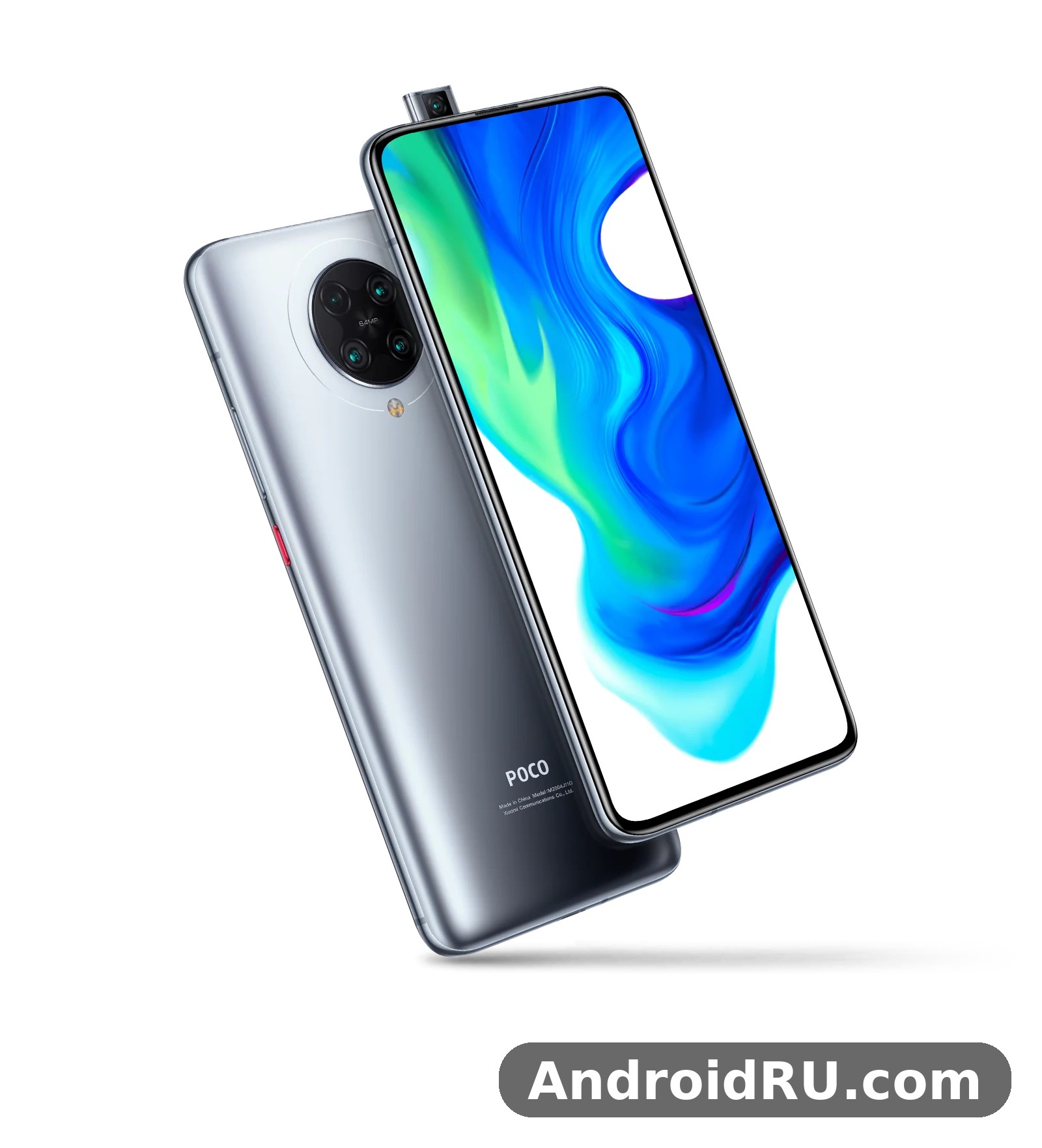
The short answer is that the hardware was unusually generous for its price. The phone offers flagship power at a lower price, a clean screen, and a large battery that lasts a full day for most people. At the same time, its 60Hz display, its pop-up front camera and its older software support are real limits in 2026. Anyone weighing the POCO F2 Pro price today should weigh those limits against the used price, the condition of the battery, and the fact that newer POCO phones have moved on in refresh rate, charging and camera processing. The POCO F2 Pro value question therefore depends on what you pay, what you photograph, and how long you plan to keep the phone.
This guide covers the POCO F2 Pro camera in detail, the POCO F2 Pro battery and charging, the POCO F2 Pro display, the POCO F2 Pro performance in games and daily apps, and the POCO F2 Pro specs in a full table. It also answers the question many readers ask first: POCO F2 Pro is it still worth buying in 2026, and what should you check before you pay for a used one?
Design and Display
The POCO F2 Pro has a glass back, an aluminium frame and a rounded shape that feels solid rather than flashy. POCO F2 Pro weight is 219g, and the phone is 8.9mm thick, so it is not a light phone, but the weight is balanced and the curved back helps it sit well in the hand. POCO F2 Pro colours include Neon Blue, Phantom White, Electric Purple and Cyber Grey, with the blue and purple versions using a glossy finish that catches the light. A case is a good idea, because the glossy back can be slippery and shows fingerprints quickly.
Because the front camera pops up from the top edge, the screen has no notch and no punch hole. That gives the phone a clean full-screen design that still looks good today, especially for video. The fingerprint reader sits under the display, and face unlock uses the pop-up camera, which is slower than a normal front camera because the motor has to raise the module first.
Screen quality in daily viewing
The 6.67-inch Super AMOLED panel has a 1080 x 2400 resolution, HDR10+ support and a typical brightness of 500 nits, with higher peaks in bright scenes. POCO F2 Pro AMOLED display quality for video watching is one of its best features: colours are rich, blacks are deep, and the full-screen panel makes films and short videos feel larger than on a phone with a cut-out. POCO F2 Pro HDR10 support helps compatible video look more vivid, although the panel is not as bright as the best screens of later years.
The refresh rate is 60Hz. That was normal for a flagship in early 2020, but it is the clearest sign of the phone’s age next to newer 120Hz phones. Scrolling is smooth enough, yet it does not have the fluid feel of a high-refresh display. POCO F2 Pro 6.67 inch AMOLED screen brightness outdoors is adequate in shade and on cloudy days, but direct sunlight can wash the screen out a little, so you may need to raise brightness to the top for maps and photos outside.
Brightness and HDR10+ playback
Indoors, the screen is bright and easy to read, and HDR video on supported apps shows good contrast between bright highlights and dark shadows. The always-on display option is useful for the time and notifications, and the panel supports DCI-P3 colour, which keeps photos and video looking natural rather than oversaturated when the colour mode is set to standard.
Full-screen design without a notch
With no cut-out, games and video use the whole panel, and there is no camera hole to distract the eye. The trade-off is the moving front camera, which adds a mechanical part that can wear over time. If you buy used, open the front camera several times and listen for grinding or hesitation before you pay.
Build, weight and handling
The phone has Gorilla Glass 5 on the front and back, an aluminium frame, and a USB-C port, a 3.5mm headphone jack and an infrared blaster. POCO F2 Pro no wireless charging and headphone jack details matter here: there is no wireless charging, so you charge only by cable, but the headphone jack is a genuine plus for wired earphones and for people who do not want to rely on Bluetooth. There is no official water resistance rating, so the phone should be kept away from rain and splashes. The dual speakers are not stereo in the true sense, with the main speaker at the bottom, and sound is clear at normal volume but thin at the top end.
Camera Quality
The rear camera system has four lenses: a 64MP main camera with an f/1.9 aperture, a 13MP ultrawide camera, a 5MP macro camera and a 2MP depth sensor. The main camera uses the Sony IMX686 sensor, which was a strong sensor for its class in 2020, and it can record 8K video at 24 frames per second. POCO F2 Pro 64MP camera photo samples and detail show the main strength of the system: in good light, photos are sharp, colours are lively, and there is plenty of detail to crop or print. The POCO F2 Pro camera is at its best outdoors, in daylight, and in well-lit rooms.
POCO F2 Pro camera quality in low light is good for a 2020 phone, but it is not at the level of later flagships. Night mode helps a lot by taking several frames and merging them, which brightens shadows and keeps highlights under control. POCO F2 Pro night mode photos with 64MP main camera output can look clean at a glance, yet fine detail softens when you zoom in, and moving subjects can blur. For still scenes, a steady hand and night mode give the best results. For people and pets in dim rooms, the regular photo mode is often faster and more reliable.
Main 64MP camera in daylight and low light
In daylight, the main camera produces detailed photos with good dynamic range. The default mode bins pixels to 16MP, which gives cleaner files and smaller sizes, while the full 64MP mode is useful for landscapes and for photos you plan to crop heavily. POCO F2 Pro 64MP is the headline number, but the real test is the 16MP output most people will use, and that output holds up well. Colours lean slightly warm and saturated, which suits travel and food photos, although skin tones can look a little warm in strong sun.
Video from the main camera is stable thanks to electronic stabilisation, and 4K at 60 frames per second is available for smoother motion. POCO F2 Pro video quality is good in daylight, with natural colours and steady footage when walking slowly. In low light, video noise increases and detail drops, which is normal for a phone of this age. POCO F2 Pro 8K video recording with main rear camera is a headline feature, but it is best treated as a novelty: files are large, stabilisation is limited, and 4K gives a better balance of quality and file size for most people.
Ultrawide, macro and depth cameras
POCO F2 Pro ultrawide camera quality for landscape photos is useful, but it is a step below the main camera. The 13MP ultrawide lens covers a 123-degree field of view, which is wide enough for buildings, groups and scenery, yet edges can look soft and colours can differ slightly from the main camera. In bright light the results are pleasing, while in low light the ultrawide loses detail quickly, so it is best used outdoors or in bright rooms.
The depth sensor supports portrait mode, which blurs the background behind a person. Edge detection is decent in good light, although hair and busy backgrounds can confuse it. The camera app also offers a range of filters and a pro mode for manual control of ISO, shutter speed and white balance.
When the 5MP macro camera works best
POCO F2 Pro macro camera close up photos with 5MP lens work best in bright, still conditions. The 5MP macro lens can focus from about 3cm to 7cm, which is closer than many macro cameras of its time, and it can capture flowers, textures and small objects with real detail. POCO F2 Pro macro shots need steady hands and good light, because the small sensor struggles in shade. Use it as a fun extra lens, not as a replacement for the main camera.
Pop-up 20MP selfie camera and video
POCO F2 Pro pop up selfie camera durability and design is a key question for used buyers. The POCO F2 Pro pop-up module rises in about a second and has a light that glows around the lens. POCO F2 Pro 20MP pop up front camera video quality is good in daylight, with clear detail and natural skin tones, and the front camera records 1080p video at 30 frames per second, plus slow-motion options. POCO F2 Pro selfie photos in good light are sharp and well exposed, while low-light selfies are softer and noisier, as expected without a front flash.
The pop-up design keeps the screen clean, but it is a moving part. The phone is designed to retract the camera if it detects a fall, and the module feels sturdy, yet dust and wear can affect it over years of use. POCO F2 Pro camera app modes portrait night and pro include a front portrait mode, which gives a pleasant background blur for selfies in good light.
Performance and Snapdragon 865
The POCO F2 Pro runs on the Qualcomm Snapdragon 865 5G, a 7nm+ chip with an octa-core CPU up to 2.84GHz and an Adreno 650 GPU. POCO F2 Pro Snapdragon 865 performance in games is still strong for a phone of its age, and the chip was the flagship Android platform of 2020. POCO F2 Pro 865 chipset performance holds up for daily apps, web browsing, photo editing and multitasking, and the phone feels fast when the software is clean and the storage is not full. POCO F2 Pro Snapdragon power is the reason the phone aged better than many mid-range phones from the same year.
POCO F2 Pro performance in everyday use is smooth, with fast app opening and quick switching between apps. The phone uses UFS 3.1 storage and LPDDR5 RAM in the higher version, which helps loading times. POCO F2 Pro UFS 3.1 storage is fast for its class, and large games and photo libraries load without long waits. There is no microSD slot, so the built-in storage is all you get, and buyers should choose the size with care.
Snapdragon 865 gaming and multitasking
POCO F2 Pro gaming performance with Snapdragon 865 chipset is good for popular titles at high settings, although the newest demanding games may need medium settings for a stable frame rate. The large vapour-chamber cooling system helps the phone sustain performance, and the 60Hz screen means the chip does not have to push 120 frames per second, which reduces load. POCO F2 Pro gaming sessions feel stable for casual and mid-level play, with good touch response and no major stutter in most titles.
POCO F2 Pro heat management during long gaming sessions is decent, with the back warming up after extended play but rarely becoming uncomfortable. The phone can throttle a little after long, heavy sessions, which is normal, and a case can trap heat, so removing the case for long play can help. POCO F2 Pro 5G support gives fast mobile data where 5G is available, and Wi-Fi 6, Bluetooth 5.1 and NFC are included. POCO F2 Pro NFC works for contactless payments and pairing where supported, and the infrared blaster can control a television or air conditioner.
Memory and storage options
POCO F2 Pro 128GB storage version with 6GB RAM review notes show that the base model is enough for most people who stream music and video and keep a moderate photo library. POCO F2 Pro 256GB storage version with 8GB RAM performance is the better choice for heavy gamers and for people who record a lot of 4K video, because the extra RAM keeps more apps in memory and the extra storage leaves room for large files. Both versions use fast storage, and neither can be expanded, so cloud backup or regular transfers to a computer are worth planning if you choose the smaller size.
Battery Life and 30W Charging
The phone has a 4700mAh lithium-polymer battery, which was large for a flagship in 2020. POCO F2 Pro battery life with heavy use is generally a full day for most people, with screen-on time often reaching six to eight hours depending on brightness, signal and gaming. POCO F2 Pro battery endurance is one of its strongest points, because the efficient Snapdragon 865, the 60Hz screen and the large cell work together to keep drain modest. POCO F2 Pro 4700mAh capacity still matters today, although a used battery will not hold the same charge as a new one, so buyers should check battery health before paying.
POCO F2 Pro battery drain overnight and standby time test results from typical use show low idle drain when the phone has a good signal and background apps are under control. With poor signal, heavy syncing or a worn battery, overnight drain can rise, so a used phone that loses a large share overnight may need a new battery. A fresh battery can restore much of the original endurance, and a battery replacement is worth considering if the phone is otherwise in good condition.
Charging is by USB-C at 30W, with a 33W charger included in the box in many regions. POCO F2 Pro 4700mAh battery charging time with 30W is about an hour from empty to full, with a large share restored in the first half hour. POCO F2 Pro 30W fast charging speed and battery health are linked: fast charging is convenient, but repeated charging to full and heavy use while charging can age a battery faster, so overnight charging at a slower pace and avoiding heat can help a used battery last longer. POCO F2 Pro charging has no wireless option, so a cable and a good charger are essential. POCO F2 Pro 30W charging is slower than the 65W and 120W charging on later POCO phones, yet it is fast enough for a full-day phone that charges while you get ready in the morning.
Software and Daily Use
The phone shipped with Android 10 and MIUI 11, and it received updates to Android 12 with MIUI 14. POCO F2 Pro software update to Android 12 MIUI 14 is the last major software step for this model, which means it will not receive the newest Android versions or the latest security patches on the same schedule as newer phones. POCO F2 Pro Android version history matters for buyers who care about security and app support: most current apps still run, but the phone is past its main update window, so a used buyer should check the installed version and the security patch date.
POCO F2 Pro MIUI 14 features and daily software experience include a clean home screen, an app drawer, dark mode, gesture navigation and a range of customisation options. POCO F2 Pro MIUI software is feature-rich, with tools for battery saving, app cloning and screen recording, although some pre-installed apps and ads in system apps can be annoying and are worth turning off or removing where possible. Daily use is smooth, with fast unlocking, good call quality and reliable GPS, and the headphone jack and infrared blaster add practical value that many newer phones have dropped.
For readers comparing newer models, the POCO X7 Pro Review: Gaming, Multitasking and Battery Life shows how much faster charging and newer software have become, while the POCO F3 GT Review: Display Quality, Speed and Daily Use shows a later POCO phone with a higher refresh rate and gaming triggers. The POCO F3 Review: Screen Quality, Cameras and Charging is useful for a direct successor comparison, because the F3 moved to a punch-hole screen and a 120Hz panel. The POCO X7 Review: Display, Audio and Overall Experience covers a newer mid-range option with modern software, and the POCO F4 Review: Design, Battery Life and Usability shows how the F series later balanced design and endurance.
Full Specifications
POCO F2 Pro full specifications display camera and battery details are listed below, based on the original launch specifications. The table covers the display, chipset, memory, cameras, battery and connectivity, so you can compare the phone at a glance. POCO F2 Pro specs in this table are the launch specs, not the specs of a modified or repaired unit, and regional versions can differ in bands and in-box accessories.
| Feature | POCO F2 Pro Specification |
|---|---|
| Model | POCO F2 Pro (M2004J11G) |
| Announced | 12 May 2020 |
| Released | 19 May 2020 |
| Display | 6.67-inch Super AMOLED, 1080 x 2400, 60Hz, HDR10+, 500 nits typical, Gorilla Glass 5 |
| Chipset | Qualcomm Snapdragon 865 5G (7nm+), octa-core up to 2.84GHz, Adreno 650 GPU |
| RAM | 6GB or 8GB LPDDR5 |
| Storage | 64GB, 128GB or 256GB UFS 3.1, no microSD slot |
| Rear cameras | 64MP main (Sony IMX686, f/1.9), 13MP ultrawide (123 degrees), 5MP macro, 2MP depth |
| Front camera | 20MP pop-up, f/2.2, 1080p video at 30fps |
| Video | 8K at 24fps, 4K at 30/60fps, 1080p at 30/60fps, electronic stabilisation |
| Battery | 4700mAh Li-Po, 30W wired charging, no wireless charging |
| Operating system | Android 10 at launch, upgradable to Android 12, MIUI 14 |
| Connectivity | 5G, Wi-Fi 6, Bluetooth 5.1, NFC, infrared blaster, USB-C, 3.5mm headphone jack |
| Security | Under-display fingerprint sensor, face unlock via pop-up camera |
| Dimensions | 163.3 x 75.4 x 8.9mm, 219g |
| Colours | Neon Blue, Phantom White, Electric Purple, Cyber Grey |
POCO F2 Pro fingerprint sensor under display speed and accuracy is generally good in normal use: the optical sensor unlocks quickly with a clean, dry finger, although it can be slower with wet hands or a thick screen protector. POCO F2 Pro accessories case screen protector and charger included in the original box varied by region, but many units shipped with a clear case, a pre-applied screen protector and a fast charger, which added value at launch. If you buy used, check what is included, because a missing charger or case adds to the real cost.
A POCO F2 Pro vs POCO F3 camera and battery comparison shows the trade-offs between the two generations. The F2 Pro has a pop-up camera and a full-screen display, a headphone jack and a larger 4700mAh battery, while the F3 has a 120Hz AMOLED screen, a punch-hole camera and faster 33W charging with a smaller 4520mAh battery. The F2 Pro camera system is more versatile on paper with its macro lens, while the F3 is smoother in daily scrolling. Neither phone is new, so condition and price matter more than the spec sheet alone.
Pros and Cons
The POCO F2 Pro is a balanced phone with clear strengths and clear limits. The list below sums up the main points from the camera, battery, performance and software sections, so you can see at a glance whether the phone fits your needs. solid everyday value for most buyers is the best summary when the used price is low and the battery is healthy, but the value drops quickly if the price is high or the phone needs repairs.
Pros
- Flagship Snapdragon 865 speed that still handles daily apps and games well.
- 64MP main camera with good daylight detail and useful night mode.
- Large 4700mAh battery with a full day of use for most people.
- Full-screen 6.67-inch AMOLED display with no notch, plus HDR10+ support.
- Headphone jack, infrared blaster, NFC, 5G and Wi-Fi 6 included.
- Pop-up selfie camera keeps the screen clean and gives good daylight selfies.
Cons
- 60Hz display feels dated next to 120Hz phones.
- No wireless charging and no official water resistance rating.
- Pop-up camera is a moving part that can wear or fail with age.
- Software support ended at Android 12 with MIUI 14, so security updates are limited.
- No microSD slot, so storage cannot be expanded.
- Ultrawide and macro cameras are much weaker than the main camera in low light.
- Heavy at 219g, and the glossy back is slippery without a case.
POCO F2 Pro second hand price and buying guide for used phones starts with condition: check the pop-up camera, the battery health, the screen for burn-in, the charging port, and the fingerprint sensor. Ask for the original charger if possible, test the cameras in daylight and in a dim room, and make sure the phone is not locked to an account. A used POCO F2 Pro at a low price can be a good second phone or a first phone for a light user, but a high used price makes a newer budget phone a better choice.
Frequently Asked Questions
These questions cover the topics buyers ask most about the POCO F2 Pro, from the camera and battery to software and value. The answers use the original specifications and the real limits of a phone released in 2020.
Is the POCO F2 Pro camera good?
Yes, for a 2020 phone, the main camera is good. POCO F2 Pro camera quality in daylight is sharp and detailed, and night mode helps in low light. The ultrawide and macro cameras are useful extras, but they are weaker than the main camera, especially at night. For social photos, travel and everyday memories, the main camera is the lens to use.
How long does the POCO F2 Pro battery last?
POCO F2 Pro battery life with heavy use is usually a full day, with six to eight hours of screen time depending on brightness and gaming. Lighter use can stretch to a day and a half when new, while a worn used battery will last less. Charging from empty to full takes about an hour with the 30W charger, and a short top-up in the morning adds a useful share of charge.
Does the POCO F2 Pro support 5G?
Yes. The Snapdragon 865 platform includes 5G, and the phone supports 5G where the network and the local bands allow it. Speeds depend on the carrier and the area, and 5G use can drain the battery faster than 4G, so switching to 4G can help endurance when 5G signal is weak.
Does the POCO F2 Pro have wireless charging?
No. POCO F2 Pro no wireless charging and headphone jack details are clear on this point: the phone charges only by USB-C cable at 30W, and there is no wireless charging coil. The phone does keep a 3.5mm headphone jack, which many later flagships dropped, so wired earphones work without an adapter.
Is the POCO F2 Pro still worth buying in 2026?
POCO F2 Pro price and value for money in 2026 depend on the used price and the condition of the phone. At a low used price, with a healthy battery and a working pop-up camera, it can still serve as a capable daily phone for calls, photos, video and light gaming. At a high price, a newer phone with longer software support, a 120Hz screen and faster charging is a better buy. Check the battery, the cameras and the software version before you decide.
The POCO F2 Pro remains an interesting piece of POCO history: a 2020 flagship chip, a large battery and a full-screen AMOLED panel at a price that undercut rivals. Its camera and battery were its headline strengths at launch, and they are still the reasons to consider one today. Buy it for its main camera, its endurance and its clean screen, and buy it only after checking the pop-up camera, the battery and the price. If those checks pass, it can still be a useful and enjoyable phone.

