

Acer Liquid E1 Detailed Review and Specifications: Charging Speed in Focus
The Acer Liquid E1 arrived in a year when a 4.5-inch screen still felt generous, a dual-core processor was normal for a mid-range phone, and a removable battery was a selling point rather than a rarity. This Acer Liquid E1 review looks back at a classic Acer handset from the Jelly Bean era and judges it on its own terms, not against the phones of today. The Acer Liquid E1 full specifications and review below cover the design, the screen, the camera, the software, and the question this article puts in focus: how the battery behaved and how long charging took.
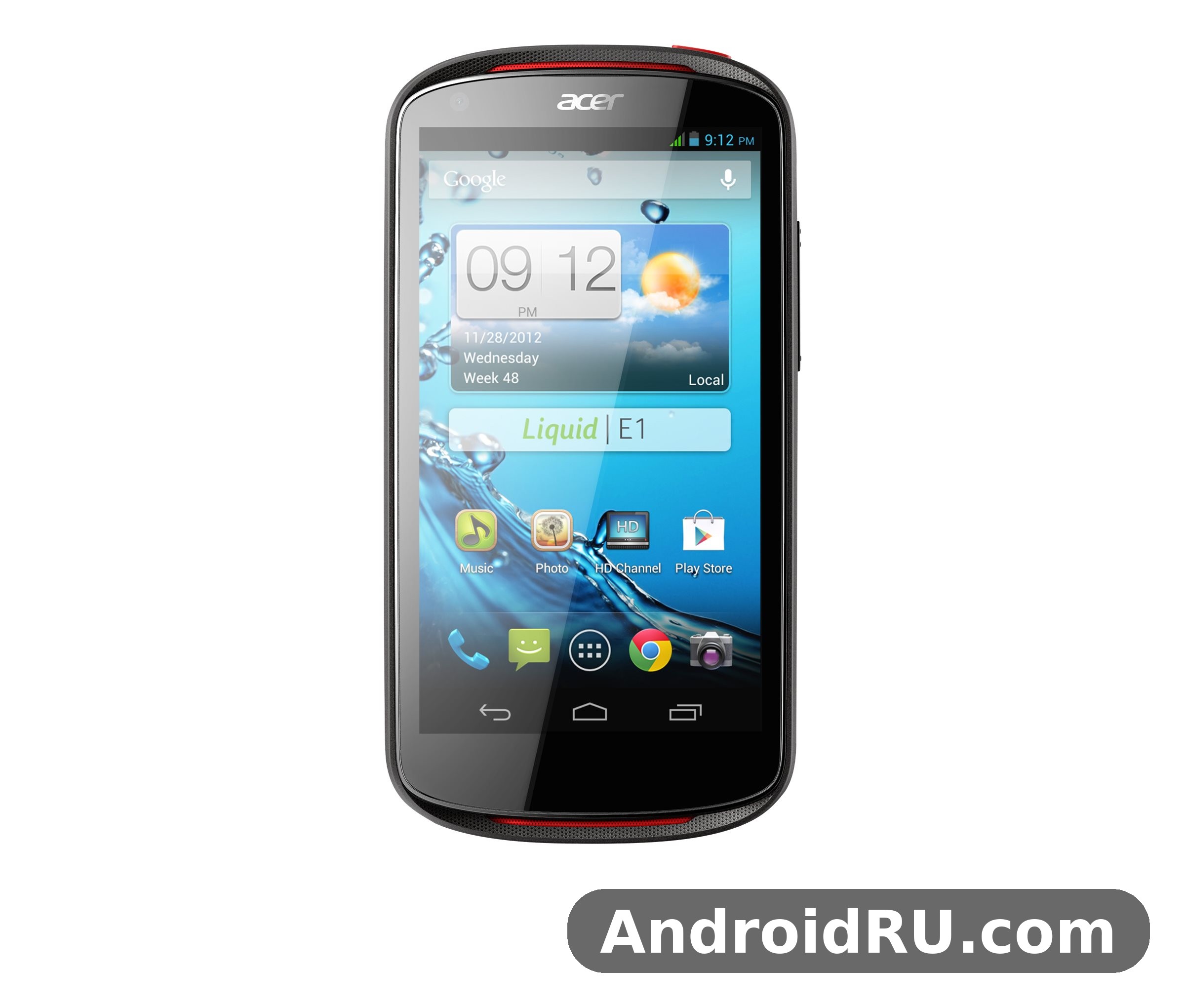
Acer announced the phone in January 2013 and the Acer Liquid E1 release date March 2013 followed, when the phone reached shops in Europe and Asia at about 170 euros. The Acer Liquid E1 price in 2013 when launched placed it firmly in the affordable mid-range, below the flagship phones of the time and above the cheapest Android handsets. That positioning explains almost every choice Acer made, from the 1 GB of memory to the plastic body and the modest camera. Readers searching for Acer Liquid E1 specs will find the headline numbers familiar for the period: a 4.5-inch qHD display, a MediaTek dual-core chip, 1 GB of RAM, 4 GB of built-in storage with a card slot, a 5 megapixel rear camera, and a 1760 mAh battery that could be swapped by the owner.
Before the detail, a quick word on scope. This is a retrospective review of a discontinued device, written from the published specifications and the contemporary reports of its launch. It does not pretend to be a fresh hands-on test of a brand-new unit, and it does not promise that a phone from 2013 will keep up with modern apps. What it does offer is a clear record of what the Acer Liquid E1 was, what it did well for its price, and where its limits showed.
Design and Build Quality
The Acer Liquid E1 design was clean, rounded, and deliberately understated. Acer gave the phone a slim profile for its day, with soft curves at the edges and a smooth rear cover that could be popped off to reach the battery, the SIM slot, and the memory card slot. The Acer Liquid E1 design and build quality review in this section treats the phone as a product of 2013, when plastic bodies were the norm and a phone that felt good in the hand mattered more than exotic materials. A modest but honest mid-ranger, the Liquid E1 aimed at comfort and everyday practicality rather than showmanship.
A Slim 130-Gram Body
The Acer Liquid E1 dimensions are 132 x 68.5 x 9.9 mm, and the Acer Liquid E1 weight is 130 grams. The Acer Liquid E1 130 gram weight pocket feel was light and easy to carry, and the phone slipped into a jacket pocket or a jeans pocket without the bulk that larger phones of the era carried. At 9.9 mm thick it was not the thinnest phone of 2013, yet the rounded back made it feel thinner than the number suggests. The front was dominated by the screen, with slim bezels by the standards of the time and three capacitive keys below the display. The power key and volume rocker sat on the side where a thumb or forefinger could reach them without stretching.
Colours and Finish
The Acer Liquid E1 colors were black and white, and the Acer Liquid E1 black and white colour options gave buyers a simple choice between a discreet dark finish and a brighter light one. Both versions used the same smooth plastic rear cover, which resisted fingerprints reasonably well in black and showed scuffs a little more readily in white. The removable cover was a practical feature: owners could replace a tired battery, and the phone never needed a special tool to open. For a phone at this price, the fit and finish were tidy, with no sharp edges and no creaking panels in normal use.
Display and Multimedia
The screen was one of the strongest reasons to pick the Liquid E1 over cheaper rivals. The Acer Liquid E1 display used an IPS LCD panel, which gave it wider viewing angles and more natural colours than the cheaper TN panels found on some budget phones of the period. The Acer Liquid E1 4.5 inch display review in this section covers resolution, sharpness, and sound, since Acer paired the panel with stereo speakers and DTS audio support.
A 4.5-Inch qHD IPS Panel
The Acer Liquid E1 screen measures 4.5 inches diagonally, with the Acer Liquid E1 qHD 960 by 540 resolution giving a 16:9 picture and about 245 pixels per inch. Text looked crisp enough for reading web pages and messages, and photos and video looked pleasant on the IPS panel. The display was not full HD, and nobody at this price in early 2013 expected it to be, yet the combination of size and IPS quality made the phone a decent device for watching clips, browsing, and playing casual games. The Acer Liquid E1 stereo speakers DTS audio quality added to the media experience, with two speakers that gave video and music a wider sound than the single rear speaker common on rival handsets, and DTS processing that lifted the sound through headphones.
Brightness and Viewing Angles
Outdoor visibility was acceptable for a 2013 mid-range LCD, though direct sunlight washed the picture out, as it did on almost every phone of the era. Indoors, brightness was ample, and the IPS panel kept colours steady when the phone was tilted or shared with someone sitting beside the owner. Viewing angles were a genuine advantage over cheaper screens, and they helped when showing a photo or a video to a friend.
Stereo Sound and DTS Audio
The stereo speakers were unusual at this price and gave the Liquid E1 a small edge for media playback. Sound through the 3.5 mm headphone jack was clear, and the Acer Liquid E1 speakers worked well for hands-free calls and for listening to the built-in FM radio. The Acer Liquid E1 FM radio and NFC support rounded out the media package: the radio worked without a data connection, and the Acer Liquid E1 NFC feature worked only on the single-SIM model.
Performance and Software
The Acer Liquid E1 performance was typical of a well-tuned 2013 mid-range phone. It was not built for heavy 3D games or for running many large apps at once, and it never pretended to be. It was built to run the apps of its day smoothly, to browse the web, to handle messaging and email, and to play media without fuss. The Acer Liquid E1 processor is the MediaTek MT6577, a dual-core chip built on a 40 nm process, and the Acer Liquid E1 MediaTek MT6577 processor performance was adequate for Jelly Bean when paired with 1 GB of RAM.
MediaTek MT6577 and 1GB of RAM
The Acer Liquid E1 RAM is 1 GB, and the Acer Liquid E1 1GB RAM multitasking limits showed when too many apps were kept open at once. Switching between a browser, a messaging app, and a music player was fine, yet opening a large game while several apps sat in the background could force the system to reload one of them. The Acer Liquid E1 PowerVR SGX531u graphics performance handled casual games and the Jelly Bean interface without drama, while demanding 3D titles of the period needed lower detail settings. The Acer Liquid E1 storage is 4 GB built in, and the Acer Liquid E1 4GB internal storage space left only a small amount free for apps once the system was counted, which made the card slot important from the first day of ownership.
Android 4.1.1 Jelly Bean in Daily Use
The Acer Liquid E1 Android version at launch was Android 4.1.1 Jelly Bean, and the Acer Liquid E1 Android Jelly Bean features included the smoother Project Butter interface, expandable notifications, and Google Now. The Acer Liquid E1 software was close to stock Android, with Acer adding its own touches rather than a heavy skin, and the Acer Liquid E1 update path stayed on Jelly Bean, since the phone never received a later major Android version. Owners who wanted more room for apps and media used the Acer Liquid E1 microSD card expansion up to 32GB, and the dedicated card slot meant the memory card could be fitted without removing the SIM. Connectivity covered the Acer Liquid E1 WiFi Bluetooth GPS connectivity set: Wi-Fi 802.11 b/g/n with hotspot, Bluetooth 3.0 with A2DP, and GPS for maps and navigation.
Camera
The Acer Liquid E1 camera was a straightforward 5 megapixel unit, and the Acer Liquid E1 5 megapixel camera with LED flash was the standard mid-range setup of early 2013. It would not challenge a flagship camera, yet it took usable photos in good light and recorded HD video, which was enough for sharing pictures with friends and family. The Acer Liquid E1 video recording reached 720p at 30 frames per second, a respectable result for the price.
5MP Rear Camera and 720p Video
The Acer Liquid E1 camera quality in daylight was decent, with natural colours and enough detail for prints at small sizes and for sharing online. Autofocus helped with close subjects, and the LED flash gave indoor shots a fighting chance, though flash photos could look harsh, as they did on most phones of the period. The Acer Liquid E1 720p video recording sample quality was smooth in bright conditions, with steady 30 fps footage that looked fine on the phone screen and on a computer. In low light, noise crept in and detail softened, which was normal for a small sensor of this class.
VGA Front Camera for Video Calls
The front camera was a VGA unit, and the Acer Liquid E1 VGA front camera video calls were its main job. Video chats worked, and the picture was recognisable, yet nobody would have chosen it for selfies by modern standards. For 2013, a front camera on a mid-range phone was still a useful extra rather than an expectation, and Acer included it so owners could make video calls over Wi-Fi or a mobile data connection. Readers comparing Acer tablets of the same era may like the Acer Iconia Tab B1-710 at a Glance: Review and Detailed Specifications, which shows how Acer balanced price and features across phones and tablets alike.
Battery Life and Charging Speed
Battery life is where this review spends the most time, because charging speed is the focus of the title. The Acer Liquid E1 battery is a removable 1760 mAh lithium-ion unit, and the Acer Liquid E1 1760 mAh removable battery review in this section separates what Acer promised from what the numbers imply for real use. The Acer Liquid E1 battery life and charging time mattered to buyers in 2013 for a simple reason: a phone with a 4.5-inch screen and a dual-core chip needed careful power management, and a removable battery was the safety net when a charger was not nearby.
How Long Does the 1760 mAh Battery Last?
Acer quoted the Acer Liquid E1 talk time up to 8 hours and the Acer Liquid E1 standby time up to 400 hours, which were solid figures for a 1760 mAh cell in 2013. In mixed daily use with browsing, messaging, calls, and some media playback, owners could expect the phone to last a working day with moderate use, and lighter users could stretch it further. Heavy use, especially long video playback or navigation with the screen on, drained the cell faster, and the 4.5-inch display was the largest single consumer of power. The removable design helped here: a spare battery in a bag removed the anxiety of a long day away from a socket, and a worn battery could be replaced without a repair shop. That practical advantage is easy to forget now that sealed batteries are the norm, yet it was a real reason to choose this phone.
Charging Speed in Focus
The Acer Liquid E1 charging story is a story of patience by modern standards. The phone charged over microUSB 2.0 with the charger supplied in the box, and there was no fast charging system of the kind that later phones introduced. The Acer Liquid E1 charger was a standard 5-volt unit of the period, so a full charge from empty took a few hours rather than minutes, and topping up during a short break added only a modest amount of power. The Acer Liquid E1 charging experience therefore rewarded routine: charging overnight, or charging during a long desk session, kept the phone ready, while expecting a quick ten-minute top-up to carry a whole evening would have disappointed. Charging took patience, and the removable battery was the practical answer when time was short. The battery itself was small by later standards, which kept the absolute charging time reasonable, and the phone gave no misleading promises about speed. For buyers who compare charging across the Acer range, the Acer Iconia Tab B1-A71 Specs and Review: A Detailed Look at Charging Speed looks at the same question on a tablet from the same era.
What a Full Charge Looked Like in 2013
A full charge from empty typically took around two to three hours with the supplied charger, depending on whether the phone was switched on and in use. Charging while the phone was idle was faster than charging while browsing or playing media, since the screen and radio drew power at the same time as the charger supplied it. Owners who kept a spare battery charged could swap cells in seconds and keep going, which made the slow wired charging speed less of a problem than it would have been on a sealed phone. The microUSB port also allowed charging from a computer USB port, though that was slower still, and it doubled as the data connection for moving photos and files.
Full Specifications
The table below gathers the Acer Liquid E1 specs in one place. Every figure comes from the published specification record for the model, with the launch shown as announced in January 2013 and released in March 2013. A dual-SIM version, the Acer Liquid E1 Dual, was also sold, and the Acer Liquid E1 dual SIM version differences were limited to the second SIM slot and the absence of NFC on that variant.
| Feature | Specification |
|---|---|
| Brand | Acer |
| Model | Liquid E1 (also sold as Liquid E1 Dual) |
| Announced | January 2013 |
| Released | March 2013 |
| Status | Discontinued |
| Display | 4.5-inch IPS LCD, 540 x 960 pixels, about 245 ppi, 16:9 |
| Chipset | MediaTek MT6577 (40 nm) |
| CPU | Dual-core 1.0 GHz Cortex-A9 |
| GPU | PowerVR SGX531u |
| RAM | 1 GB |
| Storage | 4 GB internal, microSDHC card slot up to 32 GB |
| Rear camera | 5 MP, autofocus, LED flash, 720p video at 30 fps |
| Front camera | VGA |
| Battery | Li-Ion 1760 mAh, removable; talk time up to 8 hours; standby up to 400 hours |
| Operating system | Android 4.1.1 (Jelly Bean) |
| Dimensions | 132 x 68.5 x 9.9 mm |
| Weight | 130 g |
| SIM | Single SIM (Mini-SIM) or Dual SIM (Mini-SIM, dual standby) |
| Network | GSM / HSPA, HSDPA 900 / 2100 |
| Connectivity | Wi-Fi 802.11 b/g/n with hotspot, Bluetooth 3.0 with A2DP and EDR, GPS, NFC (single-SIM model only), FM radio, microUSB 2.0 |
| Sound | Stereo speakers, DTS audio, 3.5 mm jack |
| Sensors | Accelerometer, gyro, proximity, compass |
| Colours | Black, White |
| Price at launch | About 170 EUR |
Two specification notes deserve emphasis. First, the chipset is the MediaTek MT6577, not the MT6589 quad-core chip that some early rumours attached to the Liquid range, so buyers should not expect quad-core performance from this model. Second, the 4 GB of internal storage was small even in 2013, and the microSD slot was not optional decoration: it was the way most owners kept their music, photos, and extra apps. For a smaller sibling in the same family, the Acer Liquid Z2 Review and Specifications: Form Factor, Storage and the Verdict shows how Acer fitted a similar formula into a more compact body.
Pros and Cons
Every phone is a set of trade-offs, and the Liquid E1 is no exception. The list below weighs the Acer Liquid E1 features against the limits that buyers accepted at the price. The Acer Liquid E1 problems most owners reported were the familiar ones for the class: limited internal storage, a battery that needed nightly charging with heavy use, and software that stopped at Jelly Bean.
Pros
Good 4.5-inch IPS display with wide viewing angles; stereo speakers with DTS audio; removable 1760 mAh battery with a spare-battery option; dedicated microSD slot up to 32 GB; dual-SIM version for buyers who needed two numbers; FM radio and NFC on the single-SIM model; light 130-gram body that was comfortable to hold; clean, near-stock Jelly Bean software.
Cons
Only 4 GB of internal storage, with little free after the system; 1 GB of RAM limited heavy multitasking; no fast charging, with a full charge taking a few hours; VGA front camera was basic even in 2013; 5 MP camera struggled in low light; no later Android version beyond Jelly Bean; 3G only, with no 4G support; discontinued, so the Acer Liquid E1 replacement battery and spare parts now come from third-party sellers and the used market.
Frequently Asked Questions
When was the Acer Liquid E1 released?
The Acer Liquid E1 release was March 2013, after the announcement in January 2013. The phone was shown at Mobile World Congress in February 2013 and reached shops in Europe and Asia in March, priced at about 170 euros. It is now discontinued.
Does the Acer Liquid E1 support fast charging?
No. The phone charged over microUSB 2.0 with a standard charger of the period, and a full charge took around two to three hours. There was no fast charging system, so overnight charging or a spare removable battery was the practical way to keep the phone ready.
Can I still use the Acer Liquid E1 today?
The Acer Liquid E1 discontinued phone worth buying today question has a narrow answer: it suits collectors and hobbyists who enjoy classic Android phones, but it is not a sensible daily phone now. Modern apps need newer Android versions and more memory, 3G networks have been switched off in many countries, and security updates ended long ago. A used example can still make calls, play stored music, and run period apps where networks allow.
How much storage does the Acer Liquid E1 have?
The phone has 4 GB of internal storage and 1 GB of RAM, with a dedicated microSDHC slot for cards up to 32 GB. Because the system used part of the 4 GB, owners needed a memory card for music, photos, and larger apps. The Acer Liquid E1 accessories that mattered most were therefore a memory card, Acer Liquid E1 cases, and a spare battery. The Acer Liquid C1: A Full Review With Detailed Specifications covers a related Acer phone from the same period for readers who want to compare the range.
What are the most common Acer Liquid E1 problems?
The Acer Liquid E1 common problems and fixes most often discussed by owners were slow performance when storage filled up, short battery life with heavy use, and the camera struggling in dim rooms. The usual fixes were freeing internal storage, moving media to the card, fitting a fresh battery, and keeping background apps to a minimum. None of these were unusual for a 2013 mid-range phone.
Verdict
The Liquid E1 did its job. It gave buyers a large IPS screen, stereo sound, a decent camera for the price, and a removable battery, all for about 170 euros in early 2013. The Acer Liquid E1 vs Acer Liquid E2 comparison favours the newer E2 on performance and camera, yet the E1 holds its own as the phone that set the formula, and readers who want that comparison in full should read the Acer Liquid E2 in Depth: Review, Build Quality and Full Specifications next. The phone earned its place as a friendly, affordable classic of the Jelly Bean era. Its charging speed was slow by later standards, its storage was tight, and its software stopped at Jelly Bean, yet none of that cancels what it offered at launch. As a collector piece or a reminder of how quickly phones changed after 2013, the Liquid E1 phone remains an interesting and likeable device, and its story is a useful snapshot of the mid-range market at the start of that year.

