

Acer Liquid Z2 Review and Specifications: Form Factor, Storage and the Verdict
The Acer Liquid Z2 arrived in March 2013 as a small, affordable Android phone for buyers who wanted a pocketable handset without paying flagship money. This Acer Liquid Z2 review looks at the phone exactly as it was in its own era: a 3.5-inch Jelly Bean device with a single-core processor, 512 MB of RAM and a removable battery. The Acer Liquid Z2 release date and launch details place it in February 2013 for the announcement and March 2013 for the release, a window when compact phones were still common and a 3.5-inch screen was a normal size rather than a curiosity. The Acer Liquid Z2 price and availability in 2013 sat at about 100 EUR, which put it firmly in the budget class of its day.
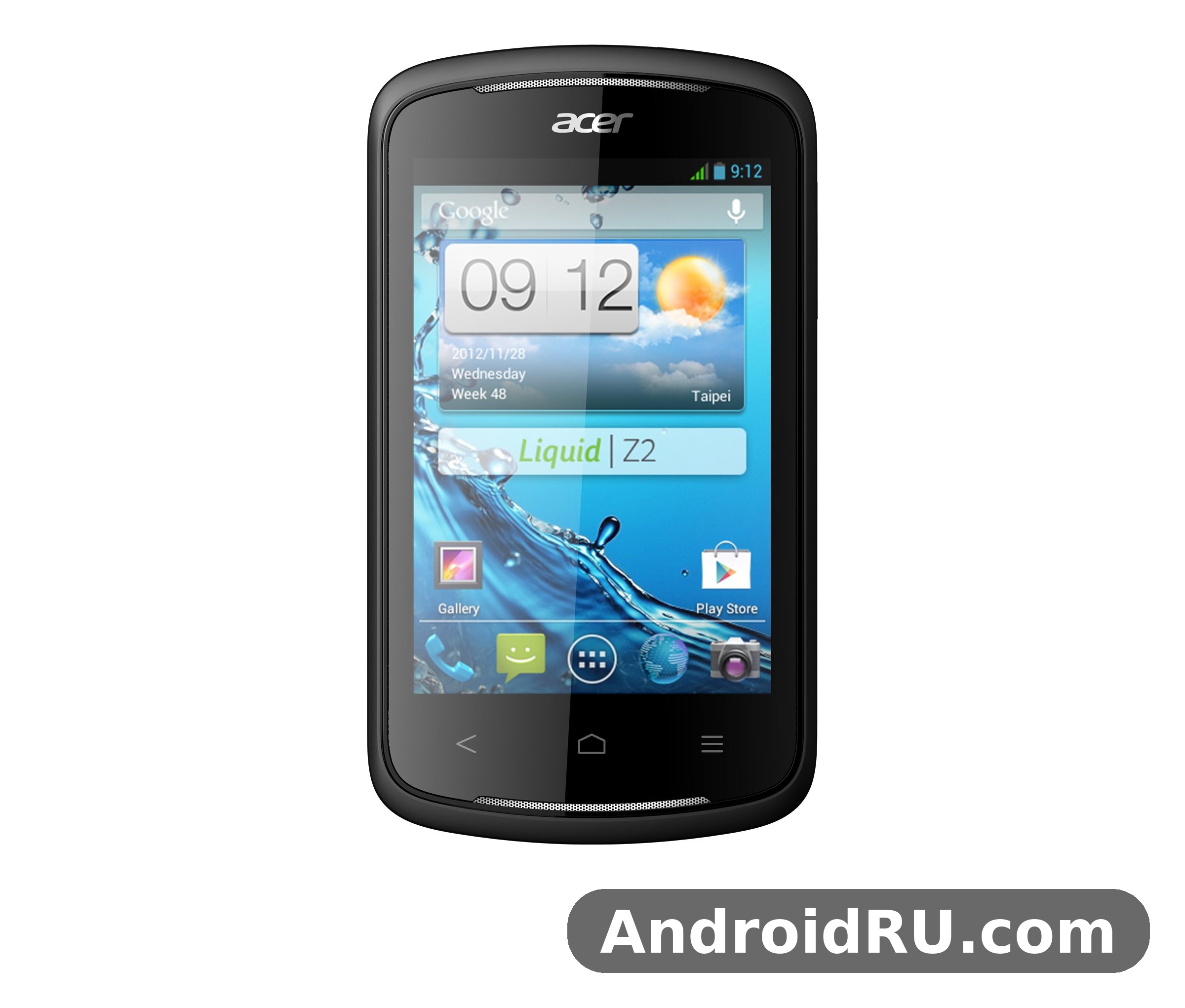
Anyone reading the Liquid Z2 specs today should judge them against 2013, not against the present. The Acer Liquid Z2 specs describe a phone built for calls, messages, light browsing and casual media, and that modest brief shaped every choice Acer made, from the TFT panel to the 1300 mAh cell. This article covers the Acer Liquid Z2 full specifications and features in detail, working through design, screen, performance, camera, battery and connectivity before giving a verdict. The Acer Liquid Z2 Android experience is Android 4.1.1 Jelly Bean, the version that brought smoother interface animation and Google Now to budget phones of the period.
Design and Form Factor
A Compact Body Built for One Hand
The Acer Liquid Z2 design starts with size. At 110 x 62.5 x 12.3 mm and 110 grams, it is a phone that disappears into a pocket and can be used with one hand without stretching. At 110 grams, it is easy to carry all day, and the narrow 62.5 mm width means most thumbs can reach across the 3.5-inch screen. The Acer Liquid Z2 dimensions and weight in hand are the first things a reader should picture, because they explain why the phone appealed to buyers who found larger phones awkward. This Acer Liquid Z2 design and build quality review finds a simple plastic body with a curved back, a matte finish that resists fingerprints better than glossy shells, and a shape that sits comfortably in the palm during long calls.
Colour choice was limited but tidy. The Acer Liquid Z2 black and white colour options compared show two restrained finishes: an all-black version and a black-and-white version with a lighter rear panel. The Acer Liquid Z2 colours were never loud, and that suited a phone aimed at practical buyers rather than fashion buyers. The Acer Liquid Z2 dimensions of 110 x 62.5 x 12.3 mm and the Acer Liquid Z2 weight of 110 grams also meant the phone was easy to hold for people with smaller hands, including younger users and older users buying their first smartphone. There is no metal frame and no water resistance here, and the phone never pretended otherwise; the budget went into keeping the handset small, light and cheap.
Buttons, Ports and the Removable Back
The front of the phone carries the earpiece, the 3.5-inch display and capacitive touch keys below the screen, while the power key and volume rocker sit on the edges where a thumb or index finger finds them naturally. The Acer Liquid Z2 USB connection is a microUSB 2.0 port on the bottom edge, used for both charging and data transfer, and a 3.5 mm headphone jack sits on the top edge for wired headphones. The Acer Liquid Z2 microUSB 2.0 charging port and cable are standard parts of the era, so a spare cable was cheap and easy to find, and the same cable worked with most other Android phones of 2013.
The back cover comes off, and that matters more than it sounds. The back cover comes off without tools, giving access to the removable battery, the SIM slot and the dedicated microSDHC slot. Swapping a battery or a memory card took seconds, and owners who carried a spare battery could keep the phone running on long days away from a charger. The removable back also made the phone easier to service, a practical advantage that sealed phones of later years gave up.
Display and Everyday Viewing
A 3.5 Inch Screen in Daily Use
The Acer Liquid Z2 display is a 3.5-inch TFT panel with 256K colours, a resolution of 320 x 480 pixels and a density of about 165 pixels per inch. The Acer Liquid Z2 display size and screen resolution were entry-level even in 2013, yet the 3:2 ratio suited the apps of the time, and text on web pages and messages stayed readable at normal viewing distance. The Acer Liquid Z2 320 by 480 pixel screen sharpness explained in plain terms is this: individual pixels are visible if you look closely, small text can look soft, and photos lose fine detail, but menus, icons and message text remain clear enough for daily use. The Acer Liquid Z2 screen covers about 53.1 percent of the front face, which was a typical figure for compact phones of the period.
In bright sunlight the TFT panel washes out, as TFT panels of this class did, and viewing angles are narrow, so colours shift when the phone is tilted. Indoors, though, the screen is bright enough for reading and video, and the small size keeps power demand low. Readers who want a larger canvas from the same brand family can look at the Acer Iconia Tab A1-810 Specifications, Review and Verdict: Is It Worth It? for a tablet-sized alternative, while the Liquid Z2 itself stays true to its pocketable brief. The display has no special protection glass named in its specification, so a screen protector and a simple case were sensible accessories in 2013, and they still are for anyone keeping a surviving unit today.
Performance and Software
Snapdragon S1 in Real Use
The Acer Liquid Z2 chipset is the Qualcomm MSM7227A Snapdragon S1, a single-core 1.0 GHz Cortex-A5 processor with an Adreno 200 graphics unit. The Acer Liquid Z2 Snapdragon S1 processor performance test, judged by the standards of 2013, shows a chip that handles calls, messaging, email and light apps without drama but slows down under heavy multitasking or demanding games. The Acer Liquid Z2 performance and gaming test results follow the same pattern: simple puzzle and arcade games run acceptably, while large 3D titles stutter and load slowly. The Acer Liquid Z2 processor is a 45 nm part, and the Acer Liquid Z2 performance ceiling is set as much by its 512 MB of RAM as by its single core.
Memory is where the limits show first. The Acer Liquid Z2 RAM and internal memory explained means 512 MB of RAM for running apps and 4 GB of internal memory for the system and user files, with only part of that 4 GB actually free for the owner. The Acer Liquid Z2 512 MB RAM multitasking limits in practice are plain: keep two or three light apps open and the phone copes, but open a browser with several tabs beside a music player and the system starts closing background apps. The Acer Liquid Z2 RAM figure and the Acer Liquid Z2 memory total were normal for a 100 EUR phone in 2013, and owners who understood that limit, closing apps they were not using, got the best out of the handset. A sibling from the same Liquid line, the Acer Liquid E2 in Depth: Review, Build Quality and Full Specifications, shows how Acer stepped up the same formula with more memory and a larger screen in the next tier.
Android 4.1.1 Jelly Bean Experience
The Acer Liquid Z2 Android Jelly Bean software features include the smoother Project Butter interface work, expandable notifications, Google Now and voice search, all running on Android 4.1.1 Jelly Bean. The phone shipped with Jelly Bean rather than the older Ice Cream Sandwich, which was a genuine advantage in early 2013, and Acer kept its own customisation light, so the interface stayed close to stock Android with a few Acer apps and widgets added. The Acer Liquid Z2 Android version received no major upgrade path in its specification, so owners should treat Android 4.1.1 as the software the phone lives with, and modern apps that demand newer Android versions will not run on it.
There were two hardware variants to know about. The Acer Liquid Z2 dual SIM model differences explained are simple: the standard Liquid Z2 takes a single Mini-SIM, while the Liquid Z2 Dual adds a second Mini-SIM slot with dual stand-by, so two numbers can wait for calls on one handset. The Acer Liquid Z2 dual SIM version shares the same screen, chipset, memory and battery as the single-SIM model, and the choice between them came down to whether the buyer needed two lines. A separate Z120 variant with a MediaTek MT6575M chip was also listed by specification sources, so buyers checking a used unit should confirm which chip their handset carries; the main Liquid Z2 reviewed here uses the Qualcomm Snapdragon S1.
Camera and Multimedia
Rear Camera Results
The Acer Liquid Z2 camera is a single rear unit that shipped as either a 3 megapixel or a 5 megapixel module depending on market and batch, with video recording included. The Acer Liquid Z2 camera quality and photo samples from the era show acceptable daylight snapshots with decent colour, soft detail and limited dynamic range, which is exactly what a budget sensor of 2013 delivered. The Acer Liquid Z2 3 megapixel camera versus 5 megapixel version comparison matters for used buyers: the 5 megapixel unit captures a little more detail and crops better, but neither version rescues a dim indoor scene, and both need good light to produce a keeper. The Acer Liquid Z2 video recording is basic, suited to short clips for messages rather than careful filming.
There is no front camera, and that shapes how the phone can be used. The Acer Liquid Z2 no front camera and video calling options mean video calls need the rear camera pointed at the user, or an external workaround, which was awkward even in 2013 and is a clear limit today. For listening, the Acer Liquid Z2 FM radio and SRS audio sound quality give the phone two pleasant extras: an FM radio with RDS for station names and SRS audio processing for the loudspeaker and headphones. The Acer Liquid Z2 audio through the loudspeaker is loud enough for ringtones and casual listening, while the Acer Liquid Z2 radio is a handy companion on the move because it needs no data connection. A related Liquid model with its own camera story is covered in the Acer Liquid C1: A Full Review With Detailed Specifications, which is worth reading beside this review for a sense of how Acer tuned its budget cameras across the range.
Battery Life and Charging
How Long the 1300 mAh Battery Lasts
The Acer Liquid Z2 battery is a removable Li-Ion unit rated at 1300 mAh, and the Acer Liquid Z2 battery life and charging time story is one of modest capacity matched to a small screen and a frugal single-core chip. The Acer Liquid Z2 talk time and standby time tested by the specification figures are up to 4 hours of talk time and up to 450 hours of standby, numbers that describe a phone sipping power while idle and working harder during calls. The Acer Liquid Z2 1300 mAh battery standby time up to 450 hours figure is the headline for light users: a phone left mostly idle could last for days, while a heavy day of calls, browsing and music would need a top-up or a spare battery by the evening.
Charging runs through the microUSB port with the charger supplied in the box, and a full charge from empty took a couple of hours with the standard charger of the era. Because the battery is removable, the Acer Liquid Z2 removable battery replacement guide for owners is short: power the phone off, lift the back cover, lift the battery out by its notch, fit the replacement the same way round, and refit the cover. Owners replacing a tired battery should match the 1300 mAh Li-Ion type and buy from a reputable source, since a worn original cell is the most common reason a surviving Liquid Z2 now dies early. The charging picture is rounded out by the Acer Liquid E1 Detailed Review and Specifications: Charging Speed in Focus, a sibling review that looks closely at how Acer handled charging in the same Liquid generation.
Storage, Connectivity and Everyday Practicality
Memory, Cards and Connections
The Acer Liquid Z2 storage picture starts with 4 GB of internal memory, of which the system takes a share, leaving a smaller amount free for the owner. The Acer Liquid Z2 storage capacity and microSD support answer is that the phone leans on its dedicated microSDHC card slot for music, photos and extra apps, and that slot matters because the built-in memory fills quickly. The Acer Liquid Z2 4 GB internal memory usable space explained in honest terms is that only a little over 1 GB was typically free for user content on a fresh phone, so a memory card was less an accessory than a necessity. The Acer Liquid Z2 microSD card slot location and setup is simple: the slot sits under the removable back cover, the card slides in until it clicks, and the phone then offers it as portable space for media files.
Wireless connectivity covers the essentials of 2013. The Acer Liquid Z2 Bluetooth 3.0 pairing and file transfer works with headsets, car kits and other phones, using A2DP for stereo audio, and pairing follows the familiar routine of making the phone visible and confirming the code. The Acer Liquid Z2 WiFi hotspot setup and mobile data let the phone share its HSPA connection with a laptop or tablet over Wi-Fi 802.11 b/g/n, with HSPA speeds of 7.2 Mbps down and 5.76 Mbps up on the 900 and 2100 MHz bands. The Acer Liquid Z2 GPS navigation accuracy on the road was adequate for turn-by-turn directions with the mapping apps of the time, and the Acer Liquid Z2 Bluetooth and Acer Liquid Z2 GPS pair made the phone a usable, if basic, travel companion. There is no NFC, so contactless payment and tap-to-pair accessories are outside what this phone can do, and the FM radio, GPS and Bluetooth together show a handset built around practical tools rather than headline extras.
Full Specifications
Complete Specification Table
The Acer Liquid Z2 review and specifications 2013 summary below gathers every key figure in one place, so readers can check a detail without hunting through the review. The Acer Liquid Z2 release of March 2013 is the anchor date for all of it: announced in February 2013, released in March 2013, and now discontinued, with a launch price of about 100 EUR.
| Feature | Acer Liquid Z2 |
|---|---|
| Announced | February 2013 |
| Released | March 2013 |
| Status | Discontinued |
| Dimensions | 110 x 62.5 x 12.3 mm |
| Weight | 110 g |
| SIM | Single Mini-SIM or Dual Mini-SIM (dual stand-by, Dual model) |
| Display | 3.5 inches TFT, 256K colours, 320 x 480 pixels, about 165 ppi |
| Screen-to-body ratio | About 53.1 percent |
| Operating system | Android 4.1.1 Jelly Bean |
| Chipset | Qualcomm MSM7227A Snapdragon S1 |
| CPU | 1.0 GHz Cortex-A5, single-core |
| GPU | Adreno 200 |
| RAM | 512 MB |
| Internal memory | 4 GB |
| Card slot | microSDHC, dedicated slot |
| Rear camera | 3 MP or 5 MP, single camera, video recording |
| Front camera | No |
| Battery | Li-Ion 1300 mAh, removable |
| Stand-by time | Up to 450 hours |
| Talk time | Up to 4 hours |
| Wi-Fi | Wi-Fi 802.11 b/g/n, hotspot |
| Bluetooth | 3.0, A2DP |
| Positioning | GPS |
| NFC | No |
| Radio | FM radio, RDS |
| USB | microUSB 2.0 |
| Audio | Loudspeaker, 3.5 mm jack, SRS audio |
| Sensors | Accelerometer, proximity |
| Network | GSM and HSPA, HSDPA 900 / 2100, HSPA 7.2 / 5.76 Mbps |
| Colours | Black, Black and White |
| Price at launch | About 100 EUR |
Display and Body Details
The display and body figures belong together because the phone was designed around its small screen. A 3.5-inch TFT panel at 320 x 480 pixels inside a 110 x 62.5 x 12.3 mm body weighing 110 grams gives a handset that is genuinely pocketable, and the 53.1 percent screen-to-body ratio is a reminder of how much bezel budget phones carried in 2013. The Mini-SIM tray, the removable back and the dedicated microSDHC slot all sit within that compact shell, and the black and black-and-white finishes keep the look plain and practical.
Platform and Memory Details
The platform figures explain the performance ceiling: a Qualcomm MSM7227A Snapdragon S1 with a 1.0 GHz Cortex-A5 core and Adreno 200 graphics, paired with 512 MB of RAM and 4 GB of internal memory. Android 4.1.1 Jelly Bean runs on that hardware with light Acer customisation, and the dedicated microSDHC slot is the realistic answer to the small amount of free internal space. The removable 1300 mAh battery, the HSPA radio and the GPS receiver complete a specification that was modest in 2013 and is now a clear snapshot of the budget class of its year.
Pros and Cons
Pros
The Acer Liquid Z2 pros begin with its size and weight: a genuinely pocketable phone that is comfortable in one hand. The removable battery and the dedicated microSDHC slot are practical wins, the Jelly Bean software was current at launch, and the FM radio, GPS and Bluetooth cover the everyday tools without fuss. The price of about 100 EUR made it an easy first smartphone in 2013.
- Compact and light at 110 x 62.5 x 12.3 mm and 110 grams
- Removable 1300 mAh battery with up to 450 hours of standby
- Dedicated microSDHC slot for extra media space
- Android 4.1.1 Jelly Bean at launch
- FM radio with RDS, GPS and Bluetooth 3.0 included
- Dual-SIM option for buyers who need two numbers
Cons
The Acer Liquid Z2 cons start with performance: a single-core processor and 512 MB of RAM limit multitasking and heavier apps. The 320 x 480 TFT screen is soft by later standards, the camera is either 3 or 5 megapixels with no front camera, and the usable internal memory is small without a memory card. There is no NFC and no upgrade path beyond Android 4.1.1.
- Single-core 1.0 GHz processor with only 512 MB of RAM
- Low-resolution 3.5-inch TFT display at about 165 ppi
- Rear camera of 3 or 5 megapixels and no front camera
- Only a little over 1 GB of internal memory typically free
- No NFC and no major Android upgrade path
- Small 1300 mAh battery needs care on heavy days
Frequently Asked Questions
When was the Acer Liquid Z2 released?
The Acer Liquid Z2 was announced in February 2013 and released in March 2013. It launched at about 100 EUR and is now discontinued, so it is found today only as a used or collector handset.
What chipset does the Acer Liquid Z2 use?
The main Liquid Z2 uses the Qualcomm MSM7227A Snapdragon S1 chipset with a single-core 1.0 GHz Cortex-A5 CPU and Adreno 200 graphics. A separate Z120 variant was listed with a MediaTek MT6575M chip, so checking the chip is wise when buying a used unit.
How much RAM and storage does the Acer Liquid Z2 have?
The phone has 512 MB of RAM and 4 GB of internal memory, with only a little over 1 GB typically free for the owner on a fresh handset. A dedicated microSDHC card slot takes a memory card for photos, music and extra files.
Does the Acer Liquid Z2 have a front camera?
No, the Acer Liquid Z2 has no front camera. It has a single rear camera of 3 or 5 megapixels, depending on market and batch, with video recording, so video calls are awkward and self-portraits need the rear camera or a mirror.
Is the battery removable?
Yes, the 1300 mAh Li-Ion battery is removable. The back cover lifts off to reach the battery, the SIM slot and the microSDHC slot, and a replacement battery of the same type can be fitted in seconds.
The Verdict
The Acer Liquid Z2 verdict is that of a well-judged budget phone of early 2013: small, light, cheap and honest about its limits. It gave first-time smartphone buyers a current Jelly Bean experience, a pocketable body and practical extras such as FM radio and a removable battery, while asking them to accept a single-core chip, 512 MB of RAM and a low-resolution screen. For collectors, it remains an interesting piece of early Android history, a snapshot of the moment when compact budget phones were the normal way into Android.
For anyone comparing it with larger Acer hardware of the same era, the Breaking Down the Acer Iconia Tab A1-811: Review, Build Quality and Full Specs shows the tablet side of the same brand family. The Liquid Z2 itself is best remembered for its form factor: a 110-gram phone that fit any pocket, a removable battery that could be swapped in seconds, and a price that put Android within reach. Judged as a classic of 2013 rather than as a modern phone, it earns its place, and its small size is still its most likeable quality today.

