

Xiaomi 12S Ultra Review: Gaming, Multitasking and Battery Life
When Xiaomi announced the 12S Ultra in China on 4 July 2022, it was not just another yearly flagship. It was the first phone from the Xiaomi and Leica partnership, the first phone with a 1-inch type camera sensor, and one of the first phones built around the Snapdragon 8+ Gen 1. The Xiaomi 12S Ultra specs on paper looked like a camera-first flagship that also happened to be a gaming phone, and that combination is exactly what this review puts under the microscope: how it plays, how it juggles apps, and how long it lasts away from a charger.
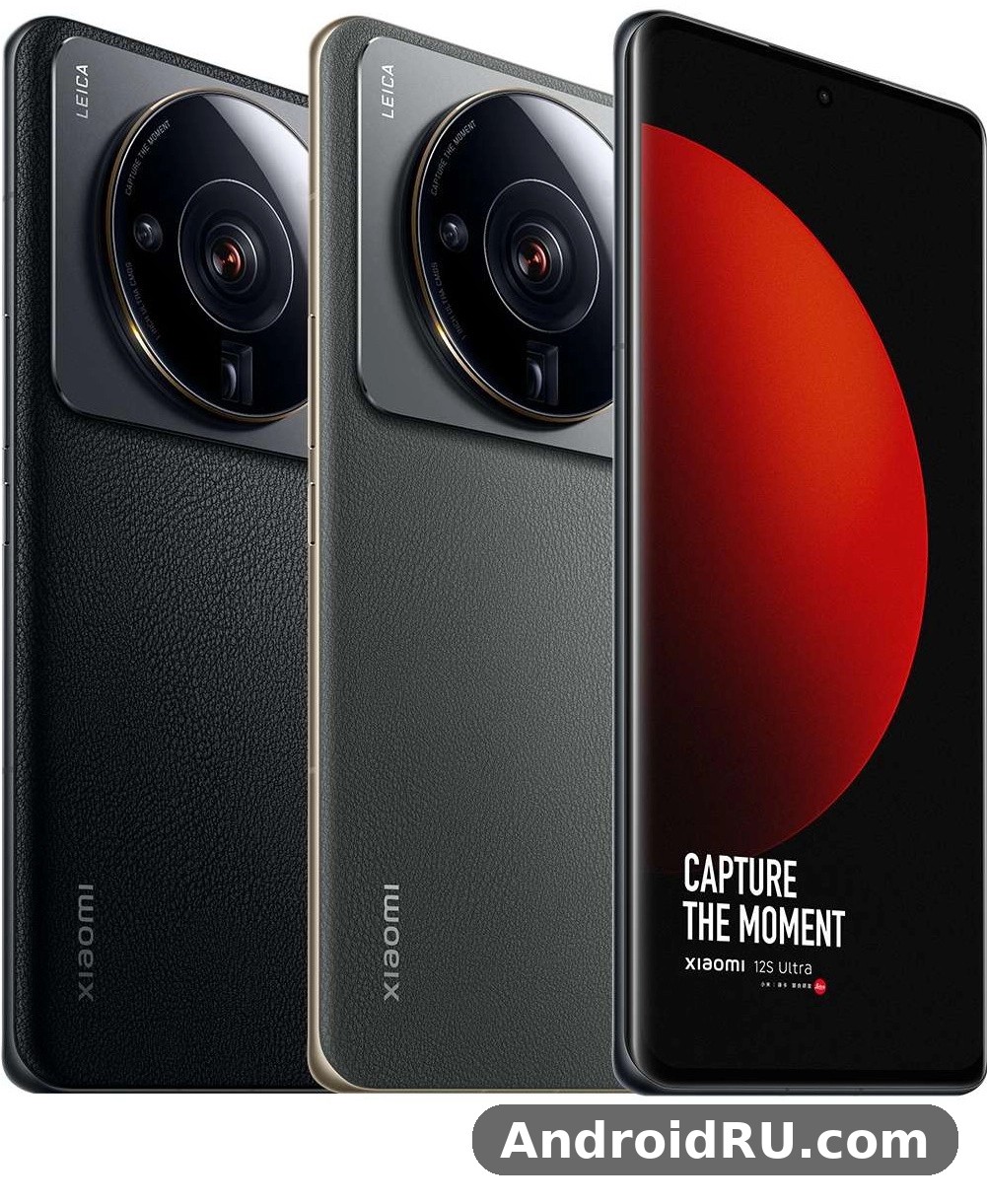
There is one fact to get straight before anything else. The Xiaomi 12S Ultra release was China-only. Xiaomi confirmed at launch that the phone would not be sold officially outside China, and it never received a global launch afterwards. That shapes everything in this Xiaomi 12S Ultra gaming performance review, because anyone reading it in 2026 is looking at an import phone, a second-hand unit, or a collector’s item, not a phone they can walk into a shop and buy with a local warranty. The Xiaomi 12S Ultra price in China 2022 started at CNY 5,999 for the 8GB and 256GB version, CNY 6,499 for 12GB and 256GB, and CNY 6,999 for the top 12GB and 512GB version. Import prices since then have moved up and down with stock, so treat any figure you see today as a snapshot, not a fixed price.
This review covers the three things the title promises, plus the camera system that defines the phone, the screen you stare at all day, and the Xiaomi 12S Ultra full specifications and features in one place. A Xiaomi 12S Ultra battery life test means little without knowing what the screen and the chipset are doing, and a gaming verdict means little without knowing how hot the phone gets after half an hour. The Xiaomi 12S Ultra multitasking with 12GB RAM is covered in its own section, because 12GB of memory changes how a phone behaves in a way a benchmark number never shows. The Xiaomi 12S Ultra global release date availability question is answered honestly in the FAQ at the end, along with the update situation and whether the phone still makes sense in 2026.
Xiaomi 12S Ultra Gaming Performance with Snapdragon 8+ Gen 1
Gaming is where the Xiaomi 12S Ultra performance story starts, because the Snapdragon 8+ Gen 1 was a genuine step forward from the regular Snapdragon 8 Gen 1 that came before it. The older chip ran hot and throttled early in long sessions. The Plus version, built on a more efficient 4nm process, kept its peak speed for longer and wasted less energy as heat. Published benchmark results put the phone at 1,039,412 points in AnTuTu v9 and 4,300 points in Geekbench 5.1 multi-core testing, numbers that placed it at the very top of Android phones in 2022. The Xiaomi 12S Ultra Snapdragon 8 Plus Gen 1 performance advantage is not really about those headline numbers, though. It is about what happens in minute forty of a session, when a lesser phone has already slowed down and this one is still holding its frame rate.
The chipset is an octa-core design: one Cortex-X2 prime core at 3.19 GHz, three Cortex-A710 performance cores at 2.75 GHz, and four Cortex-A510 efficiency cores at 1.80 GHz, with an Adreno 730 graphics processor. In practice that means demanding games run at high settings without the stutter that used to appear when the phone got warm. Titles like Genshin Impact, PUBG Mobile, and Call of Duty: Mobile run smoothly at high graphics settings, and the 120Hz display keeps motion fluid in games that support high frame rates. The Xiaomi 12S Ultra gaming experience is helped by the large 6.73-inch screen, which gives thumbs room to move, and by the stereo speakers, which make footsteps and direction cues easier to hear without headphones.
One honest trade-off deserves a mention. This is a camera phone first, and its big round camera module makes the top of the phone heavy. Held in landscape for gaming, the weight sits unevenly, and the raised camera housing can press against a finger depending on how you grip it. It is not a deal breaker, but it is the kind of thing you notice in the second hour of play. A slim case evens out the grip and protects the eco leather back at the same time. Compared with its smaller sibling, the Xiaomi 12S Pro Review: Display, Audio and Overall Experience covers a phone with the same chipset in a lighter body, which some players may prefer if they game for hours every day.
Xiaomi 12S Ultra Sustained Performance and Heat
Short benchmark runs flatter almost every flagship. Long gaming sessions do not. The Xiaomi 12S Ultra overheating issue during gaming was a real talking point when the phone launched, because buyers remembered how hot the Snapdragon 8 Gen 1 ran and assumed the Plus version would repeat it. Published stress testing showed a better picture: the phone gets warm, as every powerful phone does, but it holds its performance far longer than its predecessor before throttling. The back of the phone near the camera module is where the heat gathers, and the aluminium frame spreads it out so no single spot becomes uncomfortable quickly.
The Xiaomi 12S Ultra battery drain while gaming is the other half of the same story. A demanding game at high brightness and 120Hz can pull the battery down noticeably faster than video playback or browsing, which is true of every phone in this class. Expect roughly 15 to 20 percent per hour in a heavy 3D game at high settings, against roughly 8 to 12 percent per hour for mixed everyday use. Those are ranges, not promises, because brightness, network signal, and the specific game all move the number. The point is that the 4,860mAh battery and the efficient chipset give the phone more headroom than the 4,500mAh batteries that were common in flagships a year earlier.
If the phone does get warm, the sensible response is simple: drop the graphics preset one notch, turn the refresh rate to 60Hz for that game, or take the case off for a few minutes so heat can escape. The phone’s own thermal controls will also step in before anything is damaged, which can show up as a brief dip in frame rate. That dip is the phone protecting itself, not a fault.
Xiaomi 12S Ultra Gaming Mode Settings in MIUI
The Xiaomi 12S Ultra gaming mode settings MIUI ships with are grouped under Game Turbo, which opens automatically when a recognised game launches. Game Turbo lets you block notifications and calls, lock the brightness so a stray swipe does not dim the screen, record gameplay, and monitor frame rate and temperature in a small overlay. You can also set performance mode per game, so a competitive shooter gets full speed while a casual puzzle game runs on a gentler profile that saves battery.
Voice changer and game-specific shortcuts sit in the same panel, and they are the kind of extras that are easy to ignore until you want them. The useful habit is to spend two minutes in Game Turbo the first time you install a game: set the performance level, decide whether notifications should be silenced, and check that the frame rate overlay is showing the numbers you expect. The Xiaomi 12S Ultra gaming experience improves more from those two minutes of setup than from any single hardware spec on the sheet.
Settings That Help Long Gaming Sessions
Three settings matter most for long sessions. First, keep the phone out of direct sunlight and off soft surfaces like a bed, because both trap heat. Second, use Wi-Fi where possible instead of mobile data, because a weak mobile signal makes the modem work harder and adds heat on top of the game itself. Third, charge while playing only when you need to, and use the standard charger rather than the fastest one, because charging and gaming together is the fastest way to warm any phone up.
Xiaomi 12S Ultra Display Quality: 120Hz LTPO AMOLED in Daily Use
The Xiaomi 12S Ultra display quality 120Hz AMOLED panel is one of the best screens Xiaomi had shipped up to that point. It is a 6.73-inch LTPO 2.0 AMOLED display with a 3200 x 1440 resolution, a 20:9 ratio, and roughly 522 pixels per inch. It supports Dolby Vision and HDR10+, shows 1 billion colours, and is protected by Corning Gorilla Glass Victus. The Xiaomi 12S Ultra display adapts its refresh rate from 1Hz to 120Hz depending on what is on screen, which is the whole point of LTPO: a static photo or an always-on clock can sit at a low refresh rate and save power, while scrolling and gaming jump up to 120Hz for smooth motion.
Brightness is strong. The panel is rated at 1,000 nits in high brightness mode and 1,500 nits peak, and published measurements recorded around 1,065 nits at maximum. In plain terms, the screen stays readable in bright daylight, and HDR video shows real contrast between bright highlights and deep shadows. Colours out of the box lean vivid, which suits video and games, and the settings offer a standard mode and a more accurate colour mode for anyone who edits photos on the phone. The Xiaomi 12S Ultra display also carries an optical fingerprint sensor under the glass, which is covered in the software section below.
For a sense of how Xiaomi’s screen priorities moved on in the next generation, the Xiaomi 13T Review: Display Quality, Speed and Daily Use looks at a later phone from the same maker with a different balance of display, speed, and everyday use. The 12S Ultra still holds up well against it for sharpness and HDR, even though the newer phone wins on brightness in some conditions.
Xiaomi 12S Ultra Brightness and Outdoor Readability
Outdoor readability is where a flagship screen earns its price. The 12S Ultra pushes brightness automatically when the light sensor detects strong sun, and the anti-reflective quality of the glass helps the image stay visible even at an angle. Reading maps, taking photos, and checking messages outdoors all work without cupping a hand over the screen. The trade-off is battery: maximum brightness outdoors is one of the biggest power draws on any phone, so a long afternoon in the sun will cost more battery than the same time indoors. Automatic brightness is worth leaving on, because it raises the level only as far as the light demands and drops it again indoors.
Xiaomi 12S Ultra LTPO Adaptive Refresh Rate Explained
LTPO is often described in marketing terms, but the practical effect is simple. The screen changes how often it redraws itself to match the content. Reading an article, it can drop to a low rate and sip power. Scrolling a feed, it climbs to 120Hz so the text glides instead of juddering. Watching a 24 frames per second film, it can settle near a multiple of the frame rate. You do not need to manage any of this yourself. The setting to check is in Display settings, where you can choose between a fixed 60Hz, a fixed 120Hz, or the adaptive default. Adaptive is the right choice for most people, because it gives the smooth motion when it matters and saves battery when it does not.
Display Settings Worth Changing on Day One
Two display settings are worth changing on the first day. First, set the screen resolution to WQHD+ if it is not already there, because the phone ships with the full 1440p resolution available and dropping to 1080p throws away sharpness you paid for. Second, pick the colour scheme that matches your eyes rather than the default: vivid for punchy video, standard or original colour for photo work. Dark mode is also worth enabling, because an AMOLED panel turns pixels fully off for black areas, which saves a little power and looks better at night.
Xiaomi 12S Ultra Leica Camera Review: 1-Inch Sensor and 5x Zoom
The camera is the reason this phone exists, and the Xiaomi 12S Ultra camera review Leica story starts with the sensor. The main camera is a 50.3MP wide camera with a 23mm lens at f/1.9, built around the Sony IMX989, a 1-inch type sensor with 1.6 micron pixels that combine to 3.2 microns in binned mode. A bigger sensor gathers more light, and more light means cleaner photos in dim rooms, softer background blur in portraits, and more detail to work with when you crop. The Xiaomi 12S Ultra 1 inch camera sensor review verdict from the year it launched was consistent: this was the most capable phone camera sensor available at the time, and it changed what people expected from a phone camera.
Leica’s role goes beyond a logo on the camera module. The lenses are Leica Summicron optics, an 8P lens design on the main camera, and the camera app offers two distinct colour profiles: Leica Authentic and Leica Vibrant. Authentic keeps colours restrained and closer to what a classic Leica photograph looks like, with deeper shadows and less aggressive processing. Vibrant pushes saturation and contrast for images that pop on a phone screen. Neither is objectively right, and switching between them is the fastest way to learn which one matches your taste. The Xiaomi 12S Ultra Leica partnership also brought Leica filters and shutter sounds, small touches that make the camera feel deliberate rather than automatic.
The rest of the system is a triple camera plus a depth sensor. The ultrawide is a 48MP camera with a 13mm lens at f/2.2 and a 128 degree field of view. The periscope telephoto is a 48MP camera with a 120mm lens at f/4.1 and 5x optical zoom, both with optical image stabilisation on the main and telephoto lenses. A time-of-flight 3D depth sensor helps with portrait edge detection. The Xiaomi 12S Ultra camera system covers roughly 13mm to 120mm without digital zoom, which is a wider range than most phones offered in 2022. For comparison with a later Leica-era Xiaomi camera setup, the Xiaomi 13T Pro Review: Screen Quality, Cameras and Charging shows how the camera story developed in the next generation.
Xiaomi 12S Ultra Main Camera and the 1-Inch Sensor
Daylight photos from the main camera are detailed and natural, with good dynamic range and colours that stay believable in the Authentic profile. The large sensor shows its strength most clearly in low light, where it keeps noise down and preserves texture in shadows that smaller sensors smear into mush. Night mode helps further, but the sensor does enough on its own that night shots often look clean even without a long exposure. Portraits benefit from the real optical blur the big sensor produces, which looks more natural than the software blur that smaller sensors rely on.
One thing to know is that the main camera does not focus as close as some rivals. The minimum focus distance is longer than you might expect, so very close subjects can hunt for focus. The ultrawide camera handles close-up work better, and Xiaomi later added a macro mode through the ultrawide that focuses as close as 3cm. If you photograph food, flowers, or small objects, switch to the ultrawide rather than fighting the main lens.
Leica Authentic vs Leica Vibrant: Which Profile to Use
Leica Authentic is the better default for anyone who edits photos later, because it leaves more room to adjust colours without fighting heavy processing. Leica Vibrant is the better choice for photos you plan to share straight from the phone, because the extra saturation and contrast make images stand out in a feed. A practical approach is to shoot Authentic for travel and family photos you might print or edit, and Vibrant for social media snaps. The profile can be changed per shot in the camera app, so you are never locked into one look for the whole day.
Xiaomi 12S Ultra Periscope Zoom and 5x Photo Samples
The Xiaomi 12S Ultra periscope zoom 5x photo samples tell the story better than any spec sheet. At 5x optical zoom, the 48MP telephoto produces sharp, detailed images with good colour matching to the main camera, which is harder than it sounds. Many phones change colour noticeably when you switch lenses, and this one stays consistent. At 10x hybrid zoom the results stay usable for social sharing, though fine detail starts to soften. Beyond that, digital zoom stretches the image and should be treated as a last resort rather than a feature.
The telephoto lens is genuinely useful in everyday life, not just for distant subjects. It is a good focal length for portraits, because 120mm flattens facial features in a flattering way, and it is useful for photographing details on buildings, street scenes, and stage performances where you cannot walk closer. The Xiaomi 12S Ultra zoom range means you can leave the phone at 5x for a whole afternoon of sightseeing and still get shots that look like they came from a camera with a real zoom lens. Optical image stabilisation on the telephoto helps a lot here, because small hand movements are magnified at long focal lengths.
Xiaomi 12S Ultra Ultrawide Camera and Night Mode
The Xiaomi 12S Ultra ultrawide camera night mode combination is one of the pleasant surprises of the system. Ultrawide cameras on many phones fall apart in low light, but the 48MP sensor here holds up well, keeping edges reasonably sharp and colours consistent with the main camera. In daylight the ultrawide is excellent for landscapes, architecture, and group photos where stepping back is not an option. Distortion at the edges is controlled well for a 128 degree lens, and the phone corrects the rest in software.
Night mode works across all three lenses, which is worth remembering. A night scene shot on the ultrawide or the telephoto will take a second or two longer to capture, so hold the phone steady or brace it against something. The results reward the patience: city lights keep their colour instead of blowing out to white, and shadow areas keep texture instead of turning black.
Xiaomi 12S Ultra Video Recording and 8K Quality
The Xiaomi 12S Ultra video recording 8K quality headline is 8K at 24 frames per second, with 4K at 30 or 60 frames per second and 1080p up to 240 frames per second for slow motion. In practice, 4K at 30 frames per second is the sweet spot for most people, because it balances detail, file size, and stabilisation. The phone supports Dolby Vision HDR recording in 10-bit at 4K and 1080p, which gives video a wider range of colours and brightness on a compatible screen. Gyro-based electronic stabilisation keeps handheld footage smooth, and the large main sensor gives video the same low-light advantage as still photos.
Video file sizes grow fast at 8K, and the phone has no microSD slot, so 8K is best saved for short clips you plan to edit properly. For everyday video, 4K at 30 frames per second with Dolby Vision off will look great, take up far less room, and play back on more devices without conversion. The front camera records 1080p at 30 frames per second, which is fine for video calls and vlogging, though it cannot match the rear cameras for detail.
Xiaomi 12S Ultra Selfie Camera Quality
The Xiaomi 12S Ultra selfie camera 32MP quality is solid rather than spectacular. The 32MP front camera with an f/2.4 lens and 25mm focal length takes sharp, well-exposed selfies in good light, with natural skin tones and a portrait mode that separates the subject from the background cleanly. In low light it leans on screen flash and noise reduction, which softens detail but keeps the shot usable. It is a good front camera for its year, and it is the one part of the camera system that feels ordinary next to the remarkable rear setup.
Xiaomi 12S Ultra Battery Life and 67W Charging Test
The Xiaomi 12S Ultra battery life test results from published testing were strong for a flagship of its year. GSMArena’s endurance rating came in at 93 hours, which reflects a mix of calls, browsing, video playback, and standby. That number is not a promise of four days of use, because the rating is measured under controlled conditions, but it does show that the phone is efficient when it is not being pushed hard. The Xiaomi 12S Ultra battery is a 4,860mAh lithium-polymer cell with a silicon-oxygen anode, a design that packs more capacity into the same space than a conventional cell.
Real-world use lands in a familiar range. With mixed use, including messaging, browsing, photos, and an hour or two of video, most people will end the day with 25 to 40 percent left. Heavy days with lots of gaming, navigation, or camera use can bring the phone to single digits by the evening, and light days can stretch into a second morning. The 4,860mAh battery is large enough that the phone rarely causes battery anxiety, and the fast charging means a low battery is a short problem rather than a ruined evening. For a different take on battery and value in a lighter Xiaomi phone, the Xiaomi 13 Lite Review: Camera Quality, Battery and Value looks at how a smaller battery and a more efficient mid-range chip balance out.
Xiaomi 12S Ultra Screen On Time in Heavy Use
The Xiaomi 12S Ultra screen on time heavy use figure that most owners report is roughly 6 to 8 hours of screen time per charge with mixed use, and 4 to 6 hours on a heavy day with gaming or long camera sessions. Screen-on time is a useful number because it counts only the time the display is actually lit, which is where most of the energy goes. The LTPO display helps here: when the screen drops to a low refresh rate for reading or video, it draws less power than a fixed 120Hz panel would.
Three habits move screen-on time more than any setting. Lowering brightness by one notch outdoors saves more power than any battery saver mode. Turning off the always-on display overnight saves a small but real amount. And using Wi-Fi instead of mobile data in weak signal areas saves power, because the phone stops shouting to reach a distant tower. None of these require giving up anything you enjoy using the phone for.
Xiaomi 12S Ultra Wired and Wireless Charging Speed
The Xiaomi 12S Ultra charging speed 67W test figures are easy to remember: 67W wired charging fills the battery to 100 percent in about 41 minutes, and 50W wireless charging does the same in about 52 minutes. The phone also supports 10W reverse wireless charging, so it can top up earbuds or a friend’s phone in a pinch. Wired charging uses the USB Power Delivery 3.0 and Quick Charge 4 standards, and the 67W charger was included in the box in China.
The Xiaomi 12S Ultra wireless charging 50W speed deserves a note, because 50W wireless was unusually fast for 2022 and still beats many 2026 phones. It does need a compatible Xiaomi wireless charger to reach full speed, and the phone will warm up more on a fast wireless pad than on a cable. The 67W wired charging figure is the one that matters day to day, because a ten-minute top-up on a cable adds a meaningful amount of charge before you leave the house.
Charging Habits That Protect Battery Health
The Xiaomi 12S Ultra battery health after two years depends more on charging habits than on any single feature. Lithium batteries age fastest when they sit at 100 percent in heat, or when they are drained to zero repeatedly. The practical habits are simple: charge to 80 or 90 percent most days instead of always topping up to full, avoid leaving the phone on a fast charger overnight in a warm room, and do not worry about the occasional full charge before a long day out. Battery health in the settings will show the long-term trend, and a phone that has been treated gently will hold its capacity noticeably better after two years of daily use.
Xiaomi 12S Ultra Multitasking, MIUI 13 and Everyday Software
The Xiaomi 12S Ultra multitasking with 12GB RAM is where the phone feels most like a flagship in daily use. Twelve gigabytes of memory means apps stay loaded in the background for hours, so switching back to a game, a map, or a browser with twenty tabs does not force a reload. The 8GB version is fine for most people, but the 12GB version is the one to choose if you jump between demanding apps all day. The Xiaomi 12S Ultra MIUI experience on top of Android 12 is feature-rich and, at times, busy. It offers floating windows, split screen, a second space for separating work and personal apps, and deep customisation of themes, icons, and the always-on display.
Split screen and floating windows are the multitasking features that matter most. A video can float over a chat window, a calculator can sit above a shopping page, and two apps can share the screen side by side. The large 6.73-inch display makes these layouts usable rather than cramped, which is not true of every phone that offers the same features. App opening speed is quick, animations are smooth at 120Hz, and the phone rarely stutters when several apps are active at once. The Xiaomi 12S Ultra performance in everyday use is best described as calm: it does not feel fast in a showy way, it just never gets in the way.
For a look at how Xiaomi balanced strengths and trade-offs in the smaller sibling of the same series, the Xiaomi 12S Review: Strengths, Trade-Offs and Everyday Use covers the everyday side of the 12S family in detail. The Ultra is the more ambitious phone, but the smaller model shows the same software ideas in a lighter, cheaper package.
Xiaomi 12S Ultra RAM, Storage and the Missing microSD Slot
The Xiaomi 12S Ultra no microSD card slot storage situation is a real limitation to plan around. Storage comes in 256GB or 512GB of UFS 3.1, with no way to add a card later, so the capacity you buy is the capacity you keep. The Xiaomi 12S Ultra storage choice matters more than usual because the camera produces large files: 50MP photos, 8K video clips, and long 4K recordings fill space quickly. The 256GB version suits most people, but anyone who records a lot of video should take the 512GB version and never think about storage again.
UFS 3.1 storage is fast, which shows up when installing large games, copying files, and opening the camera. App installs complete quickly, and the phone does not slow down when storage fills up the way some slower phones do. A sensible routine is to back up photos to a cloud service or a computer every month, so the phone’s storage stays free for the things that need to be on the device.
Xiaomi 12S Ultra Stereo Speakers and Harman Kardon Sound
The Xiaomi 12S Ultra stereo speakers Harman Kardon sound setup is tuned by Harman Kardon and supports 24-bit and 192kHz Hi-Res audio, along with Snapdragon Sound for compatible wireless earbuds. Published loudspeaker testing measured -25.6 LUFS, rated very good, which means the speakers are loud and clear enough for video and gaming without headphones. The speakers sit at the top and bottom of the phone, so stereo separation works properly in landscape, and dialogue in films stays clear even at high volume.
There is no 3.5mm headphone jack, which was already the norm for flagships in 2022. Wireless audio is the way most owners listen, and the phone supports Bluetooth 5.2 with aptX HD and aptX Adaptive, which keeps quality high with the right earbuds. The Xiaomi 12S Ultra speakers are good enough that many owners will happily watch video on the phone itself, and the combination of a big bright screen and loud speakers makes the phone a small portable cinema for a train or a hotel room.
Xiaomi 12S Ultra Design, Weight and Handling
The Xiaomi 12S Ultra weight and handling one hand story is mixed. The phone weighs 225 grams and measures 163.2 x 75 x 9.1 mm, with a glass front, an aluminium frame, and an eco leather back in black or dark green. The Xiaomi 12S Ultra weight is noticeable in a pocket and in one hand, and the large round camera module shifts the balance towards the top. One-handed use is possible for short tasks, but reaching the top of the screen with a thumb takes a stretch, and most people will use two hands for typing and for the camera.
The Xiaomi 12S Ultra eco leather back durability is better than it sounds. The textured leather-look finish resists fingerprints completely, grips well in the hand, and does not crack the way glass backs do when dropped. It can pick up marks over time, especially around the edges, and it is harder to clean than glass, but it gives the phone a distinct feel that stands out from the sea of glossy flagships. The Xiaomi 12S Ultra dimensions put it firmly in the large-phone category, so a case and a careful grip are worth having from the start.
The Xiaomi 12S Ultra waterproof question comes up often, and the answer is precise: the phone is rated IP68, which means it is dust tight and water resistant when immersed up to 1.5 metres for 30 minutes. That is protection against accidents, not an invitation to take the phone swimming. Water damage is not covered by warranty on any phone, so treat the rating as insurance against rain and splashes rather than a feature to test.
Xiaomi 12S Ultra Fingerprint Sensor and Everyday Security
The Xiaomi 12S Ultra fingerprint sensor under display speed is good: the optical sensor under the screen unlocks quickly in most conditions, and face unlock is available as a faster but less secure alternative. The sensor sits low enough on the screen to reach with a thumb, and it works with dry fingers and through a thin screen protector. Wet fingers are the usual weak point for optical sensors, and this one is no exception. Setting up the same finger twice improves recognition, which is a small trick worth knowing.
Xiaomi 12S Ultra 5G Bands and Use Outside China
The Xiaomi 12S Ultra 5G bands support outside China is the practical question for anyone importing the phone. The hardware supports a wide range of 5G bands, including n1, n3, n5, n8, n28, n38, n40, n41, n77, n78, and n79, plus extensive 4G LTE bands, so it will connect to 5G networks in many countries. The catch is software, not hardware. The China ROM ships with MIUI 13 in Chinese and English, Google services are not preinstalled, and some banking apps and local services may behave differently on a China ROM. The Xiaomi 12S Ultra China launch means the phone was built for the Chinese market first, and using it elsewhere means accepting that some features, such as Android Auto, may not work as expected.
Import buyers should check three things before ordering: whether the seller installs Google services or leaves the phone as it shipped, whether the specific 5G bands their carrier uses are supported, and whether the seller offers any warranty at all. The Xiaomi 12S Ultra update situation is covered below, because software support is the other half of the import decision.
Xiaomi 12S Ultra MIUI 13 Update and the HyperOS Question
The Xiaomi 12S Ultra MIUI 13 update to HyperOS path is one of the most asked-about topics for this phone. The phone launched with Android 12 and MIUI 13, and Xiaomi later brought HyperOS to the 12S Ultra in China. The Xiaomi 12S Ultra update to HyperOS in China arrived well after the global HyperOS rollout for newer phones, which is normal for a China-only model. Owners outside China depend on the China ROM update channel, and the timing and contents of updates can differ from the global ROM that other Xiaomi phones receive.
Before buying a used or imported unit in 2026, check which software version it is running and whether it has received recent security updates. A phone stuck on an old version is still usable, but it will miss newer features and security fixes. The safest choice is a unit that is already running a recent HyperOS build, rather than one that needs a manual update to get there.
Full Specifications
The table below lists the complete Xiaomi 12S Ultra full specifications and features as published for the China model 2203121C. Figures are taken from the official launch specification and cross-checked against the GSMArena specification page, which lists the phone as announced on 4 July 2022 and released on 9 July 2022. Where a figure depends on the region or the software version, the table says so.
| Category | Xiaomi 12S Ultra Specification |
|---|---|
| Announced | 4 July 2022 |
| Released | 9 July 2022, China only |
| Model | 2203121C |
| Dimensions | 163.2 x 75 x 9.1 mm |
| Weight | 225 g |
| Build | Glass front (Gorilla Glass Victus), eco leather back, aluminium frame |
| SIM | Dual Nano-SIM |
| Water resistance | IP68 dust tight and water resistant (up to 1.5 m for 30 min) |
| Display type | LTPO2 AMOLED, 1B colours, 120Hz, Dolby Vision, HDR10+ |
| Display size | 6.73 inches, about 89.0% screen-to-body ratio |
| Display resolution | 1440 x 3200 pixels, 20:9 ratio, about 522 ppi |
| Display brightness | 1000 nits (HBM), 1500 nits (peak) |
| Display protection | Corning Gorilla Glass Victus |
| Operating system | Android 12, MIUI 13 (HyperOS available later in China) |
| Chipset | Qualcomm SM8475 Snapdragon 8+ Gen 1 (4 nm) |
| CPU | Octa-core (1×3.19 GHz Cortex-X2, 3×2.75 GHz Cortex-A710, 4×1.80 GHz Cortex-A510) |
| GPU | Adreno 730 |
| RAM and storage | 8GB RAM with 256GB, 12GB RAM with 256GB, 12GB RAM with 512GB; UFS 3.1 |
| Card slot | No microSD card slot |
| Main camera | 50 MP wide, f/1.9, 23mm, 1.0-inch Sony IMX989, dual pixel PDAF, OIS |
| Telephoto camera | 48 MP periscope, f/4.1, 120mm, 1/2.0-inch, PDAF, OIS, 5x optical zoom |
| Ultrawide camera | 48 MP, f/2.2, 13mm, 128 degrees, 1/2.0-inch, dual pixel PDAF |
| Depth sensor | TOF 3D depth sensor |
| Camera features | Laser AF, colour spectrum sensor, Leica lenses, Dual-LED flash, HDR, panorama |
| Main camera video | 8K at 24fps, 4K at 30/60fps, 1080p at 30/60/120/240fps, 720p at 3840fps, gyro-EIS, Dolby Vision HDR 10-bit |
| Selfie camera | 32 MP, f/2.4, 25mm wide; video 1080p at 30fps |
| Loudspeaker | Stereo speakers, tuned by Harman Kardon |
| Audio | 24-bit/192kHz Hi-Res audio, Snapdragon Sound; no 3.5mm jack |
| Wi-Fi | Wi-Fi 802.11 a/b/g/n/ac/6e, dual-band, Wi-Fi Direct, DLNA |
| Bluetooth | 5.2, A2DP, LE, aptX HD, aptX Adaptive |
| Positioning | GPS (L1+L5), GLONASS, BDS, GALILEO, QZSS, NavIC |
| NFC | Yes |
| Infrared port | Yes |
| USB | USB Type-C 2.0, OTG |
| Sensors | Under-display optical fingerprint, accelerometer, gyro, compass, barometer, virtual proximity sensing |
| Battery | Li-Po 4860 mAh, non-removable |
| Wired charging | 67W, PD3.0, QC4, 100% in about 41 min |
| Wireless charging | 50W wireless, 100% in about 52 min; 10W reverse wireless |
| Colours | Black, Dark Green |
| Networks | GSM, CDMA, HSPA, EVDO, LTE, 5G (SA/NSA) |
Xiaomi 12S Ultra vs Rivals: Comparison Table
The Xiaomi 12S Ultra comparison that matters most is against its own successor, because the 13 Ultra took the same idea and refined it. The table below compares the 12S Ultra with the Xiaomi 13 Ultra and the Xiaomi 12S Pro, using the headline figures that shape a buying decision. The Xiaomi 12S Ultra vs Xiaomi 13 Ultra camera comparison is close on paper, because both phones use a 1-inch type main sensor and Leica optics, but the 13 Ultra adds a variable aperture, a quad 50MP system with a second telephoto, and a newer Snapdragon 8 Gen 2 chipset.
| Feature | Xiaomi 12S Ultra | Xiaomi 13 Ultra | Xiaomi 12S Pro |
|---|---|---|---|
| Main camera sensor | 50.3MP, 1-inch Sony IMX989 | 50MP, 1-inch Sony IMX989, variable aperture | 50MP Sony IMX707, smaller sensor |
| Rear cameras | 50MP + 48MP periscope 5x + 48MP ultrawide | Quad 50MP: main + ultrawide + 3.2x + 5x telephoto | 50MP + 50MP telephoto 2x + 50MP ultrawide |
| Chipset | Snapdragon 8+ Gen 1 | Snapdragon 8 Gen 2 | Snapdragon 8+ Gen 1 |
| Display | 6.73-inch LTPO AMOLED, 120Hz, 1440p | 6.73-inch LTPO AMOLED, 120Hz, 1440p | 6.73-inch LTPO AMOLED, 120Hz, 1440p |
| Battery | 4860mAh, 67W wired, 50W wireless | 5000mAh, 90W wired, 50W wireless | 4600mAh, 120W wired, 50W wireless |
| RAM and storage | 8/12GB, 256/512GB, no microSD | 12/16GB, 256GB/512GB/1TB, no microSD | 8/12GB, 128/256/512GB, no microSD |
| Water resistance | IP68 | IP68 | IP68 |
| Weight | 225 g | 227 g | 204 g |
| Availability | China only, 2022 | Global launch, 2023 | China only, 2022 |
| Launch price | From CNY 5,999 in China | From about EUR 1,499 in Europe | From CNY 4,699 in China |
Reading the table, the 13 Ultra is the better phone in almost every row, and it is also the phone you can actually buy with a warranty in most countries. The 12S Ultra’s case is price and character: as an import or second-hand buy it costs far less than a 13 Ultra, and its simpler triple camera system is easier to live with. The 12S Pro is the lighter, cheaper sibling with the same chipset, but it gives up the 1-inch sensor, which is the whole point of the Ultra. Xiaomi 12S Ultra alternatives worth considering in 2026 include the 13 Ultra for a global warranty, the 12S Pro for a lighter body, and the Xiaomi 13 for a smaller phone with a global launch. The right choice depends on whether the 1-inch camera or the global availability matters more to you.
Pros and Cons of the Xiaomi 12S Ultra
No phone is perfect, and the 12S Ultra is no exception. Its strengths are concentrated in the camera, the screen, and the chipset, while its weaknesses are mostly about availability and size. The Xiaomi 12S Ultra features that matter most are the ones you will use every day, so weigh the list below against how you actually use a phone rather than against a spec sheet.
Xiaomi 12S Ultra Pros
- 1-inch Sony IMX989 sensor in the main camera, the largest phone sensor of its year, with Leica Summicron optics and two colour profiles that suit different tastes.
- Snapdragon 8+ Gen 1 chipset that runs demanding games well and holds its speed longer than the regular Snapdragon 8 Gen 1.
- Bright 6.73-inch LTPO AMOLED display with 120Hz adaptive refresh, Dolby Vision, HDR10+, and 1500 nits peak brightness.
- Versatile triple camera with 5x optical periscope zoom and a 48MP ultrawide that stays usable at night.
- Large 4860mAh battery with 67W wired charging, 50W wireless charging, and 10W reverse wireless charging.
- IP68 water and dust resistance, stereo speakers tuned by Harman Kardon, and an infrared port.
- Premium build with an eco leather back that resists fingerprints and feels distinct from glass-backed rivals.
Xiaomi 12S Ultra Cons
- China-only release, so no official global warranty, no global ROM, and Google services are not preinstalled.
- Heavy at 225 grams, with a large camera module that makes the phone top-heavy in landscape gaming.
- No microSD card slot, so the 256GB or 512GB you buy is all you will ever have.
- Main camera minimum focus distance is long, which makes very close subjects awkward to photograph.
- Selfie camera records only 1080p video, a step behind the rear cameras.
- No 3.5mm headphone jack, and USB is the older Type-C 2.0 standard rather than a faster version.
- Update timing depends on the China ROM channel, so software support outside China is less predictable.
Who Should Buy the Xiaomi 12S Ultra, and Who Should Skip It
The Xiaomi 12S Ultra worth buying in 2026 question has a different answer depending on who is asking. The phone suits a photography enthusiast who wants a 1-inch sensor and Leica colours at a second-hand or import price, and who is comfortable with a China ROM and the quirks that come with it. It suits a gamer who wants sustained Snapdragon 8+ Gen 1 speed, a big 120Hz screen, and a battery that survives a long session. It suits a collector who wants the first Leica Xiaomi phone, because the 12S Ultra is a milestone device that will be remembered for the camera partnership it started.
It is a weaker choice for anyone who needs a local warranty, a phone that works perfectly with every local service on day one, or a phone that fits comfortably in one hand. A buyer who wants the same camera idea with global support should look at the 13 Ultra instead, and a buyer who wants a smaller phone should look at the Xiaomi 13. Xiaomi 12S Ultra deals still appear on import sites and second-hand markets, but prices vary widely, so compare the cost against the 13 Ultra before committing. A cheap 12S Ultra is a bargain; an expensive one is not, because the newer phone is often only a little more money.
The Xiaomi 12S Ultra verdict is that this is a camera-first flagship that also happens to be a strong gaming and multitasking phone, held back mainly by its China-only availability and its size. The Xiaomi 12S Ultra 2022 launch set a new bar for phone cameras, and the phone still takes excellent photos in 2026. If you can live with the import trade-offs, it remains a rewarding phone to own. If you cannot, the newer global models give you most of the same experience with far less friction.
Xiaomi 12S Ultra FAQ
Is the Xiaomi 12S Ultra available outside China?
No, the phone never received an official global release. The Xiaomi 12S Ultra global release date availability answer is simple: it was announced on 4 July 2022, released in China on 9 July 2022, and Xiaomi confirmed it would not be sold officially outside China. The only way to own one elsewhere is through an import seller or the second-hand market, which means no local warranty and a China ROM that needs Google services installed separately.
How long does the Xiaomi 12S Ultra battery last?
Published testing gave the phone a 93-hour endurance rating, and most owners report 6 to 8 hours of screen-on time with mixed use, or 4 to 6 hours on a heavy day. A Xiaomi 12S Ultra battery life test in real use will vary with brightness, signal strength, and how much gaming or camera work you do, but the 4860mAh cell comfortably lasts a full day for most people. Charging is fast enough that a low battery is a short stop: about 41 minutes to full on a 67W cable, and about 52 minutes on a 50W wireless pad.
Does the Xiaomi 12S Ultra overheat when gaming?
It gets warm, as every powerful phone does, but it handles heat far better than the Snapdragon 8 Gen 1 phones that came before it. The Xiaomi 12S Ultra overheating issue during gaming was a worry at launch, and published stress tests showed the Plus chipset holds its performance longer before throttling. If the phone feels hot, drop the graphics preset one notch, use Wi-Fi instead of mobile data, and take the case off for a few minutes so heat can escape.
Will the Xiaomi 12S Ultra get HyperOS?
Yes, in China. The phone launched with Android 12 and MIUI 13, and Xiaomi brought HyperOS to the 12S Ultra through the China ROM update channel. The Xiaomi 12S Ultra MIUI 13 update to HyperOS arrived later than the updates for newer global phones, which is normal for a China-only model. Check the software version on any unit you buy, and prefer one that is already running a recent HyperOS build.
Is the Xiaomi 12S Ultra still worth buying in 2026?
It depends on the price and your tolerance for import trade-offs. The Xiaomi 12S Ultra worth buying in 2026 case is strongest when the price is well below a 13 Ultra, because the camera, screen, and chipset still perform well. It is weakest when the price is close to a newer global phone, because the warranty, software support, and local compatibility of the newer phone are worth paying for. Buy it for the 1-inch Leica camera and the character of the phone, not as a safe default choice.
That is the full picture. The 12S Ultra was a bold phone: a 1-inch camera sensor, Leica optics, a top chipset, and a big battery in a China-only flagship that never reached most of the world. If you decide to buy one, check the software version, confirm the 5G bands your carrier uses, and choose the 512GB version if you record a lot of video. If you decide against it, the 13 Ultra carries the same idea forward with a global launch and a warranty. Either way, you now know exactly what the 12S Ultra does well, where it falls short, and what it costs to live with in 2026.

