

Xiaomi 13T Review: Display Quality, Speed and Daily Use
The Xiaomi 13T arrived on 26 September 2023 as the more affordable half of the 13T pair, and it has aged in an interesting way. It kept the parts people actually notice every day — a bright 144Hz AMOLED screen, a Leica camera system, a 5000mAh battery with 67W wired charging, and IP68 water and dust resistance — while saving money on the chipset and the charging speed compared with the Pro. That trade is the whole story of this phone. If the screen, the cameras and a full day of battery matter more to you than the fastest silicon Xiaomi could fit, the 13T makes a strong case. If raw speed and the quickest top-up are the priority, the Pro exists for a reason, and this Xiaomi 13T review will keep that difference in view throughout.
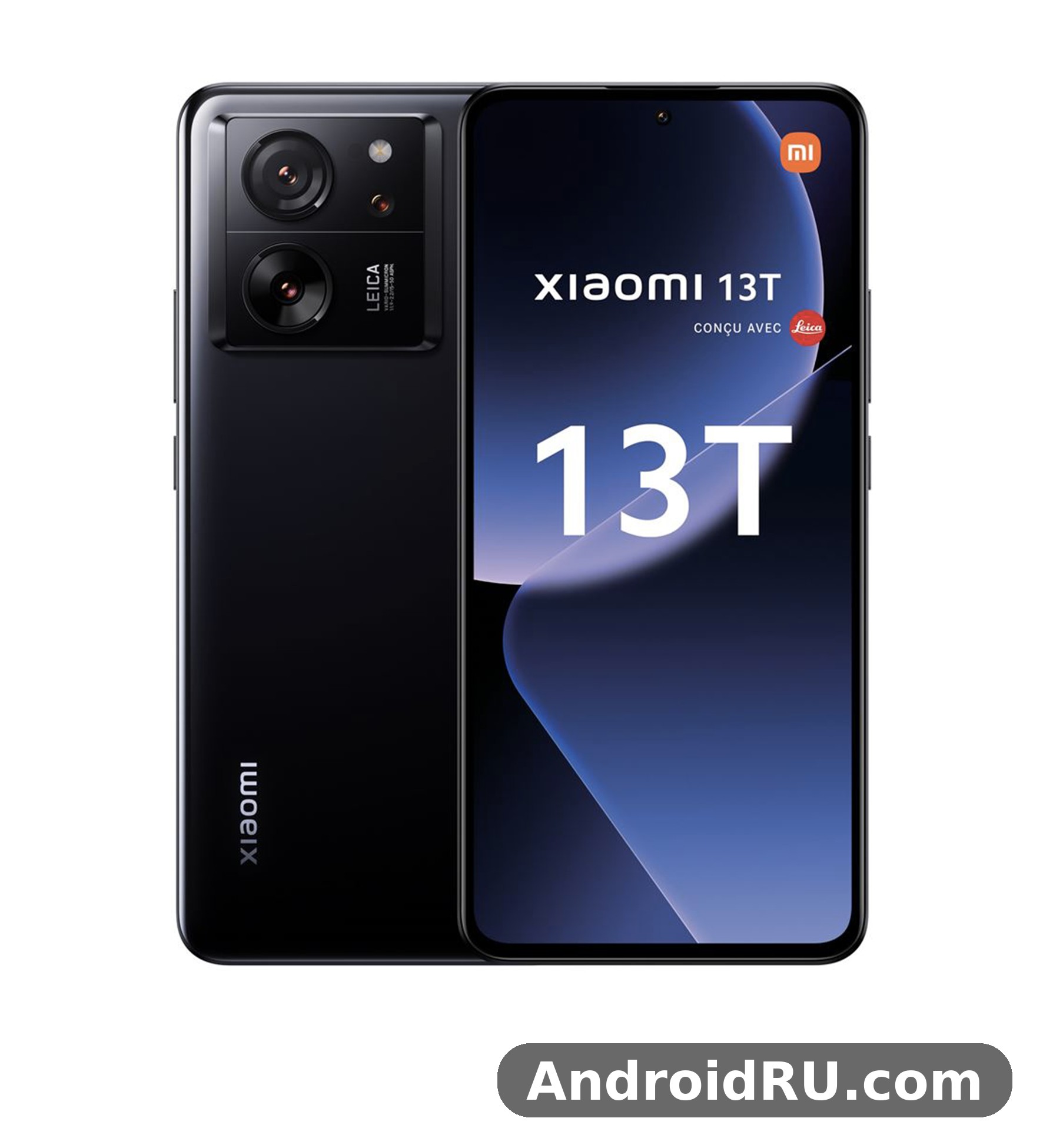
This is a review built from the published specifications, published lab measurements and reported user experience, not from a claim of a hands-on test in a lab. The numbers that follow come from Xiaomi and from independent published measurements: a 6.67-inch 2712 x 1220 AMOLED panel, a MediaTek Dimensity 8200 Ultra built on a 4nm process, 8GB or 12GB of RAM with 256GB of UFS 3.1 storage, a triple Leica camera led by a 50MP main sensor, and a 5000mAh battery that Xiaomi rates at 42 minutes to a full charge with the 67W charger. Around those facts, this article looks at how the phone behaves as a daily device — reading outside, playing games, taking photos in low light, getting through a long day, and living with HyperOS over several years of updates.
Readers who want the short version can jump to the verdict near the end, but the detail matters here because the 13T is no longer a new launch. Its value now depends on its current price, its software support and how its cameras and battery hold up against newer mid-range phones. The Xiaomi 13T price in 2026 value question is answered in the comparison section, after the screen, speed, camera and battery sections have given you the evidence to judge it. For now, the headline is simple: this is a well-balanced phone with a flagship-grade screen and camera tuning, a sensible battery, and one clear compromise in charging speed.
Xiaomi 13T 144Hz AMOLED Display Review: Brightness, Colour and Motion
The screen is the first thing that makes the 13T feel more expensive than its launch price of $599.99 suggested. It is a 6.67-inch AMOLED panel with a 1220 x 2712 resolution, about 446 pixels per inch, support for 68 billion colours, Dolby Vision and HDR10+, and a refresh rate of up to 144Hz. The panel is protected by Corning Gorilla Glass 5 and sits in a body that measures 162.2 x 75.7 x 8.5 mm. In normal indoor use the image is crisp and rich, text stays sharp at small sizes, and photos and video look closer to what a flagship shows than what most phones at this price showed in 2023. That is the core of the Xiaomi 13T display appeal: it does not feel like a cut-down screen.
Colour handling is where the Leica partnership shows up outside the camera app too. The display offers colour modes that lean vivid or lean accurate, and the Dolby Vision and HDR10+ support means supported video on streaming apps can show a wider range of brightness and colour than a standard panel. Blacks are true AMOLED blacks, so night scenes in films and dark-mode apps look deep rather than grey. The 144Hz refresh rate keeps scrolling through feeds, web pages and app drawers feeling fluid, and the 480Hz touch sampling rate helps the screen respond quickly when you tap and swipe in games. The Xiaomi 13T screen is, in short, the part of the phone you will look at most, and Xiaomi spent the money where it counts.
Xiaomi 13T Display Quality in Sunlight and Outdoor Brightness
Outdoor visibility is the real test of any phone screen, and the Xiaomi 13T display quality in sunlight is one of its strongest points on paper and in published measurements. Xiaomi rates the panel at 1200 nits in high brightness mode and the Xiaomi 13T screen brightness 2600 nits peak for short bursts of HDR highlights. Independent published measurements recorded about 1264 nits of maximum brightness in their own test, which is a useful reality check: the phone gets very bright in direct light, even if the 2600-nit figure describes peak highlights rather than the whole screen held at full brightness. In practice, maps, messages and photos stay readable on a sunny street, and the automatic brightness steps up quickly when you walk out of a building.
There are two practical habits that help outdoors. First, keep automatic brightness on, because the high brightness mode is tied to it and will not reach its brightest level if you lock the slider by hand. Second, remember that a bright screen at full power uses more battery, so a long afternoon of navigation in strong sun will drain the battery faster than a day spent indoors. That trade is normal for every bright AMOLED phone, and the 13T handles it better than most because it starts from a high brightness ceiling. If you read a lot outside, commute on foot, or take photos in daylight, this screen is a genuine reason to pick the 13T over a dimmer rival.
Colour, HDR Video and 144Hz Motion on the Xiaomi 13T
Motion is the second half of the display story. The 144Hz refresh rate is not just a number for games: it smooths everyday scrolling, and the phone can step the rate down when the content is static so the battery is not wasted. Video at 24 or 30 frames per second does not need 144Hz, and the phone handles that sensibly, while games that support high frame rates feel more responsive. The Xiaomi 13T 144Hz AMOLED display review verdict from published testing is consistent — the panel is fast, bright and well calibrated for its class, with the main caveat being that the very brightest HDR highlights are brief by design.
For video, the combination of Dolby Vision, HDR10+ and stereo speakers with Dolby Atmos support makes the 13T a good small cinema. The Xiaomi 13T stereo speakers Dolby Atmos sound is covered in more detail in the design section, but it belongs here too because a great screen with thin sound would waste half the experience. Colours in HDR video look richer without tipping into the oversaturated look that some phones default to, and skin tones stay believable in the more accurate colour mode. If you watch a lot of video on your phone, set the colour mode once, try an HDR clip, and you will quickly know whether this screen suits you. The smaller Xiaomi 13 takes a different approach to the same problem, with a more compact panel, and the comparison in Xiaomi 13 Review: Display, Audio and Overall Experience is a useful read if you are torn between a compact phone and this larger 6.67-inch screen.
When to Use 144Hz and When to Drop to 60Hz
Leave the refresh rate on its adaptive or high setting for daily use, and drop to 60Hz only when battery saving matters more than smoothness — on a long travel day, for example, or when the battery is below 20 percent and you still need the phone to last until the evening. The difference in battery use between 144Hz and 60Hz is real but modest in normal mixed use, and the smoothness is something you notice every time you scroll. Gamers should check each game individually, because not every title supports 144 frames per second, and a game capped at 60 will not benefit from the higher setting. That is a limit of the game, not of the phone.
Xiaomi 13T Dimensity 8200 Ultra Gaming Performance and Everyday Speed
Speed is the second promise in the title, and the Dimensity 8200 Ultra is the chip that has to deliver it. It is a 4nm octa-core processor with one Cortex-A78 core at up to 3.1GHz, three more Cortex-A78 cores at up to 3.0GHz, and four Cortex-A55 efficiency cores at up to 2.0GHz, paired with a Mali-G610 MC6 GPU. It is not the Dimensity 9200+ in the 13T Pro, and the phone does not pretend otherwise. What it is, though, is a fast and efficient chip for the price: published benchmark results put it at about 888,714 in AnTuTu v10 and about 3841 in Geekbench v6, which places it comfortably above most mid-range chips of its year and close enough to older flagships that everyday use never feels slow. The Xiaomi 13T performance in normal use — opening apps, switching between them, loading web pages, editing photos — is quick and consistent.
The Xiaomi 13T everyday performance and multitasking speed is helped by the memory and storage around the chip. The phone ships with 8GB or 12GB of LPDDR5 RAM and 256GB of UFS 3.1 storage, and the Xiaomi 13T UFS 3.1 storage speed test results in published testing show fast app installs and quick loading of large games. With 12GB of RAM, a dozen apps can stay in memory without constant reloading; with 8GB, the phone still handles normal multitasking well, though heavy users who keep a game, a browser with many tabs and a camera app open at once will notice the 12GB version holds more in memory. There is no microSD card slot, so the 256GB of internal storage is all you get, and that is a decision to weigh before you buy — the Xiaomi 13T no microSD card slot workaround is to use cloud storage or a USB-C drive for large video files, and to choose the 256GB model knowing it cannot be expanded later.
Xiaomi 13T Dimensity 8200 Ultra Gaming Performance in Real Games
In games, the Xiaomi 13T Dimensity 8200 Ultra gaming performance is strong for demanding titles at high settings, with the usual caveat that the very heaviest games will run best at balanced rather than maximum graphics if you want a steady frame rate for a long session. The Mali-G610 GPU handles popular competitive games smoothly, and the 144Hz screen and 480Hz touch sampling give a responsive feel that matters in fast games. The Xiaomi 13T gaming experience is also helped by the stereo speakers and the vibration motor, which add to immersion without needing headphones. If you play for an hour, the phone warms up as any glass phone does, but it does not become uncomfortable in normal play, and the frame rate holds up well in published sustained tests.
That said, the Xiaomi 13T overheating during long gaming sessions is a question worth answering honestly. In very long sessions of the most demanding games, in a warm room, with the screen at full brightness and the charger plugged in, the phone will get warm and the chip will ease back its peak speed to protect itself. That is thermal management working as designed, not a fault, and it is true of every phone in this class. The practical fixes are simple: take the case off for a long session, avoid charging while playing the heaviest games, and drop one graphics setting if the frame rate starts to dip after 30 to 40 minutes. For most players, in sessions of 30 to 60 minutes, heat is a non-issue. The Xiaomi 13 Pro takes a different route to the same goal, with a faster Snapdragon chip, and the Xiaomi 13 Pro Review: Gaming, Multitasking and Battery Life article shows how much extra speed costs and whether that extra speed matters for the games you actually play.
Multitasking, RAM and Storage for Daily Work
For work, the 13T is a capable daily driver. Split-screen multitasking, picture-in-picture video, quick switching between email, documents and messaging, and editing photos while music plays in the background all run without stutter. The under-display optical fingerprint sensor wakes the phone quickly in most conditions, and face unlock is there as a backup. The Xiaomi 13T fingerprint sensor under display reliability is generally good, though like most optical sensors it can be slower with a wet finger or a thick screen protector, and registering the same finger twice often improves recognition. The phone also supports 5G on a wide range of bands, Wi-Fi 6, Bluetooth 5.4, NFC where the market supports it, and an infrared port for controlling a TV or air conditioner — small features that add up in daily use. The Xiaomi 13T 5G connection is stable in published testing, with strong Wi-Fi throughput, and the dual SIM setup, including Nano-SIM plus eSIM in some markets, is covered in the software section below.
Heat and Sustained Speed After 30 Minutes of Play
Sustained speed is where a phone proves itself. The 8200 Ultra is built on an efficient 4nm process, so it holds its speed better over a long session than older, hotter chips did. Published sustained-performance testing shows a moderate drop from peak speed under continuous load, which is normal, and the phone recovers quickly once the load eases. If you notice a game slowing down, close background apps, let the phone cool for a few minutes, and avoid playing in direct sunlight. Those steps sound basic because they are — and they work on every phone, not just this one.
Xiaomi 13T Camera Samples: Leica Colours, Portrait Mode and 2x Zoom
The camera is the reason many people choose the 13T over a faster but plainer rival. The triple rear camera is a Leica system: a 50MP main camera with an f/1.9 lens, a 24mm equivalent focal length, a large 1/1.28-inch sensor, phase-detection autofocus and optical image stabilisation; a 50MP telephoto camera with an f/1.9 lens, a 50mm equivalent focal length and 2x optical zoom; and a 12MP ultrawide camera with an f/2.2 lens and a 15mm equivalent focal length. A colour spectrum sensor and an LED flash sit alongside them, and the front camera is a 20MP sensor with an f/2.2 lens. The Xiaomi 13T camera is not a flagship camera in every respect — video is capped at 4K at 30 frames per second, for example — but for still photos it punches well above its launch price.
The Xiaomi 13T camera samples Leica colours are the first thing to notice in daylight photos. Leica Authentic mode gives warm, slightly muted colours with strong contrast, the look Leica film photography is known for, while Leica Vibrant mode lifts saturation and brightness for a more immediately eye-catching result. Neither is right for every shot, and switching between them is part of learning the phone. The main sensor captures a lot of detail in good light, dynamic range is wide, and the optical stabilisation helps in dimmer conditions and when shooting one-handed. The Xiaomi 13T Leica tuning is not a filter slapped on top; it shapes colour, contrast and the look of the two Leica modes across the main, telephoto and ultrawide cameras, so photos from different lenses look like they belong together.
Xiaomi 13T Portrait Mode With Leica Lens and People Photos
Portraits are a highlight. The Xiaomi 13T portrait mode with Leica lens uses the 50mm telephoto camera, which is close to the classic portrait focal length, and it produces natural-looking background blur with good edge detection in most conditions. Skin tones stay believable in Leica Authentic mode, and the 2x lens keeps faces free of the distortion a wide lens would add. For group photos or tight indoor spaces, the main camera works well too, and the ultrawide is there when you need to fit more in. The Xiaomi 13T zoom at 2x is optical, so it keeps full detail, and digital zoom beyond that is usable up to about 5x in good light before softness becomes obvious. The Xiaomi 13T 2x telephoto camera zoom quality is one of the clearest advantages over phones that rely on a digital crop from the main sensor.
There are two Leica portrait looks to try: the standard portrait mode and the Leica portrait styles that add a film-like character to the background blur. Try both on the same subject in the same light and keep the one you prefer. For children and pets, the fast autofocus and stabilisation help, though no phone freezes a fast-moving subject perfectly every time. If portraits matter to you, the 13T is a strong pick at its price, and the older 12S Ultra, with its much larger 1-inch sensor, shows where the Leica partnership started on Xiaomi phones — the Xiaomi 12S Ultra Review: Gaming, Multitasking and Battery Life article is worth a look if you want to see how that larger sensor changes low-light photos and background blur.
Xiaomi 13T Night Mode Photo Quality and Low-Light Shooting
At night, the Xiaomi 13T night mode photo quality is good for the class, thanks to the large main sensor, the bright f/1.9 lens and optical stabilisation. Night mode takes a short series of exposures and merges them, which lifts shadows and keeps highlights from blowing out on street lights and signs. Handheld night shots of buildings, streets and people standing still come out clean and detailed, with noise kept under control. Moving subjects in very dark scenes will still blur, and the ultrawide camera is noticeably weaker at night than the main camera, so step closer and use the main sensor when the light is poor. The Xiaomi 13T night results are at their best when you hold the phone steady for the second or two that night mode needs, brace your elbows, and let the phone finish before you move.
One honest note: the Xiaomi 13T camera freezing issue reported by users appears in some owner reports and forum threads, where the camera app occasionally stalls or takes a moment to respond, especially after a long session or when switching quickly between modes. Not every owner sees it, and software updates have addressed camera stability over time, but it is worth knowing about. If the camera app ever stalls, force-closing it and reopening it usually clears it, and keeping the phone updated is the best long-term fix. That kind of occasional software hitch is the trade for a camera system this capable at this price, and it is not a reason to dismiss the phone — but it is a reason to keep HyperOS updated, which the software section covers.
Video, Filters and Editing on the Xiaomi 13T
Video is the weakest part of the camera system, and it is better to say so plainly. The Xiaomi 13T video recording 4K 30fps limitations mean there is no 4K at 60 frames per second, and the front camera records at 1080p at 30 frames per second. For most people, 4K at 30 with HDR10+ and gyro-based electronic stabilisation is enough for holidays, family clips and social video, and the footage looks clean and stable in daylight. If you shoot a lot of fast action or you want slow-motion at high resolution, the 1080p options at 60 and 120 frames per second are the better choice, and a dedicated camera or a more video-focused phone would serve you better. The Xiaomi 13T video quality in good light is still strong, with accurate colours and good stabilisation on the move.
Editing is easy on the phone itself. The Xiaomi 13T photo editing with Leica filters is built into the gallery and camera apps: the Leica Authentic and Vibrant looks, plus black-and-white Leica styles, can be applied after the shot as well as before it, and the usual tools for cropping, straightening, exposure and colour are all there. That matters because the best version of a photo is often the edited one, and the 13T gives you the tools without needing a separate app. For quick sharing, the Vibrant look usually needs less editing; for prints or a more timeless feel, Authentic is the better starting point.
Xiaomi 13T Battery Life Test Results and 67W Charging Time to Full
The battery is a 5000mAh lithium-polymer cell, and it is one of the most reassuring parts of the phone. Published Xiaomi 13T battery life test results give the phone an endurance rating of about 101 hours in the standard mixed-use test and an active-use score of about 12 hours and 23 minutes, which translates in everyday terms to a full day of heavy use with charge to spare, and two lighter days if you are careful. The Xiaomi 13T battery in normal daily use — messaging, browsing, maps, photos, some video and a short gaming session — will usually end the day at 25 to 40 percent, depending on screen brightness and how much time you spend on 5G. That is comfortable headroom, and it is what a 5000mAh battery should deliver when the chip is efficient and the screen can step its refresh rate down.
Standby is good too. The Xiaomi 13T battery drain overnight standby test in published measurements shows only a small drop overnight, typically a few percent with the phone idle on Wi-Fi, though a weak mobile signal, a misbehaving app or an overnight update can raise that. If you wake up to a bigger drop, check the battery usage screen in settings before blaming the phone — one app keeping the phone awake is the usual cause. The Xiaomi 13T best settings for battery saving are simple and worth setting once: use the adaptive refresh rate, keep automatic brightness on, turn on battery saver only when you need it rather than leaving it on all the time, and limit background activity for apps you rarely use. Those four steps cost nothing and can add an hour or more to a long day.
Xiaomi 13T 67W Charging Time to Full and Daily Top-Ups
Charging is fast, but it is not Pro-fast, and the distinction matters. The Xiaomi 13T 67W charging time to full is 42 minutes from empty according to Xiaomi lab testing, using the 67W charger in the box in the markets where it was included, with support for PD3.0 and Quick Charge 4. A short top-up is where the speed shows most: a 10 to 15 minute charge while you get ready in the morning can add a large chunk of battery, enough for several hours of normal use. The Xiaomi 13T charging is wired only — there is no wireless charging, which is covered again in the design section — so keep a USB-C cable handy. The 67W figure is the correct one for this phone; the 120W figure belongs to the 13T Pro, and mixing the two up is the most common mistake in listings and second-hand adverts for this phone.
Heat during charging is normal and the phone manages it, slowing down as the battery fills. Charging to 100 percent every night is fine, though if you want the battery to age as slowly as possible, keeping it between about 20 and 80 percent most of the time and doing a full charge only when you need a long day is a sensible habit. The phone supports the usual protections, and the battery is a sealed unit, so a replacement means a service visit rather than a swap at home. For most owners, the combination of a full day of battery and a 42-minute full charge means charging stops being something you plan your day around.
How the Battery Holds Up Over Two Years
Batteries age, and the 13T is now old enough that second-hand buyers should ask about battery health. A phone that has been fast-charged daily for two years will hold less than a new one, and the only reliable check is to use it for a full day and watch the drop, or to check the battery health figure in settings where HyperOS shows it. The Xiaomi 13T battery life after two years of normal use is still usually a full day for most owners, because it started with so much headroom. If you are buying used and the seller cannot show a recent full-day result, treat the battery as a wear item and factor a possible replacement into the price. The lighter Xiaomi 13 Lite takes a different approach to the same problem, with a smaller battery and a lighter body, and the Xiaomi 13 Lite Review: Camera Quality, Battery and Value article shows how that trade feels in daily use compared with the 5000mAh cell here.
Xiaomi 13T Design, IP68 Water Resistance and Daily Durability
The 13T looks and feels like a modern Xiaomi flagship, with a glass front, a choice of glass or silicone polymer back depending on the colour, and a plastic frame. It weighs 193 grams or 197 grams depending on the back material, and at 8.5mm thick it is slim enough to hold comfortably for a long video or a long call. The camera module is a large square in the top corner with Leica branding, and it does make the phone wobble slightly on a flat table without a case. The Xiaomi 13T weight is well distributed, so it does not feel top-heavy, and the flat sides and curved back make it easy to grip. The Xiaomi 13T colours are Alpine Blue, Meadow Green and Black, and the blue version uses a vegan leather-style finish that feels different from the glass versions and hides fingerprints better.
The Xiaomi 13T Alpine Blue colour durability is a common question, and the answer is reassuring: the textured back resists fingerprints and light scuffs better than glossy glass, though it can pick up dye from tight jeans pockets over time and it needs a gentle wipe rather than a harsh cleaner. The glass versions look sleeker out of the box but show fingerprints within minutes, so most owners will use a case either way. The Xiaomi 13T case and screen protector recommendations are straightforward: use the case that comes in the box to start with, add a tempered glass protector if you carry keys in the same pocket, and check that the protector does not cover the under-display fingerprint sensor area with a thick edge that slows unlocking. The Xiaomi 13T durability in daily use is helped by Gorilla Glass 5 on the front and by the IP68 rating, but glass is still glass — a drop onto a hard corner can crack any phone.
Xiaomi 13T IP68 Water Resistance Rating Explained
The Xiaomi 13T IP68 water resistance rating explained in plain terms is this: the phone is dust-tight and can survive immersion in fresh water up to 1.5 metres deep for up to 30 minutes in lab conditions, tested to the IEC 60529 standard. That is the same rating as many flagships, and it is a real advantage over phones with no rating or a splash-only rating. The Xiaomi 13T IP68 rating means rain, a splash by a pool, a spill on a table and a drop in a sink are all survivable in most cases. It does not mean the phone is made for swimming, for use in a hot shower, or for salt water or soapy water, and water damage is not covered by the warranty. The lab test uses still, clean, fresh water at a controlled temperature, and real life is messier than a lab.
That distinction matters because the most common misunderstanding about IP68 is that it makes a phone waterproof. It does not. The seals can wear with age, with drops and with heat, and a phone that survived a dunk when new may not survive the same dunk two years later. The practical rule is simple: enjoy the protection, but do not test it on purpose. If the phone does get wet, dry it, do not charge it until the USB-C port is dry, and let it air out. The Xiaomi 13T durability story is strongest when you treat IP68 as insurance, not as a feature to use every day.
What IP68 Does Not Cover
IP68 does not cover damage from salt water, chlorinated pool water, soap, shampoo, hot water or steam, and it does not cover a phone whose seals have been damaged by a drop or a repair. It also does not guarantee that the speakers will sound normal while they are wet — they usually need a few minutes to dry out. If you take the phone to the beach, keep it in a pouch; sand is more likely to scratch the screen and block the speaker grille than water is to get inside. Those limits apply to every IP68 phone, and knowing them is more useful than the rating number on its own.
Speakers, Fingerprint Sensor and Everyday Hardware
The stereo speakers are loud and clear for a phone, with a measured loudness that published testing rated as very good, and the Dolby Atmos support adds width to films and games. The Xiaomi 13T speakers are good enough for watching video in a quiet room without headphones, though like every phone they lack deep bass, and music sounds better through headphones or a speaker. There is no 3.5mm headphone jack, so wired headphones need a USB-C adapter or a USB-C headset, and the phone supports 24-bit/192kHz Hi-Res audio over a wired connection for listeners who care about that. The Xiaomi 13T fingerprint sensor is optical and sits under the display; it is fast when your finger is dry and the screen is clean, and registering the same finger twice is the simplest way to make it more reliable.
Other hardware details fill out the daily picture. The infrared port lets the phone act as a remote for a TV or air conditioner, the NFC chip supports contactless payment where the market and bank support it, and the USB-C 2.0 port supports OTG for flash drives. The Xiaomi 13T wireless charging support or not question has a short answer: no, this phone does not support wireless charging, and there is no reverse wireless charging either. That is a genuine omission at this price, and if you have already invested in wireless chargers, it will sting. If you have not, the 67W wired charging is fast enough that most owners do not miss wireless charging after the first week.
Xiaomi 13T HyperOS Update and Software Support
The 13T launched with Android 13 and MIUI 14, and Xiaomi promised up to four major Android upgrades and five years of security patches, with the phone moving to HyperOS as its new software platform. That promise is what makes the phone still worth considering years after launch: a phone that stops getting updates becomes a security risk and loses new features, while a phone that keeps getting them stays useful. The Xiaomi 13T HyperOS update and software support story has been a positive one, with HyperOS bringing a cleaner interface, better cross-device features for Xiaomi tablets and laptops, and the usual round of performance and battery improvements that come with a major platform update.
The Xiaomi 13T software experience in HyperOS is familiar to anyone who has used a recent Xiaomi phone: a control centre reached by swiping down from the top right, an app drawer that can be turned off, a theme store, and a set of Xiaomi apps alongside Google apps. There are pre-installed apps you may not want, and some of them can be uninstalled while others can only be disabled — a common complaint about Xiaomi software that has improved but not disappeared. The Xiaomi 13T updates arrive in waves by region and model, so two owners in different countries can get the same update weeks apart. That is normal for Xiaomi, and it is worth checking the updater in settings rather than waiting for a notification if you are keen to get a new version early.
Xiaomi 13T Android 16 HyperOS 3 Update and What Comes Next
The Xiaomi 13T Android 16 HyperOS 3 update is the question owners ask most in 2026, and the honest answer is to check the official update page and the updater on the phone itself, because the rollout order varies by region and the phone is now several generations old. The promise of up to four major Android upgrades means the phone was in line for a long support window from its Android 13 launch, and HyperOS 2 and later versions have already arrived for many owners. Whether a specific future version reaches your exact model depends on the regional variant — the global model is 2306EPN60G — and on Xiaomi’s final support schedule, which can change. Do not buy the phone today on the promise of a specific future version; buy it for the software it has now, and treat any further update as a bonus.
For daily use, the software is stable and fast on the Dimensity 8200 Ultra, and the features that matter most — a good camera app, a reliable fingerprint sensor, sensible battery settings, and a clean notification system — all work well. If you are setting the phone up fresh, take ten minutes to go through settings once: turn off notifications for apps you do not need, set the refresh rate and colour mode for the screen, choose your Leica camera defaults, and set up the fingerprint sensor with two registrations of your main finger. That single setup pass will make the phone feel like yours, and it will save you from digging through settings later.
SIM, eSIM and Connectivity Setup
The Xiaomi 13T eSIM and dual SIM setup depends on the market: the phone is sold in Nano-SIM plus eSIM and in Nano-SIM plus Nano-SIM versions, so check which version you are buying before you assume eSIM will work. Where eSIM is supported, adding a second line for travel or work is straightforward from the SIM settings, and the phone supports 5G on both SIMs in the usual dual-standby arrangement. Wi-Fi 6, Bluetooth 5.4 and a full set of satellite positioning systems — GPS, GLONASS, Galileo, QZSS, NavIC and BeiDou — make navigation and wireless audio reliable. The phone has no FM radio and no microSD slot, which are the two connectivity omissions most likely to matter, and both are covered by streaming and cloud storage for most owners. The Xiaomi 13T storage of 256GB is generous enough that the missing card slot hurts less than it would on a 128GB phone.
Xiaomi 13T vs Xiaomi 13T Pro Differences and Price in 2026 Value
The comparison with the Pro is unavoidable, because the two phones look almost identical and share the same screen, the same Leica cameras, the same battery size and the same IP68 rating. The Xiaomi 13T vs Xiaomi 13T Pro differences are concentrated in three places: the chipset, the charging and the RAM options. The 13T uses the Dimensity 8200 Ultra, the Pro uses the faster Dimensity 9200+, the 13T charges at 67W and the Pro at 120W, and the Pro offers a 512GB storage option that the 13T does not. Everything else — the 6.67-inch 144Hz AMOLED display, the 50MP main, 50MP telephoto and 12MP ultrawide cameras, the 5000mAh battery, the design and the IP68 rating — is shared. That makes the choice a simple question of how much you value speed and charging.
The Xiaomi 13T comparison with the Pro is also a price comparison. At launch the Pro cost meaningfully more, and in 2026 the gap between used and discounted examples of the two phones is often smaller than it was, which changes the maths. If the Pro is only a little more expensive where you shop, its faster chip and 120W charging are worth having. If the gap is large, the 13T gives you almost the same daily experience for less money, and the money saved buys a case, a charger and a set of Xiaomi 13T accessories. The full Pro review is the best place to see the other side in detail: Xiaomi 13T Pro Review: Screen Quality, Cameras and Charging. The Xiaomi 13T alternatives also include the standard Xiaomi 13 for buyers who want a smaller phone and a Snapdragon chip, and newer mid-range phones from Xiaomi and its rivals that offer longer remaining support — the trade there is a new phone with a weaker camera system against an older phone with a Leica camera and a brighter screen.
| Feature | Xiaomi 13T | Xiaomi 13T Pro | Xiaomi 13 |
|---|---|---|---|
| Chipset | Dimensity 8200 Ultra, 4nm | Dimensity 9200+, 4nm | Snapdragon 8 Gen 2, 4nm |
| Display | 6.67-inch AMOLED, 144Hz, 2600 nits peak | 6.67-inch AMOLED, 144Hz, 2600 nits peak | 6.36-inch AMOLED, 120Hz, 1900 nits peak |
| Rear cameras | 50MP main, 50MP 2x tele, 12MP ultrawide, Leica | 50MP main, 50MP 2x tele, 12MP ultrawide, Leica | 50MP main, 10MP 3.2x tele, 12MP ultrawide, Leica |
| Battery and charging | 5000mAh, 67W wired, 42 min to full | 5000mAh, 120W wired, 19 min to full | 4500mAh, 67W wired, 50W wireless |
| RAM and storage | 8GB or 12GB, 256GB UFS 3.1 | 12GB or 16GB, 256GB or 512GB | 8GB or 12GB, 128GB or 256GB |
| Water resistance | IP68 | IP68 | IP68 |
| Wireless charging | No | No | Yes, 50W |
| Launch price | Lowest of the three at launch | Higher than the 13T at launch | Highest of the three at launch |
The table makes the trade clear. The 13T and the Pro are the same phone in daily use for most people, and the difference only shows in heavy gaming and in how fast the battery refills. The standard Xiaomi 13 is a different shape of phone — smaller, lighter, with wireless charging and a longer telephoto lens, but a smaller battery and a smaller screen. Check the current price of all three before you decide, because the Xiaomi 13T price in the used and discounted market moves often, and a good deal can change which phone is the sensible pick. As a rule, buy the 13T when its price is clearly below the Pro and you do not need the fastest charging; buy the Pro when the price gap is small and you play demanding games or charge in short bursts between meetings.
Full Specifications
The table below is the complete Xiaomi 13T specs sheet as published, cross-checked against the GSMArena listing for model 2306EPN60G. Use it to confirm the details that matter to you — the chipset, the screen, the cameras, the battery and the connectivity — before you buy. Where a figure comes from a lab test rather than a specification, it is described as such in the text above, and the table itself sticks to the published specifications. The Xiaomi 13T specs are the same for the 8GB and 12GB versions except for the RAM figure, and the storage is 256GB in both cases.
| Specification | Xiaomi 13T |
|---|---|
| Announced and released | Announced and released 26 September 2023 |
| Model | 2306EPN60G, global version |
| Dimensions | 162.2 x 75.7 x 8.5 mm |
| Weight | 193 g or 197 g, depending on back material |
| Build | Glass front, Gorilla Glass 5; glass back or silicone polymer back; plastic frame |
| Water and dust resistance | IP68, dust-tight, immersion up to 1.5 m for 30 minutes in lab conditions |
| SIM | Nano-SIM plus eSIM, or Nano-SIM plus Nano-SIM, depending on market |
| Display type | AMOLED, 68 billion colours, 144Hz, Dolby Vision, HDR10+ |
| Display size | 6.67 inches, about 87.5 percent screen-to-body ratio |
| Display resolution | 1220 x 2712 pixels, 20:9 ratio, about 446 ppi |
| Display brightness | 1200 nits high brightness mode, 2600 nits peak |
| Display protection | Corning Gorilla Glass 5 |
| Operating system | Android 13 at launch, up to 4 major Android upgrades, HyperOS |
| Chipset | MediaTek Dimensity 8200 Ultra, 4nm |
| CPU | Octa-core: 1x 3.1GHz Cortex-A78, 3x 3.0GHz Cortex-A78, 4x 2.0GHz Cortex-A55 |
| GPU | Mali-G610 MC6 |
| RAM | 8GB or 12GB, LPDDR5 |
| Storage | 256GB, UFS 3.1, no microSD card slot |
| Main camera, wide | 50MP, f/1.9, 24mm, 1/1.28-inch sensor, 1.22 micrometre pixels, PDAF, OIS |
| Main camera, telephoto | 50MP, f/1.9, 50mm, 1/2.88-inch sensor, PDAF, 2x optical zoom |
| Main camera, ultrawide | 12MP, f/2.2, 15mm, 1/3.06-inch sensor, 1.12 micrometre pixels |
| Camera features | Leica lens, colour spectrum sensor, LED flash, HDR, panorama |
| Rear video | 4K at 30fps with HDR10+, 1080p at 30, 60 and 120fps, gyro-EIS |
| Front camera | 20MP, f/2.2, wide, 0.8 micrometre pixels, HDR |
| Front video | 1080p at 30fps, HDR10+ |
| Loudspeaker | Stereo speakers, Dolby Atmos, 24-bit/192kHz Hi-Res audio |
| Headphone jack | No 3.5mm jack |
| Wi-Fi | Wi-Fi 802.11 a/b/g/n/ac/6, dual-band |
| Bluetooth | 5.4, A2DP, LE |
| Positioning | GPS, GLONASS, Galileo, QZSS, NavIC, BeiDou |
| NFC | Yes, market and region dependent |
| Infrared port | Yes |
| Radio | No FM radio |
| USB | USB Type-C 2.0, OTG |
| Sensors | Fingerprint under display, optical; accelerometer, gyro, proximity, compass |
| Battery | Li-Po 5000mAh, non-removable |
| Charging | 67W wired, PD3.0, QC4, 100 percent in 42 minutes in Xiaomi lab testing; no wireless charging |
| Network | GSM, HSPA, LTE, 5G, SA and NSA |
| Colours | Alpine Blue, Meadow Green, Black |
| Launch price | About $599.99 at launch; check the current price before buying |
What the Spec Sheet Does Not Tell You
A spec sheet tells you what the phone has, not how it feels to live with. The 13T feels faster than its benchmark position suggests because the screen is fast, the storage is fast and the software is well tuned. It also feels more premium than its price because the screen is bright, the cameras are tuned by Leica and the body is sealed to IP68. The things the sheet hides are the small compromises: no wireless charging, no microSD slot, no headphone jack, and video capped at 4K at 30 frames per second. None of those is a deal-breaker on its own, and for many buyers none of them matters at all. What matters is whether the compromises line up with the things you do not do. If you never use wireless charging, never expand storage and never shoot 4K at 60, the sheet reads like a flagship. If you do any of those things every day, the sheet is telling you to look elsewhere, and the comparison table above shows where to look.
Pros and Cons and Who the Xiaomi 13T Is For
The verdict on the 13T depends on what you value, so here is the balance as plainly as possible. The Xiaomi 13T verdict in one line is that it is a camera-first, screen-first phone with a strong battery and a sensible price, held back by charging that is fast but not class-leading and by a few missing features that some buyers will notice. The lists below give the detail behind that line, and the section after them says who should buy it and who should pass.
Pros of the Xiaomi 13T
First, the screen: a bright 6.67-inch 144Hz AMOLED panel with Dolby Vision and HDR10+, 1200 nits in high brightness mode and a 2600-nit peak, which stays readable outdoors and makes video look rich. Second, the Leica camera system: a 50MP main camera with a large sensor and optical stabilisation, a 50MP 2x telephoto camera and a 12MP ultrawide, with Leica Authentic and Vibrant colour modes that give photos a distinct character. Third, the battery: a 5000mAh cell that lasts a full day of heavy use and charges to full in 42 minutes at 67W. Fourth, the build: IP68 water and dust resistance, Gorilla Glass 5 and a solid, comfortable design in three colours. Fifth, the software support: up to four major Android upgrades and a move to HyperOS, which keeps the phone current years after launch. Sixth, the value: at its launch price and at its current discounted price, it offers flagship-grade screen and camera features for less than a flagship costs.
Cons of the Xiaomi 13T
First, charging is 67W, not 120W, so it refills more slowly than the Pro, and there is no wireless charging at all. Second, video is capped at 4K at 30 frames per second, with no 4K at 60, which will disappoint serious video shooters. Third, there is no microSD card slot and no headphone jack, so storage cannot be expanded and wired headphones need an adapter. Fourth, the Dimensity 8200 Ultra is fast but not the fastest chip in the family, and very long sessions of the heaviest games will warm the phone and ease back peak speed. Fifth, the ultrawide camera is weaker than the main camera at night, and the camera app has occasionally stalled in owner reports. Sixth, the phone is large and heavy at 193 to 197 grams, so buyers who want a compact phone should look at the smaller Xiaomi 13 instead.
Who Should Buy the Xiaomi 13T
Buy the 13T if you take a lot of photos and want Leica colour without paying flagship money, if you watch a lot of video and want a bright, fast screen, if you need a phone that lasts a full day and charges quickly with a cable, and if you want IP68 protection without a flagship price. It suits photographers, commuters, students and anyone who uses their phone as a camera and a media player more than as a gaming console. The Xiaomi 13T unboxing experience sets the tone: the box in most markets included the 67W charger, a cable, a case and a SIM tool, so you can start using it properly on day one — check what is in the box where you buy it, because the contents vary by market.
Who Should Skip the Xiaomi 13T
Skip the 13T if you need wireless charging every day, if you shoot 4K video at 60 frames per second, if you play the heaviest games for hours at maximum settings, or if you need a compact phone that fits easily in a small pocket. In those cases, the Pro, the standard Xiaomi 13 or a newer video-focused phone will fit better. Also skip it if you find a newer mid-range phone with a longer remaining support window at the same price and you value updates over camera quality — the trade is real, and the right answer depends on how long you plan to keep the phone. If you keep a phone for two years, the 13T is an easy recommendation; if you keep it for four, check the remaining update promise carefully first.
Frequently Asked Questions About the Xiaomi 13T
Is the Xiaomi 13T still worth buying in 2026?
Yes, at the right price. The screen, the Leica cameras, the 5000mAh battery and the IP68 rating are still competitive, and HyperOS keeps the software current. The phone is worth buying when its price is clearly below the 13T Pro and below newer rivals with similar cameras, and when you are happy with the software it has now rather than counting on a specific future update. It is not worth buying at a price close to a new flagship, or if you need the longest remaining support window possible. Check the current price, check the battery health if you buy used, and buy the 12GB version if the price gap over 8GB is small.
Does the Xiaomi 13T support wireless charging?
No. The Xiaomi 13T wireless charging support or not answer is a clear no: there is no wireless charging and no reverse wireless charging. Charging is wired only, at 67W over USB-C, with a full charge in about 42 minutes in Xiaomi lab testing. If you already own wireless chargers, you will need to keep using a cable with this phone, and that is the single most common surprise for buyers who assume every phone at this price charges wirelessly. The standard Xiaomi 13 does support 50W wireless charging, so it is the better pick if wireless charging is a must-have for you.
How long does the Xiaomi 13T battery last in daily use?
A full day of heavy use, and two lighter days if you are careful. Published Xiaomi 13T battery life test results give an endurance rating of about 101 hours and an active-use score of about 12 hours and 23 minutes, and in everyday terms that means ending a heavy day at 25 to 40 percent. Screen brightness, 5G use and gaming are the biggest drains, and the battery settings in the article above — adaptive refresh rate, automatic brightness and limiting background activity for rarely used apps — can add useful time. If your battery drops much faster than that, check the battery usage screen for a single app keeping the phone awake.
Is the Xiaomi 13T camera good for night photos?
Yes, for still photos with the main camera. The large 1/1.28-inch sensor, the bright f/1.9 lens, optical stabilisation and night mode work together to produce clean, detailed night shots of streets, buildings and people standing still. The ultrawide camera is weaker at night, so use the main camera when the light is poor, hold the phone steady for the second or two that night mode needs, and avoid moving subjects in very dark scenes. The Leica Authentic mode gives night photos a film-like contrast that suits city scenes, while the Vibrant mode lifts colours for a more eye-catching result.
What is the difference between the Xiaomi 13T and the Xiaomi 13T Pro?
The chipset and the charging. The 13T uses the Dimensity 8200 Ultra and charges at 67W, taking 42 minutes to fill the 5000mAh battery, while the Pro uses the faster Dimensity 9200+ and charges at 120W, taking about 19 minutes. The screen, the Leica cameras, the battery size, the design and the IP68 rating are the same on both phones. The Pro also offers a 512GB storage option and more RAM at the top end. If you play demanding games or charge in short bursts, the Pro is worth the extra money; if you do not, the 13T gives you almost the same phone for less.
That is the heart of the Xiaomi 13T verdict: a phone that spends its money on the parts you see and touch every day. The screen is bright and fast, the Leica cameras give photos a character that cheaper phones cannot match, the battery lasts a full day and refills in 42 minutes, and the IP68 body survives the accidents that kill lesser phones. The compromises are honest ones — slower charging than the Pro, no wireless charging, no card slot and video capped at 4K at 30 — and they are easy to live with if they do not touch the things you do every day. If this phone fits the way you use yours, the next step is simple: check the current price where you live, confirm the 12GB version and the colour you want are in stock, and read the official specifications once more before you buy. A phone bought on its screen, its cameras and its battery is a phone you will still like in a year, and the 13T is built around exactly those three things.

