

Xiaomi 13 Lite Review: Camera Quality, Battery and Value
The Xiaomi 13 Lite arrived in March 2023 as the lightest, thinnest and cheapest member of the Xiaomi 13 family, and it still makes sense in 2026 for one simple reason: it keeps the parts people actually notice every day. You get a bright curved AMOLED screen, a 50MP main camera with a large Sony sensor, a dual front camera with its own flash, and 67W charging that fills the battery in about 40 minutes. This Xiaomi 13 Lite review looks at the camera quality, the battery and the value in detail, so you can decide whether this slim mid-ranger fits your pocket and your budget.
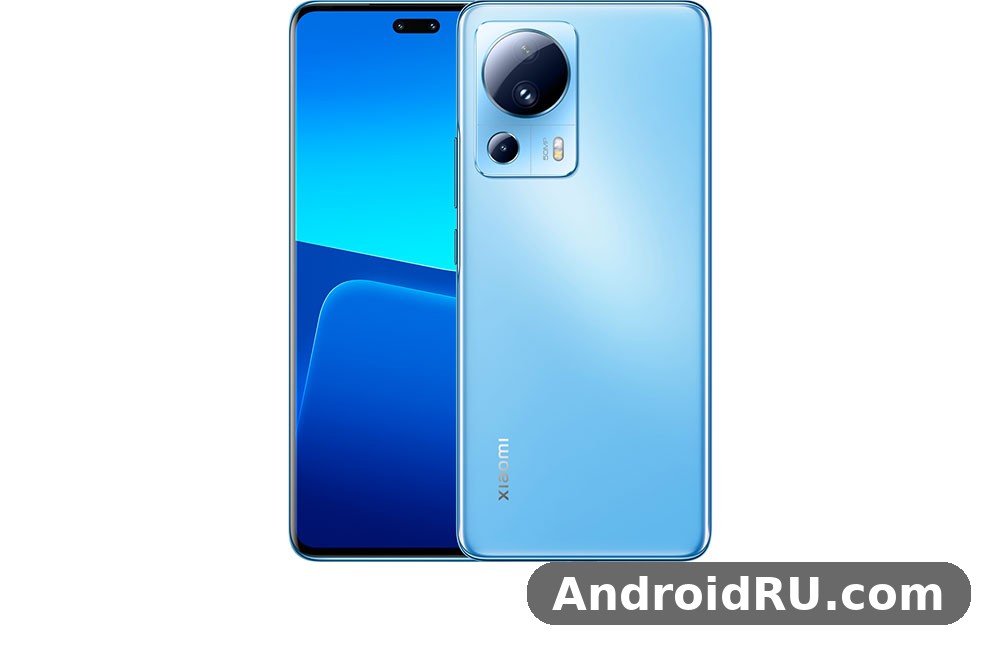
Xiaomi pitched the Lite as a phone for people who take a lot of selfies, watch a lot of video and hate heavy phones. At 171 grams and 7.23 mm thick, it is one of the lightest 5G phones with a 6.55-inch screen, and the curved glass back makes it feel even slimmer than the numbers suggest. The trade-off is clear too: there is no wireless charging, no telephoto lens, no microSD slot and only IP53 splash resistance. This article works through each of those trade-offs with real numbers, so nothing here is a guess.
By the end you will know how the main camera behaves in daylight and at night, how long the 4500mAh battery lasts in normal use, how fast the Snapdragon 7 Gen 1 chip runs games and everyday apps, and what the Xiaomi 13 Lite price in 2026 looks like against its launch price of 499 euros. If you want a light phone with a good screen and fast charging, keep reading. If you want the best camera in the Xiaomi 13 range, the comparison section near the end points you at the right alternative.
Xiaomi 13 Lite Camera Quality Review: The 50MP Main Sensor
The camera is the first thing most buyers ask about, and the Xiaomi 13 Lite camera quality review starts with the main sensor because it does most of the work. The rear system has three lenses: a 50MP main camera with a Sony IMX766 sensor, an 8MP ultrawide camera and a 2MP macro camera. The main sensor measures 1/1.56 inches with 1.0-micron pixels and an f/1.8 lens, which is a large sensor for a phone at this price, and it is the same sensor family Xiaomi has used in far more expensive phones. In daylight it produces sharp, detailed photos with natural colours and plenty of room to crop, and the default 12.5MP pixel-binned output keeps noise low while files stay small.
Dynamic range is a strong point. In bright scenes with sky and shadow in the same frame, the phone holds detail in both, and HDR steps in without making the photo look flat or painted. Colours lean slightly warm and lively, which suits food, portraits and travel shots, though people who prefer a flat, neutral look may want to turn the AI scene mode off. Focus is quick thanks to phase detection autofocus, and the shutter responds fast enough for street photos and children who refuse to sit still. For a full Xiaomi 13 Lite camera quality review, the honest summary is that the main camera punches above the price in good light and stays usable after dark, while the two supporting lenses are far weaker.
Low light is where the large sensor earns its keep. Night mode takes a short burst of frames and merges them, which lifts shadows and keeps street lights from blowing out into white blobs. The result is not flagship-clean: fine detail softens, and very dark corners pick up grain. Even so, a Xiaomi 13 Lite photo samples night mode comparison against older mid-range phones shows a clear step forward, because the sensor gathers more light before the software has to work. Hold the phone still for the one or two seconds night mode needs, and most evening shots come out ready to share without editing.
50MP Main Camera Samples: Daylight, Detail and Colour
Looking at Xiaomi 13 Lite 50MP main camera samples in daylight, the first thing you notice is how much detail survives a crop. Brickwork, leaves, fabric and distant signs all hold up at normal viewing sizes, and the 50MP full-resolution mode adds a little extra texture for landscapes if you are willing to accept larger files and slower processing. Most people should leave the camera on its default binned mode, which balances detail and noise better for everyday shots, and switch to full resolution only for a scene you plan to print or crop hard.
Colour handling is consistent across the main camera and the ultrawide, which matters when you switch lenses mid-shoot and do not want one photo warm and the next cold. Skin tones look healthy rather than orange, greens stay rich without going neon, and the sky keeps a natural blue instead of turning purple. White balance copes well with mixed indoor lighting, though under warm tungsten bulbs the phone sometimes keeps a yellow cast that a quick edit fixes. Video from the main camera is covered in its own section below, but stills are the stronger half of this phone.
Getting the Best Daylight Shots From the Main Camera
Tap to focus on your subject and drag the exposure slider down a touch in very bright scenes, because the camera likes to expose for the shadows and can clip highlights on white walls and bright skies. Keep the lens clean, since the curved glass back invites fingerprints and a smudged lens softens every photo. Turn on the grid and level in the camera settings if you shoot buildings or horizons, and leave HDR on auto so the phone decides when a scene needs it. These small habits make a bigger difference than any single setting.
When to Use the Full 50MP Mode
Full resolution is worth it for a detailed landscape, a photo you plan to crop into a tighter frame, or a shot of a document or poster where fine text matters. It is not worth it for quick snaps, moving subjects or low light, where the binned mode is faster and cleaner. Files in full resolution are several times larger, so check your free space before a long day of shooting, especially on the 128GB model with no card slot.
Ultrawide and Macro: Useful, With Limits
The 8MP ultrawide camera covers a 119-degree field of view, which is wide enough for interiors, groups and tall buildings when you cannot step back. It is a clear step down from the main camera: detail is softer at the edges, low light brings visible noise, and colours are a touch flatter. For a bright outdoor scene shared on a messaging app, it does the job. For a photo you care about, walk closer and use the main camera instead. That is the practical rule for almost every phone with an 8MP ultrawide, and the Xiaomi 13 Lite is no exception.
The Xiaomi 13 Lite macro camera 2MP results are the weakest part of the rear system. A 2MP macro lens can take a fun close-up of a flower or a coin in bright light, but the resolution is low, focus is fixed, and the images fall apart if you crop them. Xiaomi includes it to fill out the spec sheet rather than to win awards, and most owners will forget it exists after the first week. If close-up photography matters to you, the main camera cropped from a short distance usually gives a better result than the dedicated macro lens.
Dual Front Camera: Selfies With a Depth Sensor
The front of the phone carries two cameras in a pill-shaped cutout: a 32MP ultrawide selfie camera with a 100-degree field of view and an 8MP depth sensor. The Xiaomi 13 Lite dual selfie camera depth sensor setup exists for one job, which is portrait selfies with clean background blur, and it does that job well. Edge detection around hair and glasses is more accurate than a single front camera manages, and the blur looks natural instead of smeared. The 100-degree field of view also fits a group selfie without a stick, though faces at the edges stretch a little at the widest setting.
Xiaomi 13 Lite front camera selfie quality is a genuine selling point. In good light, selfies are sharp, skin texture looks natural, and the beautification can be turned down or off completely, which is the setting most people should choose. The dual LED flash next to the front cameras helps in dark rooms and at night, which is rare on phones at this price and useful for video calls as well as photos. In dim light the front camera leans on noise reduction, so fine detail softens, but faces stay bright and usable where a single front camera would give you a dark, grainy frame.
The Xiaomi 13 Lite 1080p video recording front camera mode runs at 30 or 60 frames per second, which is smooth enough for vlogs and video calls, and the wide field of view lets you show more of a room behind you. There is no 4K from the front camera, which is a fair limitation at this price, and stabilisation is electronic rather than optical. For a creator who films mostly with the front camera, that 1080p ceiling is worth knowing before you buy.
Video Recording: 4K From the Rear, 1080p From the Front
The Xiaomi 13 Lite 4K video recording 30fps test figures are simple: the rear camera records 4K at 30 frames per second, 1080p at 30, 60 or 120 frames per second, and slow motion at 720p and 960 frames per second. Footage in daylight is detailed and stable, with colours that match the stills, and the 1080p 60fps mode is the best balance of smoothness and file size for everyday clips. At night, video gets noisier and autofocus hunts more, which is normal for a phone without optical stabilisation on the main lens. Xiaomi 13 Lite video recording is good enough for holidays, family clips and social posts, and it is not a replacement for a dedicated camera or a flagship with sensor-shift stabilisation.
Audio in video is clean, with the microphones picking up speech clearly and wind noise kept under control in light breezes. The phone records in stereo, and playback through headphones or a speaker keeps voices intelligible. If you film outdoors often, a small wind cover or a sheltered spot helps more than any setting, since no phone microphone loves a strong gust.
Xiaomi 13 Lite Display 120Hz AMOLED Review: Bright and Curved
The screen is the part you touch all day, and the Xiaomi 13 Lite display 120Hz AMOLED review is good news. The 6.55-inch AMOLED panel has a 1080 x 2400 resolution, a 20:9 ratio, a 120Hz refresh rate and support for Dolby Vision and HDR10+. It renders 68 billion colours on a 12-bit panel, which sounds like a marketing number until you watch a sunset scene and notice how smooth the gradients look, with none of the banding cheaper 8-bit screens show. Xiaomi 13 Lite display quality holds up in this price range because the panel is bright, sharp at about 402 pixels per inch, and curved at the edges in a way that makes the phone feel like it has almost no bezel.
Brightness is rated at 500 nits typical and 1000 nits peak, and independent measurements put the maximum at around 938 nits, which is enough to read messages and maps in direct sunlight without shading the screen with your hand. Colours are vivid by default and can be toned down to a natural profile in the display settings, which is worth doing if you edit photos and want them to look the same on other screens. The curved edges look premium and make swiping from the sides feel smooth, though they can catch a stray touch from your palm until you get used to the grip, and a case helps here.
The Xiaomi 13 Lite 171 grams weight in hand changes how the display feels, because a big screen on a light phone is easy to hold one-handed for a short call or a quick scroll. The phone measures 159.2 x 72.7 x 7.2 mm, so it is tall but narrow, and most people can reach the top of the screen with a small shift of grip. That combination of a large, bright screen and a light body is the core of the Lite idea, and it is the reason many buyers choose this phone over a heavier flagship with a similar screen size.
120Hz Refresh Rate and Everyday Smoothness
The 120Hz refresh rate makes scrolling through feeds, web pages and app drawers look fluid, and the phone drops to a lower rate when the screen is still, which saves battery. You can lock the screen to 60Hz if you want the longest battery life, but most owners should leave the adaptive setting on, since the smoothness is one of the first things you notice after switching from a 60Hz phone. Games that support high refresh rates benefit too, though the chip, not the screen, sets the ceiling there. Xiaomi 13 Lite performance in daily scrolling feels fast because the screen and the chip work together, and the interface rarely stutters in normal use.
Dolby Vision, HDR10+ and Video Playback
The Xiaomi 13 Lite Dolby Vision HDR10+ video playback support means films and shows on streaming services can show brighter highlights and deeper shadows than a standard screen, provided the content and your subscription support it. In practice, a dark scene in a drama looks clearer because shadow detail survives, and a bright outdoor scene keeps the sky from turning into a flat white sheet. The single loudspeaker is loud enough for a video in a quiet room, but it is a single bottom-firing unit, so sound lacks the width of a stereo pair. Xiaomi 13 Lite speakers are fine for calls, notifications and casual video, and headphones or earbuds are the better choice for films and music. There is no 3.5mm headphone jack, so wired headphones need a USB-C adapter or a Bluetooth pair.
Screen Protection and Durability
The Xiaomi 13 Lite Gorilla Glass 5 screen protection covers the front, and the back is glass with a plastic frame. Gorilla Glass 5 resists scratches from keys and coins in a pocket, but it is not unbreakable, and a drop onto concrete can still crack it. The Xiaomi 13 Lite durability picture is mixed in a good way: the light weight means less force in a drop, and a case plus a screen protector removes most of the risk. The phone carries an IP53 rating, which is covered in the specifications section, and that rating means protection against dust and vertical water sprays, not submersion.
Display Settings Worth Changing on Day One
Open the display settings and pick the colour profile you prefer, set the refresh rate to adaptive, and turn on dark mode if you use the phone at night, since the AMOLED panel turns black pixels fully off and saves a little power. Reading mode warms the screen in the evening, and the always-on display can show the time and notifications without waking the full screen, though it costs a small amount of battery. These are one-time settings that take two minutes and make the phone nicer to live with.
Xiaomi 13 Lite Snapdragon 7 Gen 1 Performance and Gaming
The Xiaomi 13 Lite Snapdragon 7 Gen 1 performance story is about a modern 4nm chip doing everyday work without drama. The Snapdragon 7 Gen 1 is an octa-core chip with one Cortex-A710 core at 2.4GHz, three more A710 cores at 2.36GHz and four efficient A510 cores at 1.8GHz, paired with an Adreno 644 GPU. In published benchmark runs it scores around 534,000 on AnTuTu 9 and around 2,900 on Geekbench 5 multi-core, which puts it well above the previous generation of mid-range chips and close enough to older flagships for normal use. Apps open quickly, the camera launches without a wait, and switching between a browser, a map and a messaging app feels instant.
The Xiaomi 13 Lite 8GB RAM multitasking performance is helped by the fact that every storage option ships with 8GB of RAM, so the phone keeps several apps in memory without reloading them. Xiaomi 13 Lite storage options are 128GB and 256GB, with a 64GB version in some regions, and all of them use UFS 2.2 storage with no card slot. The Xiaomi 13 Lite UFS 2.2 storage speed test figures are mid-range rather than flagship: apps and photos load quickly, but installing a large game or copying a big video takes longer than on a phone with UFS 3.1 or UFS 4.0. For daily use that difference is small, and the 256GB model is the safer pick if you record a lot of 4K video or keep many games installed.
Xiaomi 13 Lite Gaming Performance Test: What It Runs Well
The Xiaomi 13 Lite gaming performance test results depend on the game. Popular titles such as PUBG Mobile, Mobile Legends, Call of Duty Mobile and Genshin Impact all run, with the first three holding smooth frame rates at balanced or high settings and Genshin Impact needing medium settings for a stable frame rate. The Adreno 644 GPU handles 1080p gaming well, and the 120Hz screen makes supported games look smoother, though very demanding games will not hold 120 frames per second. Xiaomi 13 Lite gaming is comfortable for casual and regular players, and competitive players who want the highest frame rates in the most demanding titles should look at a phone with a flagship chip instead.
Touch response is quick, the stereo effect is missing because of the single speaker, and the light body means your hands tire less in a long session. The phone supports 5G on a wide range of bands, Wi-Fi 6, Bluetooth 5.2 and NFC in most regions, so online games get a stable connection on a good network. Xiaomi 13 Lite 5G support includes both standalone and non-standalone modes, which helps the phone stay usable as networks change over the next few years.
Heating and Throttling in Long Sessions
A Xiaomi 13 Lite heating issue while gaming is not something most owners will run into, because the 4nm chip is efficient and the phone spreads heat across its slim body rather than concentrating it in one hot spot. After 30 minutes of a demanding game the back gets warm, not uncomfortable, and the frame rate holds steadier than older mid-range phones that throttled hard after ten minutes. If you play for an hour or more, a case traps a little heat, so taking the case off for a long session is a simple fix. The Xiaomi 13 Lite overheating question comes up in forums, and the fair answer is that the phone gets warm under load like every thin phone, while genuine overheating warnings are uncommon.
Software: MIUI 14 on Android 12 at Launch
The Xiaomi 13 Lite MIUI 14 Android 12 update position at launch was MIUI 14 running on Android 12, which surprised some buyers because Android 13 was already out when the phone launched. Xiaomi 13 Lite MIUI 14 brings the usual MIUI features: a customisable home screen, floating windows, a second space for work apps, and a large theme library. The interface is busy compared with stock Android, and a few pre-installed apps can be removed or disabled in the first ten minutes, which is worth doing. Xiaomi 13 Lite update support has continued since launch, with newer Android versions and security patches rolling out by region, so check the current version in Settings, then About phone, before you buy a used unit. If you buy used, also confirm the phone is not locked to a carrier or a previous account.
Daily software behaviour is smooth, with quick settings, notifications and gestures all responding well. The Xiaomi 13 Lite fingerprint sensor is an under-display optical unit and the main way most owners will open the phone, and the Xiaomi 13 Lite under display fingerprint sensor speed is fast enough that you rarely think about it: a quick tap opens the phone in well under a second in normal conditions, though wet fingers or a thick screen protector can slow it down. Face recognition from the front camera is a handy backup in bright light, and it works with the dual front camera setup.
Xiaomi 13 Lite Battery Life Test and 67W Charging Time
Battery life is the second promise in the title, and the Xiaomi 13 Lite battery life test results are solid for a 4500mAh battery in a slim phone. The capacity is 4500mAh, which is 200mAh more than the Xiaomi 12 Lite it replaced, and published endurance testing gives the phone a rating of around 93 hours, which covers a day of heavy use or two days of light use for most people. In real terms, a day of messaging, maps, photos, streaming and browsing with the screen at adaptive refresh rate usually ends with 20 to 30 percent left, and a lighter day ends closer to half. Xiaomi 13 Lite battery behaviour is helped by the efficient 4nm chip and the AMOLED screen, and hurt a little by the 120Hz refresh rate and 5G, so your own result depends on how much of each you use.
The Xiaomi 13 Lite 4500mAh battery endurance rating of 93 hours comes from a standardised test mix of calls, browsing and video playback, so treat it as a comparison figure rather than a promise for your own day. What matters is the pattern: standby drain is low, video playback is efficient, and the biggest drains are gaming, camera use and weak mobile signal. If your battery feels short, the first things to check are the screen brightness, the refresh rate setting and any app that keeps the phone awake in the background, because those three explain most complaints.
Xiaomi 13 Lite Battery Drain Overnight Test: Standby Behaviour
The Xiaomi 13 Lite battery drain overnight test pattern is reassuring: with the phone idle, Wi-Fi on and a normal set of notifications, it typically loses only a few percent over eight hours. If you see a bigger drop, the usual cause is an app syncing in the background, a weak signal that makes the radio work harder, or an always-on display left at full brightness. Switching on battery saver overnight, turning off always-on display, and checking the battery usage screen in Settings will find the cause in most cases. A healthy battery should not lose a quarter of its charge while you sleep, and if it does, a software check is cheaper than a battery replacement.
67W Charging: 100 Percent in About 40 Minutes
The Xiaomi 13 Lite 67W charging time is one of the best reasons to buy this phone. The 67W wired charger is included in the box, and the advertised figure is a full charge in 40 minutes, which matches published charging tests. A ten-minute top-up gives you a useful chunk of the day, and a half-hour charge from empty gets you close to full, so the phone rewards short charging breaks instead of demanding overnight charging. Xiaomi 13 Lite charging uses USB-C with Power Delivery 3.0 and an adaptive charge feature that slows the final stretch overnight to protect the battery, which is a sensible trade for long-term health.
There is no wireless charging, and the Xiaomi 13 Lite no wireless charging alternative is simple: a cable and the bundled 67W charger. That is a fair trade at this price, because wireless charging on a phone like this would be slow and would add cost and weight. If you already own a wireless charging pad, it will stay unused with this phone, and if you charge in the car, a USB-C cable is the way to go. The phone charges through USB Type-C 2.0 with OTG support, and the cable in the box is the one to keep, since not every old cable handles 67W.
Battery Health Tips That Actually Help
Keep the charge between roughly 20 and 80 percent when you can, avoid leaving the phone on a hot dashboard while charging, and let the adaptive charge feature do its job overnight. Heat is the main enemy of battery health, so gaming while charging is the worst combination for long-term capacity. These habits matter more than any single setting, and they cost nothing. The Xiaomi 13 Lite battery is sealed inside the phone, so a replacement needs a service centre, which is another reason to treat it well from the start.
Full Specifications
The table below lists the complete Xiaomi 13 Lite specs from the launch specification sheet, cross-checked against the published specification pages. Xiaomi 13 Lite specs vary slightly by region, especially for 5G bands, NFC and storage options, so confirm the exact model number for your market before you buy.
| Feature | Xiaomi 13 Lite |
|---|---|
| Announced | 26 February 2023, at MWC |
| Released | 8 March 2023 |
| Model number | 2210129SG |
| Dimensions | 159.2 x 72.7 x 7.2 mm |
| Weight | 171 g |
| Build | Glass front (Gorilla Glass 5), glass back, plastic frame |
| Water resistance | IP53, dust protected and splash resistant (vertical water sprays) |
| Display | 6.55-inch AMOLED, 68B colours, Dolby Vision, HDR10+, 120Hz, 500 nits typical, 1000 nits peak |
| Resolution | 1080 x 2400 pixels, 20:9, about 402 ppi |
| Display protection | Corning Gorilla Glass 5 |
| Operating system | Android 12 with MIUI 14 at launch |
| Chipset | Qualcomm Snapdragon 7 Gen 1 (4 nm) |
| CPU | Octa-core: 1x 2.4GHz Cortex-A710, 3x 2.36GHz Cortex-A710, 4x 1.8GHz Cortex-A510 |
| GPU | Adreno 644 |
| RAM | 8GB LPDDR4X |
| Storage | 128GB or 256GB (64GB in some regions), UFS 2.2, no microSD slot |
| Rear camera | 50MP main, f/1.8, 23mm, 1/1.56-inch Sony IMX766, PDAF; 8MP ultrawide, f/2.2, 119 degrees; 2MP macro |
| Rear camera features | Dual-LED dual-tone flash, HDR, panorama |
| Rear video | 4K at 30fps, 1080p at 30/60/120fps, 720p at 960fps |
| Front camera | Dual: 32MP ultrawide, f/2.4, 100 degrees; 8MP depth, f/2.3 |
| Front camera features | Dual-LED flash, HDR |
| Front video | 1080p at 30/60fps |
| Battery | Li-Po 4500mAh, non-removable |
| Charging | 67W wired, 100 percent in about 40 minutes, 67W charger in the box, Power Delivery 3.0 |
| Wireless charging | No |
| SIM | Nano-SIM plus eSIM, or dual Nano-SIM, depending on region |
| Network | GSM, HSPA, LTE, 5G (SA/NSA) |
| Wi-Fi | Wi-Fi 802.11 a/b/g/n/ac/6, dual-band |
| Bluetooth | 5.2 with A2DP and LE |
| NFC | Yes, market and region dependent |
| Positioning | GPS, GLONASS, BDS, GALILEO, QZSS |
| Infrared port | Yes |
| USB | USB Type-C 2.0 with OTG |
| 3.5mm headphone jack | No |
| Loudspeaker | Yes, single loudspeaker, 24-bit/192kHz Hi-Res audio |
| Fingerprint sensor | Under display, optical |
| Sensors | Accelerometer, gyro, proximity, compass |
| Colours | Black, Lite Blue, Lite Pink |
| Launch price | 499 euros for 8GB and 128GB |
What the Spec Sheet Leaves Out
A spec table tells you what the phone has, not what it feels like. The Xiaomi 13 Lite colours are Black, Lite Blue and Lite Pink — the Xiaomi 13 Lite Lite Blue Lite Pink colors have a soft gradient that hides fingerprints better than the plain Black model. The Xiaomi 13 Lite infrared blaster remote control feature is a small detail that owners end up using more than they expect, since it turns the phone into a remote for a TV or air conditioner through the Mi Remote app. The plastic frame keeps the weight down, and the glass back gives the phone a premium feel that a plastic back would not.
The spec sheet also hides the compromises. There is no optical stabilisation on the main camera, no telephoto lens, no microSD slot, no headphone jack and no wireless charging. None of those is a deal-breaker on its own, and all of them are normal at this price, but together they define the phone: a light, fast, good-looking mid-ranger that spends its budget on the screen, the main camera and the charging speed, and saves money everywhere else.
Regional Differences to Check Before You Buy
Storage options, 5G bands and NFC vary by region, and the model number 2210129SG is the global version. If you import a unit from another region, confirm the 5G bands match your carrier, confirm NFC is present if you pay by phone, and confirm the charger plug matches your sockets. A phone bought in the wrong region can work perfectly on paper and still miss the band your carrier uses most.
Xiaomi 13 Lite vs Xiaomi 13 Comparison: Where the Lite Saves Money
The Xiaomi 13 Lite vs Xiaomi 13 comparison is the question most buyers actually face, because the two phones share a name and a launch event but target different wallets. The standard Xiaomi 13 has a Snapdragon 8 Gen 2 flagship chip, a Leica-tuned camera system with a telephoto lens, wireless charging, a smaller 6.36-inch screen and an IP68 rating. The Lite has a Snapdragon 7 Gen 1 chip, a simpler camera system without a telephoto lens, no wireless charging, a larger 6.55-inch curved screen and an IP53 rating. The Lite is lighter, thinner and cheaper, and the standard model is faster, tougher and better at photography. Neither is the wrong choice; they are built for different priorities.
| Feature | Xiaomi 13 Lite | Xiaomi 13 |
|---|---|---|
| Chipset | Snapdragon 7 Gen 1 | Snapdragon 8 Gen 2 |
| Display | 6.55-inch AMOLED, 120Hz, curved | 6.36-inch AMOLED, 120Hz, flat |
| Main camera | 50MP Sony IMX766, no telephoto | 50MP Leica main, 10MP telephoto, 12MP ultrawide |
| Front camera | Dual 32MP plus 8MP depth, dual flash | Single 32MP |
| Battery | 4500mAh, 67W wired | 4500mAh, 67W wired, 50W wireless |
| Water resistance | IP53 splash resistant | IP68 |
| Weight | 171 g | 189 g |
| Launch price | 499 euros | 999 euros |
The price gap is the whole story. At launch the Lite cost about half the standard model, and the Xiaomi 13 Lite price in 2026 has fallen further, which makes the gap even wider on the used and clearance market. For that saving you give up the flagship chip, the telephoto lens, wireless charging and the IP68 rating. In return you get a lighter phone, a larger screen and a better front camera for selfies. Readers who want the full picture of the standard model should read the Xiaomi 13 Review: Display, Audio and Overall Experience, which covers the display and audio of the bigger brother in detail.
Camera Gap: Main Sensor vs Full System
The main cameras are closer than the price suggests, because both phones use a large 50MP main sensor and both take excellent daylight photos. The gap opens at distance and at night: the standard model adds a telephoto lens for zoom, a Leica colour profile and optical stabilisation, which gives it sharper zoom shots and steadier low-light photos. The Lite fights back with its dual front camera and dual LED flash, which the standard model does not have, so selfie lovers may prefer the cheaper phone. If your photography is mostly people, food and travel in daylight, the Lite is enough. If you shoot concerts, wildlife or night streets, the standard model earns its price.
How the Lite Compares With the 13T Family
The 13T family arrived later in 2023 with a different balance: stronger chips, Leica cameras and IP68 ratings at a mid-range price. The Xiaomi 13T Review: Display Quality, Speed and Daily Use covers the base 13T, which trades the Lite’s slim body and dual selfie camera for a faster chip and a tougher build, while the Xiaomi 13T Pro Review: Screen Quality, Cameras and Charging adds 120W charging and a flagship-class chip. If you are choosing between a discounted 13 Lite and a 13T, the decision comes down to weight and selfies on one side and speed and water resistance on the other. The Lite remains the lighter and cheaper option, and the 13T models are the stronger all-rounders.
Older Flagships as Alternatives
An older flagship can beat the Lite on raw camera quality while matching it on price. The Xiaomi 12S Ultra Review: Gaming, Multitasking and Battery Life shows what a phone with a 1-inch sensor and a flagship chip can do, and the Xiaomi 12S Pro Review: Display, Audio and Overall Experience covers another older flagship with a better screen and stereo speakers. Both are heavier, older and harder to find new, and both lack the Lite’s fresh battery and slim design. Buy an older flagship for camera quality, and buy the Lite for a light new phone with a warranty and fast charging.
Pros and Cons: Who Should Buy the Xiaomi 13 Lite
The Xiaomi 13 Lite value case rests on three strengths: a 50MP Sony IMX766 main camera that takes excellent daylight photos, a 4500mAh battery with 67W charging that fills in about 40 minutes, and a light curved design that is easy to carry all day. Add the bright 120Hz AMOLED screen and the dual front camera, and you have a phone that covers the daily basics better than its price suggests. The Xiaomi 13 Lite design is slim and light without feeling cheap, and the glass back and curved screen give it a look that costs more on other phones.
The Xiaomi 13 Lite unboxing experience is generous by 2026 standards: the box includes the 67W charger, a USB-C cable and a basic case, so you can start using the phone properly on day one without buying extras. Xiaomi 13 Lite accessories worth adding are a better protective case, a screen protector for the curved display, and a USB-C to 3.5mm adapter if you still use wired headphones. A good Xiaomi 13 Lite case also solves the two small grip complaints at once, since it covers the slippery glass back and guards the curved edges.
Pros
- Light and thin — the Xiaomi 13 Lite weight is just 171 grams at 7.23 mm thick, so it is comfortable to hold and carry all day.
- Bright 6.55-inch 120Hz AMOLED screen with Dolby Vision and HDR10+ support for video.
- 50MP main camera with a large Sony sensor that takes strong daylight and night photos.
- Dual 32MP front camera with a depth sensor and a dual LED flash for selfies and video calls.
- 67W charging included in the box, with a full charge in about 40 minutes.
- Fast Snapdragon 7 Gen 1 chip with 8GB of RAM for smooth daily use and casual gaming.
- Infrared blaster, NFC in most regions, 5G and Wi-Fi 6 for everyday connectivity.
Cons
- No wireless charging, which matters if you already own charging pads.
- Only IP53 splash resistance, so it cannot be submerged and is not a rugged phone.
- No telephoto lens, and the 2MP macro camera is weak, so zoom and close-ups disappoint.
- Single loudspeaker and no 3.5mm headphone jack, so audio fans need Bluetooth or an adapter.
- UFS 2.2 storage is slower than the UFS 3.1 or 4.0 storage in pricier phones.
- No microSD slot, so you must choose 128GB or 256GB at purchase and live with it.
- Launched on Android 12, so the update window is shorter than on a phone launched in 2024 or later.
Who Should Buy It
Buy the Xiaomi 13 Lite if you want a light phone with a great screen, a strong main camera and very fast charging, and you take a lot of selfies. It suits commuters, students and anyone who carries their phone in a pocket all day, because the weight difference against a 200-gram flagship is something you feel every hour. Xiaomi 13 Lite selfie quality is a real reason to pick this phone over other mid-rangers, and the Xiaomi 13 Lite portrait mode output benefits directly from the 8MP depth sensor, with cleaner edges around hair and glasses than a single front camera produces. The Xiaomi 13 Lite night mode on the main camera also helps evening photos, though it needs a steady hand for a second or two.
Who Should Skip It
Skip it if you need a telephoto zoom, wireless charging, an IP68 rating or a stereo speaker setup, because none of those are here at any price. Skip it too if you record a lot of 4K video and need more than 256GB, since the storage cannot be expanded. The Xiaomi 13 Lite alternatives in that case are the 13T family for water resistance and speed, an older flagship such as the 12S Ultra for camera quality, or a phone with a bigger battery if two-day life matters more than weight. A Xiaomi 13 Lite vs Xiaomi 12 Lite comparison shows the newer phone wins on chip, camera sensor and charging, so owners of the 12 Lite gain a real upgrade, while owners of a recent flagship will find the Lite a step down in camera flexibility.
Common Problems and How to Handle Them
The most common Xiaomi 13 Lite problems buyers ask about are not defects but missing features: no microSD slot, no headphone jack, no wireless charging and no telephoto lens. Real faults are rare, and the fixes for everyday annoyances are simple. If the battery drains fast, check the battery usage screen and lower the refresh rate to 60Hz. If the screen picks up palm touches on the curved edges, a case and the accidental-touch protection setting help. If the fingerprint sensor misses, re-register the same finger twice and keep the screen clean. If the phone feels warm after gaming, close the game for a few minutes and take the case off.
Frequently Asked Questions
Does the Xiaomi 13 Lite support wireless charging?
No. The phone charges only through its USB-C port, at up to 67W wired, and the 67W charger comes in the box. A full charge takes about 40 minutes, so the cable is fast enough that most owners do not miss wireless charging, though a charging pad you already own will not work with this phone.
Is the Xiaomi 13 Lite waterproof?
No, and the Xiaomi 13 Lite IP53 splash resistance explained simply means the phone is protected against dust and vertical water sprays, such as light rain. It is not rated for submersion in water, so do not take it swimming, do not use it in the shower, and dry it quickly if it gets splashed. The IP53 rating is a useful safety net, not a licence to get the phone wet.
How long does the Xiaomi 13 Lite battery last?
For most people it lasts a full day of normal use, with 20 to 30 percent left in the evening, and two days of light use is possible. Published endurance testing gives it a rating of around 93 hours on a standard mix of calls, browsing and video, and the 67W charger refills it in about 40 minutes, so even a heavy day is easy to recover from with a short top-up.
Does the Xiaomi 13 Lite have a good selfie camera?
Yes. The dual front camera pairs a 32MP ultrawide selfie lens with an 8MP depth sensor and a dual LED flash, which is an unusual setup at this price. Selfies are sharp in good light, portrait mode separates the subject from the background cleanly, and the flash helps in dark rooms. Front video is limited to 1080p, so vloggers who need 4K from the front camera should look elsewhere.
Is the Xiaomi 13 Lite still worth buying in 2026?
It is worth buying at the right price, which in 2026 is well below its 499-euro launch price. You get a light phone with a bright 120Hz screen, a strong main camera, a good selfie camera and 67W charging, and the compromises are the missing wireless charging, the IP53 rating and the lack of a telephoto lens. Check the software version and the battery health on any used unit, and compare the price against the 13T family before you decide.
Final Verdict: A Light Phone That Gets the Daily Basics Right
The Xiaomi 13 Lite is not the most powerful phone in the Xiaomi 13 family, and it does not try to be. It is the lightest and most comfortable, with a screen and a main camera that belong on a more expensive phone, and charging that removes battery anxiety from a normal day. The dual 32MP selfie camera with its depth sensor and flash is the feature that sets it apart from other mid-range phones, and the 171-gram body is the feature you notice every time you pick it up. Its weaknesses are honest ones: no wireless charging, no telephoto lens, a single speaker and splash resistance instead of full water protection.
If those trade-offs fit your habits, the Lite is an easy phone to recommend in 2026, especially at a discounted price. The next step is simple: check the current price in your region, confirm the storage size and the model number, and look at the phone in a shop if you can, because the weight and the curved screen are things you should feel before you buy. Then set the refresh rate to adaptive, turn the selfie beautification down, and enjoy a phone that does the daily basics well without weighing your pocket down.

