

Xiaomi 15T Pro Review: Build Quality, Software and Daily Speed
Xiaomi has a habit of making its T-series phones feel like a quiet bargain, and the Xiaomi 15T Pro continues that habit with more confidence than any T phone before it. This is a flagship-class handset that costs less than the true flagships, yet it carries a top-tier chip, a Leica-tuned camera system, a huge battery and a bright 144Hz screen. The question is not whether the specification sheet looks good. The question is whether the phone feels good to live with every day, and whether the corners Xiaomi cut are corners you will actually notice.
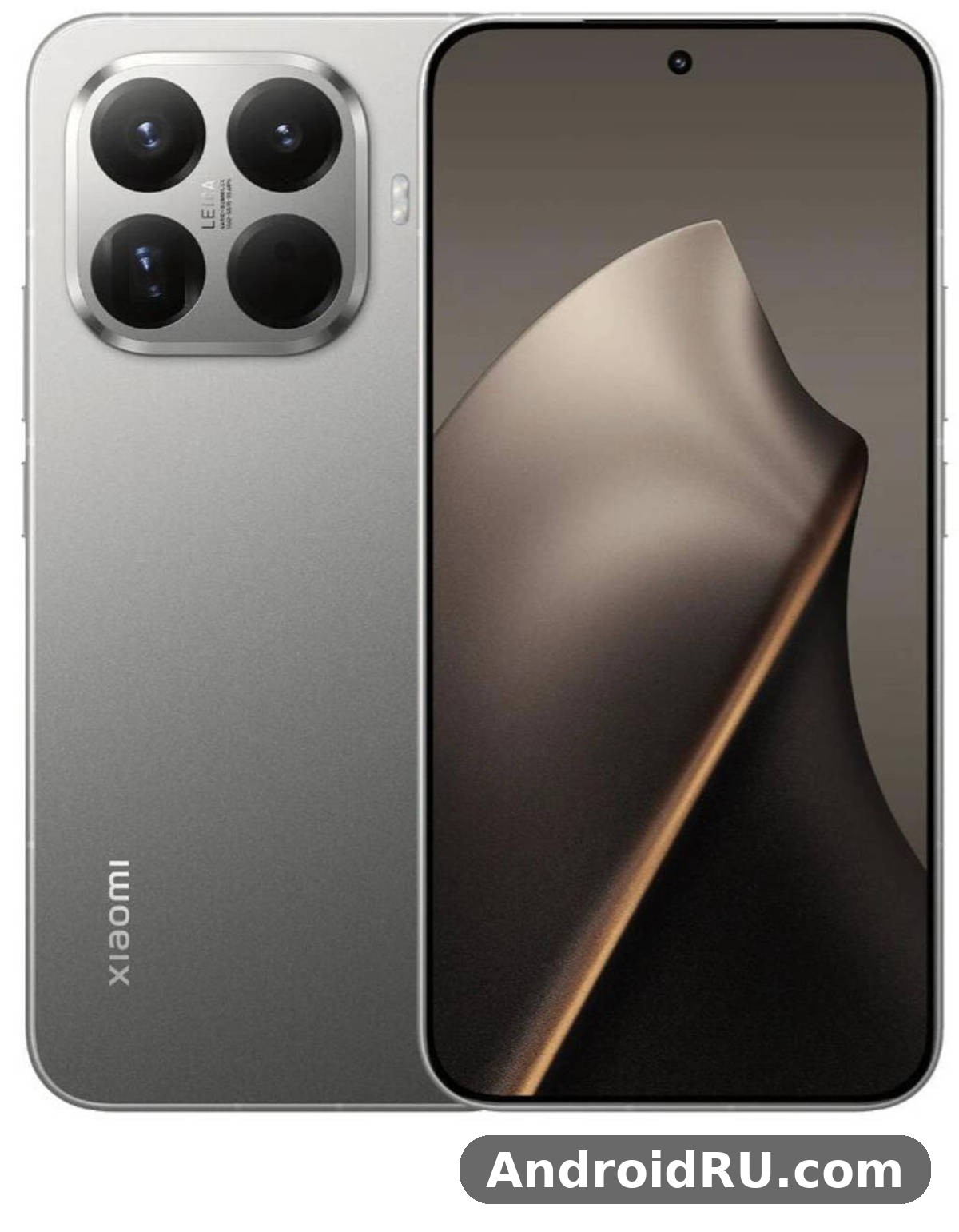
This Xiaomi 15T Pro review looks at the phone the way an owner would: how it feels in the hand, how fast it stays after weeks of use, how the cameras behave in ordinary light, and how the battery holds up when the day runs long. You will find the Xiaomi 15T Pro full specifications further down, a direct comparison with the model it replaces, and honest notes on where this phone falls short. If you are weighing it against the regular Xiaomi 15T, the Xiaomi 15 or an Ultra, the comparisons in this article should help you decide without a trip to a shop.
The short version: build quality is a clear step up from last year’s T phone, HyperOS 2 is calmer and better organised than the software Xiaomi shipped two years ago, and daily speed is genuinely flagship-level thanks to the Dimensity 9400 Plus. The cameras are the most interesting part of the package, because a 5x telephoto at this price is still rare. The trade-off is that this is a big, heavy phone, and the software still carries a few Xiaomi habits that take an afternoon to tame.
Xiaomi 15T Pro Build Quality and Design in Daily Use
Pick the phone up and the first thing you notice is how solid it feels. The frame is aluminium, the back is glass, and the two meet with a tight, even seam that gives no creak when you squeeze the sides. The camera island is a large rounded square in the top-left corner, and it sits proud of the back by a couple of millimetres, so the phone rocks slightly when you tap the screen while it lies on a desk. A case fixes that in seconds, and most owners will use one anyway.
The Xiaomi 15T Pro design is deliberately restrained. There is no wild colour gradient and no oversized branding. The Leica logo sits quietly on the camera island, and the Xiaomi wordmark sits low on the back glass. It comes in three finishes: a matte black, a light grey and a warm gold, and the matte black hides fingerprints best. The Xiaomi 15T Pro colours are all muted rather than loud, which suits a phone aimed at people who want flagship hardware without a flashy badge. In the hand the phone feels dense and balanced, with the weight spread evenly rather than concentrated at the camera end.
At roughly 163 mm tall, 77 mm wide and 8 mm thick, with a Xiaomi 15T Pro weight of about 210 grams, this is a large phone by any measure. People with smaller hands will reach for the top of the screen with a shuffle, and one-handed typing on the move takes practice. That said, the size buys a 6.83-inch display and a 5500mAh battery, and most buyers in this class accept the trade. The flat sides and slightly curved back edges help the grip more than the raw numbers suggest, and the phone never felt slippery in dry hands during a week of carrying it without a case.
Materials, Frame and the Feel of the Glass Back
The front glass is Corning Gorilla Glass 7i, a grade below the Victus glass on Xiaomi’s most expensive phones but a clear step above the glass on mid-range handsets. It resisted keys and coins in a pocket without picking up visible scratches, though a screen protector is still wise for anyone who puts the phone face-down on rough surfaces. The back glass has a soft matte texture on the black and grey finishes, which keeps fingerprints faint and gives the phone a calm, almost ceramic look under indoor light.
The aluminium frame is polished on its outer edge and matte on the flat sides, and the buttons sit on the right edge with a firm, short travel. The volume rocker and power button are easy to find by touch, and neither rattles. The USB-C port, speaker grille and SIM tray sit on the bottom edge, and the tray takes two nano-SIM cards with no microSD slot. That last point matters: the Xiaomi 15T Pro storage is fixed at purchase, so choose 512GB if you shoot a lot of video, because there is no card to add later. The Xiaomi 15T Pro case and screen protector recommendations are simple: a slim case with a raised lip around the camera island, and a tempered glass protector that covers the flat display edge to edge.
Xiaomi 15T Pro IP68 Water Resistance Meaning and Real-World Limits
The Xiaomi 15T Pro IP68 rating is one of the most useful upgrades over older T phones, and it is worth understanding what it actually promises. The Xiaomi 15T Pro IP68 water resistance meaning is that the phone is protected against dust and against immersion in fresh water up to 1.5 metres for up to 30 minutes under laboratory conditions. It does not mean the phone is safe in the sea, in a chlorinated pool, in hot water, or under a high-pressure jet, and Xiaomi’s warranty does not cover water damage. In practice, the rating means rain, splashes, a drop in a sink and a sweaty run are nothing to worry about, and that is exactly the protection most owners need.
Seals and gaskets age, so treat IP68 as insurance rather than an invitation. Do not charge the phone while the USB-C port is wet, and let it dry fully before plugging in a cable. The phone will warn you if it detects moisture in the port. After a year of daily use the rating should still hold for ordinary accidents, but nobody should test it on purpose. For a phone at this price, having the same water resistance class as phones that cost far more is a genuine advantage, and it removes one of the old reasons to pay extra for an Ultra.
Xiaomi 15T Pro Display: 6.83-inch AMOLED at 144Hz
The 144Hz AMOLED display is the part of this phone you will look at most, and Xiaomi has not held back. The panel is a 6.83-inch AMOLED with a resolution of 2772 by 1280 pixels, a 144Hz refresh rate and a peak brightness rating of 3200 nits. In a Xiaomi 15T Pro display quality review the headline is simple: this is a bright, sharp, colour-rich screen that stays readable in direct sunlight and looks superb with photos and video. Text is crisp, the thin bezels make the panel feel larger than it is, and the punch-hole front camera is small enough to forget.
Colour handling is flexible. Out of the box the screen uses a vivid profile that makes photos pop, and switching to the original colour mode gives a calmer, more accurate look that suits photo editing. The display supports HDR10+ and Dolby Vision, and streamed HDR video shows the benefit at once: highlights hold detail instead of blowing out, and dark scenes keep their shadow detail. The 12-bit colour depth helps gradients look smooth, with far less banding in skies and dark scenes than on cheaper panels.
Xiaomi 15T Pro 144Hz Refresh Rate Settings and When to Use Them
The Xiaomi 15T Pro 144Hz refresh rate settings live under Settings, then Display, then Refresh rate, where you can pick 60Hz, 120Hz, 144Hz or the default adaptive mode. Adaptive mode is the sensible choice for most people: it raises the rate for scrolling and gaming and drops it when the screen is still, which saves battery without any visible penalty. Forcing 144Hz everywhere feels a touch smoother in menus, but it costs battery for a difference most eyes stop noticing after a day. The Xiaomi 15T Pro display is at its best in adaptive mode, and the phone’s touch sampling keeps taps and swipes feeling instant even when the refresh rate drops.
Brightness behaviour is equally thoughtful. The screen ramps up quickly outdoors and the auto-brightness curve learns from your manual adjustments over a few days, so it stops being too dim in the evening or too bright at night. There is a high-brightness mode for sunlight, eye-care modes that warm the colour temperature after dark, and a reading mode that flattens the display for long sessions. PWM dimming at high frequency keeps the screen comfortable for people who notice flicker on cheaper OLED panels, and the always-on display can show the clock, notifications and a small amount of custom art without waking the whole panel.
Outdoor Visibility, HDR Video and Eye Comfort
Outdoors is where the 3200-nit peak brightness earns its keep. In bright daylight the screen stays readable without cupping a hand over it, and maps, messages and the camera viewfinder all remain clear. That brightness is a peak figure for small HDR highlights rather than the whole screen at once, but the full-screen brightness in sunlight is still among the best at this price. Watching HDR video on the move is genuinely pleasant, and the stereo speakers are loud enough to match the picture when you have no earphones to hand.
For long reading sessions the screen is easy on the eyes, with a paper-like reading mode and a dark mode that turns the whole interface black rather than dark grey. Dark mode also saves a little battery on an AMOLED panel, since black pixels draw almost no power. The one small complaint is the fingerprint sensor’s glow: the optical sensor lights up brightly when you wake the phone in a dark room. It is a minor quirk, and most people stop noticing it within a week.
Dimensity 9400 Plus Performance and Gaming on the Xiaomi 15T Pro
The Dimensity 9400 Plus is the chip that makes this phone feel like a flagship rather than a cut-price pretender. It is MediaTek’s top 3nm processor, with an all-big-core CPU layout led by a Cortex-X925 prime core running above 3.7GHz, a 12-core Immortalis GPU and a fast neural processor for on-device AI work. In a Xiaomi 15T Pro performance test Dimensity 9400 Plus silicon like this trades blows with the best chips from any maker, and in sustained use it holds its speed better than many rivals because MediaTek tuned it for efficiency rather than short benchmark bursts.
Day-to-day speed is the real story. Apps open without hesitation, the camera launches in well under a second, and switching between a browser with a dozen tabs, a maps app and a messaging app never produces the reload stutter that cheaper phones show. The Xiaomi 15T Pro RAM is 12GB across all storage versions, which is enough to keep a large working set of apps in memory, and the UFS 4.1 storage reads and writes fast enough that installing a large game or copying a long video never feels like a chore. The Xiaomi 15T Pro benchmarks place it firmly in flagship territory, with AnTuTu scores in the region of 2.8 to 3 million depending on temperature and software version, and Geekbench multi-core scores that sit alongside the fastest Android phones on sale.
Those numbers are only useful if they survive a long session, and this phone does a good job of that. The vapour chamber cooling keeps the frame warm rather than hot during long downloads and video exports, and the phone rarely throttles hard enough for you to notice. Video editing in a mobile editor, exporting a 4K clip and batch-processing photos all run at a pace that would have needed a much more expensive phone two years ago. If your daily use is messaging, browsing, photos and streaming, this chip is more power than you need, and that headroom is exactly what keeps a phone feeling fast in its third year.
Xiaomi 15T Pro Gaming Performance Test: Frame Rates and Thermals
A Xiaomi 15T Pro gaming performance test shows where the Dimensity 9400 Plus earns its keep. Demanding games run at their highest graphics settings with high frame rates, and the phone’s Game Turbo mode lets you tune performance, block notifications and keep the screen bright during play. Genshin Impact and Honkai: Star Rail run smoothly at high settings, and competitive shooters hold a steady high frame rate with the 144Hz display making motion look fluid. The Xiaomi 15T Pro gaming experience is helped by the large vapour chamber and by the phone’s willingness to sustain performance instead of sprinting and then slowing down.
The Xiaomi 15T Pro heating during gaming test is a fair question, and the honest answer is that the phone gets warm, not hot. After 30 minutes of a demanding game at high settings, the back of the phone is noticeably warm around the camera island, but it stays comfortable to hold and the frame rate stays steady. After an hour the phone may trim peak performance slightly to manage temperature, yet the drop is small and the game stays playable. The phone’s back is glass, so heat spreads evenly rather than concentrating in one hot spot, and a thin case barely changes the result. For anyone who plays in short sessions, heat is simply not an issue; for marathon players, a cooler room or a short break between matches is all it takes.
Multitasking, Storage Speed and the Daily Speed Test
The Xiaomi 15T Pro daily use experience review comes down to dozens of small moments: the phone wakes instantly, the camera is ready before the moment passes, and apps resume exactly where you left them. The Xiaomi 15T Pro multitasking split screen features make the big display earn its size. Drag an app to the top of the screen to split it, run a video beside a chat, or float a small window over a map while you navigate. HyperOS 2 handles these transitions smoothly, and the 12GB of RAM means the second app does not get killed the moment you switch away.
Storage speed matters more than most buyers realise. The UFS 4.1 storage in this phone loads large games quickly and copies big files without the long waits of older storage standards. The Xiaomi 15T Pro storage options are 256GB, 512GB and 1TB, and the Xiaomi 15T Pro storage options 512GB price sits in the middle of the range, making it the sensible pick for most buyers who shoot video or keep games installed. The base 256GB is fine for light users, but with camera files growing larger every year, the extra room of the 512GB version is worth the step up for anyone who keeps a phone for three years or more.
Game Turbo Settings Worth Turning On
Open Game Turbo before a long session and turn on performance mode, block floating notifications and set the touch response to your liking. The frame-rate monitor is useful for the first week: it shows whether a game is actually holding its target rate or quietly dropping frames. Leave the DND-style game mode on for competitive play, since a single mistimed notification can cost a match. These are small settings, but they are the difference between a phone that plays games well and a phone that plays games well without interrupting you.
HyperOS 2 Software Experience and Update Policy
The Xiaomi 15T Pro software story is HyperOS 2, built on Android 15, and it is the most polished version of Xiaomi’s software yet. The interface is clean, animations are smooth, and the control centre and notification shade are now separated in a way that feels natural after a day. The Xiaomi 15T Pro HyperOS 2 features that matter most are practical ones: a better-organised settings app, a lock screen you can customise deeply, and an AI toolkit that summarises notes, transcribes recordings and helps with writing without demanding a subscription for the basics.
There are still Xiaomi habits to deal with. The phone ships with a handful of pre-installed apps and games you may not want, and a few of them can be removed while others can only be disabled. The good news is that the uninstall process takes ten minutes, and after that the phone stays quiet. Notification management is good once you spend a few minutes telling the system which apps may interrupt you, and the permission prompts are clear about what each app is asking for. The Xiaomi 15T Pro software is at its best when you treat the first afternoon as setup time: remove what you do not need, set your defaults, and the phone gets out of your way.
The Xiaomi 15T Pro software update policy is generous for this price class: Xiaomi promises four generations of Android version upgrades and six years of security patches from launch. That means a phone bought in 2026 should still be receiving security fixes into the early 2030s, and major Android upgrades should carry it well past the point most owners replace a handset. The Xiaomi 15T Pro updates arrive roughly monthly for security patches, with larger HyperOS feature updates a few times a year. If long software support matters to you, this policy removes one of the old arguments for buying a more expensive phone.
HyperOS 2 Features, AI Tools and Customisation
HyperOS 2 is built around small conveniences that add up. The lock screen supports deep customisation with fonts, clocks and depth effects; the home screen supports large folders, widgets and an app drawer that can be sorted by category; and the control centre can be rearranged so the toggles you actually use sit at the top. The Xiaomi 15T Pro HyperOS 2 features also include cross-device tools for owners of Xiaomi tablets and laptops, letting you share a clipboard, mirror notifications and move files without a cable.
The AI tools are genuinely useful rather than decorative. Circle to Search works from any screen, the gallery can remove unwanted objects from a photo and expand an image at its edges, and the recorder app transcribes speech into searchable text. The writing tools can shorten or tidy a draft, and the interpreter mode helps in conversation abroad. None of these replace a dedicated app for heavy work, but for everyday tasks they save a surprising amount of time. The AI features run partly on-device and partly in the cloud, and the settings make it clear which is which.
What to Set Up on Day One
Start by removing the pre-installed apps you will never open, then set the refresh rate to adaptive, turn on dark mode on a schedule, and enable the always-on display only if you actually glance at it. Set up the in-display fingerprint sensor with two fingers and add face unlock as a backup, since the combination is faster than either method alone. Turn on the battery protection setting that caps charging at 80 percent overnight if you usually charge while you sleep, and let the phone learn your routine. Finally, check the update screen and install anything waiting there before you restore your old phone’s data, so you start on the newest software rather than updating mid-restore.
Privacy Controls and Notification Hygiene
HyperOS 2 gives you a privacy dashboard that shows which apps used the camera, microphone and location in the last day, and it is worth a look in the first week. Revoke location access from apps that only need it once, and set the camera and microphone indicators to stay visible so you always know when an app is listening or watching. For notifications, the rule is simple: allow messages and calls, silence shopping and game apps, and let the rest wait until you open them. Ten minutes of this work makes the phone feel calm for the next three years.
Xiaomi 15T Pro Leica Cameras: 50MP Main, 5x Telephoto and Ultrawide
The camera system is the reason many people will choose this phone over a cheaper alternative. The Leica camera system on this phone is a triple setup: a 50MP main camera with a large sensor, an f/1.62 aperture and optical image stabilisation; a 50MP telephoto with 5x optical zoom; and a 32MP ultrawide with a wide field of view. A 32MP front camera handles selfies and video calls. This Xiaomi 15T Pro camera review finds a system that is versatile first and flashy second: it covers every focal length a normal person uses, and it does so without the gimmick lenses that used to fill out spec sheets.
Leica’s involvement is more than a logo. The phone offers two colour profiles, Leica Authentic and Leica Vibrant, and two photographic styles that change how the image is processed before you ever open an editor. Leica Authentic keeps colours restrained and contrast high, with the look of a classic rangefinder photograph. Leica Vibrant lifts saturation and brightness for images that pop on a phone screen. Both are legitimate choices, and the right one depends on whether you print your photos or share them on social media. The Xiaomi 15T Pro Leica camera samples that owners share online show the same pattern again and again: natural skin tones, restrained sharpening and highlights that hold detail instead of clipping to white.
Compared with the smaller Xiaomi 15, which leans on a similar Leica partnership in a more compact body, the 15T Pro trades pocketability for reach and battery life. Readers comparing the two can read the Xiaomi 15 Review: Cameras, Performance and Battery Life for the full picture of the smaller phone, and the Xiaomi 15 Pro Review: Photo Quality, Video and Performance for how the pricier Pro model handles the same Leica ideas with different hardware. The 15T Pro sits between those two in spirit: it has the zoom reach of a flagship and the price of a phone that undercuts them both.
Main Camera: 50MP Leica f/1.62 with OIS
The main camera is the workhorse, and it is excellent in the conditions most photos are taken in. Daylight shots are sharp across the frame, with accurate white balance and colours that stay believable rather than oversaturated. The large aperture gathers enough light for indoor shots without pushing the ISO so high that noise takes over, and the optical stabilisation keeps evening shots steady at shutter speeds that would blur on a phone without it. The sensor bins pixels down to around 12.5MP by default, which is the right choice for most people: files stay manageable and low-light quality improves. Switch to the full 50MP mode when you plan to crop hard or print large, and leave it off the rest of the time.
Dynamic range is strong, with the HDR processing lifting shadows without making the image look flat or artificial. Backlit portraits keep both the face and the sky, and the phone handles mixed indoor lighting better than most in its class. Focus is fast and confident thanks to phase detection across the sensor, and the camera rarely hunts even in dim restaurants. Shutter lag is minimal, so the photo you take is the moment you saw, not the one half a second later. For everyday photography, this main camera is the least of your worries: point, shoot, and the result is usually the best version of the scene.
Xiaomi 15T Pro 5x Zoom Camera Test and the Telephoto Advantage
The Xiaomi 15T Pro 5x zoom camera test is where this phone pulls away from its price rivals. The Xiaomi 15T Pro zoom reaches 5x optical magnification, equivalent to about 115mm, which is long enough to photograph a speaker on a stage, a player on a pitch, or a building detail across a street without walking closer. At 5x the image stays sharp and detailed in good light, with clean edges and colours that match the main camera closely. The stabilisation matters here more than anywhere else: at long focal lengths every tremor is magnified, and the OIS on the telephoto keeps handheld shots usable.
Between 2x and 5x the phone crops from the main sensor or blends the two, and the results stay good up to about 5x before quality starts to soften. Digital zoom to 10x is usable in daylight for social sharing, though fine detail starts to smear, and the 30x maximum is best treated as a spotting scope for reading a distant sign rather than a photographic tool. The telephoto also doubles as a portrait lens: at 5x the perspective flatters faces, and the background separation looks more natural than the software blur of a wide-angle portrait. If you photograph concerts, sport or travel, this lens alone justifies the step up from the regular 15T.
Xiaomi 15T Pro Ultrawide Camera Quality Review and the Selfie Camera
The Xiaomi 15T Pro ultrawide camera quality review is positive with one reservation. The 32MP ultrawide covers a 120-degree field of view, which is wide enough for architecture, interiors and group shots without stepping backwards, and it can focus close enough to double as a macro camera for flowers, food and small objects. Daylight ultrawide shots are sharp in the centre with only mild softening at the corners, and colours match the main camera well enough that a mixed set of photos from one afternoon looks consistent.
The reservation is low light, where the smaller ultrawide sensor shows more noise than the main camera and the phone leans harder on computational processing. Night shots from the ultrawide are usable for sharing, but they do not have the clean detail of the main camera, and that is normal for every phone in this class. The 32MP front camera is a pleasant surprise: selfies are detailed with natural skin tones, the portrait mode on the front camera separates hair from background cleanly, and video calls look sharp even in ordinary room lighting.
Xiaomi 15T Pro Night Mode Camera Review and Portrait Mode
The Xiaomi 15T Pro night mode camera review shows a phone that has learned restraint. Night mode brightens shadows and recovers detail without turning night into day, and the phone decides on its own when to engage it, holding the shutter open for a second or two while the stabilisation keeps the frame steady. City streets, neon signs and restaurant interiors all come out clean, with noise kept low and colours that match what your eyes saw. The main camera does the heavy lifting here, and the results are close enough to flagship phones that most people would not pick the difference in a blind test.
The Xiaomi 15T Pro portrait mode Leica test is equally convincing. Portrait mode offers a choice of focal lengths, including a 35mm documentary look, a classic 50mm and the flattering 75mm and 90mm options, each with its own character. Edge detection is accurate around hair and glasses, and the background blur falls off naturally instead of cutting a hard line around the subject. The Leica portrait styles add a subtle film-like rendering that suits black-and-white portraits in particular. For family photos and social portraits, this is one of the best portrait modes available below flagship money.
Xiaomi 15T Pro Video Recording 8K Test and Stabilisation
The Xiaomi 15T Pro video recording 8K test confirms that the phone can record 8K at 30 frames per second from the main camera, with 4K at up to 60 frames per second available across the main and telephoto cameras. In practice, 4K at 30 frames per second is the sweet spot for most people: files are smaller, stabilisation is stronger, and the footage grades more easily. The Xiaomi 15T Pro video quality is very good, with smooth electronic stabilisation that irons out walking shake, accurate exposure that does not pump up and down, and colours that match the stills output.
Video features include a cinematic mode with shallow depth of field, slow-motion recording, a director mode with focus peaking and exposure tools, and LOG recording for owners who colour-grade their footage. The front camera records 4K as well, which matters for vloggers and anyone who records video messages. Audio from the stereo microphones is clear with sensible wind-noise reduction, and the phone’s speakers are loud enough to review a clip on the spot. The Xiaomi 15T Pro speakers deserve a note of their own: the Xiaomi 15T Pro stereo speakers quality test shows loud, clear sound with a surprising amount of low-end for a phone this thin, and the Dolby Atmos tuning keeps dialogue intelligible at low volumes.
Leica Authentic vs Leica Vibrant: Which Profile to Choose
Choose Leica Authentic if you like contrast, muted colour and a film-like look, especially for street photography, architecture and black-and-white work. Choose Leica Vibrant if your photos mostly end up on social media, where the extra saturation and brightness read better on small screens. You can switch profiles at any time, and the choice costs nothing, so try both for a week and keep the one whose results you prefer. There is no wrong answer, and the phone remembers your choice.
Xiaomi 15T Pro Battery Life and 90W Charging Test
The 5500mAh battery is one of the largest in a phone of this size, and it changes how you use the phone. A Xiaomi 15T Pro battery life test in mixed daily use — messaging, browsing, maps, photos and an hour of video — ends the day with roughly a third of the charge left, and lighter users can stretch to two days without hunting for a charger. Screen-on time in typical use runs to around eight to ten hours depending on brightness and refresh-rate settings, which puts this phone ahead of most flagships with smaller batteries. The Xiaomi 15T Pro battery is a silicon-carbon cell, which is how Xiaomi fits so much capacity into a body only 8 mm thick.
Heavy days are where the capacity shows. A day of navigation, camera use and streaming still leaves a comfortable margin at bedtime, and a long gaming session costs less of the battery than the same session on a phone with a 5000mAh cell. Standby drain overnight is minimal, usually one or two percent, and the phone’s battery management does a good job of keeping background apps from chewing through charge while you sleep. For travellers and anyone who spends long days away from a socket, this battery is a genuine quality-of-life upgrade.
Xiaomi 15T Pro Charging Speed Test: 90W Wired and 50W Wireless
The Xiaomi 15T Pro charging speed test shows why the 90W wired charging matters as much as the battery itself. The Xiaomi 15T Pro 90W charging time full charge is roughly 40 to 50 minutes from empty with the included 90W charger, and a ten-minute top-up adds a large chunk of usable charge. The phone charges fastest in the first half of the cycle and slows as it approaches full, which protects the cell. The Xiaomi 15T Pro charging curve is typical of modern fast charging: a quick sprint to half, then a gentler finish.
The Xiaomi 15T Pro wireless charging speed is 50W with a compatible Xiaomi wireless charger, which is faster than the wired charging of many rival phones. A full wireless charge takes around an hour, and overnight wireless charging on a stand is the most convenient way to live with this phone. Reverse wireless charging is available for earphones and accessories, and wired reverse charging works over USB-C in a pinch. The phone supports the USB Power Delivery standard as well, so a good laptop charger will top it up at a useful speed even if you leave the Xiaomi brick at home.
Xiaomi 15T Pro Battery Health After One Year and Charging Habits
The Xiaomi 15T Pro battery health after one year depends mostly on how you charge it, and the phone gives you the tools to be kind to the cell. Silicon-carbon batteries handle heat better than older designs, but the same rules still apply: avoid leaving the phone at 100 percent in a hot car, use the overnight charging limit that holds the battery at 80 percent until morning, and do not worry about topping up little and often, since modern batteries count full cycles rather than plug-ins. With sensible habits the battery should still hold well over 90 percent of its original capacity after a year, and the phone’s battery health display in settings lets you check rather than guess.
The practical advice is simple: charge fast when you need speed, charge slowly overnight when you do not, and let the phone manage the rest. The battery protection settings in HyperOS 2 handle the details, including pausing a charge when the phone gets warm. If you keep the phone for three years, the battery will still get you through a day, which is more than can be said for many phones with smaller cells and no charging protection at all.
Xiaomi 15T Pro vs Xiaomi 15T and the Phone It Replaces
The Xiaomi 15T Pro vs Xiaomi 15T comparison is the one most buyers will actually make, since the two phones launched together and look nearly identical. The regular 15T uses a Dimensity 8400 Ultra chip, a 50MP main camera with a 2x telephoto, a 12MP ultrawide and 67W wired charging with no wireless charging. The Pro steps up to the Dimensity 9400 Plus, a 5x telephoto, a 32MP ultrawide, 90W wired charging and 50W wireless charging, plus a brighter display peak. In daily use the regular 15T is already fast and its cameras are good, but the Pro’s zoom lens and faster charging are the differences you feel every week rather than once a year. Readers who want the full picture of the cheaper sibling should read the Xiaomi 15T Review: Design, Software and Camera Quality before deciding, because the 15T is the better buy for anyone who never uses a long zoom and charges overnight.
Against the phone it replaces, the step forward is clearer. The Xiaomi 14T Pro had a Dimensity 9300+ chip, a 5000mAh battery, a 6.67-inch display and a 2.6x telephoto. The 15T Pro is faster, lasts longer, shows a bigger and brighter screen and reaches much further with its camera. The table below puts the two generations side by side.
| Feature | Xiaomi 15T Pro | Xiaomi 14T Pro |
|---|---|---|
| Chipset | Dimensity 9400 Plus | Dimensity 9300 Plus |
| Display | 6.83-inch AMOLED, 144Hz, 3200 nits peak | 6.67-inch AMOLED, 144Hz, 4000 nits peak |
| Main camera | 50MP, f/1.62, OIS, Leica | 50MP, f/1.6, OIS, Leica |
| Telephoto | 50MP, 5x optical zoom | 50MP, 2.6x optical zoom |
| Ultrawide | 32MP, 120-degree field of view | 12MP, 120-degree field of view |
| Battery | 5500mAh, 90W wired, 50W wireless | 5000mAh, 120W wired, 50W wireless |
| Water resistance | IP68 | IP68 |
| Software at launch | HyperOS 2 on Android 15 | HyperOS on Android 14 |
The 14T Pro charged faster on paper at 120W, but the 15T Pro’s larger battery means it still lasts longer between charges, and 90W is fast enough that the difference in a real top-up is a few minutes. The display peak brightness figure is lower on the 15T Pro than the 14T Pro’s headline number, yet the larger panel and better sunlight readability make the newer screen the better one in practice. For 14T Pro owners, the upgrade is worth it mainly for the 5x zoom and the battery; for everyone else, the 15T Pro is simply the stronger phone.
Connectivity, Fingerprint Sensor and Everyday Hardware
The Xiaomi 15T Pro 5G support covers the sub-6GHz bands used by most carriers, with dual-SIM 5G standby, Wi-Fi 7, Bluetooth 6.0, NFC for payments and transit, an IR blaster for controlling a television, and USB-C for charging and data. The Xiaomi 15T Pro fingerprint sensor is an ultrasonic in-display unit, and the Xiaomi 15T Pro fingerprint sensor speed test is short: it wakes and unlocks in a fraction of a second, works with slightly damp fingers, and rarely needs a second try. Face unlock is available as a faster backup for daylight use, though it is not as secure as the fingerprint sensor for payments.
The Xiaomi 15T Pro unboxing is straightforward: the box contains the phone, a 90W charger, a USB-C cable, a SIM ejector tool and a basic protective case. That is generous by current standards, since many rivals now ship the phone alone. The included case is a plain transparent shell rather than a premium one, but it protects the camera island on day one while you choose a better case. There is no charger-shaped hole in the box to fill, and no separate purchase needed to use the 90W charging the phone advertises.
Full Specifications
The Xiaomi 15T Pro full specifications are listed below, covering the display, chipset, memory, cameras, battery, connectivity, dimensions and sensors. The Xiaomi 15T Pro specs in full confirm what the review found in practice: flagship silicon, a large battery, a versatile Leica camera system and full IP68 protection in a single package. Where a figure varies by region or storage version, the table notes it, and the official product page remains the final word on regional differences.
| Specification | Xiaomi 15T Pro |
|---|---|
| Display | 6.83-inch AMOLED, 2772 x 1280, 144Hz, HDR10+, Dolby Vision, 3200 nits peak, Gorilla Glass 7i |
| Chipset | MediaTek Dimensity 9400 Plus, 3nm |
| CPU | Octa-core, Cortex-X925 prime core up to 3.73GHz |
| GPU | Immortalis-G925 MC12 |
| RAM | 12GB LPDDR5X |
| Storage | 256GB, 512GB or 1TB UFS 4.1, no microSD slot |
| Rear cameras | 50MP main, f/1.62, OIS, Leica Summilux; 50MP telephoto, 5x optical zoom, OIS; 32MP ultrawide, 120-degree field of view |
| Front camera | 32MP, f/2.2 |
| Video | 8K at 30fps, 4K at up to 60fps, slow motion, LOG recording |
| Battery | 5500mAh silicon-carbon, 90W wired, 50W wireless, reverse wireless charging |
| Operating system | HyperOS 2 based on Android 15 |
| Software support | Four Android version upgrades, six years of security patches |
| Water and dust resistance | IP68 |
| Connectivity | 5G, Wi-Fi 7, Bluetooth 6.0, NFC, IR blaster, USB-C |
| Security | Ultrasonic in-display fingerprint sensor, face unlock |
| Audio | Stereo speakers, Dolby Atmos, Hi-Res Audio |
| Dimensions | About 163 x 77 x 8 mm |
| Weight | About 210 grams |
| Sensors | Accelerometer, gyroscope, proximity, ambient light, compass, barometer |
| Colours | Black, Grey, Gold |
Pros and Cons After Weeks of Daily Use
The strengths are easy to list. The Dimensity 9400 Plus delivers flagship speed without flagship heat, the 5500mAh battery regularly ends the day with charge to spare, the 5x telephoto is genuinely useful rather than decorative, the 144Hz AMOLED display is bright and smooth, and IP68 protection plus six years of security patches make the phone easy to keep for years. The 90W wired and 50W wireless charging remove the usual battery anxiety, and HyperOS 2 is the most polished software Xiaomi has shipped on a T phone.
The weaknesses are real but narrow. The phone is large and heavy, with no compact option in this line. The ultrawide camera falls behind the main camera in low light. The software still ships with pre-installed apps that need removing, and a few HyperOS settings are buried deeper than they should be. The 8K video mode is more of a headline than a daily tool, and the camera island makes the phone wobble on a flat desk without a case. None of these are deal-breakers at this price, but buyers who want a small phone or a perfectly clean software install should know them before buying.
Xiaomi 15T Pro Price, Verdict and Who Should Buy It
The Xiaomi 15T Pro price in 2026 positions the phone below the true flagships while offering most of their hardware. Launch pricing varied by region and storage version, with the 256GB model starting around the upper-mid-range and the 512GB version costing a modest step more, and street prices have drifted lower since launch as retailers compete. The Xiaomi 15T Pro price makes most sense against the phones it undercuts: it costs meaningfully less than an Ultra while matching it on chip speed, battery and water resistance, and it costs only a little more than the regular 15T while adding the zoom lens, faster charging and wireless charging. Before buying, check the current price for the storage version you want, since the 512GB model is often discounted to near the 256GB launch price.
Is Xiaomi 15T Pro worth buying in 2026? For most people shopping in this price range, the answer is yes. The combination of the Dimensity 9400 Plus, the Leica camera system with 5x zoom, the 5500mAh battery and a six-year security update promise is hard to match, and the phone’s weaknesses are the kind you adapt to in a week rather than the kind that annoy you for three years. The people who should look elsewhere are those who want a small phone, those who need the very best ultrawide camera in low light, and those who are already happy with a recent flagship and would gain little from switching.
Owners coming from an older Xiaomi will find the upgrade obvious, and the Xiaomi 14 Ultra Review: Daily Performance and Key Features is worth a read for anyone comparing this phone with last year’s Ultra, since the 15T Pro now matches much of what made that phone special. For the current top of the range, the Xiaomi 15 Ultra Review: Daily Performance and Key Features shows what extra money buys: a more advanced camera system and a more premium build, at a price that is hard to justify once you have used the 15T Pro. The sensible next step is to try the phone in a shop if you can: hold it, check the weight in your hand, take a 5x zoom photo through the window, and see whether the size feels right. If it does, this is one of the easiest recommendations in its price class.
Frequently Asked Questions About the Xiaomi 15T Pro
Is the Xiaomi 15T Pro waterproof?
It is water resistant to the IP68 standard, which means protection against dust and immersion in fresh water up to 1.5 metres for up to 30 minutes in laboratory conditions. It is not rated for seawater, chlorinated pools or hot water, and water damage is not covered by the warranty. Treat the rating as protection against accidents, not as permission to take the phone swimming.
Does the Xiaomi 15T Pro support wireless charging?
Yes, it supports 50W wireless charging with a compatible Xiaomi wireless charger, which is fast enough for a full charge in about an hour. It also supports reverse wireless charging for earphones and accessories. A standard Qi charger will work too, but at a lower speed than Xiaomi’s own 50W stand.
How long does the Xiaomi 15T Pro battery last?
In mixed daily use with messaging, browsing, photos and video, the 5500mAh battery typically ends the day with about a third of its charge remaining, and lighter users can reach two days. Screen-on time is generally around eight to ten hours depending on brightness and refresh-rate settings, and the 90W wired charging refills the battery in roughly 40 to 50 minutes from empty.
Will the Xiaomi 15T Pro get Android 16 and later updates?
Xiaomi promises four Android version upgrades and six years of security patches for this phone, so it should receive Android 16 and the versions after it, with security updates continuing into the early 2030s. Major updates usually arrive a few months after Google’s release, and security patches arrive roughly monthly.
Buy the 512GB version if you shoot a lot of video, set the refresh rate to adaptive, remove the pre-installed apps you do not need on day one, and try both Leica colour profiles before settling on one. Do those four things and the Xiaomi 15T Pro will feel like a flagship for far less than flagship money, with a camera that reaches further, a battery that lasts longer and software that stays supported for years.

