

Xiaomi 17 Ultra Review: Gaming, Multitasking and Battery Life
The Xiaomi 17 Ultra arrives with a simple pitch: flagship speed, a camera system built with Leica, and a battery that does not ask you to plan your day around a charger. It is the top phone in the Xiaomi 17 family, and it is aimed squarely at people who game hard, juggle a dozen apps at once, and still expect the phone to last until bedtime. This Xiaomi 17 Ultra review 2026 refresh looks at the global model, which was announced on 28 February 2026 and released on 10 March 2026, and it keeps the China version in view too, since that one came first: announced on 25 December 2025 and released on 27 December 2025 as model 25128PNA1C. The two versions are close cousins, not twins, and the differences matter most in one place — the battery.
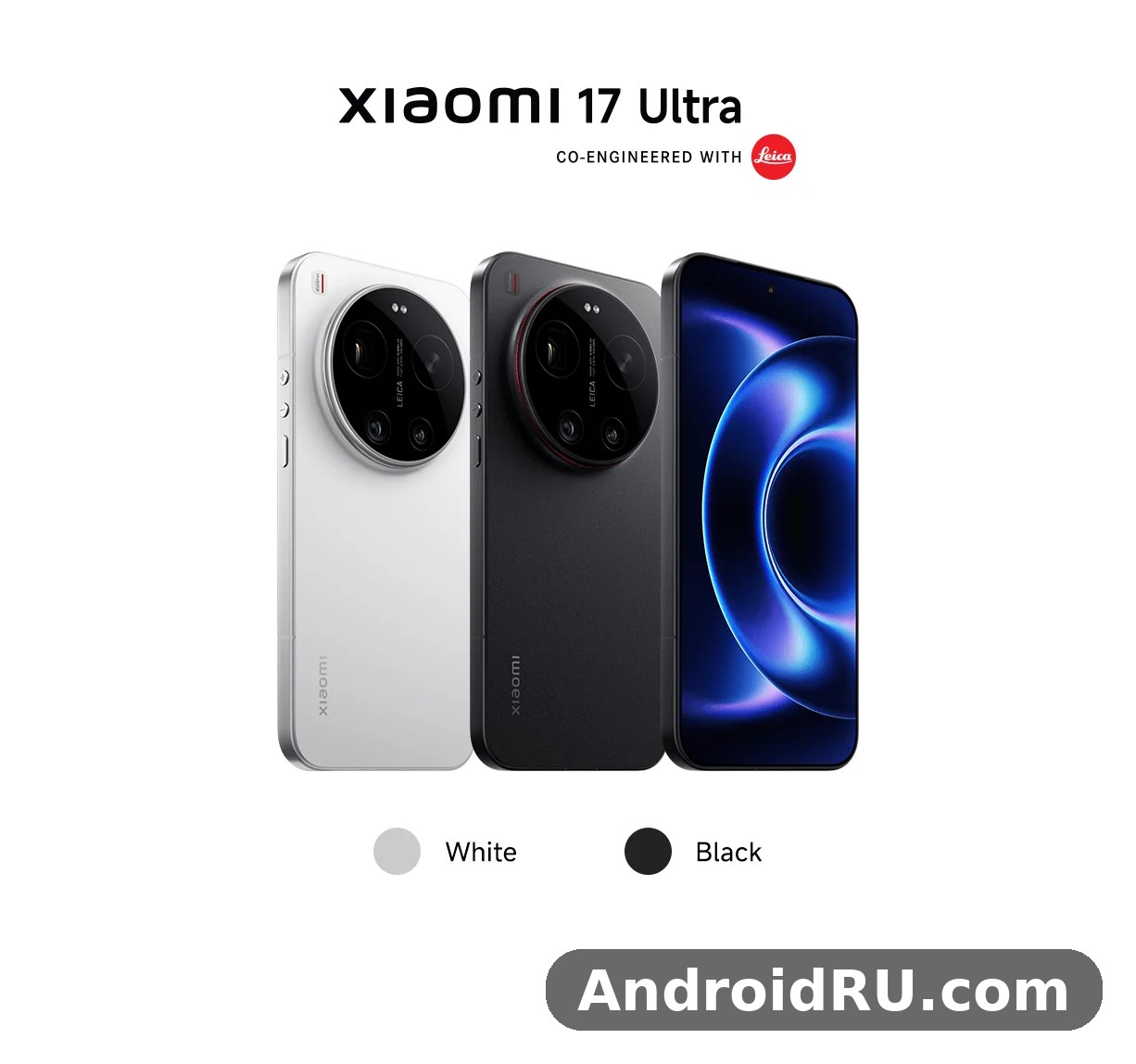
Before going further, here is the short version. The Xiaomi 17 Ultra gaming performance is driven by the Qualcomm SM8850-AC Snapdragon 8 Elite Gen 5, a 3 nm chip that sits at the top of the Android pile for this generation. The Xiaomi 17 Ultra Snapdragon 8 Elite Gen 5 pairing keeps frame rates high even as a session stretches on, and Xiaomi 17 Ultra long gaming sessions stay smooth because the cooling system and the efficient 3 nm process share the work. The global model pairs it with 16GB of RAM and either 512GB or 1TB of storage, and it runs Android 16 with HyperOS 3. The Xiaomi 17 Ultra price in Europe sits around 850 EUR, which puts it in direct competition with every other flagship that claims to do it all. The question this article answers is not whether the spec sheet looks good — it does — but whether gaming, multitasking and battery life hold up together in real daily use, and who should actually spend that money.
What follows is a full walkthrough: how the phone plays demanding games, how long the battery really lasts, how HyperOS 3 handles heavy multitasking, what the display and cameras add to the package, and a complete spec table at the end. No single section tells the whole story, because this phone is built for people who use all of it at once — a game open, a chat floating over it, music playing, and a browser tab waiting in the background.
Xiaomi 17 Ultra Gaming Performance on Snapdragon 8 Elite Gen 5
Gaming is where the Xiaomi 17 Ultra makes its strongest case. The Snapdragon 8 Elite Gen 5 is Qualcomm’s flagship silicon for this generation, built on a 3 nm process, and Xiaomi pairs it with fast storage, 16GB of RAM and a large vapour chamber cooling setup that is designed to keep the chip fed during long sessions. On paper that is the right combination. In daily use, the thing that matters most is not the peak number in a benchmark but whether the phone can hold its pace after twenty or thirty minutes, when heat builds up and cheaper phones start to throttle.
The Xiaomi 17 Ultra gaming test picture is encouraging on that front. Demanding titles load quickly, and the phone holds high frame rates in the games that allow them, with the 120Hz LTPO display keeping motion smooth. The LTPO panel can drop its refresh rate when nothing is moving, which helps the battery, and ramp it back up the moment you touch the screen. That adaptive behaviour is one of those details you stop noticing after a day — which is exactly the point. You notice it only when it is missing, on a phone that stutters or feels sluggish after a long match.
How the Snapdragon 8 Elite Gen 5 Handles Demanding Games
The Snapdragon 8 Elite Gen 5 inside the Xiaomi 17 Ultra is built for sustained load, not just short bursts. Its CPU and GPU are fast enough that most games are limited by their own settings rather than by the phone, and the 3 nm process helps keep power draw in check when the action gets busy. What you feel as a player is simple: menus respond at once, matches start without a long loading pause, and switching between a game and a messaging app does not force the game to reload from scratch.
That last point matters more than it sounds. A lot of gaming phones are fast in the game and slow everywhere else. The Xiaomi 17 Ultra multitasking performance is part of the gaming story, because a phone that kills your game the moment you answer a message is not a good gaming phone, whatever its benchmark score says. With 16GB of RAM, the Xiaomi 17 Ultra keeps several heavy apps alive in the background, so you can check a guide, reply to a friend, and jump back into the match without losing your place.
One honest caveat: no phone stays cool forever under full load. The Xiaomi 17 Ultra thermal performance while gaming is good for a glass-and-metal flagship — the frame warms up, but the phone manages heat well enough that long sessions stay playable — yet a phone this thin will always feel warm after an hour of a demanding title at high settings. If you play in a hot room or while charging at the same time, expect the phone to ease off its peak pace a little to protect itself. That is normal behaviour, not a fault, and it is better than a phone that cooks itself to hold a number for ten minutes and then falls off a cliff.
Xiaomi 17 Ultra Gaming Test: Frame Rates and Heat
Talking about a Xiaomi 17 Ultra gaming test needs a bit of honesty about what tests can and cannot prove. Synthetic Xiaomi 17 Ultra benchmarks are widely quoted online, and they place this chip near the top of the Android charts for its generation. Treat the headline number as a ceiling, not a promise: a benchmark runs for a few minutes in ideal conditions, while a real gaming session runs for an hour in your hand, in a warm room, with notifications coming in. Xiaomi 17 Ultra frame rate stability is the metric that actually decides whether a game feels good, and this phone’s combination of a flagship chip, a 120Hz adaptive display and a large cooling system is built to protect exactly that.
In practice, the smoothest experience comes from matching the game’s settings to the phone rather than pushing every slider to maximum. High frame rate mode with balanced graphics usually looks better in motion than maximum graphics with a frame rate that jumps around. The display’s 120Hz refresh rate and fast touch response make aiming and scrolling feel direct, and the stereo speakers are loud enough that you can play without earphones when you want to — though earphones still win for footsteps and directional sound in competitive games.
What to Change in Game Turbo Before a Long Session
Xiaomi’s Game Turbo is the control centre for gaming on HyperOS 3, and a minute spent setting it up pays off over a long evening. Open it before you start, turn on performance mode if you want the chip to hold higher speeds for longer, and set your preferred frame rate and touch sensitivity for the game you are about to play. You can also block notifications and calls while you play, which stops a banner from covering the screen at the worst possible moment. If you record gameplay, decide that in advance too: recording adds load and heat, so it is worth testing with your usual settings before you try it in a ranked match.
Charging while gaming deserves a thought as well. The phone supports fast wired charging, and topping up between matches is quick, but charging and gaming at the same time generates extra heat. If you are near a charger and plan to play for hours, it is often better to charge first, unplug, and then play, or to use a slower charger during play. The battery is big enough that this is a practical option rather than a compromise.
Touch Response and Display Settings for Competitive Play
Competitive games reward a display that reacts the moment you touch it, and the Xiaomi 17 Ultra display quality in this area is strong: the 120Hz LTPO AMOLED panel is responsive, bright, and sharp at 1200 x 2608 pixels. For fast games, keep the refresh rate on its adaptive or high setting rather than forcing a low power mode, and turn off any extra display effects that add latency. The panel peaks at 3500 nits, which means outdoor play in sunlight stays readable — a small thing until you try to play on a bright afternoon and realise you can actually see the game.
One more setting worth checking is the screen’s touch sensitivity and palm rejection when you use a case. A thick case can change how the edges of the display respond, and a quick test in your most-played game will tell you more than any setting description. If you use a screen protector, a tempered glass one keeps the feel closest to the bare screen.
Xiaomi 17 Ultra Battery Life and Charging Speed
Battery life is the second half of the title promise, and it is where the China and global versions split. The global Xiaomi 17 Ultra carries a 6000 mAh silicon-carbon battery, while the China version (25128PNA1C) carries a larger 6800 mAh cell. Both are big by flagship standards, and both are paired with the same efficient 3 nm chip and the same adaptive LTPO display, so the difference is one of degree rather than kind — but if you are buying the global model, judge it on the 6000 mAh figure, not the 6800 mAh number quoted in early coverage of the China launch.
The Xiaomi 17 Ultra battery life in everyday use is genuinely strong. A day of mixed use — messaging, maps, streaming, photos, and a couple of gaming sessions — should leave most people with charge to spare at bedtime. The silicon-carbon cell packs more energy into the same space than older lithium designs, and the LTPO display sips power when you are reading a static page. Xiaomi 17 Ultra everyday battery endurance is helped by HyperOS 3 as well: the system is aggressive about apps that wake the phone in the background, and the battery settings let you see exactly which app is eating power, so a rogue app does not drain the phone in silence.
That said, battery life is never one number. Your screen brightness, your signal strength, and how much you game all move the result more than the battery’s rated size. A phone that lasts two days for a light user can last barely one for someone who plays for three hours and streams video on mobile data. The honest way to read any battery claim is as a range, and this phone’s range is a comfortable one: heavy users get through a full day, and light users can stretch well past it.
Everyday Battery Endurance on the 6000 mAh Global Cell
The Xiaomi 17 Ultra everyday battery endurance story starts with the hardware and ends with the software. The 6000 mAh cell is the headline, but the LTPO display deserves equal credit: it can drop to a low refresh rate when you are reading, which saves power across the many small moments that make up a day. Android 16 and HyperOS 3 add adaptive battery behaviour on top, learning which apps you actually open and holding back the ones you do not.
For most people, the practical result is that the phone stops being something you think about. You charge it overnight or during a break, and it is ready. If you are coming from a phone with a 4500 or 5000 mAh battery, the step up is easy to feel, especially on travel days when you cannot top up at will. The Xiaomi 17 Ultra battery advantage shows up most on those days — long flights, long drives, days away from a charger — when a big cell and an efficient chip are worth more than any single feature.
Xiaomi 17 Ultra Battery Drain During Gaming
Gaming is the hardest test a battery faces, and Xiaomi 17 Ultra battery drain during gaming is where the phone’s efficiency is really tested. A demanding game at high brightness and high frame rate can draw several times more power than reading or messaging, so even a 6000 mAh battery will drop noticeably across a long session. That is true of every phone; the question is how fast, and whether the phone stays smooth as the charge falls.
A few habits make a real difference. Dropping the brightness a notch and using the game’s balanced graphics mode instead of its maximum preset can stretch a session by a useful margin without making the game look worse in motion. Turning off the always-on display during play and closing apps you are not using also helps, since background apps compete for the same power. And if you know you will play for a long stretch, start with a full charge rather than topping up mid-game — the phone charges fast enough that a short break between matches can add a meaningful amount of power.
90W Wired Charging in Daily Use
Xiaomi 17 Ultra charging speed is one of its most practical strengths. The global model supports 90W wired charging, along with 50W wireless charging, 22.5W reverse wired charging and 10W reverse wireless charging. In daily use, that means a flat battery does not ruin your plans: a short charge while you get ready in the morning can add enough power for hours of use. Xiaomi 17 Ultra charging with the right charger is quick enough that overnight charging becomes a choice rather than a necessity, and the wireless option is handy for topping up on a desk pad between tasks.
A word of caution that applies to every fast-charging phone: heat and speed go together. If the phone feels warm while charging, that is the price of speed, and it is normal. For the health of the battery over two or three years, it is worth using the phone’s battery care settings, avoiding charging to 100% and leaving it there for hours every single night, and keeping the phone out of direct sun while it charges. The Xiaomi 17 Ultra software includes battery protection options in HyperOS 3 — use them, and the big cell will stay healthy for longer.
Multitasking on HyperOS 3 with 16GB RAM
Multitasking is the third promise in the title, and it is the one most reviews rush past. Gaming and battery life are easy to measure; multitasking is about how the phone feels when you are doing three things at once, and that feeling depends on RAM, software, and the display working together. The global Xiaomi 17 Ultra ships with 16GB of RAM and either 512GB or 1TB of storage, with no card slot — so the storage you buy is the storage you keep, and the 512GB model is the sensible starting point for most people, with the 1TB model for those who keep large games and offline video libraries on the phone.
The Xiaomi 17 Ultra multitasking performance rests on that 16GB of RAM. In practical terms, it means apps stay where you left them. You can switch from a game to a browser, to a chat app, to a document, and back again without the phone reloading each one from scratch. That sounds minor until you have used a phone with too little RAM, where every switch means waiting for an app to rebuild its state. The Xiaomi 17 Ultra 16GB RAM multitasking setup removes that friction for the way most people actually use a phone.
HyperOS 3 is the software layer that organises all of this. It runs on Android 16, and it brings Xiaomi’s floating windows, split screen and app pairs, along with a control centre and lock screen that can be tuned to taste. The Xiaomi 17 Ultra software experience is cleaner than Xiaomi’s older skins, with fewer duplicate apps and a more consistent design, though some pre-installed apps will still be there on first boot. A ten-minute pass through the app drawer on day one, removing or disabling what you will never use, is time well spent.
Xiaomi 17 Ultra Split Screen Multitasking
Xiaomi 17 Ultra split screen multitasking works the way it should on a 6.9-inch display: two apps side by side, or one above the other, with enough room in each half to actually use them. Watching a video while answering messages, following a recipe while a timer runs, or comparing prices in two browser windows are the everyday cases, and the big screen makes them comfortable rather than cramped. You can launch split screen from the recent apps view, and HyperOS 3 lets you save an app pair so your two most-used combinations open together with one tap.
Floating windows are the other half of the story. A chat app in a small floating window over a game or a video lets you reply without leaving what you were doing, and you can shrink it to a small bubble when you are done. The trick is not to overdo it: three floating windows at once looks clever and feels chaotic. One floating window, used well, is the sweet spot, and the Xiaomi 17 Ultra handles it without stutter.
Xiaomi 17 Ultra Heavy Apps Background: How Many Stay Alive
The Xiaomi 17 Ultra heavy apps background question has a simple answer: with 16GB of RAM, a lot of them. Games, camera apps, maps, browsers with many tabs, and editing apps can all sit in memory at once, ready to resume instantly. That is the difference RAM makes in daily use — not a higher score, but fewer reloads, fewer lost places in a long article, and fewer moments where a navigation app restarts while you are driving.
There are limits, and it is worth knowing them. HyperOS 3 still manages background apps to protect the battery, so an app you have not opened in days may be closed to save power, and a game left running in the background for hours may be paused rather than kept fully live. That is the right trade-off for most people. If you rely on a specific app staying alive — a recording app, a navigation app, a download — lock it in the recent apps view or check its battery settings so the system leaves it alone. The Xiaomi 17 Ultra RAM is generous, but the software still needs a hint about which apps matter to you.
Storage speed matters here too. The Xiaomi 17 Ultra storage is fast flash memory, which is why apps install quickly and large games load without a long wait. The Xiaomi 17 Ultra 512GB storage model is enough for most people, even with several large games installed, while the Xiaomi 17 Ultra 1TB storage option exists for those who shoot a lot of video or keep full offline media libraries. There is no microSD slot, so choose with your next two years in mind, not just today.
Display, Audio and Everyday Use
A flagship lives or dies by its display, because it is the part you look at for hours every day. The Xiaomi 17 Ultra display is a 6.9-inch LTPO AMOLED panel with a resolution of 1200 x 2608 pixels, a 120Hz adaptive refresh rate, support for Dolby Vision and HDR10+, and a peak brightness of 3500 nits. Those numbers add up to a screen that is sharp, smooth, colourful and readable in bright light — the four things that actually matter, in that order.
Xiaomi 17 Ultra display quality shows in the small moments: text stays crisp when you scroll, video in HDR has real punch without looking oversaturated, and the panel’s 2160Hz PWM dimming keeps low-brightness viewing comfortable at night for people who are sensitive to flicker. The screen-to-body ratio is around 92.3%, so the phone is almost all display, with slim bezels and a small punch-hole camera. At 162.9 x 77.6 x 8.3 mm, it is a large phone — there is no pretending otherwise — and one-handed use takes some reach. The flat-ish screen and the slim frame help, but if you have small hands, try holding one before you buy.
Xiaomi 17 Ultra weight is 218.4 g or 223.4 g depending on the finish, which is heavy enough to notice and light enough to live with for a phone of this size. The Xiaomi 17 Ultra design is a big slab of glass and metal with a large circular camera module on the back, and it looks like a camera-first flagship rather than a phone trying to hide its cameras. That design choice is honest: this phone is proud of its cameras, and the module is the first thing people will notice. A case is worth having, not just for drops but because the camera module makes the phone wobble slightly on a flat table.
Xiaomi 17 Ultra Display Quality in Sunlight and at Night
Sunlight is where many bright-on-paper displays fall down, and the Xiaomi 17 Ultra display quality holds up well here. The 3500-nit peak brightness is a headline figure for HDR highlights, but what matters in sunlight is the sustained brightness the panel can hold across the whole screen, and this panel stays readable outdoors without forcing you to shade it with your hand. If you use your phone for maps or photos outside, that readability is a daily benefit, not a spec-sheet boast.
At night, the story flips. The LTPO panel can drop to a low refresh rate, the PWM dimming runs at 2160Hz, and HyperOS 3 offers reading mode and dark mode that actually dim the interface rather than just tinting it. If you read in bed, turn the brightness down and let the adaptive display do its work — the screen stays comfortable for long reading sessions, and the battery thanks you for it too.
Speakers, Haptics and Calls
Xiaomi 17 Ultra speakers are a stereo pair, loud and clear enough for video and casual gaming without earphones. They are tuned for clarity rather than bass, which is the right choice for a phone: voices in a video stay intelligible, and music sounds clean at moderate volume, though a dedicated speaker or good earphones still win for serious listening. Call quality is solid, with clear earpiece audio and good noise handling in busy places.
Haptics are worth a mention because they shape how the phone feels. The vibration motor is precise rather than buzzy, so typing feedback and gesture responses feel sharp. It is a small detail, but it is one of those things that separates a flagship from a mid-range phone in daily use — you feel it dozens of times a day without ever thinking about it. Xiaomi 17 Ultra connectivity covers 5G, Wi-Fi, Bluetooth and NFC as expected at this price; check the official page for the exact Wi-Fi standard and band support in your region before you buy, since regional models can differ.
For the Xiaomi 17 Ultra daily use experience as a whole, the phone feels fast in the ordinary sense: apps open at once, the camera launches quickly, and the fingerprint sensor and face unlock are quick and reliable. The Xiaomi 17 Ultra daily use experience is not about any single trick — it is about a phone that does not make you wait, and does not ask you to manage it. That is what a flagship should feel like, and this one mostly delivers it.
Xiaomi 17 Ultra Camera Performance Beyond Gaming
The camera is the other reason to buy this phone, and it is the reason the Ultra name exists. The Xiaomi 17 Ultra camera performance is built around a Leica-tuned system: a 50 MP main camera with a 1.0-inch type sensor and optical stabilisation, a 200 MP periscope telephoto with 3.2x to 4.3x continuous optical zoom, a 50 MP ultrawide, and a time-of-flight depth sensor. The selfie camera is 50 MP. Video goes up to 8K on the main camera, with 4K recording across the range.
That hardware is serious, and it changes what the phone is for. This is not a gaming phone with a camera added as an afterthought; it is a camera phone that also happens to be one of the fastest gaming phones you can buy. The Xiaomi 17 Ultra Leica camera system is the part of the phone that most justifies the Ultra badge and the price, and it is where the phone pulls furthest ahead of its cheaper siblings in the Xiaomi 17 family.
Xiaomi 17 Ultra Leica Camera System in Daylight and at Night
The Xiaomi 17 Ultra Leica camera system in daylight is a pleasure to use: the 1-inch main sensor gathers a lot of light, so photos have natural depth, clean detail, and colours that look like the scene rather than a cartoon of it. Leica’s colour modes — a faithful look and a more vivid one — let you choose whether you want accuracy or punch, and the choice is yours rather than the phone’s. Portrait shots benefit from the large sensor too, with a natural background blur that does not rely on heavy software tricks.
At night, the large sensor and optical stabilisation do the heavy lifting. Night mode stacks exposures to pull detail out of dark scenes, and the results are clean enough to share without apology. The phone is not magic — a very dark scene will still be a very dark scene — but the gap between this phone and a mid-range camera in low light is large, and it is the gap you notice when you look back at your photos months later.
The 200MP Zoom Lens and the 50MP Selfie Camera
The 200 MP periscope telephoto is the most fun lens on the phone. Its continuous optical zoom from 3.2x to 4.3x means you can frame a shot at several focal lengths without the quality drop that comes from digital zoom, and the zoom ring control makes it easy to find the framing you want. Concerts, wildlife, architecture details, and distant subjects are the natural use cases, and the stabilisation keeps handheld zoom shots usable. The 50 MP ultrawide covers the other end — landscapes, groups, and tight interiors — with a 115-degree field of view.
The 50 MP selfie camera is sharper than most, with good detail and natural skin tones in daylight, and it holds up reasonably in indoor light. Video calls look crisp, and selfies have enough resolution to crop without falling apart. For video, the phone records smooth 4K footage with good stabilisation, and creators will appreciate the manual controls and the Leica colour profiles that carry over from stills to video.
One practical note: the camera system is the reason the phone is heavy and the camera module is large. If you never use the zoom lens, you are carrying hardware you do not need. That is the trade-off of an Ultra phone — you pay for the best camera in the family, and you carry it everywhere. For readers weighing the Xiaomi 17 Ultra vs Xiaomi 17 Pro decision, the camera gap is the single biggest difference to think about, along with the battery and the screen size. The review of the smaller sibling gives a useful counterpoint: Xiaomi 17 Pro Review: Strengths, Trade-Offs and Everyday Use covers what you give up and what you gain by stepping down.
Full Specifications
The Xiaomi 17 Ultra full specifications below cover the global model first, with the China differences called out where they matter. These Xiaomi 17 Ultra specs are drawn from the published specification listings for the global model (25128PNA1G) and the China model (25128PNA1C). Where a detail varies by region or finish, the table says so — check the official Xiaomi page for your exact regional model before you buy, since colours, bands and bundled accessories can differ.
| Feature | Xiaomi 17 Ultra (Global) | Xiaomi 17 Ultra (China) |
|---|---|---|
| Announced | 28 February 2026 | 25 December 2025 |
| Released | 10 March 2026 | 27 December 2025 |
| Model numbers | 25128PNA1G, 2512BPNDAG | 25128PNA1C |
| Dimensions | 162.9 x 77.6 x 8.3 mm | 162.9 x 77.6 x 8.3 mm |
| Weight | 218.4 g or 223.4 g, depending on finish | 218.4 g or 223.4 g, depending on finish |
| Display | 6.9-inch LTPO AMOLED, 68B colours, 120Hz, 2160Hz PWM, Dolby Vision, HDR10+, 3500 nits peak | 6.9-inch LTPO AMOLED, 68B colours, 120Hz, 2160Hz PWM, Dolby Vision, HDR Vivid, HDR10+, 3500 nits peak |
| Resolution | 1200 x 2608 pixels, 19.5:9, about 416 ppi | 1200 x 2608 pixels, 19.5:9, about 416 ppi |
| Operating system | Android 16, HyperOS 3, upgradable to Android 17 | Android 16, HyperOS 3 |
| Chipset | Qualcomm SM8850-AC Snapdragon 8 Elite Gen 5 (3 nm) | Qualcomm SM8850-AC Snapdragon 8 Elite Gen 5 (3 nm) |
| RAM | 16GB | 12GB or 16GB (check regional listing) |
| Storage | 512GB or 1TB, no card slot | 512GB or 1TB, no card slot |
| Main camera | 50 MP wide, 1.0-inch sensor, f/1.7, OIS; 200 MP periscope telephoto, f/2.4-3.0, 3.2-4.3x continuous optical zoom, OIS; 50 MP ultrawide, 115 degrees; TOF 3D depth sensor | Same camera hardware |
| Selfie camera | 50 MP, f/2.2, 21mm wide | 50 MP, f/2.2, 21mm wide |
| Video | Up to 8K recording on the main camera; 4K across the range | Up to 8K recording on the main camera; 4K across the range |
| Battery | Si/C Li-Ion 6000 mAh | Si/C Li-Ion 6800 mAh |
| Charging | 90W wired, 90W PPS, PD3.0; 50W wireless; 22.5W reverse wired; 10W reverse wireless | 90W wired; 50W wireless; 22.5W reverse wired; 10W reverse wireless |
| Price | Around 850 EUR | Regional pricing varies; check the official page |
| Colours and bands | Check the official Xiaomi page for your region | Check the official Xiaomi page for your region |
A few things in that table deserve a second look. First, the battery: the 800 mAh gap between the global and China cells is real, and it is the one hardware difference that changes daily use. Second, the storage: both models top out at 1TB with no card slot, so the storage decision is final at purchase. Third, the Xiaomi 17 Ultra performance story is not just the chip — it is the chip plus 16GB of RAM plus fast storage plus a big cooling system, and that combination is what keeps the phone fast after the first ten minutes. And fourth, the camera: a 1-inch main sensor and a 200 MP zoom lens put this phone in a small group of camera-first flagships, and that is the clearest reason to choose the Ultra over the rest of the family.
China Version vs Global Version: What Actually Differs
The Xiaomi 17 Ultra China version differences come down to a short list. The China model launched first, in December 2025, with a 6800 mAh battery and model number 25128PNA1C. The global model followed in March 2026 with a 6000 mAh battery and model numbers 25128PNA1G and 2512BPNDAG. The display, chipset, cameras and charging speeds are the same on both, and the global model adds HDR10+ without the China model’s HDR Vivid badge. The Xiaomi 17 Ultra global version release date was 10 March 2026, following the global announcement on 28 February 2026 — so if you are reading early coverage that quotes the December dates, that coverage is talking about the China launch, not the phone you can buy in Europe.
Software is the other difference worth knowing. The China model ships with a China-focused software build, while the global model ships with the global HyperOS 3 build, including Google services and the app set that European buyers expect. If you are tempted by a grey-market China import for the bigger battery, weigh the trade-offs honestly: warranty, bands, software, and resale value all favour the global model for most buyers. The extra 800 mAh is real, but it is not worth giving up local support and the right network bands.
Xiaomi 17 Ultra durability is helped by the sealed design and tough glass, though you should check the official rating for your exact model before taking it near water or dust. Xiaomi 17 Ultra thermals are managed by a large cooling system that spreads heat across the frame, which is why the phone feels warm rather than hot during long sessions. Talk of Xiaomi 17 Ultra overheating shows up in forums for every flagship at launch, and the honest reading is that this phone gets warm under sustained load — as every phone with this much power does — without crossing into the kind of heat that forces shutdowns or ruins a gaming session.
Xiaomi 17 Ultra vs Xiaomi 17 Pro: Which One Fits You?
The closest rival to the Xiaomi 17 Ultra is not a phone from another brand — it is the Xiaomi 17 Pro, its smaller sibling. The Xiaomi 17 Ultra vs Xiaomi 17 Pro choice is really a question about what you value most: the Ultra gives you the biggest screen, the biggest battery, the strongest camera system and the most RAM, while the Pro gives you a smaller, lighter phone that is easier to carry and usually costs less. Neither is the wrong answer; they are built for different hands and different days.
| Area | Xiaomi 17 Ultra | Xiaomi 17 Pro |
|---|---|---|
| Focus | Camera-first flagship, biggest screen and battery | Compact flagship, easier one-handed use |
| Display | 6.9-inch LTPO AMOLED, 120Hz, 3500 nits peak | Smaller display; check the official page for exact size |
| Chipset | Snapdragon 8 Elite Gen 5 (3 nm) | Same generation flagship chip family; check the official page for the exact chip |
| RAM and storage | 16GB RAM; 512GB or 1TB, no card slot | Less RAM in base models; check the official page |
| Camera | 50 MP 1-inch main, 200 MP periscope zoom, 50 MP ultrawide | Strong cameras, without the 1-inch sensor and 200 MP zoom |
| Battery | 6000 mAh global, 6800 mAh China; 90W wired, 50W wireless | Smaller battery; check the official page for exact size |
| Price | Around 850 EUR | Lower than the Ultra; check the official page |
| Best for | Gamers, photographers, heavy multitaskers | People who want flagship speed in a smaller phone |
If the camera is your priority, the Ultra wins without a debate — the 1-inch sensor and the 200 MP zoom are not available on the smaller phone. If size and weight matter more, the Pro is the kinder phone to carry every day. For gaming, both are fast, but the Ultra’s bigger battery and larger cooling system give it the edge in long sessions. The Xiaomi 17 Pro Max Review: Display, Audio and Overall Experience is worth reading too if you want the middle ground, since the Pro Max sits between the two in size and ambition. And if you are thinking about the next generation, the Xiaomi 18 Pro Review: Camera Quality, Battery and Value and the Xiaomi 18 Pro Max Review: Display Quality, Speed and Daily Use show where Xiaomi’s newer flagships are heading — useful context, though those are newer and pricier phones, not direct substitutes for a 17 Ultra at around 850 EUR.
Pros of the Xiaomi 17 Ultra
The Xiaomi 17 Ultra pros and cons below are the honest balance, starting with what this phone does best. The Snapdragon 8 Elite Gen 5 is genuinely fast, and it stays fast — the phone’s cooling and RAM mean the speed you feel on day one is still there after a long gaming session. The 6000 mAh global battery (6800 mAh in China) is big enough to end battery anxiety for most people, and the 90W wired charging means a flat battery is a short problem rather than a ruined evening. The camera system is the best Xiaomi puts in a phone, with a 1-inch main sensor and a 200 MP zoom that are fun to use and genuinely useful. The 6.9-inch LTPO AMOLED display is bright, smooth and sharp, and HyperOS 3 on Android 16 is a clean, capable system with strong multitasking tools.
There are smaller wins too: the stereo speakers are good, the haptics are precise, the 50 MP selfie camera is sharp, and the phone supports fast wireless and reverse charging for earphones and accessories. The Xiaomi 17 Ultra verdict on strengths is that this is a phone with no weak headline area — display, chip, battery, cameras and software are all at flagship level, and they work together rather than fighting each other.
Cons of the Xiaomi 17 Ultra
No phone is perfect, and this one has real trade-offs. The size and weight are the first: at 162.9 x 77.6 x 8.3 mm and over 218 g, it is a big, heavy phone, and one-handed use is a stretch. The camera module is large and makes the phone wobble on a table without a case. The global battery is smaller than the China battery, which will annoy buyers who read the early 6800 mAh coverage and expect the same cell. There is no card slot, so the storage you buy is final. And the price — around 850 EUR — puts it against every other flagship on the market, including phones with longer software support histories or stronger resale value in some regions.
Software is the softer spot. HyperOS 3 is much improved, but some pre-installed apps and Xiaomi’s own services will still be there on first boot, and it takes a few minutes to tidy them away. The Xiaomi 17 Ultra alternatives are worth a look if any of these trade-offs is a deal-breaker: a smaller Xiaomi 17 model if size is the problem, or a rival flagship if you want a different camera style or a longer update promise. For a full picture of the smaller option, the Xiaomi 17 Review: Cameras, Performance and Battery Life covers the base model in the family, and it is the clearest way to see what the Ultra adds — and what it costs.
Who Should Buy the Xiaomi 17 Ultra
Answering the Xiaomi 17 Ultra who should buy question honestly, the short list is: mobile gamers who play daily, photographers who want a 1-inch sensor and a real zoom lens in their pocket, and heavy multitaskers who keep a dozen apps open and hate waiting for reloads. If you travel a lot, the big battery and fast charging are a genuine quality-of-life upgrade. If you keep a phone for two or three years, the 16GB of RAM and 512GB or 1TB of storage give you room to grow. A Xiaomi 17 Ultra update arrives through HyperOS 3 with an upgrade path to Android 17 on the global model, so the software story has room to run as well.
Who Should Skip It and Look at the Alternatives
Skip the Ultra if you want a small phone, if you rarely use the camera zoom, or if your budget stops well below 850 EUR. A smaller Xiaomi 17 model will serve you better in the pocket and still play the same games, and the money you save buys a lot of accessories. Skip it too if you need a card slot or a headphone jack — neither is here. And if you already own a recent flagship that plays your games and lasts your day, the honest advice is to wait: the Ultra is a big step up from a two-year-old phone, and a small step up from last year’s flagship.
Frequently Asked Questions
Is the Xiaomi 17 Ultra worth buying in 2026?
So is Xiaomi 17 Ultra worth buying? For the right buyer, yes. If you game daily, take a lot of photos, and keep many apps open at once, the Xiaomi 17 Ultra gives you a top-tier chip, a 1-inch camera sensor with a 200 MP zoom, a big battery and 16GB of RAM for around 850 EUR — a combination few rivals match at that price. The case against buying it is size and price: it is a large, heavy phone, and if you want something smaller or cheaper, the Xiaomi 17 Pro or the base Xiaomi 17 will serve you well. Buy the Ultra for what it does best, not for the badge.
How long does the Xiaomi 17 Ultra battery last while gaming?
There is no single number, because gaming load varies so much by title, brightness and frame rate. The 6000 mAh battery in the global model — 6800 mAh in the China version — is big enough for several hours of demanding play, and the efficient 3 nm chip helps stretch it further than older flagships with similar-sized cells. In daily use, expect a full day of mixed use with gaming included, and a top-up between sessions thanks to 90W wired charging if you do run low. For the longest sessions, use balanced graphics, drop the brightness a notch, and charge between matches rather than while you play.
Does the global Xiaomi 17 Ultra have the same battery as the China version?
No. The global model has a 6000 mAh silicon-carbon battery, while the China model (25128PNA1C) has a 6800 mAh cell. Everything else that matters — the display, the Snapdragon 8 Elite Gen 5 chip, the cameras and the charging speeds — is the same. If you see the 6800 mAh figure in early coverage, that coverage is describing the China launch from December 2025, not the global model released on 10 March 2026. Judge the global phone on its own 6000 mAh figure, which is still large by flagship standards.
Is the Xiaomi 17 Ultra good for multitasking and work?
Yes — multitasking is one of its strongest areas. With 16GB RAM and HyperOS 3, the phone keeps many heavy apps alive in the background, so switching between a document, a browser, a chat app and a game does not force reloads. Split screen works well on the 6.9-inch display, floating windows let you answer messages without leaving your work, and the fast storage means large files and apps open quickly. The only limit is the size: a 6.9-inch phone is a fine work tool, but it is not a tablet, and long typing sessions still belong on a keyboard.
When was the Xiaomi 17 Ultra released globally?
The global version was announced on 28 February 2026 and released on 10 March 2026. The China version came first: announced on 25 December 2025 and released on 27 December 2025 as model 25128PNA1C. The two launches are easy to confuse because early reviews and specification listings covered the China model first. If a listing quotes a December 2025 date, it is talking about China; the global release date is March 2026.
Verdict: Gaming, Multitasking and Battery Life in One Phone
The Xiaomi 17 Ultra verdict is a positive one with clear eyes about the trade-offs. This is a phone that delivers on all three promises in its title: the Snapdragon 8 Elite Gen 5 makes it one of the fastest gaming phones you can buy, the 16GB of RAM and HyperOS 3 make multitasking feel effortless, and the big battery with 90W charging means you stop planning your day around a charger. The camera system is the bonus that justifies the Ultra name — a 1-inch main sensor and a 200 MP zoom lens that turn the phone into a serious camera.
The HyperOS 3 features that matter most in daily use are the quiet ones: floating windows, split screen, app pairs, and battery management that keeps background apps in check without getting in your way. The 17 Ultra is the top of the Xiaomi Ultra line, and it feels like it — big, fast, and unapologetic about its cameras. The trade-offs are size, weight, the smaller global battery next to the China cell, and a price of around 850 EUR that puts it against the best phones on the market.
So who should buy it? Gamers who play every day, photographers who want the best camera Xiaomi makes, and heavy users who are tired of phones that slow down or die before bedtime. If that is you, the Xiaomi 17 Ultra is an easy recommendation: check the price in your region, pick the 512GB or 1TB model with your next two years in mind, and spend ten minutes on day one setting up Game Turbo and tidying the app drawer. The phone will take care of the rest — the games, the multitasking, and the long days between charges.

