

OnePlus Nord 2T Review: Cameras, Performance and Battery Life
OnePlus launched the Nord 2T in May 2022 as a careful refresh of the Nord 2, and the brief was simple: keep what people liked, fix the charging speed, and move to a newer chip. The phone arrived with the MediaTek Dimensity 1300, a 50MP Sony IMX766 main camera, a 6.43-inch 90Hz AMOLED display, and 80W SUPERVOOC charging feeding a 4,500 mAh battery. At launch it cost €399 for the 8GB RAM and 128GB storage model, with a 12GB RAM and 256GB storage version at €499, which put it squarely in the upper mid-range.
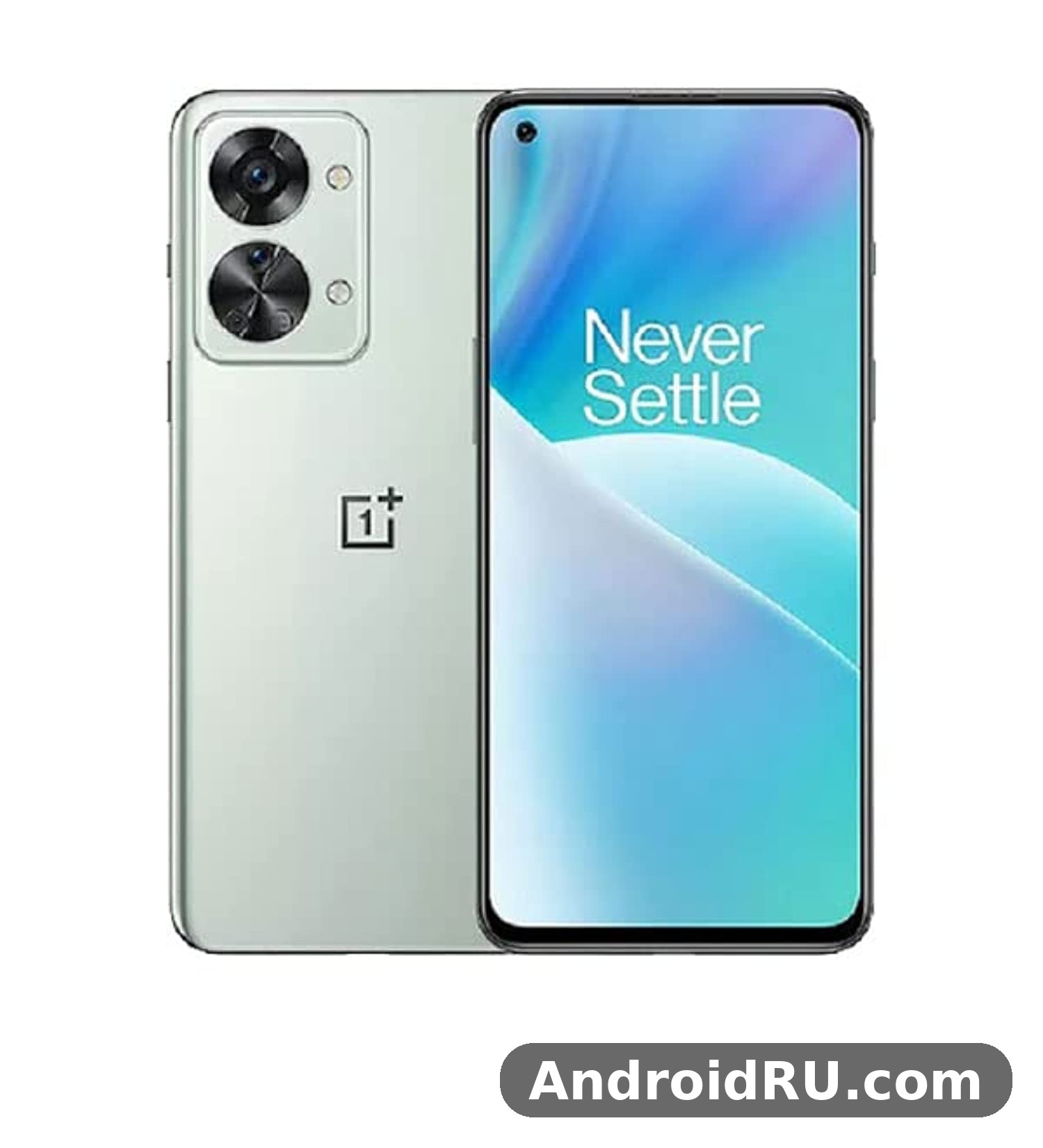
Four years later, the Nord 2T still turns up in second-hand listings and in the hands of people who bought it new and never felt the need to replace it. That is the angle of this review. Instead of judging it against 2026 flagships, I look at what it does well today, where it shows its age, and whether it still makes sense as a cheap daily phone. The three areas in the title get the most attention: the cameras, the day-to-day speed, and how long the battery lasts, followed by the display, the design, the software, and the full list of specifications.
Short version first. The Nord 2T camera setup is still genuinely good in daylight, the Dimensity 1300 still handles everyday apps and most games without fuss, and the 80W charging remains faster than many phones sold in 2026. The weak spots are the 8MP ultrawide, the lack of a telephoto lens, the plastic frame, and the fact that major software updates have now ended. If you want the detail behind that summary, keep reading.
OnePlus Nord 2T Cameras: 50MP IMX766 Main Sensor, Night Mode and Video
The Nord 2T camera hardware is the same trio as the Nord 2, and that is not a complaint. OnePlus kept the 50MP Sony IMX766 main sensor with optical image stabilisation, an 8MP ultrawide with a 120-degree field of view, and a 2MP mono camera that assists with black-and-white detail. The front camera is where the 2T changed things: it moved from 32MP on the Nord 2 to a newer 32MP Sony IMX615 sensor, which improved selfies and video calls. For a phone that launched at €399, this was a strong camera package, and it still holds up in the areas that matter most.
OnePlus Nord 2T camera quality in daylight is the highlight of the whole phone. Photos from the main sensor come out sharp, with natural colours and plenty of detail when you zoom in. The IMX766 sensor is a large 1/1.56-inch unit with 1.0µm pixels, and that size shows in the way it handles contrast: bright skies keep their blue instead of blowing out to white, and shadows keep detail instead of turning into black blocks. I found the default processing balanced rather than overcooked, which is not something every mid-range phone can claim. Greens look like grass, not like a cartoon, and skin tones stay believable in portraits.
The camera app itself is fast. It opens in under a second from the lock screen shortcut, focuses quickly, and the shutter lag is short enough that you can catch a moving subject without planning three seconds ahead. HDR works automatically and rarely makes a scene look flat. There is a dedicated Nightscape mode, a 50MP high-resolution mode, a Pro mode with manual controls, and a dual-view video option that records from the front and rear cameras at the same time. None of this is new in 2026, but all of it still works, and the app has not slowed down with age.
OnePlus Nord 2T Main Camera: Daylight Photos and the IMX766 Sensor
The main camera is the reason to buy this phone for photography. The 50MP sensor bins four pixels into one by default, producing 12.5MP images that are cleaner than a straight 50MP shot would be, and the f/1.8 lens lets in enough light for indoor shots without the flash. In good light, the level of detail is close to phones that cost twice as much at launch. Fine textures such as brickwork, leaves, and fabric come through clearly, and the phone keeps noise low until the light drops properly.
Dynamic range is the other strength. Shooting into a sunset or out of a shaded street, the phone holds both the bright and dark parts of the frame, and the resulting photo looks like what your eyes saw rather than a compromise. The optical stabilisation helps here too, because it lets the phone use slightly longer exposures without blur. One small quirk: the 50MP full-resolution mode produces bigger files and slower processing, and the extra detail only shows if you crop hard or print large. For everyday sharing, the default 12.5MP output is the better choice.
The 50MP Sony IMX766 sensor also handles close-up shots well. Get within a few centimetres of a flower or a plate of food and the phone locks focus quickly, with a soft background blur that comes from the lens itself rather than software. This is the kind of camera that rewards pointing and shooting without thinking about settings, which is exactly what most people want from a phone camera.
OnePlus Nord 2T Night Mode Photo Quality in Low Light
OnePlus Nord 2T night mode photo quality is solid for a 2022 mid-range phone, and it stays usable in 2026. Nightscape takes a few seconds to capture, combining several frames into one brighter image, and the results are clearly better than the standard auto mode after dark. Street scenes keep their colour, neon signs stay readable, and noise is controlled rather than smeared away. The trade-off is motion: if your subject moves during the capture, you get a soft or ghosted result, so it suits still scenes, buildings, and landscapes more than people at a party.
Without Nightscape, the main camera still copes in dim restaurants and evening streets, though the images get softer and noisier as the light falls. The stabilisation earns its keep here, keeping handheld shots sharp at shutter speeds that would blur on a phone without it. Compared with the Nord 2, the night results are close, because the hardware is the same; the small gains come from newer processing in OxygenOS 12.1 and later updates.
Portrait Mode and Edge Detection on the Nord 2T
OnePlus Nord 2T portrait mode edge detection is decent rather than flawless. Around a person’s head and shoulders it usually separates subject from background cleanly, and the background blur looks natural at the default strength. Stray hair and glasses can confuse it, and busy backgrounds with similar colours sometimes bleed into the subject’s outline. The mono camera contributes depth information, but it is a 2MP helper rather than a real second lens, so do not expect flagship-level cutouts.
That said, portraits from the main camera in good light look genuinely pleasing, with warm skin tones and a gentle fall-off in the background. The front camera also offers a portrait mode for selfies, and it works well enough for social media. If portraits are your main use, shoot in good light, keep the background simple, and the phone will reward you.
OnePlus Nord 2T Ultrawide Camera Review: 8MP and 120 Degrees
This OnePlus Nord 2T ultrawide camera review has to be honest: the 8MP ultrawide is the weakest camera on the phone. In bright daylight it is fine for landscapes, group shots, and tight interiors where you need the wider view, and the 120-degree field of view is genuinely useful. But the smaller sensor and lower resolution mean less detail, more noise in the shade, and softer corners than the main camera. Colours also shift slightly between the two lenses, with the ultrawide running a touch cooler.
The Nord 2T ultrawide is still worth having. A wide shot of a building or a beach that the main camera cannot fit is better than no shot at all, and for social media the quality is acceptable. Just do not expect to crop an ultrawide photo and keep it sharp, and avoid using it after dark, where it falls behind the main sensor by a wide margin. There is no autofocus on the ultrawide, so it cannot double as a macro camera either.
OnePlus Nord 2T Selfie Camera Samples and Front Camera Quality
OnePlus Nord 2T selfie camera samples show a clear step up from the Nord 2, thanks to the 32MP Sony IMX615 front sensor. Selfies are detailed, with good skin texture and accurate colours, and the camera handles backlight better than many mid-range front cameras. Video calls look sharp, and the front camera records video at up to 1080p at 30 frames per second, which is enough for calls and vlogs even if it is not 4K.
The front camera’s portrait mode adds a soft background blur that suits head-and-shoulders shots, and the screen flash helps in dark rooms. Beauty filters are on by default at a low level; turning them off gives more natural skin. For a phone of this age and price, the selfie camera remains one of its stronger points, and it is a genuine reason to pick the 2T over the Nord 2 if the two are priced the same second-hand.
OnePlus Nord 2T Video Recording Stabilisation and 4K Footage
OnePlus Nord 2T video recording stabilisation is good for its class. The main camera records 4K video at 30 frames per second with electronic stabilisation on top of the optical stabilisation, and the result is smooth enough for walking shots and casual clips. There is also a dedicated super steady mode at 1080p that crops in further and produces very stable footage, useful for running or cycling. The ultrawide records at 1080p, and its footage is usable but softer.
Audio from the stereo microphones is clear, and the phone handles wind noise reasonably. The one gap is the lack of 4K at 60 frames per second, which the Dimensity 1300 could arguably have handled but OnePlus did not enable. For most people recording holidays and family clips, 4K at 30 frames per second is enough, and the footage holds up well on a television or a laptop screen.
OnePlus Nord 2T Performance: Dimensity 1300 Gaming and Daily Speed
The MediaTek Dimensity 1300 is the heart of the Nord 2T, and it was a smart choice at launch. Built on a 6nm process, it pairs one Cortex-A78 core at 3.0GHz with three more A78 cores at 2.6GHz and four efficient A55 cores at 2.0GHz, alongside a Mali-G77 MC9 graphics processor. OnePlus Nord 2T Dimensity 1300 performance sits a step above the Dimensity 1200-AI in the Nord 2, with small gains in speed and efficiency rather than a revolution, and that is fine: the Nord 2 was already fast, and the 2T is a little faster.
OnePlus Nord 2T gaming performance is strong for a mid-range phone from 2022. Popular titles such as PUBG Mobile, Call of Duty Mobile, and Genshin Impact run at smooth frame rates on medium to high settings, and the phone holds those frame rates for a reasonable stretch before heat builds. The 90Hz display makes menus and scrolling feel fluid, and the touch response is quick. I found casual games completely untroubled, and even demanding games playable as long as you do not insist on the highest graphics preset for an hour straight.
Daily speed is where the phone still shines in 2026. Apps open quickly, switching between a browser, a messaging app, and a camera is instant, and the 8GB or 12GB of RAM keeps several apps alive in the background. The Nord 2T RAM options matter here: the 12GB model holds more apps in memory and stutters less when you return to a heavy app after an hour, while the 8GB model is still fine for normal use. Nord 2T storage is UFS 3.1, which is fast for app installs and file transfers, and it comes in 128GB or 256GB with no card slot, so choose the larger size if you keep a lot of photos and games.
The Dimensity 1300 chipset also brings 5G, Wi-Fi 6, and Bluetooth 5.2, so the phone is not left behind on connectivity. 5G speeds depend on your carrier and location, but the modem itself is modern enough for anything a 2026 network asks of it. The in-display fingerprint sensor is optical, and OnePlus Nord 2T fingerprint sensor speed is quick in normal use, unlocking in well under a second with a registered finger, though it can struggle with wet hands.
OnePlus Nord 2T Gaming Performance in Demanding Titles
OnePlus Nord 2T gaming performance holds up best in the first 20 to 30 minutes of a session, which is how most people actually play on a phone. Frame rates stay steady, the screen stays responsive, and the phone gets warm rather than hot. After longer sessions, the chip eases off its peak speed to manage heat, and you may notice a small drop in frame rate in the most demanding games. This is normal thermal management, not a defect, and dropping one graphics setting restores smooth play.
OnePlus Nord 2T heating during gaming is controlled. Nord 2T overheating is not a problem in normal use, and the phone stays comfortable to hold even after a long session. The back of the phone warms around the camera area, but it never gets uncomfortable to hold, and the plastic frame actually feels cooler in the hand than a metal frame would at the same temperature. If you play for hours, a case with a bit of ventilation helps, and closing background apps before a session gives the chip more headroom. For a phone of this age, the gaming experience is still better than many newer budget phones.
Settings That Keep Frame Rates Steady on the Nord 2T
A few settings make a real difference. Turn on the 90Hz refresh rate in the display settings rather than leaving it on auto if you want the smoothest scrolling in games that support it, and use the gaming mode in OxygenOS to block notifications and prioritise the game. Keep the phone out of direct sunlight while playing, and avoid charging while gaming if you can, because charging adds heat on top of the chip’s own warmth. These small habits keep the frame rate steadier for longer.
OnePlus Nord 2T Daily Speed: Apps, Multitasking and OxygenOS
OnePlus Nord 2T daily speed is the part of this phone that has aged best. OxygenOS is light, the animations are quick, and there is very little bloat to slow things down. Scrolling through a social feed, switching between maps and music, and opening the camera all feel immediate. The phone does not feel like a four-year-old device in normal use, and that is the highest praise a mid-range phone can earn.
Multitasking is helped by the generous RAM, and the storage speed keeps app installs and updates quick. The one place you notice the age is in heavy photo editing or video export, where a 2026 flagship would finish noticeably faster. For everything else, the Nord 2T keeps pace. If your day is messaging, browsing, streaming, and photos, this phone still feels fast.
OnePlus Nord 2T Battery Life and 80W Charging: 4,500 mAh Tested
OnePlus Nord 2T battery life is good rather than outstanding, and the 80W charging is what makes the whole package work. The 4,500 mAh battery is split into two 2,250 mAh cells, which is how the phone can charge so quickly, and in normal use it lasts a full day with charge to spare. A typical day of messaging, browsing, some video, and a short gaming session leaves around 20 to 25 percent by bedtime, and lighter users can stretch to a day and a half. Heavy users who stream video for hours or play games all afternoon will need a top-up before the evening, but the top-up is so fast that it barely matters.
OnePlus Nord 2T battery drain overnight is low. With the phone idle on Wi-Fi, it typically loses only 2 to 4 percent over eight hours, which points to good standby management in OxygenOS and a chip that idles efficiently. If your phone loses much more than that overnight, the cause is usually an app misbehaving in the background rather than the battery itself, and the battery usage screen in the settings will show which app is responsible. A four-year-old battery will have lost some capacity, so a second-hand Nord 2T may last a little less than a new one did, and that is worth checking before you buy.
The 80W SUPERVOOC charging is still the party trick. OnePlus Nord 2T charging speed test results from launch showed a full charge in about 27 minutes with the included 80W charger, and roughly 60 percent in 15 minutes. In practice, that means plugging in while you shower and get dressed gives you most of a day’s power. The phone ships with the 80W charger in the box, which is a pleasant surprise in an era when many phones ship without one, and it also supports USB Power Delivery charging at lower speeds with other chargers.
OnePlus Nord 2T 80W Charging Time and What to Expect
OnePlus Nord 2T 80W charging time is about 27 minutes from empty to full with the bundled charger and cable, and about 15 minutes gets you from empty to roughly two-thirds. Those numbers assume the phone is idle while charging; using it heavily during charging slows the process and adds heat. The dual-cell battery design spreads the load, and the phone manages heat during charging well, though the back does get warm near the end of a fast charge.
There is no wireless charging, which is the one charging gap. At this price in 2022 that was normal, and in 2026 it is still a fair trade for the wired speed. If you already own a USB-C Power Delivery charger, it will work, just more slowly than the 80W brick. Keep the original charger if you buy second-hand, because replacing it with a generic charger will not give you the same speed.
Charging Habits That Protect the Nord 2T Battery
Fast charging is convenient, but a few habits keep the battery healthier for longer. Avoid leaving the phone on charge overnight every night if you can, and try not to let it sit at 100 percent in a hot car. OxygenOS includes optimised charging, which learns your routine and finishes the last part of the charge just before you wake up, and turning that on is worth doing. Charging from 20 to 80 percent most of the time, rather than running the battery flat and filling it fully every day, also slows the natural loss of capacity over the years.
OnePlus Nord 2T Battery Life in Real Use: Streaming, Calls and Standby
Streaming video is the most predictable drain: an hour of video at moderate brightness uses roughly 10 to 12 percent, which works out to around eight to nine hours of continuous playback. Phone calls use less, browsing and messaging sit in the middle, and gaming is the heaviest drain, at roughly 20 percent per hour in demanding titles. The 90Hz refresh rate costs a little battery compared with 60Hz, but the difference is small, and most people will prefer the smoother screen.
Screen brightness matters more than the refresh rate. Outdoors at full brightness, the battery drains noticeably faster, and the phone warms up in direct sun. Indoors at half brightness, the Nord 2T sips power. If you need the phone to last a long day away from a charger, dropping the brightness a notch and switching to 60Hz will buy you an extra hour or two, and the battery saver mode stretches things further by limiting background activity.
OnePlus Nord 2T Display: 6.43-Inch 90Hz AMOLED Quality
OnePlus Nord 2T display quality is one of the phone’s lasting strengths. The 6.43-inch AMOLED panel runs at 1080 by 2400 pixels, with a 90Hz refresh rate, HDR10+ support, and Corning Gorilla Glass 5 on top. Colours are vivid without being garish, blacks are truly black because the pixels switch off, and the 90Hz refresh rate makes scrolling feel smooth in a way that a 60Hz panel cannot match. For watching video, reading, and browsing, this screen still feels modern.
OnePlus Nord 2T screen brightness outdoors is adequate rather than class-leading. The panel reaches around 600 nits in normal use and higher in bright sunlight with the automatic brightness boost, which is enough to read messages and check maps on a sunny day, though it can struggle a little under direct midday sun compared with newer panels. Indoors, the brightness range is comfortable, and the screen dims low enough for bedtime reading without straining your eyes.
The panel covers a wide colour range and supports HDR10+ content on streaming services, so films and shows look richer than on a standard LCD. The punch-hole camera sits in the top-left corner and is small enough to ignore after a day, and the thin bezels give the phone a screen-to-body ratio of about 85.7 percent. There is an always-on display option, an in-display fingerprint sensor, and a reading mode that warms the colours at night. Gorilla Glass 5 protects against scratches and everyday knocks, though a screen protector is still sensible.
90Hz Refresh Rate, HDR10+ and Everyday Viewing
The 90Hz refresh rate is the single biggest upgrade to how the phone feels compared with a 60Hz phone. Scrolling through a feed, swiping between home screens, and opening apps all look smoother, and once you get used to it, going back to 60Hz feels sluggish. The phone can switch between 60Hz and 90Hz automatically, or you can lock it to 90Hz for the smoothest experience at a small battery cost.
HDR10+ support means compatible videos show brighter highlights and deeper shadows, and the difference is visible in films and nature documentaries. The display also handles different colour profiles in the settings, so you can choose vivid or natural to taste. For a phone that now sells cheap second-hand, this screen is a genuine bargain: it is better than the display on many new budget phones.
OnePlus Nord 2T Design, Build and OxygenOS 12 Software
The Nord 2T looks like a OnePlus phone, and that is a compliment. The back is glass with a matte finish on the Jade Fog model and a glossy finish on Gray Shadow, and the camera module is a large rounded rectangle in the top-left corner with two big lenses. The Nord 2T colors are Jade Fog, a pale blue-green that changes with the light, and Gray Shadow, a dark grey that looks understated and professional. The OnePlus Nord 2T Jade Fog colour review take is simple: it is the prettier of the two, it hides fingerprints well, and it still draws compliments years after launch.
Nord 2T weight is 190 grams, and the phone is 8.2mm thick, which feels balanced in the hand rather than heavy. The frame is plastic, which is the main cost-saving measure you can feel, but the phone still feels solid, with no creaks or flex. There is no official water resistance rating, so keep it away from the pool, and there is no headphone jack, so music goes through USB-C or Bluetooth. The stereo speakers are a pleasant surprise: the Nord 2T speakers produce clear, reasonably loud sound in a OnePlus Nord 2T stereo speakers test with a little bass, and they make video watching without headphones enjoyable.
The alert slider is present on the right edge, above the power button, and it is one of those small OnePlus touches that owners miss when they move to another brand. Flick it down for silent, middle for vibrate, up for ring, all without waking the screen. The volume buttons sit on the left, the USB-C port is on the bottom, and the SIM tray takes two nano-SIM cards with no room for a microSD card. OnePlus Nord 2T no microSD card slot means the storage you buy is the storage you keep.
OxygenOS 12, Android 12 and the Nord 2T Software Update History
The Nord 2T software story starts with OxygenOS 12.1 based on Android 12, and it has had a good run since. OnePlus Nord 2T software update history includes upgrades to Android 13 with OxygenOS 13, and then to Android 14 with OxygenOS 14, which brought a refreshed design, better animations, and improved privacy controls. Security patches continued after that, but Android 14 is the last major version, so buyers in 2026 should not expect Android 15 or 16.
OxygenOS 12 itself was clean and fast, with a near-stock look, useful customisation, and little bloat. OnePlus Nord 2T OxygenOS 14 features include the improved Shelf, better widget handling, and the fluid cloud notification style, though some of the newer AI features from later OnePlus phones did not arrive here. The interface stays responsive, the settings are easy to find, and the phone does not push ads or unwanted apps. For a four-year-old phone, the software still feels modern and pleasant to use every day.
The Nord 2T update situation is the main thing to weigh before buying in 2026. Major updates have ended, so the phone will not get new Android features, and security patches will eventually stop too. That is normal for a phone of this age, and it does not make the phone unusable, but it does mean you should keep your apps updated, use a good lock screen, and think twice if you need the latest security guarantees for work. For personal use, the risk is modest, and the phone remains safe for everyday banking and messaging with up-to-date apps.
Connectivity, 5G Bands and Everyday Features
OnePlus Nord 2T 5G bands support is broad for a global phone, covering the common sub-6GHz bands used in Europe and Asia, and the phone handles 5G, 4G, Wi-Fi 6, Bluetooth 5.2, and NFC without fuss. Dual SIM works well, call quality is clear, and the GPS locks on quickly for navigation. NFC supports contactless payments, which is a must-have in 2026, and the in-display fingerprint sensor and face unlock both work reliably.
The vibration motor is decent rather than exceptional, giving a firm buzz for notifications without feeling cheap. The phone has no wireless charging and no headphone jack, but it does have stereo speakers, a good microphone array for calls, and a USB-C port that supports OTG accessories. These are the everyday details that add up to a phone that is easy to live with.
Full Specifications
The OnePlus Nord 2T full specifications are listed below, covering the display, chipset, cameras, battery, and connectivity. These Nord 2T specs are the launch specifications verified against the official product page and the usual specification databases, and they cover the global model sold as CPH2399 and CPH2401. Software has since moved from Android 12 to Android 14, but the hardware is unchanged.
| Feature | OnePlus Nord 2T |
|---|---|
| Announced | 19 May 2022 |
| Released | 21 May 2022 |
| Display | 6.43-inch AMOLED, 90Hz, HDR10+, 1080 x 2400 pixels, Corning Gorilla Glass 5 |
| Chipset | MediaTek Dimensity 1300 (6nm), octa-core up to 3.0GHz |
| Graphics | Mali-G77 MC9 |
| RAM | 8GB or 12GB LPDDR4X |
| Storage | 128GB or 256GB UFS 3.1, no microSD card slot |
| Main camera | 50MP Sony IMX766, f/1.8, OIS + 8MP ultrawide, 120 degrees + 2MP mono |
| Front camera | 32MP Sony IMX615, f/2.4 |
| Video | 4K at 30fps rear, 1080p at 30fps front, electronic stabilisation |
| Battery | 4,500 mAh, dual-cell, non-removable |
| Charging | 80W SUPERVOOC wired, about 27 minutes to full, USB Power Delivery |
| Operating system | Android 12 with OxygenOS 12.1 at launch, upgradable to Android 14 with OxygenOS 14 |
| Connectivity | 5G, 4G LTE, Wi-Fi 6, Bluetooth 5.2, NFC, GPS, USB-C |
| Security | In-display optical fingerprint sensor, face unlock |
| Audio | Stereo speakers, no 3.5mm headphone jack |
| Body | 190g, 8.2mm thick, glass back, plastic frame, Gorilla Glass 5 front |
| Colours | Jade Fog, Gray Shadow |
| Models | CPH2399, CPH2401 |
| Launch price | €399 (8GB + 128GB), €499 (12GB + 256GB) |
One detail worth repeating: the 128GB model pairs with 8GB of RAM, and the 256GB model pairs with 12GB of RAM, so you cannot mix and match. If you plan to keep the phone for years, the 12GB and 256GB version is the one to buy, because it holds more apps in memory and gives you room for photos, offline maps, and games without constantly deleting things.
OnePlus Nord 2T vs Nord 2 vs Nord 3: Comparison Table
The OnePlus Nord 2T vs Nord 2 question is the one most buyers ask, because the two phones look almost identical and share the same cameras and display. The honest answer is that the 2T is a small step forward: a newer chip, faster charging, and a better selfie camera, with everything else carried over. The Nord 3, launched a year later, is a bigger jump, with a faster chip, a larger display, and a bigger battery. The table below lays out the differences side by side.
| Feature | Nord 2T (2022) | Nord 2 (2021) | Nord 3 (2023) |
|---|---|---|---|
| Chipset | Dimensity 1300 | Dimensity 1200-AI | Dimensity 9000 |
| Display | 6.43-inch AMOLED, 90Hz | 6.43-inch AMOLED, 90Hz | 6.74-inch AMOLED, 120Hz |
| Main camera | 50MP IMX766, OIS | 50MP IMX766, OIS | 50MP IMX890, OIS |
| Ultrawide | 8MP, 120 degrees | 8MP, 119 degrees | 8MP, 120 degrees |
| Selfie camera | 32MP IMX615 | 32MP IMX615 | 16MP |
| Battery | 4,500 mAh | 4,500 mAh | 5,000 mAh |
| Charging | 80W SUPERVOOC | 65W Warp Charge | 80W SUPERVOOC |
| RAM and storage | 8GB/128GB, 12GB/256GB | 8GB/128GB, 12GB/256GB | 8GB/128GB, 16GB/256GB |
| Launch software | Android 12, OxygenOS 12.1 | Android 11, OxygenOS 11.3 | Android 13, OxygenOS 13.1 |
| Launch price | €399 | €399 | €449 |
Readers comparing the older models will find the detailed OnePlus Nord 2 Review: Build Quality, Software and Daily Speed useful, because it covers the phone the 2T replaced and explains where the two overlap. If you are choosing between the 2T and the newer generation, the OnePlus Nord 3 Review: Photo Quality, Video and Performance shows what the extra year of progress bought: a faster chip, a bigger screen, and a larger battery, though the selfie camera actually went down in megapixels.
The comparison verdict depends on price. If the Nord 2T and the Nord 2 cost the same second-hand, buy the 2T for the faster charging and the newer chip. If the Nord 3 costs only a little more than the 2T, the Nord 3 is the better buy for its Dimensity 9000 and its longer software support. And if you want to see where the line went next, the OnePlus Nord 4 Review: Daily Performance and Key Features covers the metal-bodied successor that arrived in 2024 with a much larger battery.
OnePlus Nord 2T Pros and Cons, Who It Is For and Long Term Reliability
OnePlus Nord 2T pros and cons are easy to sum up after four years on the market. The strengths have held up well, and the weaknesses are the same ones reviewers noted at launch. Nothing about the phone has changed except the software, which improved it, and the price, which has fallen a long way from €399. That combination is what makes it interesting in 2026.
Pros of the OnePlus Nord 2T
- Excellent main camera for the price. The 50MP IMX766 sensor with optical stabilisation takes sharp, natural daylight photos and solid night shots, and it beats most budget phones sold in 2026.
- Very fast 80W charging. A full charge takes about 27 minutes with the bundled charger, and 15 minutes gives you most of a day, which removes the anxiety of a small battery.
- Smooth 90Hz AMOLED display. The screen is vivid, responsive, and supports HDR10+, making it a pleasure for video, reading, and browsing.
- Fast daily performance. The Dimensity 1300 and 8GB or 12GB of RAM keep apps, multitasking, and most games smooth, and OxygenOS stays light and clean.
- Good selfie camera and stereo speakers. The 32MP front camera and the clear stereo speakers make calls, video, and media better than the price suggests.
Cons of the OnePlus Nord 2T
- Weak 8MP ultrawide camera. The ultrawide is soft, noisy in low light, and a clear step down from the main sensor, and there is no telephoto lens at all.
- Major software updates have ended. Android 14 is the last big version, so the phone will not get new Android features, and security patches will stop eventually.
- Plastic frame and no water resistance rating. The phone feels solid, but it is not built to survive a dunk, and the plastic frame is a reminder of the mid-range price.
- No wireless charging and no microSD slot. Charging is wired only, and the storage you buy is the storage you keep, so the 128GB model can feel tight over time.
- Battery capacity is modest by 2026 standards. The 4,500 mAh cell lasts a day, but newer phones with 5,000 mAh or larger batteries last longer between charges.
Who the OnePlus Nord 2T Is For
The Nord 2T is for someone who wants a cheap, capable daily phone and does not need the latest software. It suits a second phone, a first smartphone for a teenager, or a replacement for a broken flagship when the budget is tight. It also suits anyone who values fast charging and a good main camera over a big battery and a telephoto lens. If you mostly use your phone for messaging, photos, streaming, and social media, this phone covers all of it well.
It is not for someone who needs guaranteed security updates for work, or who wants the longest battery life and the best zoom camera. For those buyers, a newer Nord makes more sense. The original OnePlus Nord Review: Design, Software and Camera Quality is worth reading if you want to see how far the Nord line has come since the first model, and the OnePlus Nord 5 Review: Design, Software and Camera Quality shows what the current generation offers if your budget stretches further.
OnePlus Nord 2T Long Term Reliability After Four Years
OnePlus Nord 2T long term reliability is good, with the usual caveat about the battery. The phone has no widespread hardware fault, the display and the fingerprint sensor hold up, and the plastic frame avoids the denting that metal frames suffer. The battery is the part that ages: after four years of daily charging, capacity drops, and a second-hand phone may need a top-up earlier in the day than a new one did. A battery replacement is possible at a repair shop and is worth considering if you plan to keep the phone for another two years.
Software reliability is also good. OxygenOS has stayed stable across the Android 13 and Android 14 updates, and the phone does not suffer the slowdowns that some mid-range phones develop as storage fills up. Keep at least 10 percent of the storage free, restart the phone once a week, and clear the cache of any app that starts misbehaving, and the Nord 2T will keep feeling fast. For a phone bought second-hand in 2026, that is a fair deal.
OnePlus Nord 2T FAQ: Questions Readers Ask
Is OnePlus Nord 2T worth buying in 2026?
Yes, at the right price. This OnePlus Nord 2T review 2026 take is that the phone is worth buying second-hand or refurbished for roughly a third of its launch price, because the camera, the display, and the 80W charging still beat most new budget phones. It is not worth buying at anything close to its original €399, and it is not the right choice if you need the latest Android version or guaranteed security updates for work. Check the battery health before you buy, and prefer the 12GB and 256GB model if the price gap is small.
What is the OnePlus Nord 2T price in 2026?
The OnePlus Nord 2T price in 2026 depends on where you buy it, because OnePlus no longer sells it new. Second-hand prices vary by condition and storage, with the 8GB and 128GB model usually the cheapest and the 12GB and 256GB model costing a little more. Refurbished units from a reputable seller cost more than a private sale but come with a warranty, which is worth paying for on a four-year-old phone. Compare a few listings, check the battery health, and make sure the original 80W charger is included, because buying one separately adds to the cost.
Will the OnePlus Nord 2T get Android 14?
Yes, it already has. The OnePlus Nord 2T Android 14 update arrived as OxygenOS 14, and it is the last major Android version for this phone. If your phone is still on Android 12 or 13, check the software update screen in the settings, because the Android 14 update may be waiting there. After Android 14, the phone receives security patches for a while, but no further major versions, so Android 15 and later will not arrive officially.
How long does the OnePlus Nord 2T battery last on a full charge?
A healthy Nord 2T lasts a full day of normal use, with around 20 percent left by bedtime, and lighter users can reach a day and a half. Streaming video uses about 10 to 12 percent per hour, calls use less, and demanding games use about 20 percent per hour. A four-year-old battery will last less than a new one, so expect a shorter day from a second-hand phone unless the battery has been replaced. The 80W charging softens the problem, because a 15-minute top-up adds most of a day’s power.
Does the OnePlus Nord 2T support 5G?
Yes. The Dimensity 1300 includes a 5G modem, and 5G bands support covers the common sub-6GHz bands used in Europe and Asia, so the phone works on modern 5G networks. Actual speeds depend on your carrier and your location, and the phone falls back to 4G where 5G is not available. Dual SIM is supported, and the phone also offers Wi-Fi 6, Bluetooth 5.2, and NFC for contactless payments.
The Nord 2T verdict is straightforward. This is a well-balanced mid-range phone whose best parts, the main camera, the 90Hz AMOLED display, and the 80W charging, have aged better than its price suggests. The Dimensity 1300 still handles daily life and most games, the 32MP selfie camera is still good, and OxygenOS 14 keeps the experience clean and fast. The limits are clear too: the ultrawide is weak, the battery is modest, and major updates have ended. If you buy one second-hand at a fair price, check the battery, and keep the 80W charger, you get a phone that does the important things well. That is a good result for a phone launched in May 2022, and it is why the Nord 2T is still worth a look in 2026.

