

OnePlus Nord 4 Review: Daily Performance and Key Features
The OnePlus Nord 4 arrived in August 2024 as the most grown-up Nord yet, and two years on it still makes a strong case for itself. This OnePlus Nord 4 review looks at what the phone actually does well in daily use: a big 5,500mAh battery, 100W charging, a fast Snapdragon 7+ Gen 3 chip and a proper metal body, all at a mid-range price. It is the first Nord with a full metal unibody, and that single change sets the tone for everything else about it. The phone feels solid in the hand, stays cool under normal loads, and keeps going for two days on a charge for many people.
That is the short version. The longer version is what this article is for. Below you will find the Nord 4 specs in full, measured battery and charging results, camera samples described in detail, gaming and heating behaviour, the OxygenOS software story, and a direct comparison with the Nord 3 it replaced. If you are asking is OnePlus Nord 4 worth buying in 2026, the honest answer depends on the price you can find it at today, because the hardware has aged well while the competition has moved on. By the end you should know exactly who this phone suits and who should look elsewhere, including the newer OnePlus Nord 5 Review: Design, Software and Camera Quality if your budget stretches to the successor.
A quick note on how this review is framed. The Nord 4 is a released phone, announced on 16 July 2024 and on sale from 8 August 2024, so everything here is based on its published specifications and on measured test data from independent labs, not on guesswork. Where a number comes from a lab test, it is given as a measured figure. Where a price is quoted, it is a launch price, and you should check the current price before buying, because mid-range phone prices move fast.
OnePlus Nord 4 Design and Metal Unibody Build
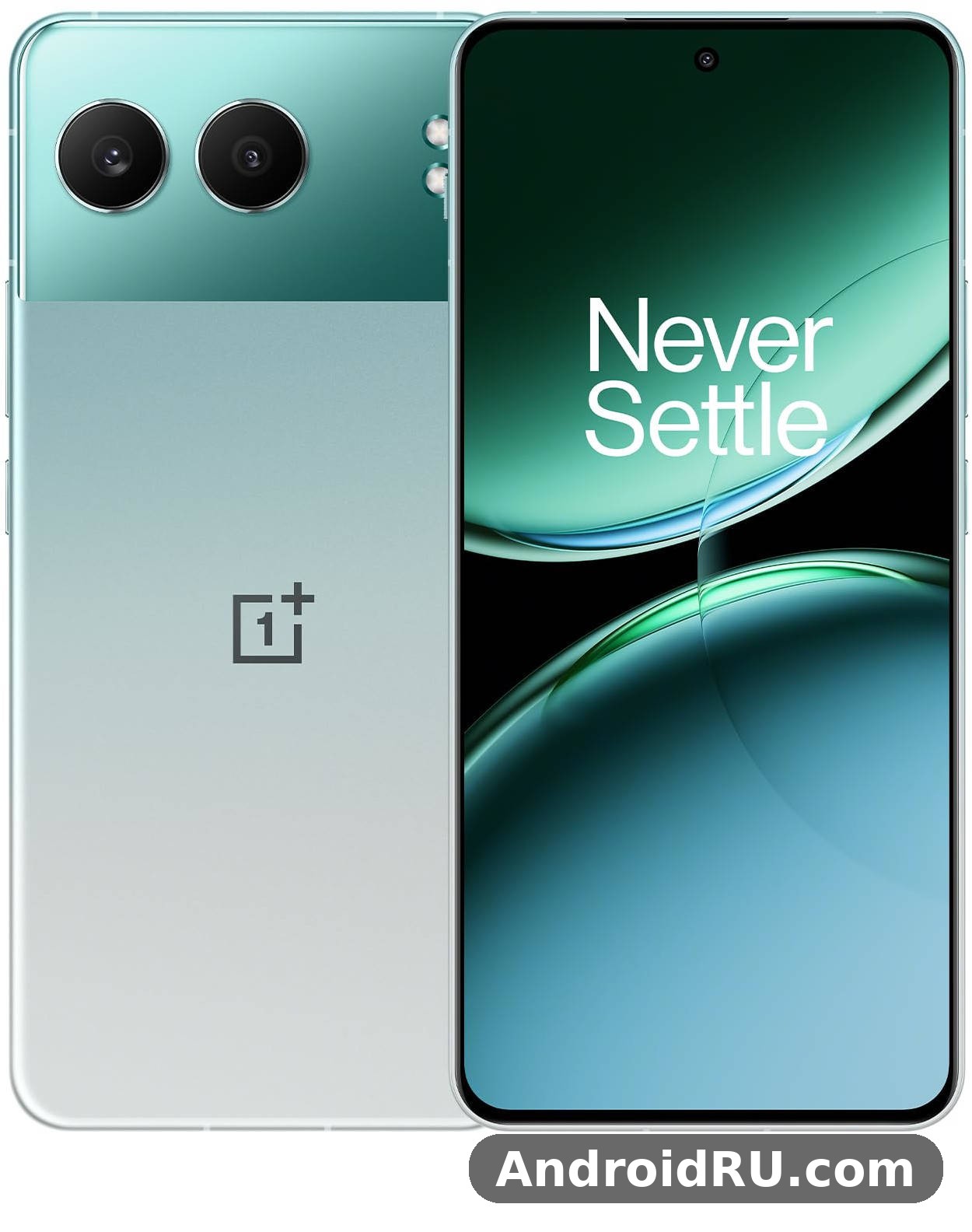
The headline of the OnePlus Nord 4 metal unibody design review is simple: this is the first 5G phone with a fully metal unibody since the days of the HTC One M8 era, and OnePlus made a point of it. The back and frame are milled from a single piece of aluminium, with a glass front, and the result is a phone that measures 162.6 x 75 x 8 mm and weighs 199.5 g. That is not light, but the weight is spread evenly, and the flat sides and gently rounded corners make it easy to hold for long stretches. The Nord 4 design is deliberately plain: a clean slab with a horizontal camera pill in the top-left corner, a laser-etched finish on some colours, and almost no branding beyond a small OnePlus logo.
Three colours were offered at launch: Obsidian Midnight, a dark near-black with a brushed texture; Mercurial Silver, a bright silver with a polished, almost mirror-like band; and Oasis Green, a soft mint green. The OnePlus Nord 4 colors Obsidian Midnight Mercurial Silver and Oasis Green each hide fingerprints differently, and the silver one shows them the most, so a case is worth considering if that bothers you. The metal back stays cooler to the touch than glass after a long gaming session, and it does not pick up the smudges that glossy glass backs do. The trade-off is grip: bare aluminium is slippery on a desk and in a sweaty hand, and a drop onto concrete will dent metal where glass might only scratch.
Metal Unibody in Daily Use
Living with a metal unibody means the phone survives the small accidents of daily life better than most mid-range phones. Keys in the same pocket leave fewer marks, the frame does not flex when you press the sides, and the buttons have a firm, precise click. The alert slider is still here on the left edge, a small OnePlus signature that lets you switch between ring, vibrate and silent without waking the screen. On the right sit the power button and volume rocker, and on the bottom edge there is a USB-C port, a speaker grille and the dual nano-SIM tray. There is no microSD card slot, so the storage you buy is the storage you keep.
The phone carries an IP65 rating, which means it is dust-tight and protected against low-pressure water jets. That is a real improvement over the Nord 3, which was rated IP54, but it is not the same as the IP68 rating on flagship phones. The OnePlus Nord 4 IP65 water resistance test question comes up often, and the plain answer is that rain, splashes and a sweaty run are fine, while dropping it in a pool or using it in the shower is not something the rating covers. The Nord 4 waterproof question has the same answer: it resists water, it is not waterproof, and water damage is not covered by the warranty.
Cases and Screen Protectors
Nord 4 cases are easy to find because the phone sold in large numbers, and a slim case is the sensible first purchase for most buyers. A case also fixes the one real weakness of the metal body, which is how easily it slides off a sloped surface. A tempered glass Nord 4 screen protector is worth fitting on day one as well, since the display ships without a pre-applied protector in most regions and the flat screen makes fitting one easy, with no curved edges to lift. Nord 4 accessories in general are plentiful and cheap: cables, chargers, and skins are all widely available, and the USB-C port follows the standard layout, so most existing chargers and cables will work, even if only a 100W SUPERVOOC charger reaches the top charging speed.
OnePlus Nord 4 Display Quality and 120Hz Fluid AMOLED
The Nord 4 display is a 6.74-inch Fluid AMOLED panel with a resolution of 1240 x 2772 pixels, a 20:9 aspect ratio and a pixel density of about 450 ppi. It shows 1 billion colours, supports HDR10+ and Ultra HDR images, and refreshes at up to 120Hz. Peak brightness is rated at 2,150 nits, and measured brightness in independent lab tests reached 1,163 nits, which is more than enough to read the screen in bright sunlight. The OnePlus Nord 4 display quality review verdict is that this is one of the best screens at its launch price: sharp, punchy without looking over-saturated, and smooth in a way that makes the whole phone feel faster than its price suggests.
That 120Hz refresh rate is adaptive, dropping to lower rates when you are reading a static page and rising when you scroll or play a game. In practice that means scrolling through a feed looks fluid and the battery does not pay a heavy price for it. The screen is flat, which makes it easier to use with a screen protector and avoids the accidental touches that curved screens invite. Colours are vivid in the default Vivid mode and more restrained in the Natural mode, and the display settings let you pick between them, along with a choice of refresh rate behaviour and an eye-comfort mode for night reading.
Brightness Outdoors
Outdoor visibility is where the peak brightness figure matters, and the Nord 4 handles it well. In direct sun the screen stays readable, and HDR video on streaming apps shows a clear step up in contrast and highlight detail over a standard display. The 2,150-nit peak figure applies to small bright highlights in HDR content rather than the whole screen, which is normal for this class of panel, but the measured full-screen brightness is still strong. If you spend a lot of time outside, this is one of the more convincing reasons to pick the Nord 4 over cheaper phones with dimmer LCD or lower-brightness OLED panels.
Aqua Touch and Wet Hands
One of the more unusual features on the Nord 4 specs sheet is Aqua Touch. The OnePlus Nord 4 Aqua Touch wet hands feature keeps the touchscreen accurate when the screen or your hands are wet. The OnePlus Nord 4 always on display settings sit nearby in the menu, and the always-on display can show the clock, notifications and a choice of clock styles, with a schedule option so it only stays on when you want it. Aqua Touch is the kind of feature that sounds like a gimmick until the first time you try to answer a call in the rain, and it works because the touch controller keeps tracking your finger instead of being confused by water droplets. It pairs naturally with the IP65 rating: the phone is built to be used in bad weather, not just to survive it.
OnePlus Nord 4 Daily Performance and Snapdragon 7+ Gen 3
The Nord 4 performance story starts with the chip. The OnePlus Nord 4 Snapdragon 7 Plus Gen 3 performance is built on the Qualcomm SM7675, a 4 nm part with one Cortex-X4 prime core at 2.8 GHz, four Cortex-A720 cores at 2.6 GHz and three Cortex-A520 efficiency cores at 1.9 GHz, paired with an Adreno 732 GPU. That is the same family of silicon that powered phones costing far more in 2024, and in daily use the difference between it and a flagship chip is hard to feel. Apps open quickly, the camera launches without a pause, and switching between a dozen apps does not make the phone stutter. The Nord 4 processor is, in plain terms, far more chip than most people need for messaging, browsing, maps, streaming and photography.
The Nord 4 benchmarks back that up. In independent lab testing the phone scored 1,315,847 in AnTuTu v10 and 4,791 in Geekbench 6, with a 3DMark Wild Life Extreme score of 3,080. Those numbers put it ahead of every other mid-range phone of its generation and within reach of some older flagships. Benchmarks are not the whole story, though. What matters more is that the phone holds its speed over a long session, and the metal unibody helps here: aluminium spreads heat across the whole body instead of letting it pool around the chip, so sustained performance is better than on a plastic-framed rival.
OnePlus Nord 4 Gaming Performance Test
The OnePlus Nord 4 gaming performance test results are strong for the price. Demanding games such as Genshin Impact, PUBG Mobile and Call of Duty: Mobile run at high settings with stable frame rates, and the 120Hz display makes fast games feel responsive. The Nord 4 gaming experience is helped by the large vapour chamber cooling inside and by the metal body acting as a heat spreader, so the phone warms up gradually rather than hitting a hot spot in one corner. Touch response is quick, the stereo speakers give proper left-right separation in landscape, and the haptics are tight and precise rather than buzzy.
Heat and Throttling During Long Sessions
Heat is the question every gaming phone has to answer, and the OnePlus Nord 4 heating issue while gaming is a smaller problem here than on most rivals. After 30 to 45 minutes of a demanding game the back of the phone gets warm but not uncomfortable, and frame rates dip only slightly as the chip manages its temperature. Reports of Nord 4 overheating are rare, and when they do appear they usually involve charging while gaming at maximum brightness in a hot room, which will warm up any phone. If you play for hours, taking the case off and keeping the phone out of direct sun will do more for comfort than any setting change, and the phone will protect itself by throttling before it ever gets dangerously hot.
RAM and Storage Speed
The Nord 4 RAM options run from 8GB to 12GB and 16GB of LPDDR5X memory, with storage of 128GB, 256GB or 512GB. The OnePlus Nord 4 UFS 4.0 storage speed applies to the 256GB and 512GB models, while the 128GB base model uses UFS 3.1, which is slower on paper but still fast enough that most people will not notice the difference in daily use. The 8GB model pairs with 128GB or 256GB, the 12GB model with 256GB, and the 16GB model with 512GB. The OnePlus Nord 4 RAM expansion virtual RAM settings let you add extra virtual memory on top of the physical RAM, but with 12GB or 16GB already on board, most people can leave that setting alone. The OnePlus Nord 4 16GB RAM multitasking test scenario is simple: with 16GB you can keep a game, a browser with a dozen tabs, maps and a music app in memory at once and switch between them without reloads.
Everyday Multitasking
Outside of games, the Nord 4 storage speed and RAM combination shows up in the small things: photos save instantly, large files copy quickly, and the phone does not pause when you jump from the camera to a messaging app and back. OxygenOS keeps background apps alive sensibly, and the 12GB model is the sweet spot for most buyers, giving enough headroom for heavy multitasking without paying for the top model. The Nord 4 fingerprint sensor sits under the display, is optical, and is fast and reliable in normal use, though it can struggle slightly with very wet fingers, which is where Aqua Touch on the screen helps the rest of the experience. The OnePlus Nord 4 under display fingerprint sensor speed is good enough that you will stop thinking about it within a day, which is exactly what a fingerprint sensor should achieve.
OnePlus Nord 4 Battery Life and 100W Charging
The Nord 4 battery is a 5,500mAh dual-cell unit, and it is the single biggest reason to buy this phone. The OnePlus Nord 4 battery life test result from independent lab testing gave an active use score of 14 hours and 41 minutes, which covers calls, browsing, video and gaming mixed together. In real daily use that translates to two days for a light user, a full day and a half for a heavy user, and a comfortable full day even with hours of navigation, camera use and 5G streaming. The 5,500mAh battery is larger than the 5,000mAh cell that was standard at this price in 2024, and the extra capacity is noticeable in exactly the situations where it matters, such as a long travel day or a weekend away from a charger.
Standby drain is well controlled, and the OnePlus Nord 4 battery drain overnight is small, typically a few percent with the always-on display off and a little more with it on. The phone sips power when idle thanks to the efficient 4 nm chip and the adaptive refresh rate, so it does not lose a big chunk of charge just sitting on a bedside table. That matters more than it sounds: a phone that holds its charge overnight is a phone you can trust as an alarm clock and a morning navigation device without topping up first.
OnePlus Nord 4 100W Charging Speed Test
Charging is the other half of the battery story. The OnePlus Nord 4 100W charging speed test numbers are striking: a full charge from empty takes about 28 minutes in lab testing, with the maker advertising 26 minutes, and a quick 10-minute top-up adds a large chunk of usable charge. The 100W SUPERVOOC charging uses a dual-cell battery design, with two 2,750mAh cells charged in parallel, which is how the phone reaches such high speeds without excessive heat. The Nord 4 charging experience is fast enough that charging becomes something you do while getting ready in the morning rather than something you plan around.
There is one catch to know about before you buy. In Europe the Nord 4 does not ship with the 100W charger in the box, so you need to buy one separately to reach the top speed. The phone still charges from any USB-C charger, and it supports the PPS standard, but a standard 20W or 30W charger will take far longer than 28 minutes. If you already own a OnePlus or Oppo SUPERVOOC charger it will work, and third-party PPS chargers with enough wattage will get close to the top speed. The Nord 4 battery also has health features that slow charging overnight and limit wear, which matters because a battery that charges this fast needs protection to stay healthy over two or three years of use. There is no wireless charging, which is the one omission in an otherwise complete power package.
Battery Health and Long-Term Use
Fast charging raises a fair question about long-term battery health, and OnePlus addresses it with a Battery Health Engine that manages charge cycles and keeps the battery at 80 percent health after a large number of cycles, according to the maker’s own figures. In practice, the combination of a very large battery and very fast charging means you can charge less often and top up in short bursts, which is gentler on the cell than running it flat every day. If you plan to keep the phone for three or four years, using the smart charging options in settings and avoiding leaving it at 100 percent on a hot charger overnight will help the battery last as long as the rest of the phone.
OnePlus Nord 4 Camera Quality: Main, Ultrawide and Selfie
The Nord 4 camera system is built around a 50MP main camera with a Sony LYT-600 sensor, an f/1.8 aperture, a 25mm-equivalent focal length, phase-detection autofocus and optical image stabilisation, plus an 8MP ultrawide camera with a 112-degree field of view and a 16MP front camera. The OnePlus Nord 4 camera quality review verdict is that the main camera is genuinely good for the price, while the ultrawide is useful but clearly the secondary camera. The Nord 4 camera app is fast, the shutter is responsive, and the phone leans on computational photography to keep colours lively and detail sharp without the heavy processing look that some rivals produce.
In daylight the main camera produces detailed, well-exposed photos with natural skin tones and pleasing colour. Dynamic range is strong, and the sensor keeps highlight detail in bright skies while holding shadow detail in the foreground. The 50MP sensor bins pixels down to 12.5MP by default, which is the right choice for most shots, and a full-resolution mode is available when you want maximum detail for a crop. Photos look good on the phone screen and hold up well when viewed on a larger display, which is more than can be said for many mid-range cameras.
Main Camera in Daylight
Daylight is where the Nord 4 camera earns its keep. Street scenes, food, portraits and landscapes all come out clean, with accurate white balance and colours that lean slightly warm and vivid rather than flat. The autofocus locks on quickly, even on moving subjects, and the optical stabilisation helps in breezy conditions or when shooting one-handed. Compared with the older Nord 2T, which you can read about in the OnePlus Nord 2T Review: Cameras, Performance and Battery Life, the Nord 4 main camera is a clear step forward in detail and low-light performance, and the difference shows most in challenging light rather than in bright sun.
Night Mode and Low Light
Night mode is where the main camera really separates itself from cheaper phones. The OnePlus Nord 4 night mode camera samples show clean, bright images with controlled noise and good colour in street lighting, restaurant interiors and dusk scenes. The phone takes a short burst of frames and merges them, so you need to hold still for a second or two, and the optical stabilisation does most of the work. Results are best with the main camera; the ultrawide struggles more after dark, which is normal for an 8MP sensor with a small aperture. The OnePlus Nord 4 ultrawide camera low light photos are usable for social sharing but lose fine detail and pick up noise sooner, so for night shots the main camera is the one to reach for.
Ultrawide and Selfie Camera
The 8MP ultrawide covers a 112-degree field of view, which is wide enough for buildings, group shots and tight interiors, and it keeps distortion reasonably controlled at the edges. It is not a match for the main camera in detail or dynamic range, but it is a real camera rather than a filler, and it is far more useful than the low-resolution macro cameras that some rivals still include. The Nord 4 ultrawide is at its best in good light, where it produces sharp, colourful images that need no editing before sharing.
The Nord 4 selfie camera is a 16MP unit with an f/2.4 aperture, and it takes clean, natural-looking selfies with good skin tones and a usable portrait mode. The OnePlus Nord 4 portrait mode edge detection is accurate for a phone at this price, keeping hair and glasses mostly intact while blurring the background smoothly. Selfie video is limited to 1080p at 30 frames per second, which is fine for calls and short clips but a step behind the rear camera. The OnePlus Nord 4 4K video recording quality from the rear camera is strong, with 4K at 30 or 60 frames per second, gyro-based electronic stabilisation, and clean, stable footage in daylight. Video at 1080p can go up to 120 frames per second for slow-motion shots, and the stabilisation holds up well when walking.
OnePlus Nord 4 Software: OxygenOS 14.1 and the Update Promise
The Nord 4 software story is one of its strongest selling points. The phone launched with OxygenOS 14.1 based on Android 14, and the OnePlus Nord 4 OxygenOS 15 update arrived afterwards, bringing the newer Android version and a refreshed interface. The OnePlus Nord 4 four year software update policy promises four major OS updates and six years of security updates, which means a phone bought in 2024 should keep getting new Android versions until 2028 and security patches until 2030. That is a long support window for a mid-range phone, and it is a big part of the answer to whether the phone is still worth buying in 2026: the software is not about to be abandoned.
OxygenOS itself is clean, fast and close to stock Android, with a few useful additions rather than a pile of duplicate apps. The Nord 4 software experience includes a smart sidebar, floating windows for multitasking, a file dock, and a set of AI tools such as AI Eraser for removing unwanted objects from photos. The interface is customisable without being confusing, the notification shade is tidy, and there is very little bloatware to remove. For readers who like deep multitasking, the large-screen ideas from the OnePlus Open Review: Cover Screen, Software and Cameras show where OnePlus puts its software effort, and the Nord 4 benefits from the same clean, fast approach on a normal-sized screen.
Connectivity and Everyday Features
Connectivity is complete for a 2024 mid-range phone. The OnePlus Nord 4 5G bands supported list covers the common sub-6GHz bands used in Europe and India, with dual SIM support, so the OnePlus Nord 4 dual SIM nano SIM setup is simply a matter of dropping two nano-SIM cards into the tray and choosing which one handles data and calls. Wi-Fi 6, Bluetooth 5.4 with aptX HD and LHDC, NFC for payments, GPS with support for Galileo, GLONASS, BeiDou and QZSS, and an infrared blaster are all on board. The OnePlus Nord 4 infrared blaster remote control feature lets the phone act as a remote for a TV or air conditioner, which is a small thing that becomes surprisingly handy once you set it up.
The OnePlus Nord 4 stereo speakers sound quality is good for the class, with clear voices, decent volume and proper stereo separation in landscape, and independent lab testing rated the loudspeaker output as very good. The Nord 4 speakers are loud enough for video in a quiet room, though bass is limited, as it is on every phone this thin. There is no 3.5mm headphone jack, so wired listening needs a USB-C adapter or a USB-C headset, while wireless listening is well served by Bluetooth 5.4. The under-display optical fingerprint sensor, the alert slider, and the IR blaster round out a feature list that has very few gaps for the price.
Software Updates and Longevity
Long-term software support is where the Nord 4 pulls ahead of many rivals that stop at two or three years of updates. The Nord 4 updates arrive regularly, and the phone has already moved from OxygenOS 14.1 to OxygenOS 15, with further major updates promised under the four-year policy. Security patches continue for six years, which matters for banking apps and for anyone who plans to keep the phone for a long time. That support window, combined with the large battery and the durable metal body, is what makes the Nord 4 a sensible long-term purchase rather than a phone you replace after a year.
Full Specifications
This is the complete Nord 4 specs sheet, verified against the published specifications. The Nord 4 price at launch started at around 29,999 rupees in India and around 499 euros in Europe for the base model, with the top 16GB and 512GB version listed at 649 euros. The OnePlus Nord 4 price in India 2026 is lower than launch, and Nord 4 deals appear regularly during sale events, so the value case today is often stronger than it was at launch. Check the current price before buying, because the gap between this phone and the newer Nord 5 narrows when the Nord 4 is discounted, and widens again when it is not.
| Feature | OnePlus Nord 4 |
|---|---|
| Display | 6.74-inch Fluid AMOLED, 1240 x 2772, 120Hz, HDR10+, 2,150 nits peak, 1B colours |
| Chipset | Qualcomm Snapdragon 7+ Gen 3 (4 nm), octa-core up to 2.8 GHz |
| GPU | Adreno 732 |
| RAM | 8GB / 12GB / 16GB LPDDR5X |
| Storage | 128GB (UFS 3.1) / 256GB / 512GB (UFS 4.0), no microSD slot |
| Rear cameras | 50MP main, f/1.8, Sony LYT-600, PDAF, OIS; 8MP ultrawide, f/2.2, 112-degree field of view |
| Rear video | 4K at 30/60fps, 1080p at 30/60/120fps, gyro-EIS |
| Front camera | 16MP, f/2.4, 1080p video at 30fps |
| Battery | 5,500mAh, non-removable, dual-cell |
| Charging | 100W SUPERVOOC wired, about 28 minutes to full; PPS support; no wireless charging |
| Operating system | Android 14 with OxygenOS 14.1 at launch, updatable to OxygenOS 15; 4 major OS updates, 6 years of security updates |
| Body | 162.6 x 75 x 8 mm, 199.5 g, glass front, aluminium unibody back and frame, IP65 |
| Colours | Obsidian Midnight, Mercurial Silver, Oasis Green |
| SIM | Dual nano-SIM, 5G SA/NSA |
| Connectivity | Wi-Fi 6, Bluetooth 5.4, NFC, GPS, infrared port, USB Type-C 2.0 |
| Audio | Stereo speakers, no 3.5mm headphone jack |
| Sensors | Under-display optical fingerprint sensor, accelerometer, gyro, proximity, compass |
| Models | CPH2663, CPH2661 |
| Launch | Announced 16 July 2024, released 8 August 2024 |
Models and Variants
Four combinations were sold: 8GB with 128GB, 8GB with 256GB, 12GB with 256GB, and 16GB with 512GB. The model numbers are CPH2663 and CPH2661, which cover the international and Indian versions, and the 5G bands differ slightly between them, so it is worth checking that the version you buy supports the bands your carrier uses. The 12GB with 256GB model is the one most buyers should aim for: it has the faster UFS 4.0 storage, enough RAM for years of multitasking, and a price that usually sits close to the base model during sales. The 16GB with 512GB model suits people who keep large offline media libraries or many games installed, while the 8GB with 128GB model is the budget choice and still runs the same software and camera.
What Is Missing
No phone is complete, and the Nord 4 has a short list of omissions worth knowing before you buy. There is no wireless charging, no microSD card slot, no 3.5mm headphone jack, and the USB-C port is USB 2.0 speed, so wired file transfers are slower than on phones with faster USB. The charger is not included in the box in Europe, the ultrawide camera is a clear step below the main camera, and selfie video tops out at 1080p. None of these are deal-breakers on their own, but together they define the phone: a mid-range device that spends its budget on the battery, the chip, the screen and the metal body, and saves money on the extras.
OnePlus Nord 4 vs Nord 3 Comparison
The OnePlus Nord 4 vs Nord 3 comparison is the one most upgraders care about, because the Nord 3 was itself a strong phone. The Nord 4 is better in almost every area that matters: a faster chip, a bigger battery, faster charging, a metal body instead of a plastic frame, a higher water resistance rating, and a longer software promise. The screen size is the same 6.74 inches and the camera hardware is similar on paper, but the newer chip and newer processing make the Nord 4 photos look cleaner. For the full story on the older phone, see the OnePlus Nord 3 Review: Photo Quality, Video and Performance.
| Feature | OnePlus Nord 4 | OnePlus Nord 3 |
|---|---|---|
| Chipset | Snapdragon 7+ Gen 3 (4 nm) | Snapdragon 7+ Gen 2 (4 nm) |
| Battery | 5,500mAh | 5,000mAh |
| Charging | 100W wired, about 28 minutes to full | 80W wired, about 32 minutes to full |
| Body | Aluminium unibody, IP65, 199.5 g | Plastic frame, glass back, IP54, 193.5 g |
| Display | 6.74-inch Fluid AMOLED, 120Hz, 2,150 nits peak | 6.74-inch Fluid AMOLED, 120Hz, 1,450 nits peak |
| Main camera | 50MP Sony LYT-600, f/1.8, OIS | 50MP Sony IMX890, f/1.8, OIS |
| Ultrawide camera | 8MP, 112-degree field of view | 8MP, 112-degree field of view |
| Selfie camera | 16MP, f/2.4 | 16MP, f/2.4 |
| Software promise | 4 major OS updates, 6 years of security updates | 3 major OS updates, 4 years of security updates |
| Launch OS | Android 14, OxygenOS 14.1 | Android 13, OxygenOS 13.1 |
| Storage | 128GB UFS 3.1 / 256GB / 512GB UFS 4.0 | 128GB / 256GB UFS 3.1 |
| Extras | Infrared blaster, Aqua Touch, alert slider | Infrared blaster, alert slider |
Nord 4 vs Nord 3: What Changed
The Nord 4 vs Nord 3 change that matters most day to day is the battery, because 500mAh extra plus a more efficient chip means the Nord 4 lasts noticeably longer between charges. The metal body is the change you feel every time you pick the phone up, and the brighter screen is the change you see every time you step outside. The camera story is more subtle: the Nord 3 used the well-regarded IMX890 sensor, and the Nord 4 uses the LYT-600, so the hardware is a sideways move and the improvement comes from the newer chip and newer processing rather than from the sensor alone. If you already own a Nord 3, the upgrade is worth it mainly for the battery, the build and the longer software support, and it is easy to wait another year if your Nord 3 still feels fast. If you are choosing between a discounted Nord 3 and a discounted Nord 4, the Nord 4 is the better buy at any price gap up to about a hundred euros or the equivalent, because the extra year of updates alone is worth that much.
Pros and Cons: Who the OnePlus Nord 4 Is For
After weighing the screen, the chip, the battery, the cameras and the software, the Nord 4 comes out as a well-balanced mid-range phone with one clear strength and a few small weaknesses. The metal unibody and the battery are the reasons to buy it, and the missing wireless charging and the average ultrawide camera are the reasons to pause. Here is the balance sheet in plain form.
Pros
- Snapdragon 7+ Gen 3 performance that stays fast in games and in daily multitasking, with benchmark scores ahead of its class.
- Excellent battery life from the 5,500mAh cell, with an active use score of 14 hours and 41 minutes in lab testing.
- 100W charging that fills the battery in about 28 minutes, so a short top-up is enough for a full evening out.
- Bright, sharp 6.74-inch 120Hz Fluid AMOLED display with HDR10+ and good outdoor visibility.
- Proper metal unibody with IP65 protection, an alert slider and an infrared blaster.
- Long software support: four major OS updates and six years of security patches.
- Reliable 50MP main camera with OIS, good night mode and clean 4K video.
Cons
- No wireless charging, which rivals at this price sometimes include.
- Ultrawide camera is a clear step below the main camera, especially in low light.
- Charger not included in the box in Europe, so the headline 100W speed costs extra.
- No microSD slot and no headphone jack, and the USB-C port runs at USB 2.0 speed.
- Selfie video is limited to 1080p at 30 frames per second.
Who It Is For
The Nord 4 is for someone who wants a phone that lasts two days on a charge, charges in under half an hour, and does not need replacing for three or four years. It suits heavy users who stream, navigate and photograph all day, gamers who want a fast chip without paying flagship prices, and anyone who is tired of plastic phones and wants a metal body that still looks good after a year in a pocket. It is less suited to people who need wireless charging, who shoot a lot of ultrawide photos in low light, or who want the very latest camera hardware. If you are coming from a much older OnePlus phone, the jump is large: readers still holding a 2019 flagship can see how far the mid-range has come in the OnePlus 7T Review: Cameras, Performance and Battery Life, and the Nord 4 beats that older flagship on battery, charging, screen brightness and software support while costing less than the 7T did at launch.
Frequently Asked Questions
Is the OnePlus Nord 4 worth buying in 2026?
Yes, at the right price. The chip, battery and screen are still competitive in 2026, and the software support runs until 2028 for major updates and 2030 for security patches, so the phone is not about to be left behind. The key is price: at a discounted price it is one of the best value mid-range phones available, while at full launch price the newer Nord 5 deserves a look. Check the current price and compare it with the successor before deciding, and prefer the 12GB with 256GB model if the price gap over the base model is small.
How long does the OnePlus Nord 4 battery last in real use?
Lab testing gave an active use score of 14 hours and 41 minutes, and in daily use most people get a day and a half to two days from a charge. Heavy days with hours of navigation, camera use and 5G streaming will still end with charge to spare, and the 100W charging means a 10-minute top-up adds a large amount of usable power. Overnight drain is small, typically a few percent with the always-on display off.
Does the OnePlus Nord 4 support wireless charging?
No, the Nord 4 does not support wireless charging. The metal unibody is part of the reason, since metal blocks wireless charging, and OnePlus chose the metal body and the big battery instead. Charging is wired only, at up to 100W with a compatible SUPERVOOC charger, which fills the battery in about 28 minutes.
Will the OnePlus Nord 4 get OxygenOS 15 and Android 16?
The phone launched on OxygenOS 14.1 based on Android 14 and has already received the OxygenOS 15 update. The update policy promises four major OS updates in total, so Android 15, Android 16 and beyond are covered, with security patches continuing for six years from launch. That is one of the longest support windows in the mid-range class.
Is the OnePlus Nord 4 waterproof?
No, it is water resistant rather than waterproof. The IP65 rating means it is dust-tight and protected against low-pressure water jets, so rain and splashes are fine, but it is not rated for submersion and should not be taken swimming or used in the shower. Water damage is not covered by the warranty, so treat the rating as protection against accidents rather than an invitation to get the phone wet.
The Nord 4 is a phone that gets the big decisions right: a huge battery, very fast charging, a fast chip, a bright screen and a metal body, with software support that lasts. Its weaknesses are small and clearly defined, and none of them affect the daily experience for most people. If you can find it at a good price, buy the 12GB with 256GB model, fit a case and a screen protector, and expect it to serve you well for years.

