

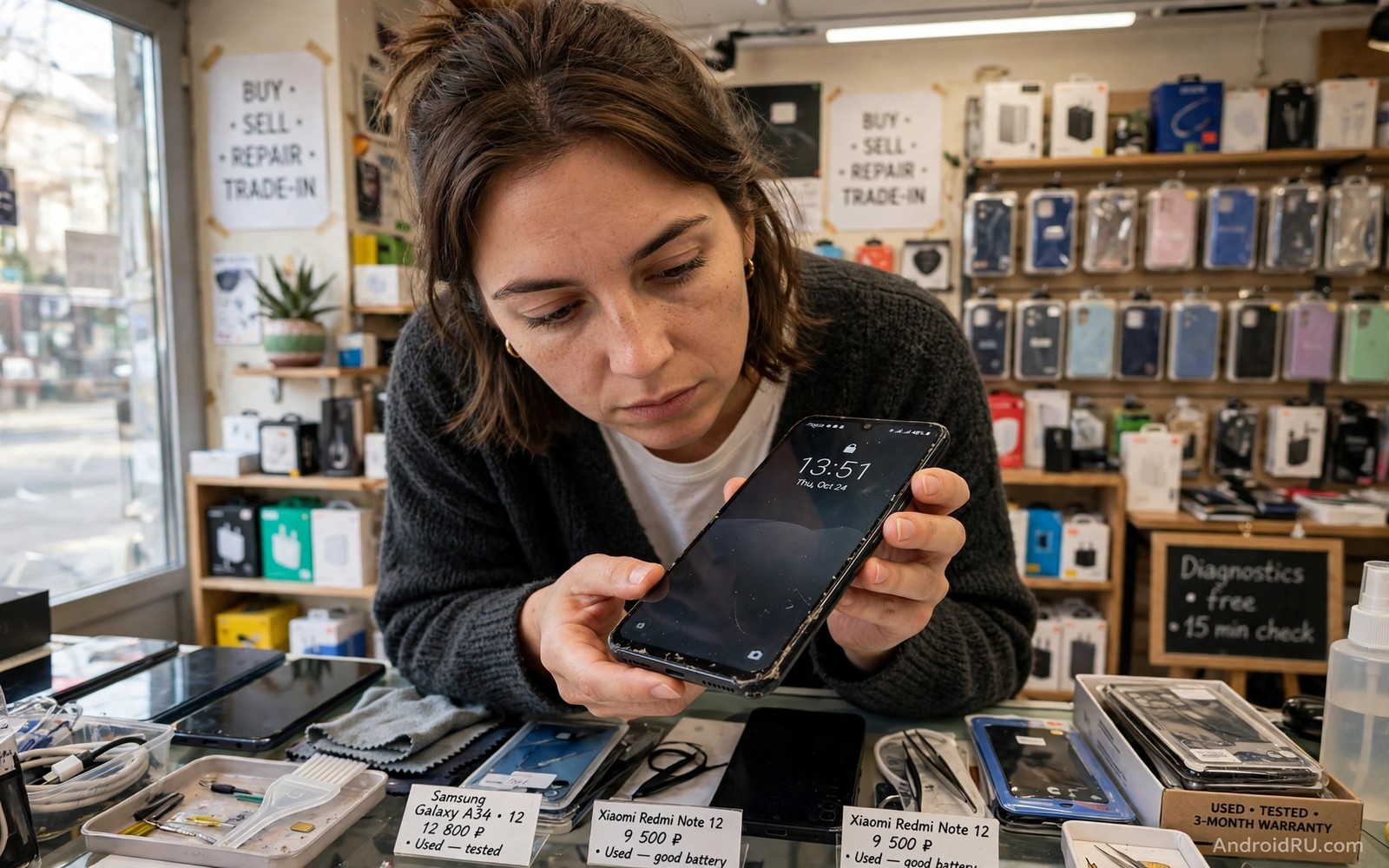
A used smartphone promises flagship features at half the price. That promise tempts buyers to rush. A rushed buyer checks the screen and the camera and hands over cash. The problems that matter hide deeper in battery health and account locks and water damage and worn ports. Those problems surface weeks later when the seller is gone and the return window has closed.
Sellers know which flaws buyers check and which flaws they ignore. A polished screen and a fresh factory reset can hide a tired battery and a locked account. A seller who refuses a thorough test is telling you something important. A good phone survives inspection. A bad phone depends on you skipping it.
Slow down and test in a fixed order every time. The five mistakes in this guide each correspond to one skipped check. Fixing the habit costs twenty minutes per phone. That time is cheap compared with months of regret over a device that dies early. The same discipline helps when you study hardware specs to verify before buying because verification beats trust in every second-hand deal.
Mistake one: trusting the screen and ignoring the battery
A bright screen with no cracks feels like proof of a healthy phone. Battery health tells a different story that the screen cannot show. Ask the seller to open battery health settings if the phone offers them. A battery at seventy percent capacity will need replacement soon. That replacement cost belongs in your price negotiation rather than as a surprise later.
Test drain in real time during inspection. Use the phone for fifteen minutes with the screen on and note the battery drop. A drop of more than a few percent during light use signals a tired cell or a runaway app. Also check whether the phone heats up during that short test. Heat plus fast drain together point strongly at battery trouble.
Ask about charging history as well. A phone charged nightly on a fast charger for three years ages differently from a lightly used spare. Sellers may not know the history honestly. Battery health numbers and a live drain test give you facts that memory cannot provide. Trust those facts over reassurance.
Mistake two: skipping the account lock check
An account-locked phone can become useless after a reset even when it works fine in the seller hand. Ask the seller to sign out of all accounts in front of you. Then restart the phone and complete the setup screens yourself. A phone that demands the previous owner account after a reset is locked. Walk away from that phone no matter how good the price looks.
Check the SIM lock status too. A carrier-locked phone may refuse your SIM even when it accepts the seller SIM. Insert your own SIM during inspection and confirm calls and data work. A phone that works only on one network is worth less than an unlocked phone. Price it accordingly or skip it entirely.
Verify the serial number against the box and the phone settings. Mismatched numbers suggest replaced parts or a refurbished device sold as original. A mismatch does not always mean fraud. It always means you should ask harder questions before paying. Honest sellers answer those questions without irritation.
Mistake three: buying without testing every button and port
Buttons and ports wear out long before screens do. Test volume and power buttons for a firm click and a reliable response. Test the charging port with your own cable and confirm it seats firmly and charges steadily. Test the headphone jack if the phone has one and test speakers and microphones with a recording.
Test cameras front and back with photos and video. Test autofocus by tapping different distances. Test the flash and test stabilisation by walking while recording. Camera faults are expensive because they often need module replacement. A quick photo in a bright shop hides faults that appear in low light. Test in dim light too when possible.
Test connectivity as well. Pair a Bluetooth device and join a Wi-Fi network and check GPS in a maps app. A phone with a dead radio may look perfect on a table. It fails the moment you need navigation or earbuds. Full testing takes minutes and it catches the faults sellers hope you miss.
Mistake four: ignoring water and drop history
Water damage leaves clues even after drying. Check the SIM tray indicator if the phone has one. A triggered indicator shows red or pink rather than white. Check for fog under camera lenses and for corrosion around the charging port. Check for a screen that lifts slightly at one corner which can signal internal swelling or frame damage.
Ask directly about drops and water exposure and watch the answer. A seller who says the phone never fell while the frame shows dents is not being careful. Dents prove impacts happened. Impacts may have damaged internals even when the screen survived. Price impact history into your decision rather than pretending it away.
Run a touch test across the whole screen with a drawing app. Drag slowly and watch for jumps or breaks in the line. Impact damage often creates touch dead zones that appear only in specific areas. A full-screen drag test finds those zones in under a minute. That test belongs in every used phone inspection without exception.
Mistake five: paying before a cooling-off test
Never pay the full price before a short real-world test. Ask for thirty minutes with the phone on your own SIM doing your own tasks. Browse and call and photograph and navigate during that window. Faults that hide during a shop demo appear during real use. A seller who refuses any test period is protecting a flaw.
Prefer meeting in a safe public place with another person present. Bring your SIM and your charger and a checklist. A checklist keeps you from skipping tests under social pressure. Sellers who rush you are using pressure as a sales tool. Slow deliberate testing is your best defence against that pressure. The same checklist discipline appears in critical checks before selling a phone because sellers need verification too.
Get a written receipt with the serial number and the price and the seller details. A receipt supports a dispute if the phone proves locked or stolen later. Check the serial number against lost-device databases when such a service exists in your region. That check takes minutes and it protects you from buying a stolen device unknowingly.
A buyer checklist to carry with you
Work the list in order and refuse any phone that fails a major item. Battery health and account lock and SIM test and full hardware test and water clues and receipt. A phone that passes all six earns its price. A phone that fails one major item needs a price cut or a walk-away decision. No bargain justifies a locked or water-damaged phone. A phone that fails one major item echoes fatal mistakes that ruin hardware because hardware faults compound quickly.
Check 1 > Battery health and live drain
Check 2 > Account sign-out and restart
Check 3 > Own SIM calls and data test
Check 4 > Buttons ports cameras radios
Check 5 > Water indicator and frame check
The checklist above was written for this article to make used phone inspection repeatable. It lists only checks you can run during a meeting with no special tools. Print it or save it on your current phone before shopping. A checklist in hand keeps social pressure from skipping the test that would have saved you.
Negotiate from evidence not enthusiasm
A phone that passes inspection still leaves room to negotiate. Battery health below ninety percent justifies a lower price because replacement is coming. Cosmetic wear justifies a smaller discount. Present findings calmly and name the repair cost you will face. Sellers respect evidence more than haggling because evidence is hard to argue against.
Walk away when evidence and price disagree sharply. A locked phone at any price is not a bargain. A water-damaged phone at half price is still a gamble with a short life. Enthusiasm fades quickly when faults appear. Evidence-based patience saves money across every used purchase you will ever make.
Common mistakes
The biggest mistake is falling for a price that seems too good to be true. Such prices usually hide a lock or a fault or a stolen device. A fair price for a verified phone beats a bargain price for a problem phone. Walk away from deals that depend on urgency.
Another mistake is testing only in the seller home on the seller Wi-Fi. A phone can behave on familiar networks and fail elsewhere. Test with your own SIM and your own data. Real conditions reveal real faults that comfortable conditions hide.
People also skip the receipt because a private sale feels informal. Informality helps the seller disappear after a problem appears. A simple written receipt with the serial number changes that dynamic. Insist on it for every purchase above a trivial amount.
Finally avoid buying a phone you cannot test because the battery is dead. A dead battery hides every fault at once. Ask the seller to charge it before the meeting. A seller unwilling to charge the phone is unwilling to let you test it. That refusal is itself the test result.
Frequently asked questions
Is a refurbished phone safer than a private sale?
Often yes because refurbishers usually test and warranty their devices. A warranty gives you a remedy when a fault appears later. Private sales rarely offer that protection. Compare the refurbished price with the private price plus the risk you accept.
How old is too old for a used phone?
It depends on update support and battery condition rather than age alone. A three-year-old phone with updates and a fresh battery can serve well. A two-year-old phone without updates and a tired battery is a poor buy. Check support status and battery health together.
Should I factory reset before or after buying?
Ask the seller to reset in front of you and then complete setup yourself. That sequence proves no account lock remains. Never accept a phone that the seller promises to reset later. A later reset can reveal a lock after you already paid.
Conclusion
Five mistakes turn a used phone bargain into a costly lesson. Skipping battery checks and account checks and hardware tests and water clues and a real-world trial each invites a specific regret. A twenty-minute inspection in a fixed order prevents all five.
Your concrete next step is to save the checklist above on your current phone before you shop. Use it at the next viewing and refuse any phone that fails a major check. That discipline turns used buying from gambling into a skill.

