

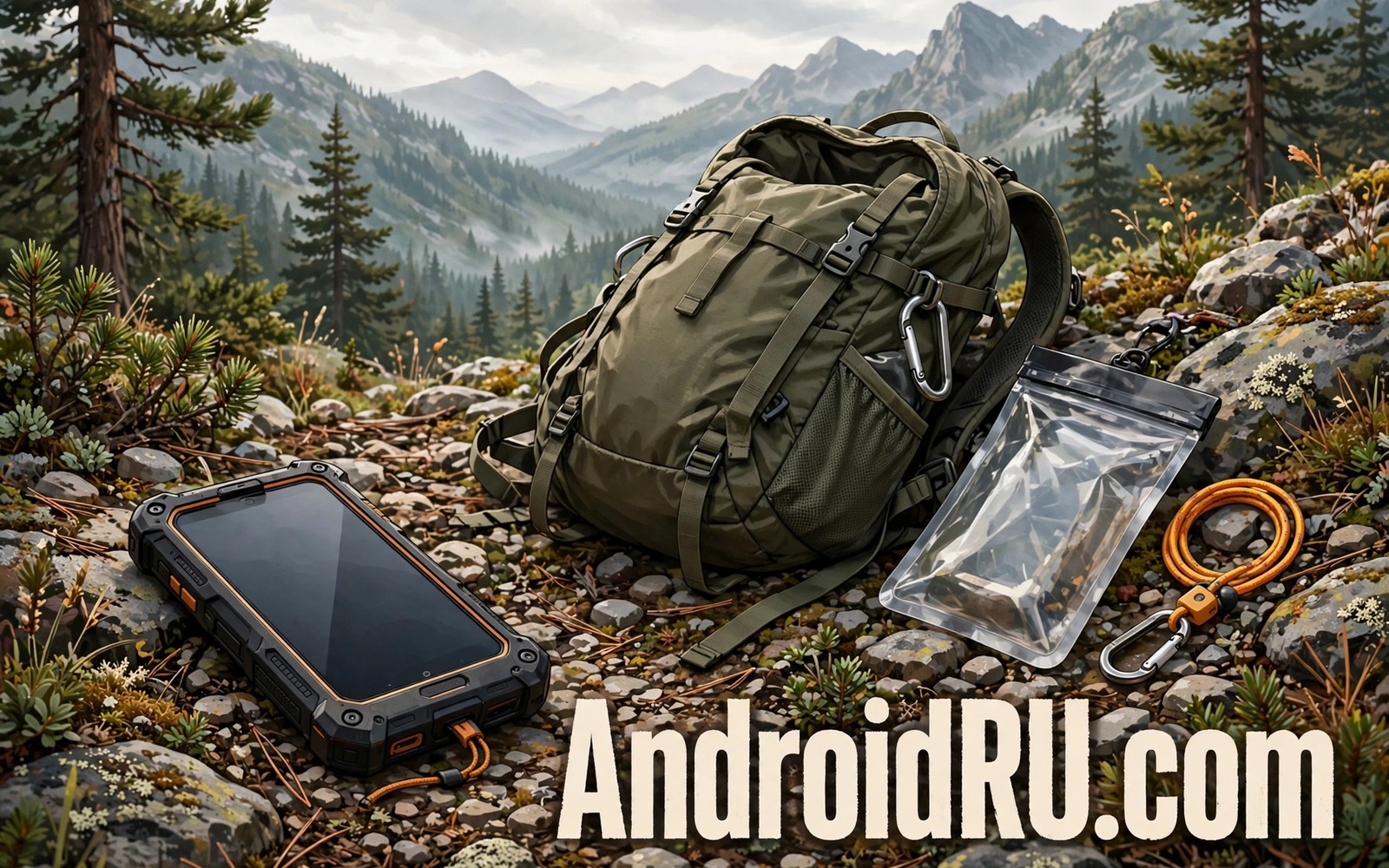
Outdoor use punishes a phone far harder than office use. A phone can fall onto rock or gravel or wet grass and it can get dusty on a trail. A case that survives a desk drop may crack on a sharp stone. Accessories for outdoor drops must handle shock and dust and water and grip together. This guide covers five accessories that protect a phone from extreme outdoor drops. The goal is a setup that survives a real trail fall without making the phone impossible to use.
A rugged case is the foundation of outdoor protection. A dual layer case with corner air cushions absorbs shock from a fall onto hard ground. A case with port covers keeps dust and sand out of openings on a beach or a trail. Port covers also help in rain because they reduce water entry into the charging socket. A rugged case adds bulk but that bulk is the price of real protection outdoors. For case ratings in general then rated smartphone cases compare rugged and hybrid options. For a slim strong option then heavy duty cases without bulk show a middle ground for hikers who hate bulk.
A lanyard or a wrist strap is the second accessory that prevents drops before they happen. A phone on a lanyard stays attached to your body even if your grip slips on a wet trail. A wrist strap gives a safety net for a quick photo at a cliff edge. Choose a strap rated for phone weight plus case weight. A thin fashion strap may break under a heavy rugged case. Test the strap connection by tugging it firmly before a hike. A strap that feels loose at home will fail when you need it most outdoors.
Rugged Cases And Screen Protection Outdoors
Outdoor screen protection needs a protector that handles dust under the glass. A tempered glass protector with a full adhesive layer seals better than a protector with adhesive only at the edges. Edge only adhesive lets dust creep under the glass on a dusty trail. For protector choice then choosing a tempered glass protector explains thickness and coating. A protector with a raised edge also helps when the phone lands face down on gravel. The raised edge keeps the glass off small stones that could scratch it.
A case with a raised lip around the screen works with the protector to create a gap on flat falls. That gap matters on a trail where the ground is rarely flat. A case with a textured back improves grip when hands get sweaty or wet. A smooth case becomes slippery in rain and that slip causes drops. A textured silicone back or a case with grip ridges helps a lot in wet conditions. Clean the case after a muddy hike because dried mud can make the texture smooth and less grippy.
Mounts Straps And Water Protection
A chest mount or a backpack strap mount keeps a phone accessible without holding it in a hand. A chest mount is useful for filming a hike while keeping hands free for balance. A backpack strap mount holds the phone at chest height for quick navigation checks. Both mounts must grip the phone firmly on rough terrain. Test a mount by jogging in place at home before a trail. A mount that wobbles at home will wobble far more on a rocky path.
A waterproof pouch adds protection for rain and river crossings. A pouch with a clear window lets you use the touchscreen through the plastic. Test the pouch empty in water before trusting it with a phone. A pouch that leaks empty will leak with a phone inside. A pouch also reduces touch sensitivity slightly so test taps and swipes before a hike. A pouch is not a substitute for a rugged case. Use both together for a river trip where drops and water both threaten the phone.
Test Outdoor Gear With A Simple Script
A short log helps you compare outdoor accessories across trips. Note the terrain and the weather and any damage after each trip. This short script saves outdoor trip notes into a plain text file. It keeps the comparison honest because a single easy trip does not prove gear works on a hard trail. Review the log before a difficult hike to choose gear that already proved itself.
notes = []
notes.append('rugged case rocky trail no damage')
with open('outdoor_notes.txt', 'w') as f:
    for n in notes:
        f.write(n + chr(10))
Attribution: This code sample is an original example written for this article. It shows a simple way to store outdoor gear test notes in a text file. It does not come from any outside guide and it does not change phone settings.
After each outdoor trip clean the case and the port covers. Sand in a port cover hinge can stop the cover from sealing on the next trip. Rinse a rugged case with fresh water after a beach trip and dry it fully before the next use. Salt water left on a case can corrode metal parts in a mount. A tidy case also makes early cracks easier to notice. A small crack near a corner can grow after the next drop so replace a cracked case before a hard trip.
A tripod for outdoor photos also needs protection from drops and wind. A mini tripod on uneven ground can tip over in wind and drop the phone. For tripod choice then portable tripods for creators explain stability on different surfaces. Use a tripod with a wide leg spread on soft ground and lower the centre column in wind. That setup reduces the chance of a tripod fall that damages the phone.
A power bank for outdoor trips should sit in a protective pouch rather than loose in a bag with keys. A pouch prevents scratches on the power bank and it keeps its cable from tangling. For power bank capacity checks then testing real power bank capacity helps you plan charging for long days outdoors. A protected power bank keeps the phone charged after a drop incident when you need navigation most.
A phone used for outdoor navigation should have offline maps downloaded before a trail without signal. A drop that damages a phone screen is worse when navigation depends on live data. Offline maps keep navigation working even if the phone screen cracks and touch becomes hard. A rugged case plus offline maps gives a safety margin on remote trails. Download maps for the whole trail area before leaving home.
A phone in a backpack should sit in a padded pocket rather than loose with tools and metal gear. Metal gear in a bag can scratch a case and it can press buttons through a thin case. A padded pocket keeps the phone separate from hard objects. That separation also makes the phone easy to find quickly when navigation is needed. A dedicated pocket is a simple accessory that protects a phone on every trip.
A phone used in rain should be dried with a soft cloth as soon as shelter is reached. Rain water left on a case can seep into port covers over time. Drying the phone promptly prevents water marks on the case and it keeps port covers sealing well. A small microfibre cloth in a backpack pocket is enough for this job. That cloth also cleans the screen for photos after rain.
A phone camera used outdoors should be protected by a lens cover when not shooting. A lens scratch from a trail fall can ruin every photo after the fall. A case with a raised camera lip protects the lens on flat drops. A separate lens cover adds protection for a phone carried in a bag with tools. That cover costs little and it saves a camera module repair.
A phone used for outdoor work should have a screen brightness setting that adapts to sunlight. A screen that is too dim in sun forces the user to shade the phone with a hand and that hand can drop the phone. A bright adaptive screen keeps the phone readable while held firmly with both hands. Test brightness in direct sun before a trail to avoid a fumble.
A phone that falls onto a rocky trail can bounce into a stream even with a rugged case. A case protects against the first impact but it cannot stop a bounce into water. A lanyard prevents that bounce by keeping the phone attached to your body. That attachment is the best protection against a phone lost in water after a fall.
A phone screen that cracks outdoors can still be used for emergency calls if touch still works in part of the screen. A cracked screen may lose touch in the cracked area only. Learn how to use voice commands for emergency calls before a remote trip. Voice commands can call for help even when touch fails in part of the screen.
A phone that is carried in a chest pocket can be protected by a padded chest pocket insert. That insert adds shock absorption without a full rugged case. A chest pocket insert suits users who dislike bulky cases but still want trail protection. Test the insert fit with your phone and case together before a hike.
Common Mistakes
One common mistake is using an office case on a hard trail and expecting it to survive rock drops. An office case lacks corner protection for rough ground. Another mistake is trusting a waterproof pouch without an empty water test. A third mistake is using a thin lanyard that breaks under a rugged case weight. Test straps and pouches before a real trip.
Some users also leave a phone on a car roof or a backpack top while packing gear. That phone can slide off during a drive to the trailhead. Keep the phone in a pocket or a strap mount while packing. Another error is ignoring sand in case hinges. Sand can stop a port cover from sealing and it can grind the case edge. Clean hinges after every beach or desert trip.
Frequently Asked Questions
Do I need a rugged case for hiking?
A rugged case is worth it for hiking because trails present rock and gravel and dust that office cases handle poorly. A dual layer case with corner cushions and port covers gives the best outdoor protection. A hybrid case can work for easy paths but a rugged case is safer for rough terrain.
Will a waterproof pouch affect touchscreen use?
A waterproof pouch can reduce touch sensitivity slightly especially for swipes at the screen edge. Test the pouch with your phone before a trip and adjust touch settings if needed. A pouch with a clear thin window works better than a thick cloudy window. Keep the pouch clean inside to avoid fogging in humid conditions.
Is a lanyard enough to prevent outdoor drops?
A lanyard prevents many drops because the phone stays attached even if grip slips. A lanyard alone does not protect against a phone swinging into a rock. Pair a strong lanyard with a rugged case for the best result. Test the lanyard connection firmly before each hike.
Conclusion
Outdoor drop protection needs a rugged case and a strong strap and a tested waterproof pouch working together. A tempered glass protector and a textured grip complete the setup. Test gear on easy trips before hard trails and clean cases after mud and sand. Replace cracked gear promptly. Your concrete next step is simple. Tonight test your waterproof pouch empty in water and tug your lanyard firmly before your next outdoor trip.

