

One Hub Or A Screen In Every Room
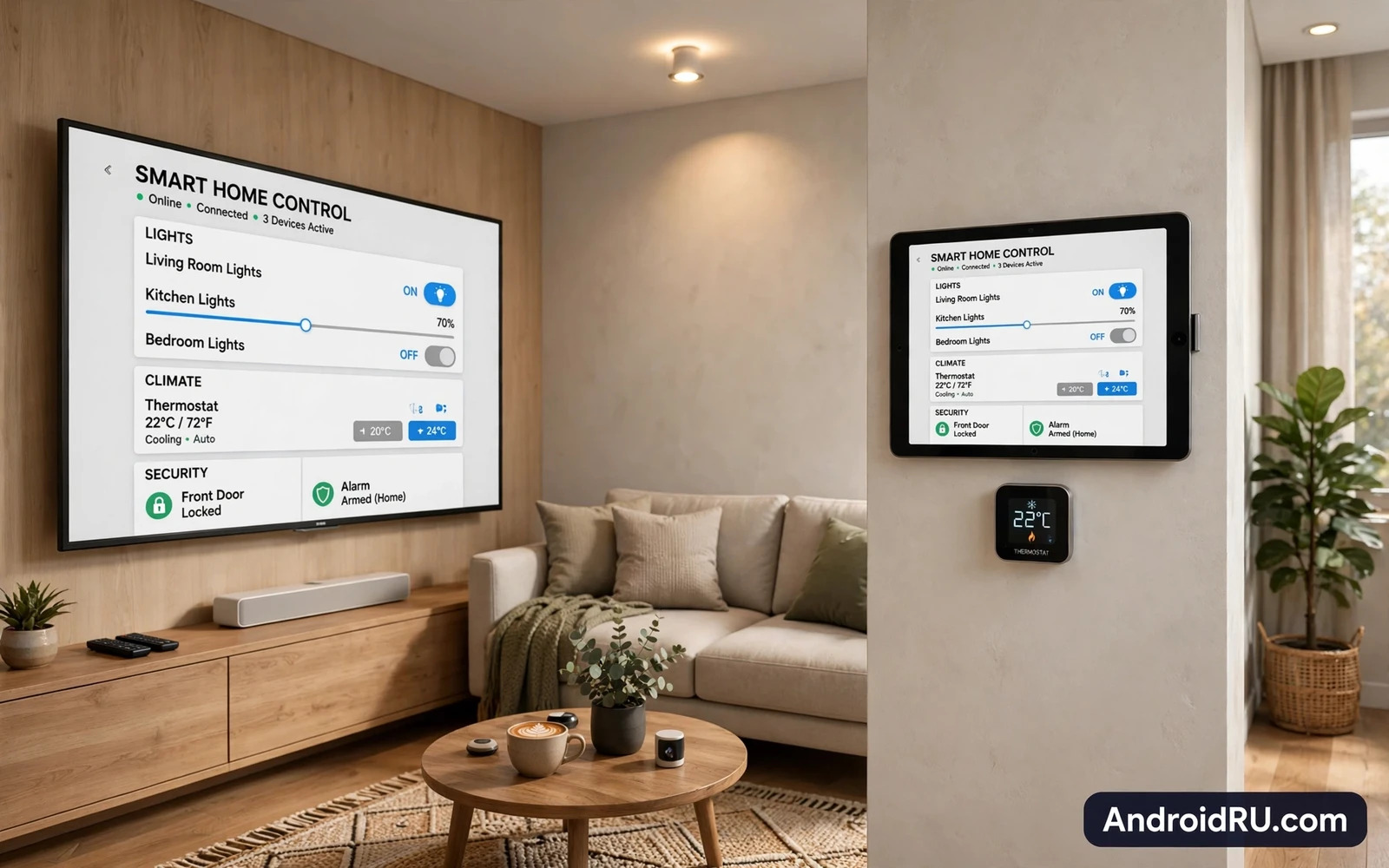
A smart home needs a control point that the whole family can understand and Android offers two strong answers in the television and in a dedicated tablet. Android TV puts control on the largest screen in the house where status and cameras and routines stay visible. A dedicated tablet puts control in the hand where taps feel instant and personal. The right choice depends on who controls the home and where they stand when they need to act. A household with a central living room may love the television hub while a household with many rooms may prefer a tablet that travels. Both approaches can work well when setup and permissions receive proper attention.
This article explains smart home control hubs Android TV vs dedicated tablets in plain language and it focuses on practical choices rather than on marketing claims. Many buyers regret a purchase because they chased one impressive number while ignoring weight and grip and screen readability in the conditions where they live. Software support shapes the long term value of a device because security fixes and stability fixes and compatibility fixes keep a good device useful after newer models arrive. Clear controls and readable text and predictable menus help every user and they help older users and busy users and users in bright light most of all.
Android TV As A Family Hub
A television hub works because everyone already looks at the screen and everyone already knows the remote. Lights and cameras and door status can appear as large tiles that are readable from a sofa. Voice control through the television remote adds hands-free control during cooking or cleaning when hands are busy. A sensible buyer compares total ownership cost rather than launch price alone because accessories and repairs and replacements and subscriptions all add to the real cost. Accessories can transform a good device into a great setup but only when they fit well and stay attached and do not block ports or buttons or cooling vents. The best choice is rarely the most expensive option and rarely the cheapest option because balance across comfort and speed and support matters more than any single highlight. Battery behaviour changes with heat and with age and with usage patterns so a fair judgement needs weeks of normal use rather than a single first impression. Privacy settings deserve the same attention as hardware because microphones and cameras and location data all need clear controls that a normal person can actually find. If the budget question feels unresolved then Smart TVs with Google TV vs Android TV OS Differences offers a clear look at where mid-range value actually comes from in practice.
Dedicated Tablets As Personal Hubs
A tablet hub travels from kitchen to bedroom and it responds to touch instantly without turning on a large screen. Personal dashboards can differ by user so children see lights while adults see locks and cameras. A wall mounted tablet gives the best of both worlds because it stays fixed and visible yet responds like a handheld device. Comfort during long sessions is a practical test and not a luxury because eye strain and neck strain and hand fatigue all grow when a device fights the user. A calm buying process beats a rushed one because a short wait for reviews and for price history and for software feedback often prevents an expensive mistake. Before spending money it helps to list the three tasks that matter most and to judge every option against those tasks rather than against a long list of extras. A sensible buyer compares total ownership cost rather than launch price alone because accessories and repairs and replacements and subscriptions all add to the real cost. Accessories can transform a good device into a great setup but only when they fit well and stay attached and do not block ports or buttons or cooling vents.
Speed And Reliability Compared
A tablet usually reacts faster because its screen is already awake or wakes with one tap. A television hub may need the television to switch input or wake from standby before control appears. Network reliability matters for both because a hub that loses Wi-Fi at a critical moment will frustrate even patient users. Charging speed and battery health pull in opposite directions and the smartest designs balance fast top ups with gentle charging when time allows. Testing a device in a shop for a few minutes rarely reveals how it behaves after a long day of real notifications and travel and media playback. Compatibility deserves a careful check because a device that works well with one phone or one account or one home system may struggle with another setup. Comfort during long sessions is a practical test and not a luxury because eye strain and neck strain and hand fatigue all grow when a device fights the user. A calm buying process beats a rushed one because a short wait for reviews and for price history and for software feedback often prevents an expensive mistake. The notes at Best Android TV Streaming Boxes for 4K Playback complement this article by showing how display quality and battery life interact during heavy daily use.
Cameras Doorbells And Security
Camera feeds look better on a television because the large screen shows detail from across a room. A tablet shows cameras well too and it adds portability for checking a doorbell from bed. Security controls need strong authentication on both options so a guest cannot disarm a system from a shared screen. Many buyers regret a purchase because they chased one impressive number while ignoring weight and grip and screen readability in the conditions where they live. Software support shapes the long term value of a device because security fixes and stability fixes and compatibility fixes keep a good device useful after newer models arrive. Clear controls and readable text and predictable menus help every user and they help older users and busy users and users in bright light most of all. Charging speed and battery health pull in opposite directions and the smartest designs balance fast top ups with gentle charging when time allows. Testing a device in a shop for a few minutes rarely reveals how it behaves after a long day of real notifications and travel and media playback.
Voice Control And Routines
Routines tie lights and temperature and media into one command and both hub types support routine triggers. Voice works best when microphones hear clearly and when the system confirms actions aloud or on screen. A failed routine without feedback leaves users unsure whether lights changed or a lock engaged. A feature that looks strong on a specification sheet can still feel weak in daily use when software polish and battery behaviour and heat control are missing. A device that is easy to set up and easy to charge and easy to carry will get used far more often than a powerful device that feels awkward in daily life. Future proofing is not about chasing every new standard and it is about choosing open connections and proven formats that will still work with the next phone you buy. Many buyers regret a purchase because they chased one impressive number while ignoring weight and grip and screen readability in the conditions where they live. Software support shapes the long term value of a device because security fixes and stability fixes and compatibility fixes keep a good device useful after newer models arrive. To see how another category handles comfort and performance and price together visit Best Wear OS Apps to Extend Your Smartwatch Capabilities and note the points that overlap with this topic.
Permissions For Family And Guests
Shared hubs need user profiles or restricted dashboards so children and guests cannot change security settings. Tablets support app pinning and restricted profiles more flexibly than televisions in many setups. Clear permission design prevents accidental changes and it keeps the smart home calm rather than chaotic. Small design decisions add up over months of use and a comfortable fit or a clear display or a reliable connection can matter more than a headline feature. Durability is about more than surviving a drop because hinges and ports and buttons and coatings all wear down through repeated daily handling. A product that receives regular updates and honest changelogs is usually a safer long term bet than a flashier product that goes quiet after launch. A feature that looks strong on a specification sheet can still feel weak in daily use when software polish and battery behaviour and heat control are missing. A device that is easy to set up and easy to charge and easy to carry will get used far more often than a powerful device that feels awkward in daily life.
Cost Setup And Maintenance
A television hub costs little extra when a television already exists in the main room. A dedicated tablet adds purchase cost and charging management and wall mount cost. Maintenance differs too because a tablet needs updates and charging care while a television hub mainly needs app updates and network care. Real world performance depends on the whole system working together and a strong processor cannot rescue weak cooling or weak antennas or weak power management. When two devices look similar on paper the difference often sits in sensor quality and in microphone quality and in antenna tuning that never appears in a short advertisement. The right question is not which device wins a benchmark and it is which device stays fast and cool and reliable during the tasks that you actually repeat every day. Small design decisions add up over months of use and a comfortable fit or a clear display or a reliable connection can matter more than a headline feature. Durability is about more than surviving a drop because hinges and ports and buttons and coatings all wear down through repeated daily handling. Another angle on value and longevity appears at Top Android Devices with Built-In IR Blasters for Remote Control and it pairs well with the checklist near the end of this article.
Quick Checklist Before You Decide
- Decide whether control happens mainly in one room or across the whole home.
- Test camera feeds and lock controls from the sofa and from bed before committing.
- Set restricted dashboards so guests cannot change security settings.
- Check Wi-Fi strength at the television and at the planned tablet location.
- Test voice routines and confirm that actions give clear feedback.
- Plan charging or wall power for any tablet that serves as a fixed hub.
Final Thoughts
Buyers who win in the long run are buyers who match the device to their routine and not to a trend. Think about light and noise and travel and charging habits before choosing. Then pick the model with the strongest support and the most honest design for those conditions. That method rarely produces regret and it often saves money that a flashier choice would have wasted.

