

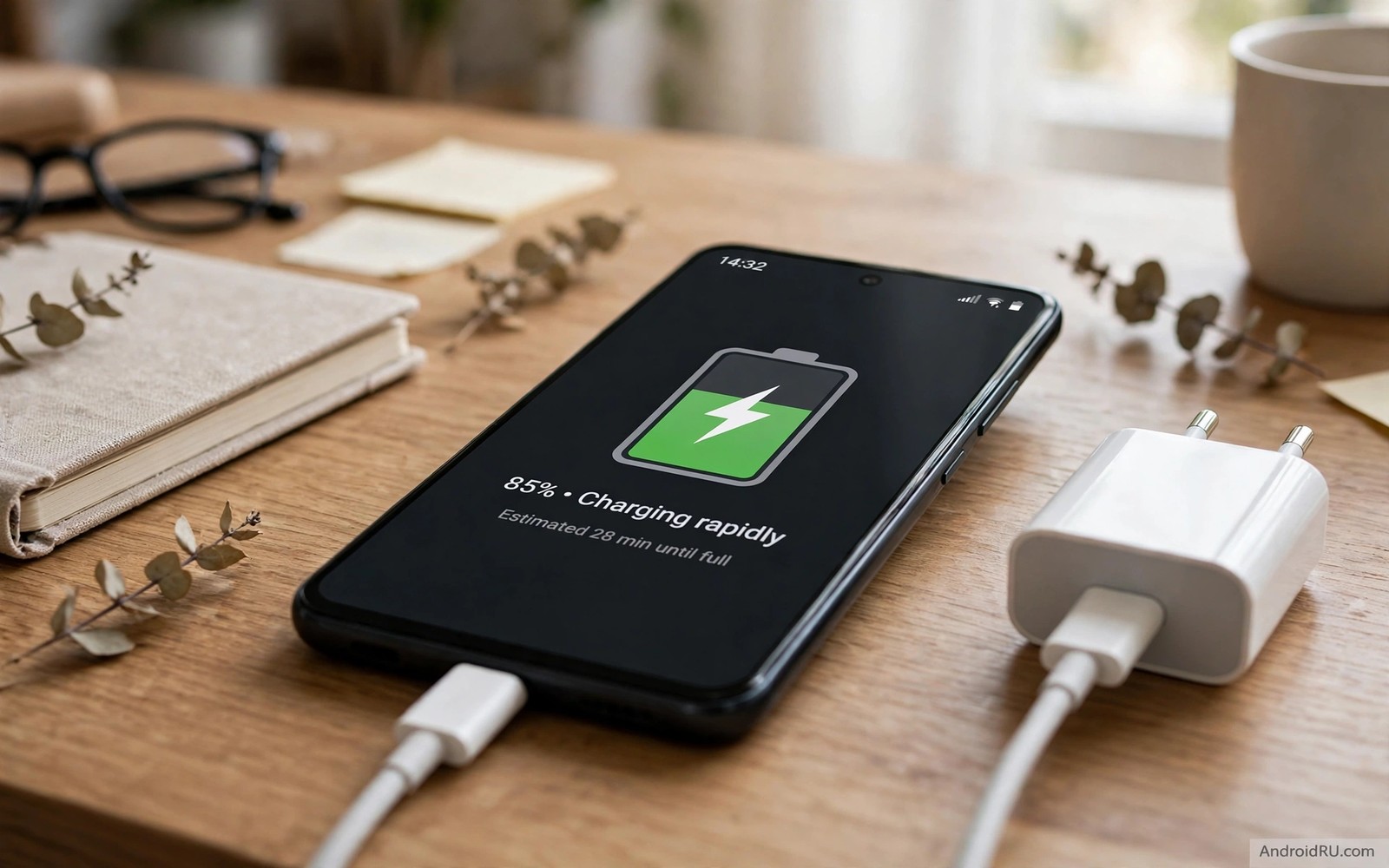
Fast charging changed how owners think about power. A dead phone reaches half charge during a coffee break. That convenience tempts owners to fast charge every time without thinking. Speed has a cost in heat and chemical stress. Used wisely fast charging is safe. Used carelessly every day it shortens battery life noticeably.
Battery ageing follows heat and voltage stress and time at extreme charge levels. Fast charging increases the first two. Charging habits control the third. Small changes to when and how you fast charge can preserve years of battery health. The goal is not to abandon fast charging. The goal is to use it as a tool rather than as a default.
The five mistakes in this guide each add stress that a simple habit removes. None requires giving up speed entirely. Each offers a slower alternative for routine charging and a fast option for genuine urgency. That balance also helps when you judge cheap charging cables because good power gear and good habits protect the battery together.
Mistake one: fast charging to full every single time
Fast charging delivers the most stress near full charge because the battery accepts current less efficiently at high levels. Charging from empty to half quickly is relatively gentle. Charging from eighty to full quickly generates more heat per percent. Routine fast charging to full combines the worst of both phases daily.
Use fast charging for the bulk phase and slow charging for the top phase when time allows. Better still stop routine charging at eighty percent for daily use. A phone charged to eighty percent daily lasts far longer than a phone charged to full daily. Reserve full charges for travel days when maximum stamina truly matters.
Many phones offer a battery protection setting that caps charging at eighty or eighty-five percent. Turn it on for daily use. The slightly shorter daily range is barely noticeable. The extra months of battery health are very noticeable when the phone ages.
Mistake two: fast charging while gaming or navigating
Using a phone heavily while fast charging stacks two heat sources. The processor generates heat from gaming or navigation. The battery generates heat from fast charging. Combined heat pushes temperatures higher than either source alone. Sustained combined heat ages the battery fastest of all common habits.
Pause demanding apps during a fast charge or switch to slow charging while using the phone. A navigation session on slow charging stays cooler than the same session on fast charging. A gaming session should wait until charging finishes. That pause costs minutes and saves months of battery life.
Remove the case during fast charging when the phone feels warm. A thick case traps heat against the battery. Open air lets heat escape. A phone that stays cool during charging ages slower regardless of charger speed. Temperature is the variable that matters most.
Mistake three: using mismatched chargers and cables
Fast charging relies on negotiation between phone and charger and cable. A mismatched charger may deliver power the phone did not request efficiently. A thin cable adds resistance that becomes heat. A charger from an unknown maker may lack proper safeguards. Each mismatch adds stress that a matched set avoids.
Use the charger and cable rated for your phone fast charging standard. Check the rated power on both items and match them to the phone specification. A cable rated below the charger becomes the weak link. Replace worn cables promptly because internal damage increases resistance and heat.
Public chargers deserve caution as well. A high-power public charger may push fast charging when slow charging would suit a long stop. Carry your own charger for predictable behaviour. Your own matched set removes guesswork from every charge.
Mistake four: charging overnight on fast power
Overnight charging on a fast charger wastes the speed advantage completely. The phone reaches full in an hour and then sits at full for hours. Time at full charge stresses battery chemistry continuously. A slow charger overnight reaches full near morning with far less time at the top.
Use a slow charger by the bed and reserve the fast charger for daytime top-ups. Some phones learn your wake time and delay the final charge phase until morning. Enable that adaptive charging feature when available. It turns overnight charging from a stressor into a gentle routine.
Avoid charging under pillows or blankets overnight. Trapped heat during a long charge compounds the stress of time at full charge. Charge on a hard open surface with air around the phone. That placement alone lowers overnight battery temperature measurably. The same overnight caution applies to a battery that behaves like it needs replacement because bedside charging combines heat and time at full.
Mistake five: ignoring heat warnings and swelling signs
Phones warn about temperature for a reason. A phone that feels hot during fast charging is signalling stress. Continuing to fast charge through heat warnings accelerates damage. Unplug and let the phone cool before resuming. A short cooling break protects the battery far more than uninterrupted speed.
Watch for swelling signs such as a screen lifting or a back panel bulging. Swelling after months of aggressive fast charging means the battery needs replacement. Stop fast charging a swollen phone entirely. Seek professional replacement promptly because swelling is a safety issue. That watchfulness also catches charging a phone next to your bed because a failing battery announces itself early.
Track battery health monthly if your phone reports it. A steady decline faster than expected suggests charging habits need adjustment. Early adjustment preserves remaining capacity. Late adjustment after severe degradation cannot restore what heat already took.
A balanced charging routine
Daily routine: slow charge overnight to eighty percent with adaptive charging on. Daytime routine: fast charge only when time is short and the phone is cool. Travel routine: fast charge to full when stamina matters and accept the trade-off knowingly. That three-part routine gives speed when needed and gentleness when possible.
Daily > Slow charge to 80 percent
Urgent > Fast charge while cool and idle
Travel > Fast charge to full knowingly
Never > Fast charge hot or under covers
The routine above was written for this article to balance speed with longevity in daily life. It treats fast charging as a tool for urgency rather than a default for every charge. Follow it for a month and check battery health again. The slower decline will show in the numbers over time.
Check battery health without extra apps
Built-in battery settings show enough health information for most owners without any extra app. Open battery settings and look for health status or capacity percentage when your phone offers it. Note the figure monthly in a simple note. A slow steady decline is normal ageing. A sudden drop after a habit change points at that change.
Battery usage screens show which apps consume the most power. An app with high background use may be heating the battery during charging. Restrict that app and watch health stabilise over the following month. Health numbers move slowly so judge trends over months rather than days.
Avoid third-party battery health apps that demand broad permissions for a number the system already provides. Those apps add background work that itself drains the battery they claim to monitor. Built-in figures plus your own monthly note give a cleaner picture without extra access or ads.
Common mistakes
The biggest mistake is fast charging from habit rather than need. Speed feels free because it costs no money. It costs battery life silently instead. Ask whether you truly need speed before plugging in the fast charger. Most charges do not need it.
Another mistake is judging chargers by wattage alone. Higher wattage without proper negotiation and cooling harms more than it helps. A matched charger at moderate power beats a mismatched charger at maximum power. Match the standard rather than chasing the number.
People also leave battery protection settings off because they want maximum range daily. Maximum range daily trades months of future range for minutes of present range. Protection settings preserve the range you will need next year. Turn them on and forget them.
Finally avoid charging a hot phone immediately after heavy use. Let it cool for ten minutes first. A cooling pause before charging removes stacked heat. That pause is the cheapest battery protection habit available.
Frequently asked questions
Does fast charging ruin batteries on its own?
No when used sensibly with proper equipment and cooling. Modern phones manage fast charging with thermal controls. Damage comes from combining fast charging with heat and full charges and heavy use daily. Sensible habits keep fast charging safe for the phone lifetime.
Should I stop fast charging completely?
No. Fast charging is a valuable tool for urgent situations. Use it when time matters and the phone is cool and idle. Use slow charging for routine overnight and desk charging. Balance beats abstinence because it preserves both convenience and longevity.
Is wireless fast charging worse than wired?
Wireless charging generates more heat than wired at the same power because of energy loss in transfer. Wireless fast charging therefore deserves extra cooling care. Remove the case and ensure good alignment. Wired charging stays the cooler choice for routine fast top-ups.
Conclusion
Five fast charging mistakes turn a convenient tool into a battery killer. Charging to full fast daily and using the phone while fast charging and mismatched gear and overnight fast charging and ignoring heat each add stress. Balanced routines with slow overnight charging and fast charging only when needed preserve longevity.
Your concrete next step is to turn on battery protection to cap daily charging at eighty percent tonight. Then move the fast charger to your bag for urgent use only. That pair of changes starts protecting your battery immediately. Review battery health again after one month to see the slower decline that balanced charging delivers.

