

Xiaomi MIX Fold 3 Review: Portability, Performance and Battery
The Xiaomi MIX Fold 3 arrived in China on 14 August 2023 as Xiaomi’s third book-style foldable, and it arrived with a clear brief: make a folding phone that feels like a normal phone when closed and a small tablet when open, without the usual weight and thickness penalty. At 255 g in its lightest configuration and 10.9 mm thick when folded, it was one of the slimmest large foldables of its year, and it paired that slim body with a Snapdragon 8 Gen 2 chip, a quad Leica camera system with two separate telephoto lenses, and a 4,800 mAh battery with 67 W wired and 50 W wireless charging. This Xiaomi MIX Fold 3 review looks at how those three promises in the title — portability, performance and battery — hold up in everyday use, and where the phone still asks its owner to accept compromises.
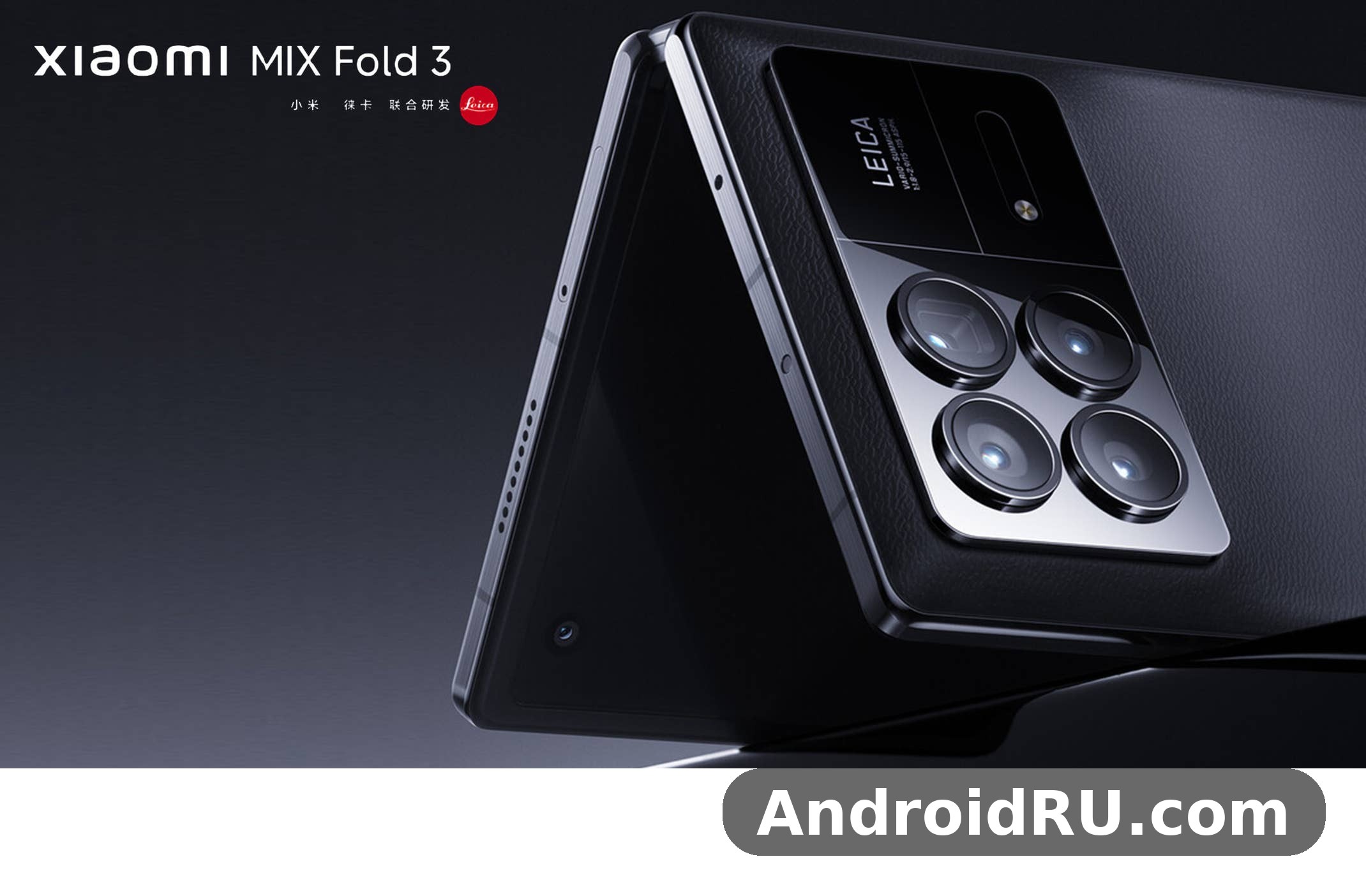
A foldable lives or dies on the basics. If the cover screen is too narrow to type on, the phone stays open all day and the battery pays for it. If the hinge creaks or the inner screen shows a deep crease, the novelty wears off in a week. If the cameras are an afterthought, the flagship price feels hard to justify. The MIX Fold 3 was designed to answer each of those worries head-on, with a 6.56-inch cover display in a normal 21:9 shape, a redesigned hinge that folds flat, and a camera system that borrows its lenses and colour science from Leica. It was also a China-only release, which shapes everything about buying one today: there was no official global launch, no official global warranty, and the software shipped in China with MIUI Fold on Android 13 before later moving to HyperOS.
Readers looking at this phone in 2026 are usually doing one of three things. Some are comparing it with its successor, and the Xiaomi MIX Fold 4 Review: Foldable Design and Everyday Performance is the natural next stop for that comparison. Some are weighing it against the older model it replaced, which is covered in our look at the previous generation. And some simply want a big-screen phone for reading, video and split-screen work that still fits in a jacket pocket. This article covers all three angles: design and portability first, then the two screens, performance, cameras, battery, software and the full specification table, so you can judge the phone on facts rather than on the folding trick alone.
Xiaomi MIX Fold 3 Design and Portability: Thin, Light and Built to Fold
Portability is the first thing you notice about the MIX Fold 3, and it is the area where Xiaomi made its biggest jump over the MIX Fold 2. Folded, the phone measures 161.2 x 73.5 x 10.9 mm. Open, it measures 161.2 x 143.3 x 5.3 mm. That 5.3 mm open thickness is genuinely thin — thinner than many ordinary slab phones — and the folded 10.9 mm thickness is close enough to a conventional flagship that the phone slides into a trouser pocket without the wedge shape that made early foldables feel awkward. The Xiaomi MIX Fold 3 weight and thickness comparison with its rivals is favourable: at 255 g with the aramid fibre back (259 g with the glass back), it is heavy for a slab phone but light for a device that opens into an 8.03-inch tablet, and the weight is spread evenly enough that it does not feel top-heavy when held open with one hand.
The frame is aluminium, the folded front is glass, the unfolded inner surface is plastic over the flexible panel, and the back is either glass or aramid fibre depending on the version. The aramid fibre version is the lighter one and the one most buyers in China chose for daily carry, because it shaves those 4 g and adds a textured grip that resists fingerprints far better than glossy glass. The Xiaomi MIX Fold 3 aramid fiber back design also gives the phone a quieter, more understated look than the glossy black and gold finishes of the glass versions, and it pairs well with the slim camera housing, which sits in a rounded rectangular module on the upper left of the back. Colours were Black and Gold at launch, both sober choices that suit a productivity device rather than a fashion statement, and the Xiaomi MIX Fold 3 colors stayed limited to those two options throughout its China sales life.
Open the phone and the first thing that strikes you is how flat it sits. The hinge closes with no visible gap, so dust has less room to work its way in, and the two halves meet cleanly along the spine. The hinge supports several angles for half-open use, which matters for video calls and for watching video with the phone propped on a table, and it holds its position without drifting. The crease down the middle of the inner display is still there if you look for it at an angle or run a finger across it, as it is on every foldable of this generation, but it is shallow and it fades from view during normal use, especially with bright content on screen. For a phone that folds and unfolds dozens of times a day, that matters more than any single specification number.
Folded Versus Unfolded: Two Phones in One Pocket
Folded, the MIX Fold 3 behaves like a tall, narrow slab phone. The 6.56-inch cover screen is wide enough for comfortable typing with two thumbs, for reading messages without constant scrolling, and for quick camera shots without opening the device. Unfolded, it becomes a small tablet with a nearly square 8.03-inch canvas that suits reading documents, editing photos, watching video with a companion panel, and running two apps side by side. The switch between the two is instant: open the phone and the app you were using continues on the larger screen, and close it and the same app returns to the cover display. That continuity is the whole point of a book-style foldable, and Xiaomi’s software handles it without the relaunch or layout jump that spoiled early folding phones.
The practical test of portability is not the specification sheet but the pocket test. At 10.9 mm folded, the MIX Fold 3 is about as thick as two ordinary phones stacked with a case, and at 255 g it is noticeably heavier than a 190 g slab, so you feel it in a shirt pocket and you notice it in a light jacket. In a jeans pocket or a bag, though, it disappears in the same way any large phone does, and the flat fold means it does not rock or catch on pocket seams. For commuters, the folded form is the default: quick checks, calls and messages on the cover screen, with the big screen reserved for the train seat or the desk. For readers and note-takers, the open form is the reward, and the phone earns its weight the moment a document or a comic page fills the 8-inch panel.
Xiaomi MIX Fold 3 Hinge Durability and the IPX8 Rating
A folding phone is only as good as its hinge, and the Xiaomi MIX Fold 3 hinge durability test results reported by reviewers at the time were encouraging: the hinge felt tight and consistent after weeks of use, with no wobble when the phone was half open and no gritty feeling in the mechanism. Xiaomi redesigned the hinge for this generation with fewer parts and a slimmer profile, which is part of how the phone got so thin, and the flat-fold design keeps the two halves parallel so pressure is spread evenly across the inner panel. No hinge is immortal, and any foldable needs more care than a slab — keep sand and grit away from the mechanism, do not press hard on the inner screen, and use a case that protects the hinge area — but the MIX Fold 3 hinge was widely regarded as a step forward from the MIX Fold 2, and the Xiaomi MIX Fold 2 Review: Screens, Hinge and Battery Life shows how much slimmer and more refined the new model feels by comparison.
The phone also carries an IPX8 rating, which is rare and valuable on a foldable. The Xiaomi MIX Fold 3 IPX8 water resistance test context matters here: IPX8 means the device can survive immersion in water under defined conditions, but the X means there is no certified dust resistance rating, so water is covered and dust is not. In practice, that means rain, splashes and an accidental dip are far less frightening than on earlier foldables, while dust, sand and grit still deserve caution. The rating was a genuine achievement for a folding phone in 2023, and it removed one of the biggest reasons many buyers had avoided foldables. It does not make the phone a swimming companion, and the inner screen should still be dried carefully if it gets wet, but for everyday weather it is a meaningful safety net.
How the MIX Fold 3 Compares With the First Mi Mix Fold
The first folding phone in this family, the original Mi Mix Fold, was a much chunkier device, and the distance travelled in two generations is easy to see in the hand. The original was thick, heavy and let down by a narrow cover screen; the MIX Fold 3 is slim, flat-folding and usable closed. That progress is worth remembering when judging the price, because the MIX Fold 3 was not a small refinement — it was the generation where Xiaomi’s foldable stopped feeling like a prototype and started feeling like a daily phone. The Xiaomi Mi Mix Fold Review: Portability, Performance and Battery gives the full picture of where the line started, and it makes the thinness and the cover-screen usability of the MIX Fold 3 stand out all the more clearly.
Xiaomi MIX Fold 3 Foldable Display and Cover Screen
The MIX Fold 3 has two displays, and both are good enough to be the main screen of a flagship phone on their own. The inner panel is an 8.03-inch Foldable LTPO OLED+ display with a resolution of 1916 x 2160 pixels, a 120 Hz adaptive refresh rate, HDR10+ and Dolby Vision support, 1 billion colours, and a peak brightness of 1,300 nits. The Xiaomi MIX Fold 3 foldable display review consensus at launch was that this panel is bright, sharp and colour-rich, with deep blacks and smooth scrolling thanks to the LTPO backplane, which can drop the refresh rate when the content is static and raise it to 120 Hz when you scroll or play games. The nearly square shape suits reading and multitasking more than it suits video, where black bars appear at the top and bottom, but for documents, web pages and split-screen apps it is the right shape.
The cover display is a 6.56-inch AMOLED panel with a resolution of 1080 x 2520 pixels, a 120 Hz refresh rate, HDR10+ and Dolby Vision, and a peak brightness of 2,600 nits — brighter on paper than the inner panel, which makes it easy to read in direct sunlight. The Xiaomi MIX Fold 3 cover display size review angle is simple: at 21:9 and 6.56 inches, this is a normal phone screen, not a cramped strip, and the Xiaomi MIX Fold 3 Gorilla Glass Victus 2 cover protection keeps it resistant to scratches and drops in daily use. Typing, browsing and photography all work properly on the cover screen, which means the inner screen becomes a choice rather than a necessity, and that choice is what saves battery and keeps the phone feeling normal for most of the day.
Both screens support HDR video, and the combination of Dolby Vision and stereo speakers makes the open phone a capable portable cinema for flights and hotel rooms. Colour tuning is vivid by default, as Xiaomi tends to prefer, with a more restrained natural mode in settings for photo editing and reading. The inner panel’s measured maximum brightness in independent testing was around 1,277 nits, close to the claimed peak, which is strong for a foldable and means outdoor reading on the big screen is practical. The crease is visible at oblique angles under reflected light, and the plastic surface of the inner panel is softer than glass, so it needs a lighter touch and the factory-fitted screen protector should be left in place. Those are the standing trade-offs of every foldable panel, and the MIX Fold 3 handles them about as well as any phone of its year.
The Xiaomi MIX Fold 3 display setup is unusual in a good way: two flagship-grade panels instead of one good panel and one compromise, so whichever screen you use feels like the main screen of a premium phone.
The Inner 8.03-Inch Panel for Reading and Multitasking
Open the phone to read a long article and the advantage is immediate: more words per line, less scrolling, and a page that feels closer to a paperback than a phone. The 1916 x 2160 resolution works out to roughly 360 pixels per inch, which is sharp enough that text looks crisp at normal reading distance, and the LTPO refresh rate keeps scrolling smooth without draining the battery at full speed all day. Split-screen apps sit side by side with room to spare, and a floating window can sit on top for messages or a calculator without covering the whole workspace. For students and office workers who read PDFs, mark up documents or compare two web pages, this is the single best reason to choose a foldable over a slab phone.
The 6.56-Inch Cover Display for Everyday Use
The cover display deserves as much praise as the inner one, because it is the screen you use most. It wakes quickly, it is bright enough for a sunny street, and its 21:9 shape means apps render exactly as their developers intended, with no squashed layouts or missing buttons. The fingerprint sensor sits in the side power button, so unlocking from the cover screen is a single natural thumb press, and the 20 MP cover camera sits in a small punch hole that stays out of the way. If you only ever used this phone closed, you would still have a very good phone — and that is the test a foldable has to pass before its big screen can be called a bonus rather than a crutch.
Xiaomi MIX Fold 3 Performance: Snapdragon 8 Gen 2 in Daily Use
Performance is the least controversial part of this phone. The Xiaomi MIX Fold 3 Snapdragon 8 Gen 2 performance story is straightforward: the chip is Qualcomm’s SM8550-AC, the higher-clocked version of the Snapdragon 8 Gen 2, built on a 4 nm process, with an octa-core CPU led by a 3.36 GHz Cortex-X3 prime core, two 2.8 GHz Cortex-A715 cores, two 2.8 GHz Cortex-A710 cores and three 2.0 GHz Cortex-A510 efficiency cores, plus an Adreno 740 GPU. In independent benchmark testing at the time, the phone scored around 1.23 million in AnTuTu v9 and around 1.53 million in AnTuTu v10, with Geekbench scores in the region of 4,800 in v5.5 and 5,300 in v6.0. Those numbers put it firmly in the flagship class of 2023, and more importantly they translate into a phone that opens apps instantly, keeps a dozen apps in memory, and edits large photos without stutter.
Heat is the question that follows any thin flagship, and the MIX Fold 3 handles it sensibly. The large unfolded body gives heat room to spread, and the phone sustains demanding games far better than a slim slab with the same chip. It will still warm up during a long gaming session or a 4K video export, and sustained peak performance will ease back as the phone manages temperature, as every phone does, but everyday use — browsing, messaging, maps, streaming and photography — stays cool and fast. The Snapdragon 8 Gen 2 chip also brings efficient 5G, Wi-Fi 7 support and the image processing headroom the Leica camera system needs for its computational photography modes.
For context, the same generation of Xiaomi slab flagships used the same chip family, and the Xiaomi 12 Review: Build Quality, Software and Daily Speed shows how Xiaomi tuned its software for smooth daily speed on its premium phones of that era. The MIX Fold 3 benefits from the same approach: animations are quick, app launches are snappy, and the extra RAM in the higher configurations keeps multitasking fluid. There is no sense that the folding hardware holds the chip back; if anything, the larger body helps it.
Xiaomi MIX Fold 3 Gaming Performance Test Notes
The Xiaomi MIX Fold 3 gaming performance test picture is strong. Demanding games run at high settings on the inner display, and the large screen gives more room for on-screen controls without covering the action. The Adreno 740 GPU handled the graphics benchmarks of the day at around 74 fps in GFXBench ES 3.1 onscreen testing, and in real games the phone holds smooth frame rates for long sessions, with the big panel staying comfortable to hold for a game or two. The cover display is the better choice for competitive games where thumbs need to reach controls quickly, while the inner display suits slower strategy games, racing games and anything where a bigger view helps. Battery drain during gaming is real — an hour of heavy gaming takes a visible chunk out of the 4,800 mAh cell — but that is true of every flagship, and the fast charging makes topping up between sessions quick.
Thermal Behaviour During Long Sessions
During long sessions the phone warms most around the upper half of the folded body, near the chip and the camera module, and the warmth spreads evenly rather than concentrating in one hot spot. Opening the phone helps, because the larger surface area sheds heat faster than the folded form. If you play for an hour or more, a short break or a lower graphics setting keeps frame rates steadier than chasing the maximum setting through a thermal limit, and the phone’s own performance modes in settings let you choose between balanced and performance profiles rather than leaving the decision to the chip alone.
RAM and Storage: 12 GB or 16 GB With UFS 4.0
Memory options are generous: 256 GB of storage with 12 GB of RAM, 512 GB with 16 GB of RAM, and 1 TB with 16 GB of RAM, all using UFS 4.0 storage. The Xiaomi MIX Fold 3 UFS 4.0 storage speed advantage shows up in app installs, large file copies and loading big games, where the faster flash cuts waiting time noticeably compared with the previous generation’s storage. There is no microSD card slot, so the storage you buy is the storage you keep, and the 1 TB version is the sensible pick if you shoot a lot of 8K video or keep a large offline media library. The Xiaomi MIX Fold 3 1TB storage variant price was the highest of the range at launch, as expected, and it is the version collectors and heavy media users still seek on the second-hand market. The Xiaomi MIX Fold 3 storage choice matters more than usual on this phone because the big screen invites big files: long videos, large documents and high-resolution photo libraries all grow faster when the device doubles as a tablet.
What 16 GB of RAM Means for Split-Screen Work
Sixteen gigabytes of RAM is more than most phones need for single apps, but it earns its keep on a foldable. With two apps on screen and a third in a floating window, plus a browser with a dozen tabs in the background, the extra memory keeps everything resident instead of reloading. The 12 GB base version is still comfortable for ordinary multitasking, and most buyers will not feel the difference day to day, but if you plan to keep the phone for years and use the big screen for real work, the 16 GB configurations are the safer long-term choice.
Xiaomi MIX Fold 3 Camera Review: Leica Lenses and Two Zooms
The camera system is where the MIX Fold 3 separates itself from most foldables of its year, which usually settled for a modest main sensor and a single zoom. Xiaomi fitted four rear cameras, all with Leica lenses and Leica colour science, and the headline is that there are two telephoto lenses instead of one. The Xiaomi MIX Fold 3 camera review Leica angle is not just branding: the Leica Authentic and Leica Vibrant modes change the look of photos in a visible way, with Authentic giving muted, contrasty, film-like tones and Vibrant giving the punchy colour most phone buyers expect. The main camera is a 50 MP wide lens at f/1.8 and 23 mm, with a 1/1.49-inch sensor, 1.0 µm pixels, phase-detection autofocus and optical image stabilisation, and it is the camera you will use for most shots.
Alongside it sit a 10 MP telephoto at 75 mm with 3.2x optical zoom, a 10 MP periscope telephoto at 115 mm with 5x optical zoom, and a 12 MP ultrawide at 15 mm with a 120-degree field of view. Both telephoto lenses have optical image stabilisation, which matters at long focal lengths, and the periscope design is what lets a 5x zoom fit inside a 5.3 mm-thick open body. The ultrawide doubles as a close-up camera for near subjects, and the whole array is backed by a colour spectrum sensor and an LED flash. Video reaches 8K at 24 fps, 4K at up to 60 fps, and slow-motion 1080p at up to 960 fps, with Dolby Vision HDR video on the main camera. For a full view of how Xiaomi’s camera tuning evolved on its slab flagships of the same period, the Xiaomi 12 Pro Review: Cameras, Performance and Battery Life is a useful companion read, because it shows the same emphasis on colour, speed and low-light performance in a conventional body.
In daylight the main camera produces detailed, well-exposed images with natural skin tones in Leica Authentic mode and livelier colour in Vibrant mode. Dynamic range is wide, highlights hold detail, and the large sensor gives a gentle background blur for close subjects without needing portrait mode. At night the main camera leans on its large sensor and stabilisation to keep shutter speeds low and noise controlled, and night mode brightens shadows without turning the scene into daylight. The phone is not a magic low-light camera — very dark scenes still need a steady hand and a second or two of patience — but for city streets, restaurants and evening portraits it is firmly in the flagship class.
Main Camera and Leica Colour Modes
The 50 MP main sensor shoots pixel-binned 12.5 MP images by default, which is the right choice for most situations, and a full-resolution 50 MP mode is available for scenes with fine detail such as landscapes and architecture. Leica Authentic mode is the more interesting of the two colour profiles: it keeps contrast high, saturation restrained and shadows deep, which suits street photography and portraits with character. Leica Vibrant mode lifts saturation and brightness for social media and travel shots. Neither mode is objectively right, and switching between them is a one-tap choice in the camera app, so the best approach is to try both on the same scene and see which matches your taste. The Xiaomi MIX Fold 3 portrait mode camera test results from reviewers at the time praised the natural background blur and the accurate edge detection around hair and glasses, with the 75 mm telephoto giving a flattering perspective for head-and-shoulders portraits.
Two Telephoto Lenses: 3.2x and 5x Optical Zoom
Having two zooms changes how you shoot. The 3.2x telephoto at 75 mm is the portrait lens and the everyday zoom for subjects a few metres away — a market stall, a child on a stage, a building detail — while the 5x periscope at 115 mm reaches subjects that are genuinely far away. The Xiaomi MIX Fold 3 periscope zoom 5x review findings were that the 5x lens holds detail well in good light, with stabilisation keeping the frame steady, and that digital zoom beyond 5x stays usable up to about 10x before softness and noise take over. Between 1x and 3.2x the phone crops from the main sensor, and between 3.2x and 5x it blends the two telephoto lenses, so the cleanest results come from shooting at the marked focal lengths rather than in between. For travel photography this dual-zoom setup is a real advantage over foldables with a single 3x lens, and it is one of the strongest reasons to choose the MIX Fold 3 over its rivals.
When to Use Each Zoom Length
Use the main camera for everything within a few steps, the 3.2x lens for portraits and subjects across a room or a street, and the 5x periscope for distant architecture, wildlife and stage performances. At night, prefer the main camera and step closer if you can, because the smaller telephoto sensors gather less light and night zoom shots lose detail faster than daylight ones. For video, the 3.2x lens is the steadier choice for walking shots, while the 5x lens suits static scenes on a tripod or a stable surface.
Ultrawide, Selfie Cameras and Video
The 12 MP ultrawide covers a 120-degree field of view, which is wide enough for interiors, landscapes and group shots without the heavy distortion of cheaper ultrawide lenses. Its smaller sensor means it is at its best in daylight, and it softens in the corners in low light, which is normal for this class of lens. The selfie setup is unusual: there are two 20 MP front cameras, one on the cover display and one on the inner display, both f/2.3 with a 23 mm wide field of view. The Xiaomi MIX Fold 3 video recording 8K test reports noted that 8K at 24 fps is available but best used sparingly — files are large, the phone warms up, and 4K at 30 or 60 fps with Dolby Vision HDR is the better everyday choice for quality, file size and editing. Selfie video reaches 1080p at 30 or 60 fps, which is adequate for calls and vlogs, and the clever trick is to use the rear cameras with the cover display as a viewfinder for selfies, which gives far better quality than either front camera.
Using the Rear Cameras for Selfies
Fold the phone, open the camera, and the cover display can show a live preview while the rear cameras do the shooting — a feature that turns the 50 MP main camera and the Leica colour modes into a selfie camera. It takes a moment to learn the gesture, but the quality jump over the 20 MP front camera is large, especially in low light, and for group selfies the ultrawide rear lens fits more people in frame. This is one of those foldable-only advantages that slab phones cannot copy, and it is worth trying on the first day you own the phone.
Xiaomi MIX Fold 3 Battery Life and 67W Charging
Battery life is the third promise in the title, and it is the one where the MIX Fold 3 has to fight its own hardware: two large, bright, high-refresh screens and a flagship chip in a thin body, powered by a 4,800 mAh battery. That capacity is larger than the 4,500 mAh cell in the MIX Fold 2, and it is respectable for a foldable, though smaller than the 5,000 mAh cells in many slab flagships of the same year. The Xiaomi MIX Fold 3 battery life test picture depends heavily on how you use the two screens: a day spent mostly on the cover display ends with charge to spare, while a day spent mostly on the big inner screen with video and split-screen work drains the cell noticeably faster. The Xiaomi MIX Fold 3 battery endurance rating 117h figure from independent lab testing — a composite rating covering calls, browsing, video and standby — puts it in solid flagship territory, and in real use most owners reported a full day with mixed use and a top-up before bed on heavy days.
The honest way to describe it is this: the MIX Fold 3 gets through a normal day comfortably, it gets through a heavy day with care, and it does not match the two-day stamina of the longest-lasting slab phones. The LTPO inner display helps, because its refresh rate drops when the content is static, and the cover display is the efficiency hero — every hour you spend on the small screen instead of the big one is battery saved. Brightness is the other lever: the inner panel at full brightness outdoors consumes far more than the same panel indoors, so automatic brightness and a sensible manual cap make a visible difference. The 4,800 mAh battery is a fair size for the hardware it feeds, and the fast charging is what turns a merely adequate battery into a practical one.
How Long the Battery Lasts in Real Use
On a mixed day — messages and calls on the cover screen, an hour of reading on the inner display, some photography, maps and streaming — the phone typically ends the day with 20 to 30 percent remaining, which is comfortable. On a heavy day with hours of inner-screen video, gaming and navigation, it can reach the evening with single digits, and that is when the fast charging earns its keep. Standby drain overnight is low, a few percent, and the phone’s battery management does a good job of keeping background apps in check without killing notifications. If you are coming from a slab phone with a 5,000 mAh or larger battery, expect to charge a little more often; if you are coming from an older foldable, the MIX Fold 3 is a clear step up.
Xiaomi MIX Fold 3 Charging Speed 67W Test and 50W Wireless
Charging is fast by any standard. The Xiaomi MIX Fold 3 charging speed 67W test figures from Xiaomi and from independent checks agree closely: 67 W wired charging with PD 3.0 and QC4 support takes the battery to 100 percent in about 40 minutes, with a very fast first half that gets you most of a day’s charge in roughly 15 to 20 minutes. The Xiaomi MIX Fold 3 wireless charging 50W test results are nearly as impressive: 50 W wireless charging reaches full in about 55 minutes with a compatible Xiaomi wireless charger, which is faster than many phones manage over a cable. That wireless speed matters on a foldable, because the phone spends a lot of its life sitting on a desk or a bedside table, and a fast wireless top-up between uses keeps the battery healthy through the day. There is no charger in the box in some markets, so check what is included before you buy, and use a charger that supports the full 67 W profile to get the quoted speeds — a generic 18 W charger will be far slower.
Xiaomi MIX Fold 3 Software: MIUI Fold, Multitasking and HyperOS
The MIX Fold 3 shipped with MIUI 14 based on Android 13, in the MIUI Fold variant that Xiaomi built for its folding phones, and it was later upgradable to Android 14 with HyperOS, Xiaomi’s successor to MIUI. The Xiaomi MIX Fold 3 software update HyperOS path is important for buyers in 2026: the phone received HyperOS in China, which brought a refreshed interface, better cross-device features and continued security updates, but the update history of a China-only phone depends on Xiaomi’s China release schedule rather than a global one. The Xiaomi MIX Fold 3 Android 14 upgrade guide in practical terms is simple — check Settings, then About phone, then the system update entry, and install the update over Wi-Fi with the battery above half charge — but owners who import the phone should expect the China ROM experience, with Chinese apps and services that may need removing or disabling, and without Google services preinstalled on the China ROM.
That China-only status is the biggest caveat in this whole review, and it deserves a plain statement. The Xiaomi MIX Fold 3 global release date news is that there never was one: Xiaomi announced the phone for China on 14 August 2023 and never gave it an official global launch, so there is no official global ROM, no official global warranty and no official retail channel outside China. The Xiaomi MIX Fold 3 price in China 2023 was about 1,150 EUR equivalent at launch according to the common price listings of the time, with the base 12 GB and 256 GB version as the entry point and the 16 GB and 1 TB version at the top. Imported units can be found through specialist sellers, and many buyers install Google services themselves, but that is a hands-on process with its own risks, and it is not something to attempt without reading a current guide for the exact ROM version on the phone you buy.
On the software itself, MIUI Fold is genuinely well adapted to the big screen. App continuity between the cover and inner displays works smoothly, the taskbar and recent-apps handling make switching fast, and the floating window system lets a chat or a video sit over a document without losing your place. The Xiaomi MIX Fold 3 multitasking features MIUI Fold offers are the reason many owners keep the phone open at a desk: two apps side by side, a third in a floating window, and drag-and-drop between apps for text and images. The learning curve is short — a day or two of use — and after that the gestures feel natural.
Xiaomi MIX Fold 3 Split Screen Multitasking Guide
The Xiaomi MIX Fold 3 split screen multitasking guide in brief: open the first app on the inner display, open the recent-apps view, long-press the app icon and choose split screen, then pick the second app from the list. A divider lets you resize the two halves, and a long-press on the divider gives options to swap the apps or turn one into a floating window. Save a favourite pair — for example a browser and a notes app, or email and a calendar — and you can reopen the pair with one tap from the recent-apps screen. Drag-and-drop works between many apps: drag an image from the gallery into a message, or drag text from a web page into a document. The split-screen multitasking on the 8.03-inch panel is where the foldable earns its premium over a slab, and it is worth setting up your favourite pairs on the first day rather than discovering them months later.
Floating Windows and the Taskbar
Floating windows are the third layer of multitasking: a chat, a calculator or a video can hover over the main app, be dragged to a corner, and be dismissed with a swipe. The taskbar along the bottom of the inner display keeps recent and pinned apps one tap away, and it can be hidden for a cleaner full-screen view when reading or watching video. Together, the taskbar, split screen and floating windows give the MIX Fold 3 a small-tablet workflow that no slab phone can match, and they are the features that turn the big screen from a novelty into a tool.
Connectivity, Sensors and Everyday Hardware
Connectivity is flagship-grade: 5G on the China bands listed for the model 2308CPXD0C, Wi-Fi 802.11 a/b/g/n/ac/6e/7, Bluetooth 5.3 with A2DP and Low Energy, NFC, an infrared port for controlling a television or air conditioner, and USB Type-C 3.2 with OTG support. The Xiaomi MIX Fold 3 WiFi 7 Bluetooth 5.3 combination keeps wireless audio and file transfers fast and stable, and the dual-band and tri-band Wi-Fi support (tri-band after a software update) helps in crowded offices and apartments. Positioning covers GPS with L1 and L5, GLONASS, BeiDou, Galileo, QZSS and NavIC, so navigation is accurate in most regions. The Xiaomi MIX Fold 3 fingerprint sensor side mounted in the power button is fast and reliable, and it works with either thumb depending on how you hold the phone folded or open. The Xiaomi MIX Fold 3 stereo speakers Harman Kardon tuning gives loud, clear sound with a wide soundstage for a phone, and the loudspeaker measured well in independent testing at around minus 26.0 LUFS, rated very good. There is no 3.5 mm headphone jack, which is normal for a flagship of this year, and the 24-bit and 192 kHz Hi-Res audio support, wired and wireless, will please listeners with good headphones.
Sensors include an accelerometer, gyroscope, proximity sensor, compass and barometer, alongside the side fingerprint reader. The barometer is a quiet bonus for hikers and for weather apps that use pressure trends, and the compass and gyroscope keep maps and augmented-reality apps oriented correctly. Dual Nano-SIM support covers two numbers, which suits travellers and people who separate work and personal lines, though there is no eSIM on the China model and no microSD expansion, as noted above.
Full Specifications of the Xiaomi MIX Fold 3
The table below gathers the complete specification of the phone in one place, using the figures published for the model 2308CPXD0C. Where two figures exist — the weight depends on the back material, and the inner resolution is listed as 1916 x 2160 by the specification database against 1960 x 2160 in some launch materials — the table uses the specification-database figure and notes the difference, so the numbers here match the most widely referenced listing.
| Feature | Xiaomi MIX Fold 3 Specification |
|---|---|
| Announced / released | 14 August 2023, China; available the same month |
| Model | 2308CPXD0C |
| Operating system | Android 13 with MIUI 14 (MIUI Fold), upgradable to Android 14 with HyperOS |
| Chipset | Qualcomm SM8550-AC Snapdragon 8 Gen 2, 4 nm |
| CPU | Octa-core: 1x 3.36 GHz Cortex-X3, 2x 2.8 GHz Cortex-A715, 2x 2.8 GHz Cortex-A710, 3x 2.0 GHz Cortex-A510 |
| GPU | Adreno 740 |
| Inner display | 8.03-inch Foldable LTPO OLED+, 1916 x 2160 pixels, about 360 ppi, 120 Hz, HDR10+, Dolby Vision, 1,300 nits peak |
| Cover display | 6.56-inch AMOLED, 1080 x 2520 pixels, 21:9, 120 Hz, HDR10+, Dolby Vision, 2,600 nits peak, Gorilla Glass Victus 2 |
| RAM | 12 GB or 16 GB |
| Storage | 256 GB, 512 GB or 1 TB, UFS 4.0, no microSD slot |
| Rear cameras | 50 MP wide f/1.8 with OIS, 10 MP telephoto 3.2x with OIS, 10 MP periscope telephoto 5x with OIS, 12 MP ultrawide 120 degrees; Leica lenses |
| Rear video | 8K at 24 fps, 4K at 24, 30 and 60 fps, 1080p up to 960 fps slow motion, Dolby Vision HDR |
| Front cameras | 20 MP cover camera f/2.3 and 20 MP inner camera f/2.3; 1080p video at 30 and 60 fps |
| Battery | Li-Po 4,800 mAh |
| Charging | 67 W wired, PD 3.0 and QC4, 100 percent in about 40 minutes; 50 W wireless, 100 percent in about 55 minutes |
| Dimensions folded | 161.2 x 73.5 x 10.9 mm |
| Dimensions unfolded | 161.2 x 143.3 x 5.3 mm |
| Weight | 255 g with aramid fibre back, 259 g with glass back |
| Build | Aluminium frame, glass front when folded, plastic front when unfolded, glass or aramid fibre back |
| Water resistance | IPX8 |
| SIM | Dual Nano-SIM |
| Connectivity | 5G, Wi-Fi 802.11 a/b/g/n/ac/6e/7, Bluetooth 5.3, NFC, infrared port, USB Type-C 3.2 with OTG |
| Positioning | GPS (L1 and L5), GLONASS, BeiDou, Galileo, QZSS, NavIC |
| Sensors | Side-mounted fingerprint reader, accelerometer, gyroscope, proximity sensor, compass, barometer |
| Audio | Stereo speakers tuned by Harman Kardon, 24-bit and 192 kHz Hi-Res audio, no 3.5 mm jack |
| Colours | Black, Gold |
| Availability | China only; no official global release |
Xiaomi MIX Fold 3 vs Samsung Galaxy Z Fold 5 and MIX Fold 2
A short comparison puts the MIX Fold 3 in context. Against the MIX Fold 2 it is thinner when folded, lighter, faster with the Snapdragon 8 Gen 2 against the 8+ Gen 1, better equipped with two telephoto lenses instead of one, and longer-lasting with a 4,800 mAh battery against 4,500 mAh. The Xiaomi MIX Fold 3 vs Xiaomi MIX Fold 2 decision is therefore simple for anyone choosing between the two on the second-hand market: the Fold 3 is better in almost every area, and the Fold 2 only wins on price. Against Samsung’s Galaxy Z Fold 5, the comparison is closer. The Xiaomi MIX Fold 3 vs Samsung Galaxy Z Fold 5 contest turns on priorities: the MIX Fold 3 is thinner and lighter, has a wider cover screen, a larger battery and faster wired charging, and offers a 5x periscope zoom; the Samsung counters with global availability, a global warranty, longer software support, a more established foldable software ecosystem and an S Pen option. For a buyer in China, the Xiaomi is the natural pick; for a buyer elsewhere, the Samsung is the practical one, because the MIX Fold 3 has to be imported.
| Feature | MIX Fold 3 | MIX Fold 2 | Galaxy Z Fold 5 |
|---|---|---|---|
| Inner display | 8.03-inch, 120 Hz | 8.02-inch, 120 Hz | 7.6-inch, 120 Hz |
| Folded thickness | 10.9 mm | 11.2 mm | 13.4 mm |
| Weight | 255 g | 262 g | 253 g |
| Chipset | Snapdragon 8 Gen 2 | Snapdragon 8+ Gen 1 | Snapdragon 8 Gen 2 |
| Rear zoom | 3.2x and 5x | 2x | 3x |
| Battery | 4,800 mAh | 4,500 mAh | 4,400 mAh |
| Wired charging | 67 W | 67 W | 25 W |
| Water resistance | IPX8 | None rated | IPX8 |
| Global release | No, China only | No, China only | Yes |
Reading the Comparison Table
The table shows why the MIX Fold 3 was so well received in China: on hardware alone it led its class in thinness, battery size, charging speed and zoom range. The rows where it loses — global release and the software support that follows from it — are the rows that matter most to buyers outside China, and they are the reason the phone stayed a niche import rather than a mainstream flagship. Judge it on the hardware and it wins; judge it on the buying experience outside China and it needs a careful, informed buyer.
Xiaomi MIX Fold 3 Pros and Cons: Who Should Buy It
Every foldable is a set of trade-offs, and the MIX Fold 3 is no exception. Its strengths are real and easy to list: it is thin and light for a foldable, both screens are excellent, the Snapdragon 8 Gen 2 is fast and efficient, the Leica camera system with two zooms is the best on a foldable of its year, the battery lasts a full day with fast 67 W and 50 W charging to back it up, and the IPX8 rating removes the fear of rain. Its weaknesses are equally real: it was never sold officially outside China, so buying one means importing, living with a China ROM and giving up an official global warranty; the inner screen still shows a crease and needs gentle care; there is no microSD slot and no headphone jack; and the battery, while good, does not match the longest-lasting slab phones. The Xiaomi MIX Fold 3 specs on paper look like a clean win, and the Xiaomi MIX Fold 3 price at launch reflected that flagship positioning, but the buying experience outside China is where the decision gets complicated.
Pros: a slim 10.9 mm folded body and 255 g weight; a bright 8.03-inch inner display and a genuinely usable 6.56-inch cover screen; Snapdragon 8 Gen 2 performance with 12 or 16 GB of RAM and fast UFS 4.0 storage; a quad Leica camera system with 3.2x and 5x optical zoom; a 4,800 mAh battery with 67 W wired and 50 W wireless charging; IPX8 water resistance; and strong stereo speakers with Harman Kardon tuning. Cons: China-only availability with no official global release or warranty; a China ROM that needs Google services added by hand on imported units; a visible crease and a soft inner screen surface; no microSD expansion; and battery life that is good rather than class-leading when the big screen is used all day. The Xiaomi MIX Fold 3 zoom range, the Xiaomi MIX Fold 3 speakers and the MIX Fold 3 durability of the hinge are all strengths, while the import-only status remains the single biggest drawback.
Who the MIX Fold 3 Is For
This phone suits a reader, a note-taker, a traveller who photographs a lot, and anyone who wants a tablet in a pocket without carrying two devices. It suits a buyer in China, or an experienced importer elsewhere who understands ROMs, bands and warranties and is comfortable with that trade-off. It is less suited to a buyer who wants a phone from a local shop with a local warranty, to someone who needs the longest possible software support, or to a first-time foldable buyer who wants zero setup friction. The China-only release is the fact that decides the purchase for most people outside China, and it should be weighed before the camera or the screen.
Who Should Look Elsewhere
If you live outside China and you want a foldable with a warranty you can use locally, a global ROM and long software support, the Galaxy Z Fold 5 from the same year is the safer choice, and the MIX Fold 4 is the newer Xiaomi option if you are willing to import a more recent model. If you want the longest battery life and the lowest price, a slab flagship with a 5,000 mAh or larger battery will serve you better. And if you are a heavy stylus user, note that the MIX Fold 3 has no stylus support, so a Samsung foldable or a tablet is a better fit. As a Xiaomi phone in the wider Xiaomi foldable phone family, the MIX Fold 3 remains a strong second-hand buy in China and a specialist import elsewhere, provided the buyer goes in with open eyes.
Xiaomi MIX Fold 3 FAQ: Common Questions Answered
When was the Xiaomi MIX Fold 3 released?
The MIX Fold 3 release date is 14 August 2023: Xiaomi announced the phone on 14 August 2023 and released it in China in the same month, August 2023. The MIX Fold 3 release was a China-only launch, and there was never an official global release date, so any unit found outside China is an import. The model number is 2308CPXD0C, and the launch colours were Black and Gold.
Is the Xiaomi MIX Fold 3 available globally?
No. The phone was sold officially only in China, with no official global launch, no official global ROM and no official global warranty. Imported units can be bought through specialist sellers, and Google services can be added to the China ROM, but network bands, warranty and software updates all need checking for your country before you buy, because the China model was built for Chinese networks and services first.
How good is the Xiaomi MIX Fold 3 battery life?
Good, with a clear pattern: a mixed day of cover-screen use, reading and photography ends with charge to spare, while a heavy day on the inner screen with video and gaming can reach the evening low. The 4,800 mAh cell earned an endurance rating of 117 hours in independent lab testing, and the 67 W wired charging refills it in about 40 minutes, so a short top-up during the day removes most battery anxiety. Use the cover screen for quick tasks and the big screen for focused work, and the battery stretches noticeably further.
Does the Xiaomi MIX Fold 3 have a 5x zoom camera?
Yes. The rear camera system includes a 10 MP periscope telephoto with 5x optical zoom at 115 mm, alongside a separate 10 MP telephoto with 3.2x optical zoom at 75 mm, a 50 MP main camera and a 12 MP ultrawide. Both telephoto lenses have optical image stabilisation, and the 5x lens is the one to use for distant subjects in good light, while the 3.2x lens suits portraits and subjects a few metres away.
What is the Xiaomi MIX Fold 3 weight and how thin is it?
The Xiaomi MIX Fold 3 weight is 255 g with the aramid fibre back and 259 g with the glass back. Folded it measures 161.2 x 73.5 x 10.9 mm, and unfolded it measures 161.2 x 143.3 x 5.3 mm, which made it one of the thinnest large foldables of 2023. The slim body and flat-folding hinge are the main reasons the phone feels portable despite its weight, and the wide 6.56-inch cover screen means it works as a normal phone when closed.
Can the Xiaomi MIX Fold 3 be updated to HyperOS?
Yes, in China. The phone shipped with MIUI 14 on Android 13 and was upgradable to Android 14 with HyperOS through Xiaomi’s China update channel. Imported units receive updates on the China schedule, so check the system update entry in Settings for the exact version on your phone, and install updates over Wi-Fi with the battery charged, because a foldable update that is interrupted can be harder to recover than a slab phone update.
Final Verdict on the Xiaomi MIX Fold 3
The MIX Fold 3 was the generation where Xiaomi’s foldable grew up. It took the big-screen promise of the original Mi Mix Fold, fixed the thickness, the cover screen and the camera, and wrapped the result in a slim, water-resistant body with flagship speed and fast charging. Portability, performance and battery — the three words in the title — are all delivered to a high standard, with the battery as the only one of the three that asks for a little management on heavy days. The camera system, with its two zooms and Leica colour modes, is the surprise bonus, and the multitasking software turns the big screen into a genuine work tool rather than a party trick.
The verdict depends on where you live. In China, this was an easy recommendation at launch and it remains a strong buy on the second-hand market. Outside China, it is a recommendation with a condition: buy it only if you understand the import process, the China ROM, the band support and the lack of a local warranty, and only if those trade-offs are worth the thinner body, the wider cover screen and the 5x zoom. If that condition holds, the MIX Fold 3 is still one of the most complete foldables of its generation, and a phone that rewards its owner every time it opens. If it does not hold, the safer foldable from the same year is the one sold in your own country. Either way, start by checking the specification table above against your own priorities, then decide with the facts in front of you.

