

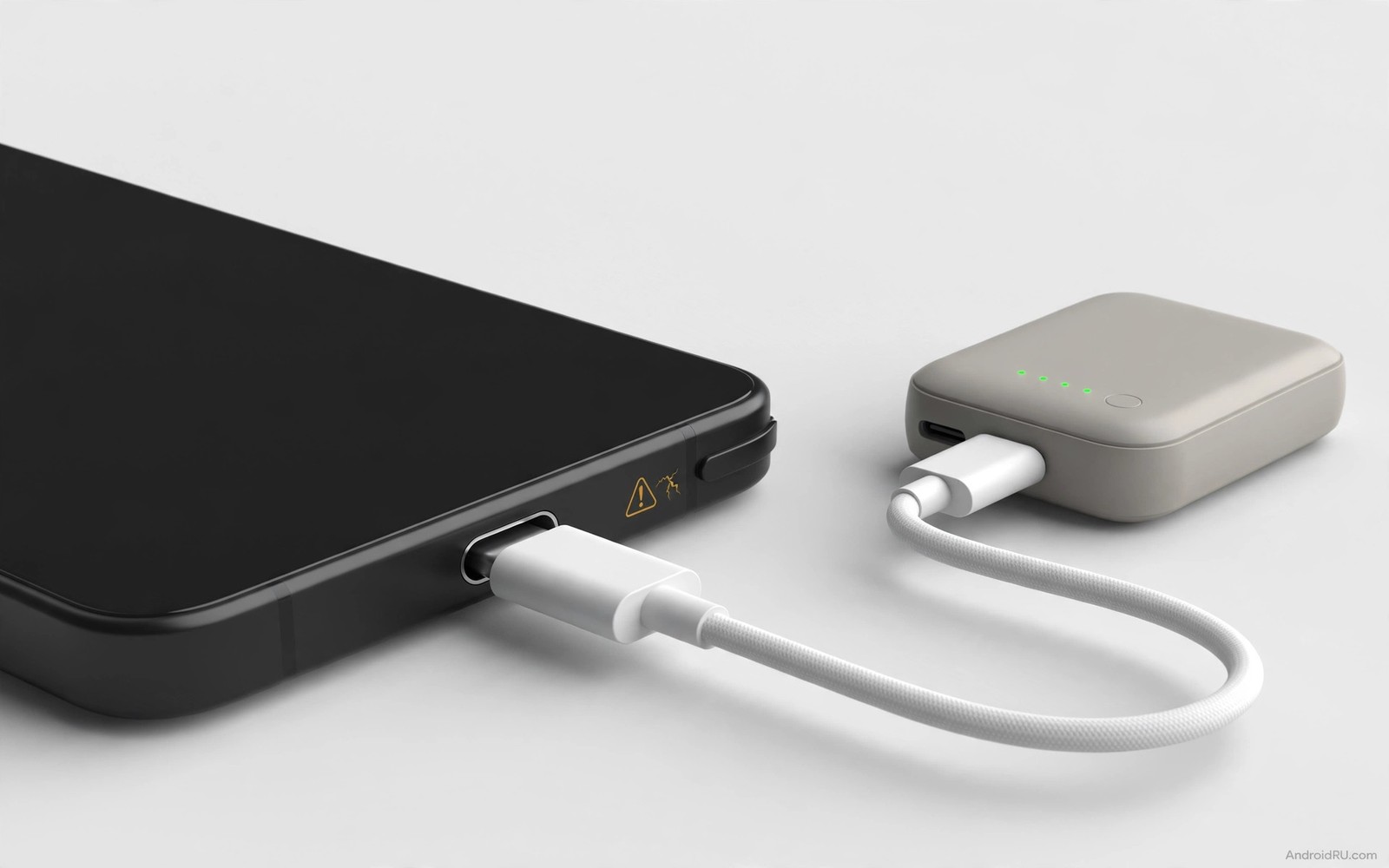
A power bank feels like freedom. It rescues a dying phone anywhere. It also travels in bags and pockets. It dangles from cables. It pulls on ports. That physical reality matters. Charging ports are delicate. They tolerate gentle straight plugs. They tolerate poorly the sideways pull of a heavy bank. Over time that pull loosens contacts. Loose contacts cause intermittent charging. Intermittent charging causes heat. Heat damages the port further. Power banks are not inherently evil. Their use pattern creates risk. This guide explains that pattern. It shows how to use a bank without wrecking a port. It also shows when a bank itself is the problem.
How ports get damaged mechanically
A charging port contains tiny spring contacts. Those contacts grip the plug. Repeated insertion wears them slightly. Normal use wears them slowly. Sideways force wears them fast. A bank dangling from a short cable creates sideways force. Walking with a phone in one pocket and a bank in another creates pull. Running with a dangling bank creates jerking force. Each jerk bends the plug inside the port. Bending stresses solder joints. Solder joints crack under repeated bending. Cracked joints cause intermittent contact. Intermittent contact causes arcing. Arcing pits contacts. Pitted contacts increase resistance. Higher resistance heats the port. A port that once clicked firmly now wobbles. Wobble is the visible sign of mechanical damage. It starts with dangling use. It ends with repair.
Cable length and weight amplify the problem. A short cable keeps bank and phone close. Close devices move together. That reduces pull. A long cable lets devices separate. Separation creates leverage. A heavy bank on a long cable pulls harder. A bank in a bag while the phone is in a hand pulls constantly. That constant pull is worse than brief use. Gravity works all day on a dangling setup. A phone resting on a bank is safer. Both devices move as one unit. No pull crosses the port. Place them together on a table when possible. Hold them together when walking. Avoid letting one dangle from the other. That single habit protects the port more than any accessory.
Heat and electrical stress from banks
Power banks generate heat during discharge. Cheap banks generate more heat. Heat transfers through the cable to the port. A warm port expands slightly. Expansion loosens fit temporarily. Repeated warm cycles loosen fit permanently. Fast charging banks add more heat. A bank delivering 20 watts heats the port more than a 10 watt bank. That heat is normal in small doses. It becomes a problem during long sessions in a bag. A bag traps heat. A phone charging in a bag while a bank discharges heats steadily. Temperature rises hour by hour. The port and battery both suffer. Charge in open air when possible. Let heat escape. Open air charging is cooler and safer.
Voltage stability varies by bank quality. A good bank regulates output tightly. A cheap bank may deliver unstable voltage. Unstable voltage stresses the phone charging circuit. It also stresses port contacts through current spikes. Spikes cause micro arcing. Micro arcing pits contacts over time. A bank that charges erratically is a warning. A bank that gets very hot is a warning. A bank that makes the phone charge then stop repeatedly is a warning. Replace a suspect bank. Do not keep using it because it was cheap. A cheap bank can cost a port repair. Port repair costs far more than a quality bank. Quality banks use better cells and better regulation. They also include temperature protection. Those features protect both phone and port.
Cable quality and connector fit
Cables included with cheap banks are often poor. Thin wires heat under load. Poor plugs fit loosely. Loose plugs arc and pit contacts. A good cable matters as much as a good bank. Use a short quality cable with a bank. Short cables reduce leverage and resistance. Quality plugs fit snugly. Snug fit prevents arcing. Check plug fit monthly. A plug that wobbles in the port signals wear in plug or port. Try a different quality cable. If wobble persists with multiple cables then the port is worn. If wobble disappears then the cable was worn. Replace worn cables promptly. A worn cable damages a good port over time. Do not let a bad cable ruin a good port.
Connector type matters too. USB-C ports tolerate more cycles than older types. They still wear under sideways force. A right angle cable can reduce leverage in a pocket. It routes the cable along the phone body. That routing reduces dangling pull. A right angle cable is a smart accessory for bank use. It costs little. It protects the port during movement. Use it when walking with a bank. Use a straight cable on a desk where no pull exists. Match cable shape to situation. That adaptation is simple and effective. It shows care for the port without sacrificing convenience.
Safe power bank habits
Charge with the phone and bank together on a stable surface when possible. That habit eliminates dangling pull. It also allows heat to escape. Use a bank as a desk charger rather than a pocket charger when you can. When you must walk then hold both devices together. Use a pouch that holds phone and bank as one unit. A pouch prevents separation pull. It also protects both devices from bumps. Avoid running with a dangling bank. Running creates jerking forces that damage ports fastest. If you must move quickly then pause charging. Resume when you stop. A paused charge costs minutes. A damaged port costs a repair.
Limit bank charging to needed sessions. Do not leave a phone connected to a bank all day out of habit. Constant connection means constant mechanical stress. It also means constant heat. Charge to a useful level then disconnect. A top-up to 60 percent is often enough. Full charges from a bank take long and heat more. Short bank sessions protect the port and battery. They also preserve bank capacity for later. Use wall charging at home. Use bank charging on the go. That division is the intended use pattern. Banks are for mobility. Walls are for routine. Respect that division and ports last longer.
Keep the port clean when using banks frequently. Lint plus a bank plug creates poor contact. Poor contact plus bank current creates heat. Clean the port gently every month if you use banks weekly. Use a wooden pick. Do not use metal. Check plug insertion after cleaning. It should click firmly. A firm click means good contact. Good contact means efficient charging with minimal heat. That monthly check takes a minute. It prevents slow degradation from going unnoticed. You can compare bank risks with other charging risks in hidden risks of cheap chargers and with quick fixes for slow charging. Banks and chargers share quality lessons. Good gear plus good habits protect ports.
Choosing a bank that protects your phone
Choose a bank from a reputable maker. Look for certification marks. Check capacity honesty. A bank claiming huge capacity at a tiny price likely lies. Real cells cost money. A lying bank may use poor cells with unstable output. Poor cells also degrade fast. A bank that swells is dangerous. Stop using a swollen bank at once. Do not charge it further. Dispose of it safely according to local rules. Swelling signals cell failure. It risks fire in extreme cases. Safety outweighs savings. A quality bank costs more once. It protects phone and safety for years.
Choose capacity to match need. A 10000mAh bank suits most daily use. It charges a phone one to two times. It is light enough to carry without much pull. A 20000mAh bank suits travel. It is heavier. Heavier banks pull harder when dangling. Use a heavier bank on a table not in a pocket. Match bank size to situation. Light bank for walking. Heavy bank for desk travel use. That matching reduces mechanical stress. It also reduces carrying burden. A bank you carry comfortably is a bank you use safely. An oversized bank tempts dangling use because it is awkward to hold. Choose size wisely.
Check output specs before buying. A bank with 10 watt output suits overnight top-ups. A bank with 20 watt output suits faster top-ups. Higher output heats more. Use higher output only when time matters. Use lower output for routine bank charging. Some banks offer multiple ports with different outputs. Use the lower output port for routine use. Reserve fast output for urgency. That choice mirrors wall charger advice. Speed is a tool. It is not a default. Gentle bank charging protects port and battery together.
A port health check routine
Check port health monthly if you use banks often. Insert a quality cable. Note fit firmness. Note any wobble. Note charge speed. Note any intermittent charging. Record the result. A stable firm fit means good health. A growing wobble means wear is progressing. Change habits before wobble becomes failure. Hold devices together. Shorten cables. Use a pouch. Those changes slow wear. They may not reverse existing wear. Early habit change preserves remaining port life. Late habit change may be too late. Monthly checks catch wear early. Early catches save repairs.
Port health check
Cable: quality short USB-C, fit snug
Charge speed: normal from bank and wall
Wobble: none, plug clicks firmly
Lint: small amount removed with wooden pick
Decision: port healthy, continue safe bank habits
The log above follows a simple port inspection pattern used by many Android power users to track port wear without any paid tool. It records only fit and speed and lint. Those signals catch wear early. A firm fit plus normal speed means health. A wobble plus slow speed means trouble. Record monthly. Compare trends. A trend toward wobble demands habit change. A stable trend means habits work. Keep the log simple. Simplicity ensures monthly use. Monthly use ensures early detection.
Common mistakes
Many owners dangle a bank from a phone while walking. That habit causes the most port damage. Many owners use the cheap cable included with a bank for years. Cheap cables wear ports. Many owners charge in a bag all day. Bag charging traps heat and pull. Many owners ignore a wobbling plug. Wobble is early damage. Act on it. Many owners buy the cheapest bank with the largest claimed capacity. Cheap banks use poor cells and regulation. Many owners leave a phone connected to a bank overnight in a bed. Bed charging traps heat. Charge on a desk instead. Many owners think a bank cannot damage a phone because it is portable. Portability does not remove physics. Pull and heat still apply.
Another mistake is using a bank to charge while gaming. Gaming plus bank charging adds heat and load. It also adds movement if walking. That combination stresses port and battery together. Pause gaming during bank charging. Let the phone charge calmly. Pair bank safety with reverse charging costs to the host battery when comparing sharing options. A bank protects the host phone battery. It risks the port if used poorly. Good bank habits protect both. Poor habits trade one risk for another. Use banks well and they are a net win.
FAQ
Do power banks damage charging ports? They can through dangling pull and heat. Proper use with devices together on a stable surface minimizes risk. Poor dangling use accelerates port wear noticeably.
Should I stop using a power bank? No. Use it wisely. Hold devices together. Use a quality short cable. Charge in open air. Limit sessions to needed top-ups. Those habits make bank use safe.
How do I know if my port is damaged? A plug that wobbles or charges intermittently signals wear. Try multiple quality cables. Persistent wobble across cables means port damage. Seek repair before it fails completely.
Conclusion
Power banks do not automatically destroy ports. Dangling use and cheap gear do. Hold phone and bank together. Use a short quality cable. Charge on a stable surface in open air. Limit bank sessions to useful top-ups. Clean the port monthly. Check fit and speed monthly. Choose a certified bank sized to your need. If your plug already wobbles then change habits today and get the port checked. A few habit changes now save a repair later. Start by putting phone and bank together in one pouch on your next outing.

