

The Acer Liquid Z410 Up Close: Value for Money, Performance and the Full Spec Sheet
Announced on 4 January 2015 at CES and released in February 2015 at 129 EUR, the Acer Liquid Z410 arrived as a compact and affordable 4G phone for buyers who wanted modern connectivity without a large price tag. This Acer Liquid Z410 review looks at what the phone offered in its own time, how it felt to use day to day, and where it sat among other low-cost phones of early 2015. It was not a flagship, and it did not try to be one. It was a practical handset with a clear purpose: a pocketable screen, a quad-core processor, 4G LTE, and a price that made it easy to recommend to first-time smartphone buyers, students, and anyone who needed a reliable second phone.
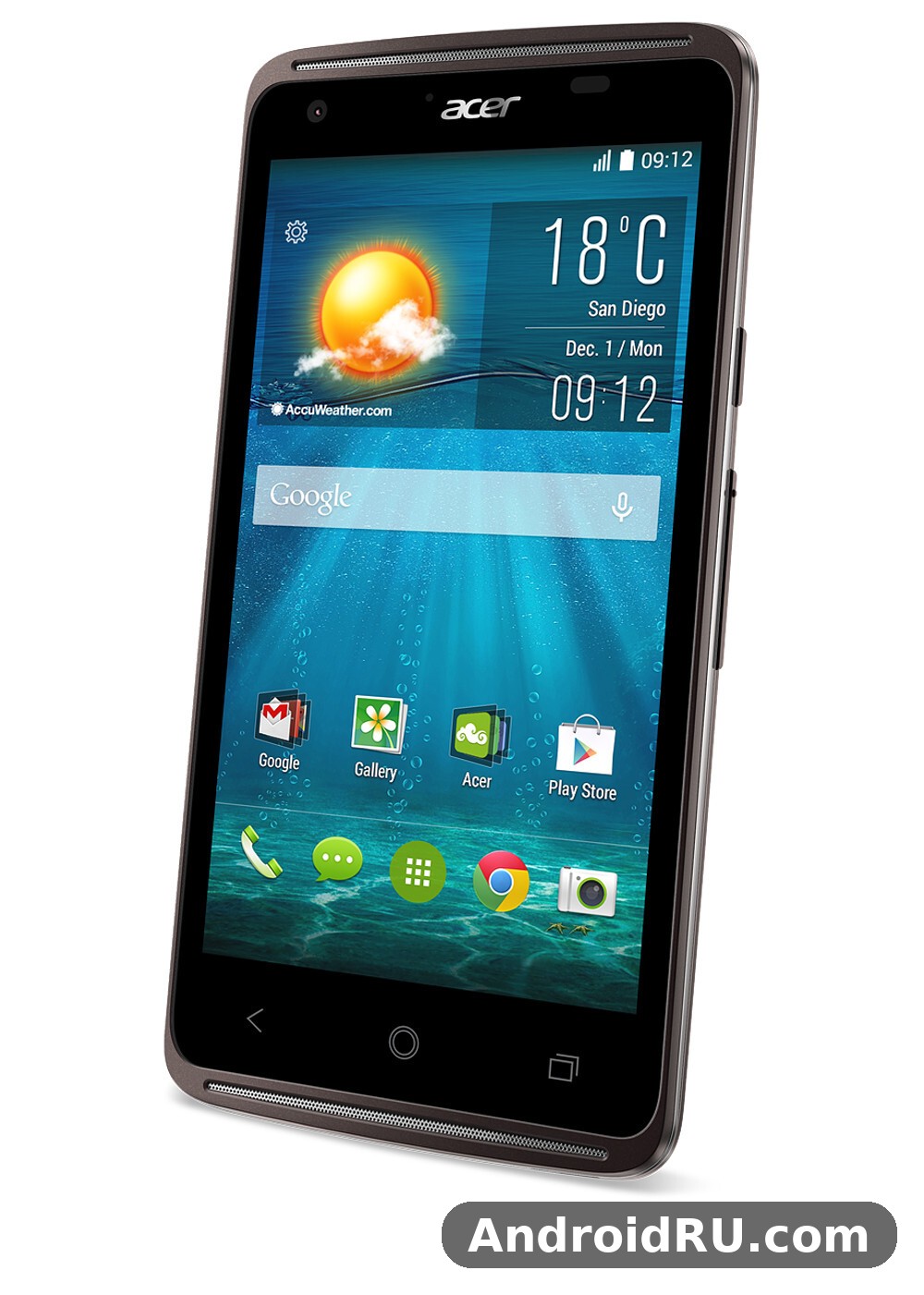
Reading the Acer Liquid Z410 specs today gives a useful picture of the budget market in 2015. A 4.5-inch display, 1GB or 2GB of RAM, 8GB or 16GB of storage, a 5MP rear camera, and a 2000 mAh battery were normal figures for this class. What made the phone stand out was the combination: a 64-bit capable quad-core chip, 4G LTE, Android 4.4.2 KitKat, and DTS Studio Sound in a small body. For many buyers, that combination was enough. The Acer Liquid Z410 price of 129 EUR placed it below many rivals that still used 3G only, and that difference mattered when mobile data was becoming the main way people used a phone.
This article covers the Acer Liquid Z410 design, Acer Liquid Z410 display, Acer Liquid Z410 performance, Acer Liquid Z410 camera, Acer Liquid Z410 battery, and Acer Liquid Z410 software in detail. It also includes the Acer Liquid Z410 full specifications and review summary, an Acer Liquid Z410 comparison with other budget phones of the period, and answers to common questions. Every fact about the launch, the chipset, the screen, the memory, the camera, and the battery comes from the verified specification record for this model, so the picture here stays close to what Acer actually sold in February 2015.
Design and Build Quality
The Acer Liquid Z410 design followed the simple, rounded style that Acer used for its Liquid range in 2014 and 2015. The front was dominated by the 4.5-inch screen with modest bezels above and below, while the back used a smooth plastic shell that was easy to hold and easy to clean. At 136 mm tall, 66.7 mm wide, and 9.9 mm thick, the phone fitted comfortably in one hand and slipped into a jacket pocket or a small bag without fuss. The Acer Liquid Z410 dimensions of 136 by 66.7 by 9.9 millimetres size made it smaller than the large phones that were already becoming common, and that compact size was part of its appeal for buyers who did not want a wide, heavy handset.
The Acer Liquid Z410 136 by 66.7 by 9.9 millimetres size also helped with one-handed use. Reaching across the screen, tapping icons, and typing with one thumb felt natural, and the curved edges kept the phone from digging into the palm. Acer Liquid Z410 design dimensions and build quality were plain rather than premium, with plastic instead of metal or glass, but the build felt solid for the price. Buttons sat on the side within easy reach, the micro-USB port sat at the bottom, and the headphone jack sat at the top, in the usual places for a phone of this period.
Acer offered the phone in a straightforward range of colours, and the finish was chosen for grip rather than shine. Fingerprints showed on the back, as they did on most glossy plastic phones, yet the surface was not slippery. For a budget smartphone 2015 buyers could carry every day, that practical approach made sense. The phone was a compact and pocket-friendly device that did not draw attention to itself, and that quiet, useful character ran through the rest of its design as well.
Size, Weight and Handling
A compact phone has to get the basics right, and the Z410 did. The narrow width kept the screen within thumb reach, the rounded corners avoided sharp edges, and the 9.9 mm thickness gave the battery and the camera room without making the phone feel bulky. This was a phone made to be used with one hand on a bus, in a queue, or while carrying a bag, and its shape supported that kind of use. The Acer Liquid Z410 phone felt balanced, with no part feeling heavier than the rest, and the plastic body absorbed small knocks better than a glass back would have done.
Display and Viewing Experience
The Acer Liquid Z410 display was a 4.5-inch IPS LCD panel with a resolution of 540 by 960 pixels, which works out to about 245 pixels per inch. That density was adequate for reading text, browsing the web, and watching video at this screen size. Individual pixels were not obvious at normal viewing distance, and the IPS technology gave wider viewing angles than the cheaper TN panels used in some rivals. Colours looked natural rather than oversaturated, and the screen stayed readable indoors and in shade.
Acer Liquid Z410 display quality and screen resolution were typical for the price, yet the panel had clear strengths. The 4.5 inch IPS LCD display panel produced steady brightness, and text stayed sharp enough for email, messages, and news. The Acer Liquid Z410 screen measured 4.5 inches diagonally, a size that suited video clips, maps, and social feeds without making the phone hard to carry. Acer Liquid Z410 screen pixel density 245 pixels per inch meant that small text in a browser was legible, even if it was not as crisp as the 720p panels on more expensive phones.
Outdoors in bright sunlight, the screen washed out a little, as most LCD panels of this class did. Raising the brightness helped, and the auto-brightness setting adjusted the level as light changed. For everyday use, the display did its job well: it was bright, responsive to touch, and large enough for the apps of the time. The Acer Liquid Z410 4.5 inch IPS LCD display panel was not a showpiece, but it was a sensible match for a phone that cost 129 EUR.
Screen Size and Everyday Readability
A 4.5-inch screen in 2015 sat between the very small phones of earlier years and the large phones that followed. It was big enough for a keyboard that did not feel cramped, for a web page that did not need constant zooming, and for a video that filled the view without a tablet. At the same time, it kept the phone small. That balance is one reason the model found buyers who wanted a 4.5 inch smartphone they could use with one hand and carry without a case that added bulk.
Performance and Hardware
At the heart of the phone sat the Mediatek MT6732M chipset, built on a 28 nm process, with a quad-core 1.3 GHz Cortex-A53 processor. The Cortex-A53 cores were part of the 64-bit ARM generation, and they gave the phone a useful step up from the older Cortex-A7 chips used in many budget phones before it. Acer Liquid Z410 performance with MediaTek MT6732M chipset was smooth for the tasks most owners used: calls, messages, email, web browsing, maps, music, and light games. Apps opened at a reasonable pace, scrolling stayed steady, and switching between a few apps did not bring the phone to a halt.
The Acer Liquid Z410 processor was the quad-core 1.3 GHz Cortex-A53 unit inside the MT6732M, paired with a Mali-T760MP2 graphics processor for games and video. Acer Liquid Z410 benchmarks from the period placed it in the middle of the budget class: ahead of older dual-core phones, behind the faster octa-core chips in mid-range models, and strong enough for the 540p screen it had to drive. Because the screen resolution was modest, the graphics processor had less work to do than it would have on a 720p or 1080p display, and that helped games run more smoothly than the raw figures might suggest.
Acer Liquid Z410 gaming performance and everyday use were closely linked to the memory choice. The base model came with 1GB of RAM and 8GB of storage, while the higher model came with 2GB of RAM and 16GB of storage. The Acer Liquid Z410 1GB RAM model versus 2GB RAM model question mattered: the 2GB version kept more apps in memory, reloaded them less often, and felt smoother when several apps were open at once. The Acer Liquid Z410 8GB storage model with 16GB option gave buyers a simple trade-off between a lower price and more room for apps and photos. Acer Liquid Z410 memory was therefore a real choice, not a minor detail, and buyers who planned to keep the phone for a year or more had good reason to pick the 2GB version when it was available.
Processor, RAM and Storage Choices
The two memory versions shared the same chipset, screen, camera, and battery, so the difference came down to multitasking and storage headroom. Acer Liquid Z410 storage options and microSD card support helped both versions: a microSD card slot accepted cards up to 32GB, so photos, music, and offline maps could live on the card instead of filling the internal storage. Acer Liquid Z410 microSD card slot up to 32GB was a welcome feature in a phone where the base storage was only 8GB, and it kept the phone usable after apps and system files had taken their share.
How the 1GB and 2GB Versions Differed in Daily Use
In daily use, the 1GB version handled one app at a time well but reloaded apps more often when switching back and forth. The 2GB version held its place better, and that small difference added up over a day of messages, browsing, and music. Both versions ran Android 4.4.2 KitKat smoothly for the period, and neither version was meant for heavy multitasking or demanding 3D games. Choosing between them was a question of budget and patience: pay a little more for smoother switching, or save money and accept more reloading.
Graphics and Light Gaming
Light and mid-level games of 2015 ran well on the Z410. Casual puzzle games, racing games at modest settings, and older 3D titles played at acceptable frame rates on the 540p screen. Demanding games needed lower settings, and long sessions warmed the back of the phone a little, as they did on most plastic phones. For a budget device, the balance between the chip, the screen, and the battery was sensible, and the phone did not promise more than it could deliver.
Camera and Photo Quality
The Acer Liquid Z410 camera on the back used a 5MP sensor with autofocus, while the front camera used a 2MP sensor for selfies and video calls. Acer Liquid Z410 camera quality and photo samples from the period showed the usual budget pattern: good results in bright daylight, softer results indoors, and noticeable noise in low light. In daylight, the Acer Liquid Z410 5 megapixel rear camera with autofocus captured clear, well-exposed shots of streets, parks, and people, with colours that looked natural and detail that held up on a phone screen or a small print.
Autofocus helped with close subjects, and the camera app offered the standard modes of the time, including panorama, HDR, and a range of scene settings. Acer Liquid Z410 photos taken outdoors were the strongest, with enough detail for social sharing and for keeping a record of a trip or an event. Indoors, the small sensor and the lack of a strong flash meant that shots needed steady hands and good room light. The Acer Liquid Z410 2 megapixel front camera for selfies was basic, yet it was fine for video calls and for quick self-portraits in good light, which was what most buyers used it for in 2015.
Video recording reached 1080p on the rear camera, which was a useful feature at this price, even if the footage lacked the stabilisation of more expensive phones. For a phone that cost 129 EUR, the camera was a fair part of the package: not a reason to buy the phone on its own, but good enough that owners did not feel short-changed when they wanted a quick photo.
Rear Camera in Daylight and Low Light
Daylight was where the 5MP camera earned its keep. Edges stayed reasonably sharp, skies kept their colour, and the autofocus locked on without long delays. In low light, the phone raised its sensitivity, which added grain and softened fine detail. That trade-off was common across the budget class, and owners learned to use the flash or to move closer to a light source when they wanted a usable indoor shot.
Battery Life, Connectivity and Everyday Use
The Acer Liquid Z410 battery was a Li-Ion 2000 mAh unit that was non-removable, sealed inside the slim body. Acer Liquid Z410 battery life and charging time were typical for a 4.5-inch phone with a modest screen and a power-efficient quad-core chip: a full day of normal use was realistic, with calls, messages, browsing, and some music, while heavy use with long video sessions or constant 4G data shortened that to an evening top-up. Acer Liquid Z410 2000 mAh battery capacity and endurance were helped by the low-resolution screen, which drew less power than a 720p panel would have done, and by the 28 nm chipset, which was efficient for its generation.
Charging used the micro-USB port and took a couple of hours from empty with the supplied charger, which was normal for a 2000 mAh battery without fast charging. Acer Liquid Z410 non removable battery replacement and care mattered for long-term owners: because the battery could not be swapped by the user, keeping the phone away from heat and avoiding constant full discharges helped it last longer. That sealed design was becoming common in 2015, and it allowed Acer to keep the body slim and solid.
Acer Liquid Z410 4G LTE connectivity and network bands gave the phone its most forward-looking feature. With LTE, downloads, streaming, and browsing were far faster than on 3G, and the phone could make full use of the 4G networks that were spreading across Europe in 2015. Acer Liquid Z410 connectivity also included Wi-Fi, Bluetooth, GPS, and micro-USB, covering the daily needs of a smartphone owner. Acer Liquid Z410 dual SIM variant and single SIM version were both listed for this model, so buyers in markets where two SIM cards were common could keep a work number and a personal number in one phone, while single-SIM buyers got the simpler version.
4G LTE and Network Support
Support for 4G LTE was the headline connectivity feature, and it changed how the phone felt in use. Web pages loaded faster, maps updated sooner, and video started with less waiting. For a 129 euro smartphone, that speed was a genuine advantage over 3G-only rivals at the same price, and it helped the phone stay useful as networks improved.
Dual SIM and Everyday Connectivity
The dual-SIM option suited travellers and people who juggled two numbers, while Wi-Fi and Bluetooth handled home networks, headphones, and file sharing. GPS worked for maps and navigation, and the micro-USB port handled charging and data transfer. Nothing here was unusual, yet the full set was complete, and a budget phone that missed one of these basics would have felt incomplete by comparison.
Software, Sound and Storage
The Acer Liquid Z410 software shipped with Android 4.4.2 KitKat, with the 4.4.4 update also listed for this model. Acer Liquid Z410 Android KitKat software and user interface used Acer’s light custom layer over stock Android, with its own launcher, quick settings, and a few added apps. Acer Liquid Z410 Android 4.4.2 KitKat update to 4.4.4 brought small fixes and security patches, and the interface stayed close enough to stock Android that owners coming from another KitKat phone would feel at home straight away. The Acer Liquid Z410 software was simple to learn, with a clear app drawer, a notification shade, and settings laid out in the usual KitKat style.
Sound was a small highlight. Acer Liquid Z410 DTS Studio Sound audio experience used DTS processing to widen the sound from the loudspeaker and to add depth to headphones. Acer Liquid Z410 sound was louder and fuller than the thin, flat output of some budget rivals, and music, video, and calls all benefited. It did not turn the phone into a music player to rival a dedicated device, but it made everyday listening more pleasant, and the DTS branding gave Acer a feature to point to that rivals at this price often lacked.
Acer Liquid Z410 storage has already been noted, yet it deserves a short recap because it shaped how owners used the phone. With 8GB or 16GB inside and a microSD slot up to 32GB, the phone could hold a useful music collection, a set of offline maps, and a season of photos without constant housekeeping. Apps still needed internal space, so the base model needed more care, but the card slot kept the phone practical. The Acer Liquid Z410 features list, taken as a whole, reads like a careful budget checklist: 4G, a quad-core chip, a decent screen, a usable camera, DTS sound, and expandable storage, with nothing important left out.
Android KitKat and the Acer Interface
Android KitKat was a mature, stable version of Android by early 2015, and it ran well on 1GB and 2GB of RAM. The Acer layer added floating apps and quick modes without hiding the familiar Android layout. Owners could change the wallpaper, widgets, and lock screen in the usual way, and the phone supported the Google apps of the period, including Maps, Gmail, and the Play Store. An Android KitKat phone in 2015 was a known quantity, and the Z410 used that familiarity to its advantage.
Full Specifications
The table below gathers the Acer Liquid Z410 full specifications and review facts in one place. Acer Liquid Z410 release date and availability in Europe were February 2015, with the phone announced at CES on 4 January 2015 and sold at 129 EUR. The Acer Liquid Z410 price in Europe February 2015 was therefore 129 EUR at launch, and the Acer Liquid Z410 129 euro launch price and value gave the phone its position as an affordable 4G handset. Acer Liquid Z410 quad core Cortex A53 processor speed was 1.3 GHz, and the Acer Liquid Z410 4.5 inch IPS LCD display panel, the 5MP camera, and the 2000 mAh battery complete the core specification set.
| Feature | Specification |
|---|---|
| Model | Acer Liquid Z410 |
| Announced | 4 January 2015 at CES |
| Released | February 2015 |
| Launch price | 129 EUR |
| Display | 4.5-inch IPS LCD, 540 x 960 pixels, about 245 ppi |
| Chipset | Mediatek MT6732M, 28 nm |
| Processor | Quad-core 1.3 GHz Cortex-A53 |
| Graphics | Mali-T760MP2 |
| RAM and storage | 8GB storage with 1GB RAM, or 16GB storage with 2GB RAM |
| Expandable storage | microSD card up to 32GB |
| Rear camera | 5MP with autofocus, 1080p video |
| Front camera | 2MP |
| Sound | DTS Studio Sound, loudspeaker and 3.5 mm jack |
| Battery | Li-Ion 2000 mAh, non-removable |
| Operating system | Android 4.4.2 KitKat, listed as 4.4.4 |
| Connectivity | 4G LTE, Wi-Fi, Bluetooth, GPS, micro-USB |
| SIM | Single SIM and dual SIM versions listed |
| Dimensions | 136 x 66.7 x 9.9 mm |
Early reports and Acer Liquid Z410 hands on impressions from CES 2015 focused on the same points that later buyers noticed: the small size, the 4G support, and the low price. A MediaTek MT6732M chip in a 129 EUR phone was a fair deal in February 2015, and the phone’s specification sheet reads as a balanced budget offering rather than a phone built around a single headline feature. That balance is the reason the Z410 is still worth a clear, factual look today, as a record of what a good-value phone offered at the start of 2015.
Pros and Cons
Acer Liquid Z410 pros and cons for everyday users come down to a simple trade: a compact 4G phone with a fair price and a balanced specification, against the limits that every budget phone of 2015 shared. The Acer Liquid Z410 value was strongest for buyers who wanted 4G, a pocketable size, and a phone that did the basics well, and weakest for buyers who wanted a large screen, a strong low-light camera, or long battery life under heavy use. The list below keeps that balance in view.
Pros
Affordable 129 EUR launch price with 4G LTE included. Compact 4.5-inch body that is easy to hold and carry. Quad-core Cortex-A53 chip that handles everyday apps smoothly. DTS Studio Sound for fuller audio from the speaker and headphones. MicroSD support up to 32GB, plus a choice of 1GB or 2GB of RAM. The phone was a solid everyday companion for calls, messages, browsing, and light media, and its small size made it easy to live with.
Cons
Only 8GB of storage on the base model, which fills up quickly with apps. The 5MP camera struggles in low light, and the 2MP front camera is basic. The 2000 mAh battery gives a day of normal use but not much more under heavy use. Android 4.4.2 KitKat was already a generation behind the newest Android version at launch, and the plastic body feels plain next to metal rivals. The non-removable battery cannot be swapped by the owner when it ages.
Frequently Asked Questions
These questions cover the points that buyers and readers ask most often about this model, using the verified facts from its launch in January 2015.
When was the Acer Liquid Z410 released?
The Acer Liquid Z410 release date was February 2015. It was announced on 4 January 2015 at CES, and it went on sale in Europe in February 2015 at 129 EUR. Acer Liquid Z410 availability was centred on European markets at launch, and the phone was sold as an affordable 4G handset for the start of the year.
What chipset does the Acer Liquid Z410 use?
It uses the Mediatek MT6732M chipset, built on a 28 nm process, with a quad-core 1.3 GHz Cortex-A53 processor and Mali-T760MP2 graphics. That chip gave the phone 64-bit capable cores and 4G LTE support, which were useful advantages for a budget phone in early 2015.
How much RAM and storage does the Acer Liquid Z410 have?
There were two versions: 8GB of storage with 1GB of RAM, and 16GB of storage with 2GB of RAM. Both versions accept a microSD card up to 32GB. The 2GB version is the smoother choice for multitasking, while the 1GB version is the cheaper entry point.
Is the Acer Liquid Z410 still a good choice today?
As a classic phone from 2015, it is best viewed as a record of its time rather than a daily phone for today. Its Android 4.4.2 KitKat software, 1GB or 2GB of RAM, and 2000 mAh battery belong to an earlier generation, and modern apps and networks have moved on. For collectors, for a spare phone, or for readers who want to understand the budget market of 2015, it remains an interesting and clear and practical choice to study, with its 4G support, compact size, and 129 EUR price marking it out in its own year.
What is the Acer Liquid Z410 camera like?
The rear camera is a 5MP unit with autofocus that takes clear photos in daylight and records 1080p video, while the front camera is a 2MP unit for selfies and video calls. Daylight shots are the strongest, indoor and low-light shots are softer, and the camera is fair for its price rather than a standout feature.
Readers who want to compare this model with its close relatives in the Acer Liquid range can start with Acer Liquid M220 in Depth: Review, Features and Full Specifications, then look at A Closer Look at the Acer Liquid Jade S: Review, Specs and Real-World Use. For the smaller Z models, see Acer Liquid Z220 First Impressions, Review and Full Specs and Acer Liquid Z500 Specs and Review: A Detailed Look at Features, and for another value-focused model, see Acer Liquid Z520 Specs and Review: A Detailed Look at Value for Money. Together, those articles give a fuller picture of where the Z410 sat in the Acer range in 2015: a compact, affordable 4G phone with a balanced specification and a price that made it easy to recommend in its own year.
An Acer Liquid Z410 unboxing in 2015 would have shown the phone, a charger, and a cable in a small box, with no extra accessories to add to the price. Any Acer Liquid Z410 comparison with rivals of the same year starts from the same checklist used here: screen, chip, memory, camera, battery, and 4G. Acer Liquid Z410 benchmarks from the period placed the phone in the middle of its class, ahead of older dual-core handsets and behind faster mid-range chips. Acer Liquid Z410 dimensions are covered in the design section, where the narrow width and rounded edges explain why the phone felt easy to hold. Acer Liquid Z410 connectivity covered 4G LTE, Wi-Fi, Bluetooth, GPS, and micro-USB, which was a complete set for a budget phone in 2015. Acer Liquid Z410 processor speed and efficiency came from the quad-core Cortex-A53 design inside the MT6732M. Acer Liquid Z410 memory in the base version was 1GB, while the higher version offered 2GB for smoother switching between apps. Acer Liquid Z410 screen quality is described in the display section, where the 245 ppi IPS panel is judged for reading, browsing, and video. Acer Liquid Z410 photos are discussed in the camera section, with daylight shots rated as the strongest result. Acer Liquid Z410 availability at launch was centred on European markets in February 2015, at the 129 EUR price quoted throughout this article.
Acer Liquid Z410 compared to other budget smartphones 2015 shows the same pattern throughout this article: the Z410 did not lead on any single feature, yet it avoided the gaps that made some rivals hard to recommend. It had 4G where others had only 3G, a quad-core 64-bit chip where others used older cores, and DTS sound where others offered plain audio. Those small advantages, added together in a compact body at 129 EUR, explain why the phone earned its place in the Acer Liquid range and why it is still worth remembering as a fair example of value for money in early 2015.

