

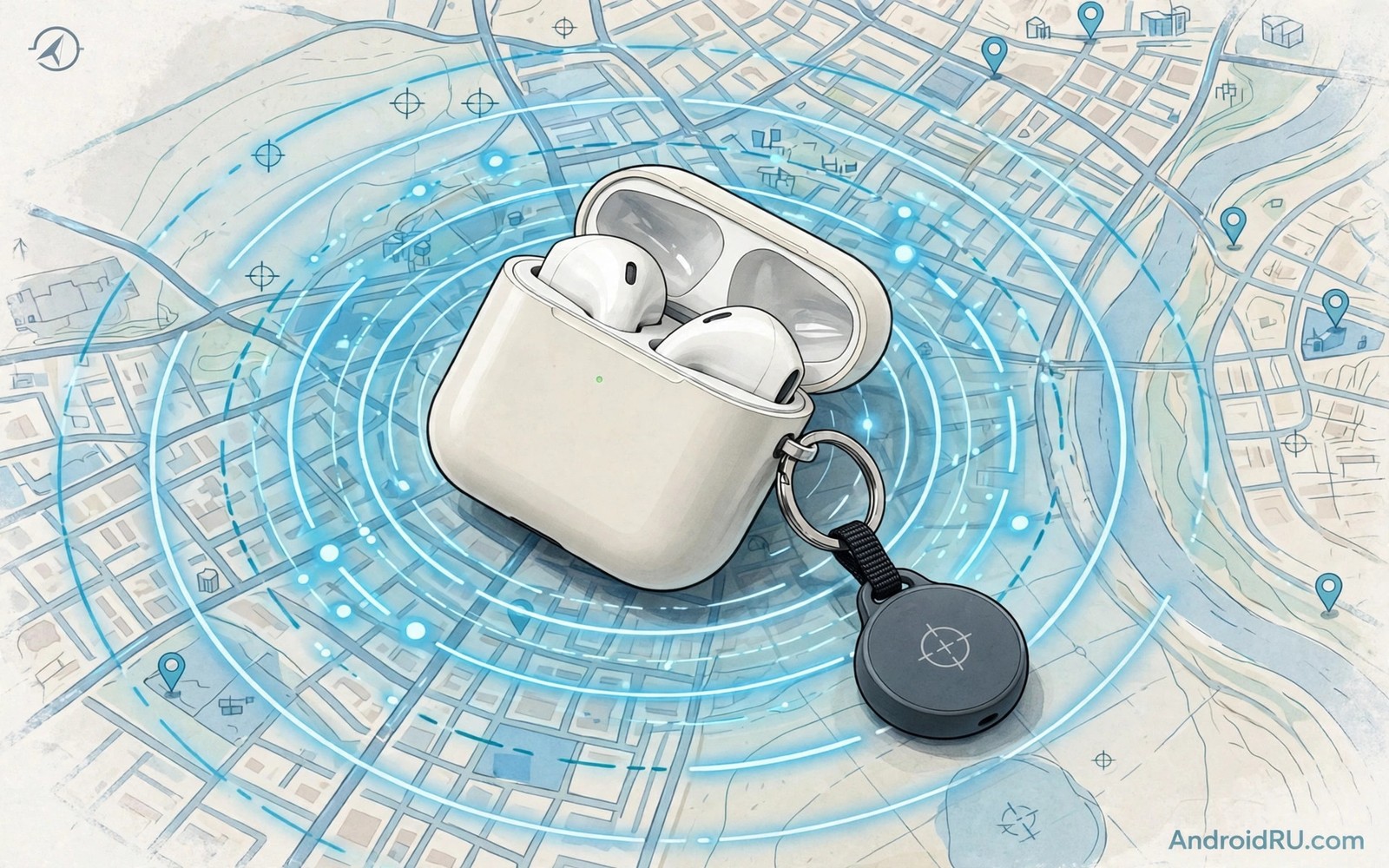
Bluetooth earbuds are small and easy to lose in a bag or a couch or a gym locker. A lost bud can cost a large replacement fee even when the other bud still works. Finder tracker accessories reduce that risk by adding a location signal to the case or to a single bud. Sound alerts and last location maps help you recover buds quickly. A good finder setup combines hardware with simple daily habits.
The most common finder accessory is a small tracker tag attached to the earbud case. That tag uses Bluetooth to report its location to a phone app. A tag inside a case holder keeps the case findable even when the buds are inside. A tag attached to a single bud is harder because buds are tiny. Most users protect the case first because the case holds both buds most of the time. Protecting the case protects the pair.
Built in find features in many earbud apps also help. Those features can play a sound from a bud that is nearby. They can also show the last location where the buds connected. Use built in features first because they cost nothing extra. Add a tracker tag only if built in features are weak or if you lose the case often. A layered approach gives the best recovery chance. For charging case care see charging case care practices to keep the case healthy.
Choose a tracker that fits the case
A tracker tag should fit in a case holder without adding much bulk. A holder case with a tracker slot is the cleanest option. It protects the case and holds the tracker securely. A stick on tracker holder is cheaper but may peel over time. Choose a holder that matches your exact case shape. A holder that fits poorly will fall off and defeat its purpose.
Battery life matters for a tracker because a dead tracker cannot be found. A tracker with a replaceable battery lasts a year or more. A rechargeable tracker needs regular charging like the earbuds themselves. Choose a battery type that fits your maintenance habits. A replaceable battery tracker is more reliable for users who forget to charge accessories. A rechargeable tracker suits users who already charge many devices daily.
Network coverage matters because some trackers use a large community network to report location. A tracker on a large network can be found by nearby phones even far from you. A tracker on a small network works only near your own phone. Check network size in your country before buying. A large network gives a better chance of recovery in a city. A small network may still work well at home and at work.
Use sound alerts and last location wisely
A sound alert from a bud helps when the bud is nearby but hidden. Use the alert in a quiet room for best results. A bud under a couch cushion may sound muffled. Move around the room slowly while listening for the sound. Check common hiding spots like jacket pockets and bag compartments. A systematic search with a sound alert finds buds faster than a random search.
Last location data shows where the buds last connected to your phone. That location is a starting point and not a precise current location. Go to that location and use a sound alert there. If the buds moved after that connection then last location may be outdated. Combine last location with a tracker tag location for a better search. Two location sources are better than one when a bud is truly lost.
Set up location permissions before you lose a bud. A finder feature cannot work if location access is denied. Enable background location for the earbud app and the tracker app. Test the finder feature at home while the buds are in a known spot. A tested finder feature works reliably when you need it. An untested feature may fail at the worst moment. For multipoint and connection tips see Bluetooth multipoint for earbuds for connection management.
Build habits that prevent loss
Always return buds to the case immediately after use. That single habit prevents most losses. A bud left on a table or in a pocket is easy to forget. A case in a fixed pocket is easy to find. Make the case pocket a consistent place in every bag and jacket. Consistency turns a habit into an automatic action. Automatic habits protect small gear better than any tracker alone.
Check the case before leaving a location. A quick pocket pat before leaving a gym or a cafe catches a missing case early. Early detection makes recovery easier because the buds are still nearby. A late detection may mean a long trip back. Make the pocket check part of leaving any seat. That check takes two seconds and saves hours of searching.
Label the case with a contact detail if you travel frequently. A finder who picks up a lost case can contact you. A label inside the case holder is discreet and useful. Do not put sensitive personal data on the label. A first name and a phone number or email is enough. A labelled case has a better chance of return than an anonymous case.
earbud_finder_check.txt
Tracker tag fitted in case holder
Built in find feature tested at home
Location permissions enabled
Case pocket fixed in bag
Pocket check before leaving seats
The checklist above is an original example written for this guide. It summarises the finder setup and habits in a form you can check weekly. Use it after buying a new tracker or case. A passed checklist means your buds have a good recovery chance.
Replace tracker batteries promptly when the app warns of low battery. A tracker with a dead battery is invisible to the network. Keep a spare battery at home for replaceable trackers. That spare prevents a gap in protection. Small maintenance keeps finder gear ready when you need it most. A tracker is only useful when it is powered and attached.
Test finder features after every app update
App updates can reset permissions and change finder behaviour without warning. Test the find feature after each major update to the earbud app. Play a sound alert from each bud in a known location. Check that last location still updates after a short walk. A post update test catches a broken feature before a real loss.
Update the tracker app as well and check its battery status after the update. A tracker with a stale battery warning may stop reporting soon. Replace the battery promptly if the app shows a low warning. That maintenance habit keeps the finder system ready. A finder system that is tested regularly is a finder system you can trust.
Common mistakes
The most common mistake is buying a tracker that does not fit the case. That mistake leads to a tracker that falls off or adds bulk. Another mistake is relying only on a tracker without using built in find features. Built in features are free and often faster for nearby buds. A third mistake is disabling location permissions for privacy without understanding the trade off. Finder features need location to work at all.
People also attach a tracker to a bud itself with adhesive that damages the bud. Adhesive on a tiny bud can block sensors or charging contacts. Protect the case rather than the individual bud in most cases. A case tracker protects both buds when they are stored. That approach is safer and more practical for daily use.
A final mistake is searching randomly without using last location data. Random searching wastes time and misses systematic coverage. Start with last location and then use sound alerts in that area. A systematic search covers a room efficiently. That method finds buds faster than a hurried random search and for quiet bud issues see quiet wireless earbuds mic audio fixes if a recovered bud sounds low.
FAQ
Can a tracker find a single lost earbud?
A tracker on the case cannot find a single bud outside the case. Built in find features can play a sound from a single bud if it has battery. That sound helps for nearby buds. A single bud far away is hard to find without a dedicated tiny tracker. Protecting the case reduces single bud loss because buds spend most time in the case. Always return buds to the case promptly to reduce single bud loss.
If a single bud is lost at home then use the built in sound alert. Search the last room where you used the bud. Check pockets and cushions systematically. A sound alert in a quiet room is surprisingly effective. A patient systematic search often succeeds where a quick glance fails.
Do tracker tags work without a phone nearby?
Tracker tags report location through nearby phones on the same network. A tag far from any network phone cannot update its location. Its last known location remains visible in the app. That last location helps you start a search. In a busy city a tag will update frequently through strangers phones. In a remote area updates are rare. Network size decides remote recovery chances.
A tag with a large community network works best in cities. A tag with a small network works best near your own devices. Check network coverage for your travel areas before buying. A tracker is a helpful tool and not a guarantee. Combine it with good habits for the best recovery chance.
Will a tracker case make my earbuds bulky?
A holder case adds a small amount of bulk to the earbud case. Most holders add only a few millimetres. That bulk is usually acceptable for a bag pocket. A holder may feel bulky in a tight jeans pocket. Choose a slim holder if pocket size matters. Test the holder in your usual pocket before keeping it. A holder that fits your pocket is a keeper.
Balance bulk against loss risk for your lifestyle. A traveller who loses cases often benefits from a holder despite bulk. A home user who rarely loses cases may not need a holder. Your loss history should decide the trade off. A holder that prevents one loss pays for its bulk many times over.
Conclusion
Finder tracker accessories reduce earbud loss by adding location and sound to the case. Tracker holders protect the case without much bulk. Built in find features help for nearby buds at no extra cost. Location permissions and tested features make recovery reliable. Daily habits like immediate case return and pocket checks prevent most losses before a tracker is needed. Together hardware and habits give the best protection for small expensive buds.
Your concrete next step is to test your built in find feature at home tonight. Play the sound alert from each bud and check last location in the app. If either feature fails then fix permissions before your next trip. If both work then add a tracker holder only if you still lose the case regularly.

