

Redmi 9C Review: Build Quality, Battery and Daily Use
The Redmi 9C arrived in August 2020 as one of the cheapest phones in Xiaomi’s line-up to offer a large screen, a huge battery and a rear fingerprint sensor in the same package. This Redmi 9C review looks at the phone the way most buyers actually used it: as a daily handset for calls, messaging, video and light gaming, rather than as a benchmark chart. For readers who want the numbers first, the Redmi 9C specs at a glance are a 6.53-inch display, the Helio G35 chipset, up to 4GB of RAM and a 5,000mAh battery, and this Redmi 9C review covers the Redmi 9C full specifications and price in 2026, alongside real-world battery life, camera results and build quality. The short answer to the question is Redmi 9C still good for daily use in 2026 is that it depends on what you ask of it: for basic tasks it remains usable, while heavy apps and large games expose its limits.
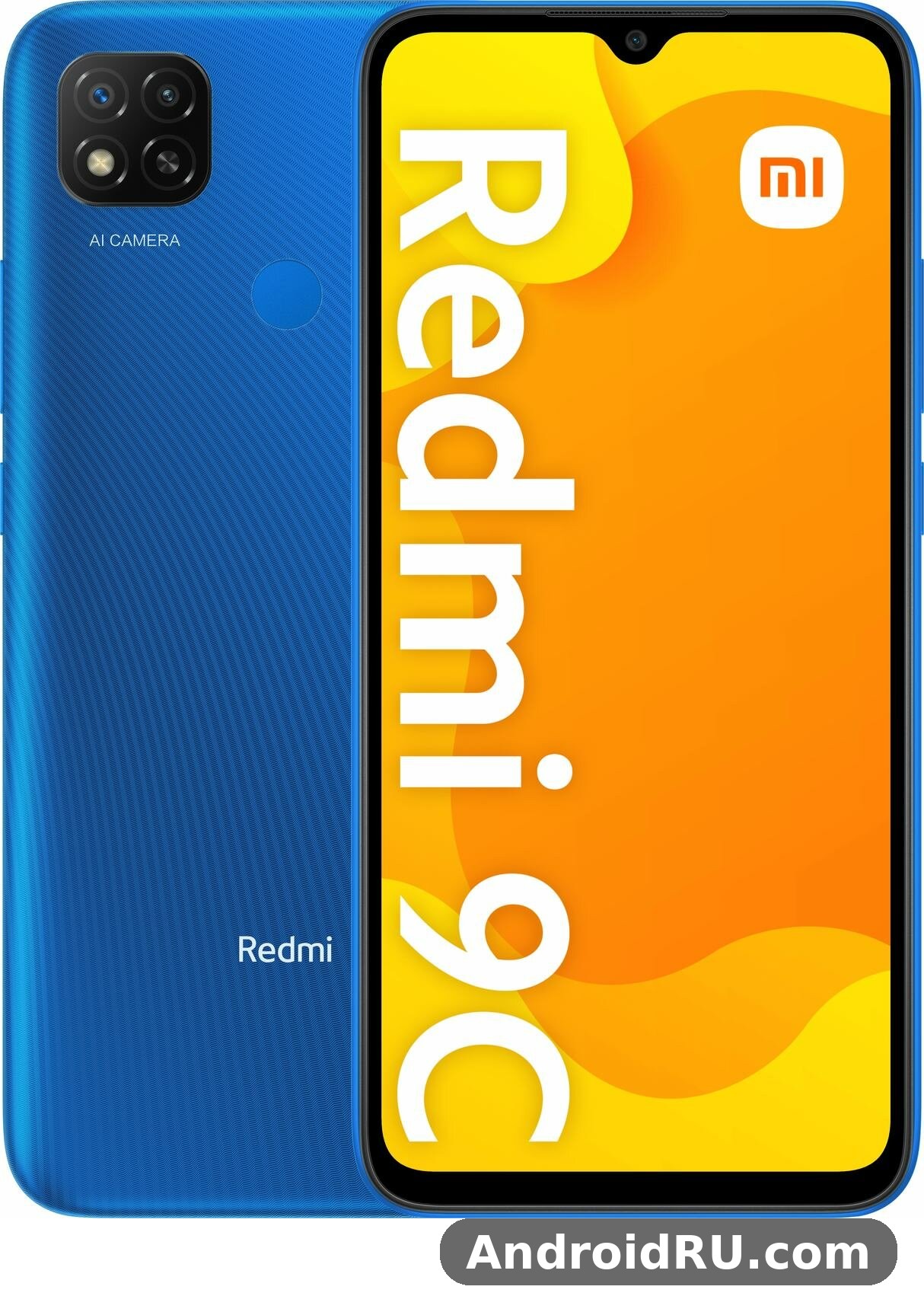
Xiaomi announced the phone on 30 June 2020 and released it on 12 August 2020, priced at about 80 euros, which made it one of the lowest-priced Redmi phones of its year. The Redmi 9C price today is a second-hand matter, since the phone is discontinued, and a used unit typically changes hands for very little money. A Redmi 9C unboxing in 2020 included the phone, a microUSB cable and a 10W charger, with a case sometimes included depending on the market. The Redmi 9C colours are Midnight Gray, Sunrise Orange and Twilight Blue, and the model numbers to look for are M2006C3MG and M2006C3MT.
Design and Build Quality
The first thing you notice about the Redmi 9C is how much phone you get for the money. The Redmi 9C size is 164.9 x 77 x 9 mm, and the Redmi 9C weight is 196 grams, so it feels solid in the hand without being unusually heavy for a 6.53-inch device. The body is plastic from front to back, with a textured rear panel that hides fingerprints better than glossy glass and gives the phone a practical, grippy feel. Redmi 9C build quality and durability after years of use hold up well for a budget phone: the plastic shell resists small knocks, the buttons stay firm, and the rear panel does not creak the way some cheap phones do. There is no official water resistance rating, so the phone should be kept away from rain and splashes, and a case remains the sensible way to protect the corners.
Materials, Grip and the Rear Fingerprint Sensor
The Redmi 9C fingerprint sensor sits in a round module on the back, exactly where your index finger rests when you pick the phone up. A Redmi 9C fingerprint sensor speed and reliability test in everyday use shows quick unlocks when your finger is dry and clean, with occasional misses when hands are wet or dusty. The Redmi 9C rear fingerprint scanner unlock speed in real life is fast enough that you rarely think about it, and it doubles as a reliable backup to face unlock. The textured back also helps here: the Redmi 9C Twilight Blue back panel grip and fingerprint smudges stay manageable, because the matte finish hides marks that would show at once on a glossy surface.
How the Plastic Body Holds Up Over Time
Plastic ages differently from glass. It does not shatter, but it can pick up fine scratches, and the coating on the rear panel can polish smooth where it rubs against a pocket or a case. Redmi 9C durability is decent for a plastic phone, and most long-term owners report that the frame and buttons survive daily knocks without loosening. Redmi 9C screen protector and case options for drop protection are cheap and widely available, and fitting both is the easiest way to keep a used unit looking tidy. The microUSB port deserves a mention too: the Redmi 9C microUSB charging port durability and cable compatibility are good, since the port accepts the same cables as countless older devices, though the connector can loosen after years of daily plugging.
Colours and First Impressions
The Redmi 9C Sunrise Orange colour hands on first impressions are the most striking of the three finishes, with a warm gradient that stands out in a sea of grey budget phones. Midnight Gray is the quiet choice that hides wear best, while Twilight Blue sits between the two with a deep, calm tone. Whichever finish you pick, the phone looks more expensive than it is from a distance, and only the thick bottom bezel and the waterdrop notch give away its budget roots.
Display for Everyday Viewing
The Redmi 9C display is a 6.53-inch IPS LCD with a resolution of 720 x 1600 pixels, a 20:9 aspect ratio and a typical brightness of 400 nits. That resolution works out to about 269 pixels per inch, which is soft by modern standards but perfectly readable for text, social feeds and video. The Redmi 9C display quality for watching videos and browsing is pleasant indoors: colours look natural rather than oversaturated, viewing angles are wide, and the large panel makes reading comfortable. Outdoors, the Redmi 9C 6.53 inch display brightness under direct sunlight is the weak point, since 400 nits struggles against bright sun and the screen can look washed out at midday. A 6.53-inch IPS LCD display like this one is a fair trade at this price, and the waterdrop notch for the 5MP selfie camera is small enough to ignore after a day or two.
Performance and the Helio G35
The Redmi 9C Helio G35 chipset is built on a 12nm process and pairs four Cortex-A53 cores running at 2.3GHz with four more at 1.8GHz, alongside a PowerVR GE8320 GPU. Redmi 9C performance is modest by design: the chip was made for efficiency and low cost, not for speed records. Redmi 9C Helio G35 performance for everyday apps is smooth enough for calls, messaging, email, maps and web browsing, with apps opening in a second or two and the interface staying responsive when you are not pushing it hard. At the heart of the phone sits the Helio G35 chipset, and it stays cool under normal loads, which is one reason the phone feels dependable rather than exciting. Redmi 9C overheating is rarely an issue, because the chip simply does not generate much heat, even during long video sessions.
Gaming on the Helio G35
Redmi 9C gaming is best enjoyed at low settings. The Redmi 9C gaming performance with PUBG Mobile and Free Fire is playable on smooth or low graphics, with Free Fire running more comfortably than PUBG Mobile thanks to its lighter demands. Frame rates stay stable in short sessions, but busy scenes can stutter, and loading times are longer than on phones with faster memory. Casual games, puzzle titles and older arcade games run without complaint, which is what most buyers of this phone actually play.
RAM, Memory and Multitasking
The phone shipped in 2GB, 3GB and 4GB RAM versions with 32GB, 64GB or 128GB of eMMC 5.1 memory, and a dedicated microSDXC slot takes cards up to 512GB. The Redmi 9C microSD card slot expandable memory up to 512GB is a genuine advantage, because it lets you keep photos, music and offline video off the internal memory. The Redmi 9C 2GB RAM variant multitasking limits and app reloads are the clearest weakness: with only 2GB, apps reload often when you switch between them, and the camera can be slow to open if several apps are already running. The 4GB version is noticeably calmer, so buyers choosing a used unit should prefer 3GB or 4GB if the price is close. Redmi 9C lag shows up when the phone is asked to juggle a heavy app, a browser with many tabs and a download at the same time, and closing background apps is the quickest fix.
Battery Life and Charging
The Redmi 9C battery is a 5,000mAh lithium-polymer cell, and it is the single best reason to own this phone. A Redmi 9C battery life test with heavy daily use shows two days of moderate use is realistic, with calls, messaging, browsing and an hour or two of video leaving charge to spare on the second evening. The question of how long does Redmi 9C battery last on one charge has a simple answer for most people: longer than almost any other phone at this price, because the efficient chip and the modest 720p screen sip power. The Redmi 9C 5000mAh battery standby time and screen on time are strong too, with standby drain of only a few percent overnight and screen-on time reaching eight to ten hours of mixed use. A 5,000mAh battery of this size turns charging from a daily chore into something you think about every second day.
Charging Time and Real-World Endurance
Redmi 9C charging is limited to 10W over microUSB, so the phone is slow to refill. The Redmi 9C charging time from zero to full battery is around two and a half to three hours with the bundled charger, which means overnight charging is the sensible routine. That is the price of the big battery: huge endurance, slow refills. Power users who charge during the day should carry the cable, since there is no fast charging to rescue a low battery in fifteen minutes.
Standby Time When the Phone Sits Idle
Left untouched on a desk, the Redmi 9C loses very little charge. The efficient Helio G35, the IPS panel and MIUI’s background controls all help, and the phone can sit for days on standby with only a small drop. That makes it a good backup phone or a travel companion, since it is still alive when you reach for it after a weekend in a bag.
Cameras for Daily Photos
The Redmi 9C camera system uses a triple rear setup: a 13MP main camera with an f/2.2 lens and phase detection autofocus, a 2MP macro camera and an auxiliary depth lens. The Redmi 9C triple camera setup photo samples and video recording show a camera that is honest about its limits: daylight shots are sharp and well exposed, colours are natural, and the 1080p video at 30 frames per second is steady enough for family clips. A 13MP triple camera will not rival a mid-range phone, but for social media and everyday memories it does the job. The 5MP front camera handles video calls and selfies in good light, with HDR helping to balance bright backgrounds.
Daylight, Low Light and Video
Redmi 9C camera quality in daylight and low light splits clearly in two. In daylight, photos have good detail and pleasing colour, and the HDR mode rescues backlit scenes. In low light, noise creeps in quickly and fine detail softens, which is normal for a small sensor with an f/2.2 lens. There is no dedicated Redmi 9C night mode, so low-light shots rely on HDR and a steady hand rather than multi-frame night processing. The Redmi 9C night mode photos with 13MP main camera sensor are usable for casual sharing but will not impress anyone who zooms in. Video from both cameras tops out at 1080p at 30 frames per second, which is fine for clips but shows the phone’s age next to newer budget phones that offer stabilised 1080p or 4K.
Software, MIUI 12 and Everyday Features
The phone launched with Android 10 and MIUI 12, and the Redmi 9C MIUI 12 software features and update status tell the story of a budget phone from 2020: the interface is feature-rich, with a clean home screen, a capable gallery, dark mode and plenty of customisation, but the Redmi 9C update path has long since ended, so it stays on its final software version. The Redmi 9C MIUI experience is familiar to anyone who has used a Xiaomi phone, with gesture navigation, a one-handed mode and a solid set of preinstalled apps. Owners who want the phone to feel quicker can disable animations, uninstall apps they do not use and clear cached data from time to time, and the Redmi 9C factory reset and software tips for smoother performance are worth trying on a second-hand unit that feels sluggish: a reset followed by a fresh setup often brings back the snappy feel the phone had when new.
Connectivity and Everyday Extras
The Redmi 9C dual SIM support takes two nano-SIM cards plus a microSD card at the same time, and the Redmi 9C dual SIM standby with 4G LTE network coverage works across the usual LTE bands for calls and data. Wi-Fi is limited to 2.4GHz 802.11 b/g/n, Bluetooth is version 5.0, and the Redmi 9C Bluetooth 5.0 pairing with wireless earbuds and speakers is straightforward and stable for music and calls. The Redmi 9C GPS locks on quickly for navigation, and the Redmi 9C GPS accuracy for navigation and ride hailing apps is good enough to place you on the right street. The Redmi 9C headphone jack audio quality with wired earphones is clean and loud enough for daily listening, and the Redmi 9C speakers consist of a single bottom-firing loudspeaker that is loud for ringtones and video but thin for music. The Redmi 9C FM radio without internet for local stations still works with wired earphones as the antenna, which is a small delight that many newer phones have dropped.
Full Specifications
The table below lists the full specification sheet for the Redmi 9C, based on the published hardware details for the global model M2006C3MG. Use it to compare the phone against newer budget handsets or against its closest siblings.
| Feature | Redmi 9C |
|---|---|
| Announced | 30 June 2020 |
| Released | 12 August 2020 |
| Status | Discontinued |
| Dimensions | 164.9 x 77 x 9 mm |
| Weight | 196 g |
| SIM | Dual Nano-SIM |
| Display | 6.53-inch IPS LCD, 720 x 1600 pixels, 20:9, 400 nits |
| Operating system | Android 10, MIUI 12 |
| Chipset | MediaTek Helio G35, 12 nm |
| CPU | Octa-core, 4×2.3 GHz Cortex-A53 and 4×1.8 GHz Cortex-A53 |
| GPU | PowerVR GE8320 |
| RAM | 2GB, 3GB or 4GB |
| Internal memory | 32GB, 64GB or 128GB, eMMC 5.1 |
| Card slot | microSDXC, dedicated slot, up to 512GB |
| Main camera | 13MP, f/2.2, PDAF, plus 2MP macro and auxiliary lens |
| Main camera video | 1080p at 30fps |
| Selfie camera | 5MP, f/2.2, 1080p at 30fps |
| Loudspeaker | Yes, single loudspeaker |
| Headphone jack | Yes, 3.5 mm |
| Wi-Fi | Wi-Fi 802.11 b/g/n, Wi-Fi Direct |
| Bluetooth | 5.0, A2DP, LE |
| Positioning | GPS, GLONASS, BDS |
| NFC | No |
| FM radio | Yes |
| USB | microUSB 2.0, OTG |
| Sensors | Fingerprint sensor on the rear, accelerometer, proximity |
| Battery | Li-Po 5,000mAh, 10W wired charging |
| Colours | Midnight Gray, Sunrise Orange, Twilight Blue |
| Models | M2006C3MG, M2006C3MT |
| Price at launch | About 80 EUR |
Pros and Cons
After living with the hardware and the numbers, the balance of the Redmi 9C is clear: it trades speed and screen sharpness for endurance, simplicity and price. For buyers torn between siblings, Redmi 9C vs Redmi 9A which phone is better value comes down to the fingerprint sensor and the extra camera on the 9C, which are worth the small price gap.
Pros
- Two-day battery life from the 5,000mAh cell
- Large 6.53-inch screen for video and reading
- Rear fingerprint sensor and dedicated microSD slot
- Headphone jack, FM radio and dual SIM support
- Very low price on the used market
Cons
- Slow 10W charging over microUSB
- 720p display is soft and dim in sunlight
- 2GB RAM version reloads apps often
- Weak low-light camera with no night mode
- Software updates have ended
The Redmi 9C verdict is simple: it is a phone for people who value battery life and low cost over speed and camera quality. The Redmi 9C value case rests on endurance and simplicity, and as a Redmi 9C second hand buy it remains one of the cheapest ways to get a big-screen phone that lasts two days. Redmi 9C accessories such as cases, screen protectors and spare microUSB cables are cheap and easy to find, which keeps the total cost of ownership low. This Redmi 9C Review: Build Quality, Battery and Daily Use finds a phone that is honest about what it is: a basic, dependable handset that does the everyday jobs well and asks very little in return.
Frequently Asked Questions
Is the Redmi 9C still good for daily use in 2026?
Yes, for basic use. If your day is calls, messaging, browsing, maps and video, the phone still copes, especially the 3GB and 4GB versions. It is not a good pick for heavy gaming or for apps that demand a fast processor, and the ended software support means you should keep its apps updated and avoid keeping sensitive data on it.
How long does the Redmi 9C battery last?
So how long does Redmi 9C battery last on one charge? Most owners get a full day and well into a second day from the 5,000mAh cell, with eight to ten hours of screen-on time in mixed use. Heavy gaming shortens that, while light use with Wi-Fi can stretch it past two days.
Does the Redmi 9C have a fingerprint sensor?
Yes. The sensor is mounted on the back of the phone, unlocks quickly with a dry finger, and works alongside face unlock for convenience.
What is the Redmi 9C charging time from zero to full battery?
Expect around two and a half to three hours with the bundled 10W charger, since the phone charges over microUSB at 10W and has a large 5,000mAh cell to fill. Overnight charging is the easiest routine.
Can the Redmi 9C run PUBG Mobile and Free Fire?
Yes, at low graphics settings. Free Fire runs more smoothly than PUBG Mobile on the Helio G35, and both are playable for casual sessions. Do not expect high frame rates or fast loading times.
If you want to see how the Redmi 9C compares with its closest relatives, read the Redmi 9 Review: Build Quality, Battery and Daily Use, the Redmi 9A Review: Daily Use, Software and Battery Life, the Redmi 10A Review: Daily Use, Software and Battery Life, the Redmi 9T Review: Everyday Speed, Cameras and Value and the Redmi A5 Review: Display, Cameras and Budget Trade-Offs. Together they show how Xiaomi balanced price, battery and performance across its budget line, and where the Redmi 9C sits in that family.
That is the full picture: a big battery, a big screen and honest budget hardware, and for the buyers it was made for, that combination still makes sense.

