

alcatel Pulsemix After a Week of Use: Review, Features and Full Specs
The alcatel Pulsemix was a small, cheap and cheerful phone from a time when a budget handset could still feel complete. It arrived in August 2017 through Cricket Wireless in the United States, priced at around 75 dollars, and it was aimed squarely at people who wanted a working Android phone without a contract, a large bill or a long list of features they would never use. This alcatel Pulsemix review after a week of use looks at the phone the way a real owner would have lived with it: calls and messages first, then photos, video, apps and battery, with the full specifications laid out at the end so every claim in the review can be checked against the hardware.
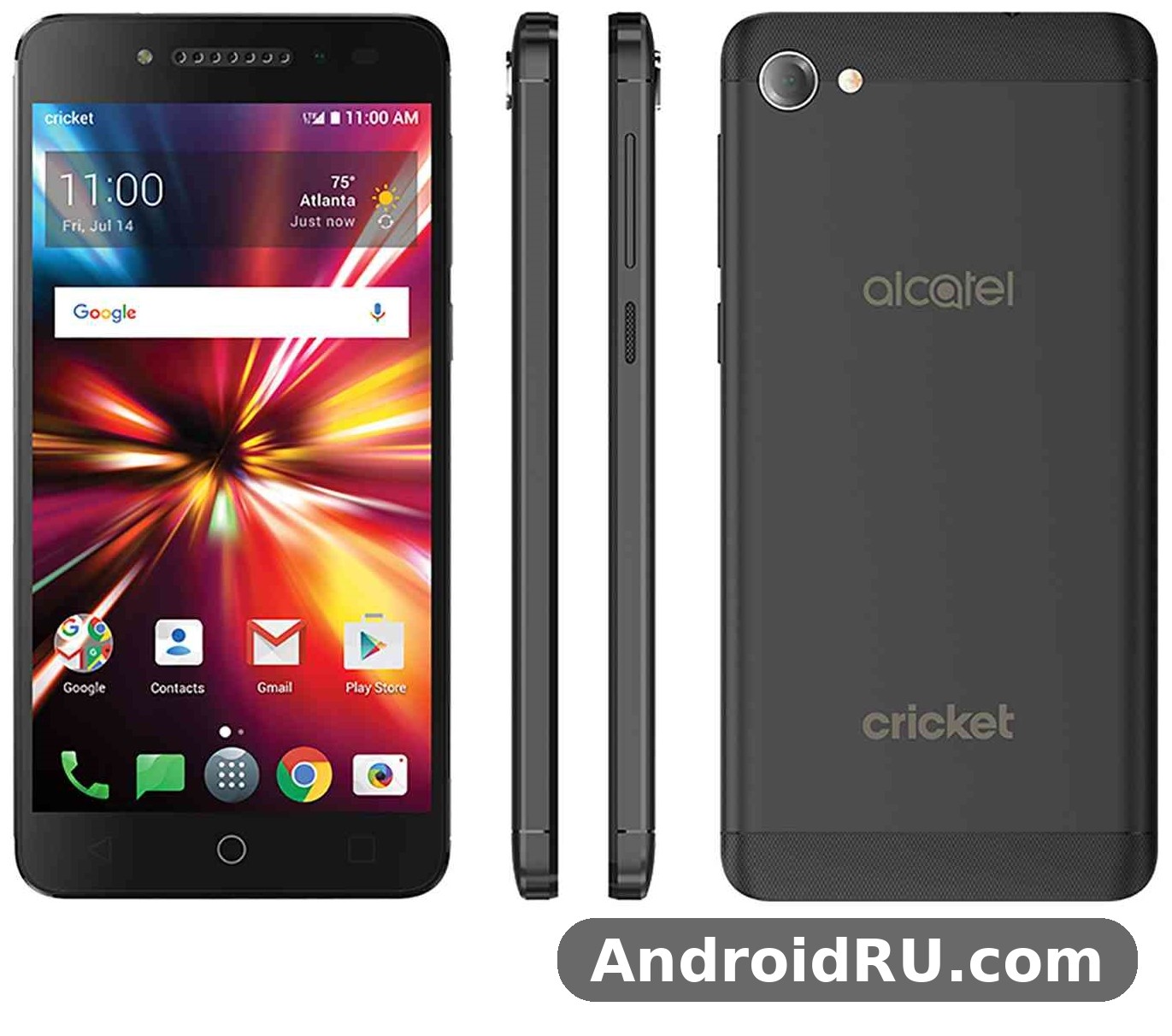
That framing matters because the Pulsemix is now a discontinued classic. It is no longer sold new, it no longer receives software updates, and its hardware belongs firmly to 2017. Judged against a modern phone it looks slow and limited, but judged against its own price and its own year it was a sensible, honest piece of hardware. This alcatel Pulsemix review treats it as a classic budget handset, not as a current rival, and it keeps the focus on what the phone actually did well, where it struggled, and who it was really for. Readers who want a quick comparison with another small alcatel from the same era can start with alcatel U5 HD: Is It the Right Phone for You? Review and Specs before going through the detail below.
The alcatel Pulsemix full specifications and features tell most of the story before the phone is even switched on. A Mediatek MT6738 chipset, 2GB of RAM, 16GB of storage with a dedicated microSD slot, a 5.2 inch IPS display, an 8MP rear camera and a 2800mAh battery made up a balanced, if modest, package. Nothing here was meant to impress on a specification sheet. Every part was chosen to keep the price low while keeping everyday use smooth enough for calls, messaging, social apps, maps and casual photos. It was built to be simple, affordable and easy to live with.
Design and Build
The alcatel Pulsemix design is plain in the best sense of the word. It is a rounded plastic phone with a 5.2 inch screen, a removable-looking but in fact fixed back in practical terms, and a layout that puts the power button and volume keys where a thumb can reach them without stretching. It does not try to look like a flagship, and it does not need to. The plastic body keeps the weight down, it does not shatter the way glass backs do, and it survives the small knocks of daily life in a pocket or a bag with far less drama than a more expensive handset.
The alcatel Pulsemix design and build quality in hand feel suited to one-handed use. The 5.2 inch size sits in a sweet spot that has largely disappeared from modern phones: large enough for comfortable reading and video, small enough to hold, type on and slip into a pocket without a second thought. The alcatel Pulsemix weight and dimensions for one hand use make it a natural fit for people who disliked the tall, wide phones that followed it, and the curved edges stop the frame from digging into the palm during a long call. This is a 5.2 inch phone in the old sense, compact by modern standards and easy to carry all day.
Size, Weight and In-Hand Feel
Hold the Pulsemix and the first thing you notice is how manageable it feels. The screen is wide enough for a full keyboard, yet the body stays narrow enough to grip firmly. The back has a soft, slightly textured finish that helps with grip, and the phone stays put on a table instead of sliding away. For a budget phone, that kind of practical detail counts for more than a premium material that adds cost and fragility. A phone that is comfortable to hold gets used more, dropped less and enjoyed for longer, and the Pulsemix understood that trade-off well.
Screen Protection and Everyday Durability
The alcatel Pulsemix screen protection with Asahi Dragontrail glass was a genuine selling point at this price. Many phones at around 75 dollars shipped with plain, unbranded glass, so a named protective glass layer gave the Pulsemix a small but real advantage against scratches from keys, coins and everyday pocket wear. It did not make the screen unbreakable, and a hard drop onto concrete could still crack it, but it gave the display a better chance of staying clear and readable through a year or two of normal use.
What the Dragontrail Glass Changes in Daily Use
In daily use, the glass mainly shows its value in what does not happen: fine scratches build up more slowly, the screen keeps its smooth feel under the finger, and cleaning a smudge takes one quick wipe instead of a careful polish. A screen protector is still a sensible addition for anyone who carried the phone in a pocket with keys, but the Dragontrail layer meant the phone was not defenceless without one. For a handset that was often bought as a first smartphone, a backup phone or a phone for a younger family member, that extra durability was worth having.
Display and Media
The alcatel Pulsemix display is a 5.2 inch IPS LCD panel with a resolution of 720 by 1280 pixels. That works out to around 282 pixels per inch, which is sharp enough for text, menus and social feeds at normal viewing distance. Individual pixels are not obvious unless the phone is held very close, and the IPS technology keeps colours and contrast steady when the screen is viewed from an angle, which helps when the phone is shared, propped up on a table or glanced at while it sits in a car mount.
The alcatel Pulsemix display quality with 5.2 inch screen is best described as clear and honest rather than rich or vivid. Colours look natural, whites stay reasonably clean, and brightness is enough for indoor use and for shaded outdoor use. In very bright sunlight the panel washes out a little, as most budget LCD panels of the era did, and the owner learns to shade the screen or raise the brightness for a quick glance at a message. The screen stays readable in most everyday light.
A 5.2 Inch IPS Panel in Practice
In practice, the panel suits the way a budget phone is actually used. Reading news, checking email, following a map and scrolling through photos all look fine at 720p, and video at the same resolution matches the panel pixel for pixel, so there is no wasted work scaling a stream down to fit. The 16:9 shape is the classic video shape, so films and clips fill the screen without large black bars. Text stays legible at comfortable sizes, and the touch layer responds well to taps and swipes, which matters more in daily use than a higher resolution that the chipset and battery would have struggled to feed.
Sound, Video and Everyday Viewing
The alcatel Pulsemix speaker quality and audio output test shows a single small speaker that is loud enough for ringtones, alerts and speakerphone calls in a quiet room, but thin and a little harsh at full volume. It is a practical speaker rather than a musical one, and headphones or a small Bluetooth speaker are the better choice for music and long videos. The 3.5mm headphone jack sits ready for wired earphones, which in 2017 was still the normal way most people listened, and the alcatel Pulsemix charging port and headphone jack location keep cables out of the way during calls and while the phone charges on a desk.
Watching Video on a 720p Screen
Watching video on this screen is a comfortable, undemanding experience. A 720p stream looks clean, motion stays smooth for ordinary clips, and the modest resolution keeps data use and battery drain lower than a sharper panel would. Short videos, video calls and catch-up television all suit the size well. The phone was never a home cinema, but for a quick watch on a commute, in bed or while cooking, the combination of a clear panel, a headphone jack and a compact body that is easy to prop up worked nicely.
Performance and Software
The alcatel Pulsemix performance with Mediatek MT6738 chipset defines the character of the phone. The MT6738 is a quad-core chip running at 1.5 GHz on Cortex-A53 cores, paired with Mali-T860MP2 graphics. It is important to get the chip right, because some comparison pages have listed the wrong part for this phone: the Pulsemix uses the MT6738, not the MT6737 and not the MT6753, and the official Cricket material names the MTK 6738. The alcatel Pulsemix chipset is a modest, efficient part built for everyday tasks rather than heavy work, and the review below judges it on that basis. For a wider sense of how alcatel balanced price and performance across its 2017 range, see alcatel A7 vs the Rest: Review and Specifications Compared.
The alcatel Pulsemix performance in daily use is steady for light and medium tasks. Calls, texts, email, web browsing, maps and social apps open and run without long waits, and switching between two or three apps is workable. The phone slows down when too many apps are left open, when a large web page is full of adverts and scripts, or when a heavy game is asked to run at high settings. That is the normal limit of 2GB of RAM and a quad-core budget chip, and the sensible way to live with it is to keep the app list short, close what is not needed, and let the phone do a few things well instead of many things at once.
Mediatek MT6738 and Daily Speed
The alcatel Pulsemix gaming performance with Mali T860MP2 graphics is enough for casual games, puzzles, card games and older 3D titles at modest settings, while demanding modern games will stutter, heat up and drain the battery quickly. The alcatel Pulsemix gaming experience is therefore best kept light: short sessions of simple games run well, and the phone stays cool and responsive. The alcatel Pulsemix multitasking with 2GB RAM and apps follows the same pattern. Two or three light apps can sit in memory together, but a fourth heavy app will often force a reload, so messaging while listening to music works, while editing photos, browsing and gaming at the same time does not. Owners who accepted that ceiling found the phone perfectly usable; owners who fought it found it frustrating.
Android 7.0 Nougat on a Budget Phone
The alcatel Pulsemix Android 7 Nougat software experience is clean, simple and close to stock Android for its time. Android Nougat brought split-screen multitasking, better notifications with direct replies, and a more efficient Doze mode for saving battery when the phone sits idle. On a phone with 2GB of RAM, the lighter touch of the software helped: there was no heavy custom skin eating memory, menus stayed plain and easy to follow, and a first-time smartphone owner could learn the phone quickly. The alcatel Pulsemix software is straightforward rather than full of extras, and that restraint suited the hardware.
The alcatel Pulsemix software updates after Android 7 Nougat are the weakest part of the package. The phone stayed on Android 7.0, and owners should not expect a major version upgrade or modern security patches today. That is normal for a 75 dollar phone from 2017, but it matters for anyone thinking of using one now: older software means older app support, older security fixes and a growing number of apps that will no longer install or run. The alcatel Pulsemix updates story is therefore a reminder to judge the phone as a classic and a backup, not as a daily phone for 2026. Its closest relatives in the same Cricket family show the same pattern of simple software and modest hardware, and the Breaking Down the alcatel Idol 5s (USA): Review, Features and Full Specs gives a useful point of comparison for what the next step up in the range offered.
Camera
The alcatel Pulsemix camera is a single 8MP rear camera with a dual-LED dual-tone flash, and a 2MP front camera for selfies and video calls. There is no second rear lens, no portrait mode trickery and no night mode worth the name, which keeps the camera app simple: point, tap and take the photo. For a phone at this price in 2017, that simplicity was a strength, because the camera did one job and did it without long delays or confusing modes. The alcatel Pulsemix camera quality with 8MP rear camera is at its best in daylight, where the sensor captures enough detail for social sharing, messages and small prints.
The alcatel Pulsemix photo samples in daylight and indoors show the usual budget split. Outdoors in good light, colours look natural, edges stay reasonably sharp, and the results are perfectly usable for sharing online. Indoors, under warm artificial light, the dual-tone flash helps keep skin tones from turning too cold or too orange, but detail softens and noise creeps in as the light falls. The alcatel Pulsemix dual LED flash for low light photos lifts nearby subjects out of darkness for a quick snapshot, yet it cannot rescue a large, dim room, and the best indoor photos come from moving closer to a window or a lamp rather than relying on the flash alone. Daylight is where this camera does its best work.
Rear Camera in Daylight and Indoors
The rear camera also records video at 1080p, which matches the display and keeps clips easy to share. The alcatel Pulsemix video recording quality at 1080p resolution is steady for still scenes and for slow movement, with sound that is clear enough for a spoken clip or a family moment. Fast movement and low light both soften the result, and there is no stabilisation to smooth out walking footage, so the best clips come from holding the phone with both hands and moving slowly. An 8MP camera at this price was a fair, balanced choice, and the Pulsemix used it sensibly rather than promising more than the lens could deliver.
Front Camera and Video Calls
The alcatel Pulsemix front camera quality with 2MP sensor is modest, and owners should expect soft, low-detail selfies that suit a profile picture or a quick message rather than a large print. Video calls work well enough in good light, because the other person sees a recognisable face and hears clear audio, but the picture lacks the sharpness of a modern front camera. The front camera is best treated as a tool for calls and quick snaps, while the rear camera does the real photographic work. That split was normal for budget phones in 2017, and the Pulsemix makes no pretence otherwise.
Battery Life and Charging
The alcatel Pulsemix battery is a 2800mAh unit that cannot be removed by the owner. It is a modest capacity even by 2017 standards, and it sets the rhythm of the day: light use stretches it comfortably, heavy use shortens it sharply, and a charger or a power bank belongs in the bag on a long day out. The alcatel Pulsemix battery life with 2800mAh battery is therefore best understood as a full day for a light user and a partial day for a heavy one, with the screen, the network signal and the number of apps running in the background deciding which side of that line the phone falls on.
The alcatel Pulsemix battery charging time and daily usage follow the same honest pattern. Charging over the microUSB port is steady rather than fast, and a full charge from empty takes a couple of hours, so overnight charging or a top-up during a desk break was the normal routine. Android Nougat helps a little by quieting the phone when it sits idle, and keeping screen brightness sensible and closing unused apps stretches the day further. One full day of light use was a realistic goal. Heavy video, gaming and navigation will still empty the battery well before bedtime, and anyone who used the phone that way in 2017 learned to carry a cable.
How Long the 2800mAh Battery Lasts
In a typical week of use, the pattern settled into something predictable. A day of calls, messages, a little browsing and a few photos left a comfortable margin in the evening. A day with long video streaming, an hour of maps and a gaming session needed a mid-afternoon charge. The battery did not surprise in either direction: it never lasted two days, and it never died before lunch under normal use. For a phone that cost around 75 dollars, that was a fair result, and it matched the rest of the hardware, where every part was sized to be enough rather than generous. Readers comparing battery expectations across the 2017 alcatel range may also like alcatel Flash (2017) Specifications and Detailed Overview: Usability Explained, which shows how a different model in the same year balanced its own power use.
Full Specifications
The table below gathers the alcatel Pulsemix specs in one place. The alcatel Pulsemix price on Cricket Wireless in 2017 was around 75 dollars at launch on Cricket Wireless in the United States, and the alcatel Pulsemix release date was August 2017, when the phone was announced and released in the same month. The alcatel Pulsemix Cricket version was also sold as the Alcatel A50, model number 5085C, so buyers searching for that name are looking at the same phone. The alcatel Pulsemix vs Alcatel A50 Cricket model comparison is therefore a simple one: the two names describe one handset, sold through Cricket, with the same chipset, screen, cameras and battery.
| Feature | Detail |
|---|---|
| Brand | alcatel |
| Model | Pulsemix, also sold as Alcatel A50 (5085C) |
| Announced | August 2017 |
| Released | August 2017 |
| Operating system | Android 7.0 Nougat |
| Chipset | Mediatek MT6738 |
| CPU | Quad-core 1.5 GHz Cortex-A53 |
| GPU | Mali-T860MP2 |
| Display | 5.2 inch IPS LCD, 720 x 1280 pixels |
| Display protection | Asahi Dragontrail glass |
| RAM | 2GB |
| Storage | 16GB, with dedicated microSD slot |
| Rear camera | 8MP with dual-LED dual-tone flash, 1080p video |
| Front camera | 2MP |
| Battery | 2800mAh, non-removable |
| Carrier | Cricket Wireless, United States |
| Connectivity | LTE, Wi-Fi, Bluetooth, GPS, microUSB, 3.5mm headphone jack |
| Launch price | Around 75 dollars |
The alcatel Pulsemix storage is 16GB on the phone itself, and the alcatel Pulsemix RAM is 2GB, so the alcatel Pulsemix RAM and storage with 2GB RAM need a little care in daily use. Sixteen gigabytes filled up quickly in 2017 once apps, photos and cached data were counted, which is why the alcatel Pulsemix microSD card slot for extra storage mattered so much: the slot is dedicated, so adding a card does not cost a SIM place, and photos, music and offline video could live on the card instead of the phone. The alcatel Pulsemix connectivity with WiFi Bluetooth and LTE covers the essentials for calls, data, wireless headphones and location, and the phone handles the ordinary connected life of calls, messages, maps and streaming without fuss.
Pros and Cons
The alcatel Pulsemix pros and cons for budget buyers come down to a simple balance. The phone gave a lot of everyday value for around 75 dollars, but it asked its owner to accept clear limits on speed, storage and software life. The alcatel Pulsemix pros start with the price, the compact size, the protective glass and the dedicated card slot. The alcatel Pulsemix cons start with the small memory, the modest battery and the fact that the software stopped at Android 7.0. Weighing those two lists against each other is the whole buying decision, then and now.
Pros
- Very affordable launch price of around 75 dollars on Cricket Wireless
- Compact 5.2 inch body that is easy to hold and carry
- Asahi Dragontrail glass protecting the display
- Dedicated microSD slot, so storage can grow without losing a SIM place
- Clean and simple Android 7.0 Nougat experience
- Good daylight photos from the 8MP rear camera for the price
- Honest, predictable battery life for light and medium use
Cons
- Only 2GB of RAM, so heavy multitasking forces apps to reload
- Only 16GB of storage, which fills up quickly without a card
- 2800mAh battery is modest and needs a charge on heavy days
- 720p display only, with weaker visibility in bright sunlight
- 2MP front camera is soft and low in detail
- No major Android update beyond Android 7.0 Nougat
- Discontinued, so new units, parts and support are hard to find
Frequently Asked Questions
The questions below cover the points most buyers asked about the Pulsemix in 2017, and the points collectors and second-hand buyers ask about it today. The alcatel Pulsemix features are simple enough that the answers stay short, and the full specifications table above holds the detail behind each one. For a larger-screen alternative from the same brand and year, the alcatel A7 XL Overview: Review, Display and Complete Specifications is a useful next read.
Is the alcatel Pulsemix still worth buying in 2026?
The alcatel Pulsemix should you buy it in 2026 question has a careful answer. As a main daily phone, no: the old Android version, the small memory and the lack of updates make it a poor choice for modern apps, banking and security. As a classic, a collector piece, a simple backup phone for calls and texts, or a way to study how budget phones looked in 2017, it can still be interesting, provided the price is very low and the buyer accepts its limits. The alcatel Pulsemix value for money at 75 dollars was strong in 2017, but value today depends on paying only a small second-hand price for a phone that will never be a modern daily driver again.
What chipset does the alcatel Pulsemix use?
The phone uses the Mediatek MT6738, a quad-core 1.5 GHz Cortex-A53 chip with Mali-T860MP2 graphics. Some comparison pages have listed the MT6737 or the MT6753 for this model, but both are wrong for the Pulsemix: the official Cricket material names the MTK 6738, and the rest of the hardware matches that chip. Knowing the right chip matters when looking for cases, parts or software help, because the wrong chip name leads to the wrong advice.
How much RAM and storage does the alcatel Pulsemix have?
It has 2GB of RAM and 16GB of built-in storage, with a dedicated microSD slot for extra space. The alcatel Pulsemix dimensions and weight are compact for a 5.2 inch phone, and the alcatel Pulsemix speaker is a single small unit suited to calls and alerts rather than music. The alcatel Pulsemix photos from the rear camera suit daylight sharing, and the alcatel Pulsemix video at 1080p suits short, steady clips. A microSD card is almost essential if the phone is used for photos, music or offline video, because 16GB alone leaves little room once the system and a handful of apps are counted.
How good is the alcatel Pulsemix call quality?
The alcatel Pulsemix call quality on Cricket Wireless network was clear and reliable for ordinary calls, with a loud enough earpiece for quiet and moderately noisy places and a microphone that carried speech well. As a Cricket phone, it was built for the Cricket network in the United States, so buyers outside that network should check compatibility and any carrier lock before buying a used unit. The phone also handles texts, voicemail and speakerphone calls without trouble, and those basic jobs are where a budget handset earns its keep. The alcatel Pulsemix discontinued budget phone from 2017 label fits it well: a simple, affordable phone from a different era of Android, remembered fondly for doing the basics right at a price almost anyone could afford.

