

alcatel A7 XL Overview: Review, Display and Complete Specifications
This alcatel A7 XL overview covers a big-screen phone from late 2017 that tried to stand out with a large battery, a dual rear camera and a 6.0-inch display at a mid-range price. The alcatel A7 XL phone arrived at a time when many buyers wanted more screen and more endurance without paying flagship money, and this alcatel A7 XL smartphone answered that demand with a straightforward package: a Full HD panel, a Mediatek octa-core chip, 3GB of RAM and a 4000mAh cell. This alcatel A7 XL review looks at the device as a classic from its era, explains what each part of the hardware did well, where it showed its age even in 2017, and what a reader in 2026 should take from its story. The alcatel A7 XL 2017 launch placed it in the upper part of the alcatel range, above the regular A7 and close in spirit to the Idol family, and that position helps explain both its ambitions and its limits.
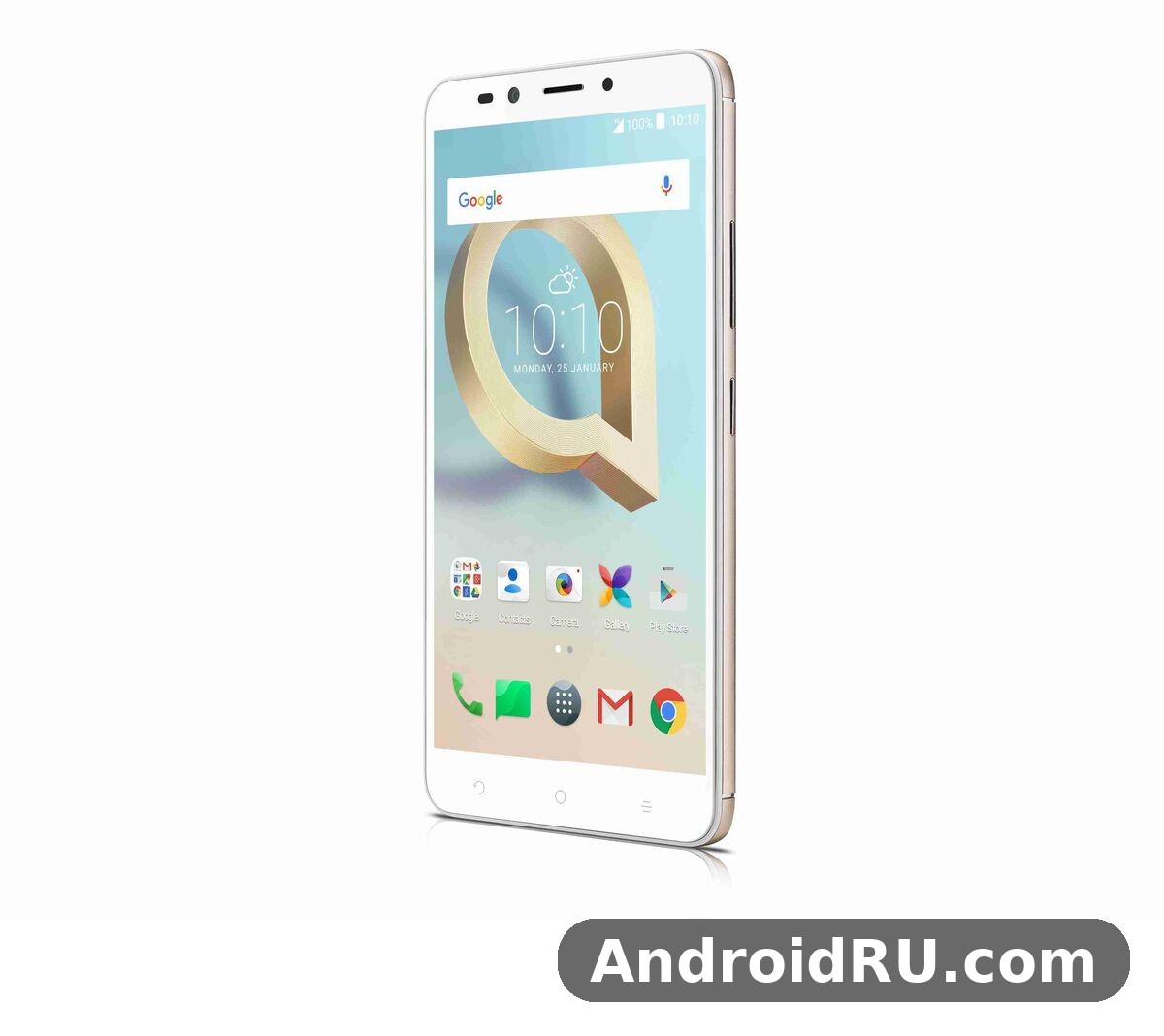
Readers who want the short version can start with the alcatel A7 XL specs in the table near the end of this article, then return to the sections on display, camera and battery for the detail behind each number. The alcatel A7 XL specifications for display and camera are the heart of the story, because the screen is the first thing a buyer noticed and the dual camera was the feature alcatel used to set this model apart from simpler rivals. The alcatel A7 XL price in Europe at launch was around 280 euro, which put it against strong competition from larger brands, so value depended on how much a buyer cared about screen size and battery life. This article keeps every claim tied to the verified hardware and the launch facts, without pretending to be a fresh hands-on test of a discontinued device.
For context inside the same brand family, the comparison with its closest relatives is useful. The alcatel A7 vs the Rest: Review and Specifications Compared shows how the regular A7 differed from this XL version, while the alcatel Idol 5 Review: Form Factor, Storage and the Full Picture gives a sense of the Idol line that sat alongside it. Those relatives shared the same design language and the same Android era, so reading them together makes the A7 XL easier to place.
Design and Build Quality
The alcatel A7 XL design followed the familiar alcatel approach of the period: a large, slim slab with rounded corners, a metal-look body and a clean front dominated by the screen. At 175 grams and 8.7 mm thick, it was not the lightest phone of its size, yet the alcatel A7 XL weight and thickness for daily use were reasonable for a device with a 6.0-inch panel and a 4000mAh battery inside. The alcatel A7 XL dimensions made one-handed use a stretch for most people, and that was true of almost every phone with a screen this large in 2017, so buyers who chose it were usually buyers who had already accepted a two-handed phone in exchange for more viewing area. The alcatel A7 XL design with metal body and fingerprint reader gave it a more premium feel than its price suggested, with the rear panel carrying the camera module, the flash and the fingerprint sensor in a tidy vertical arrangement.
The front of the phone kept the 16:9 layout that was still standard in 2017, with bezels above and below the screen rather than the taller 18:9 panels that were just starting to appear on flagships. That choice kept the alcatel A7 XL screen wide and comfortable for video, and it also kept the proportions familiar to anyone moving up from a 5.5-inch device. The power key and volume rocker sat on the right edge, the headphone jack was kept on the body, and the overall finish was neat rather than flashy. The alcatel A7 XL speaker quality and headphone jack location mattered to buyers who still listened through wired headphones, and keeping the jack meant no adapter was needed for a regular pair of earphones.
Dimensions and Materials
The body measured 159.5 x 81.8 x 8.7 mm in the published dimensions, which explains why the phone felt broad in the hand and in a pocket. The alcatel A7 XL features list included a rear-mounted fingerprint sensor, a dual camera, a large battery and expandable storage, and the body was built to hold all of that without feeling hollow or fragile. The frame and back panel were finished to resist everyday marks, though a case was still a sensible addition for a glass-fronted device of this size. The alcatel A7 XL phone was a big-screen phone from 2017 in every sense, and its size was both its main attraction and its main compromise.
Fingerprint Sensor Placement
The alcatel A7 XL fingerprint sensor on the back sat just below the camera module, where an index finger naturally rests when the phone is held. The alcatel A7 XL fingerprint reader was quick to set up and worked as the main way to wake and unlock the device, alongside the usual PIN and pattern options. The alcatel A7 XL fingerprint hardware was a standard capacitive sensor of its generation, and its rear position kept the front free for the screen. Readers comparing it with other alcatel models of the same year will find the same rear placement across much of the range, which made the layout easy to learn when moving between models.
Display
The alcatel A7 XL display was a 6.0-inch IPS LCD panel with a resolution of 1080 x 1920 pixels, giving a 16:9 aspect ratio and a pixel density of about 367 pixels per inch. The alcatel A7 XL display quality on 6 inch screen was good for its class: text stayed sharp, colours looked natural rather than oversaturated, and the IPS technology kept viewing angles wide enough for sharing a video with someone sitting beside the owner. The alcatel A7 XL screen resolution of 1080 by 1920 pixels was the right match for the size, because a lower resolution on a 6.0-inch panel would have made text look soft, while this Full HD resolution kept menus, web pages and photos crisp.
The alcatel A7 XL 6 inch IPS LCD panel with full HD resolution also suited the way people used a phone of this size: watching video, reading long articles, browsing photos and playing games all benefit from a larger canvas, and the 16:9 shape filled video content without black bars on most clips of the period. Brightness was adequate for indoor use and for shaded outdoor use, though direct sunlight could wash the panel out, as it did on most LCD phones of the time. The alcatel A7 XL screen was protected by a flat glass front, and the touch response was steady across the whole panel, which mattered on a device where the far corners were a long reach for a thumb.
Viewing Experience on a Large Panel
Video playback was the strongest use of the display, because the combination of size, Full HD sharpness and natural colour made films and clips easy to watch for long stretches. Reading was also comfortable, with large text rendering cleanly and web pages showing more content per screen than a 5.5-inch phone could manage. The alcatel A7 XL display and the alcatel A7 XL battery worked together here: a big screen usually drains a battery faster, so the 4000mAh cell was an important part of making the large panel practical rather than a short-lived luxury. The panel did not offer the deep blacks of an OLED screen, and that showed in dark scenes, yet for everyday viewing the IPS panel delivered a balanced and honest picture.
Performance and Hardware
The alcatel A7 XL performance with Mediatek MT6750S chipset was the defining hardware choice of the phone, and it is worth getting the chip name right: this model used the MT6750S, not the plain MT6750. The MT6750S is a 28 nm octa-core design with four Cortex-A53 cores at 1.5 GHz and four Cortex-A53 cores at 1.0 GHz, paired with Mali-T860MP2 graphics. The alcatel A7 XL chipset handled everyday work in a steady and predictable way, opening apps, scrolling through feeds and switching between a handful of open apps without drama. The alcatel A7 XL performance was mid-range rather than flagship, and that matched the price: it was built for smooth daily use, not for breaking speed records.
The alcatel A7 XL 3GB RAM and 32GB storage combination was the standard mid-range memory setup of 2017. Three gigabytes of RAM kept several apps in memory at once, and the alcatel A7 XL RAM was enough for social apps, a browser with a few tabs, email and music playing in the background. The alcatel A7 XL storage of 32GB held the system, apps and a reasonable amount of media, and the alcatel A7 XL microSD card slot for extra storage let owners add a card when the built-in space ran short. The alcatel A7 XL connectivity options including 4G LTE and WiFi covered the essentials of the period: LTE for mobile data, Wi-Fi for home and office, Bluetooth for headphones and accessories, GPS for navigation, and a microUSB port for charging and data.
For readers who want to see how this hardware compared with the smaller sibling, the alcatel A7 vs the Rest review is a useful companion, and the Breaking Down the alcatel Idol 5s review shows another alcatel model from the same era with its own balance of screen, chip and battery. The A7 XL sat between those ideas: larger than the regular A7, and more focused on battery and camera than on slimness.
Everyday Performance and Multitasking
In normal daily use, the octa-core chip and 3GB of RAM delivered a calm experience. Messaging, email, maps, streaming music and light photo editing all ran without fuss, and the phone rarely felt slow when moving between tasks. Heavier work, such as editing a long video or keeping a very large number of apps open at once, could make the limits of the hardware visible, with occasional pauses while an app reloaded. That was normal for the class and the year, and it is the reason the alcatel A7 XL review of this hardware should be read as a description of a competent mid-range phone, not as a claim that it matched the flagships of 2017. The 32GB of built-in space also needed some care: owners who installed many large games or kept a big offline music library would have needed the microSD slot sooner than owners who streamed most of their media.
Gaming and Graphics
The alcatel A7 XL gaming performance on Mali T860MP2 graphics suited casual and mid-level games well, with steady frame rates in popular titles of the period at moderate settings. The large screen made games more enjoyable, and the battery meant a gaming session did not end the day early. Demanding 3D titles at the highest settings could push the chip hard, and frame rates would drop or the phone would warm up during a long session, so the sensible approach was to choose balanced graphics settings. The alcatel A7 XL performance in games was therefore best described as enjoyable for the games most people actually played, rather than as a dedicated gaming phone.
Camera
The alcatel A7 XL camera was built around a dual rear setup, which was still a talking point in 2017. The main rear sensor was 12 megapixels, joined by a 2 megapixel depth sensor, and the pair worked together to create portrait shots with a blurred background. The alcatel A7 XL review of dual rear camera setup should start with that idea: the second sensor did not take its own full photo, it measured depth so the phone could separate a person from the background and soften what lay behind them. The alcatel A7 XL dual camera portrait mode with blur effect was the feature alcatel promoted most, and in good light it produced pleasing portraits with a clear subject and a gentle background blur.
The alcatel A7 XL rear camera performance in daylight conditions was the strongest part of the camera story. Outdoor photos in bright light showed good detail, natural colour and sensible exposure, and the 12MP main sensor captured enough detail for sharing online and for viewing on the phone itself. In lower light, noise increased and detail softened, which was true of almost every mid-range camera of the year, and the small depth sensor added little in the dark. The alcatel A7 XL video recording quality on rear camera covered Full HD video, which was the expected standard for the class, and the footage was smooth enough for casual clips and family video. The alcatel A7 XL dual camera setup and the alcatel A7 XL camera software together made the phone a reasonable choice for buyers who wanted a portrait mode without paying flagship prices.
Rear Dual Camera
The 12MP main camera used an aperture of f/2.0 and was paired with a dual-LED flash, phase detection autofocus and the depth sensor for portrait work. The dual-lens setup on the back gave the phone a clear identity in its price band, and the portrait mode was easy to find and easy to use. Owners who took the time to frame a portrait with a clean background got the best results, while busy backgrounds could confuse the depth effect and leave edges looking soft. That was a common limit of early dual-camera portrait modes, and the A7 XL was no exception. For everyday shots of friends, food, travel and street scenes, the main camera did the work on its own and delivered solid, shareable results.
Front Camera
The alcatel A7 XL front camera for selfies and video calls used a 5 megapixel sensor with an LED flash, which was a helpful addition for low-light selfies and for video calls in dim rooms. The alcatel A7 XL front camera produced clear selfies in good light, with natural skin tones and enough detail for social sharing, and the flash helped when the room light was poor. Video calls were steady and the wide screen made the caller easy to see, which suited the phone’s role as a large-screen device for staying in touch. The front camera was not meant to rival the rear camera, and its results should be judged on that basis: a practical selfie and calling camera, not a second main camera.
Battery Life
The alcatel A7 XL battery life with 4000mAh battery was one of the strongest reasons to choose this phone. A 4000mAh cell was generous for 2017, and it gave the A7 XL a clear advantage over rivals with 3000mAh batteries. The alcatel A7 XL 4000mAh cell, combined with a power-efficient octa-core chip and a Full HD LCD, delivered full-day endurance for many users, with lighter users reaching into a second day before needing a charge. The alcatel A7 XL battery capacity compared to other phones of the same year was therefore a genuine selling point, not a small footnote, and it matched the large-screen idea: a big screen is only useful if the battery can keep it lit through the day.
The alcatel A7 XL charging time with 4000mAh battery pack was longer than on a phone with a smaller cell, because a larger battery simply takes longer to fill, and the phone charged over microUSB at standard rates rather than with the fastest charging standards of the time. Owners who charged overnight never noticed this, while owners who topped up in a hurry during the day would have wanted a longer window. The alcatel A7 XL battery and the alcatel A7 XL display worked as a pair in real use: video, browsing and gaming all drew power, yet the large cell kept the phone going through a normal day of mixed use, and the standby drain was modest when the phone was left idle.
Charging and Endurance
For a typical day of calls, messaging, browsing, some video and some music, the phone usually ended the day with charge to spare, and that margin is what made the battery feel reliable rather than just large on paper. Heavy days with long video streaming or long gaming sessions would still use the battery faster, yet the starting capacity gave the phone more headroom than most rivals. The non-removable battery was the norm for the period, so owners could not swap in a spare cell, and the practical answer was to charge overnight and to carry a cable on long travel days. The alcatel A7 XL battery life was the feature most likely to be remembered fondly by owners, because it removed the low-battery worry that smaller phones of the era created.
Software and Connectivity
The alcatel A7 XL Android 7.1 Nougat software experience was based on Android 7.1 Nougat at launch, with alcatel’s own interface on top. The alcatel A7 XL software offered the Nougat features of the time, including split-screen multitasking, improved notifications and the app shortcuts that came with Android 7.1, and the interface kept the layout simple and colourful. The alcatel A7 XL Android setup was easy to learn for anyone moving from an earlier Android phone, and the large screen made split-screen use practical: a video on one half and a message thread on the other was a natural fit for a 6.0-inch panel.
The alcatel A7 XL software updates after Android Nougat release were limited, as they were for many mid-range phones of the period, and buyers in 2026 should treat the phone as a device of its era rather than as a phone that will receive modern software. The alcatel A7 XL connectivity covered 4G LTE, Wi-Fi 802.11 b/g/n, Bluetooth 4.2, GPS and FM radio, and the dual-SIM option in some markets let owners keep a work and a personal line in one device. The alcatel U5 HD: Is It the Right Phone for You? Review and Specs shows a smaller and simpler alcatel from the same period, which helps to show how much more the A7 XL offered in screen, battery and camera, while the Our alcatel 1T 7 Review: Features, Connectivity and Detailed Specs covers a tablet from the same brand family and the same Android era.
Android 7.1 Nougat and Interface
Android 7.1 Nougat on this phone kept the core Google apps, the Play services of the time and alcatel’s light customisations, without overloading the system with heavy extras. The interface used large touch targets that suited the big screen, and the settings menus were laid out in a familiar way. Split-screen multitasking was the most useful Nougat addition on a 6.0-inch display, and the notification shade made it easy to reply to messages without opening each app. The alcatel A7 XL software experience was therefore calm and direct, and the phone did not ask its owner to learn a complicated new system.
Full Specifications
The alcatel A7 XL specifications for display and camera, for hardware, battery and connectivity, are set out in full in the table below. The alcatel A7 XL release date in November 2017 and the announcement in September 2017 at IFA frame the table: every number belongs to that launch period, and the phone has since been discontinued. The alcatel A7 XL announced at IFA in September 2017 was presented as a large-screen, large-battery mid-range phone, and the table shows how that idea was put together. Readers who compare the table with the Breaking Down the alcatel Idol 5s: Review, Durability and Full Specs will see how alcatel balanced similar parts in different shapes across its 2017 range.
| Feature | Specification |
|---|---|
| Brand | alcatel |
| Model | alcatel A7 XL |
| Announced | September 2017, at IFA |
| Release date | November 2017 |
| Status | Discontinued |
| Dimensions | 159.5 x 81.8 x 8.7 mm |
| Weight | 175 g |
| Build | Metal-look body, glass front |
| SIM | Nano-SIM, single or dual SIM depending on market |
| Display type | IPS LCD, 6.0 inches |
| Display resolution | 1080 x 1920 pixels, 16:9, about 367 ppi |
| Display protection | Glass front |
| Operating system | Android 7.1 Nougat |
| Chipset | Mediatek MT6750S, 28 nm |
| CPU | Octa-core, 4×1.5 GHz Cortex-A53 and 4×1.0 GHz Cortex-A53 |
| GPU | Mali-T860MP2 |
| RAM | 3 GB |
| Internal storage | 32 GB |
| Memory card slot | microSD, expandable storage |
| Rear camera | Dual, 12 MP main plus 2 MP depth sensor, f/2.0, phase detection autofocus, dual-LED flash |
| Rear camera features | Portrait mode with background blur, HDR, panorama |
| Rear video | 1080p Full HD video recording |
| Front camera | 5 MP, LED flash |
| Front video | 720p video |
| Battery | 4000 mAh, non-removable Li-Ion |
| Charging | microUSB, standard charging |
| Fingerprint sensor | Rear-mounted |
| Connectivity | 4G LTE, Wi-Fi 802.11 b/g/n, Bluetooth 4.2, GPS, FM radio |
| Ports | microUSB 2.0, 3.5 mm headphone jack |
| Sensors | Fingerprint, accelerometer, proximity, compass |
| Colours | Black, and other market finishes |
| Launch price | About 280 euro in Europe |
Pros and Cons
The alcatel A7 XL pros and cons for everyday users come down to a simple trade: a large screen and a large battery on one side, and mid-range speed and a 2017 software base on the other. The alcatel A7 XL pros include the display, the battery and the portrait camera, while the alcatel A7 XL cons include the size, the charging speed and the limited update path. The alcatel A7 XL verdict depends on what a reader values most: if screen size and endurance matter more than speed, the balance looks good, and if compact size and long software support matter more, the balance looks weaker. The alcatel A7 XL comparison with alcatel A7 and Idol 5 also helps here, because the A7 XL wins on screen and battery while its relatives win on pocketability and, in some cases, on a slimmer shape.
Pros
- Large 6.0-inch Full HD IPS display, sharp and comfortable for video and reading.
- Generous 4000mAh battery with full-day endurance for many users.
- Dual rear camera with a portrait mode and background blur effect.
- Rear fingerprint sensor, microSD expansion and a headphone jack.
- Straightforward Android 7.1 Nougat software with split-screen multitasking.
Cons
- Large and broad body at 175 g and 8.7 mm, hard to use one-handed.
- Mid-range MT6750S performance, not suited to the heaviest games at top settings.
- Camera quality drops in low light, and the depth effect can struggle with busy backgrounds.
- Standard microUSB charging, with a longer fill time for the large battery.
- Discontinued 2017 device with limited software updates after Android Nougat.
Frequently Asked Questions
The questions below cover the points readers ask most often about this classic alcatel model, from its release date and price to its camera, battery and present-day value. The alcatel A7 XL is it still worth buying in 2026 is the question that needs the most care, and the answers below give a direct view on each point without overstating what a discontinued phone can offer today.
When was the alcatel A7 XL released?
The alcatel A7 XL release date in November 2017 followed its announcement in September 2017 at IFA. The alcatel A7 XL announced at IFA in September 2017 was launched in Europe at around 280 euro, and the alcatel A7 XL price in Europe at launch placed it in the mid-range. The phone is now discontinued, so new units are no longer sold through regular retail, and any unit found today would be a used or old-stock device from that 2017 launch period.
What chipset does the alcatel A7 XL use?
The phone uses the Mediatek MT6750S chipset, a 28 nm octa-core design with four Cortex-A53 cores at 1.5 GHz and four Cortex-A53 cores at 1.0 GHz, plus Mali-T860MP2 graphics. The alcatel A7 XL performance with Mediatek MT6750S chipset is mid-range and steady for everyday apps, browsing, video and casual games, and it is paired with 3GB of RAM and 32GB of storage with microSD expansion. The MT6750S name matters, because it is a distinct version from the plain MT6750, and the A7 XL should always be listed with the S version.
How good is the alcatel A7 XL battery life?
The alcatel A7 XL battery life with 4000mAh battery was strong for 2017 and remains the clearest strength of the phone. The alcatel A7 XL battery capacity compared to other phones of the same year was generous, and the large cell gave full-day endurance for many users, with lighter use stretching into a second day. The alcatel A7 XL charging time with 4000mAh battery pack was longer than on smaller phones, because the cell takes longer to fill over standard microUSB charging, so overnight charging was the most practical routine.
Is the alcatel A7 XL still worth buying in 2026?
The alcatel A7 XL is it still worth buying in 2026 depends on the purpose. As a main phone in 2026, it is hard to recommend, because the software is Android 7.1 Nougat, the chip is from 2017, and the phone is discontinued with limited updates. As a spare device, a media player, a backup phone or a collector’s piece from the alcatel range, the large screen, the 4000mAh battery and the dual camera still give it a clear character, and the alcatel A7 XL value for money at 280 euro price was fair at launch even though that price no longer applies to a used device today. A buyer in 2026 should check the battery health, the screen condition and the price carefully before deciding, and should treat the phone as a classic rather than as a current mid-range rival. The classic mid-range package is best enjoyed with those limits in mind, and this alcatel A7 XL overview is written to help a reader make that judgement with the verified facts in front of them.

