

alcatel Flash (2017) Specifications and Detailed Overview: Usability Explained
The alcatel Flash (2017) arrived in a year when mid-range phones were trying hard to look and feel more expensive than their price tags suggested. Announced in April 2017 and released in May 2017, this model was aimed mainly at buyers in the Middle East, including Jordan and Saudi Arabia, rather than at a wide global launch. That regional focus matters, because the alcatel Flash review story is best understood as a phone built for a specific market at a specific time, with a deca-core chipset, a large Full HD screen, a fingerprint reader, and a camera setup that looked strong on paper for its class. This alcatel Flash specs guide explains what the phone offered, how each part worked in daily use, and where its limits were, using the verified specifications as the anchor for every claim.
For readers comparing phones from the same brand and the same period, the Breaking Down the alcatel Idol 5s (USA): Review, Features and Full Specs gives useful context on how alcatel positioned its 2017 range, while this article stays focused on the Flash (2017) itself. The alcatel Flash price at launch sat in mid-range territory for its market, and the alcatel Flash 2017 package tried to justify that position with a 5.5-inch display, 3GB of RAM, 32GB of internal memory, and a 3100 mAh battery. An alcatel Flash unboxing in 2017 would have shown a familiar mid-range bundle: the phone, a charger, a cable, and basic documentation, with no attempt to pretend it was a flagship. The alcatel Flash 2017 release date May 2017 in Middle East markets also explains why many early impressions came from Jordan and Saudi Arabia first, and why the alcatel Flash Jordan launch and the alcatel Flash Saudi Arabia launch are the two most useful reference points for availability. The alcatel Flash 2017 price in Saudi Arabia in 2017 reflected local retail conditions rather than a single global price, so buyers should treat any single converted figure with care.
It is also worth clearing up identity at the start. This is the Flash (2017), not the Flash (2016) and not the Flash Plus 2, and the three phones do not share the same specifications. An alcatel Flash 2017 vs alcatel Flash Plus 2 comparison shows different positioning and different hardware choices, so mixing the models leads to wrong expectations about the camera, the chipset, and the battery. The phone covered here runs Android 6.0 Marshmallow, uses a MediaTek MT6797 Helio X20 chipset, and pairs that chip with a Mali-T880MP4 graphics unit. It was a solid mid-range choice for 2017, built for everyday browsing, messaging, photography, and video, rather than for chasing flagship records.
Design and Build Quality
The alcatel Flash design follows the mid-range style of 2017: a large screen, slim side bezels for the period, a metal-feel body, and a rear fingerprint reader placed where an index finger naturally rests. The alcatel Flash 2017 design build quality and metal body gave the phone a firmer, cooler feel in the hand than the plastic bodies used by some rivals at the same price, and the 5.5-inch size made it a two-handed device for many people. It was not a small phone, and buyers who wanted a compact handset would have found the width and height noticeable in a pocket, yet the shape was comfortable for watching video and reading for long periods.
In the Hand
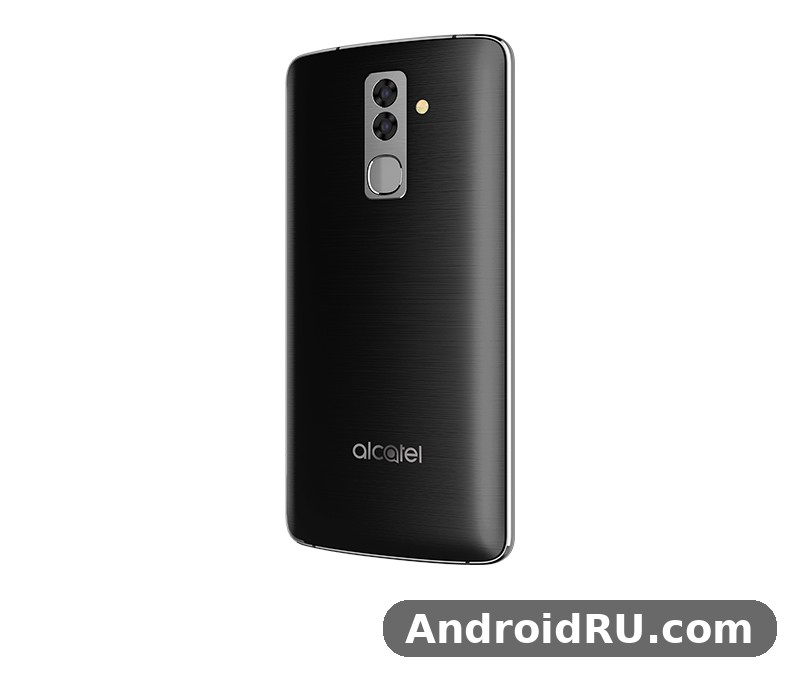
Weight and balance were sensible for a phone with a 3100 mAh battery and a 5.5-inch panel. The front was dominated by the display, with a front camera and earpiece above it, while the back carried the main camera, a flash, the fingerprint sensor, and the alcatel branding. The alcatel Flash dual SIM tray sat on the side, and the phone supported a microSD card for extra room, which was a practical advantage for buyers who kept large music and photo collections. The alcatel Flash fingerprint reader was easy to reach without looking, and the power and volume keys were placed within reach of a thumb on the right edge.
Materials and Finish
The finish was clean and restrained, with no bright colours or unusual textures to distract from the screen. A plain finish also meant that fingerprints and light marks could show on the back, so many owners added a case soon after buying the phone. The alcatel Flash accessories available at the time included simple covers, and alcatel Flash cases and an alcatel Flash screen protector were the two most common first purchases, because a large glass front was the part most exposed to drops and scratches. The build did not claim water resistance or any rugged rating, so sensible care was part of owning it.
Fingerprint Sensor Placement
The alcatel Flash 2017 fingerprint sensor on the back was a defining usability feature. Placing the reader on the rear kept the front clean and made unlocking a single motion: pick up the phone, rest a finger on the sensor, and the screen opened. The alcatel Flash fingerprint system supported the usual lock-screen duties, and the alcatel Flash 2017 fingerprint unlock speed and accuracy were good for the class when the finger was dry and the sensor was clean. Wet fingers, dirt, or a badly registered print could slow it down, as with most rear readers of the period, so registering the same finger twice often helped. The alcatel Flash fingerprint reader was not a side button or an in-display sensor, and that simple rear placement was one reason the phone felt straightforward to use.
Display Quality
The alcatel Flash display is a 5.5-inch IPS LCD panel with a resolution of 1080 by 1920 pixels, giving a sharp Full HD image for text, photos, and video. The alcatel Flash 2017 5.5 inch Full HD display review angle is simple: at this size and resolution, individual pixels were hard to see at normal viewing distance, and the screen was well suited to reading, browsing, and watching clips. Colours looked natural rather than heavily saturated, which suited long reading sessions and photo viewing, while contrast was typical for an IPS LCD of the time rather than the deep black of an OLED panel.
Brightness and Viewing Angles
The alcatel Flash 2017 display viewing angles and colour accuracy held up well when the phone was tilted or shared with someone sitting beside the owner. Colours shifted only slightly at steep angles, and text stayed readable, which helped when showing a photo or a map to another person. The alcatel Flash 2017 screen brightness under direct sunlight was workable rather than outstanding: outdoors on a bright day, the screen needed its brightness raised, and glare could still wash out darker scenes. Indoors and in shade, brightness was ample, and the automatic brightness setting handled most changes in lighting without constant manual adjustment. For a phone of its price and year, the display was a genuine strength, not a compromise made to save cost elsewhere.
Performance and the Helio X20 Chipset
The alcatel Flash performance story starts with its chipset. The alcatel Flash Helio X20 platform is the MediaTek MT6797 Helio X20, a deca-core design with two 2.3 GHz Cortex-A72 cores, four 1.9 GHz Cortex-A53 cores, and four 1.4 GHz Cortex-A53 cores, paired with a Mali-T880MP4 GPU. The alcatel Flash 2017 MediaTek Helio X20 performance review picture is one of flexibility: the faster cores handled demanding moments, the middle cores handled ordinary apps, and the efficient cores handled background work. That arrangement was meant to balance speed and power use, and in daily use the phone opened apps promptly, scrolled smoothly through feeds, and handled switching between a browser, a messaging app, and a music player without long pauses.
Everyday Speed
The alcatel Flash 2017 3GB RAM and 32GB storage performance combination was standard for a 2017 mid-range phone, and it shaped the everyday experience in a direct way. The alcatel Flash RAM allowed several apps to stay in memory, so returning to a browser tab or a chat did not always force a reload. The alcatel Flash 2017 multitasking with 3GB RAM in 2017 worked well for ordinary combinations such as email, maps, social apps, and streaming, though very heavy multitasking with large games and many background apps could still cause reloads. The alcatel Flash storage offered 32GB inside the phone, with part of that taken by the system and preinstalled apps, and the alcatel Flash 2017 microSD card up to 256GB expansion gave owners a clear way to add room for photos, offline video, and music without deleting apps.
Gaming and Graphics
The alcatel Flash gaming experience depended on the Mali-T880MP4 GPU and on how demanding each title was. The alcatel Flash 2017 gaming performance with Mali T880 GPU was adequate for popular casual and mid-level games of 2017, with smooth play at sensible settings, while the most demanding 3D titles of the period needed lower graphics settings to stay smooth. The alcatel Flash benchmarks from the period placed the phone in the upper mid-range group for its class, though benchmark figures alone do not describe how a phone feels after an hour of use, and real-world smoothness mattered more to most owners than any single score.
Heat During Long Sessions
Heat is the honest footnote to a ten-core chip in a slim body. The alcatel Flash 2017 overheating issue with Helio X20 chipset was a topic owners discussed when the phone ran demanding games or long video sessions, and the alcatel Flash 2017 heating during gaming and video playback could make the back feel warm after extended use. The alcatel Flash overheating concern was not a sign that every unit ran hot in normal use: browsing, calls, and messaging stayed comfortable, and warmth appeared mainly under sustained load. Giving the phone a short break, lowering game graphics, and avoiding charging while gaming helped keep temperatures down, and those habits were the practical answer for owners who played often.
Camera System
The alcatel Flash camera setup used a 13MP rear camera and an 8MP front camera, a combination that matched the expectations of a 2017 mid-range buyer. The alcatel Flash 2017 13MP rear camera quality and samples showed that daylight photos could be detailed and well exposed, with natural colours and enough sharpness for social sharing and printing at ordinary sizes. The camera app offered the usual modes for the period, including photo, video, panorama, and basic beautification for selfies, and focusing was quick enough in good light that most everyday shots did not need a second attempt.
Rear Camera in Daylight
In daylight, the rear camera delivered its best results. Landscapes, street scenes, and portraits held detail in the centre of the frame, and the autofocus locked on to nearby subjects without much hunting. The 13MP resolution gave enough detail to crop a photo slightly without it falling apart, and the flash helped with close subjects indoors. Video from the rear camera was suitable for casual clips and family moments, though it did not offer the stabilisation or the high-end video features found on flagship phones of the same year.
Low-Light Shooting
The alcatel Flash 2017 camera low light performance at night was the clear limit of the system. The alcatel Flash 2017 camera low light performance at night showed more noise, softer detail, and slower shutter speeds than daylight shooting, so moving subjects could blur and colours could look muted under street lighting. Holding the phone steady, using the flash for close subjects, and taking a second shot improved the odds of a usable image, but owners should not expect flagship night photography from this sensor. That limit was common across mid-range phones in 2017, and it is the fair context for judging the results.
Front Camera and Selfies
The alcatel Flash selfie camera used an 8MP front sensor, and the alcatel Flash 2017 front camera 8MP selfie performance was good for video calls and social photos in good light. Skin tones looked natural with beautification turned down, and the wide-enough field of view made group selfies possible without a stick. In dim rooms, front photos became softer and noisier, as with the rear camera, yet the front camera remained a practical tool for everyday communication. For readers who want a different alcatel camera comparison from the same era, the How Good Is the alcatel A5 LED? Full Review and Specifications shows how another alcatel model approached design and photography in its own way.
Battery Life and Charging
The alcatel Flash battery is a 3100 mAh unit, and the alcatel Flash 2017 battery life with 3100mAh battery was one of the most practical parts of the phone. With mixed use that included calls, messaging, browsing, music, and some video, the phone could last through a normal working day for many owners, with charge left in the evening. Heavy video streaming, long gaming sessions, and bright outdoor use drained it faster, as they do on any phone, yet the combination of a Full HD IPS panel and a ten-core chip that could shift work to efficient cores helped avoid the worst drain in ordinary use.
Daily Battery Life
The alcatel Flash 2017 battery charging time and daily usage pattern was straightforward: charge overnight or during a break in the day, and the phone was ready for the next stretch of use. The alcatel Flash charger supplied with the phone was a standard charger for the period, and charging from empty to full took a few hours rather than minutes, because the phone did not offer the fastest charging systems that later phones introduced. Owners who charged little and often, kept screen brightness sensible, and closed unused background apps got the most from each charge. The battery was not removable, so a power bank was the practical backup for long travel days. The alcatel Flash 2017 battery life with 3100mAh battery also depended on signal strength: weak mobile signal forced the radio to work harder, which is a useful detail for buyers in areas with patchy coverage.
Software and Android 6.0 Marshmallow
The alcatel Flash software shipped with Android 6.0 Marshmallow, and the alcatel Flash Android experience was close to the familiar Android of the period, with alcatel additions for the camera, the fingerprint reader, and basic customisation. The alcatel Flash 2017 Android 6.0 Marshmallow software features included app permissions, Google Now on Tap, Doze for saving power when the phone was idle, and the usual Google apps for mail, maps, photos, and browsing. The interface was clean enough to learn quickly, and the settings menu gave access to the fingerprint options, the dual SIM controls, and the microSD controls without deep digging.
Android 6.0 Marshmallow Features
Doze helped the battery last longer when the phone sat unused, and the permission system let owners decide which apps could use the camera, the microphone, or location. The alcatel Flash update question came up often after launch, and questions about an alcatel Flash 2017 software update to Android 7 Nougat were common among owners who wanted newer features and security patches. Buyers should check the exact software version on any individual second-hand unit rather than assuming an update was installed, because regional rollout and carrier timing varied. The alcatel Flash 2017 dual SIM smartphone with microSD support also shaped the software experience: the settings let owners choose which SIM handled calls, messages, and mobile data, and the microSD card could hold media while apps stayed on internal memory. For a broader look at alcatel software and memory handling in a simpler model, the alcatel U5 Full Specifications: Software, Storage and More is a useful companion read.
Connectivity covered the essentials for 2017, and the alcatel Flash 2017 USB OTG support and connectivity options included Wi-Fi, Bluetooth, GPS, and a microUSB port for charging and data, plus the USB OTG ability to connect a flash drive or a peripheral where supported. The alcatel Flash 2017 call quality and network reception test picture was solid for its class: calls sounded clear on the earpiece, the speakerphone was loud enough for a quiet room, and reception held up in ordinary urban and suburban coverage. The alcatel Flash 2017 speaker quality and audio output review note is that the single loudspeaker was clear for ringtones, alerts, and casual video, while headphones gave a fuller sound for music and films, as expected from a phone of this size and price.
Full Specifications
The table below brings the alcatel Flash 2017 full specifications and price in Jordan context together in one place, using the verified details for this model. The alcatel Flash specs listed here are the core facts buyers should check before comparing this phone with any other alcatel model, and they confirm the identity of the Flash (2017) as a distinct device.
| Feature | alcatel Flash (2017) |
|---|---|
| Announced | April 2017 |
| Release date | May 2017 |
| Display | 5.5-inch IPS LCD, 1080 x 1920 pixels, Full HD |
| Chipset | MediaTek MT6797 Helio X20, deca-core (2×2.3 GHz Cortex-A72, 4×1.9 GHz Cortex-A53, 4×1.4 GHz Cortex-A53) |
| GPU | Mali-T880MP4 |
| RAM | 3GB |
| Storage | 32GB, microSD up to 256GB |
| Rear camera | 13MP |
| Front camera | 8MP |
| Battery | 3100 mAh, non-removable |
| Operating system | Android 6.0 Marshmallow |
| SIM | Dual SIM |
| Fingerprint sensor | Yes, rear-mounted |
| Main markets | Middle East, including Jordan and Saudi Arabia |
Reading the table as a whole, the balance is clear: a large Full HD screen, a ten-core chip, 3GB of RAM, and a 3100 mAh battery, with a 13MP rear camera and an 8MP front camera. No single line in the table makes the phone a flagship, and no single line makes it a weak budget device either. It was a balanced everyday phone for buyers who wanted a big screen and a fingerprint reader without paying flagship money, and the dual SIM plus microSD combination added practical value that some rivals lacked.
Pros and Cons
A fair summary needs both sides, and the pros and cons below follow directly from the specifications and the usability notes above. The phone earned praise for its screen and its fingerprint reader, and it drew fair criticism for its software age and its low-light camera, which is the normal trade-off for a mid-range device from 2017.
Pros
- Large 5.5-inch Full HD IPS LCD display with good viewing angles and colour accuracy.
- Deca-core Helio X20 chipset with 3GB of RAM for smooth everyday use and capable mid-level gaming.
- Rear fingerprint sensor that is fast and easy to reach.
- Dual SIM plus microSD expansion up to 256GB.
- 13MP rear camera and 8MP front camera that perform well in daylight.
- 3100 mAh battery that can last a normal working day with mixed use.
Cons
- Android 6.0 Marshmallow is old by later standards, with limited newer features.
- Low-light camera results are noisy and soft.
- The phone can feel warm during long gaming or video sessions.
- Charging is not fast by later standards, and the battery is not removable.
- Availability was mainly regional in the Middle East, so support and accessories varied by country.
Readers weighing other alcatel options from the same period may also find the alcatel Pulsemix After a Week of Use: Review, Features and Full Specs helpful, because it shows a different balance of features and price, and the alcatel U5 HD: Is It the Right Phone for You? Review and Specs offers another comparison point for buyers who were choosing between a larger alcatel phone and a simpler, smaller one.
Frequently Asked Questions
When was the alcatel Flash (2017) released?
The alcatel Flash (2017) was announced in April 2017 and released in May 2017. It was sold mainly in the Middle East, including Jordan and Saudi Arabia, rather than through a wide global launch, so availability and price varied by country.
What chipset does the alcatel Flash (2017) use?
It uses the MediaTek MT6797 Helio X20 chipset, a deca-core chip with two 2.3 GHz Cortex-A72 cores, four 1.9 GHz Cortex-A53 cores, and four 1.4 GHz Cortex-A53 cores, paired with a Mali-T880MP4 GPU. That combination handled everyday apps well and supported mid-level gaming at sensible settings.
How good is the camera on the alcatel Flash (2017)?
The 13MP rear camera is good in daylight, with detailed photos and natural colours for social sharing, while the 8MP front camera is good for selfies and video calls in good light. Low-light photos are softer and noisier, which is the main camera limit to expect.
Is the alcatel Flash (2017) still worth buying today?
The question alcatel Flash 2017 is it still worth buying today depends on the price and the purpose. The alcatel Flash 2017 second hand price and value in 2026 is low, so it can make sense as a spare phone, a media device, or a simple handset for calls and messaging, but it is not a good choice as a main phone for demanding apps, because its Android version is old and its camera and charging are dated. A buyer should check the battery health, the software version, and the condition of the screen before paying for any used unit.
Does the alcatel Flash (2017) have a fingerprint sensor and dual SIM?
Yes. It has a rear-mounted fingerprint sensor and dual SIM support, plus microSD expansion up to 256GB. That combination was a practical advantage in 2017, because it let owners use two numbers and add media room without giving up a SIM slot in the usual shared-tray compromise found on some rivals.
Final Verdict
The alcatel Flash verdict is that this was a clear strength in its price class for buyers in its main markets in 2017: a large Full HD screen, a capable ten-core chip, a rear fingerprint reader, dual SIM with microSD, and a daylight camera that did its job. It was not a flagship, and it never pretended to be one, yet it delivered the parts that mattered most in daily use without asking buyers to accept a tiny screen or a slow chip. An alcatel Flash teardown is not needed to understand the appeal: the appeal was the balance of the whole package, not a single headline feature.
Looked at from a later year, the limits are easy to name: Android 6.0 Marshmallow, a camera that struggles at night, warmth under sustained load, and charging that feels slow beside later phones. Those limits do not erase the value it offered in 2017, and they help explain why the phone is best seen today as a period mid-range device with a clear identity, not as a rival to later hardware. For anyone still curious about the wider alcatel range of the period, the other alcatel guides linked in this article give a fuller picture of how the brand spread its features across different prices, while the Flash (2017) itself remains a useful example of a 2017 mid-range phone done with a large screen, a ten-core chip, and a fingerprint reader at its centre.

 review: Helio X20, 5.5-inch Full HD display, 13MP camera, 3GB RAM, 32GB memory and 3100mAh battery explained in full detail today.)