

iQOO 9T Review: Photo Quality, Video and Performance
Launched in India on 2 August 2022, this flagship arrived as the most powerful phone in its family at the time, pairing a top-tier Qualcomm chip with a bright 120Hz AMOLED panel, a 50MP camera with optical stabilisation and 120W wired charging. This iQOO 9T review looks at the handset as a complete package rather than a list of headline numbers, weighing how its pictures, clips, speed and endurance hold up in ordinary use. Readers searching for an iQOO 9T specs summary will find the full table later in this article, while the sections below explain what those numbers actually feel like day to day. The phone was aimed squarely at buyers who wanted flagship pace without flagship bulk, and much of its appeal still comes from that balance between raw power and practical features.
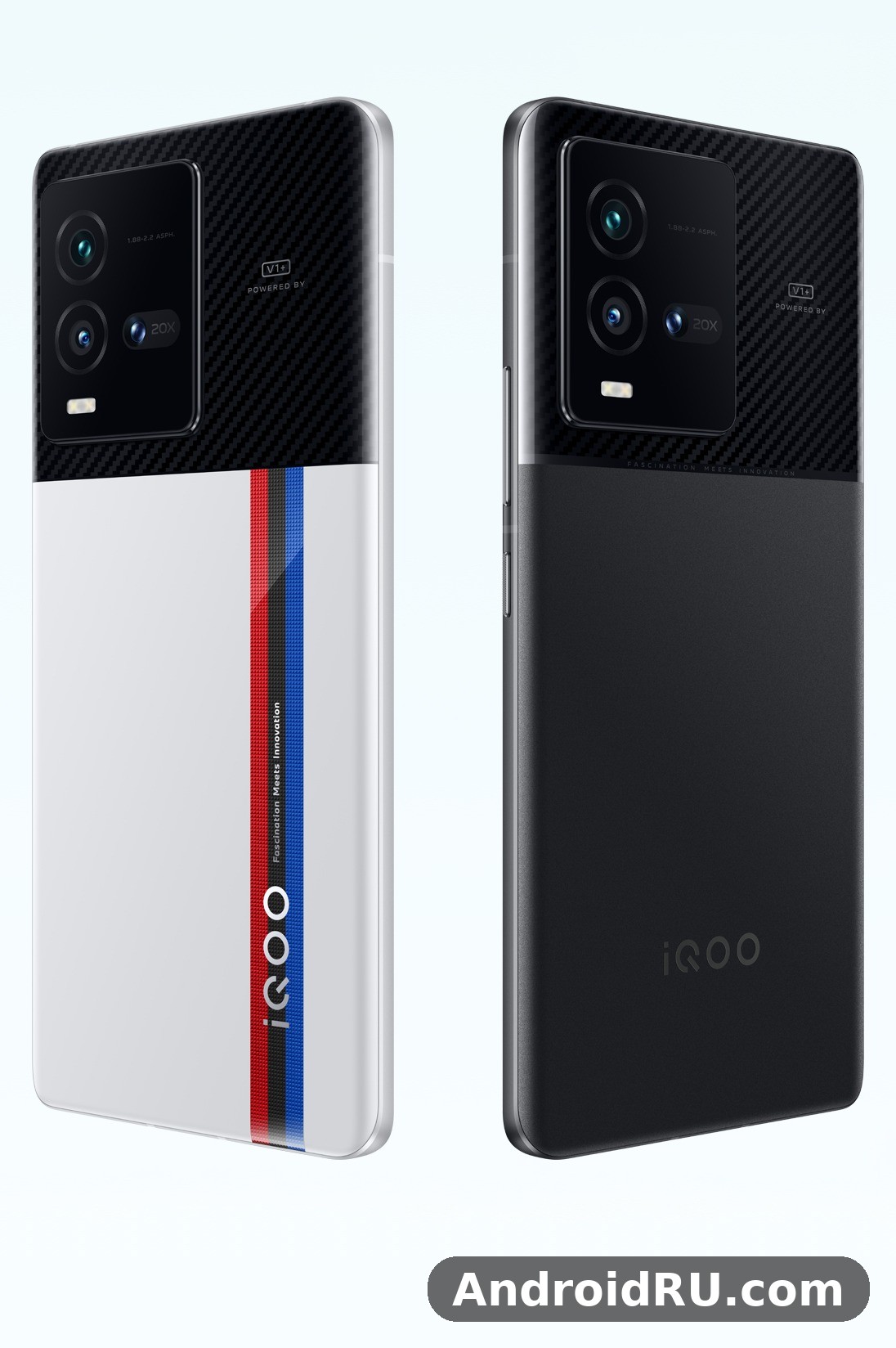
At first glance the device is a familiar glass-and-metal flagship: a 6.78-inch screen dominates the front, a rectangular camera island sits in the upper corner of the back, and the frame feels solid in the hand. The iQOO 9T design is restrained in its black finish and far bolder in the Legend finish, where racing stripes run down the rear panel. Weighing 206 grams with an 8 mm profile, it is substantial without being unwieldy, and the curved glass back helps it sit comfortably during long sessions. The iQOO 9T colors are Alpha and Legend, the latter carrying BMW M branding, and both versions share the same aluminium frame and Gorilla Glass 5 front. For anyone comparing this handset with its siblings, iQOO 9 Review: Daily Performance and Key Features is a useful companion read, because it shows how the standard model differs in pace, cameras and charging.
Design and Display
The front of the phone is almost entirely screen, with slim bezels and a small centred punch hole for the front camera. The iQOO 9T display is a 6.78-inch AMOLED panel with 1 billion colours, a 120Hz refresh rate, HDR10+ support and a peak brightness of 1500 nits, so highlights in supported clips look vivid and text stays readable outdoors. Measured brightness in independent testing reached beyond 1000 nits, and the iQOO 9T AMOLED display brightness under direct sunlight is strong enough for maps, messages and photography on a bright afternoon. The iQOO 9T screen uses a 1080 x 2400 resolution at roughly 388 pixels per inch, which is sharp for reading and streaming, even if it is not the Quad HD panel found on some pricier rivals. Colours are punchy by default and can be toned down in settings, while the high refresh rate keeps scrolling smooth. The iQOO 9T 120Hz refresh rate smoothness in scrolling and animations is immediately noticeable when moving through long feeds, photo galleries and web pages.
Handling is helped by the in-display optical fingerprint reader, which sits low on the panel and unlocks quickly once a finger is registered properly. The iQOO 9T fingerprint reader is reliable in most conditions, though damp fingers can need a second attempt, and face unlock is available as a faster alternative when security demands are lower. The iQOO 9T in-display fingerprint sensor speed and accuracy test results in everyday use are good rather than perfect: dry fingers unlock almost instantly, while a slightly misplaced thumb may need repositioning. Stereo speakers sit at the top and bottom edges, and the iQOO 9T speakers produce clear, reasonably loud sound for clips and games, with the iQOO 9T stereo speaker sound quality for movies and music being balanced at moderate volume and only slightly thin at maximum. There is no 3.5 mm headphone jack, so wired listening needs a USB-C adapter or wireless earphones.
Durability is respectable for its class, with Gorilla Glass 5 on the front and a glass back, plus resistance to dust and dripping water rather than full submersion. The iQOO 9T Gorilla Glass 5 protection durability and scratch resistance are adequate for pocket use, although a case is still wise because the glossy rear picks up fingerprints and can be slippery. The iQOO 9T dimensions are 165 x 77 x 8 mm, and the iQOO 9T weight of 206 grams gives the phone a planted feel without making one-handed use impossible. The iQOO 9T 6.78 inch AMOLED screen refresh rate settings guide is simple in practice: the phone can switch between 60Hz and 120Hz, and the higher setting is the one most owners will leave on for smoother motion. Build quality, then, is a quiet strength rather than a headline feature.
Camera and Photo Quality
Photography is where this phone earns much of its reputation. The rear system combines a 50MP main sensor with optical image stabilisation, a 12MP telephoto with 2x optical zoom and a 13MP ultrawide with a 120-degree field of view. The iQOO 9T camera benefits from the vivo V1+ imaging chip, which supports real-time extreme night vision and helps with noise reduction in dark scenes. The iQOO 9T photo quality in daylight and night is the central question for most buyers, and the answer is encouraging: daylight shots are detailed, well exposed and richly coloured, while night shots retain usable detail with controlled noise. The iQOO 9T photos taken outdoors show clean edges, natural skin tones in portraits and plenty of detail when cropped, and the phone rarely needs a second attempt for a social-ready shot.
Main Camera in Daylight and at Night
The main sensor is a Samsung GN5 unit with a 1/1.57-inch size, an f/1.9 aperture, phase-detection autofocus and optical stabilisation, and it produces the most consistent results of the three rear cameras. The iQOO 9T 50 megapixel Samsung GN5 sensor photo detail analysis shows fine texture in brickwork, foliage and fabric, with dynamic range that holds both sky and shadow in the same frame. The iQOO 9T main camera night mode photo samples comparison reveals the biggest gain after dark: night mode lifts shadows, steadies highlights from street lamps and keeps colours from washing out, and the dedicated chip helps the phone process those frames quickly. For iQOO 9T night shooting, the advice is simple: hold still for a beat, let night mode finish, and the result is usually brighter and cleaner than the standard mode. The iQOO 9T portrait mode edge detection and background blur quality is also solid, with mostly accurate separation around hair and glasses and a pleasing, natural-looking blur behind the subject.
Daylight Detail and Colour
In bright conditions the main camera favours slightly saturated greens and blues, which suits landscapes and food shots, while white balance stays steady when moving between sun and shade. Detail holds up well at full resolution, and the phone avoids the over-sharpened look that some rivals apply to distant textures.
Low-Light Behaviour and Night Mode
After dark, noise is visible if you zoom right in, yet the overall image stays clean at normal viewing sizes. Night mode takes a little longer to capture, but the payoff is a brighter frame with more shadow detail and fewer blown highlights around signs and lamps.
Ultrawide and Telephoto Cameras
The ultrawide camera captures a much wider scene and is handy for buildings, interiors and group shots, although its smaller sensor means softer corners and more noise after dark. The iQOO 9T ultrawide camera photo quality in low light is usable for casual sharing, but the main camera is the better choice whenever the subject fits in its frame. The telephoto camera offers 2x optical zoom with autofocus, and the iQOO 9T telephoto camera zoom quality at two times magnification is genuinely useful for portraits and distant subjects, keeping detail crisp where digital zoom would smear it. The iQOO 9T zoom beyond that point relies on digital cropping, so quality drops noticeably past 5x and is best reserved for identifying rather than printing a subject. Together the three lenses cover most everyday situations without forcing the owner to carry a second camera.
Comparisons with the range-topping sibling are instructive. The iQOO 9T versus iQOO 9 Pro camera comparison test shows the Pro holding a small edge in ultrawide flexibility and in some night scenes, yet the 9T stays close in daylight and in main-camera detail, which is where most shots are taken. Buyers who want the fullest picture of the Pro should read iQOO 9 Pro Review: Design, Software and Camera Quality alongside this article, since it covers that phone’s design and software in depth. The 9T, for its part, trades a little versatility for a lower price and the newer, more efficient chip, a trade many buyers will happily accept.
Video Recording
Video is a genuine strength here, and the title of this article puts it alongside stills for good reason. The rear cameras record 4K at 30 or 60 frames per second and 1080p at 30 or 60 frames per second with gyro-based electronic stabilisation, while the front camera records 1080p at 30 frames per second. The iQOO 9T video recording quality at 4K resolution is sharp and stable, with good colour and exposure that shifts smoothly when panning between bright and shaded areas. The iQOO 9T video output suits travel clips, family moments and short social clips alike, and the stabilisation keeps walking footage watchable without a gimbal. Audio from the built-in microphones is clear in quiet settings, although wind noise can intrude outdoors, so a dedicated microphone helps for serious vlogging.
4K Footage and Stabilisation
At 4K and 30 frames per second the footage is detailed and steady, with the optical stabilisation on the main camera doing much of the work. At 60 frames per second motion looks smoother, which suits sport and children playing, though files grow larger and low-light noise becomes a little more visible. The electronic stabilisation crops the frame slightly, a fair trade for steadier handheld clips, and panning stays smooth rather than juddery.
Selfie Video and the Front Camera
The 16MP front camera has an f/2.5 aperture and HDR support, and it records steady 1080p clips that are fine for calls and short selfie videos. The iQOO 9T front camera selfie quality in indoor lighting is decent, with skin tones that look natural under warm lamps and detail that holds up in well-lit rooms, although dim rooms introduce softness and noise. For video calls the front camera is more than adequate, and its HDR helps when a bright window sits behind the subject. Overall, the phone records better video than many rivals at its original price, and that remains one of its most durable selling points.
Performance and Gaming
Under the glass sits the Qualcomm SM8475 Snapdragon 8+ Gen 1, a 4 nm chip with one Cortex-X2 core at 3.19 GHz, three Cortex-A710 cores at 2.75 GHz and four Cortex-A510 cores at 1.80 GHz, paired with Adreno 730 graphics. The iQOO 9T performance in everyday tasks is fast and fluid: apps open quickly, multitasking stays smooth and the interface rarely stutters, even with many apps held in memory. The iQOO 9T processor is the same class of silicon found in other 2022 flagships, and the iQOO 9T chipset delivers benchmark results that were among the best of its year, including an AnTuTu score above one million in testing. The iQOO 9T RAM options are 8GB with 128GB of storage and 12GB with 256GB of storage, both using fast UFS 3.1 memory, and there is no card slot, so buyers should choose the larger capacity if they store lots of games or video.
Gaming Speed and Frame Rates
Gaming is where the hardware truly shines. The iQOO 9T gaming experience is smooth in demanding titles, with high settings holding steady frame rates and touch response feeling immediate thanks to the 120Hz panel and 360Hz touch sampling. The iQOO 9T Snapdragon 8 Plus Gen 1 gaming performance test results show sustained play without the sharp drops that plagued the earlier, hotter chip, and the iQOO 9T gaming frame rate stability in demanding mobile games is notably better than the previous generation. Long sessions do warm the phone, but the large vapour chamber helps spread heat, and the iQOO 9T vapor chamber cooling system during long gaming sessions keeps throttling gradual rather than sudden. Readers curious about the earlier Pro model can compare notes in iQOO 8 Pro Review: Cameras, Performance and Battery Life, which covers a different generation of hardware and a different balance of priorities.
Frame Rates in Demanding Titles
In popular competitive and open-world games the phone holds high frame rates for extended periods, with only modest dips during the busiest scenes. Lowering shadows or effects by one step is enough to restore a locked frame rate if a particular title proves unusually demanding.
Heat and Sustained Play
Heat builds mainly around the upper half of the rear panel, and the phone never becomes uncomfortable to hold in normal play. A short pause between matches lets temperatures settle, and the cooling system means the second hour of play feels much like the first.
Storage, Connectivity and Daily Speed
Storage speed matters as much as raw processor pace, and UFS 3.1 keeps installs, updates and large game loads brisk. The iQOO 9T storage is fixed at purchase, so the 256GB version is the safer long-term choice for heavy users. Connectivity is comprehensive: Wi-Fi 6, Bluetooth 5.2 with aptX HD and aptX Adaptive, NFC, an infrared port, FM radio and USB Type-C with OTG support. The iQOO 9T WiFi 6 Bluetooth 5.2 connectivity features and range are reliable in homes and offices, and the iQOO 9T 5G support covers bands 1, 3, 5, 8, 28, 40, 41, 77 and 78, while the iQOO 9T dual SIM 5G network bands support list also covers wide LTE and HSPA bands for travel. The iQOO 9T infrared port FM radio and NFC features explained in one line are simple: the infrared blaster controls televisions and air conditioners, the FM radio works for local stations, and NFC handles contactless payments and quick pairing.
Battery and Charging
A 4700 mAh battery powers the phone, and endurance is strong for a flagship with a bright high-refresh screen. The iQOO 9T battery comfortably lasts a full day of mixed use, including messaging, browsing, streaming and photography, and lighter users can stretch it further by dropping the refresh rate to 60Hz. The iQOO 9T battery life during heavy gaming and streaming is shorter, as expected, yet the phone still survives a long evening of play without hunting for a charger. The iQOO 9T 4700mAh battery endurance rating in daily use was measured at 117 hours in standard endurance testing, a figure that reflects mixed standby and active use rather than continuous screen time. Charging is the real headline: the iQOO 9T charging system delivers 120W wired power, reaching 50 percent in about 8 minutes and a full charge in about 19 minutes with the supplied charger.
That speed changes daily habits, because a brief top-up while getting ready is often enough for the rest of the day. The iQOO 9T 120W fast charging time from zero to full is short enough that overnight charging becomes optional rather than essential, although owners who charge overnight should use a slower routine to be kind to long-term battery health. There is no wireless charging, which is the main omission here, and the phone ships without a card slot or a headphone jack, so those trade-offs should be weighed before buying. For context on how a slightly older sibling handled endurance, iQOO 8 Review: Build Quality, Software and Daily Speed offers a useful contrast in battery behaviour and daily pace.
Software and Everyday Use
The phone launched with Android 12 and Funtouch 12, and it is upgradable to Android 14 with Funtouch 14. The iQOO 9T software is colourful and feature-rich, with extensive theming, gesture controls, a game mode and plenty of customisation, and the iQOO 9T Funtouch OS 14 user interface customization options include always-on display styles, icon shapes and animation speeds. The iQOO 9T Android 14 update features and performance improvements include smoother animations, better privacy controls and refined notification handling, and the iQOO 9T updates have kept the phone feeling current well beyond its launch year. Some pre-installed apps can be removed or disabled, and the interface rewards a short setup session to turn off notifications and features that are not needed.
Everyday use is helped by thoughtful extras: an under-display fingerprint reader, stereo speakers, Hi-Res audio support, GPS with GLONASS, Galileo, BeiDou and QZSS, and a full sensor set including accelerometer, gyroscope, proximity and compass. The iQOO 9T release on 2 August 2022 put it in shops in India from early August, and the iQOO 9T India launch pricing started at INR 49,999 for the 8GB model and INR 54,999 for the 12GB model. The iQOO 9T price in India for 8GB RAM variant buyers was therefore firmly in premium territory, while the iQOO 9T 256GB storage variant price and availability in India made the larger model a sensible step up for gamers. The iQOO 9T price today varies with condition and seller, so buyers should compare the two memory options before deciding. Those weighing the newer generation may also like iQOO 10 Review: Build Quality, Software and Daily Speed, which shows how the next model built on this phone’s strengths.
Full Specifications
The table below lists the complete hardware and software details for this model, verified against the launch specification. It covers the network, body, display, platform, memory, cameras, sound, connectivity, sensors and battery, so readers can check any single detail without hunting through the review text.
| Feature | Detail |
|---|---|
| Announced | 2 August 2022 |
| Released | 2 August 2022 |
| Network | GSM / HSPA / LTE / 5G |
| 2G bands | GSM 850 / 900 / 1800 / 1900 |
| 3G bands | HSDPA 800 / 850 / 900 / 1700 / 1800 / 1900 / 2100 |
| 4G bands | 1, 2, 3, 4, 5, 7, 8, 12, 17, 18, 19, 20, 25, 26, 28, 34, 38, 39, 40, 41, 66 |
| 5G bands | 1, 3, 5, 8, 28, 40, 41, 77, 78 |
| Speed | HSPA, LTE, 5G |
| Dimensions | 165 x 77 x 8 mm |
| Weight | 206 g |
| Build | Glass front (Gorilla Glass 5), aluminium frame, glass back |
| SIM | Nano-SIM + Nano-SIM |
| Protection | Dust and dripping water resistant |
| Display type | AMOLED, 1B colours, 120Hz, HDR10+, 1500 nits peak |
| Display size | 6.78 inches, 111.0 cm2, about 87.4% screen-to-body ratio |
| Resolution | 1080 x 2400 pixels, 20:9 ratio, about 388 ppi |
| Display protection | Corning Gorilla Glass 5 |
| Operating system | Android 12, upgradable to Android 14, Funtouch 14 |
| Chipset | Qualcomm SM8475 Snapdragon 8+ Gen 1 (4 nm) |
| CPU | Octa-core (1×3.19 GHz Cortex-X2 and 3×2.75 GHz Cortex-A710 and 4×1.80 GHz Cortex-A510) |
| GPU | Adreno 730 |
| Card slot | No |
| Internal memory | 128GB 8GB RAM, 256GB 12GB RAM, UFS 3.1 |
| Main camera | Triple: 50 MP f/1.9 wide with PDAF and OIS; 12 MP f/2.0 telephoto, 47 mm, 2x optical zoom; 13 MP f/2.2 ultrawide, 16 mm, 120 degrees, AF |
| Main camera features | Dual-LED dual-tone flash, HDR, panorama |
| Main camera video | 4K at 30/60fps, 1080p at 30/60fps, gyro-EIS |
| Selfie camera | Single 16 MP f/2.5 wide, HDR |
| Selfie camera video | 1080p at 30fps, gyro-EIS |
| Loudspeaker | Yes, with stereo speakers |
| 3.5 mm jack | No |
| Audio | 24-bit/192kHz Hi-Res audio |
| WLAN | Wi-Fi 802.11 a/b/g/n/ac/6, dual-band, Wi-Fi Direct |
| Bluetooth | 5.2, A2DP, LE, aptX HD, aptX Adaptive |
| Positioning | GPS, GLONASS, GALILEO, BDS, QZSS |
| NFC | Yes |
| Infrared port | Yes |
| Radio | FM radio |
| USB | USB Type-C 2.0, OTG |
| Sensors | Fingerprint (under display, optical), accelerometer, gyro, proximity, compass |
| Battery | 4700 mAh |
| Charging | 120W wired, 50% in 8 min, 100% in 19 min |
| Colours | Alpha, Legend (BMW M branding) |
| Price | About 600 EUR; India launch INR 49,999 (8/128GB), INR 54,999 (12/256GB) |
| Benchmarks | AnTuTu 1045901 (v9), Geekbench 4059 (v5.1), GFXBench 103fps |
| Endurance rating | 117 hours |
Pros and Cons
The strengths of this phone are easy to list, and they explain why it stayed popular after its launch year. Its cameras, speed and charging form a strong core, while its display and speakers round out a convincing flagship experience for the price it originally commanded.
- Flagship pace from the efficient Snapdragon chip, with smooth gaming and fast everyday use.
- Bright 120Hz AMOLED display with HDR10+ and 1500-nit peak brightness.
- Versatile triple camera with a stabilised 50MP main sensor, 2x telephoto and wide ultrawide.
- Excellent 4K video with effective stabilisation and good colour.
- 120W charging that reaches half charge in about eight minutes.
- Strong battery endurance for a flagship, rated at 117 hours.
The compromises are fewer but worth noting before buying. The phone has no wireless charging, no card slot and no headphone jack, and its ultrawide camera is noticeably weaker than the main sensor after dark.
- No wireless charging and no microSD card expansion.
- No 3.5 mm headphone jack, so wired headphones need an adapter.
- Ultrawide photos soften in low light and show more noise than main-camera shots.
- Only dust and dripping-water resistance, not full water immersion protection.
- Glossy glass back attracts fingerprints and can feel slippery without a case.
Frequently Asked Questions
When was this phone released and what chip does it use?
It was announced and released on 2 August 2022 in India, and it uses the Qualcomm Snapdragon 8+ Gen 1 chip built on a 4 nm process, with an octa-core CPU and Adreno 730 graphics. That combination keeps it fast for gaming and everyday use, and it is the key difference from the standard model, which used the earlier chip.
How good is the camera for photos and video?
The 50MP main camera with optical stabilisation takes detailed daylight shots and strong night photos, the 12MP telephoto adds useful 2x zoom, and the 13MP ultrawide covers wide scenes. Video reaches 4K at 60 frames per second with gyro stabilisation, and the 16MP front camera records 1080p clips, so the phone suits both stills and moving images.
How long does the battery last and how fast does it charge?
The 4700 mAh battery lasts a full day of mixed use and carries an endurance rating of 117 hours, while 120W wired charging reaches 50 percent in about eight minutes and a full charge in about nineteen minutes. There is no wireless charging, so the supplied wired charger is the way to reach those speeds.
Does it support 5G and which memory options are available?
Yes, it supports 5G on bands 1, 3, 5, 8, 28, 40, 41, 77 and 78, with dual Nano-SIM slots, Wi-Fi 6, Bluetooth 5.2, NFC and an infrared port. Memory options are 8GB of RAM with 128GB of storage and 12GB of RAM with 256GB of storage, both using UFS 3.1, and there is no card slot for expansion.
Verdict
The iQOO 9T verdict is positive: this is a well-rounded flagship that pairs strong photography and video with fast performance, a bright high-refresh display and charging that removes most battery anxiety. Its weaknesses are real but narrow, mainly the missing wireless charging, the lack of a card slot and the weaker ultrawide camera after dark, and none of them undermines the core experience. The iQOO 9T long term reliability after two years of use is encouraging too, with the efficient chip, durable glass and software updates keeping the phone usable well past its launch window. For buyers who value camera quality, video and gaming pace in one handset, it remains a compelling choice, and the iQOO 9T Legend color BMW Motorsport stripe design details give the bolder finish a distinctive look that still stands out in a crowd.

