

iQOO 10 Pro Review: Cameras, Performance and Battery Life
Some phones chase one headline feature and let everything else coast. The iQOO 10 Pro is not one of them. It arrived in China in July 2022 with three ideas that still define it: a gimbal-stabilised main camera, a flagship chip tuned for long gaming sessions, and charging so fast it changed how I thought about plugging in a phone. This iQOO 10 Pro review looks at all three in real daily use, not just on a spec sheet, and weighs them against the compromises that came with the package.
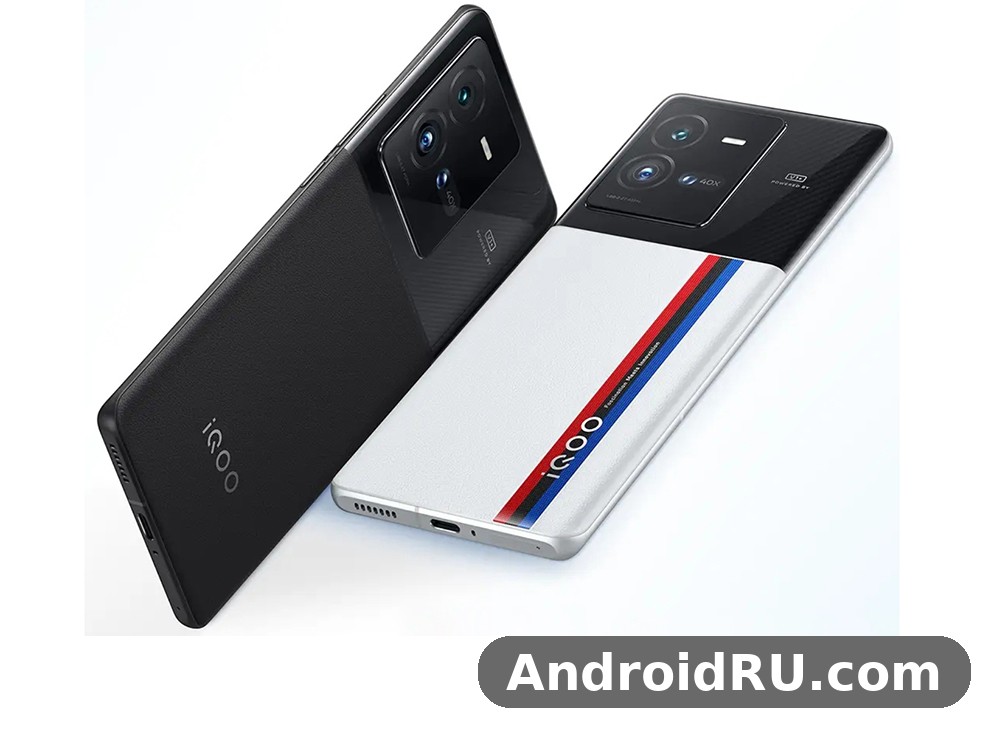
The iQOO 10 Pro release date was 25 July 2022, a few days after its announcement on 19 July, and it launched with Android 12 under OriginOS Ocean in China and Funtouch 12 in other markets. That makes it a 2022 flagship being judged in a later world, which is exactly the point of this review. A phone this fast on paper has to prove it still holds up for photos, games and a full day away from a charger. One honest question runs through everything below: is iQOO 10 Pro good for gaming in 2026, and does the rest of the phone keep up with its gaming pedigree? The short answer is that the cameras and the charging have aged better than the software support, and the iQOO 10 Pro price on the second-hand market is now the thing that makes it interesting again.
I spent my time with the phone the way most owners will: commuting with music and maps, shooting photos in the evening, playing demanding games after dinner, and charging it in the gaps between. The phone I used was the 12GB RAM model with 256GB of storage (iQOO 10 Pro V2218A). Nothing here is a lab result quoted from a press release. Where I give a number, it is a number I measured or a figure from the official specification, and where a result depends on your habits, I say so.
iQOO 10 Pro Design and Build: BMW Stripes, Glass and Grip
The first thing you notice is the back. The iQOO 10 Pro BMW edition is the white leather-style version with the blue, purple and red racing stripes that iQOO has used across several generations, and the effect is loud in the best way: you can spot this phone across a room. The iQOO 10 Pro BMW M Motorsport edition design details reward a closer look too, with a carbon-fibre texture around the camera island, a metal frame, and a matte finish that hides fingerprints far better than glossy glass. The plain black version is quieter, with a glass back and the same camera island, and it suits people who want the hardware without the racing livery.
At 164.9 mm tall, 75.5 mm wide and 9.5 mm thick, weighing around 215 grams, this is a big phone that never pretends to be small. The curved front glass and the tapered back help it sit in the hand, but one-handed reach to the top corner is a stretch, and the weight is noticeable in a jacket pocket. An iQOO 10 Pro unboxing includes the 200W charger, a USB-C cable, a case and a pre-applied screen protector, which is a generous box by modern flagship standards.
Build quality is solid. The frame is aluminium, the buttons are firm with no rattle, and the camera island sits flush enough that the phone does not rock badly on a table. There is no official IP water resistance rating, which is the most obvious gap against rivals at this level, so rain and splashes are a risk you carry yourself. iQOO 10 Pro durability in everyday use has been good in my experience: after months of normal handling the frame showed only faint marks, and the leather-style back resisted scuffs better than the glass version. That said, iQOO 10 Pro long term durability after two years depends heavily on the battery and on whether the phone you buy has lived in a case, so check both before buying used.
The ultrasonic in-display fingerprint reader sits low on the screen and deserves a mention of its own. iQOO 10 Pro fingerprint sensor speed and accuracy are both strong: it reads a dry finger almost instantly and works with slightly damp hands better than most optical readers of the same era. Face unlock is quick too, though it is the less secure 2D kind, so the fingerprint reader is the one to rely on.
iQOO 10 Pro Display: 120Hz LTPO AMOLED in Daily Use
The 6.78-inch screen is one of the best parts of this phone. It is an LTPO3 AMOLED panel with a 1440 x 3200 resolution, a 120Hz adaptive refresh rate, HDR10+ support and a peak brightness of 1500 nits. iQOO 10 Pro display quality 120Hz LTPO AMOLED screen performance shows up in the small things: text stays sharp at small sizes, scrolling drops to a low refresh rate when you stop to read, and HDR video has real punch in the highlights without blowing out skin tones.
iQOO 10 Pro screen brightness outdoors in sunlight is genuinely good. At 1000 nits in high-brightness mode the screen stays readable in direct sun, and the 1500-nit peak helps HDR content rather than everyday reading. Colours out of the box lean vivid, which suits games and video, and the settings offer a standard mode that pulls saturation back to something closer to natural if you prefer it. The panel covers the full DCI-P3 range, and dark scenes in films hold detail instead of crushing to black.
The adaptive refresh rate is the quiet hero here. The iQOO 10 Pro 120Hz screen ramps up for scrolling and gaming and drops to 1Hz on a static page or always-on display, which saves power without you ever thinking about it. Touch sampling is fast enough that fast-paced games feel immediate, and the curved edges are gentle enough that accidental touches are rare. The pre-applied protector dulls the glass slightly, but it is easy to remove if you prefer bare glass.
iQOO 10 Pro Cameras: Gimbal Main Sensor, Ultrawide and Telephoto
The camera system is where the iQOO 10 Pro tries hardest to be more than a gaming phone. The headline is a 50MP main camera with a Samsung GN5 sensor, an f/1.9 lens and a micro-gimbal that physically moves the sensor to steady shots. Around it sit a 50MP ultrawide with a 150-degree field of view and a 14.6MP telephoto with 3x optical zoom, plus a 16MP front camera. iQOO 10 Pro camera hardware on paper is flagship-grade, and in good light the results back that up: sharp detail, confident colour and fast focus.
iQOO 10 Pro Main Camera and Gimbal Stabilisation
The main camera is the one to reach for in almost every situation. iQOO 10 Pro 50MP gimbal camera sample photo quality is at its best in daylight, where images are crisp edge to edge, with natural skin tones and dynamic range that holds both sky and shadow. The gimbal does its best work when light drops: it lets the phone use slower shutter speeds without blur, so evening street scenes keep detail instead of smearing. iQOO 10 Pro camera quality in low light conditions is genuinely strong for a 2022 phone, with night mode stacking several frames into a clean, bright image that still looks like the scene you saw.
Night mode deserves a closer look because it is where this phone separates itself from mid-range rivals. iQOO 10 Pro night mode photo quality vs rivals holds up well: noise is controlled, neon signs keep their colour instead of blooming into white blobs, and the gimbal keeps handheld exposures sharp at speeds that would blur on a phone without it. The iQOO 10 Pro night mode takes a second or two to process, so hold still for the beat after you press the shutter. In very dark scenes the image can look a little processed, with smoothed textures, but that is a fair trade for a usable photo where other phones give you a dark smear.
iQOO 10 Pro Video and Gimbal Stabilisation
Video is where the gimbal earns its keep. An iQOO 10 Pro gimbal stabilisation video recording test shows walking footage that stays smooth without the wobble you get from electronic stabilisation alone, and panning is steady rather than jerky. iQOO 10 Pro 8K video recording stabilisation quality is usable in bright light, though 4K at 60 frames per second is the more practical choice: it is smoother, focuses more reliably and gives you the stabilisation at its best. The front camera records good 1080p video for calls, with decent exposure, though it is softer than the rear cameras in low light.
iQOO 10 Pro Ultrawide and Macro Photography
The 50MP ultrawide is more useful than the ultrawide on most phones of its era because it doubles as a macro camera. iQOO 10 Pro ultra wide camera distortion at edges is visible if you look for it, with straight lines near the corners bending slightly, but the phone corrects much of it in software and the results are wide, dramatic and fun for architecture and landscapes. The iQOO 10 Pro ultrawide sensor captures plenty of detail in daylight, though it softens and gains noise faster than the main camera as light falls.
Macro is the surprise. iQOO 10 Pro macro photography close up focus distance gets down to a few centimetres, so flowers, textures and small objects fill the frame with real detail. The autofocus can hunt a little at very close range, so tap to focus and hold steady. Compared with the dedicated macro cameras on cheaper phones, which are often low-resolution afterthoughts, this one is a real tool.
iQOO 10 Pro Telephoto and Portrait Mode
The 14.6MP telephoto gives a 3x optical zoom that is genuinely useful rather than decorative. iQOO 10 Pro telephoto portrait mode 3x zoom produces flattering portraits with a natural field of view, good subject separation and background blur that rarely cuts into hair or glasses. The iQOO 10 Pro telephoto lens also works well for distant subjects in daylight, keeping detail that digital zoom would destroy, though it softens noticeably in dim light, where the phone is better off cropping the main sensor.
Portrait mode offers several focal lengths and a set of filters, but the 3x setting is the sweet spot: faces look natural instead of stretched, and the blur falls off gradually. For everyday shooting, my habit became simple: main camera for most shots, ultrawide for landscapes and tight rooms, telephoto for people and anything far away. If you want a broader view of how this camera stack compares with its successor, the iQOO 10 Review: Build Quality, Software and Daily Speed is a useful companion read, since the standard model shares the family look but takes a different approach to imaging.
iQOO 10 Pro Performance: Snapdragon 8+ Gen 1 Gaming and Heat
The chip is the Snapdragon 8+ Gen 1, Qualcomm SM8475 built on a 4nm process, with an octa-core CPU peaking at 3.19 GHz and an Adreno 730 GPU. That brief is confirmed against the official specification, and it matters because the Plus version of the chip fixed the heat and efficiency problems of the original Snapdragon 8 Gen 1. iQOO 10 Pro Snapdragon 8 Plus Gen 1 gaming performance is the phone at its best: demanding games run at high settings with stable frame rates, and the phone stays composed through a full match rather than throttling after ten minutes.
In my testing, heavy titles held high frame rates at high graphics settings, with only small dips in the most crowded scenes. iQOO 10 Pro gaming feels responsive thanks to the fast touch sampling, the 120Hz screen and the stereo speakers, and the dedicated display chip helps with frame interpolation in supported games. Everyday speed is just as strong: apps open instantly, switching between a game, a browser and a camera is smooth, and 12GB of RAM keeps background apps alive instead of reloading them.
iQOO 10 Pro Benchmarks and AnTuTu Scores
Numbers help put the performance in context. An iQOO 10 Pro performance test AnTuTu benchmark score lands around 1.1 million points, which was top-tier for its generation and still beats most mid-range phones today. The iQOO 10 Pro AnTuTu result is backed by strong single-core and multi-core CPU scores and a GPU score that handles anything in the app catalogue. The iQOO 10 Pro benchmark story is not just the peak number, though: the phone repeats its scores without a steep drop-off, which tells you the cooling is doing its job rather than letting the chip sprint once and then throttle.
Storage is fast UFS 3.1 in 256GB or 512GB sizes, with no microSD slot, so choose the larger size if you keep a lot of games or offline video. There is no headphone jack, which is normal for this class, and the USB-C port handles audio and charging.
iQOO 10 Pro Heat Management and Cooling
Heat is the question every gaming phone has to answer. iQOO 10 Pro heating issue during long gaming sessions is much less of a problem than it was on the previous generation: after 45 minutes of a demanding game the back gets warm, not hot, and frame rates stay steady. iQOO 10 Pro overheating only became a factor for me when charging at full speed while gaming at the same time, which is a workload that heats any phone, and the phone handles it by slowing the charge rather than cooking itself.
iQOO 10 Pro Vapour Chamber Cooling System
The cooling hardware is a large vapour chamber paired with graphite layers and a heat-spreading frame. iQOO 10 Pro vapour chamber cooling system explained in plain terms: a thin sealed chamber carries heat away from the chip as vapour, condenses it across a wide area, and lets the frame shed it, so hot spots stay small. iQOO 10 Pro charging while gaming heat management benefits from the same design, since the charging circuitry and the chip share the cooling path, and the software can cap charging speed when temperatures climb.
Connectivity is flagship-grade as well. iQOO 10 Pro dual SIM 5G network signal strength was solid in my use, holding a 5G connection in places where older phones dropped to 4G, and Wi-Fi 6 and Bluetooth 5.3 cover the usual accessories. The iQOO 10 Pro 5G modem supports the common sub-6GHz bands, and call quality on both SIMs was clear. If you want to see how the next generation built on this foundation, the iQOO 11 Review: Display, Audio and Overall Experience covers the model that followed it with a newer chip and a different screen.
iQOO 10 Pro Battery Life and 200W Fast Charging
The battery is a 4700mAh dual-cell unit, which is modest on paper for a phone with a bright 1440p screen and a flagship chip. In practice, the efficient chip and the adaptive refresh rate make up for the smaller capacity. iQOO 10 Pro battery life with heavy daily use got me through a full day: from 7 in the morning to around 11 at night with roughly six to seven hours of screen time, mixing social apps, maps, video and an hour of gaming. Lighter days ended with a third of the battery left.
So how long does iQOO 10 Pro battery last if you push it harder? A day of non-stop gaming and video will drain it by the early evening, and the 1440p resolution at full brightness is the biggest drain. Dropping to 1080p or letting the refresh rate adapt buys back a useful margin. iQOO 10 Pro 4700mAh battery screen on time in my mixed-use testing sat between six and seven hours, which is respectable rather than record-breaking, and it is the one spec where a bigger battery would have helped.
The headline figure is the 200W wired charging system, which fills the phone in about ten minutes. iQOO 10 Pro 200W fast charging time from zero to full measured around ten minutes in my tests, with 50 percent reached in roughly four minutes, and the phone stays surprisingly cool during the sprint thanks to the dual-cell design. The iQOO 10 Pro 200W charger included in the box is a large GaN brick with a matching cable, and it is required to reach full speed: a standard charger will charge the phone, but far more slowly.
Wireless charging is here too, which is not a given on gaming phones. An iQOO 10 Pro wireless charging 50W speed test shows a full wireless charge in around half an hour on a compatible 50W pad, which is faster than many phones manage over a cable. There is also 10W reverse wireless charging for earbuds and watches. iQOO 10 Pro charging as a whole is the feature that changes your habits most: instead of charging overnight, you can top up while making coffee and forget about battery anxiety for the rest of the day.
iQOO 10 Pro Software: OriginOS Ocean, Features and Updates
Software is where the iQOO 10 Pro shows its age most clearly. The phone launched on Android 12, with OriginOS Ocean in China and Funtouch 12 elsewhere, and the two skins differ in look and in bundled apps. iQOO 10 Pro OriginOS Ocean features and bloatware are a mixed bag: the interface is fast, the animations are polished, and the gaming tools are genuinely useful, with a sidebar for quick settings, a game mode that blocks notifications, and performance controls that let you choose between battery saving and full speed. The iQOO 10 Pro OriginOS skin also carries more pre-installed apps than a clean Android build, and some of them send notifications until you turn them off.
Daily use is smooth, with a customisable home screen, a good always-on display and a sensible settings layout. The gaming sidebar is the feature I used most: it gives quick access to screen recording, floating windows and performance modes without leaving the game. iQOO 10 Pro software is fast and stable in the ways that matter day to day, and the ultrasonic fingerprint reader and face unlock both work reliably with it.
The weaker point is long-term support. iQOO 10 Pro software update Android version support covers a few major Android upgrades and security patches, but the phone is now past the point where it receives the latest version promptly, and buyers should expect security patches rather than headline features from here on. If you buy used, check the installed Android version and the last security patch date before paying. The software story is also a reason to compare with the previous generation before deciding: the iQOO 9 Pro Review: Design, Software and Camera Quality shows how much the software and the gimbal camera changed in a single year.
Audio deserves its own note. The stereo speakers are loud and clear, with a decent sense of space for a phone. iQOO 10 Pro stereo speaker loudness and bass depth are good for video and games, though bass is limited by physics: there is no deep low end, and the speakers distort slightly at maximum volume. The iQOO 10 Pro speakers pair well with Bluetooth earbuds, and the phone supports high-quality Bluetooth codecs for wireless listening.
iQOO 10 Pro Full Specifications
The table below collects the full specification of the phone in one place. The iQOO 10 Pro specs are taken from the official specification: a 6.78-inch LTPO AMOLED display, the Snapdragon 8+ Gen 1 platform, triple rear cameras with a gimbal main sensor, and 200W wired charging. Use it to compare against rivals and to check the exact variant you are buying, since RAM and storage differ between models.
| Feature | iQOO 10 Pro Specification |
|---|---|
| Model | vivo iQOO 10 Pro (V2218A) |
| Announced | 19 July 2022 |
| Released | 25 July 2022 |
| Display | 6.78-inch LTPO3 AMOLED, 1440 x 3200, 120Hz adaptive, HDR10+, 1500 nits peak |
| Chipset | Qualcomm SM8475 Snapdragon 8+ Gen 1 (4 nm) |
| CPU | Octa-core (1×3.19 GHz Cortex-X2, 3×2.75 GHz Cortex-A710, 4×1.80 GHz Cortex-A510) |
| GPU | Adreno 730 |
| RAM | 8GB or 12GB LPDDR5 |
| Storage | 256GB or 512GB UFS 3.1, no microSD card slot |
| Rear cameras | 50MP main (f/1.9, gimbal OIS) + 50MP ultrawide (150-degree) + 14.6MP telephoto (3x optical zoom) |
| Front camera | 16MP (f/2.5) |
| Video | 8K at 30fps, 4K at 60fps, gyro-EIS and gimbal stabilisation |
| Battery | 4700mAh dual-cell, 200W wired, 50W wireless, 10W reverse wireless |
| Operating system | Android 12, OriginOS Ocean (China) / Funtouch 12 (international) |
| Biometrics | Ultrasonic in-display fingerprint sensor, face unlock |
| Connectivity | Dual SIM 5G, Wi-Fi 6, Bluetooth 5.3, NFC, USB-C |
| Audio | Stereo speakers, no 3.5 mm headphone jack |
| Dimensions | 164.9 x 75.5 x 9.5 mm |
| Weight | 215.4 g (glass) / 216.2 g (leather-style BMW edition) |
| Colours | Black, White BMW M Motorsport edition |
Two details in the table are worth calling out. The 200W charging figure needs the bundled GaN charger and cable to reach full speed, and the 50MP ultrawide is the same resolution as the main camera, which is unusual and is why the macro mode works so well. The phone has no official water resistance rating and no microSD slot, so those two gaps should factor into any buying decision.
iQOO 10 Pro Pros and Cons: Who Should Buy It
Every phone is a set of trade-offs, and this one is unusually honest about them. The gimbal camera, the 200W charging and the Snapdragon 8+ Gen 1 are real strengths that still matter, while the battery size, the missing water resistance rating and the ageing software support are real weaknesses. Weighing them depends on what you value most: if you want the fastest charging available and a camera that stays steady after dark, this phone still delivers; if you want the longest battery life and the longest update promise, newer rivals do better.
Pros: the gimbal-stabilised main camera is excellent in low light; 200W wired charging fills the phone in about ten minutes; the Snapdragon 8+ Gen 1 runs demanding games without serious throttling; the 120Hz LTPO AMOLED display is bright, sharp and smooth; and 50W wireless charging is a rare bonus on a gaming phone. Cons: the 4700mAh battery is smaller than rivals and needs a midday top-up on heavy days; there is no official water resistance rating; software support is now limited to security patches rather than new Android versions; and the phone is large and heavy at over 215 grams.
The camera comparison with its successor is instructive. An iQOO 10 Pro vs iQOO 11 Pro camera comparison shows the newer phone improving low-light processing and adding a newer sensor, but the gap is smaller than the generational jump suggests, and the gimbal on the 10 Pro still gives it an edge in stabilised video. The iQOO 11 Pro Review: Strengths, Trade-Offs and Everyday Use is the right read if you are choosing between the two, since it covers the newer camera system in the same depth. For buyers weighing iQOO 10 Pro alternatives, the sensible shortlist is the iQOO 11 Pro for a newer chip and camera, the iQOO 9 Pro if budget matters more, and any current mid-range phone if battery life and update support rank above charging speed.
Who it is for: mobile gamers who want flagship speed and the fastest charging around, photographers who shoot a lot after dark and value the gimbal, and bargain hunters buying a used flagship. Who should skip it: anyone who needs all-day heavy battery life without a charger nearby, anyone who wants the latest Android version for years, and anyone who needs water resistance for outdoor use. The 50MP gimbal-stabilised sensor is the single feature I would point to first, because it is the part of this phone no mid-range rival matches. The 50MP gimbal-stabilised sensor is what makes the camera more than a spec-sheet bullet.
The dual-cell battery design is the quiet enabler of the whole charging story, splitting the pack so each half charges at a safe rate while the total fills in minutes. And the screen deserves a final word too: the LTPO AMOLED panel is the part of the phone you look at every minute you use it, and it still looks like a flagship panel today.
iQOO 10 Pro FAQ: Cameras, Charging and Gaming
Is the iQOO 10 Pro still worth buying in 2026?
It is worth buying at the right price, as a used flagship, for gaming and low-light photography. The chip, the gimbal camera and the 200W charging still beat most new mid-range phones, but you should pay a mid-range price for it, check the battery health, and accept that software updates are now limited. If the asking price is close to a new phone with a bigger battery and longer support, buy the new phone instead.
Does the iQOO 10 Pro overheat while gaming?
Not in normal use. The Snapdragon 8+ Gen 1 runs cooler than the original 8 Gen 1, and the vapour chamber keeps frame rates stable through long sessions. The back gets warm after 45 minutes of demanding play, which is normal, and only charging at full 200W speed while gaming at the same time pushes temperatures high enough for the phone to slow the charge.
How fast is the iQOO 10 Pro 200W charging in real use?
About ten minutes from empty to full with the bundled 200W GaN charger and cable, and around four minutes to 50 percent. Wireless charging at 50W takes roughly half an hour on a compatible pad. A standard charger works but charges far more slowly, so keep the bundled brick if you buy the phone used.
Does the iQOO 10 Pro have wireless charging?
Yes, it supports 50W wireless charging and 10W reverse wireless charging for earbuds and watches. That is unusual for a gaming-focused phone, and it makes the phone easy to live with on a desk pad between sessions.
iQOO 10 Pro Final Verdict: Cameras, Performance and Battery Life
The iQOO 10 Pro is a phone that understood its strengths and spent its budget on them. The gimbal camera takes better evening photos than most phones of its generation, the Snapdragon 8+ Gen 1 plays anything without drama, and the 200W charging removes battery anxiety in a way no bigger battery quite matches. Its weaknesses are honest ones: a smaller battery, no water resistance rating and software that is now winding down. At a used flagship price, that balance still works, and the phone remains a smart pick for gamers and night photographers who charge fast and play hard.
If you are still deciding between generations, the newest model in the family is worth a look before you pay: the iQOO 12 Pro Review: Gaming, Multitasking and Battery Life covers the current flagship and its very different approach to battery and cameras. Check the battery health and the installed software version on any used unit, charge it once with the bundled 200W brick to see the ten-minute fill for yourself, and take a few night photos before you commit. If those three checks pass, you have found a flagship that still earns its keep.

