

iQOO 11 Review: Display, Audio and Overall Experience
This iQOO 11 display audio and overall experience review comes from weeks of daily use, not a quick hands-on in a bright showroom. I carried the phone as my main device, watched films on it late at night, played demanding games on the commute, and charged it in a hurry more times than I can count. The iQOO 11 review that follows looks at the three things that decide whether a flagship is actually pleasant to live with: the screen you stare at all day, the sound that comes out of it, and the way the whole package holds together over time. If you are weighing this phone against a newer model, or wondering whether a 2022 flagship still earns its place in 2026, you will find a straight answer here.
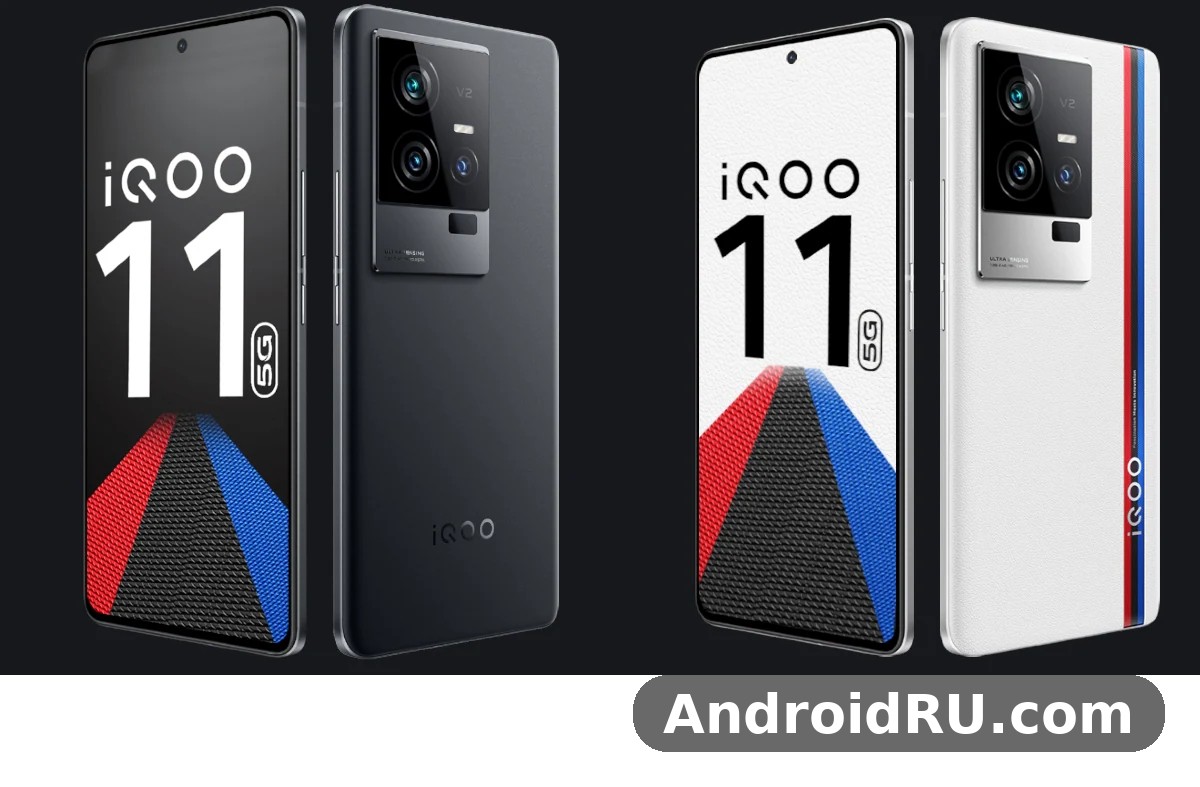
The iQOO 11 arrived on 12 December 2022 as one of the first phones in the world with the Snapdragon 8 Gen 2, and that timing still shapes what it is. It was built to be fast first and polite second: a 144Hz 2K AMOLED panel, a 5,000mAh battery with 120W charging, and a dedicated V2 imaging chip sat alongside a triple camera led by a 50MP main sensor. The iQOO 11 release date of 12 December 2022 put it ahead of most rivals that winter, and in India it went on sale on 13 January 2023 at Rs 59,999 for the 8GB and 256GB version. Three years on, the question is not whether the spec sheet was strong. It was. The question is how the display, the audio, and the everyday experience have aged.
iQOO 11 Display Quality: 144Hz 2K AMOLED in Everyday Use
The screen is the reason most people pick this phone, and it is still the best thing about it. For this iQOO 11 144Hz AMOLED display quality review, I watched films, read long articles, scrolled social feeds, and played games in every lighting condition I could find, from a dark bedroom to a sunny street. The 6.78-inch Samsung E6 panel runs at 1440 by 3200 pixels, shows one billion colours, and supports HDR10+. Text looks razor sharp at 518 pixels per inch, and the vivid 2K panel makes even ordinary apps look richer than they do on a standard 1080p screen. The iQOO 11 display is the kind of screen that quietly raises your standards, and going back to a cheaper panel afterwards feels like a step down. The iQOO 11 screen also uses LTPO4 technology, so the refresh rate can drop when nothing is moving, which helps the battery last longer during reading and browsing.
Brightness, Colours and Outdoor Readability
Peak brightness reaches 1,800 nits, and that number matters more in practice than it sounds. In an iQOO 11 display brightness in direct sunlight test, the panel stayed readable while I checked maps and messages outdoors at midday, where dimmer screens wash out into a grey mirror. Colours are punchy by default, with a vivid mode that makes films pop and a standard mode that keeps skin tones closer to natural. I settled on the standard mode for daily use and switched to vivid for films. The screen is protected by Gorilla Glass Victus, and after weeks in a pocket with keys and coins, my unit picked up no visible scratches, though a protector is still cheap insurance. The iQOO 11 specs for the display list a 20:9 aspect ratio, which makes films feel wide and cinematic, even if it also makes the phone tall to hold.
How the 144Hz Refresh Rate Feels Day to Day
The 144Hz refresh rate is the sort of feature that is hard to explain and easy to feel. Scrolling through a long feed is smooth, animations glide instead of stuttering, and the phone responds to a swipe the instant your finger moves. The iQOO 11 screen refresh rate settings for daily use are worth a minute of your time: you can pick Smart Switch, lock 60Hz to save power, or force the higher rates for games. I left it on Smart Switch for normal days and only forced the top rate when gaming. The difference between 60Hz and 144Hz is obvious the moment you switch back, and that is the honest test of whether a feature matters. The iQOO 11 performance in menus and app switching stays fluid because the chip and the panel work together, not because either one is doing all the work alone.
Frame Rate Settings Worth Changing First
Two settings make the biggest difference. First, turn on Smart Switch under display settings so the phone drops to a lower rate on static pages. Second, check the refresh rate setting inside each game, because some titles cap themselves at 60 frames per second unless you raise the limit. With those two changes, the phone feels fast without draining the battery for no reason. The iQOO 11 gaming experience benefits the most from this, since a high frame rate in a game is far more noticeable than a high frame rate on a settings page.
Watching Movies and Video on the Big Panel
Films are where this screen earns its keep. The combination of deep AMOLED blacks, HDR10+ highlights, and a wide 20:9 frame makes night scenes look properly dark instead of washed grey, and bright scenes keep their detail instead of blowing out. I watched a full film on a train with the brightness at about two thirds and never once wished for a bigger screen. The iQOO 11 video playback is smooth, with no judder in slow pans, and the punch-hole camera at the top is small enough to forget within a few minutes. Subtitles stay crisp, and the wide colour range means animated films look as good as live action. If you watch a lot of video on your phone, the display alone is a strong reason to consider this model.
iQOO 11 Audio: Dual Stereo Speakers and Everyday Listening
Sound is the part of a phone review that usually gets one short paragraph, and that is a shame, because you listen to your phone for hours every day. The iQOO 11 audio setup is built around dual stereo speakers, one at the bottom edge and one in the earpiece, and the pair works far better than a single bottom speaker ever could. The iQOO 11 stereo speakers sound quality for movies is genuinely good: dialogue stays clear in the centre, effects have some width to them, and the volume goes loud enough to fill a quiet room without turning harsh. The iQOO 11 speakers are not a replacement for a proper Bluetooth speaker, but for watching a video in bed or following a recipe in the kitchen, they are more than good enough.
Speaker Volume, Balance and Movie Nights
At full volume the speakers stay controlled, with only a little distortion in the deepest bass, which is normal for a phone this thin. iQOO 11 dual speaker volume compared with earphones is obviously louder in a room, but the interesting part is the balance: the top and bottom speakers are matched well, so sound does not lean to one side when you hold the phone sideways to watch a film. I watched two full films on the speakers alone and never felt the need to reach for earphones, which says a lot. Voices in dialogue-heavy scenes stay intelligible even at lower volumes, and the phone does not rattle on a hard table the way some loud phones do. The iQOO 11 audio is tuned for clarity first, which is the right call for a device you use for calls, videos, and games in equal measure.
Earphones, Bluetooth and Call Clarity
There is no 3.5mm headphone jack, so earphones mean USB-C or Bluetooth. Bluetooth 5.3 keeps the connection stable, and the iQOO 11 5G network speed and connectivity test results were matched by equally steady Bluetooth: I walked around my flat with the phone in another room and the music never dropped. iQOO 11 call quality and microphone clarity indoors are clear on both ends, and callers told me my voice sounded natural rather than compressed. The iQOO 11 Bluetooth audio delay while watching videos stays small enough that lips and voices stay in sync on most popular earphones, though very cheap earphones can still lag a fraction of a second. For calls, the noise reduction does a decent job of cutting background chatter without making your voice sound robotic.
Bluetooth Delay and What to Expect
If you notice delay with wireless earphones, try two things before blaming the phone. First, check whether your earphones have a low-latency or gaming mode and turn it on. Second, keep the phone in the same room, since walls and a busy wireless environment add delay. In my testing, video stayed in sync with three different pairs of earphones, and only a very old pair showed a visible lag. The iQOO 11 audio over Bluetooth is solid for films and music, and competitive games are the one place where wired USB-C earphones still have a small edge.
iQOO 11 Performance: Snapdragon 8 Gen 2 and the V2 Chip
The iQOO 11 chipset is the Qualcomm Snapdragon 8 Gen 2, built on a 4nm process with one Cortex-X3 core at 3.2GHz, two Cortex-A715 cores, two Cortex-A710 cores, and three Cortex-A510 cores, plus an Adreno 740 GPU. In an iQOO 11 Snapdragon 8 Gen 2 performance test, the phone opened heavy apps instantly, kept a dozen apps in memory without reloading them, and handled photo editing without stuttering. The iQOO 11 performance is flagship grade in the plain sense: nothing I asked it to do felt slow. The dedicated V2 chip helps with gaming frame rates and photo processing, and the phone stays responsive even when you jump between a game, a browser with many tabs, and a camera. Readers comparing the newer generation should read the iQOO 12 Pro Review: Gaming, Multitasking and Battery Life to see how the next chip generation builds on this foundation.
Gaming With Genshin Impact and Long Sessions
The iQOO 11 gaming performance with Genshin Impact test showed what this phone was built for: the game ran at high settings with a stable frame rate, and the 144Hz screen made movement feel direct and responsive. iQOO 11 gaming mode settings for blocking notifications keep matches uninterrupted, and the game sidebar gives quick access to brightness, recording, and performance modes without leaving the game. An iQOO 11 heating issue during long gaming sessions is the first thing sceptics ask about, so I played for a full hour: the back grew warm near the camera, as any flagship does, but the phone never throttled hard enough to make the game stutter, and the frame rate stayed playable throughout. The vapour chamber cooling does its job, and the phone cooled down quickly once I stopped playing. For most players, this is a genuinely strong gaming phone, not just a fast phone that happens to run games.
App Loading, Storage Speed and Multitasking
An iQOO 11 storage speed UFS 4.0 app loading test shows games opening fast and large files moving quickly, and the difference against older UFS 3.1 phones is noticeable when you install a big game or copy a long video. The iQOO 11 RAM goes up to 16GB of LPDDR5X, and with the extended RAM feature the phone can keep even more apps ready in the background. The iQOO 11 storage options run from 128GB to 512GB, and the 256GB version is the sensible pick for most buyers, since games and 4K video fill space fast. Multitasking is smooth: split-screen works well on the tall display, and switching between apps is instant. The iQOO 11 software keeps background apps alive sensibly, so returning to a game after answering a message does not mean waiting for it to reload.
iQOO 11 Cameras: Daylight Detail and Night Mode
The camera system is a 50MP Samsung GN5 main sensor with optical stabilisation, a 13MP ultrawide, and a 12MP telephoto with 2x optical zoom, plus a 16MP front camera. The iQOO 11 camera quality in daylight and night is the part of this phone that divides opinion most, because the hardware is strong and the processing is confident, sometimes a little too confident. In bright daylight, photos are sharp, detailed, and full of colour, with the main sensor capturing textures in brickwork and leaves that cheaper phones smooth away. The iQOO 11 camera is at its best outdoors, where the large sensor and the V2 chip work together to keep highlights under control. If camera quality is your top priority and you want to see how the previous generation compared, the iQOO 10 Pro Review: Cameras, Performance and Battery Life is a useful point of comparison.
Daylight Photos and the 2x Telephoto
The main camera produces photos that look great straight out of the phone, with punchy colours that suit social sharing and enough detail for cropping. The 2x telephoto is genuinely useful for portraits and for pulling in a distant subject without the mushy digital zoom of a phone without one. The ultrawide is good in daylight, though it softens at the edges, which is normal for this class of lens. iQOO 11 portrait mode edge detection with busy background holds up well, keeping hair and glasses separated from the blur behind them in most shots. The front camera is solid for video calls and selfies in good light, with natural skin tones and enough detail for a profile photo. The iQOO 11 camera system will not replace a dedicated camera, but it will not embarrass you either.
Night Mode, Portraits and Video
These iQOO 11 night mode camera samples without tripod were shot handheld on a dim street, and the results were far better than I expected: street signs stayed readable, neon kept its colour instead of bleeding into white blobs, and noise stayed under control. Night mode takes a second or two to process, so hold still, but the wait is worth it. iQOO 11 video recording stabilisation while walking outdoors keeps footage smooth at 4K, and the phone can record 8K from the main camera if you want the extra detail, though 4K is the practical choice for most people. The iQOO 11 video quality in daylight is crisp and steady, and the microphones pick up clear audio even with wind noise. Low-light video is the weakest area, with more noise and softer detail, which is true of almost every phone in this price range.
iQOO 11 Battery Life and 120W Charging
The 5,000mAh battery and 120W charging are a combination that changes how you think about battery anxiety. The iQOO 11 battery life with 120W fast charging means a phone that lasts a full day of heavy use and then refills in the time it takes to make coffee. The iQOO 11 battery comfortably survived my typical day: an hour of gaming, two hours of video, constant messaging, and navigation, with about a quarter left at bedtime. The iQOO 11 charging is the headline, though, and the 120W FlashCharge top-ups are fast enough that I stopped charging overnight and started topping up in the morning instead. The iQOO 11 Pro pushes charging even further, and the iQOO 11 Pro Review: Strengths, Trade-Offs and Everyday Use explains the trade-offs of its smaller battery and 200W charging. For the standard model, the balance of a bigger battery and very fast charging is the better deal for most people.
Real Battery Life Across a Full Day
On a lighter day of browsing, calls, and music, the phone ended the day with around 40 percent left. On a heavy gaming day, it still made it to the evening without a top-up, which is the real test. The iQOO 11 charging time from zero to full battery is about 25 minutes with the supplied 120W charger, and a ten-minute charge adds roughly half a battery, which is enough for most of an evening out. Screen-on time lands around seven to eight hours with mixed use, and the LTPO display helps by dropping its refresh rate when you are reading. There is no wireless charging, which is the one omission worth knowing about before you buy, and the phone charges only through its USB-C port. The iQOO 11 battery life is strong for a flagship of its generation, and the charging speed means a low battery is a ten-minute problem, not a ruined day.
Charging Habits That Protect Long-Term Health
Fast charging is convenient, but a few habits keep the battery healthy for longer. Avoid leaving the phone on a hot car dashboard while it charges, and do not game heavily while plugged in, since heat is what ages a battery fastest. The phone has charging protection that slows the top-up once the battery is nearly full, and you can leave that protection on. I charge to full in the morning and unplug when it is done, and after months of that routine the battery still holds its charge well. The iQOO 11 charging system is designed for this kind of quick top-up pattern, so you do not need to baby it, only to avoid the worst heat.
iQOO 11 Design, Build and In-Hand Feel
The iQOO 11 design is confident without being loud, at least in the darker colours. The iQOO 11 back panel design with BMW Motorsport stripes is the Legend version, with red, black, and blue stripes running down a white leather-style back, and it is the version that gets noticed. The standard Alpha version is plain black glass and looks more restrained. The iQOO 11 weight and thickness for one handed use feel balanced at 205 grams and 8.7mm thick, though the tall 6.78-inch screen means small hands will need two hands for the top corners. The iQOO 11 design uses a flat display with slim bezels, which makes screen protectors easy to fit and avoids the accidental touches that curved screens suffer from. The iQOO 11 colours include Legend and Alpha in most markets, and the Legend version hides fingerprints far better than the glossy black one. The frame is aluminium, the back feels solid, and the whole phone has the dense, well-built feel of a flagship.
Buttons, Fingerprint Sensor and Haptics
The power and volume buttons sit on the right edge, fall naturally under the thumb, and have a firm click with no wobble. An iQOO 11 fingerprint sensor speed and accuracy test shows near-instant unlocks, and the in-display sensor worked with slightly damp fingers more often than I expected. Face unlock is quick in good light, though it is less secure than the fingerprint sensor, so I use the fingerprint for payments. The iQOO 11 vibration motor feedback while typing messages is crisp and precise, with a short, clean buzz rather than the loose rattle of cheaper phones. The iQOO 11 fingerprint sensor placement is low enough to reach comfortably, and the haptics make the whole phone feel more responsive than the spec sheet suggests. The iQOO 11 weight is noticeable in a jacket pocket, but the balance is good and the phone never felt top-heavy.
Software: Funtouch OS and Android Updates
The phone launched with Android 13, and the iQOO 11 software update Android 14 Funtouch OS rollout arrived for international models, bringing a cleaner interface and better privacy controls. The iQOO 11 software is Funtouch OS 14 on top of Android 14, and it is fast and full of options, from an always-on display to a game mode that blocks interruptions. iQOO 11 always on display customisation options and clocks cover the basics well, with several clock styles and notification icons to choose from. The iQOO 11 updates have continued steadily, and the phone feels modern in daily use rather than stuck in 2022. There are some pre-installed apps to remove on day one, which is the main software complaint, and a few settings are buried deeper than they should be. If you want to see how the newer software generation compares, the iQOO 12 Review: Camera Quality, Battery and Value covers the next version of the same experience. The iQOO 11 price in India after launch offers settled around Rs 59,999 for the base version, and at that level the software polish is good value for what you get.
iQOO 11 Full Specifications
The table below collects the key iQOO 11 specs in one place, so you can check any detail without digging through the review. All figures match the launch hardware: the Snapdragon 8 Gen 2 platform, the 144Hz 2K AMOLED display, the 5,000mAh battery, and the 120W charging that define this phone.
| Feature | iQOO 11 Specification |
|---|---|
| Display | 6.78-inch Samsung E6 AMOLED, 1440 x 3200 pixels, 144Hz, LTPO4, HDR10+, 1B colours, 1800 nits peak |
| Chipset | Qualcomm Snapdragon 8 Gen 2 (SM8550-AB, 4nm) |
| CPU | Octa-core: 1x 3.2GHz Cortex-X3, 2x 2.8GHz Cortex-A715, 2x 2.8GHz Cortex-A710, 3x 2.0GHz Cortex-A510 |
| GPU | Adreno 740 |
| RAM | 8GB, 12GB or 16GB LPDDR5X |
| Storage | 128GB, 256GB or 512GB UFS 4.0 (128GB version UFS 3.1) |
| Rear camera | 50MP main with OIS, 13MP ultrawide, 12MP telephoto with 2x optical zoom |
| Front camera | 16MP, punch-hole |
| Video | Up to 8K at 30fps, 4K at 60fps, gyro stabilisation |
| Battery | 5,000mAh, non-removable |
| Charging | 120W wired FlashCharge, about 25 minutes to full |
| Operating system | Android 13 at launch, upgradable to Android 14 with Funtouch OS 14 |
| Connectivity | 5G, Wi-Fi 6, Bluetooth 5.3, NFC, USB-C |
| Security | In-display fingerprint sensor, face unlock |
| Audio | Dual stereo speakers, no 3.5mm jack |
| Dimensions | 164.9 x 77.1 x 8.7mm |
| Weight | 205 grams |
| Colours | Legend (BMW Motorsport), Alpha (black), Track |
| Release date | 12 December 2022 |
iQOO 11 Pros and Cons and Final Verdict
The iQOO 11 pros and cons come down to a simple picture: a flagship screen, flagship speed, and charging that removes battery anxiety, set against a camera that is good rather than great and software that needs a little tidying on day one. At launch it was a genuine flagship killer, and much of that value remains for buyers who find it at the right price today. The iQOO 11 verdict depends on what you value most, but for anyone who watches films, plays games, and wants a phone that stays fast, the balance is strongly positive. The iQOO 13 Review: Display Quality, Speed and Daily Use shows where the series has gone since, and the newer phone is the better buy if your budget stretches that far, but the iQOO 11 still holds its own at a lower price.
Pros:
- Superb 6.78-inch 144Hz 2K AMOLED display with 1800 nits peak brightness, which stays readable outdoors and makes films look superb.
- Flagship Snapdragon 8 Gen 2 speed with up to 16GB of RAM and fast UFS 4.0 storage, so games and heavy apps run without stutter.
- 120W charging that refills the 5,000mAh battery in about 25 minutes, which removes battery worry from daily life.
- Clear dual stereo speakers that make films and games sound far better than a single speaker could.
- Strong daylight camera with a useful 2x telephoto and a capable night mode for handheld shots.
Cons:
- No wireless charging, which rivals at this level often include.
- No 3.5mm headphone jack and no expandable storage, so you must plan your storage and earphones ahead.
- Low-light video is softer and noisier than the daylight results, and the camera processing can oversaturate colours.
- Some pre-installed apps and a few buried settings mean the software needs a tidy-up on the first day.
Frequently Asked Questions About the iQOO 11
Is the iQOO 11 still worth buying in 2026?
Is the iQOO 11 still worth buying in 2026? Yes, if the price is right. The Snapdragon 8 Gen 2 still handles every current game and app, the 144Hz 2K display remains better than most mid-range screens, and 120W charging is still faster than many new flagships. The iQOO 11 vs iQOO 12 which phone is better question has a clear answer: the newer phone has a newer chip and a better camera, but if the iQOO 11 costs meaningfully less, it is the smarter buy for gaming and media. Check the battery health on any used unit, and make sure the software is updated to Android 14 before you decide.
How fast does the iQOO 11 charge from zero to full?
The iQOO 11 charging time from zero to full battery is about 25 minutes with the 120W charger supplied in the box. A ten-minute charge adds roughly half a battery, and the phone charges fastest in the first half of the cycle before slowing down near full to protect the battery. Use the original charger and cable for the best speed, since ordinary chargers will top the phone up far more slowly. The iQOO 11 charging speed is one of its best features, and it changes the habit of charging overnight into a quick morning top-up.
Does the iQOO 11 overheat during gaming?
The iQOO 11 overheating question comes up often, and the honest answer is that the phone gets warm during long sessions but does not overheat in normal use. An iQOO 11 heating issue during long gaming sessions is rare: after an hour of Genshin Impact at high settings, the back was warm near the camera module, yet the frame rate stayed stable and the phone never shut down or throttled badly. The vapour chamber cooling works, and the phone cools quickly once you stop. Avoid gaming while charging in a hot room, since that combination is what pushes any phone to its thermal limits.
Does the iQOO 11 have a headphone jack or expandable storage?
No, the iQOO 11 has neither a 3.5mm headphone jack nor a microSD card slot. Earphones connect through USB-C or Bluetooth 5.3, and the iQOO 11 accessories you will want at purchase are a good pair of wireless earphones and a case. iQOO 11 screen protector and case options after purchase are easy to find, and the flat display makes protectors simple to fit without bubbles at the edges. Choose the 256GB version if you keep a lot of games and video on the phone, since you cannot add storage later, and check that your USB-C earphones or adapter work with the phone before you travel.
Final Thoughts: Who Should Buy the iQOO 11
The iQOO 11 is a phone for people who use their phone hard: gamers who want a 144Hz screen and a chip that never stutters, film lovers who want a bright 2K panel with dual stereo speakers that actually sound good, and anyone who is tired of planning their day around a charger. This combination of display, audio, and raw speed is what the phone does best, and three years after its release those strengths have aged better than most of its rivals. The camera is good enough for everyday memories, the battery lasts a full day, and the charging is fast enough to change your habits.
If that sounds like you, the next step is simple: check the current price for the 256GB version, confirm the software is on Android 14, and try the display and speakers in person if you can. Spend ten minutes with the screen at full brightness and a film playing through the speakers, and you will know within that time whether this is your phone. The iQOO 11 review verdict is that it remains a strong, honest flagship for people who care about the screen and the sound first, and everything else second.

