

alcatel Flash in Depth: Review, Design and Full Specifications
Before anything else, one fact needs to be clear: this is the alcatel Flash from 2014, model number 6042D, also known as the Alcatel One Touch Flash. It is not the later phone that reused the same name in 2017. This alcatel Flash review looks at the original device exactly as it launched, with its MediaTek MT6592M chip, its 5.5-inch HD screen and its 13 MP camera, and it judges the phone against the market of its own year rather than against phones that arrived long after it. The alcatel Flash 6042D model number identification guide is simple to remember: if the box or the settings screen says 6042D, if the chip is the MT6592M and if the software is Android 4.4.2 KitKat, the phone in your hand is the 2014 original.
The alcatel Flash vs alcatel Flash 2017 differences explained in one line are that the 2014 model runs on the octa-core MT6592M while the 2017 model runs on the Helio X20, a far newer and far faster chip. The two phones share little beyond a name and a brand, so reviews, spare parts, cases and software tips for one do not carry over to the other. The alcatel Flash release date September 2014 Thailand puts the launch on 8 September 2014 in Thailand, with Malaysia following on 12 December 2014 in the west of the country and 15 December 2014 in the east. The alcatel Flash 2014 price in Malaysia RM 699 set it squarely in the mid-range of its day, a price that bought a large screen, an eight-core processor and a 13 MP camera at a time when those features still cost real money.
Design and Build Quality
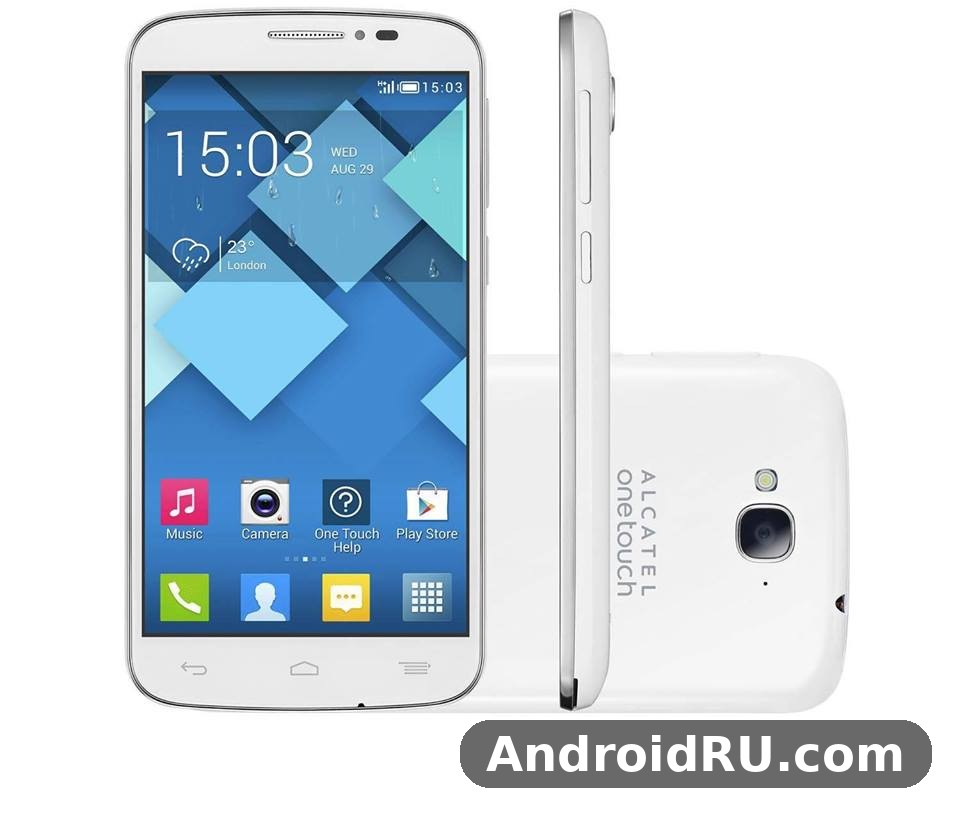
The alcatel Flash design build quality and dimensions all point to a phone built for everyday use rather than for show. The alcatel Flash design is a plain, honest slab of 2014 mid-range thinking. A 5.5-inch screen dominates the front, with slim side bezels for the period, a small earpiece above the display, the 5 MP front camera tucked beside it, and three capacitive touch keys below the screen. The back is a smooth plastic shell that curves gently toward the edges, with the 13 MP camera and its LED flash near the top and the speaker grille lower down. Nothing about the phone shouts for attention, and that restraint is part of its appeal: it looks like a serious tool rather than a fashion statement, and it still looks tidy today in photos of the period.
The alcatel Flash dimensions are 152.1 x 76.2 x 8.1 mm, and the alcatel Flash weight is 150 grams. The alcatel Flash 8.1 mm thin body 150 gram weight makes it easy to hold for a phone with such a large screen, and the rounded back helps it sit in the palm without sharp edges digging in. One-handed use is a stretch for most people, as it is on any 5.5-inch phone, but the power key and volume rocker fall within reach of a thumb on the right edge, and the phone is light enough that a long reading session does not tire the wrist. The alcatel Flash durability is typical of its class: the plastic body shrugs off small knocks that would mark a metal frame, the screen is protected by a sheet of toughened glass, and a case is still a good idea because a drop onto concrete will scuff the plastic shell and can crack any display.
Dimensions and Feel
At 150 grams the phone feels solid without feeling heavy, and the weight is spread evenly across the body so it never feels top-heavy. The 8.1 mm profile was slim for a 2014 mid-ranger with a 3200 mAh battery inside, and the curved back panel makes the phone feel thinner than the number suggests. The buttons have a firm click, the microUSB port sits on the bottom edge, and the 3.5 mm headphone jack sits on the top, which was the usual layout of the time and keeps a cable out of the way while the phone sits in a pocket.
Colours and Finish
The alcatel Flash Crystal White Gun Grey colour options were the two finishes offered at launch. The alcatel Flash colours were limited to those two choices: Crystal White, a clean glossy white that shows fingerprints but looks bright and fresh, and Gun Grey, a dark grey that hides smudges and gives the phone a more businesslike look. Both versions share the same smooth plastic finish, and both look better with a case, since the glossy back can be slippery on a polished table.
What Comes in the Box
The alcatel Flash unboxing experience was standard for the price: the phone, a charger, a microUSB cable, a headset and the usual paperwork. The alcatel Flash unboxing accessories included in the box covered the basics and nothing more, so a microSD card and a protective case were the two extras most buyers added on the first day.
Display
The alcatel Flash display is a 5.5-inch IPS LCD panel with a resolution of 720 x 1280 pixels, which works out to about 267 pixels per inch. The alcatel Flash 5.5 inch HD display review verdict is that the screen is good for its class and its year: text is sharp enough for comfortable reading, photos look natural, and video at 720p fills the panel nicely. It is not a Full HD panel, and a careful eye can spot the difference next to a 1080p phone of the same size, but at normal viewing distance the picture is clean and pleasant rather than visibly coarse.
The alcatel Flash IPS LCD screen viewing angles brightness are a genuine strength. IPS technology keeps colours steady when the phone is tilted, so sharing a photo or a video with the person next to you works well, and brightness is enough for outdoor use in shade, though direct sunlight washes the image out as it did on most phones of 2014. Colour temperature leans slightly cool out of the box, whites look crisp, and the large size makes the phone a good fit for reading, browsing and watching video, which was exactly the point of a 5.5-inch screen in that era.
Screen Size and Everyday Use
A 5.5-inch display changes how a phone is used. Web pages show more text per screen, keyboards are roomy enough for fast two-thumb typing, and games and video gain real presence. The trade-off is pocketability and one-handed reach, and the Flash asks its owner to accept that trade in return for the extra space. For buyers in 2014 who wanted a big screen without paying flagship money, that exchange was the whole reason to choose this phone.
Brightness and Outdoor Visibility
Indoors the screen is bright and easy on the eyes, and the auto-brightness sensor adjusts quickly when moving between rooms. Outdoors the panel remains readable in overcast light and in shade, while harsh midday sun calls for a hand over the screen, as it did for nearly every LCD phone of the period.
Performance and Hardware
The alcatel Flash chipset is the MediaTek MT6592M, and the alcatel Flash performance story starts there. The alcatel Flash MediaTek MT6592M octa core performance comes from eight Cortex-A7 cores running at 1.4 GHz, paired with a Mali-450MP4 graphics processor. The chip was a cost-reduced version of the MT6592, tuned for value rather than peak speed, and in daily use it keeps the phone moving: apps open without long waits, web pages scroll smoothly, and switching between a handful of apps is comfortable. Heavy multitasking exposes the limits, and so does the 1 GB of RAM, which forces the system to reload apps more often than a 2 GB phone would.
The alcatel Flash 1GB RAM 8GB storage performance picture is honest mid-range 2014. One gigabyte of RAM was standard for the price at launch, and it is enough for calls, messaging, browsing, social apps and light games running one or two at a time. Eight gigabytes of internal storage is tight by any measure, because the system and preinstalled apps take a large share of it, so the microSD slot matters a great deal. The alcatel Flash microSD card slot expandable storage support allows cards up to 32 GB, which is where photos, music and video belong on this phone, and moving apps that allow it to the card helps keep the internal memory free.
Processor and Graphics
Eight cores sound impressive, and in 2014 they were a genuine selling point, but the Cortex-A7 cores are modest cores built for efficiency rather than raw speed. The MT6592M handles everyday work well and leans on all eight cores for bursts of activity, while the Mali-450MP4 graphics chip drives casual games and video playback without trouble. Demanding 3D titles of the period run, though often at reduced detail settings, and the phone can warm up during a long gaming session without becoming uncomfortable to hold.
Gaming and Graphics
The alcatel Flash gaming experience is best described as capable for casual play. The alcatel Flash Mali 450MP4 graphics gaming performance test results of the era showed smooth play in popular casual and arcade titles, with heavier 3D games playable at medium settings. The large screen is a real advantage here, giving games room to breathe, and the 3200 mAh battery means a gaming session does not drain the phone in an hour. Owners who wanted a portable console would have looked elsewhere, but owners who wanted a phone that also played games were well served.
Everyday Speed and Multitasking
Day to day, the phone feels responsive for its year: the dialler opens fast, the camera is ready in a couple of seconds, and scrolling through a social feed is smooth. The 1 GB of RAM is the first limit a heavy user meets, so keeping the number of background apps small and clearing the odd cached app keeps the experience at its best.
Camera
The alcatel Flash camera setup pairs a 13 MP rear camera with a 5 MP front camera, and on paper that was a strong combination for a mid-range phone in 2014. The alcatel Flash 13 megapixel rear camera samples quality from the period show detailed daylight photos with natural colours, quick autofocus in good light, and usable results indoors when the LED flash is used with care. The alcatel Flash LED flash autofocus rear camera specs include an LED flash and autofocus, plus 1080p video recording, so the phone covers the basics of family photos, travel shots and short clips without asking the owner to learn anything complicated.
The alcatel Flash selfie camera 5 megapixel front camera was a selling point at launch, because a 5 MP front camera was generous for 2014 and the phone was pitched partly at people who take a lot of self-portraits. The alcatel Flash selfie results are bright and clear in daylight, with a wide enough angle for two people in the frame, and the front camera also records 1080p video, which made it useful for video calls as well as stills. Low light is the weak point for both cameras, as it was for almost every phone camera of the year: noise creeps in, detail softens, and the flash becomes the difference between a usable shot and a blurry one.
Rear Camera
The rear camera uses a 13 MP sensor with autofocus and an LED flash, and it records video at 1080p. In daylight it captures plenty of detail for prints and for sharing online, colours stay close to life, and the autofocus locks on quickly for still subjects. The flash is effective at close range for indoor portraits, and the camera app offers the usual modes of the period, including panorama and HDR, which help in high-contrast scenes.
Front Camera and Selfies
The 5 MP front camera sits above the display and does double duty for selfies and video calls. Daylight selfies are sharp and well exposed, skin tones look natural, and the wide field of view suits group shots. A beautification mode softens skin in the usual 2014 manner, and it can be switched off for a more natural result.
Video Recording
The alcatel Flash 720p video recording rear camera features include 1080p capture from the rear camera and 1080p from the front, with the rear camera also able to record at 720p for smaller files. Video is steady enough for handheld clips when the shooter moves slowly, sound is clear in quiet settings, and the large screen makes reviewing clips on the spot a pleasure.
Battery Life
The alcatel Flash battery is a 3200 mAh Li-Ion unit, and the alcatel Flash 3200 mAh battery life test results of the period were respectable for a big-screen phone of 2014. A day of normal use, meaning calls, messaging, browsing, some video and a few photos, leaves charge in reserve by bedtime, and lighter users can stretch toward a day and a half. The eight small cores sipping power beat a smaller number of hungrier cores for the kind of mixed use a phone actually sees, and the 720p panel draws less power than a 1080p panel of the same size would.
Heavy use changes the picture. Long gaming sessions, extended video streaming over mobile data and constant GPS navigation all pull the battery down faster, and a very heavy day can end with the phone reaching for a charger in the evening. There is no fast charging in the modern sense, so topping up takes a couple of hours from empty, and carrying a small power bank was the usual answer for travellers. For its year and its price, the battery is one of the phone’s stronger points, and it is a large part of why the Flash suited people who actually used their phone all day.
Real-World Endurance
Standby drain is low, so the phone loses little charge overnight, and the battery holds up well across a full day of social and messaging use without drama, which is the test that matters most to most owners.
Software and Features
The alcatel Flash software is Android 4.4.2 KitKat with Alcatel’s light customisations on top. The alcatel Flash Android KitKat software features and apps include the Google app suite of the period, a clean home screen layout, and a small set of Alcatel additions rather than a heavy skin, so the phone feels close to stock Android and stays responsive. The alcatel Flash KitKat experience is simple and familiar: a swipe-down notification shade, a standard app drawer, and widgets for the home screen, with KitKat’s memory optimisations helping the 1 GB of RAM go further than it would have on an older Android version.
The alcatel Flash KitKat 4.4.2 update and software support story is short, as it was for most mid-range phones of the time. The phone launched on KitKat and received only minor maintenance updates, so owners should not expect a newer Android version on the original software. That is worth knowing for anyone buying the phone second hand today: the software is frozen in 2014, many modern apps will not install or run, and the phone is best seen as a collector’s item, a backup device or a simple handset for calls, messages, music and photos rather than as a daily driver.
Hotknot and Connectivity
The alcatel Flash Hotknot file transfer how it works is one of the phone’s more unusual features. The alcatel Flash Hotknot feature lets two phones exchange files, photos and contacts by touching their screens together, using a capacitive touch panel trick rather than NFC, and it works between Hotknot-enabled devices of the period. It was a clever answer to a real problem in markets where NFC was still rare, and it made sharing a photo with a friend standing next to you as simple as tapping two phones together.
The alcatel Flash connectivity covers Wi-Fi 802.11 b/g/n with hotspot support, Bluetooth 4.0 with A2DP, GPS with A-GPS, and microUSB 2.0, while the alcatel Flash WiFi Bluetooth GPS sensors and connectivity list also includes an accelerometer, a proximity sensor and a compass. Dual SIM support with dual standby means two numbers in one phone, which suited travellers and people separating work and personal calls. The alcatel Flash dual SIM dual standby connectivity options make it easy to run a work number and a personal number in a single handset. The alcatel Flash sensors are the standard set for the class, and they cover screen rotation, call handling and navigation without surprises.
Audio and Sound
The alcatel Flash audio setup is a loudspeaker on the back plus a 3.5 mm headphone jack, and the alcatel Flash speaker audio quality and headphone jack combination is adequate for ringtones, speakerphone calls and casual video watching. The rear-facing speaker is easy to muffle when the phone lies on its back, so headphones or a small external speaker are the better choice for music, and call quality through the earpiece is clear and loud enough for busy streets.
Full Specifications
For a quick look at the alcatel Flash specs, the table below gathers every key figure in one place. This alcatel Flash full specifications and review 2014 table lists the launch figures for the 2014 model 6042D. The alcatel Flash features in the table are the numbers to check before buying a second-hand unit, because the 2017 phone that shares the name has different figures in almost every row.
| Feature | Specification |
|---|---|
| Model | alcatel Flash, Alcatel One Touch Flash, model 6042D |
| Announced | September 2014 |
| Released | September 2014 (Thailand 8 September 2014; Malaysia 12 December 2014 west, 15 December 2014 east) |
| Price at launch | RM 699 in Malaysia |
| Dimensions | 152.1 x 76.2 x 8.1 mm |
| Weight | 150 g |
| SIM | Dual SIM (Micro-SIM, dual standby) |
| Display | 5.5-inch IPS LCD, 720 x 1280 pixels, about 267 ppi |
| Chipset | MediaTek MT6592M |
| CPU | Octa-core 1.4 GHz Cortex-A7 |
| GPU | Mali-450MP4 |
| RAM | 1 GB |
| Storage | 8 GB internal, microSD card slot up to 32 GB |
| Rear camera | 13 MP, autofocus, LED flash, 1080p video recording |
| Front camera | 5 MP, 1080p video |
| Battery | Li-Ion 3200 mAh |
| Operating system | Android 4.4.2 KitKat |
| Connectivity | GSM and HSPA, Wi-Fi 802.11 b/g/n, Bluetooth 4.0, GPS with A-GPS, microUSB 2.0 |
| Sensors | Accelerometer, proximity, compass |
| Special feature | Hotknot touch-based file transfer |
| Colours | Crystal White, Gun Grey |
| Audio | Loudspeaker, 3.5 mm headphone jack |
Pros and Cons
The alcatel Flash pros and cons honest verdict 2014 is a balanced one. On the plus side, the phone offers a large 5.5-inch screen, an eight-core processor, a 13 MP camera with a 5 MP front camera, a 3200 mAh battery and dual SIM support at a mid-range price of RM 699, which was a strong package in September 2014. On the minus side, 1 GB of RAM and 8 GB of storage are tight, the screen is only 720p, the software stopped at Android 4.4.2 KitKat, and the plastic body, while tough, never feels premium. The alcatel Flash comparison with other 2014 mid range phones puts it ahead on screen size, battery and front camera, and behind the best rivals on RAM, storage and screen resolution.
The alcatel Flash alternatives of its own era came mostly from within the Alcatel family and from rival value brands. A reader who wants a different take on the same idea can start with Breaking Down the alcatel Flash Plus: Review, Battery Life and Full Specs, a close relative with its own strengths, and How Good Is the alcatel Pop Astro? Full Review and Specifications, a smaller and cheaper option from the same brand. For a step up in screen and sound, Living With the alcatel Idol 3 (5.5): Review, Build Quality and Complete Specs shows what Alcatel did next with a larger phone, while alcatel Idol 3 (4.7) Hands-On Review and Complete Specs: Audio and Key Features covers the smaller Idol 3 for buyers who prefer a handset that fits more easily in one hand. A more playful option is alcatel Go Play at a Glance: Review and Detailed Specifications, which trades some of the Flash’s screen size for a tougher, splash-resistant body.
Strengths
Large 5.5-inch IPS display, octa-core MT6592M chip, 13 MP rear and 5 MP front cameras, 3200 mAh battery, dual SIM, microSD expansion, Hotknot sharing and a fair RM 699 launch price. These are the reasons the phone earned its place in 2014, and they still read well on paper today.
Weaknesses
Only 1 GB of RAM, only 8 GB of internal storage, a 720p panel rather than 1080p, Android frozen at KitKat 4.4.2, a plastic body that looks plain next to metal rivals, and a rear speaker that is easy to cover. None of these is fatal for 2014, but together they set the limits of what the phone can still do now.
Frequently Asked Questions
The alcatel Flash frequently asked questions and answers below cover the points buyers ask about most, from the launch date to the difference between the two phones that share this name.
When was the alcatel Flash released?
The alcatel Flash release was in September 2014. It was announced in September 2014 and released in Thailand on 8 September 2014, with Malaysia following on 12 December 2014 in the west and 15 December 2014 in the east. The alcatel Flash Thailand launch came first, and the alcatel Flash Malaysia launch followed three months later.
Is this the same phone as the alcatel Flash (2017)?
No. This article covers the 2014 model 6042D with the MediaTek MT6592M chip, while the Flash (2017) uses the Helio X20 chip and has different cameras, a different design and different software. The two phones share a name and a brand and little else, so always check the model number 6042D before buying parts, a case or a guide written for the other phone.
How much did the alcatel Flash cost?
The alcatel Flash price at launch was RM 699 in Malaysia. Prices varied by market and by retailer, and second-hand prices today depend on condition, so a working unit with its box and accessories is worth more than a bare phone with a worn battery.
Does the alcatel Flash support a memory card?
Yes. The alcatel Flash storage can be expanded with a microSD card of up to 32 GB, which is the practical answer to the small 8 GB of internal storage. Photos, music and video should live on the card, and the internal memory should be kept free for apps and system updates.
What Android version does the alcatel Flash run?
Android 4.4.2 KitKat. The phone launched on KitKat and stayed there, so modern apps that need a newer Android version will not install, and the phone is best used for calls, messaging, music, photos and offline media rather than as a modern daily driver.
Verdict
The alcatel Flash verdict is that it was a smart, well-judged mid-range phone for 2014. It gave buyers the three things that mattered most in that year, a big screen, an eight-core chip and a good camera pair, at a price of RM 699 that undercut the big-name rivals, and it backed them with a 3200 mAh battery and dual SIM support that suited real daily use. Its limits were honest ones for the price: 1 GB of RAM, 8 GB of storage, a 720p screen and software that stopped at KitKat, and none of them spoiled the phone in its own year.
The alcatel Flash second hand price and buying advice today is simple: buy it as a piece of 2014 phone history, as a backup handset or as a simple media and camera device, and check the model number 6042D, the battery health and the condition of the screen before paying. For anyone who owned one in 2014, the Flash remains a fond memory of the year the big screen went mid-range, and for collectors it is a neat example of Alcatel at its most ambitious. Looked at on its own terms, in its own year, the original alcatel Flash did its job well.

 packs a 5.5-inch HD display, octa-core MT6592M chip, 13 MP camera and 3200 mAh battery. Read the full review and specs.)