

alcatel A7 vs the Rest: Review and Specifications Compared
Back in 2017, the mid-range market was crowded with phones that promised a little of everything, and the alcatel A7 arrived right in the middle of that crowd with a clear pitch: a sharp Full HD screen, a very large battery, a capable camera and a fingerprint reader, all for about 230 euros. This alcatel A7 review and full specifications 2017 guide looks at the phone as a classic device from its own era, not as a rival to the phones of today. It was announced at IFA in September 2017, it went on sale the same month, and it has long since been discontinued, so the fair way to judge it is against the phones buyers could actually choose beside it in 2017. For readers scanning the alcatel A7 specs at a glance, the headline numbers are a 5.5-inch 1080p display, a MediaTek MT6750T chipset, 3GB of RAM, 32GB of storage, a 16MP rear camera, an 8MP front camera and a 4000mAh battery, all wrapped in a 164g body that is 9mm thick. This alcatel A7 overview starts with that simple picture and then works through each part of the phone in turn, so that anyone researching this alcatel A7 model today can see exactly what it offered, where it was strong, and where its rivals did better.
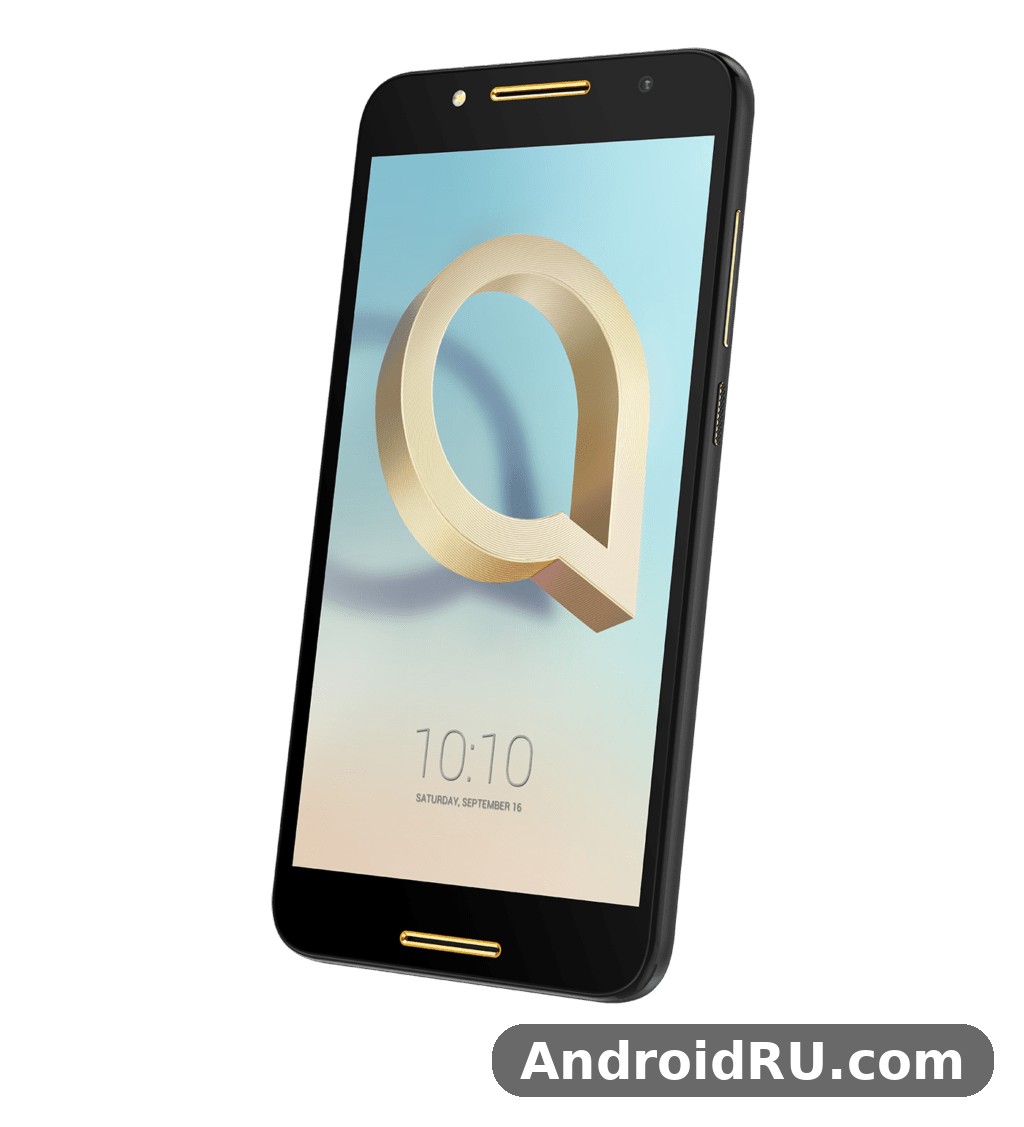
The alcatel A7 2017 story is worth telling because the phone shows how Alcatel tried to stand out without chasing flagship prices. Instead of a flashy gimmick, the company put its money into the things people notice every day: screen sharpness, battery life and a fingerprint reader on the front of the phone. The alcatel A7 release came at a moment when many mid-range phones still shipped with 720p screens and 3000mAh batteries, so a 1080p panel and a 4000mAh cell were genuine selling points. At the same time, the phone kept the practical habits of its time, with a microSD slot, a standard headphone jack and a removable-feeling simplicity that many buyers liked. This alcatel A7 phone was never meant to be the fastest device on the shelf, and this review does not pretend otherwise. What it was meant to be was a dependable, good-looking daily phone at a fair price, and on that measure it deserves a careful look.
Design and First Impressions
The alcatel A7 design is neat, restrained and clearly aimed at buyers who want a phone that looks tidy rather than loud. The front is dominated by the 5.5-inch screen, with a fingerprint sensor set into the home area below it and an 8MP camera, earpiece and sensors above it. The back carries the single 16MP camera and flash in the upper corner, with the Alcatel branding kept small and quiet. This alcatel A7 design and build quality review finds a phone that feels solid in the hand, with no creaks or loose panels, and with buttons that sit where the thumb expects them. The frame is plastic with a metallic look, the back has a soft matte finish that resists fingerprints better than glossy glass, and the whole device feels balanced rather than top-heavy. It is a classic 2017 mid-range phone in the best sense: nothing about it shouts, and everything about it feels considered for its price.
A 5.5-inch Body That Fits the Hand
The alcatel A7 5.5 inch phone for one handed use was a sensible size for 2017, large enough for video and reading but still narrow enough to hold securely. The 5.5-inch panel keeps the body width in check, the curved edges help the grip, and the weight is spread evenly so the phone does not feel like it wants to tip forward. The alcatel A7 usability in the hand is helped by the front fingerprint reader, which falls naturally under the thumb, and by a power button and volume rocker that are easy to find without looking. For a phone of this size, pocketability was reasonable for the time, and the matte back gave extra grip on smooth surfaces. Buyers coming from a smaller phone needed a short adjustment period, but most would have settled into the size within a few days.
Front Fingerprint Reader and Layout
The alcatel A7 fingerprint sensor on front panel is one of the phone’s most useful features, and it is also one of the details that set it apart from rivals that still put the sensor on the back or left it out altogether at this price. The sensor sits below the screen, where the thumb rests naturally when the phone is picked up, and it wakes and unlocks the device in a single touch. The alcatel A7 front fingerprint reader speed test in everyday terms was quick and reliable for its era: a registered thumb opened the phone without a second attempt in most cases, and the sensor also worked well enough as a simple wake control. The alcatel A7 fingerprint experience is simple rather than fancy, with no gesture controls attached to the sensor, but that simplicity is part of its charm. The layout around it is clean, with capacitive keys flanking the sensor, a headphone jack on the top edge, a micro-USB port on the bottom, and the SIM and microSD tray on the side.
Build Materials and Finish
The alcatel A7 build quality is best described as sturdy and honest. The materials are not premium metal or glass, but they are well finished, with tight seams, an even matte coating and a frame that resists flex. The alcatel A7 build holds up well as a daily carry phone, and the matte back hides small scratches better than a glossy panel would. Colour options were kept sober, which suited the phone’s quiet character, and the overall finish made the device look more expensive than its price suggested. There is no water resistance rating, so the phone needed the same care around water as any other device of its class, but for normal daily use the construction felt dependable.
Weight and Thickness in Daily Carry
The alcatel A7 164 grams weight and 9mm thickness put it in the middle of the 2017 mid-range pack: not the thinnest phone around, but far from bulky. The alcatel A7 weight of 164g is noticeable in the hand without being tiring, and the extra heft is easy to forgive because much of it comes from the large battery inside. The alcatel A7 thickness of 9mm is a touch chunky by later standards, yet the rounded edges make it feel slimmer than the number suggests, and the phone sits comfortably in a pocket or bag. In daily carry, the balance between size, weight and battery capacity feels well judged, and the phone never felt like a burden during long days out.
Display Quality
The alcatel A7 display is a 5.5-inch IPS LCD panel with a resolution of 1080 by 1920 pixels, giving a pixel density of around 401 pixels per inch, and that sharpness is one of the phone’s clearest strengths. Text looks crisp, photos show fine detail, and video looks clean without the softness that 720p panels of the same price often showed. The alcatel A7 screen uses IPS technology, so viewing angles are wide and colours stay stable when the phone is tilted, which matters when sharing a video with someone sitting beside you. Brightness is adequate for indoor use and fair outdoors, though direct sunlight could wash the image out a little, as it did on most phones in this class. The panel is protected by a flat sheet of glass with slightly rounded edges, and touch response is accurate and consistent across the surface.
Full HD IPS LCD in Practice
This alcatel A7 5.5 inch Full HD display review finds a screen that does its job quietly and well. The alcatel A7 1080p IPS LCD screen quality review in daily use shows good colour balance, with natural-looking skin tones and no heavy blue or yellow cast, and contrast is solid for an LCD of its time. Reading long articles is comfortable because the text stays sharp at small sizes, and the 16:9 aspect ratio suited the video and apps of 2017 perfectly. The screen is the part of the phone that owners looked at most, and Alcatel made the right call by spending on resolution here rather than on a gimmick elsewhere. For video, browsing and social apps, the display was a genuine reason to choose this phone over cheaper 720p rivals.
Screen Size and One-Handed Use
A 5.5-inch screen is a compromise, and the alcatel A7 handles that compromise sensibly. The display is big enough that a video feels immersive and a web page shows plenty of text, yet the body stays narrow enough that most people can reach across the screen with a thumb, even if the top corners need a small shift of grip. The phone’s software includes the usual Android shortcuts for reaching the top of the screen, and the fingerprint reader means the phone is already unlocked by the time the hand has settled into place. For reading, maps and messaging, the size feels like the sweet spot of its year, and it is easy to see why 5.5 inches was the standard mid-range size in 2017.
Performance and Software
The alcatel A7 performance comes from the MediaTek MT6750T, a 28nm octa-core chipset with four Cortex-A53 cores at 1.5 GHz and four more at 1.0 GHz, paired with Mali-T860MP2 graphics, 3GB of RAM and 32GB of storage. The alcatel A7 MediaTek MT6750T performance test in everyday terms shows a chip that handles calls, messaging, email, browsing, video and social apps smoothly, with occasional pauses only when several heavy apps are open at once. The alcatel A7 chipset is not a gaming flagship, and demanding 3D games need lower settings to stay smooth, but casual games run well and the phone stays responsive for the tasks most owners actually do. The alcatel A7 everyday performance for daily use is the right measure here, and by that measure the phone earns a passing grade with room to spare. This is a phone built for steady daily work rather than benchmark records, and it is honest about that.
MediaTek MT6750T Under the Hood
The alcatel A7 MT6750T chip deserves a closer look because the exact model matters: this is the MT6750T, not the plain MT6750 and not the MT6750S found in the larger A7 XL, and the T version runs its performance cores a little faster. The alcatel A7 octa core Cortex A53 processor speed is modest by later standards, but the eight-core layout spreads light tasks efficiently, and the 28nm process was standard for this class in 2017. The alcatel A7 28nm chipset efficiency and heat in normal use were acceptable, with the phone warming only slightly during long video sessions or extended gaming, and never getting uncomfortably hot in everyday use. The alcatel A7 Mali T860MP2 graphics performance test shows a GPU that copes well with video playback and casual games, while heavy 3D titles are playable at reduced detail. For a mid-range phone of its year, the balance of CPU, GPU and RAM was sensible, and the 3GB of memory kept the usual set of daily apps in memory without constant reloading.
Android 7.0 Nougat Experience
The alcatel A7 Android experience is built on Android 7.0 Nougat, with a light Alcatel interface that stays close to stock Android in most places. The alcatel A7 Android 7.0 Nougat software experience includes split-screen multitasking, bundled notifications, quick settings and the usual Nougat battery and permission controls, all of which felt modern when the phone launched. The alcatel A7 Nougat software is clean and easy to learn, with a simple app drawer, a tidy settings menu and only a small number of pre-installed extras. The alcatel A7 features in software are practical rather than showy: a fingerprint lock, a one-hand mode, a simple camera app and the standard Google apps, with no heavy skin getting in the way. As a discontinued phone, it never received the long update support that later phones enjoy, and buyers researching it today should treat Android 7.0 as a period detail rather than a current platform. Within its own time, though, the software felt fast, stable and uncluttered.
RAM, Storage and microSD Expansion
The alcatel A7 RAM and storage combination is 3GB of RAM with 32GB of internal storage in the main version, and the alcatel A7 3GB RAM and 32GB storage pairing was a fair offer for the price in 2017, when many rivals still shipped with 2GB of RAM. The alcatel A7 storage of 32GB holds the system, a healthy set of apps and a good number of photos, and the microSD slot extends it further. The alcatel A7 32GB internal storage with microSD support means owners could add a card for music, video and photos without deleting apps, and the alcatel A7 microSD card slot expansion options made the phone practical for people who keep a large media library. There is also an alcatel A7 4GB RAM variant in selected markets, which gave a little extra headroom for multitasking, but the standard 3GB model is the version most buyers met, and it is the version this review treats as the main specification. App loading is brisk for everyday apps, and switching between a browser, a messenger and a camera is smooth enough for daily use.
Cameras
The alcatel A7 camera setup is a single 16MP rear camera with autofocus and an LED flash, plus an 8MP front camera, and that single-lens approach is an important part of the phone’s character. The alcatel A7 camera is straightforward to use, with a simple app, a clear shutter button and modes for photo, video, panorama and beautification, and it focuses quickly in good light. There is no dual-camera portrait mode here, and that is a deliberate difference from the larger A7 XL, which used two rear lenses. What the A7 offers instead is a higher-resolution single sensor, and for everyday snapshots that is a reasonable trade. Video recording reaches 1080p, which matches the screen, and the results are steady enough for casual clips and video messages.
16MP Rear Camera
The alcatel A7 16MP rear camera quality review in good light is positive: daylight photos show plenty of detail, natural colours and decent dynamic range for a mid-range phone of 2017. The alcatel A7 camera samples in daylight conditions show sharp edges on buildings and foliage, clean skies and pleasing colour, and the autofocus locks on quickly for street and family photos. Indoors and at night, the small sensor shows its limits, with more noise and softer detail, and the flash helps at close range but cannot rescue a dark scene. The alcatel A7 single rear camera versus dual camera debate is worth a sentence here: a second lens would have added portrait blur, but the single 16MP sensor gives more detail in a straight photo, and for buyers who mostly take ordinary pictures, that trade was fair. The camera app is simple enough that anyone can point and shoot, and the results are good enough to share without embarrassment.
8MP Front Camera for Selfies
The alcatel A7 8MP front camera selfie quality is solid for its class, with enough resolution for sharp self-portraits and clear video calls. The alcatel A7 selfie camera handles daylight well, keeps skin tones natural, and offers a beautification mode for those who want smoother results. The alcatel A7 8MP front camera sits above the screen beside the earpiece, and it pairs with the front fingerprint reader to make the front of the phone genuinely useful. For video calls, the 8MP sensor is more than enough, and for social photos it delivers clean, shareable images in good light. In dim light the front camera softens, as front cameras of this era did, but for its time and price it was a capable selfie camera.
Battery Life
The alcatel A7 battery is a 4000mAh cell, and it is the phone’s strongest single feature. The alcatel A7 battery life with 4000mAh battery in daily use was excellent for 2017, with the phone comfortably lasting a full day of calls, messaging, browsing and video, and often stretching into a second day with lighter use. The alcatel A7 battery endurance for long days comes from the combination of a large cell, a power-efficient 1080p LCD and a modest chipset that does not burn energy at idle. The phone is a long-lasting power performer in the mid-range class, and owners who travel, work long shifts or simply dislike carrying a charger would have felt the benefit every day. Charging is by micro-USB at standard speeds, so a full charge takes a while, but the large capacity means charging is needed less often in the first place.
4000mAh Endurance in Daily Use
The alcatel A7 battery story is simple: a big battery, sensibly used. Screen-on time in mixed use was strong for the class, video playback lasted for hours, and standby drain was low, so the phone did not lose much charge overnight. The 1080p display helps here, because it draws less power than the sharper quad-HD panels of flagships, and the MT6750T sips power when the phone is idle. For a buyer in 2017, this was the kind of battery that removed a daily worry, and it remains the feature that this classic phone is easiest to praise. Even today, the 4000mAh figure looks respectable, and it explains why the phone earned a reputation as a reliable companion for long days away from a charger.
Full Specifications
The table below gathers the full alcatel A7 specs in one place, using the verified details for the main 3GB version. Readers who want the short version can scan the table, while the sections above explain what each number meant in practice.
| Feature | Specification |
|---|---|
| Model | alcatel A7 |
| Announced | September 2017 at IFA |
| Released | September 2017 |
| Status | Discontinued |
| Operating system | Android 7.0 Nougat |
| Chipset | MediaTek MT6750T, 28nm |
| CPU | Octa-core Cortex-A53, 4×1.5 GHz and 4×1.0 GHz |
| GPU | Mali-T860MP2 |
| RAM | 3GB (4GB variant in selected markets) |
| Storage | 32GB, microSD card slot |
| Display | 5.5-inch IPS LCD, 1080 x 1920 pixels, 401 ppi |
| Rear camera | 16MP, autofocus, LED flash, 1080p video |
| Front camera | 8MP |
| Battery | 4000mAh, non-removable |
| Fingerprint sensor | Front-mounted |
| Weight | 164g |
| Thickness | 9mm |
| Price at launch | Around 230 euros |
The alcatel A7 price in Europe around 230 euros placed it firmly in the mid-range, and the specification sheet shows where that money went: the screen, the battery and the camera. The alcatel A7 value for money at launch price is best judged against those three items, because they are the parts an owner uses most. The alcatel A7 IFA 2017 announcement and launch details also matter for context: the phone was shown at IFA in September 2017, it reached shops the same month, and it sat below the larger A7 XL in the range. The alcatel A7 vs alcatel A7 XL comparison makes the differences clear: the A7 has the smaller 5.5-inch screen against the XL’s 6.0-inch panel, a single 16MP rear camera instead of a dual-camera setup, the MT6750T chipset instead of the MT6750S, and Android 7.0 instead of Android 7.1. Those four differences define the choice between the two phones, and they show that the A7 was the more compact and simpler option. For a closer look at the larger sibling, see alcatel A7 XL Overview: Review, Display and Complete Specifications. Readers who want to compare the A7 with the smaller U5 HD can read alcatel U5 HD: Is It the Right Phone for You? Review and Specs, while the Idol 5 comparison is covered in alcatel Idol 5 Review: Form Factor, Storage and the Full Picture. Two more neighbours in the same family are alcatel Pulsemix After a Week of Use: Review, Features and Full Specs and Breaking Down the alcatel Idol 5s: Review, Durability and Full Specs.
Pros and Cons
Every classic phone has a balance sheet, and the alcatel A7 is no exception. The strengths are clear and practical, and the weaknesses are mostly the limits of its time and price rather than faults in the design. The list below keeps the judgement honest: the phone did a few things very well, and it asked buyers to accept a few compromises in return.
What Stands Out
The pros start with the battery, continue with the screen and finish with the fingerprint reader. A 4000mAh battery that lasts a full day and beyond is a real advantage, the 1080p IPS display is sharp and pleasant, and the front fingerprint sensor is fast and convenient. The 16MP rear camera takes good daylight photos, the 3GB of RAM and 32GB of storage were fair for the price, and the microSD slot adds useful flexibility. The build feels solid, the software stays close to stock Android, and the price of around 230 euros made the whole package accessible. Taken together, these points make the phone a solid everyday companion for the buyers it was made for.
Where It Shows Its Age
The cons are the other side of the same coin. The MT6750T is fine for daily tasks but slow beside later chips, and heavy games need lower settings. The 9mm body is chunky by later standards, there is no water resistance, and charging is by micro-USB at standard speed rather than fast charging. Low-light photos are noisy, the single rear camera has no portrait mode, and Android 7.0 is now a period system with no modern update path. The phone is also discontinued, so anyone looking for one today would be buying a used classic rather than a current device. None of these points would have surprised a buyer in 2017, but they are the reasons the phone belongs in a classic review rather than a buying guide for today.
Frequently Asked Questions
These questions cover the details that readers ask about most often, with short answers drawn from the verified specifications above.
When was the alcatel A7 released?
The alcatel A7 release date September 2017 IFA is the key date: the phone was announced at IFA in September 2017 and released the same month. It launched at a price of around 230 euros in Europe, and it has since been discontinued, so it is best read about today as a classic 2017 mid-range phone.
Does the alcatel A7 have a fingerprint sensor?
Yes. The phone has a fingerprint sensor on the front, below the display, and it unlocks the phone with a single touch of a registered thumb. The sensor was one of the phone’s selling points at its price, and it worked quickly and reliably for everyday unlocking.
How much RAM and storage does the alcatel A7 have?
The main version has 3GB of RAM and 32GB of internal storage, with a microSD card slot for expansion. A 4GB RAM variant was sold in selected markets, but 3GB with 32GB is the standard specification for this model.
Is the alcatel A7 still worth buying today?
As a current daily phone, no, because it is discontinued, it runs Android 7.0, and its chipset and camera are far behind modern devices. As a classic to study or collect, it is interesting for its 4000mAh battery, its Full HD screen and its place in the 2017 Alcatel range. This alcatel A7 discontinued classic smartphone review 2017 treats it on those terms: a well-judged phone of its year, not a rival to the phones of today. That is the fair alcatel A7 verdict for a device that did its job well in its own time and then made way for newer models.
Verdict
The alcatel A7 verdict is that this was a sensible, honest mid-range phone that spent its budget on the right things. The sharp 5.5-inch Full HD display, the 4000mAh battery, the front fingerprint reader and the 16MP camera gave owners the features they would notice every day, while the MediaTek MT6750T, 3GB of RAM and Android 7.0 Nougat kept the phone running smoothly for ordinary tasks. It was not the fastest phone of 2017, it was not the thinnest, and its low-light camera and standard-speed charging showed its price, but it never pretended to be something it was not. Beside the larger A7 XL it was the compact, simpler choice, and beside cheaper rivals it offered a sharper screen and a bigger battery that were easy to feel in daily use. For anyone researching the Alcatel range of 2017, the A7 stands as a clear example of good mid-range judgement: a phone that understood its buyers, gave them a long-lasting battery and a clean, sharp screen, and left the gimmicks to others.

