

Acer beTouch E130 at a Glance: Review and Detailed Specifications
Acer beTouch E130 at a Glance: Review and Detailed Specifications is a look back at a small, practical phone from the early Android years, and this Acer beTouch E130 review and full specifications overview is written for readers who want the facts without modern claims attached to an old device. The Acer beTouch E130 overview below treats the phone as a classic era handset: a compact messaging phone with a physical keyboard, a small screen, and a simple set of features that made sense in 2010. An Acer beTouch E130 review of this kind has to start with context, because the phone was never meant to compete with later large-screen phones, and judging it by later standards would miss what it was built to do.
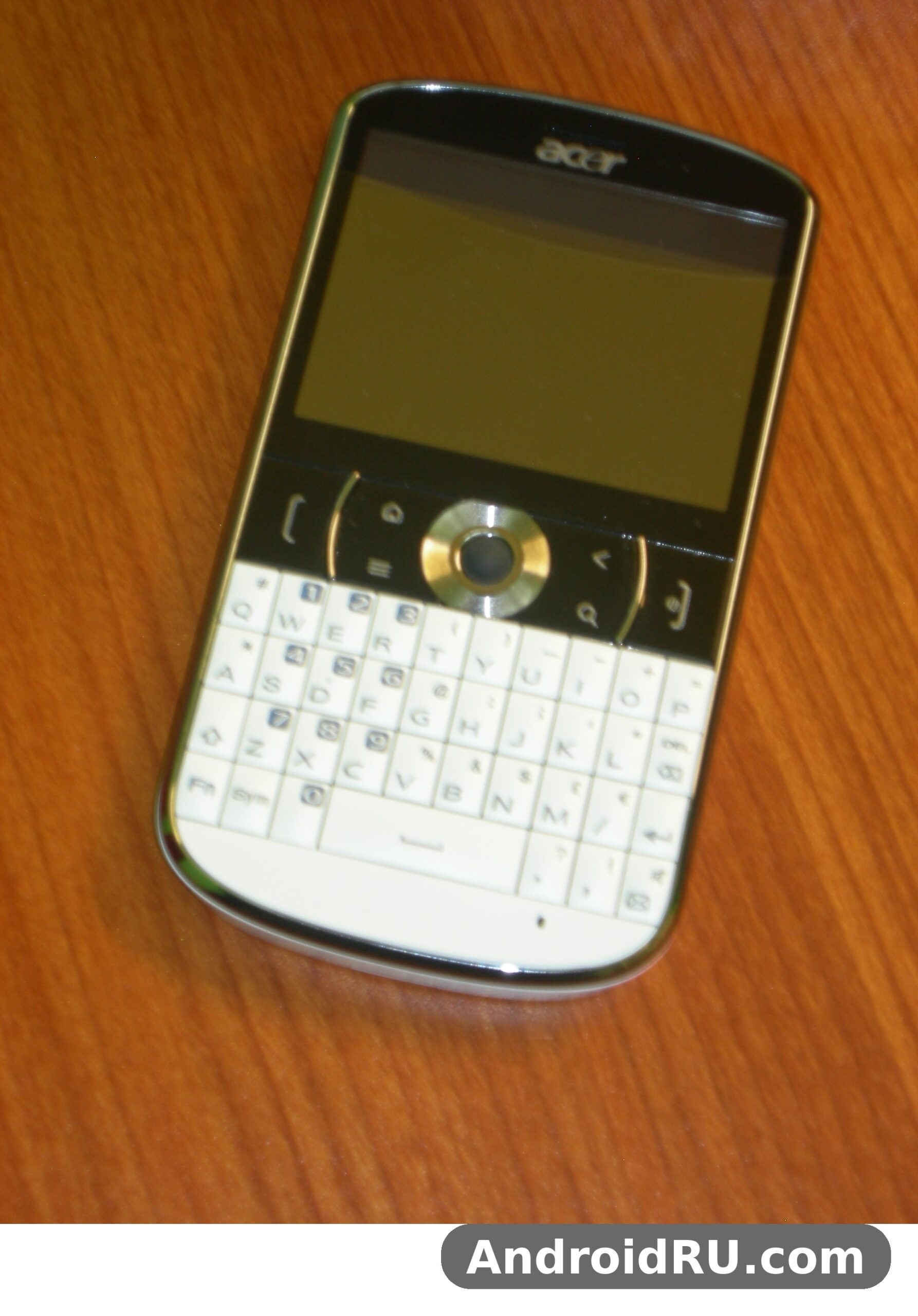
The Acer beTouch E130 launch took place in the summer of 2010, with the phone announced in June 2010 and released in August 2010. That Acer beTouch E130 release date places it in the first wave of affordable Android phones, when Android was still new to many buyers and a physical keyboard was a selling point rather than a throwback. The Acer beTouch E130 price around 90 EUR at launch also helps explain its position: it was a low-cost way into Android, aimed at people who wanted messaging, calls, email, and basic web access without paying for a flagship. The Acer beTouch E130 price is best understood in that 2010 context, not as a price that can be compared directly with phones sold many years later.
This article keeps the focus on verified facts from GSMArena and on what those facts meant for everyday use at the time. The Acer beTouch E130 history is short and clear, and the Acer beTouch E130 specifications are modest by any later measure, yet they form a complete picture of a phone that was designed to be carried everywhere, typed on quickly, and used for the basics. Readers looking for a collector reference, a second-hand checklist, or a simple record of an early Acer Android phone will find the main details here, followed by a full table.
Design and Build
The Acer beTouch E130 design is a compact candybar shape with a full QWERTY keyboard below the screen, a layout that was common for messaging phones in 2010. The Acer beTouch E130 compact candybar design with QWERTY keyboard layout gives the phone a clear identity: it is wide enough for thumb typing, short enough to hold in one hand, and shaped to slip into a pocket or a small bag. It is a pocket-sized device in the true sense of the word, and its plain black styling fits the practical character of the phone.
Acer beTouch E130 dimensions are 115 x 62.5 x 11.5 mm, and the Acer beTouch E130 weight is 109 g. The Acer beTouch E130 dimensions weight and pocket friendly design together explain why the phone felt light and easy to carry, even though the keyboard made it wider than a simple bar phone without keys. At 109 g, it was light for its class, and the 11.5 mm thickness kept it from feeling bulky in a pocket. Those numbers are the core of the physical story, and they still matter to anyone who handles the phone now.
For readers comparing Acer phones from the same period, an Acer beTouch E130 versus other Acer beTouch phones comparison is useful, because Acer released several beTouch models with different screens, keyboards, and prices. The E130 sat at the affordable, messaging-led end of that family, while other models offered different trade-offs. A related look at a sibling model can be found in Acer beTouch E120 Full Specifications: Charging Speed, Battery Life and More, which shows how close the family members were in spirit while differing in detail.
Compact Candybar Shape
The shape is a straightforward candybar: screen at the top, keyboard below, and a small set of control keys around the screen. There is no sliding part and no folding part, so there is little to wear out in the hinge sense, and the phone can be used with one hand for calls and with two thumbs for typing. The compact size also means the screen is small, which is a trade-off that runs through the whole review: portability and typing come first, and large-screen viewing comes second.
QWERTY Keyboard and Controls
The Acer beTouch E130 keyboard is the defining feature of the phone, and the Acer beTouch E130 QWERTY keyboard typing experience for messaging was the reason many buyers chose it over a touchscreen-only phone in 2010. Physical keys gave clear feedback for each press, made it easier to type without looking at the keys, and suited long messages, email, and chat. For a phone of this era, that keyboard was not a novelty; it was the main input method, and the touchscreen played a supporting role.
Typing in Practice
In practice, the keyboard layout rewards thumb typing, with keys that are large enough to press quickly once the user learns the spacing. The Acer beTouch E130 physical keyboard versus touchscreen input comparison is a useful way to frame this: a physical keyboard is slower to learn for some people, but it is steady and predictable, while a small touchscreen of this size can be harder to type on accurately. For short replies and long messages alike, the keys gave the E130 a clear purpose, and that purpose still explains why the model is remembered.
Display and Everyday Viewing
The Acer beTouch E130 display is a 2.6 inch TFT panel with 65K colours and a resolution of 320 x 240 pixels. The Acer beTouch E130 2.6 inch TFT display specifications explained in plain terms are simple: a small, low-resolution screen that is clear enough for text, menus, contacts, and messages, but not built for large photos or long video viewing. The Acer beTouch E130 screen is modest, and the Acer beTouch E130 display colours 65K TFT panel viewing experience reflects the technology of its time, with colours that look fine indoors for everyday tasks.
The Acer beTouch E130 screen resolution 320 by 240 pixels explained for modern readers means the screen shows far less detail than later phone screens, and text and icons look larger and blockier. That is not a flaw in the context of 2010; it is the expected result of a small TFT panel paired with a low-cost phone. The screen size also shapes how the phone is used: menus are short, web pages need scrolling, and photos are viewed as small previews rather than full-screen images.
Small Screen, Simple Viewing
A small screen has one clear benefit: it keeps the phone compact and keeps power use low. The display is large enough to read a message, check a contact, or follow a short menu, and the 65K colour TFT panel is adequate for the interface and for simple images. Readers who compare this phone with a later Acer model will see the same trade-off in a different form in Acer Stream Review and Full Specifications: Everything You Should Know, where a larger screen brings a different set of priorities.
Performance and Software
The Acer beTouch E130 chipset is the ST-Ericsson PNX6715, and that detail matters because it is often misreported. The Acer beTouch E130 ST-Ericsson PNX6715 chipset technical specifications show a 416 MHz CPU, and the Acer beTouch E130 processor is that 416 MHz unit. The Acer beTouch E130 416 MHz processor performance in daily use was suited to the light tasks of its era: opening menus, typing messages, making calls, and running the simple apps that Android 1.6 could support. It was not built for heavy multitasking or demanding games, and it should not be described as if it were.
The Acer beTouch E130 Android version is Android 1.6 Donut, and the Acer beTouch E130 Android 1.6 Donut operating system details are central to understanding the phone. Android 1.6 was an early version of the system, with a simple interface, a small app selection by later standards, and features that look basic now. The Acer beTouch E130 performance is therefore best judged against the software it shipped with, not against later Android versions that it was never designed to run.
On memory, the Acer beTouch E130 RAM is 256MB, and the Acer beTouch E130 storage is 512MB of internal storage. The Acer beTouch E130 256MB RAM and 512MB internal storage limits are tight, and they shaped how the phone could be used: only a small number of apps could be kept, and users had to be selective about what they installed. The Acer beTouch E130 memory is limited in the same way, and that limit is part of the honest record of the phone rather than a detail to hide.
Expansion helps a little. The Acer beTouch E130 microSDHC card slot expandable storage options allowed users to add a memory card for photos, music, and files, even though the internal storage stayed small. That slot is an important part of the Acer beTouch E130 features, because it gave the phone room for media that the built-in memory could not hold. A related Acer model with a different balance of features is covered in The Acer Liquid mt Up Close: Value for Money, Design and the Full Spec Sheet, which is a useful contrast for readers who want to see how Acer varied its early Android range.
Android 1.6 Donut in Context
Android 1.6 Donut was released when Android was still finding its shape, and the Acer beTouch E130 software limitations on modern apps and services follow directly from that fact. Modern apps and services expect later Android versions, larger memory, faster processors, and newer security and network standards, so the E130 cannot be treated as a current daily phone. That does not make the software uninteresting; it makes the phone a clear record of how Android looked and worked in 2010, and the Acer beTouch E130 early Android smartphone history and legacy is exactly that record.
Everyday Limits
The everyday limits are simple to state: keep the number of installed apps low, expect slow loading when several things run at once, and use the phone for calls, messages, and basic tasks rather than for demanding work. The no-frills character of the software matches the hardware, and the phone is easiest to understand when it is seen as a messaging and calling device with early Android, rather than as a small computer that happens to make calls.
Camera and Media
The Acer beTouch E130 camera is a 3.15 MP rear camera, and the Acer beTouch E130 3.15 megapixel rear camera photo quality should be described in 2010 terms: usable for simple snapshots, contact photos, and casual pictures in good light, but limited in detail, low-light performance, and speed. There is no claim here of a modern camera system, and the 3.15 MP figure is the verified fact to keep in mind. Photos from this camera are best seen as quick records rather than as images for large prints or careful editing.
For media, the Acer beTouch E130 speaker headphone jack and audio playback quality covers the basics: a speaker for calls and alerts, and a headphone jack for listening to music or audio on the move. The Acer beTouch E130 audio is simple and functional, suited to the small memory card and the modest processor, and it fits the same pattern as the rest of the phone: enough for everyday listening, without extra features that would have raised the price.
Photos and Playback
Photos and music on the E130 depend on the microSDHC card, because the internal storage is small. Users could keep a modest music collection and a set of photos on a card, and the phone could play them back through the speaker or headphones. That simple media role is consistent with the price and the era, and it is the right way to describe the camera and audio together: practical, limited, and easy to understand.
Battery and Connectivity
The Acer beTouch E130 battery is a Li-Ion 1500 mAh removable battery, and the Acer beTouch E130 1500 mAh removable battery life expectations should be set by the small screen and the light processor. A 1500 mAh battery was a reasonable size for a phone of this type in 2010, and the removable design meant a worn battery could be swapped for a fresh one. That removable battery is a feature that later phones largely gave up, and it is one of the practical points that collectors and second-hand buyers still notice.
The Acer beTouch E130 connectivity covers Wi-Fi, Bluetooth, and GPS, and the Acer beTouch E130 connectivity WiFi Bluetooth and GPS features are the standard set for a phone of this class in 2010. The Acer beTouch E130 WiFi gives basic wireless internet access, the Acer beTouch E130 Bluetooth gives short-range wireless links to headsets and other devices, and the Acer beTouch E130 GPS gives basic location support. The Acer beTouch E130 SIM card microSD and connectivity setup guide in plain terms is simple: insert the SIM, add a microSDHC card if needed, and set up the wireless links one at a time, checking each connection before relying on it.
The Acer beTouch E130 call quality signal reception and everyday reliability is the part of the phone that matters most for anyone who still wants to use it for calls. As a basic phone, it was built around voice calls and text, and its small size, physical keys, and simple interface all support that role. A sibling beTouch model with its own take on the same family idea is described in Acer beTouch E140: A Full Review With Detailed Specifications, and the comparison helps show how Acer reused the beTouch name across different hardware.
Charging and Battery Care
The Acer beTouch E130 charging port and battery replacement guide is a practical note for anyone who finds one of these phones now: check the charging port for wear, use a suitable charger for the era, and treat the removable battery with care, replacing it only with a compatible part. The Acer beTouch E130 factory reset and basic troubleshooting steps are also worth knowing before use: back up anything that matters, use the reset option in the settings if the phone is slow or stuck, and test calls, keys, and the screen after a reset. These are general care steps for an old phone, not a promise that a reset will fix hardware wear.
Full Specifications
The Acer beTouch E130 specs in the table below bring the verified facts together in one place. The Acer beTouch E130 specifications are short, and that short list is the point: this was a low-cost, compact, keyboard-led Android phone from 2010, and the table records it as such, without adding features that were never part of the phone.
| Feature | Detail |
|---|---|
| Announced | June 2010 |
| Released | August 2010 |
| Status | Discontinued |
| Operating system | Android 1.6 Donut |
| Chipset | ST-Ericsson PNX6715 |
| CPU | 416 MHz |
| Display | 2.6 inch TFT, 65K colours, 320 x 240 pixels |
| RAM | 256MB |
| Internal storage | 512MB |
| Expandable storage | microSDHC slot |
| Rear camera | 3.15 MP |
| Battery | Li-Ion 1500 mAh, removable |
| Dimensions | 115 x 62.5 x 11.5 mm |
| Weight | 109 g |
| Price | Around 90 EUR |
That table is the reference to return to when comparing the E130 with other phones from the same year. The Acer beTouch E130 discontinued status is clear in the table, and the rest of the rows give the hardware and software facts that define the model. For a wider view of the beTouch family, the overview in Acer beTouch T500 Spec Sheet and Detailed Overview: Charging Speed, Design and Build Quality shows another member of the range and how its priorities differed from the small, keyboard-led E130.
Pros and Cons
The strengths and weaknesses below follow directly from the verified specifications and from the role the phone was built to fill. They are not a verdict on a modern phone, because the E130 is not a modern phone; they are a summary of what worked well in 2010 and what was limited even then.
Pros
- Physical QWERTY keyboard that suits fast thumb typing and messaging.
- Compact and light body at 109 g, easy to carry in a pocket.
- Removable 1500 mAh battery that can be swapped when worn.
- microSDHC slot for extra media storage beyond the small internal memory.
- Low launch price around 90 EUR, making early Android more affordable.
Cons
- Small 2.6 inch display with 320 x 240 resolution and 65K colours.
- Only 256MB RAM and 512MB internal storage, which limits apps and files.
- Android 1.6 Donut, so modern apps and services are not supported.
- 416 MHz processor, slow for anything beyond basic tasks.
- 3.15 MP camera with limited detail and low-light ability.
- Discontinued, so parts, support, and compatible batteries are harder to find.
Frequently Asked Questions
The questions below cover the points readers ask most often about this model, and the answers stay with the verified facts. The Acer beTouch E130 for collectors of early Android phones today is a useful frame for the answers: this is a classic device to study, keep, or use for basic calls, not a phone to buy as a current daily device.
Is Acer beTouch E130 still usable for calls today?
That depends on the network and the condition of the individual phone, and the question is Acer beTouch E130 still usable for calls today is best answered with a check rather than a promise. In principle, a working E130 can still make calls where a compatible network is available, and its simple calling and messaging role is the part of the phone that ages best. In practice, buyers should test the SIM, the signal, the earpiece, and the microphone before relying on it, and they should expect no support for modern apps or services.
How to use Acer beTouch E130 in 2026?
To understand how to use Acer beTouch E130 in 2026, start with the basics: charge the phone, check the removable battery, insert a SIM and a microSDHC card if needed, and test calls, messages, and the keyboard. Keep expectations low for apps and web use, because Android 1.6 and the 416 MHz processor cannot run modern software. The most realistic uses in 2026 are basic calls and texts, a simple backup phone role, or keeping the device as a time capsule of early Android.
What should a second-hand buyer check before buying?
The Acer beTouch E130 discontinued status and second hand buying guide points to a short checklist: test every keyboard key, check the screen for dead areas, test the charging port and the battery, check the camera, and confirm that calls work with a SIM. The Acer beTouch E130 original box accessories and launch package contents are rarely complete on the second-hand market, so buyers should focus on the condition of the phone itself rather than on the box. A phone with a worn battery or a damaged keyboard will cost more in time and parts than the phone is worth to most buyers.
What are the key specifications to remember?
The key facts are the 2.6 inch TFT display at 320 x 240 pixels, the ST-Ericsson PNX6715 chipset with a 416 MHz CPU, Android 1.6 Donut, 256MB RAM, 512MB internal storage with a microSDHC slot, a 3.15 MP rear camera, a removable 1500 mAh battery, dimensions of 115 x 62.5 x 11.5 mm, a weight of 109 g, and a launch price around 90 EUR. Acer beTouch E130 at a Glance: Review and Detailed Specifications is a record of those facts, and the table above is the easiest place to check them again.

