

The Acer Liquid mt Up Close: Value for Money, Design and the Full Spec Sheet
The Acer Liquid mt arrived at a moment when Android phones were still finding their shape, and this Acer Liquid mt review looks back at that 2010 handset with clear eyes. Announced in October 2010 and released in November 2010, it was a follow-up to the original Acer Liquid from 2009, and it carried a different chip, a newer version of Android, and a sharper sense of what a mid-range Android phone of its day should offer. This is not a hands-on test of a new phone, and it is not a claim that the handset can do modern jobs. It is a careful look at a discontinued classic smartphone, written for first-time buyers of second-hand and collector pieces, for readers who want the facts, and for anyone curious about Acer Liquid mt history. An Acer Liquid mt review for first time buyers should start with that framing, because the phone makes sense only when judged against 2010, not against the phones of today.
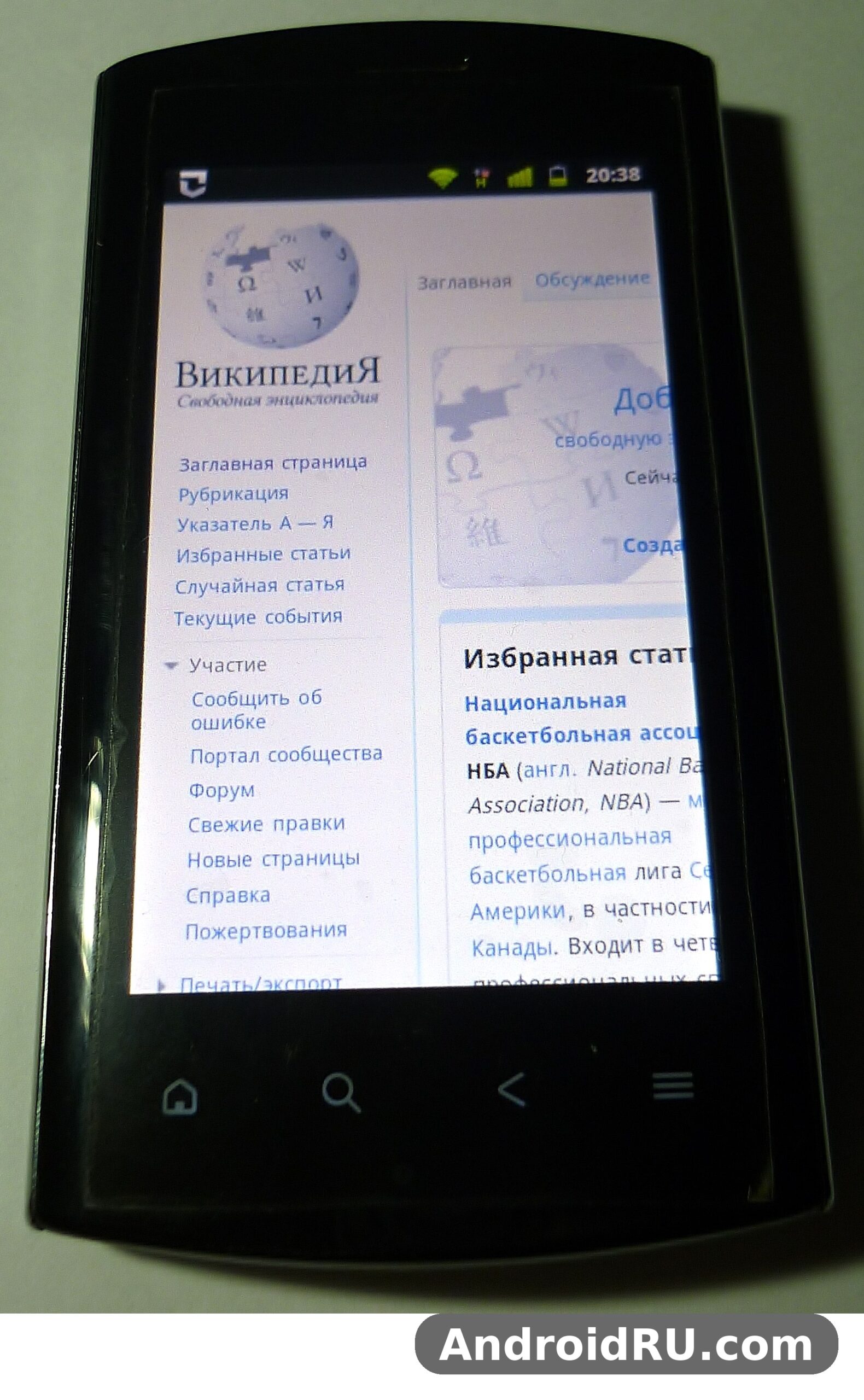
That framing matters for the Acer Liquid mt price as well. As a classic phone from the early Android years, its worth now is tied to condition, completeness, working parts, and collector interest, not to raw speed. The Acer Liquid mt price and value as a classic phone therefore depends on what you want it for: a display piece, a spare handset for basic calls, or a small piece of Android history. This article works through the design, the screen, the performance, the camera, the battery, and the full record, so you can decide with facts in hand. It is a vintage smartphone in the truest sense, and the sections below treat it that way.
Value for Money in Its 2010 Context
To judge value, it helps to remember what buyers faced in late 2010. Android was growing fast, screens were getting larger, and 3G data was the normal way to get online away from home. The Acer Liquid mt sat in the middle of that shift: it was not a flagship, and it was not a bare-bones starter phone either. It offered a 3.6-inch screen, an 800 MHz processor, 512MB of RAM, a 5 MP camera, and Android 2.2 Froyo, a package that read as capable and balanced for its time. As a budget Android phone of its era, it aimed at buyers who wanted a proper Android experience without paying flagship money, and that aim shapes the whole story of the handset. The phrase value for money fits here in its original sense: a fair set of features for the money asked in 2010, judged by the standards of 2010.
Looked at from today, the same package reads very differently. Modern apps, modern web pages, and modern security expectations are far beyond what Android 2.2 Froyo was built for, so nobody should buy this phone expecting it to serve as a daily handset in the modern sense. Its value now is narrower and more honest: a working example of early Android, a conversation piece, a backup for the most basic jobs where the network still allows it, and a study object for how quickly phones changed. Anyone asking is Acer Liquid mt still usable for calls today needs that honest answer first, and the rest of this article fills in the detail behind it. The Acer Liquid mt is a 2010 smartphone, and its story is best read as history with working parts, not as a rival to anything sold now.
Collectors also weigh completeness. A boxed example with its original battery cover, charger, and paperwork will always mean more than a bare handset with a tired battery, and that is true of almost every discontinued phone from this period. The Acer Liquid mt discontinued status and collector interest today are linked in that way, and Acer Liquid mt hands on history and collector notes today all point the same way: because the phone is no longer made, surviving examples in good order are the only ones left, and their appeal grows as fewer remain. If you are weighing a purchase, check the screen, the buttons, the camera, the battery door, and the microSDHC slot before you agree a price, and treat any claim of modern performance with care.
Design and Build Quality
The Acer Liquid mt design followed the shape of its time: a rounded slab with a screen that filled most of the front, a small set of physical controls below it, and a back that could be removed to reach the battery. The Acer Liquid mt compact design and pocket friendly size made it easy to carry in a jacket pocket or a small bag, and that everyday comfort was one of its quiet strengths. It was a phone built to be held in one hand and used on the move, with the screen in reach of the thumb and the weight kept in check for long calls and long reads. For readers comparing it with other Acer phones of the same period, the piece on Acer beTouch T500 Spec Sheet and Detailed Overview: Charging Speed, Design and Build Quality gives a useful sense of how Acer balanced size, build, and charging in a different model from the same era.
Size, Shape and One-Hand Use
The Acer Liquid mt pocket friendly size and everyday carrying comfort come from the same idea: a 3.6-inch phone is small by modern standards, and that smallness is a feature for anyone who dislikes large handsets. The Acer Liquid mt weight was part of that pitch too, because a lighter phone is easier to hold through a long call and easier to slip into a pocket without noticing it. There are no modern claims to make here, and no need to dress the design up: it was a practical plastic-bodied Android phone, made to be used every day, and its shape still feels familiar to anyone who held a phone from 2010. The Acer Liquid mt screen sits at the centre of that shape, and the next section looks at what it could show.
Build quality, judged fairly, was solid for its class. The removable back gave access to the battery and the memory card, the buttons had a clear press, and the whole handset felt made for daily carrying rather than for display. That practicality is part of why examples still turn up in drawers and second-hand listings: the phone was used, kept, and passed on, rather than treated as a fragile object. An Acer smartphone from this period was often bought as a first Android phone, and the Liquid mt fits that role well. Its design does not try to impress with rare materials; it impresses, if at all, by being straightforward and easy to live with.
Display and Everyday Viewing
The Acer Liquid mt display is a 3.6-inch TFT panel with a resolution of 480 x 800 pixels. For 2010, that was a genuinely useful screen: text was readable, web pages could be browsed without constant zooming, photos looked clear at arm’s length, and video was watchable in short bursts. The Acer Liquid mt 3.6 inch display for reading and browsing is the right way to think about it, because reading and browsing were the jobs this screen did most often. The Acer Liquid mt 480 by 800 pixel resolution for reading gave it an edge over smaller, lower-resolution screens of the same period, and owners who moved up from a 3.2-inch phone would have noticed the extra space at once.
A 3.6-Inch TFT Panel in Practice
Acer Liquid mt TFT display and everyday screen quality should be judged by the standards of TFT panels of the time: colours were lively enough for photos and maps, viewing angles were fair rather than wide, and bright sunlight made the screen harder to read, as it did for most phones of the period. The Acer Liquid mt screen was not built to rival the best displays of later years, and it does not need to be. It was built to show calls, messages, mail, maps, and the web clearly, and on those jobs it did its work. Anyone who picks one up today will notice the bezels, the smaller canvas, and the softer rendering of fine text, and those are honest signs of its age rather than faults to hide.
Reading on the handset still works in a modest way. Short articles, messages, and contact lists are comfortable, while long documents and dense web pages ask for more scrolling than a modern large phone would. That is the trade that came with a pocket-friendly 3.6-inch phone, and buyers in 2010 accepted it gladly in exchange for a handset that fit the hand. The Acer Liquid mt display, in short, was a sensible middle ground: large enough to enjoy, small enough to carry, and clear enough for the daily jobs of its day.
Performance, Software and Daily Use
Under the screen, the Acer Liquid mt runs on the Qualcomm MSM7230 chipset, with an 800 MHz Scorpion CPU and Adreno 205 graphics. The Acer Liquid mt Qualcomm MSM7230 chipset and Adreno 205 graphics pairing was a clear step from the original Liquid, which used the QSD8250 at 768 MHz, and the change mattered: the newer chip brought a more efficient core and stronger graphics for its class. Acer Liquid mt 800 MHz Scorpion processor speed in everyday tasks was, for its time, enough for calls, messages, mail, maps, music, and light games, with the usual pauses of the era when several jobs ran at once. The Acer Liquid mt chipset and the Acer Liquid mt processor should be read together here, because the chip, the core, and the graphics unit formed one balanced package rather than a single headline number.
The Acer Liquid mt performance in general use was typical of a well-set-up 2010 Android phone: menus moved smoothly enough, apps opened in a few seconds, and the phone felt responsive when it was not asked to do too much at once. Acer Liquid mt 512MB RAM performance for basic apps is the fair test, and on that test the phone did its job. With 512MB of RAM, a handful of basic apps could be kept ready, but heavy multitasking, large web pages, and demanding games would slow it down, as they slowed every phone with the same amount of memory. That limit is not a surprise; it is the normal shape of phones from this period, and it is worth stating plainly so that no buyer expects modern speed from it.
Android 2.2 Froyo in Daily Use
Acer Liquid mt Android 2.2 Froyo software explained in plain terms means this: the phone shipped with Android 2.2, known as Froyo, which was the current Android release when the handset was announced. The Acer Liquid mt Android experience of the time included the early Android home screens, widgets, the Android Market of the day, and the built-in apps for mail, maps, and browsing that defined Android in 2010. As a Froyo phone, it belongs to a specific moment in Android history, before later releases changed the look, the speed, and the range of apps. That is part of its interest for collectors, and part of its limit for anyone hoping to use it as a modern handset.
How to use Acer Liquid mt in 2026 is a question that deserves a careful answer. The honest answer is that the phone is best used as a collector piece, a display item, or a very limited spare, not as a main phone. Modern services, modern apps, and modern web standards have moved on from Android 2.2, and many current services will not run or will not sign in on it. If you do power one up, treat it as a look back at early Android: make a call where the network allows, browse a simple page, play a stored track, take a photo, and enjoy the handset for what it was. That is a fair and enjoyable use, and it respects both the phone and the reader.
Processor and Graphics
The 800 MHz Scorpion CPU handled the daily jobs of 2010, while the Adreno 205 graphics unit handled games and on-screen drawing of the period. Together they gave the phone a balanced feel: neither part was outstanding on its own, and neither held the other back in normal use. For simple games and smooth menus, the pairing was well matched to the 480 x 800 screen, and that balance is the detail that matters more than any single speed figure.
RAM and Storage
The Acer Liquid mt memory picture has two parts: 512MB of RAM for running apps, and 512MB of internal storage for the system and apps, with a microSDHC slot for expansion. The Acer Liquid mt internal 512MB storage and app space limits were real even in 2010, because the system took a share of that space and apps of the day, while small by modern standards, still needed room. The Acer Liquid mt microSDHC card slot and expandable memory therefore mattered a great deal: a card could hold photos, music, and files, even though apps themselves were limited by the small internal space. The Acer Liquid mt storage story is a useful reminder of how much phones have changed, and the Acer Liquid mt RAM figure of 512MB should be read in the same light.
Camera and Video
The Acer Liquid mt camera is a 5 MP rear camera with autofocus, and it can record video. The Acer Liquid mt 5MP camera video recording for everyday moments is the fair way to describe it: this was a camera for daylight snapshots, family photos, and quick clips, not for low-light work or for the detailed photography that later phones made normal. Acer Liquid mt camera quality in daylight photos was, for its time, perfectly usable, with enough detail for prints at modest sizes and for sharing online at the resolutions of the day. The Acer Liquid mt 5MP autofocus camera features and video recording gave owners a simple point-and-shoot tool that was always in the pocket, and that convenience was the real point.
What the 5 MP Camera Could Do
In good light, the camera produced clear, colourful photos with the look of early phone photography: a little soft at the edges, a little noisy in shade, and at its best in open daylight. Autofocus helped with close subjects and with getting a sharp shot of a person or a place, and the 5 MP resolution gave enough detail for the sharing habits of 2010. The Acer Liquid mt video side of the story was similar: short clips for birthdays, trips, and everyday moments, recorded and played back on the phone itself. For readers who want a wider view of how Acer handled cameras and everyday photography in neighbouring models, the overview in Acer beTouch E130 at a Glance: Review and Detailed Specifications is a helpful companion read, and it shows the same practical approach in a different handset.
For Acer Liquid mt audio, buyers in 2010 judged a phone by calls and music playback, and this handset was built for those basic jobs. The camera and the audio side of the phone worked together in the simplest sense: a clip with sound, a call with a clear voice, and a track played through the handset were the everyday media jobs of the period. Nobody should expect the fine detail, the night performance, or the stabilised video of a modern phone, and the article does not claim them. The camera is best enjoyed now as a record of how phone photography looked in 2010, and as a working tool for simple daylight shots.
Battery Life and Connectivity
The Acer Liquid mt battery is a removable Li-Ion unit rated at 1500 mAh. The Acer Liquid mt Li-Ion 1500 mAh battery capacity in context means this: for a 3.6-inch phone with a single-core 800 MHz chip in 2010, 1500 mAh was a sensible size, enough for a day of ordinary use with calls, messages, and some browsing, and less than a day when data, maps, and media were used heavily. The Acer Liquid mt battery life and standby time guide for owners is therefore a guide to expectations rather than a promise: standby was long when the phone was left alone, talk and browsing drained the cell faster, and a tired battery in a surviving example will hold far less charge than a fresh one did. The Acer Liquid mt removable battery replacement guide for owners is relevant here, because a removable battery is one of the most practical features of a phone this old.
The Removable 1500 mAh Battery
Because the battery can be removed, an owner can carry a spare, swap a tired cell for a fresh one, and keep the phone going without a repair shop. That is a genuine advantage over sealed phones, and it is one reason the Liquid mt remains a friendly collector piece: a new compatible cell, where one can be found in good order, can bring a long-silent handset back to life. The phrase simple and practical suits this part of the phone well, because the battery design was made for real owners, not for show. Check any replacement cell carefully, confirm it is the right type, and treat an old swollen battery with care and proper disposal.
Connectivity covers the essentials of its day. The Acer Liquid mt WiFi Bluetooth and GPS connectivity explained in one place means this: Wi-Fi for home and office networks, Bluetooth for headsets and file sharing of the period, GPS for maps and location, and HSPA mobile data at up to 14.4 Mbps down and 2 Mbps up. The Acer Liquid mt HSPA 14.4 Mbps mobile data speed explained in context is a reminder of how far mobile data has come: 14.4 Mbps was a fast 3G speed in 2010, and it was enough for mail, maps, and mobile browsing of the time. The Acer Liquid mt connectivity as a whole was complete for its era, and the Acer Liquid mt GPS gave the phone a useful role as a pocket map and navigator when paired with the mapping apps of the day. The Acer Liquid mt charging and wired connections for owners are part of the same practical picture: a handset that could be topped up and linked to a computer with the cables of its period, kept simple and ready for daily use.
Full Specifications
The Acer Liquid mt specs below gather the verified facts in one place. The Acer Liquid mt full specifications and features explained here are drawn from the GSMArena record for this model, and the table keeps to what that record confirms, without adding modern features the phone never had. Readers who want the short version can scan the table; readers who want the story behind the numbers will find it in the sections above. The Acer Liquid mt release in November 2010 and the Acer Liquid mt October 2010 announcement and original Liquid comparison both belong in that story, because the phone is best understood as a step forward from the original Liquid, not as a phone that appeared from nowhere.
| Feature | Acer Liquid mt |
|---|---|
| Announced | October 2010 |
| Released | November 2010 |
| Status | Discontinued |
| Operating system | Android 2.2 Froyo |
| Chipset | Qualcomm MSM7230 |
| CPU | 800 MHz Scorpion |
| GPU | Adreno 205 |
| Display | 3.6 inches, TFT, 480 x 800 pixels |
| RAM | 512MB |
| Internal storage | 512MB, microSDHC slot |
| Rear camera | 5 MP, autofocus, video recording |
| Battery | Li-Ion 1500 mAh, removable |
| Mobile data | HSPA 14.4 / 2 Mbps |
| Connectivity | Wi-Fi, Bluetooth, GPS |
| Predecessor | Original Acer Liquid (2009), Qualcomm QSD8250 768 MHz |
The table also makes the difference from the original Liquid easy to see. Acer Liquid mt versus original Acer Liquid 2009 differences explained in brief: the mt moved to the Qualcomm MSM7230 at 800 MHz with Adreno 205 graphics, kept 512MB of RAM, and shipped with Android 2.2 Froyo, while the original Liquid used the QSD8250 at 768 MHz and an earlier Android release. That is a real generational step, not a cosmetic rename, and it is why the small letters mt matter: they mark a different chip, a different graphics unit, and a different software starting point. The Acer Liquid mt November 2010 release date and launch context complete the picture, placing the phone at the end of 2010, when Android was moving fast and Acer was building a wider range of handsets. For a neighbouring Acer model from the same broad era, the review in Acer beTouch E140: A Full Review With Detailed Specifications offers another useful point of comparison.
Pros and Cons
Every fair review of an old phone needs a balanced list, and the Liquid mt is no exception. The strengths below are real for its time, and the limits below are real too, and both should be weighed together before any purchase. The list is written for a reader who may buy a surviving example, not for a reader choosing a new daily phone, because that is the only honest way to judge a discontinued 2010 handset.
Pros
The strengths start with balance: a clear 3.6-inch 480 x 800 screen, an 800 MHz Scorpion chip with Adreno 205 graphics, 512MB of RAM, a 5 MP autofocus camera, and Android 2.2 Froyo formed a coherent package for 2010. The removable 1500 mAh battery is a practical plus, the microSDHC slot eased the small internal storage, and the pocket-friendly size made the phone easy to carry every day. Wi-Fi, Bluetooth, GPS, and HSPA data covered the connectivity of the period, and the handset remains a neat, working example of early Android for collectors. That combination is the honest classic appeal of the phone: nothing exaggerated, nothing hidden, and a clear place in Acer Liquid mt history.
Cons
The limits are just as clear. Internal storage of 512MB is very small, RAM of 512MB limits multitasking, and Android 2.2 Froyo cannot run modern apps or services. The TFT screen is hard to read in bright sunlight, the camera struggles in low light, and a surviving battery will almost always need attention or replacement. The phone is discontinued, so parts, support, and working network access depend on what remains, and searches for Acer Liquid mt colours often reflect collector curiosity rather than a choice a buyer can still make freely. The Acer Liquid mt price for a worn example should reflect all of that, and a buyer should walk away from any listing that promises modern performance from this 2010 hardware.
Frequently Asked Questions
The questions below cover the points readers ask most often about this handset, and each answer keeps to the verified facts and to the honest framing used through the whole article.
When was the Acer Liquid mt released?
The Acer Liquid mt was announced in October 2010 and released in November 2010. That timing places it at the end of a fast-moving year for Android, and it explains why the phone shipped with Android 2.2 Froyo and the Qualcomm MSM7230 chip: both were current choices for a mid-range Android handset at that moment. The Acer Liquid mt history starts there, and the phone has been discontinued for many years since.
Is the Acer Liquid mt still usable today?
It can still be used in a limited way, as a collector piece, a spare handset, or a look back at early Android, but it should not be bought as a modern daily phone. Calls may work where the network still supports the phone, and basic local jobs such as stored music, photos, and simple browsing may work in a modest way, yet modern apps and services will not run on Android 2.2 Froyo. The Acer Liquid mt is a vintage smartphone now, and its best use is the one that respects its age.
What is the difference between the Liquid mt and the original Liquid?
The Liquid mt is the successor to the original Acer Liquid from 2009, and the main difference is the chip: the mt uses the Qualcomm MSM7230 with an 800 MHz Scorpion CPU and Adreno 205 graphics, while the original used the QSD8250 at 768 MHz. The mt also shipped with Android 2.2 Froyo and kept 512MB of RAM, giving it a newer software starting point and stronger graphics for its class. For another Acer handset from the same broad family of early Android phones, the guide in Acer beTouch E120 Full Specifications: Charging Speed, Battery Life and More and the review in Acer beTouch E210 Review and Full Specifications: Everything You Should Know give further context on how Acer shaped its early range.
Does the Acer Liquid mt have a removable battery?
Yes. The Acer Liquid mt has a removable Li-Ion 1500 mAh battery, and that removable design is one of its most owner-friendly features. A tired cell can be swapped for a fresh compatible one, and a spare can be carried for a long day, which was normal practice in 2010 and is a real help for collectors today. The phrase clear-eyed look applies here too: a new cell helps, but it does not turn a 2010 phone into a modern one.
To close, The Acer Liquid mt Up Close: Value for Money, Design and the Full Spec Sheet has tried to give the full picture in one place: the value, the design, the screen, the chip, the camera, the battery, and the verified record, all read as history rather than as a sales pitch. If you buy one, buy it for what it is, a working piece of 2010 Android, and enjoy it on those terms.

