

Redmi K50 Gaming Review: Strengths, Trade-Offs and Everyday Use
The Redmi K50 Gaming arrived in February 2022 as Xiaomi’s most single-minded gaming phone under the Redmi badge, and it still draws attention years later because it pairs a flagship chip with hardware that most phones in its price class never offered. A quick look at the Redmi K50 Gaming specs shows why: a Qualcomm Snapdragon 8 Gen 1 processor, a 120Hz OLED screen, magnetic shoulder triggers built into the frame, and 120W wired charging. This Redmi K50 Gaming review looks at what that combination means in practice, from frame rates and heat to cameras, battery life and daily use, and this Redmi K50 Gaming review and full specifications guide lays out every hardware detail so buyers can judge the phone on facts rather than hype. The Redmi K50 Gaming release followed its February 16, 2022 announcement by only two days, reaching shops on February 18, 2022, which made it one of the earliest Snapdragon 8 Gen 1 phone options on the market and a genuine gaming phone 2022 buyers could actually purchase rather than wait for.
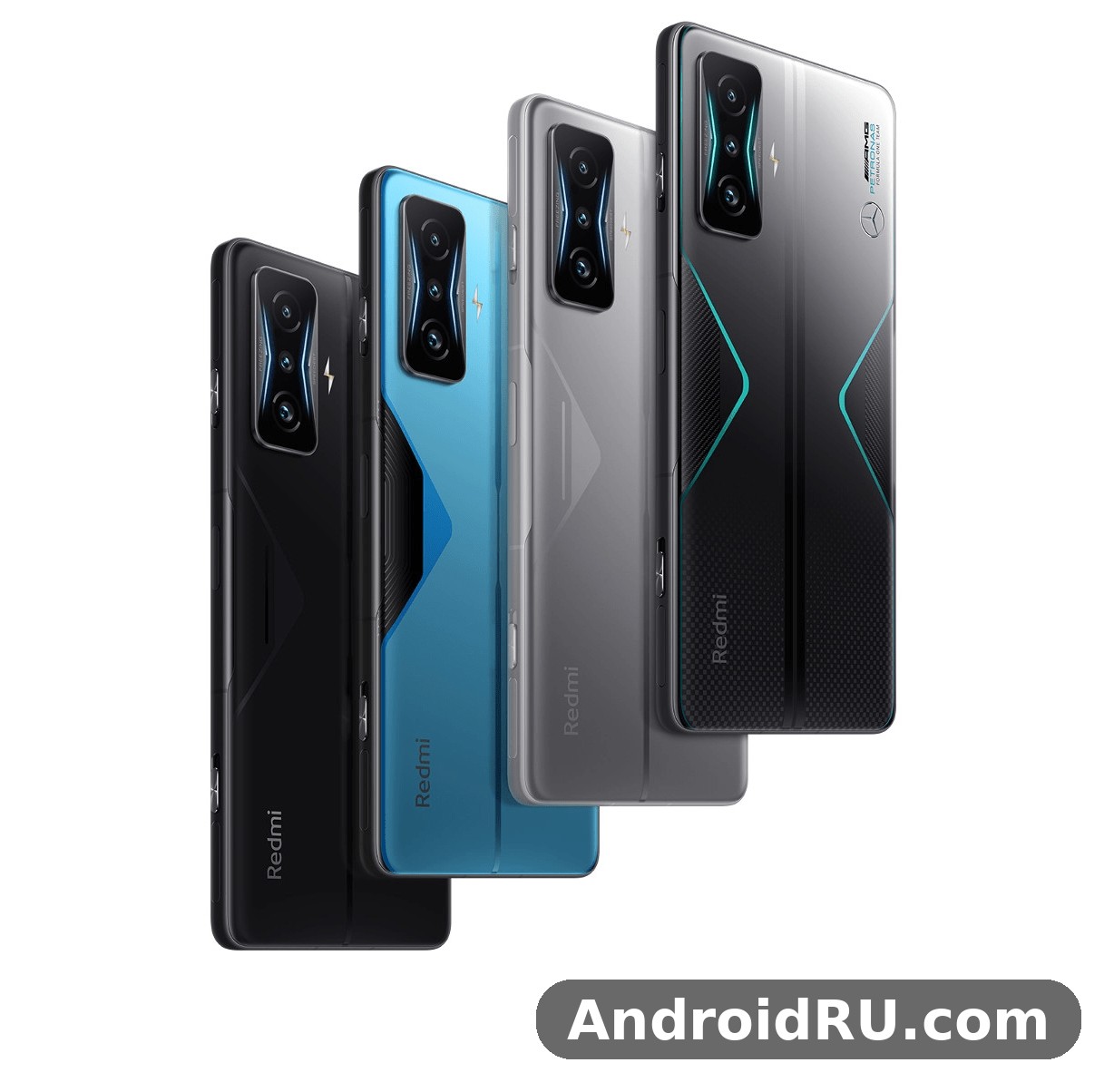
At launch the Redmi K50 Gaming price sat around 460 EUR for the base model, putting it well below dedicated gaming flagships from Asus and Lenovo while offering most of the same headline hardware. The Redmi K50 Gaming features a 6.67-inch OLED display, a 4700mAh battery, a 64MP main camera and quad speakers tuned by JBL, so it reads like a well-rounded flagship on paper. Whether it still makes sense today depends on what a buyer values most: raw speed and gaming controls, or camera versatility and long software support. The sections below work through each area in turn.
Design and Build Quality
The Redmi K50 Gaming design is deliberately loud, with a glass back, an aluminum frame and a camera module shaped like a lightning bolt that leaves no doubt about the phone’s target audience. Early Redmi K50 Gaming unboxing coverage showed a 120W charger in the box, a clear case and a phone that feels dense and solid rather than light and hollow. The frame measures 162.5 x 76.7 x 8.5 mm, and the Redmi K50 Gaming weight 210 grams dimensions thickness figures place it firmly in the heavyweight class, so one-handed use takes some adjustment. The front is protected by Corning Gorilla Glass Victus, and the Redmi K50 Gaming Gorilla Glass Victus durability test results reported by owners over the years suggest the screen holds up well against keys and everyday knocks, though a case remains a sensible idea for a phone this heavy.
Four color options were offered at launch: Black, Gray, Blue and a Mercedes-AMG Petronas Formula One Team Edition with green accents and team branding. The Redmi K50 Gaming Mercedes AMG Petronas edition price was higher than the standard colors, and that special edition remains the one collectors ask about today. The side-mounted fingerprint sensor sits in the power button and unlocks quickly, and the Redmi K50 Gaming side mounted fingerprint sensor speed is one of the small everyday wins on this phone, since it works reliably even with damp fingers. There is no headphone jack, and the Redmi K50 Gaming no headphone jack USB C audio setup means wired listening needs a USB-C adapter or a digital headset.
Everyday Handling and Weight
At 210 grams the phone is noticeable in a pocket, and the flat sides and sharp trigger switches give it a different grip from a curved mainstream flagship. The weight is the price of the vapor chamber cooling, the large battery and the trigger mechanism packed into the frame. Readers who value slim phones may prefer the more conventional shape covered in our Redmi K40 Pro+ Review: Build Quality, Software and Daily Speed, which came from the previous generation of the same family. For gaming, the heft actually helps: the phone sits steady in two hands, the triggers fall under the index fingers, and the wide frame leaves room for the cooling system that keeps frame rates stable.
Display: A 120Hz OLED Built for Play
The Redmi K50 Gaming display is a 6.67-inch OLED panel with 1 billion colors, a 120Hz refresh rate, HDR10+ support and 800 nits of high brightness mode output, at a resolution of 1080 x 2400 pixels. This Redmi K50 Gaming display 120Hz OLED screen review point matters most in games and scrolling, where the high refresh rate makes motion look smooth and touch input feel immediate. The panel covers about 86.2 percent of the front, with slim bezels and a small centered punch hole for the selfie camera, and the 20:9 aspect ratio suits both games and video.
One trade-off worth knowing is power draw: the Redmi K50 Gaming 120Hz refresh rate battery consumption is higher than at 60Hz, so owners who want maximum endurance can drop the refresh rate in settings. Color reproduction is vivid without looking oversaturated, and HDR video on supported apps shows strong contrast and deep blacks. For a broader look at how Redmi tuned its screens in this generation, see our Redmi K50 Review: Display, Audio and Overall Experience, which covers the standard model from the same series.
Brightness and HDR Playback
Outdoor visibility is good thanks to the 800 nits high brightness mode, and the panel stays readable in direct sunlight. HDR10+ content shows a clear step up in highlight detail compared with standard video, and the stereo speakers add to the experience when watching without headphones. The display lacks the 144Hz refresh rate of some rivals, but 120Hz remains the sweet spot for most games, since few mobile titles sustain higher frame rates on this hardware anyway.
Performance and Gaming
Performance is the reason this phone exists. The Redmi K50 Gaming performance comes from the Qualcomm SM8450 Snapdragon 8 Gen 1, a 4 nm octa-core chip with one Cortex-X2 core at 3.00 GHz, three Cortex-A710 cores at 2.50 GHz and four Cortex-A510 cores at 1.80 GHz, paired with an Adreno 730 GPU. The Redmi K50 Gaming Snapdragon 8 Gen 1 performance test results from launch-era benchmarks placed it at the top of the Android charts for its time, and in real games it still runs demanding titles at high settings. The Redmi K50 Gaming gaming performance in Genshin Impact is a useful yardstick: the phone holds high frame rates at high graphics settings for extended sessions, which is exactly what the cooling system and triggers were designed for. The Redmi K50 Gaming RAM options are 8GB or 12GB, and the Redmi K50 Gaming storage comes in 128GB or 256GB using fast UFS 3.1, with no microSD card slot, so buyers should choose the larger capacity if they install many large games.
Heat is the honest caveat. The Redmi K50 Gaming overheating complaints from some owners are real: the Snapdragon 8 Gen 1 is a hot chip, and sustained load pushes the back of the phone warm. The Redmi K50 Gaming heating issue during long gaming sessions is managed by a large vapor chamber, and the Redmi K50 Gaming vapor chamber cooling system explained in simple terms is a sealed chamber that spreads heat across the frame so no single spot gets dangerously hot. The Redmi K50 Gaming cooling hardware keeps throttling under control, but the phone still gets warm to the touch after 30 to 45 minutes of heavy play, and the best results come from playing without a thick case in a cool room.
Snapdragon 8 Gen 1 in Daily Use
Outside games the chip feels effortless: apps open instantly, multitasking between a game, a browser and a chat app is smooth, and the UFS 3.1 storage keeps load times short. The phone launched on Android 12 with MIUI 13, and later updates brought newer Android versions, though buyers in 2026 should check the exact software version on any used unit. Compared with its stablemate, the phone trades camera versatility for gaming hardware, a point covered in our Redmi K50 Pro Review: Gaming, Multitasking and Battery Life. The Redmi K50 Gaming 5G support covers a wide set of sub-6GHz bands with both standalone and non-standalone modes, plus Wi-Fi 6E and Bluetooth 5.2, and the Redmi K50 Gaming WiFi 6E Bluetooth 5.2 connectivity package also includes NFC and an infrared port for controlling home appliances.
Magnetic Shoulder Triggers
The signature feature is the pair of physical magnetic pop-up gaming triggers on the top edge. The Redmi K50 Gaming magnetic shoulder triggers for gaming rise out of the frame with a flick of two small switches, giving the feel of controller shoulder buttons, and the Redmi K50 Gaming triggers can be mapped to on-screen touch points in any game. The Redmi K50 Gaming gaming triggers are mechanical rather than touch-sensitive, so they give a satisfying click and work even with sweaty fingers, and they retract flush into the frame when not in use so the phone still looks and feels normal in a pocket. As a gaming triggers phone it remains unusual even years later, since almost no other mainstream phone offers real moving trigger buttons.
Game Turbo Mode
Game Turbo is Xiaomi’s gaming overlay, and the Redmi K50 Gaming Game Turbo mode settings guide is simple to follow: open a game, swipe in from the corner, and the panel offers performance modes, a frame rate display, screen recording, do-not-disturb controls and per-game trigger mapping. The performance mode can push the chip harder at the cost of more heat, while the balanced mode keeps temperatures lower for longer sessions. Mapping the triggers takes a minute per game and the settings are saved, so the setup work pays off quickly.
Cooling and Heat During Long Sessions
The vapor chamber covers a large area inside the phone and works together with the aluminum frame to shed heat. In practice the phone sustains high frame rates longer than thin flagships with the same chip, and the frame rate curve stays flatter over a 30-minute session. The trade-off is that the frame itself becomes the heat sink, so the edges feel warm during play. Taking the case off and keeping the phone out of direct sun makes a visible difference to sustained performance.
Cameras
The camera system is competent rather than class-leading, which is the expected trade for a gaming phone. The Redmi K50 Gaming camera setup uses a 64MP main sensor with an f/1.9 aperture and phase detection autofocus, an 8MP ultrawide camera with a 120-degree field of view, and a 2MP macro camera, plus a 20MP selfie camera. The Redmi K50 Gaming camera quality and photo samples from launch reviews show clean, detailed daylight shots with lively colors, and the main sensor handles most everyday scenes well. Video reaches 4K at 30 or 60 frames per second, and the Redmi K50 Gaming 4K video recording stabilization test results show usable footage for casual clips, though it lacks the optical stabilization of more camera-focused flagships.
Main Camera in Daylight and at Night
In daylight the 64MP sensor produces sharp images with good dynamic range, and pixel-binned 16MP output keeps noise low. The Redmi K50 Gaming 64MP main camera night mode brightens dark scenes and pulls out shadow detail, but noise and softness appear in very dark conditions, and moving subjects can blur. A color spectrum sensor helps white balance stay accurate under mixed lighting. For buyers who put cameras first, our Redmi K50 Ultra Review: Cameras, Performance and Battery Life covers a sibling model with a stronger camera package, and our Redmi K60 Ultra Review: Camera Quality, Battery and Value looks at the later generation’s camera improvements.
Ultrawide and Macro Lenses
The Redmi K50 Gaming ultrawide lens is useful for landscapes and tight indoor spaces, though it loses detail at the edges and struggles in low light. The Redmi K50 Gaming 8 megapixel ultrawide camera sample images show acceptable results in good light with slightly softer corners, which is normal for an 8MP ultrawide. The 2MP macro camera is a minor addition: it focuses very close, but its low resolution limits the results, and most owners will use the main camera for close-ups instead.
Selfie Camera and Video
The Redmi K50 Gaming selfie camera is a 20MP unit with an f/2.4 aperture that takes bright, flattering selfies in good light and records 1080p video at 30 or 60 frames per second. The Redmi K50 Gaming 20MP selfie camera video recording is fine for video calls and social clips, with HDR helping in backlit scenes. There is no autofocus on the front camera, so selfies are sharpest at arm’s length.
Battery Life and 120W Charging
The Redmi K50 Gaming battery is a 4700mAh Li-Po cell, smaller than the 5000mAh units in many rivals, which is one of the clearest trade-offs on this phone. The Redmi K50 Gaming 120W fast charging battery life story is really about the charger: 120W wired charging with PD 3.0 and Quick Charge 3 fills the battery to 100 percent in about 17 minutes, so a short top-up before leaving the house replaces the need for a huge cell. The Redmi K50 Gaming 4700mAh battery drain while gaming is fast, as expected from a flagship chip driving a 120Hz screen, and heavy gamers should expect around four to five hours of screen-on time with demanding titles, while lighter mixed use stretches to a full day. As a 120W charging phone it was ahead of nearly every rival at launch, and the in-box charger means owners get the full speed without buying anything extra. The Redmi K50 Gaming charging setup has no wireless charging, which is the one convenience missing from the package.
How Long the 4700mAh Battery Lasts
With the refresh rate at 60Hz and brightness moderate, the phone comfortably lasts a working day of messaging, browsing and video. Turn the refresh rate to 120Hz and play games for a couple of hours, and an evening top-up becomes necessary, but the 17-minute full charge makes that painless. The battery is a sealed Li-Po unit, so heavy users should budget for some capacity loss after a few years, as with any phone.
Software and Everyday Use
The Redmi K50 Gaming software launched as Android 12 with MIUI 13, and the Redmi K50 Gaming MIUI 13 software experience and updates brought the usual Xiaomi feature set: Game Turbo, a second space, dual apps, floating windows and deep theme customization. The Redmi K50 Gaming MIUI layer includes some pre-installed apps and occasional notifications that owners can disable, and the interface feels fast thanks to the flagship chip. The Redmi K50 Gaming software experience in daily use is smooth and stable, with quick app launches, reliable notifications and a capable camera app, though the update window is shorter than on newer flagships, so used buyers should confirm the installed version.
Audio is a genuine strength. The Redmi K50 Gaming speakers are a quad-speaker stereo setup tuned by JBL with 24-bit/192kHz Hi-Res audio and Snapdragon Sound support, and the Redmi K50 Gaming stereo speakers sound quality review notes from launch praised their loudness and clarity. The Redmi K50 Gaming JBL tuned quad speakers volume is enough to fill a room for video and casual gaming, and the Redmi K50 Gaming JBL branding reflects real tuning rather than a badge alone. The Redmi K50 Gaming durability of the design is helped by the aluminum frame and Gorilla Glass Victus, and the phone carries no official water resistance rating, so it should be kept away from rain and pools.
MIUI 13 on Android 12
MIUI 13 on this phone is the full-fat version with all of Xiaomi’s gaming and customization features, not a stripped-down build. The settings menu is deep, the control center is gesture-friendly, and the game overlay is one of the better ones on Android. Owners who prefer a cleaner look can install a third-party launcher without losing the trigger mapping or Game Turbo functions.
Updates and Long-Term Support
Xiaomi moved the phone to newer Android versions after launch, but the K50 Gaming is now past its prime update window, so buyers in 2026 should treat the installed software as essentially final and check security patch dates on any used unit. That is normal for a phone launched in early 2022, and it matters more for buyers who keep phones for years than for gamers who upgrade often.
Full Specifications
The Redmi K50 Gaming full specifications and features list below is taken from the official specification record, so buyers can compare every detail in one place.
| Feature | Specification |
|---|---|
| Model | Xiaomi Redmi K50 Gaming (21121210C), also sold as Redmi K50G; global twin: Poco F4 GT |
| Announced | February 16, 2022 |
| Released | February 18, 2022 |
| Dimensions | 162.5 x 76.7 x 8.5 mm |
| Weight | 210 g |
| Build | Glass front (Gorilla Glass Victus), glass back, aluminum frame |
| SIM | Nano-SIM + Nano-SIM (dual SIM) |
| Display | 6.67-inch OLED, 1B colors, 120Hz, HDR10+, 800 nits (HBM), 1080 x 2400 pixels, 20:9, ~395 ppi, Corning Gorilla Glass Victus |
| OS | Android 12, MIUI 13 (upgradable) |
| Chipset | Qualcomm SM8450 Snapdragon 8 Gen 1 (4 nm) |
| CPU | Octa-core (1×3.00 GHz Cortex-X2, 3×2.50 GHz Cortex-A710, 4×1.80 GHz Cortex-A510) |
| GPU | Adreno 730 |
| RAM | 8GB or 12GB |
| Internal storage | 128GB or 256GB, UFS 3.1; no card slot |
| Main camera | Triple: 64MP f/1.9 wide with PDAF, 8MP f/2.2 ultrawide (120-degree), 2MP macro; color spectrum sensor, dual-LED flash, HDR, panorama |
| Main video | 4K at 30/60fps, 1080p at 30/60/120fps, 720p at 960fps, HDR |
| Selfie camera | 20MP f/2.4 wide, HDR; video 1080p at 30/60fps, 720p at 120fps |
| Speakers | Stereo speakers (4 speakers), tuned by JBL, 24-bit/192kHz Hi-Res audio, Snapdragon Sound |
| Headphone jack | No |
| Wi-Fi | Wi-Fi 802.11 a/b/g/n/ac/6e, dual-band, Wi-Fi Direct |
| Bluetooth | 5.2, A2DP, LE, aptX HD, aptX Adaptive |
| Positioning | GPS (L1+L5), GLONASS, BDS, GALILEO, QZSS, NavIC |
| NFC | Yes |
| Infrared port | Yes |
| USB | USB Type-C 2.0, OTG |
| Sensors | Side-mounted fingerprint, accelerometer, gyro, compass, virtual proximity sensing |
| Battery | Li-Po 4700 mAh |
| Charging | 120W wired, PD 3.0, QC3, 100 percent in 17 minutes |
| Colors | Black, Gray, Blue, AMG (Mercedes-AMG Petronas Formula One Team Edition) |
| Network | GSM / CDMA / HSPA / CDMA2000 / LTE / 5G (SA/NSA/Sub6) |
| Price at launch | About 460 EUR |
The headline numbers tell the story of this phone: a Snapdragon 8 Gen 1 chipset, a 120W wired charging system that fills the battery in about 17 minutes, magnetic pop-up shoulder triggers built into the frame, and a 4700mAh battery that trades capacity for charging speed.
Pros and Cons
Pros:
- Flagship Snapdragon 8 Gen 1 performance with fast UFS 3.1 storage
- Physical magnetic pop-up shoulder triggers that retract into the frame
- 120Hz OLED display with HDR10+ and 800 nits brightness
- 120W wired charging, 100 percent in about 17 minutes, charger included
- Quad stereo speakers tuned by JBL with Hi-Res audio
- Vapor chamber cooling that sustains frame rates in long sessions
- Gorilla Glass Victus front and aluminum frame
Cons:
- 4700mAh battery is smaller than many rivals, so heavy gaming drains it fast
- Snapdragon 8 Gen 1 runs hot under sustained load
- Camera system is good but not class-leading, with a weak 2MP macro lens
- No wireless charging and no headphone jack
- No official water resistance rating and no microSD card slot
- Software support window is now largely over for a phone launched in early 2022
Frequently Asked Questions
Is the Redmi K50 Gaming worth buying in 2026?
It depends on the price and the buyer’s priorities. The Redmi K50 Gaming worth buying in 2026 question has a clear answer for gamers on a budget: at a low used price it still offers a flagship chip, real shoulder triggers and 120W charging that few cheap phones match. Buyers who want long software support, the best cameras or all-day battery should look at newer models instead, and any used unit should be checked for battery health and screen condition before purchase.
Does the Redmi K50 Gaming overheat?
It gets warm under sustained heavy load, which is normal for the Snapdragon 8 Gen 1, but the vapor chamber cooling keeps it from throttling hard in most games. Short sessions stay comfortable, and longer sessions are best played without a thick case. The phone does not shut down from heat in normal use, and the warmth is concentrated in the frame rather than the screen.
What is the Redmi K50 Gaming price and availability in 2026?
The phone is no longer sold new through official channels, so the Redmi K50 Gaming price and availability in 2026 depends on the used market, where prices vary by condition, storage size and region. The Redmi K50 Gaming 256GB 12GB RAM variant price is higher than the base 128GB 8GB model, and the special AMG edition commands a premium among collectors. Buyers should compare several listings and confirm the model number 21121210C before paying.
How does the Redmi K50 Gaming compare with the Poco F4 GT?
The Redmi K50 Gaming vs Poco F4 GT comparison is simple: they are the same hardware sold under different names, with the Poco F4 GT as the global version of the Redmi K50 Gaming. The chipset, display, triggers, battery and cameras are identical, so the choice comes down to regional availability, software branding and price rather than any hardware difference.
What is the Redmi K50 Gaming Mercedes AMG Petronas edition price?
The Redmi K50 Gaming Mercedes AMG Petronas edition price was higher than the standard colors at launch, reflecting the special green finish, team branding and collector packaging. In the used market today it typically sells above standard models in similar condition, and its value depends on whether the box and accessories are complete.

