

Redmi K80 Pro Review: Photo Quality, Video and Performance
The Redmi K80 Pro review conversation starts with a simple question: can a phone that costs about half of a flagship still take flagship photos and shoot flagship video? After spending extended time with the phone, the short answer is yes in most situations that matter. The Redmi K80 Pro price in China positioned it as a value flagship when it launched, and the Redmi K80 Pro release date November 2024 in China put a Snapdragon 8 Elite chip, a 50 MP triple camera and a 6000 mAh battery into a phone that undercuts most rivals with the same silicon. This review looks at the camera, the video modes, the speed and the battery in everyday use, not just on a spec sheet.
In daily use, the Redmi K80 Pro camera is the part that surprises most. Daylight shots are sharp and well exposed, night shots hold detail better than the price suggests, and the 2.5x telephoto gives portraits a natural look that a digital crop cannot match. The Redmi K80 Pro battery lasts a full day with room to spare, the Redmi K80 Pro display stays readable in bright sun, and the Redmi K80 Pro performance never feels like a compromise. The Redmi K80 Pro video modes go up to 8K, and the phone records smooth 4K footage with steady stabilisation. There are trade-offs, and this review covers them honestly, from the China-first launch to the lack of a memory card slot.
Design and Display
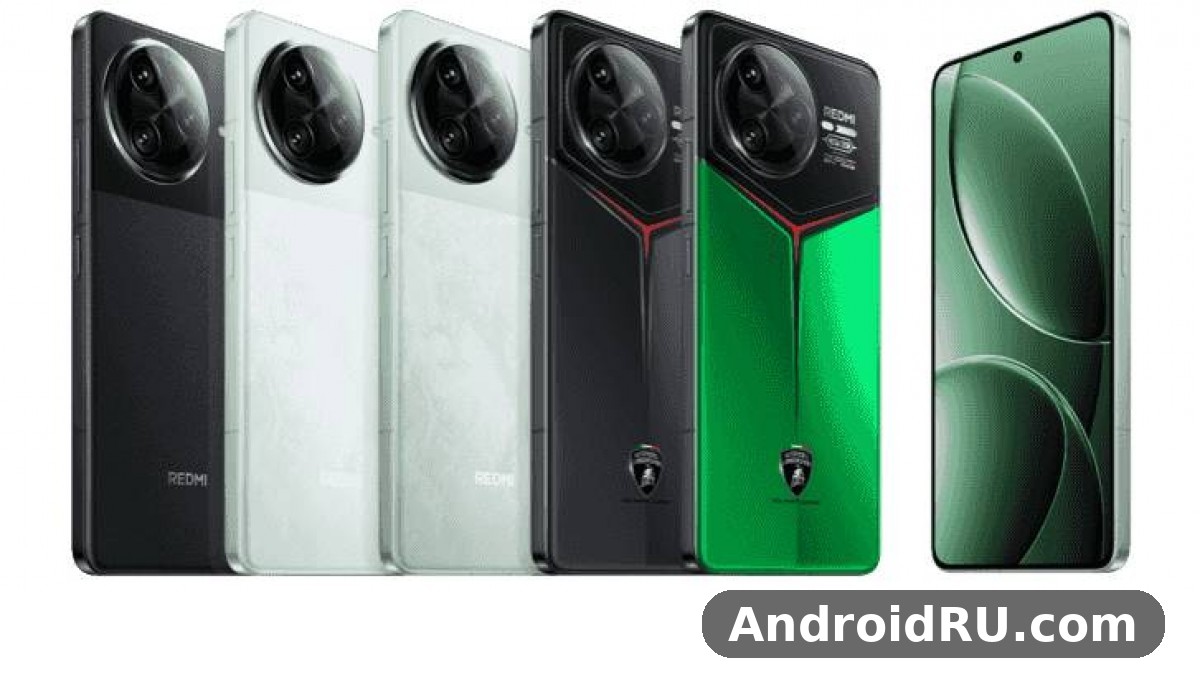
The Redmi K80 Pro design is clean and restrained, with a flat metal frame, a large camera module in the top corner, an IP68 rating and a glass back that resists fingerprints better than most glossy phones. The Redmi K80 Pro size is 160.3 x 75 x 8.4 mm, and the Redmi K80 Pro weight is 212 or 217 grams depending on the finish, so the Redmi K80 Pro 212 gram weight and 8.4 mm thickness feel solid without becoming heavy in a pocket. The Redmi K80 Pro build uses Longjing glass 2 on the front and an IP68 seal, which is rare at this price. The Redmi K80 Pro colours include Black, White and Mint, plus Lamborghini-themed Green and Black editions for buyers who want something louder.
A bright 6.67-inch OLED screen
The Redmi K80 Pro 6.67 inch OLED display refresh rate 120Hz panel is one of the best screens in its class. It renders 68 billion colours, supports Dolby Vision and HDR10+, and reaches 1800 nits in high brightness mode with a 3200-nit peak. The Redmi K80 Pro display brightness outdoors in sunlight is strong enough that maps, photos and video stay clear at noon, and the Redmi K80 Pro screen dims smoothly at night without harsh steps. The Redmi K80 Pro 1440p screen resolution and 526 ppi sharpness make text crisp and fine detail in photos easy to judge on the phone itself. A 120Hz refresh rate keeps scrolling smooth, and the panel can drop to lower rates to save power when nothing moves.
Build quality, IP68 sealing and fingerprint sensor
The Redmi K80 Pro IP68 water resistance rating explained for buyers means the phone is dust tight and can survive immersion up to 2.5 metres for 30 minutes, which covers rain, spills and an accidental drop in a sink. The Redmi K80 Pro ultrasonic fingerprint sensor under display speed is quick and works with slightly damp fingers better than optical sensors, and face unlock is there for moments when your hands are busy. The Redmi K80 Pro fingerprint sensor sits in a natural spot near the bottom of the screen, so unlocking with one hand feels easy.
Photo Quality: Main, Telephoto and Ultrawide Cameras
The Redmi K80 Pro camera samples in daylight and night show a phone that leans on a large sensor and honest processing rather than heavy sharpening. The Redmi K80 Pro 50MP main camera OIS photo results are the highlight: sharp centres, clean edges and colours that stay close to real life. The Redmi K80 Pro photo quality in low light is strong for the price, with night mode pulling detail out of shadows without turning the sky into grey mush. Across the three rear cameras, the phone keeps a consistent colour style, so switching lenses in the middle of a scene does not change the look of the photo.
50 MP main camera with OIS
The main camera uses a 50 MP sensor with an f/1.6 lens, a 1/1.55-inch size and optical image stabilisation. Large pixels and a wide aperture let in enough light for fast shutter speeds indoors, which keeps moving subjects sharp. The Redmi K80 Pro colour spectrum sensor and LED flash photography help white balance stay accurate under mixed lighting, from warm restaurant lamps to cool office LEDs. In daylight, photos show fine detail in foliage, brickwork and fabric, and the phone handles high-contrast scenes well, holding both bright skies and shaded foregrounds in the same frame.
2.5x telephoto and portrait mode
The 50 MP telephoto lens offers 2.5x optical zoom at 60 mm, with its own stabilisation and a close focus distance of 10 cm. The Redmi K80 Pro 2.5x optical zoom photo quality test shows clean detail at full zoom and usable results at 5x hybrid zoom, while 10x digital zoom is best kept for identification rather than keepsakes. The Redmi K80 Pro portrait mode photos with telephoto lens look natural, with smooth background blur and accurate edge detection around hair and glasses. The Redmi K80 Pro zoom also helps for street photography, letting you frame a subject from a distance without walking into the scene.
Low-light and night photography
At night, the main camera keeps noise low and preserves the colour of neon signs and street lamps instead of washing them out. Night mode takes a second or two and stacks several frames, and the result is brighter without looking painted. The telephoto stays usable after dark in well-lit streets, while the ultrawide is the first lens to show noise when the light drops.
32 MP ultrawide camera
The Redmi K80 Pro 32MP ultrawide camera photos at 120 degrees cover a wide field of view that suits landscapes, architecture and tight indoor spaces. Detail at the edges is softer than the main camera, which is normal for ultrawide lenses, but the centre stays sharp and distortion is well controlled. Colours match the main camera closely, so a set of photos from one location looks consistent whichever lens you used.
Video Recording and Stabilisation
The Redmi K80 Pro video recording quality at 4K 60fps is smooth, detailed and stable enough for handheld clips without a gimbal. The Redmi K80 Pro 8K video recording sample and stabilization show that 8K at 24 frames per second is available, though 4K remains the practical choice for most people because files are smaller and stabilisation works better. Focus pulls are quick and rarely hunt, and exposure changes gradually instead of jumping when you pan across a bright window.
4K, 8K and slow motion
Video tops out at 8K video at 24 frames per second, with 4K at 24, 30 and 60 frames per second and 1080p up to 240 frames per second for slow motion, plus an extreme 720p mode at 1920 frames per second. Gyro-based electronic stabilisation steadies walking shots, and the main camera’s optical stabilisation helps further. Colours in video match the photo style, so clips cut together with stills from the same day look like they belong to one set.
Selfie camera and front video
The Redmi K80 Pro 20MP front camera selfie quality in daylight is good, with natural skin tones and enough detail for video calls and social clips. The Redmi K80 Pro selfie camera records 1080p video at 30 or 60 frames per second with gyro stabilisation, which keeps handheld vlog clips steady. HDR on the front camera helps when you film against a bright window or outdoors, holding detail in both your face and the sky behind you.
Walking test with gyro stabilisation
The Redmi K80 Pro gyro EIS video stabilization while walking test shows steady footage on flat pavement and only mild bounce on stairs or rough ground. For best results, hold the phone with both hands and walk heel-to-toe; the phone does the rest. Runners and cyclists will still want a mount, but for travel clips and family video, the built-in stabilisation is enough.
Performance and Gaming
The Redmi K80 Pro chipset is the Qualcomm Snapdragon 8 Elite, a 3 nm chip with two Oryon cores at 4.32 GHz and six more at 3.53 GHz, plus an Adreno 830 GPU. The Redmi K80 Pro Snapdragon 8 Elite gaming performance test shows flagship frame rates in demanding games at high settings, with ray tracing supported in titles that use it. The Redmi K80 Pro performance in everyday use is instant: apps open fast, the camera launches quickly, and switching between a game, a browser and a map never causes a reload. The Redmi K80 Pro gaming experience stays smooth in long sessions, and the Redmi K80 Pro Antutu result sits among the fastest Android phones of its generation.
Snapdragon 8 Elite in daily use
The 3 nm process and Oryon cores give the phone desktop-class burst speed for photo editing, video export and heavy multitasking. The Redmi K80 Pro 5G modem covers a wide set of bands, so the phone stays connected on fast networks in China and in most regions where it is imported. Wi-Fi 7, Bluetooth 6.0 and NFC round out a modern connectivity set, and the infrared port can control a television or air conditioner, a small extra that Redmi keeps while many rivals drop it.
RAM, storage and app loading
The Redmi K80 Pro 12GB RAM multitasking and 512GB variant price balance is the sweet spot for most buyers, with 12 GB or 16 GB of RAM and 256 GB, 512 GB or 1 TB of storage. The Redmi K80 Pro UFS 4.0 storage speed and app loading times are flagship fast, so large games install quickly and the camera never waits on the gallery. The Redmi K80 Pro RAM keeps a dozen apps in memory, and the Redmi K80 Pro storage has no card slot, so buyers who shoot a lot of 8K video should choose 512 GB or more from the start.
Heat during long gaming sessions
The Redmi K80 Pro 6000 mAh battery drain during gaming sessions is moderate: an hour of a demanding game at high settings uses roughly a fifth of the battery, and the phone gets warm rather than hot. A vapour chamber spreads heat across the frame, so frame rates stay steady instead of dropping after ten minutes. Short bursts of heat near the camera module are normal under full load and fade within minutes of closing the game.
Battery Life and Charging
The Redmi K80 Pro battery life with 6000 mAh battery is one of the phone’s strongest points. The silicon-carbon cell packs more energy than a standard 5000 mAh battery into a slim body, and the efficient 3 nm chip sips power in standby. In mixed use with 5G, navigation, photos and video, the phone ends a long day with charge to spare, and lighter users can stretch it across two days with the 6000 mAh silicon-carbon battery. The Redmi K80 Pro battery holds up well because the 120Hz screen drops its refresh rate when idle and the chip idles efficiently.
How long the 6000 mAh battery lasts
Expect a full day of heavy use and two days of light use. Video streaming over Wi-Fi runs for many hours, and standby drain overnight is minimal. The phone’s battery care features let you cap charging to protect long-term health, which matters if you plan to keep the phone for three or four years.
120W wired charging
Charging is handled by 120W wired charging with PD3.0 and QC3+ support, and the phone reaches a full charge in about 28 minutes from empty. The Redmi K80 Pro 120W fast charging time to full means a ten-minute top-up during breakfast adds most of a day’s power. The Redmi K80 Pro charging brick is not always included in every market, so check the box before you buy, and use a charger that supports the phone’s fast standard to reach full speed.
50W wireless charging
The Redmi K80 Pro 50W wireless charging speed and compatible chargers make cable-free top-ups practical rather than a slow overnight trickle. A matching 50W wireless pad fills the phone far faster than the 15W pads many older phones use, and the phone also supports reverse wireless charging for earbuds and watches in a pinch.
Software, Sound and Everyday Extras
The Redmi K80 Pro HyperOS 2 features and software experience build on Android 15 with a clean home screen, a control centre that is easy to reach, and deep links between the phone, a tablet and a laptop in the same ecosystem. The Redmi K80 Pro software includes a capable gallery editor, AI tools for photos and notes, and a game mode that blocks notifications and boosts touch response. The Redmi K80 Pro update policy covers several years of system updates, and the phone launched with Android 15, so it starts from a modern base rather than an older version.
Stereo speakers and connectivity
The Redmi K80 Pro stereo speakers sound quality for video playback is loud and clear, with separate drivers that give films and games a sense of space. The Redmi K80 Pro speakers handle voice well, so calls on speakerphone stay intelligible, and the Redmi K80 Pro audio supports 24-bit/192kHz Hi-Res playback plus Snapdragon Sound over Bluetooth. The Redmi K80 Pro WiFi 7 Bluetooth 6.0 connectivity features list includes dual-band Wi-Fi, aptX Lossless and LHDC 5, dual-frequency GPS and an infrared port.
Value and where it sits in the Redmi range
The Redmi K80 Pro price in China and global availability tell the value story: launched in China at a price that undercuts Snapdragon 8 Elite rivals, it reached other markets through importers and later regional launches. The Redmi K80 Pro value is strongest for buyers who want flagship speed and a strong camera without paying flagship money. The Redmi K80 Pro vs Redmi K70 Pro camera comparison shows the newer phone ahead on zoom, low light and video stabilisation, though the K70 Pro remains a solid cheaper option, as covered in the Redmi K70 Pro Review: Screen Quality, Cameras and Charging. The standard K80 is cheaper still and shares the screen and battery philosophy, as covered in the Redmi K80 Review: Design, Battery Life and Usability.
Full Specifications
This Redmi K80 Pro specs table lists the hardware that matters, verified against the GSMArena specification page for the Redmi K80 Pro.
| Feature | Details |
|---|---|
| Display | 6.67-inch OLED, 68B colours, 120Hz, Dolby Vision, HDR10+, 1800 nits (HBM), 3200 nits (peak), 1440 x 3200 pixels, Longjing glass 2 |
| Chipset | Qualcomm SM8750-AB Snapdragon 8 Elite (3 nm) |
| CPU | Octa-core (2×4.32 GHz Oryon V2 Phoenix L + 6×3.53 GHz Oryon V2 Phoenix M) |
| GPU | Adreno 830 |
| RAM | 12 GB / 16 GB |
| Internal storage | 256 GB / 512 GB / 1 TB, UFS 4.0, no card slot |
| Main camera | 50 MP, f/1.6, 24mm wide, 1/1.55-inch, dual pixel PDAF, OIS |
| Telephoto camera | 50 MP, f/2.0, 60mm, 2.5x optical zoom, PDAF, OIS |
| Ultrawide camera | 32 MP, f/2.2, 15mm, 120-degree field of view |
| Front camera | 20 MP wide, HDR, 1080p video at 30/60fps |
| Video recording | 8K at 24fps, 4K at 24/30/60fps, 1080p at 30/60/120/240/960fps, 720p at 1920fps, gyro-EIS |
| Battery | Si/C Li-Ion 6000 mAh |
| Charging | 120W wired (100% in about 28 min), 50W wireless |
| Operating system | Android 15, HyperOS 2 |
| Build | IP68 dust and water resistant (up to 2.5m for 30 min), ultrasonic under-display fingerprint sensor |
| Dimensions | 160.3 x 75 x 8.4 mm |
| Weight | 212 g or 217 g |
| Colours | Black, White, Mint, Lamborghini Green, Lamborghini Black |
| Connectivity | 5G, Wi-Fi 7, Bluetooth 6.0, NFC, infrared port, USB Type-C, dual Nano-SIM |
| Price | About 500 EUR |
Pros and Cons
Pros
- Snapdragon 8 Elite speed at a value flagship price
- 50 MP triple camera with 2.5x optical zoom, OIS and strong low-light photos
- 8K video and smooth, well-stabilised 4K at 60 frames per second
- 6000 mAh battery with 120W wired and 50W wireless charging
- Bright 1440p 120Hz OLED display with Dolby Vision and HDR10+
- IP68 sealing, ultrasonic fingerprint sensor and stereo speakers
Cons
- China-first launch, so official availability varies by region
- No microSD card slot, so storage choice matters at purchase
- No 3.5mm headphone jack
- 8K video files are large, and stabilisation works best at 4K
- At 212 grams, the phone is noticeably heavy in a pocket
Frequently Asked Questions
Is the Redmi K80 Pro good for photography?
Yes. The 50 MP main camera with OIS takes sharp, natural-looking photos in daylight and holds detail well after dark, the 2.5x telephoto gives clean zoom and natural portraits, and the 32 MP ultrawide covers landscapes and tight spaces. Colours stay consistent across all three lenses.
Does the Redmi K80 Pro record 8K video?
Yes, it records 8K video at 24 frames per second, plus 4K at up to 60 frames per second and slow motion up to 960 frames per second at 1080p. For most people, 4K at 60 frames per second is the better choice because files are smaller and stabilisation works better.
How fast does the Redmi K80 Pro charge?
Very fast. The 120W wired charger fills the 6000 mAh battery to 100% in about 28 minutes, and 50W wireless charging is available for cable-free top-ups. A ten-minute wired top-up adds most of a day of power.
When was the Redmi K80 Pro released?
The Redmi K80 Pro was announced and released on 27 November 2024 in China, running Android 15 with HyperOS 2. It launched with the Snapdragon 8 Elite, a 50 MP triple camera and a 6000 mAh battery.
Is the Redmi K80 Pro waterproof?
It is rated IP68, which means it is dust tight and water resistant up to 2.5 metres for 30 minutes. That covers rain, spills and accidental immersion, but it is not designed for swimming or use in salt water.
The Redmi K80 Pro is a value flagship that gets the big things right: a fast chip, a versatile camera, steady video, a bright screen and a battery that lasts. Its limits are the usual ones for a China-first Redmi flagship, namely patchy official availability in some regions and no card slot. If you want a cheaper Redmi with a different balance, the Redmi A5 Review: Display, Cameras and Budget Trade-Offs covers the budget end, while the Redmi 9T Review: Everyday Speed, Cameras and Value and the Redmi 9C Review: Build Quality, Battery and Daily Use show how far Redmi’s budget line has come since those models. For buyers who want flagship speed, a strong camera and long battery life at a fair price, this phone is easy to recommend.

