

Xiaomi Mi 11 Ultra Review: Design, Software and Camera Quality
Xiaomi built the Mi 11 Ultra to sit at the very top of its 2021 range, and it shows in almost every hardware choice. A huge 50MP sensor, a second screen on the back, a 120Hz WQHD+ display and 67W charging on both wired and wireless connections made it one of the most ambitious phones of its year. This Xiaomi Mi 11 Ultra review looks at the design, the software and the camera quality in detail, and it weighs those strengths against the size, the weight and the heat that came with the Snapdragon 888 generation.
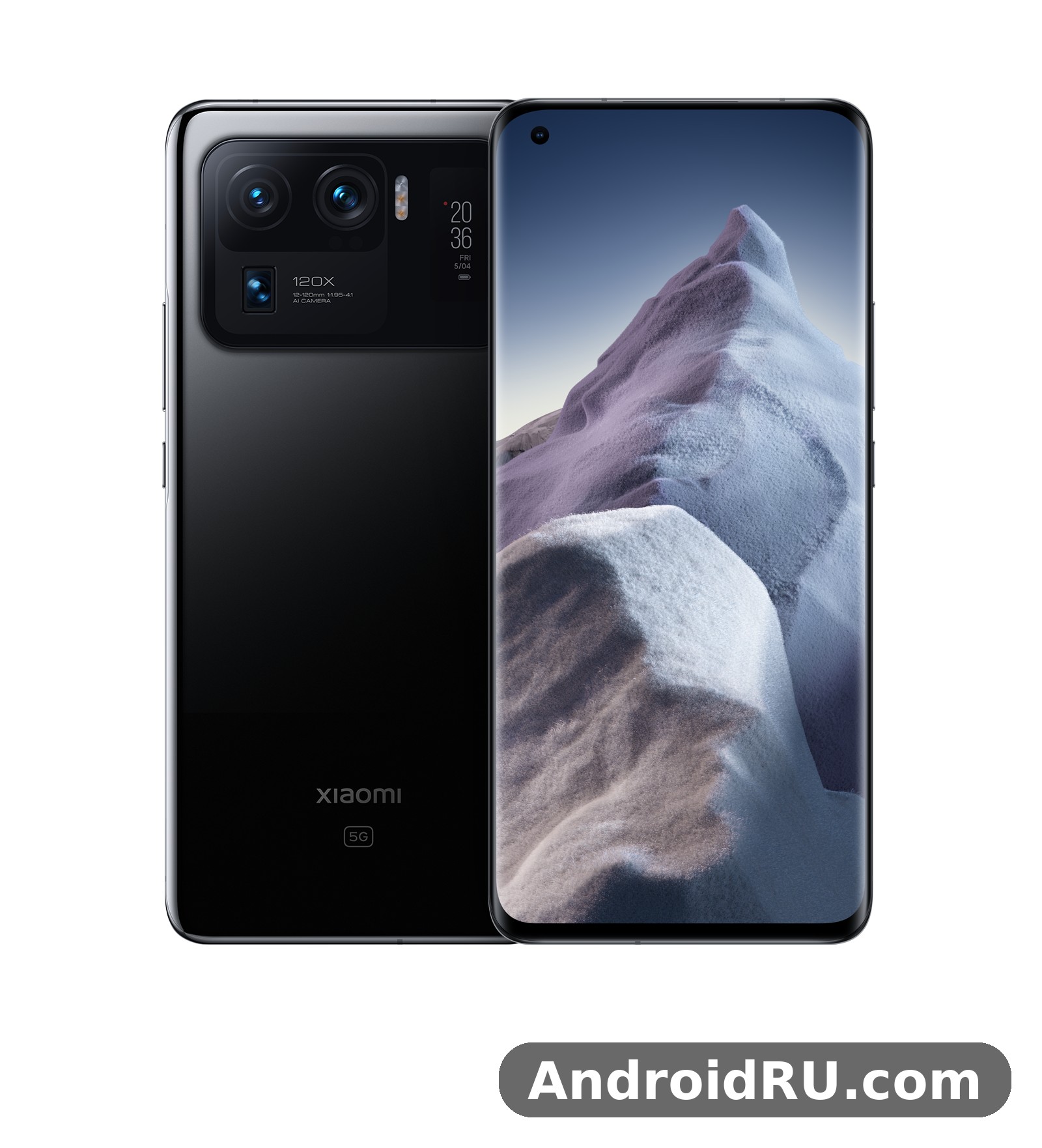
The phone arrived when Xiaomi was pushing hard into the premium tier, and the Ultra was its statement device. It kept the familiar Mi 11 family look, then added a camera module so large that it changed how the phone feels in the hand and how it is used. The Xiaomi Mi 11 Ultra price in 2026 sits far below its launch price on the used market, which is why many buyers still ask whether this older flagship is worth picking up today. The short answer is that the camera hardware and the display still hold up well, while the software support window and the battery behaviour need a closer look before you commit.
Who should read this? Anyone comparing a used Ultra against a newer mid-range phone, anyone curious about the rear display, and anyone who wants a clear picture of what the camera can and cannot do. The sections below cover the build, both screens, daily performance, the full camera system, battery life, MIUI 12.5 and the complete specification sheet, so you can judge the phone on facts rather than on its launch hype.
Xiaomi Mi 11 Ultra Design and Ceramic Build
The first thing you notice about the Ultra is the camera island. It spans almost the full width of the upper back and houses three large lenses plus a small second screen. That module is the reason the phone looks different from the regular Mi 11, and it is also the reason the phone never sits flat on a table. Xiaomi used a ceramic back on the Ultra, which gives it a smooth, cool feel and a glossy finish that catches fingerprints quickly. A case is almost essential, not only for grip but to protect that ceramic surface from scuffs.
At 234g and 8.4mm thick, this is a heavy phone by any standard, and the Xiaomi Mi 11 Ultra weight and thickness in hand are the first trade-off to accept. The weight is balanced well enough that it does not feel top-heavy, but one-handed use is a stretch for most people, and long reading sessions can tire the wrist. The curved edges of the front glass help the width feel smaller than the 74.6mm measurement suggests, though the same curves can cause accidental touches if you grip the phone tightly. The Xiaomi Mi 11 Ultra ceramic back design durability is a genuine plus: ceramic resists scratches better than the glass backs on many rivals, and the frame feels solid with no flex or creak.
Water resistance is another premium touch. The Xiaomi Mi 11 Ultra IP68 water resistance rating means the phone is rated for dust protection and immersion in fresh water under controlled conditions, which was still rare among Xiaomi phones at the time. That rating does not make the phone waterproof for swimming or for use with soaps and salt water, and damage from liquids is not covered by warranty in the usual way, but it does give real peace of mind against rain and accidental splashes. The stereo speakers, tuned with Harman Kardon, sit at the top and bottom edges, and the Xiaomi Mi 11 Ultra Harman Kardon speaker quality stands out for a phone: sound is loud, clear and full enough for video and casual music without headphones, with a noticeable stereo separation when the phone is held horizontally.
Compared with the foldable side of the Xiaomi range, the Ultra takes the opposite approach to standing out: instead of folding, it doubles down on a single slab with the biggest camera hardware Xiaomi could fit. Readers curious about the folding route can compare it with the Xiaomi MIX Flip Review: Screens, Hinge and Battery Life, which shows how Xiaomi handled a very different kind of premium design in a clamshell body.
Ceramic Back, Weight and Everyday Handling
The ceramic finish looks refined in black and white, and it ages better than glossy plastic because it does not pick up fine scratches as easily. The trade-off is the fingerprint problem and the slipperiness on smooth surfaces. Most owners end up using the bundled case, which hides the ceramic but keeps the phone secure in the hand. The fingerprint sensor sits under the display and works quickly once it learns your print, and face unlock is available as a faster but less secure option. Buttons are well placed on the right edge, with a satisfying click, and the USB-C port at the bottom supports fast data and charging.
Daily handling comes down to size. The phone fits a jeans pocket, but it fills it, and the camera bump means it rocks on a desk. If you already use a large phone, the adjustment is small. If you are coming from a compact device, the first week takes getting used to, especially when reaching the top of the screen with one thumb. The curved display edges make swiping from the sides feel smooth, and the slim bezels keep the front looking modern even years after launch.
Rear Display and the Camera Module
The small 1.1-inch AMOLED panel on the back is the Ultra’s signature feature. It measures 126 by 294 pixels and sits beside the lenses inside the camera island. Its main job is to act as a viewfinder, so you can frame selfies with the rear cameras and see yourself while you shoot. The Xiaomi Mi 11 Ultra rear display selfie function is genuinely useful for group shots and for video calls where the rear camera quality beats the front camera by a wide margin. The Xiaomi Mi 11 Ultra rear display notifications setup is simple: the screen can show the time, notifications and a custom image or animation when the phone is face down, and it can act as a battery indicator while charging.
In practice the rear screen is a bonus rather than a necessity. It is too small for reading messages, and most owners use it mainly for selfies and the clock. The Xiaomi Mi 11 Ultra second screen always on display behaviour is limited compared with the main panel, but it does make the phone easy to identify at a glance when it is lying face down. The camera module itself is protected by glass over the lenses, and the raised surround keeps the lenses from touching a table when the phone is placed face up.
Xiaomi Mi 11 Ultra Display Quality Review
The main display is one of the best parts of this phone. The 6.81-inch AMOLED panel runs at 1440 by 3200 pixels, which gives a sharp 515 pixels per inch, and it supports a 120Hz refresh rate, HDR10+ and Dolby Vision. The Xiaomi Mi 11 Ultra display quality review verdict is positive: colours are rich without looking oversaturated in the standard mode, text is crisp at any size, and the peak brightness of up to 1700 nits keeps the screen readable in bright sunlight. The panel shows a billion colours, so gradients in photos and video look smooth rather than banded.
The 120Hz refresh rate makes scrolling and animations feel fluid, and the phone can drop the rate down when the screen is static to save power. The Xiaomi Mi 11 Ultra 120Hz refresh rate battery impact is real but modest: running the screen at WQHD+ and 120Hz together drains the battery faster than Full HD at 60Hz, so the settings let you choose a balance between sharpness, smoothness and endurance. Most people settle on 120Hz with adaptive resolution, which keeps the experience smooth without the worst of the drain.
Video playback is a strong point. Dolby Vision support means compatible streaming content shows deeper contrast and brighter highlights, and the stereo speakers complete the picture for watching without earphones. The under-display fingerprint sensor is optical and sits low enough to reach comfortably, and the hole-punch front camera is small and tucked into the top-left corner, so it rarely distracts from content. The Xiaomi Mi 11 Ultra screen brightness holds up outdoors, and the automatic brightness adjustment is quick to respond when you step from shade into sunlight.
Against the folding phones in Xiaomi’s own history, the Ultra’s single flat panel is simpler and more durable in daily use, with no crease and no hinge to worry about. The Xiaomi Mi Mix Fold Review: Portability, Performance and Battery gives a useful contrast, showing what Xiaomi traded away and gained when it chose a folding display instead of a fixed one.
Main 6.81-inch AMOLED Panel
The panel uses Samsung E4 AMOLED material, which was among the best available at launch. Viewing angles are wide with little colour shift, and the screen stays accurate enough for photo editing in its natural colour mode. Touch sampling is responsive, which matters for gaming, and the curved edges blend into the frame for a near borderless look. A pre-applied screen protector is a sensible addition, since the curved glass is more expensive to replace than a flat panel.
Reading, browsing and video all benefit from the high resolution. Small text stays legible without zooming, and the tall 20:9 aspect ratio shows more of a web page or a document at once. The trade-off is that some older apps do not fill the full height, leaving small bars at the top or bottom, but that is a minor issue on a modern Android version.
Rear 1.1-inch Second Screen
The rear screen is an AMOLED panel too, so its blacks are deep and its colours stay vivid at a small scale. It shows the time, date, battery level and notification icons, and it can mirror the camera viewfinder for selfies. The resolution is low, but that is fine for its job: icons and short text are legible, and the screen sips power. It is a conversation piece as much as a tool, and it is the feature most people ask about when they first see the phone.
Xiaomi Mi 11 Ultra Snapdragon 888 Performance
At the heart of the phone is the Qualcomm Snapdragon 888, a 5nm chip with one Cortex-X1 prime core at 2.84GHz, three Cortex-A78 cores at 2.42GHz and four Cortex-A55 efficiency cores at 1.80GHz, paired with the Adreno 660 GPU. The Xiaomi Mi 11 Ultra Snapdragon 888 performance was flagship class at launch, and it still handles everyday tasks, heavy multitasking and demanding games without hesitation. Apps open quickly, switching between a browser, a camera and a game is smooth, and the 8GB or 12GB of LPDDR5 RAM keeps background apps alive for longer.
The Xiaomi Mi 11 Ultra gaming performance test results from launch reviews showed high frame rates in popular titles at high settings, with the Adreno 660 handling demanding 3D scenes well. The large vapour chamber cooling inside the phone helps, but the Snapdragon 888 is a hot chip, and the Xiaomi Mi 11 Ultra overheating Snapdragon 888 issue is the main performance caveat. Under sustained load, such as long gaming sessions or 8K video recording, the phone warms up noticeably and the chip throttles to protect itself, which can lower frame rates after ten to fifteen minutes. For short bursts and normal use, throttling is rarely noticeable, but heavy gamers should expect the phone to get warm and to lose some peak speed over time.
Storage is fast as well. The Xiaomi Mi 11 Ultra UFS 3.1 storage speed is a clear step up from older UFS 3.0 phones: large games install faster, photos save quickly after a burst, and file transfers over USB-C are brisk. There is no microSD slot, so the 256GB or 512GB you buy is the storage you keep, and the 256GB model is the sensible minimum for anyone who shoots a lot of video. The sibling model shares the same chip but a different camera and battery balance, as covered in the Xiaomi Mi 11 Pro Review: Daily Performance and Key Features, which is worth reading if you are choosing between the two.
Gaming, Multitasking and Daily Speed
For daily use, the Ultra feels fast in the ways that matter: the interface is responsive, the camera launches quickly, and split-screen multitasking works without stutter. The 12GB RAM model holds more apps in memory, which helps if you switch between a dozen apps through the day, but the 8GB model is fine for most people. 5G connectivity is supported on sub-6GHz bands, and Wi-Fi 6 keeps wireless speeds high on a compatible router. The Xiaomi Mi 11 Ultra 5G connection is stable in typical urban coverage, and call quality is clear thanks to the dual microphones and noise reduction.
Heat and Throttling Under Load
Heat is the honest weakness of this generation. The phone can reach uncomfortable temperatures during long gaming sessions or while recording 8K video in warm weather, and the software will dim the screen or slow charging if the temperature climbs too far. Keeping the phone out of direct sunlight and closing background apps before a long session helps, and a case with good ventilation makes a small difference. This is not a fault unique to Xiaomi: every Snapdragon 888 phone of this period showed similar behaviour, and the Ultra’s cooling is actually better than many of its peers.
Storage Speed and RAM Options
The three configurations are 8GB of RAM with 256GB of storage, 12GB with 256GB, and 12GB with 512GB. All three use UFS 3.1, and all three feel equally quick in normal use. The extra RAM shows its value only under heavy multitasking, while the 512GB model is the pick for anyone who records 8K video or keeps a large offline media library. There is no expandable storage, so choose the capacity with your real usage in mind rather than the launch price difference.
Xiaomi Mi 11 Ultra Camera Quality Review
The camera is the reason this phone exists, and the Xiaomi Mi 11 Ultra camera quality review verdict is that it was one of the best phone cameras of 2021, with hardware that still impresses today. The main camera uses a Samsung GN2 sensor, a 50MP unit with a very large 1/1.12-inch size, an f/1.95 aperture and optical image stabilisation. A larger sensor gathers more light, which improves detail and reduces noise, and the GN2 uses large 1.4-micron pixels that grow to 2.8 microns when four pixels are combined into one. The Xiaomi Mi 11 Ultra camera produces photos with natural colours, strong dynamic range and fine detail in daylight, and it holds up well indoors where smaller sensors start to struggle.
The second camera is a 48MP periscope telephoto with 5x optical zoom, an f/4.1 aperture and optical stabilisation. The Xiaomi Mi 11 Ultra 5x zoom photo quality is genuinely good: at 5x, images stay sharp with real detail rather than the smeared look of digital zoom, and the phone can push to 10x hybrid zoom and 120x digital zoom for distant subjects, though quality drops sharply past 10x. The Xiaomi Mi 11 Ultra zoom range is one of the widest on any phone of its generation, and the periscope design is what makes that possible in a slim body. The third camera is a 48MP ultrawide with a 128-degree field of view, and the Xiaomi Mi 11 Ultra ultrawide camera review findings are solid: it keeps distortion under control for such a wide lens, and it doubles as a macro camera for close-up shots.
The Xiaomi Mi 11 Ultra night mode camera performance is a highlight. Night mode combines several exposures to brighten shadows and control highlights, and the large main sensor means it starts from a cleaner image than most rivals. Street scenes keep their colour and atmosphere instead of turning into a flat, over-brightened image, and the ultrawide also works at night, though with more noise. The Xiaomi Mi 11 Ultra night shots hold detail in neon signs and building lights, and the phone handles mixed lighting better than many phones that rely on heavy processing alone.
Video is equally ambitious. The Xiaomi Mi 11 Ultra video recording goes up to 8K at 24 frames per second from the main camera, and the Xiaomi Mi 11 Ultra 8K video recording quality is sharp on a large screen, though the files are huge and the phone warms up quickly during long 8K clips. For most people, 4K at 60 frames per second is the better choice: it looks excellent, it is easier to edit and share, and it stays stable for longer. All three rear cameras can record video, and the phone supports HDR10+ video, slow motion and a range of movie effects in the camera app. The Xiaomi Mi 11 Ultra periscope zoom low light performance is weaker than the main camera, as expected from a smaller sensor behind a narrow aperture, but at 5x in daylight it is one of the best zoom cameras of its year.
For a direct comparison inside the family, the Xiaomi Mi 11 Review: Photo Quality, Video and Performance shows what the standard Mi 11 offers with a smaller sensor and no periscope, which makes the Ultra’s camera advantage easy to see. The Ultra is the phone to pick when the camera is the priority and the size is acceptable.
50MP Main Camera with Samsung GN2
The GN2 sensor was the largest in a phone when it launched, and size matters more than megapixels for image quality. Daylight photos show excellent detail in foliage, brickwork and fabric, and the dynamic range keeps both bright skies and dark shadows usable in the same frame. Portrait mode uses the main camera with software blur that is convincing for people and pets, and the edge detection is reliable in good light. Colours lean slightly vivid in the default mode, which suits social sharing, while the pro mode offers a flatter profile for editing.
One practical benefit of the large sensor is natural background blur. Close-up shots of food, flowers or products show a soft background without needing portrait mode, which gives photos a more photographic look. The shutter is fast, autofocus locks on quickly thanks to dual-pixel autofocus, and burst shooting keeps up with moving subjects in daylight. The Xiaomi Mi 11 Ultra camera is at its best in the golden hour, when the large sensor and the processing combine to produce warm, detailed images with little noise.
5x Periscope Zoom and Ultrawide Camera
The periscope lens folds the light path sideways inside the phone, which is how Xiaomi fits a 5x optical zoom into a body that is only 8.4mm thick. At 5x, text on distant signs stays readable, and architectural details keep their edges. The 10x hybrid zoom blends optical and digital data and remains usable for social sharing, while the 120x maximum is more of a novelty: it can identify a distant object, but the image is soft and noisy. Stabilisation is essential at these lengths, and the optical stabilisation on the periscope does a good job of keeping the frame steady.
The ultrawide camera covers a 128-degree view, which is wide enough for landscapes, interiors and large group shots. Distortion at the edges is visible but controlled, and the camera app can correct it further. The ultrawide also focuses close enough for macro shots, which is a useful bonus for flowers, insects and small objects. Colour matching between the three cameras is good, so switching lenses during a video recording does not produce a jarring colour shift.
Night Mode and Low-Light Shooting
Night mode on the main camera takes a couple of seconds and produces a clear, bright image with controlled noise. The phone automatically suggests night mode in dark scenes, and the result is usually better than the standard auto mode. The periscope camera is the weakest at night, since its narrow aperture lets in less light, so the phone sometimes crops from the main sensor instead of using the periscope in very dark conditions. That is a sensible trade-off, and the resulting image is usually cleaner.
Front Camera and Selfies with the Rear Cameras
The front camera is a 20MP unit in a small hole-punch cutout, and the Xiaomi Mi 11 Ultra front camera selfie quality is good in daylight, with natural skin tones and enough detail for video calls and social posts. It supports portrait mode and 1080p video, and it is fine for everyday use. The real trick, though, is using the rear cameras for selfies. The Xiaomi Mi 11 Ultra selfie experience improves dramatically when you turn the phone around and frame yourself on the rear display: the 50MP main camera gives sharper, cleaner selfies with better dynamic range than any front camera of this era, and the ultrawide works for group selfies where everyone needs to fit in the frame.
8K Video and Stabilisation
Video stabilisation is electronic and optical combined, and walking footage at 4K looks smooth without a gimbal. 8K recording is best kept to short clips, both because of file size and because of heat, but the detail it captures is impressive on a 4K television. The camera app offers a full manual video mode with control over focus, exposure and white balance, plus log-style profiles for colour grading. Audio recording uses the stereo microphones and captures clear sound with reasonable wind reduction.
Xiaomi Mi 11 Ultra Battery Life Test and 67W Charging
The battery is a 5,000mAh silicon-oxygen cell, and the Xiaomi Mi 11 Ultra battery life test results from launch reviews were respectable for a phone with a WQHD+ 120Hz display and a power-hungry chip. With mixed use, including browsing, messaging, photography and an hour of video, the phone comfortably lasts a full day, and lighter users can stretch it into a second morning. The Xiaomi Mi 11 Ultra 5000mAh battery drain test figures varied with settings: running the display at Full HD and 60Hz added a noticeable amount of endurance, while WQHD+ at 120Hz with 5G active drained the battery fastest. The Xiaomi Mi 11 Ultra battery is not the longest lasting in its class, but it is adequate, and the charging speed more than compensates.
Charging is where the Ultra shines. The Xiaomi Mi 11 Ultra 67W charging speed fills the battery from empty to full in around 36 minutes with the bundled 67W charger, and the Xiaomi Mi 11 Ultra charging curve stays fast for most of the cycle before slowing near the top to protect the cell. Wireless charging is equally fast: the Xiaomi Mi 11 Ultra wireless charging test showed a full charge in under 40 minutes on a compatible 67W wireless stand, which was unmatched when it launched. The Xiaomi Mi 11 Ultra reverse wireless charging use is practical too: the phone can share 10W of power with earbuds, a watch or another phone, which is handy when a friend’s earbuds run flat.
Battery health after years of use depends on how the phone was charged. Fast charging generates heat, and heat ages batteries, so owners who charged at 67W every day may see more wear than those who used slower overnight charging. The phone’s software includes battery protection features that slow charging overnight and limit the maximum charge in some modes, and using those features helps preserve long-term capacity. If you buy a used Ultra, check the battery health in the settings and ask about the charging history, since a replacement battery is the most common service this model needs.
Battery Life in Daily Use
Screen-on time in mixed use typically lands between five and seven hours, depending on brightness, refresh rate and network conditions. Video streaming over Wi-Fi is efficient, while 5G data and GPS navigation drain the battery faster. The large display is the biggest consumer of power, so lowering the brightness and switching to 60Hz on a long day makes a real difference. The phone’s battery saver modes are effective without making the phone feel sluggish, and the extreme saver can stretch a low battery through an evening.
67W Wired, 67W Wireless and Reverse Charging
The bundled charger and cable are needed for the full 67W wired speed, since the fast-charging protocol is proprietary. Standard USB Power Delivery chargers work, but at lower speeds, so keeping the original charger matters if you want the fastest top-ups. Wireless charging needs a compatible stand, and the phone’s position on the stand affects the speed, so a stand designed for this model is worth the extra cost. Reverse wireless charging is switched on from the battery settings, and it works best when the receiving device is centred on the back of the phone.
Xiaomi Mi 11 Ultra MIUI 12.5 Software Review
The phone launched with MIUI 12.5 on top of Android 11, and the Xiaomi Mi 11 Ultra MIUI 12.5 software review picture is mixed in the way MIUI often is: the interface is fast, customisable and full of features, but it also carries more pre-installed apps and more notifications than a clean Android build. The Xiaomi Mi 11 Ultra software is smooth in daily use, with fluid animations, a good control centre and useful gestures, and the always-on display, themes and floating windows give owners plenty of ways to make the phone their own. The Xiaomi Mi 11 Ultra update path continued after launch, and the Xiaomi Mi 11 Ultra Android 11 update to Android 13 arrived through MIUI 13 and MIUI 14, which brought newer privacy controls, better widget support and a cleaner settings layout.
Software support is the main long-term consideration. Xiaomi promised several years of updates for this flagship, and the phone did receive Android 12 and Android 13, but it is now past its main update window, so security patches have slowed or stopped. That does not make the phone unusable, but it does mean buyers should check the installed version and the last security patch date before purchase. For a phone used mainly for photography, media and browsing, the older software is fine. For banking and sensitive work, a newer device with current patches is the safer choice.
The camera app deserves a mention in any software discussion, since it is where most owners spend their time. It offers a full pro mode, night mode, long exposure, clone mode and a range of filters, and the interface is logical once you learn where each mode sits. The gallery app includes capable editing tools, and the file manager, notes and security apps cover the basics without needing third-party downloads. The Xiaomi Mi 11 Ultra software experience improves noticeably after removing or disabling the pre-installed apps you do not use, which also reduces background notifications.
MIUI 12.5 Features and Daily Experience
MIUI 12.5 brought smoother animations, better privacy indicators and a more efficient use of system resources than the version before it. The control centre gives quick access to brightness, volume, wireless charging and the rear display settings, and the gesture navigation is reliable. Haptic feedback is precise, which makes typing and scrolling feel more tactile, and the theme engine lets you change icons, fonts and the always-on display style. The downside is the advertising and recommendation content in some system apps, which can be switched off in the settings but takes a few minutes to find.
Updates, Android 13 and Long-Term Support
The upgrade to Android 13 under MIUI 14 is the version most used Ultra phones run today, and it is stable and fast. It improves notification handling, adds per-app language settings and tightens permission controls, which are all welcome on an older phone. After that update, further major Android versions are not expected, so the phone’s software story is essentially complete. Owners who want the newest Android features will need a newer device, while owners who value the camera hardware can keep using the Ultra with its final software version for years.
Full Specifications
The Xiaomi Mi 11 Ultra full specifications show a phone that was built without the usual compromises of its year, and the Xiaomi Mi 11 Ultra specs list below covers every major area, from the display and chipset to the cameras, battery and sensors. The Xiaomi Mi 11 Ultra release came in April 2021 in China, with a global release later that month, and the model numbers to look for are M2102K1G for the global version and M2102K1C for the China version. As a Xiaomi phone from the flagship Mi 11 family, the Ultra shares its platform with the standard Mi 11 and the Mi 11 Pro, but the camera system, the rear display and the charging speeds set it apart.
| Feature | Xiaomi Mi 11 Ultra |
|---|---|
| Display (main) | 6.81-inch AMOLED, 1440 x 3200 (WQHD+), 120Hz, HDR10+, Dolby Vision, 1700 nits peak, 515 ppi, Corning Gorilla Glass Victus |
| Display (rear) | 1.1-inch AMOLED, 126 x 294 pixels, always-on clock, notifications and camera viewfinder |
| Chipset | Qualcomm Snapdragon 888 5G (5nm), octa-core up to 2.84GHz, Adreno 660 GPU |
| RAM | 8GB or 12GB LPDDR5 |
| Storage | 256GB or 512GB UFS 3.1, no microSD slot |
| Rear cameras | 50MP wide (Samsung GN2, 1/1.12-inch, f/1.95, OIS) + 48MP periscope telephoto 5x optical zoom (f/4.1, OIS) + 48MP ultrawide 128-degree (f/2.2) |
| Front camera | 20MP wide (f/2.2), 1080p video |
| Video | 8K at 24fps, 4K at 30/60fps, 1080p at 30/60fps, HDR10+ video, gyro-EIS |
| Battery | 5,000mAh Li-Po, 67W wired, 67W wireless, 10W reverse wireless |
| Software | Android 11 with MIUI 12.5 at launch, upgradable to Android 13 with MIUI 14 |
| Dimensions | 164.3 x 74.6 x 8.4 mm |
| Weight | 234g |
| Build | Ceramic back, aluminium frame, Gorilla Glass Victus front, IP68 dust and water resistance |
| Audio | Stereo speakers tuned by Harman Kardon, 24-bit/192kHz audio, no 3.5mm jack |
| Connectivity | 5G, Wi-Fi 6, Bluetooth 5.2, NFC, infrared port, USB-C, dual-band GPS |
| Sensors | Under-display fingerprint, accelerometer, gyro, proximity, compass, barometer, colour spectrum sensor |
| Colours | Ceramic Black, Ceramic White, and a limited Marble special edition in some markets |
The Xiaomi Mi 11 Ultra design is defined by that large ceramic body and the camera island, and the Xiaomi Mi 11 Ultra performance comes from the Snapdragon 888 paired with fast LPDDR5 memory and UFS 3.1 storage. The Xiaomi Mi 11 Ultra storage options are generous for a phone with no expansion slot, and the Xiaomi Mi 11 Ultra RAM choice between 8GB and 12GB matters mainly for heavy multitasking. The Xiaomi Mi 11 Ultra speakers are a genuine strength for media, the Xiaomi Mi 11 Ultra durability benefits from the ceramic back and Gorilla Glass Victus, and the Xiaomi Mi 11 Ultra waterproof rating of IP68 adds protection that many rivals at the time did not offer. The Xiaomi Mi 11 Ultra screen is protected by Gorilla Glass Victus, and the Xiaomi Mi 11 Ultra thickness of 8.4mm is impressive given the size of the camera hardware inside.
Display and Body Specifications
The main display measures 6.81 inches diagonally with a 20:9 aspect ratio, and the panel supports a 120Hz refresh rate with a 480Hz touch sampling rate. Brightness is rated at 900 nits in high-brightness mode and up to 1700 nits peak for HDR content. The body uses an aluminium frame between the ceramic back and the Victus glass front, and the IP68 rating covers dust and immersion in up to 1.5 metres of fresh water for up to 30 minutes under test conditions. The fingerprint sensor is optical and sits under the display, and the phone supports face unlock using the front camera.
Camera, Battery and Charging Specifications
The rear camera system is the heart of the specification sheet. The 50MP main camera uses the Samsung GN2 sensor with dual-pixel autofocus, laser autofocus and optical stabilisation, while the 48MP periscope camera offers 5x optical zoom, 10x hybrid zoom and 120x digital zoom with optical stabilisation. The 48MP ultrawide covers 128 degrees and supports macro photography. Video recording reaches 8K at 24 frames per second, 4K at 60 frames per second and 1080p at up to 240 frames per second for slow motion. The 5,000mAh battery supports 67W wired charging, 67W wireless charging and 10W reverse wireless charging, and the phone ships with a 67W charger in the box in most markets.
Connectivity and Sensors
Connectivity covers 5G on sub-6GHz bands, Wi-Fi 6, Bluetooth 5.2 with aptX Adaptive, NFC for payments, an infrared blaster for controlling home appliances, and USB-C with OTG support. Location services use dual-band GPS, GLONASS, Galileo, BeiDou and QZSS for accurate positioning. The sensor set includes an under-display fingerprint reader, accelerometer, gyroscope, proximity sensor, ambient light sensor, compass, barometer and a colour spectrum sensor that helps the camera judge white balance. There is no 3.5mm headphone jack and no FM radio, which is typical for a flagship of this period.
Xiaomi Mi 11 Ultra vs Mi 11 Pro and Mi 11
The Xiaomi Mi 11 Ultra vs Mi 11 Pro comparison is the one most buyers face inside the family. Both phones share the Snapdragon 888, the 6.81-inch 120Hz AMOLED display and the 5,000mAh battery with 67W charging, but the Ultra upgrades the main camera to the larger GN2 sensor, adds the 48MP periscope with 5x zoom instead of the Pro’s 8MP 5x telephoto, and includes the rear display and a ceramic back. The Pro is lighter and slightly cheaper, while the Ultra is the camera-first choice. Against the standard Mi 11, the gap is wider: the regular model has a smaller 108MP sensor without the same low-light performance, no periscope zoom, a smaller 4,600mAh battery and 55W charging, and no rear display or IP68 rating. The Ultra is heavier and more expensive, but it is the more complete flagship of the three.
| Feature | Mi 11 Ultra | Mi 11 Pro | Mi 11 |
|---|---|---|---|
| Main camera | 50MP GN2, 1/1.12-inch | 50MP GN2, 1/1.12-inch | 108MP, 1/1.33-inch |
| Zoom camera | 48MP periscope, 5x optical | 8MP periscope, 5x optical | 5MP macro |
| Ultrawide | 48MP, 128-degree | 13MP, 123-degree | 13MP, 123-degree |
| Battery | 5,000mAh, 67W wired and wireless | 5,000mAh, 67W wired and wireless | 4,600mAh, 55W wired, 50W wireless |
| Rear display | Yes, 1.1-inch AMOLED | No | No |
| Water resistance | IP68 | IP68 | No official rating |
| Weight | 234g | 208g | 196g |
For readers who want to see how Xiaomi’s later folding hardware evolved from this era of experimentation, the Xiaomi MIX Fold 2 Review: Screens, Hinge and Battery Life covers the thinner, more refined foldable that followed the first Mix Fold, and it makes a useful companion read for anyone weighing a slab flagship against a folding phone.
Xiaomi Mi 11 Ultra FAQ
Is the Xiaomi Mi 11 Ultra still worth buying in 2026?
It can be, at the right price, for the right buyer. The camera hardware, the display and the charging speeds still compete well with newer mid-range phones, and the 50MP GN2 main sensor produces better low-light photos than most phones in the same used price bracket. The trade-offs are the Snapdragon 888 heat under sustained load, the 234g weight, and the fact that major Android updates have ended, so security patches are no longer current. Buy it for the camera and the screen, check the battery health first, and pay a price that reflects its age rather than its launch prestige.
How good is the Xiaomi Mi 11 Ultra camera in low light?
Low-light performance is one of its strongest areas. The large 1/1.12-inch main sensor gathers more light than the sensors in most phones, and night mode combines multiple exposures to clean up noise and lift shadows. Street scenes, restaurants and indoor portraits come out brighter and cleaner than on the standard Mi 11, and the ultrawide also works at night, though with more noise. The periscope camera is the weakest in the dark, and the phone sometimes prefers a crop from the main sensor in very low light, which usually gives a cleaner result.
Does the Xiaomi Mi 11 Ultra support 67W wireless charging?
Yes, the phone supports 67W wireless charging as well as 67W wired charging, which was a headline feature at launch. A full wireless charge takes under 40 minutes on a compatible 67W wireless stand with the correct charger, while standard Qi chargers work at lower speeds. The phone also supports 10W reverse wireless charging, so it can top up earbuds, a smartwatch or another phone placed on its back. Keep in mind that fast wireless charging generates heat, so the phone may slow charging if it gets too warm.
What is the rear display on the Xiaomi Mi 11 Ultra for?
The 1.1-inch AMOLED screen on the back has three main jobs: it works as a viewfinder so you can take selfies with the higher-quality rear cameras, it shows the time, date and notification icons when the phone is face down, and it can display a custom image or animation. It is too small for reading messages or browsing, but it is genuinely useful for framing group selfies and for checking the time without turning the phone over. It can also show the battery level while the phone is charging.
Xiaomi Mi 11 Ultra Pros and Cons and Verdict
The Ultra is a phone of extremes, and the verdict depends on which extremes matter to you. The camera system, the display and the charging are still excellent, while the size, the weight, the heat and the finished software support are the costs of buying a flagship from 2021. Anyone who values photography above all else will find a lot to like here, and anyone who wants a light phone with years of updates ahead should look at a newer model instead.
Pros
- Outstanding 50MP GN2 main camera with a very large sensor and strong low-light performance.
- Versatile triple camera system with a 5x periscope zoom and a 48MP ultrawide.
- Excellent 6.81-inch 120Hz WQHD+ AMOLED display with HDR10+ and Dolby Vision.
- Fast 67W wired and 67W wireless charging, plus 10W reverse wireless charging.
- Premium ceramic build with IP68 water resistance and Harman Kardon stereo speakers.
- Useful rear display for selfies with the rear cameras and for notifications.
Cons
- Heavy at 234g, with a very large camera module that makes the phone rock on a table.
- Snapdragon 888 runs hot under sustained gaming and 8K video recording, and it throttles.
- No microSD slot, so the storage you buy is the storage you keep.
- Major Android updates have ended, and security patches are no longer current.
- 8K video files are huge and recording generates significant heat.
- The ceramic back is slippery and shows fingerprints without a case.
Who Should Buy the Xiaomi Mi 11 Ultra?
The Ultra suits a photography enthusiast who wants flagship camera hardware at a used-market price and does not mind a heavy phone. It also suits anyone who watches a lot of video on their phone, since the display and speakers are still among the best available at this price. It is less suited to heavy gamers who play for hours at a time, to buyers who want the newest Android version and years of security updates, and to anyone who prefers a light, compact phone. If you buy one, check the battery health, confirm the model number, and budget for a case and a 67W charger if they are not included. For most buyers, the 12GB RAM model with 256GB of storage is the sweet spot, giving enough memory for multitasking and enough space for photos and video without paying for the 512GB tier.
The Samsung GN2 main sensor is the heart of this phone, and it is the single hardware choice that still sets the Ultra apart from newer mid-range rivals. The 67W wired and wireless charging pair keeps the large battery practical in daily use, the rear display turns the back cameras into the best selfie camera on the phone, and the ceramic build with IP68 protection gives the hardware a durability that matches its flagship price at launch. Taken together, those four strengths explain why the Ultra is still discussed years after release, even as its processor generation and software support have moved on.

