

Xiaomi 12S Pro Review: Display, Audio and Overall Experience
The Xiaomi 12S Pro arrived in July 2022 as the middle child of a three-phone launch, sitting between the compact Xiaomi 12S and the camera-first Xiaomi 12S Ultra. It kept the large 6.73-inch 2K screen and 120W charging of the earlier Xiaomi 12 Pro, swapped in the cooler and faster Snapdragon 8+ Gen 1, and added Leica-tuned cameras. On paper, that combination looked like the most balanced flagship Xiaomi had shipped in years. This Xiaomi 12S Pro review looks at the parts of the phone that shape daily life most: the display, the audio, the cameras, the speed, and the battery, and asks whether the package still makes sense years after launch.
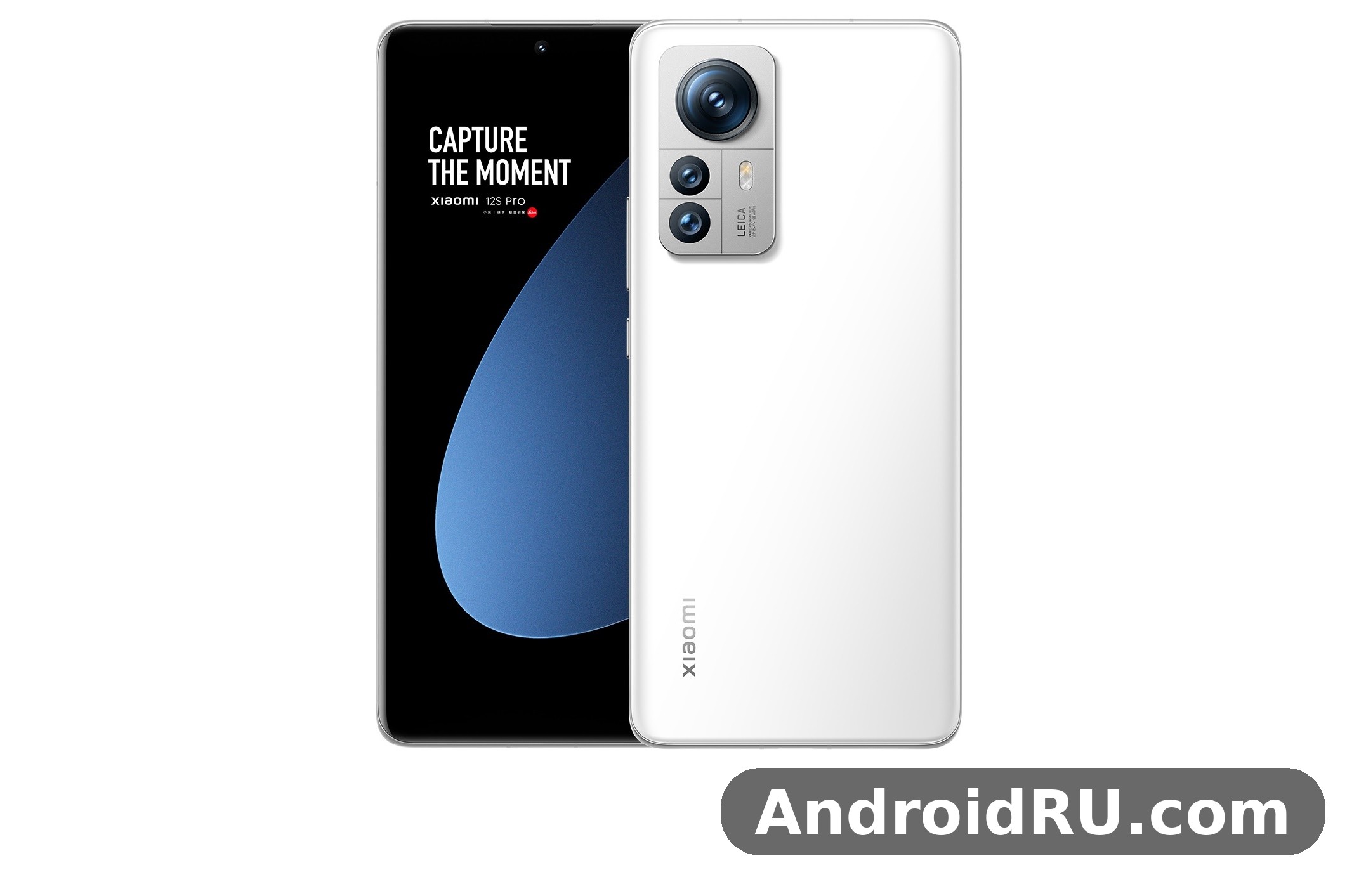
There is a catch that shapes everything else in this review. The Xiaomi 12S Pro was released officially in China only, so most buyers outside China meet it as an import. That affects the Xiaomi 12S Pro price in 2026, the software it runs, and the 5G bands it supports. Import pricing has fallen a long way from the launch guide price of about 670 EUR, and the phone now competes with newer mid-range handsets rather than with current flagships. The question is no longer whether it beats the phones of 2022. It is whether a 2022 flagship with a superb screen and very fast charging still earns its place in a pocket in 2026.
Short answer: the screen and the charging still feel flagship-grade, the Leica cameras still produce characterful photos, and the Snapdragon 8+ Gen 1 still handles demanding games. The battery is the weakest link, the software story needs attention, and the import-only status means buyers should check bands and ROM details before paying. The rest of this review works through each area in turn, with the full Xiaomi 12S Pro specs at the end, so the verdict is easy to check against the numbers.
Xiaomi 12S Pro Display Quality: 2K LTPO AMOLED at 120Hz
The Xiaomi 12S Pro display quality 2K AMOLED panel is the single best reason to pick this phone over its smaller sibling. It is a 6.73-inch LTPO AMOLED with a 1440 x 3200 resolution, a 20:9 ratio, and a pixel density of about 521 ppi. Text looks razor sharp, fine lines in maps and documents stay clean, and the 1 billion colour support gives gradients a smooth finish without visible banding. Dolby Vision and HDR10+ support mean supported video actually uses the panel’s range instead of flattening it, and the 120Hz refresh rate keeps scrolling and animations fluid.
LTPO matters because the refresh rate can drop when nothing moves on screen. Reading a page or looking at a photo can run at a far lower rate than a game, which saves power without the owner doing anything. The panel switches between rates on the fly, and in normal use the changes are invisible. That adaptive behaviour is one of the reasons the phone can carry a 2K 120Hz screen on a 4,600mAh battery at all, even if the battery still ends up being the phone’s weak point, as covered later.
Colour handling is flexible. The default Vivid mode pushes saturation in the way Xiaomi buyers expect, while the Original colour mode tracks closer to standard targets for people who edit photos or watch films and want skin tones to look natural. A colour temperature slider and a reading mode sit in the display settings, and the always-on display can show the clock, notifications, and a signature without waking the whole panel. There is also a sunlight mode that lifts contrast outdoors, plus a standard auto-brightness curve that reacts quickly when stepping out of a dark room.
Xiaomi 12S Pro Screen Brightness Outdoor Visibility
Xiaomi 12S Pro screen brightness outdoor visibility is rated at 1,000 nits in high brightness mode and 1,500 nits at peak, and those numbers translate into a readable screen in direct sun. Maps stay legible on a bright pavement, the camera viewfinder stays usable when framing a shot outdoors, and HDR video keeps its highlights instead of washing out. The panel is not the brightest on the market today, and newer flagships have pushed peak figures far higher, but for a phone from 2022 the outdoor performance still holds up well.
One detail worth knowing: peak brightness only appears in HDR content or in short bursts under strong light. Normal use under the sun sits closer to the 1,000-nit high brightness figure, which is still plenty for reading messages and checking directions. Auto-brightness occasionally overshoots in mixed light, such as walking in and out of shade, but it settles within a second or two. Owners who find the screen too dim in sunlight should check that sunlight mode is on and that no dark screen protector is muting the panel.
120Hz Refresh Rate and Touch Response
The 120Hz refresh rate is the other half of the display story. Scrolling through a long feed, swiping between home screens, and playing games that support high frame rates all feel noticeably smoother than on a 60Hz panel. The touch sampling rate of 240Hz keeps taps and swipes responsive in games, and the curved edges of the glass make edge swipes feel natural, though they can also catch accidental palm touches when the phone is held one-handed.
Running the screen at 2K and 120Hz at the same time costs battery. The phone offers a lower FHD+ resolution mode and a 60Hz option for owners who want longer life, and the adaptive refresh rate already trims the rate when the content is static. Most owners will leave both settings at maximum and accept the trade-off, because the sharpness and smoothness are the point of this phone. The Xiaomi 12S Pro screen is protected by Corning Gorilla Glass Victus, which covers the front against scratches and drops better than the glass on many rivals of its year.
Reading Mode and Eye Comfort Settings
Reading mode warms the colour temperature and cuts blue light for long sessions, and it can be scheduled for the evening or tied to specific apps. The panel also supports DC dimming at low brightness, which reduces the flicker some people notice on AMOLED screens in a dark room. These settings live under Display in Settings, and they are worth setting once and forgetting. For night reading, the combination of warm colour, low brightness, and DC dimming makes the large screen comfortable for far longer than the default setup.
Xiaomi 12S Pro Gorilla Glass Victus Durability
Xiaomi 12S Pro Gorilla Glass Victus durability is good for everyday knocks, keys, and desk slides, but Victus is still glass. It resists scratches better than older generations and survives short drops onto hard floors more often, yet a corner impact on concrete can still crack it. A thin tempered glass protector and a raised-lip Xiaomi 12S Pro case remain the cheap insurance for a curved screen, because a curved replacement panel costs far more than the accessories. The phone has no official IP rating, so rain is fine in practice but swimming and submersion are not covered.
How does this screen compare with the phones around it in the same family? The Xiaomi 13T review below in the related reading covers a later Xiaomi with a different display philosophy, and the contrast is useful: the 13T chases brightness and flat glass, while the 12S Pro chases resolution and LTPO smoothness. Readers weighing a used 12S Pro against a newer mid-range phone should put the screen first in the comparison, because it is where the older flagship still wins most clearly. Xiaomi 13T Review: Display Quality, Speed and Daily Use
Xiaomi 12S Pro Audio: Harman Kardon Stereo Speakers and Hi-Res Sound
Xiaomi 12S Pro audio is tuned by Harman Kardon, and the stereo speakers are one of the pleasant surprises of this phone. Two speakers, one at the bottom edge and one in the earpiece, produce a wide soundstage for a phone, with clear dialogue in films and enough separation in music to hear instruments apart. Volume goes loud enough to fill a small room, and distortion stays controlled until the top few steps of the volume scale. Bass is present but limited, as on every phone without a dedicated woofer, so deep electronic tracks lose their lowest notes.
The Xiaomi 12S Pro speaker quality Harman Kardon tuning favours clarity over boom. Voices in podcasts and video calls sound natural, and the upper midrange is tuned so that dialogue cuts through background noise. For gaming, the stereo split helps with direction: footsteps and effects come from the correct side, which matters in competitive titles. The speakers are not a replacement for a Bluetooth speaker, but they are comfortably above the average for a 2022 flagship, and they make the big screen a better video device.
Hi-Res audio support runs through the whole chain. The phone carries 24-bit/192kHz Hi-Res audio certification, Snapdragon Sound, and Bluetooth 5.2 with aptX HD and aptX Adaptive. Wired listening goes through USB-C, and a good USB-C DAC or a pair of LDAC or aptX Adaptive earbuds will show the difference in detail and dynamic range. Dolby Atmos is supported for video, and the sound settings include an equaliser and per-app sound profiles for owners who want to shape the output.
Xiaomi 12S Pro No Headphone Jack Adapter
There is no 3.5mm headphone jack, so the Xiaomi 12S Pro no headphone jack adapter question comes up for every buyer who still owns wired earphones. The phone ships without a bundled adapter in most import boxes, so a USB-C to 3.5mm adapter is a small extra purchase. A passive adapter works with most earphones, but an active DAC adapter sounds better with higher-impedance headphones. Bluetooth is the path most owners take, and with aptX Adaptive the wireless quality is close enough to wired for commuting and gym use.
Call quality is solid. The earpiece speaker is loud and clear, noise reduction keeps the caller’s voice intelligible on a busy street, and the microphones pick up the owner’s voice without too much room echo. Speakerphone calls benefit from the same stereo speakers, though the microphone can pick up echo in a very quiet room. For video calls, the combination of the large screen and the clear speakers makes the phone a good stand-in for a small tablet.
Bluetooth Codecs and Wireless Listening
Bluetooth 5.2 covers the modern codecs that matter: aptX HD and aptX Adaptive for high-quality Android earbuds, plus the standard SBC and AAC fallbacks for everything else. Pairing is fast, multipoint works with supported earbuds, and the connection holds well through a pocket or a bag. Snapdragon Sound support means compatible earbuds can run at higher bitrates with lower latency, which helps lip sync in video and timing in rhythm games.
Getting the Best Sound From Bluetooth Earbuds
Open Settings, then Bluetooth, then the gear icon beside the earbuds, and check which codec is active. If the earbuds support aptX Adaptive or LDAC and the phone has dropped back to SBC, re-pairing or toggling Bluetooth usually restores the better codec. Turning on Dolby Atmos for video and keeping the volume at about 70 percent gives the cleanest balance between loudness and distortion on the built-in Xiaomi 12S Pro speakers, while the equaliser in Sound settings can lift the bass a touch for music without muddying dialogue.
Xiaomi 12S Pro Camera Review: Leica Triple 50MP System
The Xiaomi 12S Pro camera review Leica partnership is the headline of the camera system, and it is also the feature that separates this phone from the Xiaomi 12 Pro it replaced. All three rear cameras use 50MP sensors: a 50MP main camera with the Sony IMX707 sensor, a 50MP ultrawide, and a 50MP telephoto with 2x optical zoom. Leica contributed the lens tuning and two colour looks, Leica Authentic and Leica Vibrant, plus the Summicron branding on the lens ring. The result is a camera that produces photos with more character than the typical Xiaomi of the period.
Daylight photos from the main camera are detailed and well exposed, with the large 1/1.28-inch sensor gathering plenty of light. Colours in Leica Authentic mode are muted and natural, with restrained saturation and a slightly filmic contrast curve, while Leica Vibrant mode lifts saturation and contrast for the punchy look most phone buyers expect. Neither mode is objectively right; Authentic suits street photography and portraits, Vibrant suits landscapes and food. The colour spectrum sensor helps white balance stay accurate under mixed lighting, which is where many phones drift warm or green.
The Xiaomi 12S Pro camera samples low light show the main sensor at its best. Night mode stacks several frames and keeps highlights under control, so street lamps and neon signs keep their shape instead of blowing out into white blobs. Detail in shadows is good for a phone of this age, and noise stays fine-grained rather than smeared. The ultrawide is the weak point after dark, as on most phones, with softer corners and more noise, but the main camera carries night shooting comfortably.
Main Camera: 50MP IMX707 With OIS
The main camera pairs the 50MP IMX707 sensor with an f/1.9 lens, dual pixel autofocus, and optical image stabilisation. Focus is fast and confident in daylight and still reliable in dim rooms, and the large sensor gives a natural depth of field that keeps subjects separated from the background without heavy software blur. Pixel binning combines four pixels into one for 12.5MP output by default, which is the right choice for most shots, while the full 50MP mode is there for landscapes and crops where the extra detail matters.
Portrait mode uses the main sensor and the depth information well, with edge detection that holds up around hair and glasses in good light. The 2x telephoto is the better portrait lens in many situations, because the 50mm focal length flatters faces more than the 24mm main lens. Shutter lag is minimal in daylight, and the camera app opens quickly from the lock screen, so the phone rarely misses a candid moment.
Xiaomi 12S Pro Telephoto Camera 2x Zoom Quality
The Xiaomi 12S Pro zoom range covers 2x optical for portraits and detail shots, with hybrid zoom reaching 5x and 10x for subjects further away. Xiaomi 12S Pro telephoto camera 2x zoom quality is genuinely useful rather than a checkbox feature, because the 50MP telephoto uses an f/1.9 lens with autofocus, so portraits, food, and detail shots keep full resolution instead of relying on a digital crop. At 2x the images stay sharp and clean, and the phone can push to 5x and 10x with hybrid zoom that remains usable for social sharing, though fine detail softens past 5x. The ultrawide, at 115 degrees, is wide enough for architecture and group shots, with distortion correction that keeps straight lines mostly straight.
The three 50MP sensors give the camera system a consistency that single-high-resolution setups lack. Switching between lenses keeps exposure and colour close, so a set of photos from one scene looks coherent. The ultrawide does show softer corners and a smaller effective aperture, and it has no autofocus for macro work, which is a missed opportunity, but as a wide-angle landscape lens it does its job.
Xiaomi 12S Pro Front Camera Selfie Quality 32MP
Xiaomi 12S Pro front camera selfie quality 32MP is strong for video calls and social photos. The 32MP sensor with an f/2.5 lens captures plenty of detail in good light, and the HDR mode keeps bright windows behind the subject from blowing out. Skin tones look natural with beautification turned off, and the portrait mode on the front camera handles background blur well for a single-lens setup. In low light the front camera leans on screen flash and noise reduction, which keeps faces visible but softens fine detail.
The Xiaomi 12S Pro selfie camera also handles group shots well, because the 32MP sensor keeps edge detail sharp even when faces sit away from the centre of the frame. Video from the front camera tops out at 1080p at 30 or 60 frames per second with HDR10+ support, which is enough for vlogging and calls. The rear camera goes much further, and that is where the phone earns its keep for creators.
Xiaomi 12S Pro Video Recording 8K Stabilisation
Xiaomi 12S Pro video recording 8K stabilisation is available at 24 frames per second with HDR, and 4K recording runs at 30 or 60 frames per second with HDR10+. Gyro-based electronic stabilisation keeps handheld walking shots smooth, and the 8K mode is best used on a tripod or a stable surface, where the extra resolution shows in fine detail. For most owners, 4K at 30 frames per second with stabilisation on is the sweet spot: files stay manageable, the image stays sharp, and the phone does not heat up as quickly as it does in 8K.
Slow motion reaches 1080p at 960 frames per second and 720p at 1920 frames per second, which is fun for short clips of action, though light levels need to be good. The camera app also offers a movie mode with focus peaking and manual controls for owners who want to shoot more deliberately. Compared with the periscope zoom and 1-inch sensor of the Ultra, this camera system gives up reach and low-light headroom, but it keeps the Leica colour science that defines the series. Xiaomi 12S Ultra Review: Gaming, Multitasking and Battery Life
For buyers comparing the 12S Pro with a newer budget camera phone, the related review of the Xiaomi 13 Lite is a useful counterpoint: the 13 Lite leans on a lighter body and a different camera balance, while the 12S Pro leans on sensor size and Leica tuning. Xiaomi 13 Lite Review: Camera Quality, Battery and Value
Leica Authentic vs Leica Vibrant Looks
Leica Authentic keeps contrast gentle, saturation restrained, and highlights soft, which suits people who edit their photos afterwards. Leica Vibrant adds punch and contrast straight out of the camera, which suits sharing without edits. The choice lives at the top of the camera app and can be switched per shot, so there is no need to commit to one look. Owners who shoot in both modes for a week usually settle on one as their default, and either choice is defensible.
Snapdragon 8+ Gen 1 Performance and Gaming on the Xiaomi 12S Pro
The Xiaomi 12S Pro Snapdragon 8 Plus Gen 1 performance is the biggest upgrade over the Xiaomi 12 Pro. Xiaomi 12S Pro performance in everyday apps is instant: the chip opens apps without hesitation, multitasking between a browser, a camera, and a chat app stays smooth, and the 120Hz screen never stutters under normal load. The Snapdragon 8+ Gen 1 is built on TSMC’s 4nm process instead of Samsung’s, and that change alone fixes the heat and efficiency problems that held the earlier chip back. The octa-core CPU runs one Cortex-X2 prime core at 3.19GHz, three Cortex-A710 cores at 2.75GHz, and four Cortex-A510 efficiency cores at 1.80GHz, with the Adreno 730 GPU handling graphics.
Benchmarks put the chip roughly 10 percent ahead of the Snapdragon 8 Gen 1 on CPU work and about 10 percent ahead on GPU work, with noticeably better sustained performance. The more important number is efficiency: the 8+ Gen 1 uses around 30 percent less power for the same work in many tests, which is why this phone can game longer and stay cooler than the 12 Pro. The Xiaomi 12S Pro processor is still fast enough in 2026 for every mainstream app and game, and it only shows its age in the most demanding ray-traced titles at maximum settings.
The Xiaomi 12S Pro RAM options are 8GB or 12GB of LPDDR5, paired with UFS 3.1 Xiaomi 12S Pro storage. The 12GB version keeps more apps alive in the background and is the better pick for heavy multitaskers, while 8GB is fine for normal use. UFS 3.1 storage loads large games quickly and makes installing updates painless. There is no microSD card slot, so the storage size chosen at purchase is permanent, which makes the 256GB version the sensible minimum for most buyers.
Xiaomi 12S Pro Gaming Performance Test
A Xiaomi 12S Pro gaming performance test across popular titles shows a phone that still games well. Demanding games such as Genshin Impact, PUBG Mobile, and Call of Duty Mobile run at high settings with stable frame rates, and the 120Hz screen supports high-frame-rate modes in titles that offer them. The large vapour chamber cooling system spreads heat across the frame, and the phone stays comfortable to hold during a 30-minute session, warming up rather than getting hot.
Frame rates hold steady in most titles because the chip throttles gently instead of dropping off a cliff. After 20 to 30 minutes of sustained play, the phone may trim peak performance slightly to manage temperature, but the drop is small and the game stays playable. The stereo speakers help with directional audio, the 240Hz touch sampling keeps controls responsive, and the 4,600mAh battery is the real limit on session length rather than heat. A 120W top-up between sessions fixes that in minutes, which changes how the battery limit feels in practice.
Xiaomi 12S Pro Heating Issue During Gaming
The Xiaomi 12S Pro heating issue during gaming is much smaller than on the Snapdragon 8 Gen 1 phones that came before it. The TSMC-built chip runs cooler by design, and the vapour chamber does a good job of moving heat away from the processor. In normal gaming the back of the phone gets warm around the camera module, which is normal and expected. Extended 8K video recording and long sessions of the most demanding games at maximum graphics are the two situations where the phone gets noticeably hot, and both are edge cases rather than daily use.
Owners who do hit heat problems should check a few things first. A thick case traps heat, so removing it during long sessions helps. Running the screen at 2K and 120Hz while gaming at maximum settings adds load, so dropping to FHD+ in Game Turbo is a reasonable trade. Game Turbo itself offers a performance mode and a battery saver mode, and the balanced default is the right choice for most titles. The Xiaomi 12S Pro overheating complaints that appear online are usually about 8K recording or about running the phone in direct sun, not about ordinary gaming.
Xiaomi 12S Pro Storage Options 256GB 512GB
Xiaomi 12S Pro storage options 256GB 512GB sit alongside the 128GB base model, and the choice matters because there is no card slot. The 128GB version is tight once games, offline maps, and camera video are counted, and it is the version to avoid unless the price gap is large. The 256GB version suits most owners, and the 512GB version suits people who record a lot of 4K video or keep a large game library installed. All versions use UFS 3.1, so speed does not change with size, only capacity.
Xiaomi 12S Pro Battery Life and 120W Charging Speed
The Xiaomi 12S Pro battery life test results tell a mixed story. The 4,600mAh battery is small for a 6.73-inch 2K 120Hz phone, and screen-on time lands around 5 to 6 hours in mixed use with the screen at full settings, which means a heavy day can end before bedtime. Lighter use with adaptive refresh rate and FHD+ resolution stretches that further, and a day of calls, messages, and light browsing is comfortable. The battery is the one area where the 12S Pro clearly trails its rivals, including the 12S Ultra with its 4,860mAh cell and newer phones with 5,000mAh or larger batteries.
Standby drain is reasonable on a clean install. The Xiaomi 12S Pro battery drain overnight fix most owners need is simple: check which apps hold wakelocks, turn off background data for apps that do not need it, and let the phone’s battery optimisation do its job instead of fighting it with third-party task killers. A healthy phone loses only a few percent overnight. Losing 10 percent or more points to a rogue app or a poor signal area, and the battery usage screen in Settings names the culprit directly.
Charging is where the phone fights back. The Xiaomi 12S Pro charging speed 120W test figures from the manufacturer put a full charge at 19 minutes over a cable, and real-world use lands close to that with the bundled 120W charger and a cool room. A ten-minute top-up adds well over half a charge, which changes daily habits: instead of charging overnight, many owners top up while making coffee. The 120W wired charging uses the full speed only with the official charger and cable, and it slows down as the battery fills and warms, which protects long-term battery health.
Xiaomi 12S Pro Wireless Charging 50W Speed
Xiaomi 12S Pro wireless charging 50W speed is fast enough to be genuinely useful, not a slow overnight trickle. A full wireless charge takes about 42 minutes on a compatible 50W Xiaomi wireless stand, which is faster than many phones manage over a cable. The phone also supports standard Qi wireless charging at lower speeds on third-party pads, so any existing wireless charger works, just more slowly. Wireless charging generates more heat than wired charging, so the phone may pause or slow down if it gets warm on the pad.
The Xiaomi 12S Pro reverse wireless charging earbuds trick is the third part of the charging story. The phone can share 10W of power wirelessly with earbuds, a watch, or another phone, which is handy when a friend’s earbuds die at the end of a day out. It is slow and it drains the phone’s own battery, so it is an emergency feature rather than a daily habit, but it has saved more than one evening. The phone needs to be face down with the accessory centred on the back, and the feature toggles on from the battery settings.
Daily Battery Habits That Actually Help
Three habits make the most difference to the Xiaomi 12S Pro battery. First, use the adaptive refresh rate and let the screen drop its rate when reading. Second, keep the resolution at FHD+ for days when the phone will be away from a charger, and switch to 2K when the screen matters most. Third, charge in short bursts during the day instead of running the battery flat, because the 120W charger makes top-ups painless and shallow cycles are kinder to the cell. Battery health after years of use depends more on heat than on charge count, so keeping the phone cool while charging matters more than any charging ritual.
Some Xiaomi 12S Pro problems reported by owners trace back to the battery rather than the phone itself. A phone that dies at 20 percent or shuts down in the cold usually has a worn cell after years of use, and a battery replacement is cheap compared with a new phone. A phone that drains fast on a new install usually needs a few days for the system to settle after an update, plus a check of the battery usage screen. Both cases are fixable without replacing the handset.
What to Do About Overnight Drain
If the phone loses more than a few percent overnight, open Settings, then Battery, and look at the usage list. An app at the top with high background time is the usual suspect. Restrict its background activity, turn off its background data if it does not need to sync, and check whether a recent update changed its behaviour. Poor mobile signal is the other common cause: the phone works harder to hold a weak connection, so switching to Wi-Fi calling at home or using aeroplane mode overnight in a dead zone fixes the drain. A factory reset is the last resort, not the first step.
Xiaomi 12S Pro vs Xiaomi 12 Pro Comparison and Family Rivals
The Xiaomi 12S Pro vs Xiaomi 12 Pro comparison is the one most buyers actually need, because the two phones share a screen, a battery, and a body, and differ mainly in the chip and the cameras. The 12 Pro launched with the Snapdragon 8 Gen 1 and a non-Leica camera system, while the 12S Pro moved to the Snapdragon 8+ Gen 1 and Leica tuning. In daily use the 12S Pro runs cooler, lasts a little longer, and takes photos with more character. The 12 Pro is the cheaper used buy today, but the chip upgrade is worth paying for, because heat and efficiency affect everything the phone does.
The Xiaomi 12S Pro vs Xiaomi 12S Ultra camera question is different. The Ultra adds a 1-inch main sensor and a 5x periscope zoom, which gives it a clear lead in low light and at long range, but it is heavier, thicker, and more expensive, and its camera module dominates the back of the phone. The 12S Pro is the lighter, cheaper, more pocketable Leica phone, and for most people the 2x telephoto and the IMX707 main sensor cover the photos they actually take. The Ultra is for photographers; the Pro is for everyone else.
The compact Xiaomi 12S is the third sibling, with the same chip and Leica cameras in a 6.28-inch body with a smaller battery and slower 67W charging. It suits small-phone fans, but the 12S Pro wins on screen, battery, and charging speed. Readers who want the full picture on the standard 12S should read the related review linked here. Xiaomi 12S Review: Strengths, Trade-Offs and Everyday Use
And for the direct predecessor, the related review of the Xiaomi 12 Pro lays out the older phone’s cameras, performance, and battery in detail, which makes the upgrade decision easy to judge side by side. Xiaomi 12 Pro Review: Cameras, Performance and Battery Life
| Feature | Xiaomi 12S Pro | Xiaomi 12 Pro | Xiaomi 12S | Xiaomi 12S Ultra |
|---|---|---|---|---|
| Chipset | Snapdragon 8+ Gen 1 | Snapdragon 8 Gen 1 | Snapdragon 8+ Gen 1 | Snapdragon 8+ Gen 1 |
| Display | 6.73-inch 2K LTPO AMOLED, 120Hz | 6.73-inch 2K LTPO AMOLED, 120Hz | 6.28-inch FHD+ AMOLED, 120Hz | 6.73-inch 2K LTPO AMOLED, 120Hz |
| Main camera | 50MP IMX707, Leica, OIS | 50MP IMX707, OIS | 50MP IMX707, Leica, OIS | 50.3MP 1-inch IMX989, Leica, OIS |
| Zoom camera | 50MP telephoto, 2x optical | 50MP telephoto, 2x optical | 5MP telephoto macro | 48MP periscope, 5x optical |
| Battery | 4,600mAh | 4,600mAh | 4,500mAh | 4,860mAh |
| Wired charging | 120W | 120W | 67W | 67W |
| Wireless charging | 50W | 50W | 50W | 50W |
| Weight | 203g / 204g | 205g | 182g | 225g |
| Launch | July 2022 | December 2021 | July 2022 | July 2022 |
Which One Fits Which Buyer
Pick the 12S Pro for the best balance of screen, speed, charging, and camera in a normal-sized flagship body. Pick the 12 Pro only if the price gap is large and the buyer accepts a hotter chip. Pick the 12S for a smaller phone and a lighter pocket. Pick the 12S Ultra for serious photography and the biggest camera hardware Xiaomi offered that year. There is no wrong answer in this family, only a different trade-off, and the table above makes the trade visible at a glance.
Xiaomi 12S Pro Price and Value in 2026
Xiaomi 12S Pro price in 2026 sits firmly in used and import territory, because the phone was never sold officially in most markets and is no longer in production. Prices vary by storage, condition, and whether the phone runs the original China ROM or a global ROM, so buyers should compare like with like. The 256GB 12GB version is the sweet spot on the used market, and a phone with a fresh battery is worth more than a phone with a tired one.
Value depends on what the buyer compares it with. Against a new mid-range phone at the same price, the 12S Pro offers a better screen, faster charging, and a stronger camera system, but an older battery and a shorter remaining software life. Against a newer used flagship, it offers the Leica cameras and 120W charging at a lower price. The Xiaomi 12S Pro second hand value in 2026 holds up because the screen and charging still feel current, even as the battery and software age. Buyers should check the battery health, the screen for burn-in, and the camera lenses for scratches before paying.
Full Specifications
The full Xiaomi 12S Pro specs are listed below, taken from the published specification sheet for model 2206122SC. The phone launched with Android 12 and MIUI 13, and later received the Xiaomi 12S Pro software update MIUI 14 path followed by newer system software. Storage is UFS 3.1 with no card slot, and the phone supports dual Nano-SIM with wide 5G band coverage for a China-market device.
| Specification | Xiaomi 12S Pro |
|---|---|
| Announced | 4 July 2022 |
| Released | 7 July 2022, China |
| Model | 2206122SC |
| Dimensions | 163.6 x 74.6 x 8.2 mm, 8.7 mm for eco leather version |
| Weight | 203 g, 204 g for eco leather version |
| Build | Gorilla Glass Victus front, glass or eco leather back, aluminium frame |
| Display | 6.73-inch LTPO AMOLED, 1B colours, 120Hz, Dolby Vision, HDR10+, 1000 nits HBM, 1500 nits peak |
| Resolution | 1440 x 3200 pixels, 20:9, about 521 ppi |
| Operating system | Android 12, MIUI 13 at launch |
| Chipset | Qualcomm Snapdragon 8+ Gen 1, 4nm |
| CPU | Octa-core, 1×3.19GHz Cortex-X2, 3×2.75GHz Cortex-A710, 4×1.80GHz Cortex-A510 |
| GPU | Adreno 730 |
| RAM | 8GB or 12GB LPDDR5 |
| Storage | 128GB, 256GB or 512GB UFS 3.1, no card slot |
| Main camera | 50MP wide f/1.9, IMX707, 1/1.28-inch, dual pixel PDAF, OIS; 50MP telephoto f/1.9, 2x optical zoom; 50MP ultrawide f/2.2, 115 degrees; Leica lens |
| Main video | 8K at 24fps HDR, 4K at 30/60fps HDR10+, 1080p at 30/120/240/960fps, gyro-EIS |
| Selfie camera | 32MP f/2.5, HDR, panorama; video 1080p at 30/60fps, HDR10+ |
| Speakers | Stereo speakers, Harman Kardon tuning, 24-bit/192kHz Hi-Res audio, Snapdragon Sound |
| Headphone jack | No |
| Wi-Fi | Wi-Fi 802.11 a/b/g/n/ac/6e, dual-band, Wi-Fi Direct |
| Bluetooth | 5.2, A2DP, LE, aptX HD, aptX Adaptive |
| NFC | Yes |
| Infrared port | Yes |
| USB | USB Type-C 2.0, OTG |
| Sensors | Under-display optical fingerprint, accelerometer, gyro, compass, virtual proximity sensing |
| Battery | Li-Po 4,600mAh |
| Charging | 120W wired, 100 percent in 19 minutes; 50W wireless, 100 percent in 42 minutes; 10W reverse wireless |
| SIM | Dual Nano-SIM |
| Colours | Gray, White, Purple, Green |
| Launch guide price | About 670 EUR |
Xiaomi 12S Pro Design and Build
The Xiaomi 12S Pro design is a curved-glass flagship in the classic Xiaomi mould: a large camera module on the back, a curved display at the front, and an aluminium frame holding the two together. Xiaomi 12S Pro weight and thickness in hand feel balanced for a 6.73-inch phone, at 203 grams and 8.2mm thick for the glass version, or 204 grams and 8.7mm for the eco leather version. The weight sits evenly across the body, so the phone does not feel top-heavy, and the curved back helps it sit in the palm despite the size.
Xiaomi 12S Pro colors gray white purple green give buyers a real choice. Gray is the safe option, White shows the least fingerprints, Purple is the most distinctive, and Green suits the eco leather finish best. The eco leather back adds grip and hides fingerprints completely, and it ages well if kept clean, while the glass back looks more premium and picks up smudges faster. The camera module is large and the phone wobbles slightly on a flat table, which is the price of the triple 50MP system.
Xiaomi 12S Pro Dual SIM 5G Bands Support
Xiaomi 12S Pro dual SIM 5G bands support covers 5G bands 1, 3, 5, 8, 28, 38, 40, 41, 77, 78, and 79 in SA and NSA modes, with broad LTE coverage across bands 1, 2, 3, 4, 5, 7, 8, 12, 17, 18, 19, 26, 34, 38, 39, 40, 41, and 42. That is a strong list for a China-market phone, but import buyers should still check their carrier’s main bands before buying, because a missing band can mean weaker indoor coverage or no 5G at all in some areas. Dual Nano-SIM lets the phone carry a work number and a personal number, or a local SIM and a travel SIM, without swapping cards.
Xiaomi 12S Pro Infrared Blaster Remote Control
The Xiaomi 12S Pro infrared blaster remote control is a small feature that owners end up using more than they expect. The IR blaster sits at the top edge of the phone and works with the Mi Remote app to control televisions, air conditioners, set-top boxes, and fans. Setting up a device takes a minute: pick the brand, point the phone at the device, and confirm that the power button works. The phone can hold several remotes at once, which makes it the remote that never gets lost down the side of the sofa.
Xiaomi 12S Pro Software: MIUI 13, MIUI 14 and Beyond
Xiaomi 12S Pro MIUI launched as MIUI 13 on Android 12, and the Xiaomi 12S Pro software update MIUI 14 arrived as the first major upgrade, bringing a cleaner interface, better performance, and improved battery management. Later system software followed, and owners should check the current version in Settings rather than assuming the launch software is still installed. A phone bought used may sit on an old version, and updating before judging battery life or camera quality is worth doing, because later versions fixed early bugs.
MIUI is feature-rich and, at times, busy. It offers a second space for work apps, dual apps for two accounts in one app, a floating window mode, and deep customisation of the always-on display, themes, and gestures. The flip side is advertising in some system apps on the China ROM and a large number of pre-installed apps, most of which can be removed or disabled. The global ROM, where installed by the seller, trims the China-specific apps and adds Google services, which changes the daily experience noticeably.
Software support is the honest caveat for a 2022 import. Security updates continue for a time after the major Android upgrades end, but buyers should not expect the same long update window as a new flagship. For a phone bought in 2026, the realistic expectation is a mature, stable system with most features already present, rather than years of new Android versions. That is a fair trade at the used price, but it is a trade buyers should make knowingly.
Xiaomi 12S Pro Fingerprint Sensor Under Display Accuracy
Xiaomi 12S Pro fingerprint sensor under display accuracy is good once the finger is registered properly. The optical sensor sits under the display and unlocks quickly in normal conditions, though wet fingers and some screen protectors can slow it down. Registering the same finger twice, once at a normal angle and once at a slight tilt, improves recognition noticeably. Face unlock uses the front camera and works well in good light, but it is less secure than the fingerprint sensor and struggles in the dark, so the fingerprint remains the better default.
Xiaomi 12S Pro Accessories and Cases
Xiaomi 12S Pro accessories worth buying are a thin case, a tempered glass screen protector, and a 120W charger if the import box does not include one. The Xiaomi 12S Pro case should have a raised lip around the camera module, because the module sticks out and takes the first knock in a fall. A clear case shows off the colour, while the eco leather versions pair well with a simple bumper. Wireless charging works through most thin cases, but thick metal cases block it, so buyers who charge wirelessly should pick a compatible case. A Xiaomi 12S Pro unboxing of an import unit should be checked carefully: confirm the charger wattage, the cable type, and whether the phone runs the China ROM or a global ROM before the return window closes.
Xiaomi 12S Pro FAQ: Common Questions Answered
Is the Xiaomi 12S Pro still worth buying in 2026?
It is worth buying at the right used price, for the right buyer. The 6.73-inch 2K LTPO AMOLED display still beats most new mid-range screens, the Leica cameras still produce pleasing photos, and 120W charging removes the pain of the small battery. It is not the right buy for someone who wants five more years of Android upgrades or a two-day battery, because neither is on offer. Check the Xiaomi 12S Pro update status in Settings before paying, confirm the battery health, and compare the price with a new mid-range phone before deciding.
Does the Xiaomi 12S Pro overheat during gaming?
Ordinary gaming does not overheat this phone. The Snapdragon 8+ Gen 1 runs cooler than the chip in the Xiaomi 12 Pro, and the vapour chamber keeps long sessions comfortable. The phone gets hot only in edge cases such as extended 8K recording or maximum-settings gaming in direct sun. Removing a thick case and using the balanced mode in Game Turbo fixes most heat complaints, and the Xiaomi 12S Pro overheating reports online usually describe those edge cases rather than normal play.
How long does the Xiaomi 12S Pro battery last?
Expect around 5 to 6 hours of screen-on time in mixed use with the screen at 2K and 120Hz, which covers a normal day but not a heavy one. Lighter use, adaptive refresh rate, and FHD+ resolution stretch that further. The 120W charger changes the maths: a ten-minute top-up adds well over half a charge, so the phone rarely needs to last a full day on one charge. A battery that dies early usually needs a replacement cell after years of use, not a new phone.
Is the Xiaomi 12S Pro camera good in low light?
Yes, the main camera is good in low light. The large IMX707 sensor, optical stabilisation, and night mode keep street scenes detailed with controlled highlights, and the Leica Authentic mode gives night shots a natural look. The ultrawide is softer after dark, and the 2x telephoto needs reasonable light, but the main camera carries night shooting well for a phone from 2022. For the best results, hold still for the night mode capture and let the phone finish processing before moving.
Does the Xiaomi 12S Pro support 5G outside China?
It supports a wide set of bands, so Xiaomi 12S Pro 5G works on many networks in many countries. The covered bands include 1, 3, 5, 8, 28, 38, 40, 41, 77, 78, and 79 Coverage depends on the carrier, so buyers should check the bands their network uses most, especially for indoor coverage and rural areas. Dual SIM works with two Nano-SIM cards, and the phone also supports Wi-Fi 6E, Bluetooth 5.2, and NFC for payments where the ROM supports it.
Pros, Cons and Verdict: Who Should Buy the Xiaomi 12S Pro
A Xiaomi 12S Pro review after long term use comes down to a simple balance. The screen, the charging, and the cameras have aged well, while the battery and the software support have not. That is the normal shape of a used flagship: the hardware that was expensive in 2022 still feels expensive, and the parts that wear out or stop updating are the ones that show their age. Buyers who charge during the day and keep their phones for two or three years will enjoy this phone. Buyers who want a phone to last five years untouched should look elsewhere.
The Xiaomi 12S Pro features list still reads like a flagship sheet: a 2K LTPO AMOLED display with Dolby Vision, a Leica triple 50MP camera system, a Snapdragon 8+ Gen 1 chip, stereo speakers tuned by Harman Kardon, 50W wireless charging, and an infrared blaster. Few phones at the used price match that combination. The 120W wired charging alone changes daily habits, because the phone is rarely more than a few minutes away from a useful charge. Any Xiaomi phone buyer comparing used flagships should put this model on the shortlist and judge it against the newer mid-range competition, not against the flagships of today.
Pros:
- Superb 6.73-inch 2K LTPO AMOLED display with 120Hz, Dolby Vision, and 1,500 nits peak brightness.
- Leica triple 50MP camera system with a large IMX707 main sensor and a useful 2x telephoto.
- Snapdragon 8+ Gen 1 runs fast and cool, with stable gaming performance.
- 120W wired charging fills the battery in about 19 minutes, plus 50W wireless and 10W reverse wireless.
- Harman Kardon stereo speakers, Hi-Res audio, and strong Bluetooth codec support.
- Infrared blaster, NFC, Wi-Fi 6E, and dual SIM in a well-built glass and metal body.
Cons:
- 4,600mAh battery is small for the screen, and heavy days need a top-up.
- China-only official release, so import buyers must check 5G bands and ROM details.
- Software support is shorter than a new flagship, with major upgrades already behind it.
- No official water resistance rating and no microSD card slot.
- No headphone jack, and the ultrawide camera is softer in low light.
Who it is for: the Xiaomi 12S Pro suits a buyer who wants a flagship screen, a Leica camera, and very fast charging at a used price, and who is comfortable with an import phone and a daily top-up. It suits photographers who like the Leica colour looks, gamers who want a cool-running chip and a smooth screen, and media lovers who will use the big display and stereo speakers every day. It is less suited to buyers who need a two-day battery, the longest possible software support, or an officially supported phone in their own country.
The final word is practical. Check the battery health, the screen, and the ROM before paying. Buy the 256GB 12GB version if the price gap is small. Set the screen to adaptive refresh rate, keep the 120W charger handy, and pick the Leica look that fits the photos being taken. As a used Xiaomi flagship, the 12S Pro still earns its place, and the display alone is reason enough to choose it over most new phones at the same price.

