

Acer Liquid Jade 2 at a Glance: Review and Detailed Specifications
In February 2016, Acer walked onto the stage at Mobile World Congress in Barcelona with a phone that wanted to be taken seriously as a multimedia flagship. The Acer Liquid Jade 2 arrived with a 5.5-inch Super AMOLED screen, a hexa-core Snapdragon 808 chip, 3GB of RAM and a 21-megapixel rear camera, all wrapped in a slim 8.4 mm body that weighed just 150 grams. On paper it looked like a genuine rival to the big-name flagships of that spring, and Acer pitched it squarely at people who watched films, listened to music and shot photos on their phone. The Acer Liquid Jade 2 price and availability in 2016 varied by region, as Acer always sold its phones market by market, yet the core package stayed the same wherever it appeared.
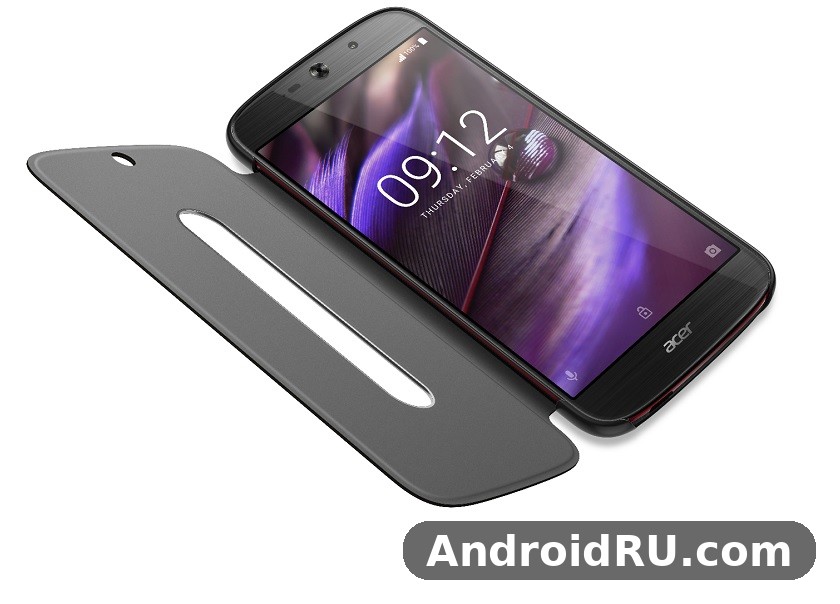
This is a review written with a decade of distance, and that distance helps. We can now judge the Jade 2 for what it actually was, rather than for what its launch slides promised. Below you will find an honest look at the design, the screen, the performance, the cameras and the battery, followed by the full specifications, a comparison with its closest relatives, and clear advice on whether one is worth picking up second hand today. Every fact here is drawn from the launch record and the published specification sheets of the time, and where the record is thin or varies between regions, this article says so instead of guessing.
Short version up front: the Jade 2 was a good-looking, well-balanced phone for 2016, with a screen and a camera that stood out in its class, held back by a chipset that ran warm under load and by software support that ended far too soon. If you collect phones from this era, or you have found a cheap used one and want to know what you are getting, read on. The Acer Liquid Jade 2 full specifications and review below cover everything that matters, from the 401 ppi display to the DTS audio and the 3000mAh battery.
Acer Liquid Jade 2 Design and Build: Slim, Light and Easy to Hold
Acer built the Liquid Jade 2 around a simple idea: a big-screen phone should not feel like a brick. At 156.6 x 75.9 x 8.4 mm and 150 grams, it was noticeably lighter than many 5.5-inch rivals of early 2016, and the slim profile made it sit comfortably in a jacket pocket. The Acer Liquid Jade 2 dimensions weight and one hand use story is a fair one for its time. One-handed use was possible for basic tasks like answering calls and swiping through notifications, though reaching the top corners of the screen still needed a second hand or a shuffle of the grip, exactly as it did on every other phone of this size back then. The Acer Liquid Jade 2 dimensions tell the same story on paper: tall and narrow enough to grip, thin enough to disappear into a pocket.
The finish was understated rather than flashy. Acer sold the phone in black, with a smooth rear panel and a frame that kept the design quiet and businesslike. There was no glass sandwich, no metal unibody to brag about, and no water resistance rating, which was normal for a phone at this price point in 2016. What you got instead was a practical, lightweight handset that did not demand a case to survive a normal day, even if a case was still a sensible idea for a phone with a large glass front. Compared with the smaller budget models Acer sold alongside it, such as the one covered in Acer Liquid Z6 After a Week of Use: Review, Display and Full Specs, the Jade 2 felt like the grown-up of the family: bigger screen, faster chip, better camera, and a build that matched its flagship billing.
A Slim 8.4 mm Body That Still Feels Sensible Today
Thickness is one of those numbers that ages well. An 8.4 mm phone from 2016 is still thin by any standard, and the Jade 2 never felt chunky next to its rivals. The weight helped too. At 150 grams it undercut several competing flagships by 10 to 20 grams, and that difference showed up during long reading or video sessions, when a heavy phone starts to tire the hand. The power button and volume keys sat on the right edge where the thumb naturally falls, and the Micro-SIM tray kept the single-SIM layout that most markets received. Some regional listings described dual-SIM variants, so buyers checking a used unit should look at the tray itself rather than trusting a generic listing.
One thing the design did not include was a fingerprint sensor. The Acer Liquid Jade 2 no fingerprint sensor and security options situation is straightforward: unlocking meant a PIN, a pattern, a password, or the face and voice options that Android 6.0 offered at the time, none of which matched the speed or convenience of the fingerprint readers that were spreading through rival phones in 2016. It was not a deal breaker back then, since many phones still shipped without one, but it is worth knowing before you buy, because there is no way to add a fingerprint reader to a phone that never had one.
Colour, Finish and What to Check on a Used Unit
Black was the colour most buyers saw, and a used Jade 2 in black hides scuffs better than lighter finishes would. When you inspect one today, run a finger along the frame for dents, check the rear panel for hairline cracks near the camera, and press every physical button to make sure none of them stick. The screen should sit flush with the frame all the way around; any lifting at the edges can mean a past repair or a battery that has started to swell, and on a phone of this age the battery is the part most likely to need attention. The Acer Liquid Jade 2 where to buy spare parts today question comes up often in owner forums, and the honest answer is that screens and batteries now come from third-party sellers and repair shops rather than from Acer itself, so factor the cost and the quality of those parts into any purchase decision.
Acer Liquid Jade 2 Display: 5.5-Inch Super AMOLED at Full HD
The screen was the Jade 2’s calling card. A 5.5-inch Super AMOLED display with a resolution of 1080 x 1920 pixels gave it a pixel density of around 401 ppi, which meant text stayed sharp and photos looked crisp at normal viewing distances. Super AMOLED brought the deep blacks and punchy contrast that LCD panels of the time could not match, and Acer claimed the panel covered 100 percent of the NTSC colour gamut, a figure it used to pitch the phone as a pocket cinema. The Acer Liquid Jade 2 display quality Super AMOLED review verdict from the era was consistent: colours looked vivid, video looked rich, and the screen was the single best reason to pick this phone over a similarly priced LCD rival. The Acer Liquid Jade 2 screen size and resolution explained in plain terms is simple: 5.5 inches diagonal, Full HD, 16:9 aspect ratio, and roughly 70.2 percent of the front taken up by the screen itself.
For watching films and browsing photos, that panel still holds up as a pleasant experience today, even if it cannot match the brightness or the refresh rates of a modern display. It was a 60 Hz panel, as everything was in 2016, and its peak brightness was modest by current standards, so direct sunlight was always its weak spot. Indoors and in the evening, though, the contrast and the colour made it a genuinely enjoyable screen, and that was exactly the use Acer designed it for. Owners who compared it with the big tablets of the same era, like the one in How Good Is the Acer Iconia Tab 10 A3-A40? Full Review and Specifications, often said the phone’s screen punched above its weight for media, even if the tablet obviously won on sheer size.
Colour, Contrast and the 100 Percent NTSC Claim
NTSC coverage is a technical way of saying how wide a range of colours a screen can show. The Acer Liquid Jade 2 Super AMOLED 100 percent NTSC color claim meant the panel could reproduce the full NTSC colour space, which in practice translated into reds and greens that looked saturated and lively rather than washed out. That suited video and photos, though it also meant colours could look a little exaggerated next to a more restrained LCD. There was no mention of a dedicated colour-calibration mode in the launch material, so what you saw was what Acer tuned at the factory. For most owners that was a fair trade: a screen that made everything look vivid, with the deep blacks that only an AMOLED panel can deliver, since each pixel lights itself and can switch fully off.
Outdoor Visibility and Brightness in Everyday Use
Outdoors, the Jade 2 behaved like most AMOLED phones of its generation. It was readable in shade and on overcast days, and it struggled a little under harsh direct sun, where reflections on the glass competed with the panel’s brightness. Raising the brightness manually helped, and the ambient light sensor adjusted the level on its own when auto-brightness was switched on. There is nothing unusual here, and nothing a buyer today should worry about beyond the obvious: a ten-year-old screen may have lost a little peak brightness, and any used unit should be checked for burn-in by opening a plain grey image at full brightness and looking for ghosted shapes from old status icons.
Acer Liquid Jade 2 Performance: Snapdragon 808, 3GB RAM and Everyday Speed
Here is where the research corrected an early assumption. Some early listings for this phone named the Snapdragon 652, but the launch record, Acer’s own press release, and the specification sheets all agree: the Jade 2 runs on the Qualcomm MSM8992 Snapdragon 808, a hexa-core chip built on a 20 nm process, with four Cortex-A53 cores at 1.4 GHz for light work and two Cortex-A57 cores at 1.8 GHz for heavy lifting, plus an Adreno 418 GPU for graphics. The Acer Liquid Jade 2 Snapdragon 808 performance review picture is a familiar one from 2016. For everyday tasks the chip was quick and smooth: scrolling, messaging, email, maps and the camera all ran without fuss, and the phone felt responsive in the hand. The Acer Liquid Jade 2 performance in normal daily use was, by the standards of its launch year, exactly what a buyer had a right to expect from a phone pitched as a flagship.
The Snapdragon 808 was also the chip inside the LG G4 and the Nexus 5X, which gives a useful reference point. It was a step below the Snapdragon 810 on raw speed, but it avoided the worst of the 810’s heat problems, and in the Jade 2 it was paired with 3GB of RAM, which was the right amount for 2016. The Acer Liquid Jade 2 3GB RAM multitasking performance review is positive in that context: switching between a browser, a music app and a messaging app worked fine, and keeping a handful of apps in memory was no problem. Heavy multitasking with a dozen apps open, or a big game running alongside everything else, was where the limits showed, and that was true of every 3GB phone of the era.
Gaming, Heat and the Limits of a 2016 Flagship Chip
The Acer Liquid Jade 2 gaming performance and heating test story is one of honest trade-offs. Casual games ran well, and even demanding 3D titles of 2016 played at reasonable settings, thanks to the Adreno 418. Push the phone hard for twenty or thirty minutes, though, and the Snapdragon 808 did what hexa-core chips of that generation did: it warmed up, and the system throttled the fast cores to protect itself. Frame rates dipped, the back of the phone felt warm, and the phone needed a breather. That is normal behaviour, not a fault, and owners who played in shorter sessions rarely noticed it. Judged against today’s games, the Jade 2 is out of its depth, and nobody should buy one in 2026 expecting to run modern titles. Judged against 2016, the Acer Liquid Jade 2 gaming experience was solid for its class, and the big AMOLED screen made games look better than they had any right to on a phone at this level. Acer Liquid Jade 2 gaming fans from the era generally praised the screen and the sound more than the raw frame rates.
Storage, Memory and the MicroSD Question
Storage was 32GB of built-in memory, using eMMC 5.0, with 3GB of RAM alongside it. After the system and pre-installed apps took their share, a new owner in 2016 had roughly two-thirds of that 32GB free for apps, photos and music, which was workable but not generous. The Acer Liquid Jade 2 storage situation needs a careful note, because sources disagree on expansion. The main specification sheet lists the 32GB as fixed, while some retail listings mention a microSD slot shared with the second SIM tray in dual-SIM variants, with support up to 200GB. The Acer Liquid Jade 2 microSD card support and storage expansion answer is therefore: it depends on the variant. If expansion matters to you, check the actual tray and the exact model listing before you pay, and treat any microSD claim as something to verify on the unit in your hand. Acer Liquid Jade 2 RAM and storage were competitive for the launch year either way, and 32GB plus cloud backup covered most owners’ needs in 2016.
Acer Liquid Jade 2 Camera: 21MP Rear Camera and 8MP Selfies
The camera was the other headline. A 21MP rear camera with autofocus and a dual-LED flash sat on the back, a bold number for early 2016, when many flagships still shipped with 12 or 16 megapixels. The Acer Liquid Jade 2 camera quality review 2016 consensus was that daylight shots came out detailed and colourful, with the high resolution giving owners room to crop without the image falling apart. The sensor captured plenty of detail in good light, and the dual-LED flash helped with close subjects after dark. Video recording went up to 2160p at 30 frames per second, which was flagship territory at the time, and the camera app offered the usual modes of the era, including panorama and HDR. The Acer Liquid Jade 2 camera was, in short, a genuine selling point rather than a number on a box.
Megapixels are only half the story, of course. The Jade 2’s camera was good for its year, but it was still a 2016 phone camera, with the small sensor and modest lens that came with the territory. That matters most in low light, where the phone had to raise its sensitivity and accept more noise to keep shutter speeds fast enough to avoid blur. The Acer Liquid Jade 2 21 megapixel rear camera sample quality in daylight impressed owners and reviewers alike, while the night results were acceptable for social sharing rather than for printing large. That split, strong in daylight and ordinary after dark, described almost every phone camera of the period, and the Jade 2 was no exception. Liquid Jade 2 camera performance should be judged on that 2016 scale, not against the computational photography of today.
Rear Camera: Daylight Detail, Low Light Limits
How good is Acer Liquid Jade 2 camera in low light? The honest answer is decent, not great. Indoors and at dusk, photos stayed usable, with warm colours and reasonable detail in the centre of the frame, but fine detail softened and noise crept into shadows. The dual-LED flash gave close-up shots a fighting chance, and the Acer Liquid Jade 2 dual LED flash camera night mode helped with portraits and indoor subjects at short range, though it could not rescue a dark landscape. For the best results owners learned the habits that still apply to old phone cameras today: hold the phone steady, tap to focus on the subject, keep the flash off for anything further than a couple of metres away, and take two shots instead of one. The 21-megapixel sensor rewarded that care with sharp, colourful daylight photos that still look good on a screen today.
Front Camera: 8MP Selfies and Video Calls
The front camera was an 8-megapixel unit, which was generous for 2016, when many phones still made do with 5 megapixels for selfies. The Acer Liquid Jade 2 front camera selfie quality and features were a real step up for video calls and self-portraits: faces came out detailed, skin tones looked natural in good light, and the wide 5.5-inch screen doubled as a large viewfinder. There was no front flash, so low-light selfies depended on the screen’s glow and whatever light was in the room, and the results in a dim restaurant or bar were soft. In daylight, though, it was one of the better selfie cameras of its year, and for the video calls that were becoming an everyday habit in 2016, it was more than enough.
Video Recording and Everyday Shooting Habits
Video topped out at 2160p from the rear camera, with 1080p available for smoother files and easier sharing, and the front camera recorded at 1080p. There was no optical stabilisation, so walking footage showed the usual shake of the era, and holding the phone with both hands made a visible difference. For a phone bought today, the practical advice is simple: shoot in 1080p for anything you plan to share, keep clips short, and wipe the lens before you start, because a decade-old lens cover picks up smudges that soften every shot. Test the camera before buying a used Jade 2, and take one photo in daylight and one indoors, since a failing camera module can look fine in bright light and fall apart in the dark.
Acer Liquid Jade 2 Battery Life: 3000mAh in Daily Use
The battery was a non-removable Li-Po unit rated at 3000mAh, a sensible size for a 5.5-inch phone in 2016. The Acer Liquid Jade 2 3000mAh battery all day usage review picture from owners was that a normal day of calls, messages, browsing and some media was achievable on a single charge, with a top-up needed on heavier days. The Acer Liquid Jade 2 battery life and charging time story has two halves. On the life side, the AMOLED screen helped, since dark pixels draw less power, and Android 6.0’s Doze mode cut background drain when the phone sat idle. On the charging side, the phone used microUSB rather than the USB-C port that was only just appearing in 2016, and there was no fast-charging branding to lean on. A full charge from empty took a couple of hours in typical use, so overnight charging was the routine that made sense for most owners. The Acer Liquid Jade 2 battery was competitive for its year, though a buyer today must remember that any original battery is now a decade old.
That age is the real battery story in 2026. Lithium batteries lose capacity with time and cycles, and a Jade 2 that still runs on its first battery will not hold a charge the way it did in 2016. Liquid Jade 2 battery health is therefore the first thing to test on a used unit: charge it fully, use it normally for an hour, and watch how fast the percentage drops. If it falls steeply, or the phone shuts off above 20 percent, the battery is tired. The Acer Liquid Jade 2 battery replacement and repair options now run through independent repair shops and third-party parts sellers, since Acer no longer supports the model, and a fresh battery can transform the phone. Budget for that possibility when you agree a price, and treat any seller who claims the battery is “like new” with healthy scepticism unless there is a receipt for a recent replacement. One small note for careful readers: a few regional retail listings for an LTE variant of the phone show 2870mAh instead of 3000mAh, so the headline figure can vary slightly by market, and the label inside the phone is the final word.
How Long the Battery Lasted in a Normal Day
In 2016 terms, a normal day meant a morning of messages and news, some music on the commute, photos at lunch, and video or browsing in the evening, and the Jade 2 generally reached bedtime with charge to spare on that pattern. Heavy days with navigation, long video streaming or extended gaming drained it faster, and the Snapdragon 808’s thirst under load was part of that. Screen brightness was the biggest lever owners had: keeping it at a moderate level stretched the day noticeably, and the power-saving options in Android 6.0 helped when the battery ran low. Nobody should expect a decade-old phone to match those 2016 days without a fresh battery, but with one fitted, the 3000mAh cell is still enough for light use as a second phone, a media player, or a camera for a collector.
Battery Care Tips for a Phone This Old
If you buy a Jade 2 today, treat the battery kindly. Avoid leaving it on a hot dashboard or in direct sun, do not run it to zero every day, and use a standard charger rather than a high-wattage modern brick, since the phone predates modern fast-charging standards and negotiates power in the old way. If the phone will sit unused in a collection, keep it at roughly half charge and top it up every few months, which is far kinder to an old lithium cell than leaving it flat for a year. And if the rear panel ever feels warm when the phone is idle, or the screen starts to lift at the edges, stop using it and have the battery checked, because a swelling cell is a safety issue, not a cosmetic one.
Acer Liquid Jade 2 Software: Android 6.0 Marshmallow and Connectivity
The Jade 2 shipped with Android 6.0 Marshmallow, the current version when it launched in February 2016. The Acer Liquid Jade 2 Android Marshmallow update and features list is a reminder of how much arrived in that release: granular app permissions, so apps had to ask before using the camera or the microphone; Doze mode for better standby battery life; Now on Tap for contextual search; and a cleaner, more consistent design across the system. Acer layered its own interface and apps over the top, as every maker did, with its own launcher touches and media apps, but the core experience was recognisably Marshmallow. The Acer Liquid Jade 2 Android story ends there, though. Acer did not deliver a long update path for this model, and the phone stayed on Marshmallow while the wider Android world moved on to Nougat and beyond. That is the single biggest practical limit on the phone today: modern apps expect newer Android versions, and many will refuse to install or run properly.
That limit shapes how the phone can be used now. As a media player, a camera, an alarm clock, a music device or a simple second phone, it still works. As a daily driver loaded with current banking, messaging and social apps, it will frustrate you, and it should not be trusted with sensitive accounts, since it no longer receives security patches. Anyone buying one should go in with that understanding, and anyone selling one should be honest about it. The software is a time capsule, and time capsules are for looking at, not for living in.
Sound: DTS Headphone:X and the Multimedia Pitch
Audio was a deliberate part of the Jade 2’s pitch. Acer fitted high-resolution audio support with virtual surround sound powered by DTS Headphone:X, aimed at people who listened through headphones. The Acer Liquid Jade 2 DTS Headphone X audio quality review from the era found the effect pleasant for films and music, adding a sense of space that plain stereo lacked, even if purists preferred it switched off for music. A 3.5 mm headphone jack sat on the phone, as it did on nearly everything in 2016, and the single loudspeaker on the body was adequate for ringtones and speakerphone calls rather than for serious listening. Acer Liquid Jade 2 audio quality, taken as a whole, was a strength for headphone users and ordinary for everyone else, which matched the phone’s multimedia billing. The Acer Liquid Jade 2 FM radio and USB OTG support rounded out the media package: FM radio for free over-the-air listening without data, and USB OTG for plugging in a flash drive or a peripheral, both genuinely useful features that have since vanished from most phones.
Connectivity, Networks and Sensors
Connectivity covered the bases for 2016. The Acer Liquid Jade 2 4G LTE bands and network support included LTE on the bands its target markets used, alongside 3G and GSM fallback, Wi-Fi 802.11 a/b/g/n with hotspot support, Bluetooth, GPS, FM radio and USB OTG over microUSB. There was no NFC, so tap-to-pay was never an option, and no infrared blaster either. The single Micro-SIM layout suited most markets, while some regions saw dual-SIM variants, and the phone’s triple-SIM cousin from the same era, covered in Acer Liquid X2 Review and Full Specifications: Everything You Should Know, shows how Acer experimented with SIM layouts across the Liquid range. Sensors on the Jade 2 included an accelerometer, a gyroscope, a proximity sensor and an ambient light sensor, which covered screen rotation, gaming, call handling and auto-brightness. A compass was not part of the package, which is worth knowing if you plan to use the phone for navigation, since map apps orient themselves less reliably without one.
Full Specifications of the Acer Liquid Jade 2
Here is the complete specification sheet, gathered from the launch record and the published spec sheets. Where sources differ between regions, the table notes it, and the notes below the table explain the two points buyers ask about most. If you are comparing the Jade 2 with another phone from the same year, this is the section to bookmark.
| Feature | Acer Liquid Jade 2 |
|---|---|
| Brand | Acer |
| Model | Liquid Jade 2 |
| Announced | 22 February 2016, Mobile World Congress, Barcelona |
| Release date | February 2016 |
| Status | Released, available February 2016; discontinued |
| Operating system | Android 6.0 Marshmallow |
| Display | 5.5-inch Super AMOLED, 1080 x 1920 pixels, 16:9, about 401 ppi, 16M colours, 100% NTSC, about 70.2% screen-to-body ratio |
| Chipset | Qualcomm MSM8992 Snapdragon 808, 20 nm |
| CPU | Hexa-core: 4 x 1.4 GHz Cortex-A53 and 2 x 1.8 GHz Cortex-A57 |
| GPU | Adreno 418 |
| RAM | 3GB |
| Storage | 32GB internal, eMMC 5.0; microSD support varies by variant, check the unit |
| Rear camera | 21 megapixels, autofocus, dual-LED flash, video up to 2160p at 30 fps |
| Front camera | 8 megapixels, video up to 1080p |
| Battery | Non-removable Li-Po 3000mAh (some regional LTE listings show 2870mAh) |
| Dimensions | 156.6 x 75.9 x 8.4 mm |
| Weight | 150 g |
| SIM | Single Micro-SIM in most markets; dual-SIM variants sold in some regions |
| Connectivity | 4G LTE, 3G, GSM, Wi-Fi 802.11 a/b/g/n, Bluetooth, GPS, FM radio, USB OTG, microUSB 2.0, 3.5 mm headphone jack |
| NFC | No |
| Fingerprint sensor | No |
| Sensors | Accelerometer, gyroscope, proximity sensor, ambient light sensor |
| Audio | High-resolution audio, DTS Headphone:X virtual surround sound |
| Colours | Black |
Two notes on the table. First, the chipset: a few secondary listings name the Snapdragon 652, but Acer’s own launch release and the main specification sheets all say Snapdragon 808, and the hexa-core layout matches the 808, not the octa-core 652, so the table above follows the launch record. Second, the battery: 3000mAh is the headline figure, and the 2870mAh figure appears only in some regional retail listings for an LTE variant, so treat 3000mAh as the standard and the label on the phone as the final word.
Acer Liquid Jade 2 vs Acer Liquid Jade Primo vs the Original Liquid Jade
The Acer Liquid Jade 2 vs Acer Liquid Jade Primo comparison is the one buyers asked about most in 2016, because the two phones shared a great deal of hardware and arrived at the same show. The Primo was Acer’s Windows 10 Mobile flagship, while the Jade 2 ran Android, and that software choice was the real difference between them. The Acer Liquid Jade 2 vs original Acer Liquid Jade specs gap is even wider: the 2014 original was a 5-inch mid-ranger with a MediaTek chip and a 13-megapixel camera, while the Jade 2 doubled down on nearly everything. Acer’s own family also included smaller and more battery-focused models, such as the one in The Acer Liquid Zest, Reviewed in Detail: Specs, Everyday Performance and More and the long-lasting Acer Liquid Zest Plus in Review: Usability, Value for Money and Every Spec That Matters, which shows how wide the Liquid range was in 2016.
| Feature | Liquid Jade 2 (2016) | Liquid Jade Primo (2016) | Original Liquid Jade (2014) |
|---|---|---|---|
| Display | 5.5-inch Super AMOLED, 1080 x 1920 | 5.5-inch AMOLED, 1080 x 1920 | 5.0-inch IPS LCD, 720 x 1280 |
| Chipset | Snapdragon 808 hexa-core | Snapdragon 808 hexa-core | MediaTek MT6582 quad-core |
| RAM / storage | 3GB / 32GB | 3GB / 32GB | 1GB or 2GB / 8GB or 16GB |
| Rear camera | 21 megapixels | 21 megapixels | 13 megapixels |
| Front camera | 8 megapixels | 8 megapixels | 2 megapixels |
| Battery | 3000mAh | 3000mAh | 2100mAh |
| Operating system | Android 6.0 Marshmallow | Windows 10 Mobile | Android 4.4 KitKat |
| Weight | 150 g | 150 g | 125 g |
The table makes the family story clear. The Jade 2 and the Primo were hardware twins with different software souls, and the choice between them in 2016 came down to whether you wanted Android’s apps or Windows’ Continuum desktop mode. Against the original Jade, the Jade 2 was a generational leap in every column, which is exactly what a second-generation flagship should be.
Acer Liquid Jade 2 Pros and Cons: The Honest Balance Sheet
No phone is perfect, and a ten-year-old phone deserves an honest balance sheet rather than nostalgia. Here is where the Jade 2 still earns praise, and where it falls short, judged both against its 2016 rivals and against what a buyer needs in 2026.
What the Jade 2 Still Gets Right
- The screen. The 5.5-inch Super AMOLED panel with Full HD resolution and 100 percent NTSC colour was the phone’s best feature in 2016, and it remains pleasant for video and photos today.
- The camera hardware. A 21-megapixel rear camera with dual-LED flash and 2160p video, plus an 8-megapixel front camera, was generous for the year and still takes good daylight photos.
- The slim, light body. At 8.4 mm thick and 150 grams, the phone is easy to hold and carry, and it never felt like a burden in a pocket.
- Balanced performance for its era. The Snapdragon 808 with 3GB of RAM handled everyday apps smoothly, and the Adreno 418 GPU coped with the games of 2016.
- The audio and media extras. DTS Headphone:X sound, FM radio, USB OTG and a headphone jack made it a capable media device, and those extras have become rare since.
- Honest value as a classic. For collectors and second-hand buyers, the Acer Liquid Jade 2 second hand price and buying tips are simple: it is cheap, it is distinctive, and it represents Acer’s most serious attempt at an Android flagship.
Where It Falls Short
- Software support ended long ago. Android 6.0 Marshmallow was the end of the line, with no security patches for years, so the phone cannot be trusted with sensitive accounts or modern apps.
- Heat under sustained load. The Snapdragon 808 throttled during long gaming sessions, and the phone warmed up noticeably, which was a known trait of the chip.
- No fingerprint sensor and no NFC. Both were spreading through rival phones in 2016, and their absence dates the Jade 2 more than any other single detail.
- Storage uncertainty. The 32GB of fixed storage is tight by modern standards, and microSD support depends on the variant, so expansion is not guaranteed.
- An ageing battery. Any original 3000mAh cell is now a decade old, and many used units will need a replacement before they are useful again.
- Common wear and faults. The Acer Liquid Jade 2 problems and common issues reported by owners over the years include tired batteries, worn charging ports, and screens with burn-in, all of which a buyer should check before paying.
Who Should Buy One Today
The Jade 2 makes sense for three kinds of buyer. Collectors of 2016 phones will like it as Acer’s Android flagship of that year, especially next to its Windows twin, the Jade Primo. Hobbyists who enjoy old Android hardware will find it a fun media player, camera and offline device. And bargain hunters who need a simple second phone for calls, music and photos, with no sensitive apps on it, can get real use out of one, provided the battery is healthy or has been replaced. For all three, the advice is the same: pay a low price, check the screen, camera, ports and battery in person, and treat it as a classic, not as a daily driver.
Who Should Skip It
Skip the Jade 2 if you need a phone for everyday modern life. If your banking, messaging, work and social apps must run current versions, if you need security updates, or if you want a camera that handles night shots and fast-moving subjects, a cheap modern phone will serve you far better for not much more money. Skip it too if the only unit you can find has a swollen battery, a burnt-in screen, or a seller who cannot show it working, since repair costs can quickly exceed the value of the phone. The Acer Liquid Jade 2 unboxing experience is long gone, and what remains is a second-hand market where condition matters more than the specification sheet.
Frequently Asked Questions About the Acer Liquid Jade 2
Is the Acer Liquid Jade 2 still worth buying today?
Is Acer Liquid Jade 2 still worth buying today? For most people, no, not as a main phone. The Android 6.0 software is too old for modern apps and security, and the battery in any surviving unit will be tired. For collectors, hobbyists, and anyone who wants a cheap second device for media, photos and calls, yes, it can be worth a small amount of money, provided you check the battery, screen and camera first and you pay a price that leaves room for a battery replacement. Think of it as a classic to enjoy, not as a phone to rely on.
What is the Acer Liquid Jade 2 release date?
The Acer Liquid Jade 2 release date was February 2016. Acer announced the phone on 22 February 2016 at Mobile World Congress in Barcelona, and it was released the same month, with availability varying by region after that. The Acer Liquid Jade 2 MWC 2016 launch announcement details are a matter of public record: Acer presented it alongside the Liquid Zest phones as the flagship of the Liquid range, pitched at multimedia use, with the Super AMOLED screen and DTS audio front and centre. It is a released phone from 2016, not an unreleased prototype, and it sold in shops in the months that followed.
Does the Acer Liquid Jade 2 support microSD cards?
It depends on the variant, and this is the one specification buyers should verify on the actual unit. The main specification sheet lists 32GB of fixed internal storage, while some retail listings describe a microSD slot shared with the second SIM tray in dual-SIM variants, with support up to 200GB. If you need more than 32GB, ask the seller to show you the tray, or check the exact model listing for the market the phone came from, and do not assume expansion is present. For light use as a second phone or media player, 32GB is workable, especially if you keep photos backed up elsewhere.
How good is the Acer Liquid Jade 2 camera in low light?
Decent for 2016, ordinary by today’s standards. Daylight photos from the 21-megapixel rear camera are detailed and colourful, and the dual-LED flash helps with close subjects indoors. In genuinely dark scenes, though, the small sensor shows its limits: noise appears, fine detail softens, and moving subjects blur. Use the flash for close portraits, hold the phone steady, and take two shots instead of one. If night photography matters to you, a modern budget phone will do far better, but for daylight shots and casual sharing, the Jade 2’s camera still earns its keep.
Can the Acer Liquid Jade 2 be updated to a newer Android version?
No, not through any official channel. Acer shipped the phone on Android 6.0 Marshmallow and did not provide an official update path to newer versions, so the software is frozen in 2016. Community firmware exists for some old phones in general, but there is no simple, reliable official route for this model, and unofficial firmware carries its own risks on a phone with no support. Anyone buying a Jade 2 should assume Marshmallow is permanent, and should plan to use the phone only for tasks that do not need modern apps or security patches. The Jade 2 review verdict on software is therefore blunt: charming as a time capsule, unsuitable as a daily driver.
Final Verdict: A Handsome 2016 Flagship That Belongs in a Collection
The Acer Liquid Jade 2 was Acer at its most ambitious in the Android market: a slim, light phone with a lovely Super AMOLED screen, a 21-megapixel camera, DTS audio and a capable Snapdragon 808 chip, launched at MWC 2016 with genuine flagship intent. It did not change the market, and its short software life means it cannot serve as a modern daily phone, yet it remains an interesting and enjoyable piece of phone history. The screen and the camera still impress in daylight, the design still feels good in the hand, and the whole package tells the story of a year when 5.5-inch Full HD phones, hexa-core chips and 21-megapixel cameras were the height of ambition.
If you are still weighing it up, read this Acer Liquid Jade 2 review alongside the raw numbers: the Acer Liquid Jade 2 specs in the table above, from the 401 ppi screen to the 3000mAh cell, describe an Acer phone that was built to entertain, and the Acer Liquid Jade 2 features that stood out in 2016 were the screen, the camera and the audio rather than raw speed. Any Liquid Jade 2 review written at launch praised the same three things, and the Liquid Jade 2 specs still read well on paper a decade later, even if the software does not. In an Acer Liquid Jade 2 vs Jade Primo choice, the decision was always about Android versus Windows, not about hardware, and the Acer Jade 2 was the safer pick for most buyers because of its app catalogue. Acer Liquid Jade 2 accessories such as cases, screen protectors and spare batteries are now found through third-party sellers, so check availability before you commit to a used unit.
If you have found one, here is what to do next. First, confirm the variant and the chipset, since a few listings wrongly name the Snapdragon 652 instead of the 808. Second, test the battery, the screen for burn-in, both cameras, the charging port and the speakers before you pay. Third, agree a price that leaves room for a battery replacement from a repair shop, and check the spare-parts situation in your area. Fourth, set it up as a second device for media, photos and calls, keep sensitive accounts off it, and enjoy it for what it is. A phone from 2016 cannot be a phone for 2026, but a good one can still be a pleasure to own, and the Liquid Jade 2 was a good one.

