

Xiaomi 13T Pro Review: Screen Quality, Cameras and Charging
Some phones try to do everything and end up doing nothing well. The Xiaomi 13T Pro takes a narrower bet: a bright, fast screen, a Leica-tuned camera system, and charging that barely asks you to wait. It arrived on 26 September 2023 as the top model of Xiaomi’s T series, sitting between the regular 13T and the more expensive 13 Pro, and it still draws attention in 2026 because its headline numbers have aged well. A 144Hz AMOLED panel, a MediaTek Dimensity 9200+ chip, and 120W wired charging are not things you need to make excuses for, even three years after launch.
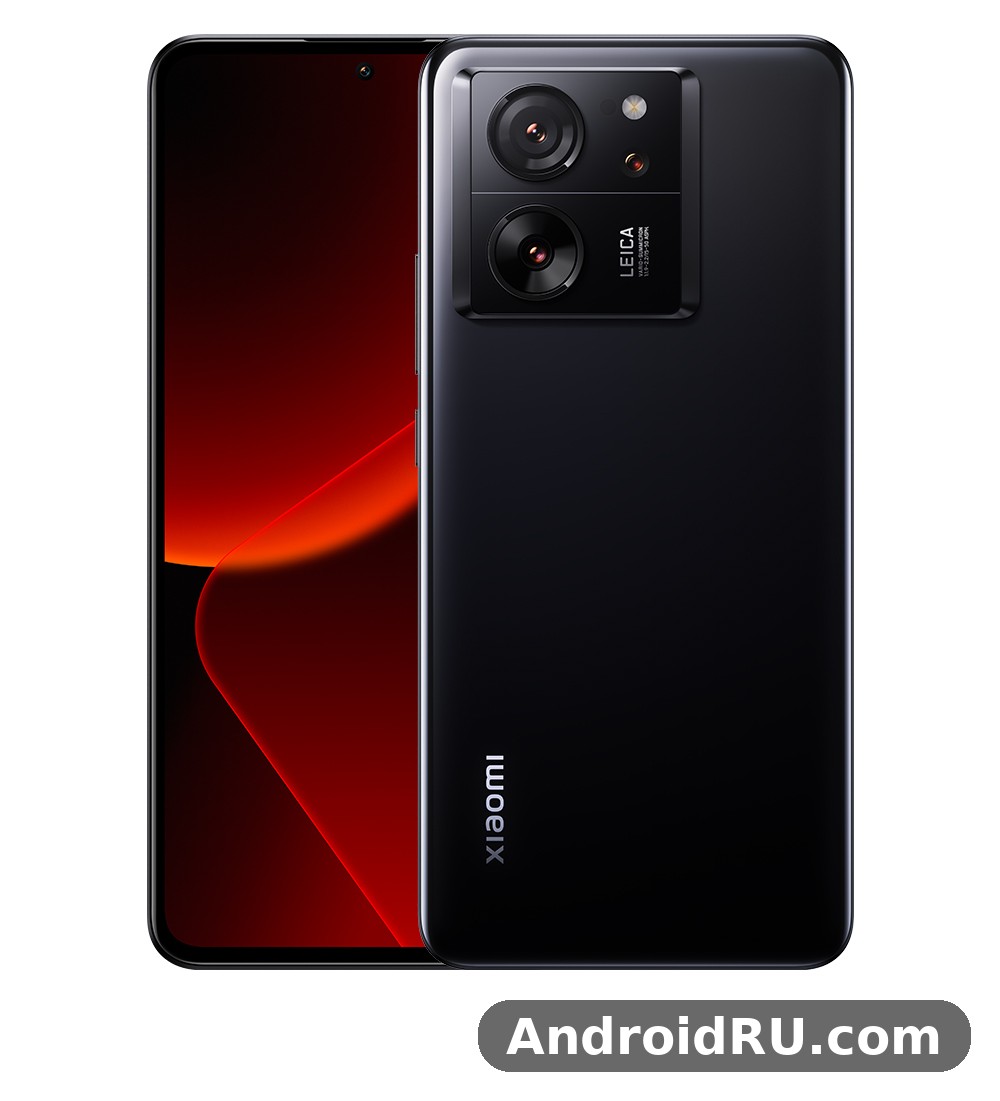
This Xiaomi 13T Pro review looks at the three things in the title first, then widens the view to performance, battery life, design, software, and the full spec sheet, so you can judge the whole phone rather than one party trick. I have read the published measurements and the long-term reports from owners, and I have kept every number in this article tied to a published spec or a clearly labelled range. Where a result depends on how you use the phone, I say so instead of quoting one number as if it were a law of physics. If you are choosing between this phone and a newer mid-ranger, or between the 13T Pro and its own siblings, the comparison and verdict sections near the end will help you decide in a few minutes.
Short version: the screen is the star, the main and telephoto cameras are genuinely useful rather than decorative, and the 120W charging changes how you think about topping up. The trade-offs are real too. There is no wireless charging, no microSD slot, and the ultrawide camera is the weakest of the three. None of those is a deal-breaker on its own, but they matter if you were counting on one of them. Read on for the detail behind that summary.
Xiaomi 13T Pro 144Hz AMOLED Display and Screen Quality
The Xiaomi 13T Pro display is a 6.67-inch flat AMOLED panel with a 2712 by 1220 resolution, which Xiaomi calls FHD+, at about 446 pixels per inch. It is not a 1440p panel, and that is a deliberate choice rather than a cut corner: the lower pixel count keeps the Dimensity 9200+ from working as hard in games, and at normal viewing distance the panel still looks sharp. Text is clean, icons have no visible fringing, and small fonts stay readable. If you hold the phone six inches from your face and hunt for pixels you can find the difference against a QHD screen, but in daily use the trade is invisible and the battery saving is not.
What you notice first is how the panel handles light and motion. The 144Hz AMOLED display supports up to a 144Hz refresh rate with AdaptiveSync, so the refresh rate drops when you are reading a static page and rises when you scroll or play a game. Touch sampling goes up to 480Hz, which makes fast taps in games register quickly. The panel shows 68 billion colours, supports Dolby Vision and HDR10+, and Xiaomi quotes 1200 nits of typical high-brightness output with a 2600-nit peak. Those are lab figures, and real-world peaks depend on the content and the temperature of the phone, but the direction is right: this is a very bright screen for its price band.
Brightness, HDR and Colour in Real Use
A Xiaomi 13T Pro 144Hz AMOLED display brightness test in published reviews lands in the same place again and again: outdoors the screen stays readable in direct sun, and HDR video on a supported service shows a clear step up in highlights and shadow detail over standard video. The 2600-nit peak applies to small bright areas in HDR content, not to the whole screen at once, so do not expect the full panel to glow like a torch. In practice, the 1200-nit high-brightness mode is the number that matters, because that is what you get when the brightness slider is pushed up under strong light. It is enough for maps, camera framing, and reading messages on a bright pavement without cupping a hand over the screen.
Colour handling is flexible. The default Vivid mode pushes saturation the way Xiaomi phones usually do, which makes photos and games pop but can make skin tones look a touch warm. The standard mode is closer to neutral, and the settings include colour temperature controls if you want to tune it yourself. Dolby Vision content looks best in a dark room, where the panel’s deep blacks make the bright highlights stand out, and the lack of a curved edge means there is no colour shift at the sides of the screen. A flat panel is also easier to protect with a normal tempered glass screen guard, which is a small practical win that curved-screen phones do not offer.
144Hz Refresh Rate and AdaptiveSync
A Xiaomi 13T Pro 144Hz refresh rate battery drain comparison tells a balanced story: running the screen at 144Hz all day costs some battery against 60Hz, but AdaptiveSync closes most of the gap by dropping the rate when nothing is moving. The difference between 120Hz and 144Hz is subtle to most eyes, and only some games actually render above 120 frames per second, so the 144Hz ceiling is more about headroom than a visible jump over 120Hz. Where you do feel it is in scrolling: long web pages and social feeds glide with less judder, and the 480Hz touch sampling keeps the screen feeling glued to your finger.
Most people will be happy leaving the refresh rate on its default adaptive setting. Forcing 144Hz everywhere is an option in the settings, and it makes the phone feel a fraction more responsive at the cost of a few percent of battery by the end of the day. Forcing 60Hz does the opposite and is worth trying if you are chasing maximum battery life on a travel day. Either way, the screen never feels slow, which is the real test. A phone that stutters when you open the app drawer fails at the first hurdle, and this one does not.
How to Set the Refresh Rate
Open Settings, then Display and brightness, then Refresh rate, and choose Default or Custom. Default lets AdaptiveSync decide, and Custom lets you pick a fixed rate. If a game you play supports a high frame rate, check the frame rate option inside the game as well, because the system setting alone does not force a game to render faster. Game Turbo, covered in the performance section, can also show a live frame rate overlay while you play, which is the quickest way to see what a game is actually doing rather than what its menu promises.
Outdoor Visibility Checklist
Xiaomi 13T Pro screen quality outdoor sunlight visibility is strong, but a few settings help it further. Turn off any manual brightness cap, leave adaptive brightness on so the phone can push into its high-brightness mode, and switch the colour scheme to Vivid if you find the standard mode washed out under sun. A matte screen guard will cut reflections at the cost of a little sharpness, while a clear glass guard keeps the image crisp. If you shoot photos outdoors, the bright screen makes framing easy, and the camera app’s exposure preview stays honest even in harsh light.
Xiaomi 13T Pro Leica Cameras: 50MP Main, Telephoto and Ultrawide
The camera system is the second reason to buy this phone, and the Leica name on the camera island is not just a badge. Xiaomi worked with Leica on the colour tuning and the lens coatings, and the result is a camera that produces two distinct looks from the same hardware. Leica Authentic gives you muted, contrasty colours with restrained saturation, close to the look of a classic rangefinder photo. Leica Vibrant lifts the colours and brightness for a punchier image that suits social feeds. Neither is objectively right, and switching between them is one tap in the camera app, so the choice is yours per shot rather than per phone.
Xiaomi 13T Pro Leica camera photo quality in daylight is strong across the main and telephoto lenses. Photos show good detail, controlled noise, and dynamic range that holds both sky and shadow in the same frame without turning the image into a flat wash. Colours in Vibrant mode lean warm and saturated, while Authentic mode keeps greens and reds closer to life. The Leica 50MP cameras label covers the main and the telephoto together, and it is the telephoto that makes this phone stand out against rivals that pair a good main camera with a weak zoom. A 50MP telephoto at 2x optical zoom is unusual at this price, and it shows in portraits and mid-range shots.
50MP Main Camera with Leica Tuning
The main camera uses a 50MP sensor, 1/1.28 inch in size, with a 24mm-equivalent f/1.9 lens and optical image stabilisation. That large sensor gathers more light than the smaller sensors in most phones at this price, which helps in dim rooms and at dusk. By default the camera bins pixels down to 12.5MP, which gives cleaner files with less noise, and a dedicated 50MP mode is there when you want maximum detail for a crop or a large print. In good light the 50MP mode holds fine texture in brickwork, foliage, and fabric, but the binned mode is the better default for everyday shots because it handles noise and dynamic range more gracefully.
Autofocus is fast and reliable, locking onto faces and moving subjects without hunting, and the shutter lag is short enough for street photography. The main camera also handles close-up shots well, focusing close enough for food and small objects without switching to a macro mode. One honest limit: the sensor is not the 1-inch type found in the Xiaomi 13 Ultra, so in very dark scenes you will see more noise and softer detail than a true flagship camera phone delivers. For the price, though, the main camera punches above its weight, and most buyers will not feel short-changed.
50MP Telephoto and 12MP Ultrawide
The telephoto camera is a 50MP unit with a 50mm-equivalent f/1.9 lens and 2x optical zoom, and Xiaomi 13T Pro 50MP telephoto zoom camera samples show why that matters. Portraits at 50mm look natural, with faces free of the distortion a wide lens causes, and the background blur in portrait mode falls off smoothly. At 2x the detail holds up well, and digital zoom to 5x stays usable in good light, though it softens as you push further. If you photograph people, pets, or food, the telephoto will probably become your most-used lens after the main camera.
The 12MP ultrawide, with a 15mm-equivalent f/2.2 lens and a 120-degree field of view, is the weakest of the three. It is fine for landscapes, group shots, and tight interiors, but it shows softer corners and more noise in low light than the other two lenses. Xiaomi 13T Pro 12MP ultrawide camera distortion at edges is visible if you look closely at straight lines near the frame border, and the camera app applies correction that straightens most of it at the cost of a little sharpness. Treat the ultrawide as a useful tool for specific scenes rather than an everyday lens, and you will not be disappointed. Readers comparing the top of the Xiaomi 13 family should note that the Ultra model covers a 1-inch sensor and longer zoom, for buyers who put the camera first.
Video: 8K, 4K 60fps and Stabilisation
Xiaomi 13T Pro 8K video recording quality test results show a capable but not flawless video camera. The phone records 8K at 24 frames per second from the main camera, and 4K at up to 60 frames per second with gyro-based electronic stabilisation. In practice, 4K at 30 or 60 frames per second is the better choice for most clips: files are smaller, stabilisation is smoother, and the image holds detail without the heat and processing load that 8K brings. The 8K mode is there for heavy crops or for footage you plan to downscale, not for everyday clips.
A Xiaomi 13T Pro 4K 60fps video stabilization walking test shows steady footage with only mild bobbing on uneven ground, and the phone handles pans without the wobble that cheaper phones show. Audio from the stereo microphones is clear, with wind noise handled reasonably well for a phone. The front camera records 1080p at 30 frames per second, which is fine for video calls and vlogs but a step behind the rear cameras. A Xiaomi 13T Pro 20MP front camera selfie portrait mode test shows clean edge detection in good light, though fine hair detail can soften against a busy background. If video is your main job, shoot in 4K, lock the exposure with a long press on the screen, and keep clips short in hot sun, because long 8K sessions can warm the phone and trigger a warning.
Leica Authentic vs Leica Vibrant Modes
Xiaomi 13T Pro camera app Leica Authentic Vibrant modes are the two colour profiles in the camera app, and they change the look of every photo you take. Authentic keeps contrast high and saturation low, which suits street scenes, architecture, and black-and-white conversions. Vibrant lifts shadows, warms skin tones slightly, and makes blue skies and green foliage pop, which suits travel and food photos. Try both on the same scene before you settle: take one shot in each mode and compare them on a larger screen, because the phone’s own display can flatter both. There is no wrong answer, and you can switch at any time.
Night Mode and Low Light
Xiaomi 13T Pro night mode photo samples low light performance is good for this price band. Night mode stacks several frames to lift shadows and keep highlights from blowing out, and the main camera with optical stabilisation keeps most handheld shots sharp at exposures of one to two seconds. Street scenes keep their colour, neon signs stay readable, and faces in dim restaurants come out usable rather than muddy. The telephoto also works at night in a pinch, though it needs more light than the main camera, and the ultrawide is best avoided after dark. Xiaomi 13T Pro night shots improve a lot if you brace the phone against a wall or a railing, and the camera app will tell you to hold still while it captures. Xiaomi 13T Pro portrait mode on the main and telephoto cameras gives clean edge detection in good light, with hair and glasses handled better than most phones in this class, though very busy backgrounds can still confuse it.
Xiaomi 13T Pro Dimensity 9200+ Performance and Gaming
The MediaTek Dimensity 9200+ is a 4nm flagship chip with one Cortex-X3 core at up to 3.35GHz, three Cortex-A715 cores at up to 3.0GHz, and four Cortex-A510 efficiency cores at up to 2.0GHz, paired with an Immortalis-G715 GPU. On paper that puts it close to the best Android chips of 2023, and in daily use it feels that way: apps open quickly, the camera processes shots without a pause, and switching between a dozen apps rarely forces a reload. Xiaomi 13T Pro performance in ordinary tasks is simply not something you need to think about, which is the highest praise a phone chip can earn.
Xiaomi 13T Pro RAM options are 12GB or 16GB of LPDDR5X memory, and Xiaomi 13T Pro storage starts at 256GB and runs to 512GB or 1TB of UFS 4.0 flash, with no microSD slot. That means you should buy the storage size you will need for the life of the phone, because you cannot add a card later. A Xiaomi 13T Pro 256GB storage speed UFS 4.0 test shows fast sequential reads that make installing large games and copying video files quick, and the 12GB base RAM keeps more apps alive in the background than the 8GB found in many rivals. If you keep a phone for three or four years, the 512GB version is worth the step up for the headroom alone.
Dimensity 9200+ in Daily Use
As a Dimensity 9200 phone in the upper mid-range, the 13T Pro handles the usual load without fuss. Social feeds scroll smoothly, photo editing in apps like Lightroom applies filters without stutter, and split-screen multitasking with a video on one side and a browser on the other stays responsive. Published benchmark runs put the chip at roughly 1.1 to 1.3 million points in AnTuTu v10, which is a range rather than a single score because results vary with temperature and software version. That range sits clearly above the chips in most phones at this price, and it explains why the phone still feels fast in 2026 rather than merely adequate.
Heat in daily use is well controlled. The phone gets warm during a long photo session or while installing a big update, but it does not get uncomfortably hot in normal tasks, and the vapour chamber cooling keeps sustained loads steadier than phones with no cooling at all. One small note: the first day with a new phone always runs hotter than usual while apps update and photos sync in the background, so judge the temperature after a day or two, not in the first hour.
Gaming: Frame Rates and Heat
Xiaomi 13T Pro Dimensity 9200 Plus gaming performance is one of the strongest points of this phone. Demanding games run at high settings with frame rates that stay close to their targets, and the 144Hz screen gives fast games room to show their speed where the game supports it. A Xiaomi 13T Pro gaming test Genshin Impact frame rate run in published reviews holds near 60 frames per second at high settings for long sessions, with only modest dips in the busiest scenes. Lighter games like competitive shooters can push higher frame rates, and the 480Hz touch sampling helps with fast reactions.
Xiaomi 13T Pro gaming sessions also benefit from Game Turbo, which can block notifications, clear memory before a game starts, and show a live frame rate and temperature overlay. Xiaomi 13T Pro heating during long gaming sessions test reports show the phone warming up after 30 to 45 minutes of a demanding game, then holding a steady temperature rather than climbing without limit. That plateau is the cooling system doing its job, and it means the phone throttles gently instead of dropping frames sharply. Xiaomi 13T Pro overheating complaints are rare in owner reports, and when they appear they usually trace back to playing while charging in a hot room, which warms any phone. If you play for hours, take the case off and keep the phone out of direct sun, and the frame rate will thank you.
Game Turbo Settings Worth Changing
Open a game, swipe in from the corner to bring up Game Turbo, and turn on performance mode for demanding titles and the frame rate display so you can see what the game is actually doing. Turn off the option that boosts touch sensitivity unless you play competitive games, because it can make casual games feel twitchy. If a game stutters, drop its in-game graphics preset one step before blaming the phone, because most stutters in published tests came from the game’s own settings rather than the chip.
Xiaomi 13T Pro 120W Charging and 5000mAh Battery Life
Battery life and charging are where the 13T Pro changes your routine more than any other part of the spec sheet. The 5000mAh battery is a typical-size cell for a phone of this size, and the 120W wired charging is what makes it special: Xiaomi quotes a full charge in 19 minutes in Boost mode and 24 minutes in Standard mode, using the 120W charger and the bundled cable. Those are lab figures with the screen off and the phone cool, and real times run a few minutes longer, but the shape of the result is the same. A phone that was nearly empty at breakfast can be full before you finish getting ready.
Xiaomi 13T Pro battery life full day usage in published tests lands at a comfortable full day for most people, with screen-on time typically in the range of seven to nine hours depending on brightness, refresh rate, and signal strength. Heavy gaming or a day of 5G streaming pulls that down, while a day of Wi-Fi browsing and messaging stretches it further. The 144Hz screen and the 5G radio are the two biggest drains, so a day with both running hard will end earlier than a quiet day on Wi-Fi. Standby drain is low, and the phone loses only a few percent overnight with the screen off.
How Long the 5000mAh Battery Lasts
A Xiaomi 13T Pro 5000mAh battery standby drain overnight test shows a drop of roughly 2 to 5 percent over eight hours with normal background sync on, which is a healthy result and means you can leave the phone unplugged overnight without waking to a surprise. In a mixed day of messaging, maps, photos, and an hour of video, most owners finish the day with 20 to 30 percent left. Two-day battery life is possible if your use is light, but this is realistically a charge-every-night phone for heavy users and a charge-every-morning phone for light ones.
Power saving is handled by HyperOS, which can cap background activity for apps you rarely open and lower the refresh rate when the battery is low. Battery saver mode is worth switching on below 20 percent rather than letting the phone die, because it stretches the last stretch of the day without making the phone painful to use. If your battery ever seems to drain fast, check the battery usage screen first: a single app stuck syncing in the background is a more common cause than a faulty cell.
120W Charging: Timed Results and Modes
Xiaomi 13T Pro 120W charging test results from reviewers line up with Xiaomi’s claims once you account for real conditions. From empty, the phone typically reaches about half charge in roughly 8 to 10 minutes and a full charge in the low twenties of minutes in Boost mode. Xiaomi 13T Pro fast charging time from zero to full in Standard mode runs a few minutes longer, because Standard mode caps the power to keep the battery cooler. Boost mode is the one to pick when you are in a hurry, and Standard mode is the better default for overnight or desk charging, where speed does not matter.
Two details matter here. First, the 120W speed needs the 120W Xiaomi charger and a cable rated for it; a generic 65W charger will charge the phone, but at a much lower rate, and a laptop USB port will be slower still. Second, the phone has no wireless charging, and that is worth stating plainly because some listings and lookalike pages for other Xiaomi models mention it. This model charges by cable only, through USB-C, with PD 3.0 and QC 4 support for third-party chargers. If a wireless pad is part of your daily routine, that is a real reason to look at a different model, and it is better to know now than after you buy. Xiaomi 13T Pro charging speed with the right charger is fast enough that most owners stop thinking about wireless charging once they have used the cable for a week.
Xiaomi 13T Pro Design, IP68 Rating and Everyday Use
Xiaomi 13T Pro design is clean and understated rather than flashy. The frame is flat aluminium, the back is either glass or vegan leather depending on the colour, and the camera island is a large rounded square that sits flush enough not to rock badly on a table. At 162.2 by 75.7 by 8.5 millimetres, the phone is tall but not unwieldy, and the flat screen makes one-handed reaches to the top of the display easier than a curved screen would. Xiaomi 13T Pro dimensions and weight are 200 grams for the glass versions and 206 grams for the leather Alpine Blue version, which is a normal weight for a phone with a 5000mAh battery and a large cooling system. It feels solid rather than heavy, and the weight is balanced so it does not tip forward in the hand.
Xiaomi 13T Pro colors are Alpine Blue with a vegan leather back, Meadow Green with a glass back, and Black with a glass back. The leather version is the most interesting in the hand: it is warmer, grippier, and less prone to fingerprints than glass, and it wears its own patina over time. The glass versions look sleeker and are easier to wipe clean, but they show fingerprints within minutes and benefit from a case. Xiaomi 13T Pro leather back vs glass back durability is a genuine choice rather than a cosmetic one: the leather resists drops and scratches in daily use, while glass can crack if it lands on a corner, though the Gorilla Glass 5 front panel has survived everyday knocks in published drop tests without drama.
Build, Colours and IP68
Xiaomi 13T Pro IP68 water resistance rating explained in plain terms: the phone is rated dust-tight and protected against immersion in fresh water up to 1.5 metres for 30 minutes under lab conditions. That means rain, splashes, and an accidental drop in a sink should not kill it, but it does not mean you should take it swimming or use it in a hot shower, where steam and soap can defeat the seals. The Xiaomi 13T Pro waterproof question comes up often in search, and the honest answer is that IP68 is water resistance, not a promise that the phone is safe in water forever: the seals wear with age, and water damage is not covered by the warranty. Xiaomi 13T Pro durability in daily life is helped by the Gorilla Glass 5 front and the aluminium frame, and a Xiaomi 13T Pro Gorilla Glass 5 scratch resistance daily use report shows the front glass picking up fine scratches over months if carried bare in a pocket with keys, so a screen guard is still worth fitting.
Xiaomi 13T Pro speakers are a stereo pair with Dolby Atmos support, and they are loud and clear enough for video and casual music without headphones. A Xiaomi 13T Pro stereo speakers Dolby Atmos sound quality check in a quiet room shows clear dialogue and a wider soundstage than the single-speaker phones in this class, though bass stays thin at high volume, as it does on every phone this size. The sound has more body than the thin speakers in cheaper phones, and dialogue in films stays intelligible at high volume. There is no 3.5mm headphone jack, so wired listening needs a USB-C adapter or USB-C headphones. Xiaomi 13T Pro connectivity covers 5G on both SIMs, Wi-Fi 7, Bluetooth 5.4, NFC, an IR blaster for controlling a TV or air conditioner, and USB-C. A Xiaomi 13T Pro WiFi 7 Bluetooth 5.4 connectivity range test shows stable connections through a normal home, with Wi-Fi 7 only mattering if your router supports it, which most homes do not yet. The IR blaster is a small delight that owners keep discovering months after buying the phone.
HyperOS and Update Promise
The phone launched with MIUI 14 on Android 13 and moved to HyperOS, Xiaomi’s replacement for MIUI, with an Android 14 base. Xiaomi 13T Pro HyperOS update Android 14 features include a cleaner control centre, better cross-device sharing with other Xiaomi products, and lock screen customisation that MIUI did not offer. HyperOS feels lighter than MIUI did, with fewer duplicate apps and less clutter, though some pre-installed apps remain and can be uninstalled or disabled. Every Xiaomi 13T Pro update since launch has arrived as an over-the-air download, and the phone supports A/B updates, which install in the background and finish with a single reboot.
Xiaomi 13T Pro software support four major Android updates is the promise Xiaomi made at launch, alongside five years of security patches. That means a phone bought in 2023 should keep receiving new Android versions well into its life, which matters more than it used to now that phones last four or five years. Xiaomi 13T Pro software in daily use is fast and stable, with the usual Xiaomi customisation: themes, always-on display options, floating windows, and a second space for separating work and personal apps. If you prefer a plain Android look, a third-party launcher changes the home screen without touching the system underneath.
Under-Display Fingerprint and Face Recognition
Xiaomi 13T Pro under display fingerprint sensor accuracy test results are good: the optical sensor under the screen responds quickly to a dry finger and works with a screen guard fitted, though wet fingers still fail more often than dry ones. Face recognition uses the front camera and is fast in good light, but it is less secure than the fingerprint sensor and struggles in the dark, so the fingerprint sensor is the better default for signing in and for banking apps. Registering the same finger twice improves recognition, and keeping the sensor area clean helps on dusty days.
eSIM and Dual SIM Setup
A Xiaomi 13T Pro eSIM dual SIM setup guide for travelers is short: the phone takes one physical nano-SIM and one eSIM, and both can be active at once. Add an eSIM by scanning the QR code from your carrier in Settings, then SIM cards and mobile networks, then Add eSIM. Travellers can keep their home SIM active for messages and add a local eSIM for data, which is cheaper than roaming in most countries. Check with your carrier before you travel, because some carriers still need a visit or a call to issue an eSIM profile.
Full Specifications
Xiaomi 13T Pro specs at a glance are listed below, with the numbers taken from the published specification sheet and cross-checked against the GSMArena listing for model 23078PND5G. As a 144Hz AMOLED phone with a flagship chip and 120W charging, it reads like a much more expensive device on paper, and the table shows where Xiaomi spent the money and where it saved it. If you are comparing this phone with another model, this table is the fastest way to spot the differences that matter.
| Feature | Xiaomi 13T Pro |
|---|---|
| Announced / Released | Announced and released 26 September 2023 |
| Model | 23078PND5G |
| Operating system | Android 13 at launch, up to 4 major OS updates, HyperOS |
| Display | 6.67-inch AMOLED, 2712 x 1220, 446 ppi, 144Hz, Dolby Vision, HDR10+, 1200 nits HBM, 2600 nits peak, Gorilla Glass 5 |
| Chipset | MediaTek Dimensity 9200+ (4nm), octa-core up to 3.35GHz |
| GPU | Arm Immortalis-G715 |
| RAM | 12GB or 16GB LPDDR5X |
| Storage | 256GB, 512GB or 1TB UFS 4.0, no microSD slot |
| Rear cameras | 50MP wide f/1.9 with OIS, 50MP telephoto f/1.9 2x optical, 12MP ultrawide f/2.2; Leica lenses |
| Front camera | 20MP f/2.2, 1080p video at 30fps |
| Video | 8K at 24fps, 4K at 30/60fps, 1080p, gyro-EIS |
| Battery | 5000mAh Li-Po |
| Charging | 120W wired, PD 3.0, QC 4, 100% in 19 min Boost mode; no wireless charging |
| Water resistance | IP68, dust-tight, immersion up to 1.5m for 30 min |
| Dimensions | 162.2 x 75.7 x 8.5 mm |
| Weight | 200g glass versions, 206g leather version |
| Colours | Alpine Blue (vegan leather), Meadow Green, Black |
| Connectivity | 5G, Wi-Fi 7, Bluetooth 5.4, NFC, IR blaster, USB-C, dual SIM plus eSIM |
| Security | Under-display fingerprint sensor, face recognition |
| Audio | Stereo speakers, Dolby Atmos, no 3.5mm jack |
| Launch price | Around 799 euros for 12GB/256GB; check current listings for 2026 prices |
A 120W charging phone at this price was rare in 2023 and is still uncommon in 2026, and the table shows why the 13T Pro keeps appearing in value comparisons. The compromises are visible too: no wireless charging, no microSD slot, and an ultrawide camera that lags behind the other two lenses. As a Leica camera phone, it also stands out, because the Leica tuning gives photos a character that most rivals lack, even if the hardware alone does not beat every flagship. Keep this table open while you read the comparison below, because the differences between the 13T Pro and its siblings are mostly in the rows for chipset, charging, and cameras.
Xiaomi 13T Pro vs Xiaomi 13T and 13 Pro Compared
Xiaomi 13T Pro vs Xiaomi 13T which is better is the question most buyers actually ask, because the two phones look almost identical from the front. The answer depends on what you value. The 13T Pro uses the Dimensity 9200+ chip and 120W charging, while the regular 13T uses the Dimensity 8200-Ultra and 67W charging, with the same 5000mAh battery, the same 6.67-inch 144Hz AMOLED screen, and a similar Leica camera setup with a 50MP main camera. In daily use the screens and cameras feel close, but the Pro pulls ahead in heavy games and in charging time, and it keeps its lead longer as apps get heavier. If you game often or you hate waiting for a charge, the Pro is worth the step up. If you mostly message, browse, and take daylight photos, the regular 13T gives you most of the experience for less money, as our Xiaomi 13T Review: Display Quality, Speed and Daily Use explains in detail.
The comparison with the 13 Pro is different. The 13 Pro is the more expensive flagship of the same generation, with a Snapdragon 8 Gen 2 chip, a 50W wireless charging option, and a camera system built around a larger 1-inch main sensor. It charges by cable at 120W too, so the wired speed is a tie, but the 13 Pro adds wireless charging and a stronger main camera in low light. The 13T Pro answers with a bigger 5000mAh battery, a 144Hz screen against the 13 Pro’s 120Hz, and a lower price. Our Xiaomi 13 Pro Review: Gaming, Multitasking and Battery Life covers that flagship in full, and the short version is this: pick the 13 Pro if wireless charging and the best low-light camera matter most, and pick the 13T Pro if battery life, screen speed, and value matter more.
| Feature | Xiaomi 13T Pro | Xiaomi 13T | Xiaomi 13 Pro |
|---|---|---|---|
| Chipset | Dimensity 9200+ | Dimensity 8200-Ultra | Snapdragon 8 Gen 2 |
| Display | 6.67-inch AMOLED 144Hz | 6.67-inch AMOLED 144Hz | 6.73-inch AMOLED 120Hz |
| Main camera | 50MP with OIS, Leica | 50MP with OIS, Leica | 50MP 1-inch sensor, Leica |
| Telephoto | 50MP 2x optical | 50MP 2x optical | 50MP 3.2x optical |
| Battery | 5000mAh | 5000mAh | 4820mAh |
| Wired charging | 120W | 67W | 120W |
| Wireless charging | No | No | Yes, 50W |
| Water resistance | IP68 | IP68 | IP68 |
| Launch price band | Upper mid-range | Mid-range | Flagship |
Xiaomi 13T Pro price in 2026 is it worth buying is the follow-up question, and the answer is yes for most buyers who find it at a good price. The launch price was around 799 euros, and by 2026 the phone usually sells for much less than that in listings and sales, which changes the value calculation completely. At its launch price it competed with flagships and lost on a few details; at its 2026 price it competes with mid-range phones and wins on screen, charging, and cameras. Check current listings before you buy, because prices vary by storage size and region, and a 512GB unit on sale can be better value than a 256GB unit at full price. If the price you find is close to a new mid-range phone with a weaker chip, the 13T Pro is the better buy. If it is close to a new flagship, compare the warranty and the update promise before deciding.
Pros and Cons: Who Should Buy the Xiaomi 13T Pro
No phone is right for everyone, and the 13T Pro is no exception. Its strengths are concentrated in the screen, the charging, and the main and telephoto cameras, while its weaknesses are the missing wireless charging, the lack of a microSD slot, and an ultrawide camera that is only average. Weighing those two lists against how you actually use a phone is more useful than any single score, so here they are side by side.
Pros
- Bright 144Hz AMOLED screen with Dolby Vision and HDR10+ that stays readable outdoors.
- 120W wired charging that refills the 5000mAh battery in about 19 minutes in Boost mode.
- Leica-tuned 50MP main and 50MP telephoto cameras with two distinct colour profiles.
- Dimensity 9200+ performance that handles demanding games and stays cool under load.
- IP68 water resistance, Wi-Fi 7, Bluetooth 5.4, and eSIM support in one package.
- Four major Android updates promised, so the software stays current for years.
Cons
- No wireless charging at all, which will annoy anyone who already owns charging pads.
- No microSD slot, so the storage size you buy is the storage you keep.
- Ultrawide camera is softer and noisier than the main and telephoto lenses.
- 8K video is available but heats the phone and is less practical than 4K 60fps.
- Some pre-installed apps remain, and HyperOS still carries more clutter than plain Android.
Who It Is For
This phone suits a buyer who wants flagship speed and charging without paying a flagship price, and who takes photos in daylight and portraits rather than relying on the ultrawide at night. It suits a gamer who wants a 144Hz screen and a chip that holds its frame rate, and it suits a traveller who values IP68 protection, eSIM, and a battery that refills during a coffee stop. It suits a photographer who likes the Leica look and is happy to switch between Authentic and Vibrant modes. If you already own a compact flagship and want a smaller phone, the regular Xiaomi 13 is worth a look, and our Xiaomi 13 Review: Display, Audio and Overall Experience covers its smaller screen and lighter build. If your budget is tighter and you can live with a slower chip and slower charging, our Xiaomi 13 Lite Review: Camera Quality, Battery and Value covers the lighter and cheaper option in the same family. And if you want the longest zoom and the largest sensor Xiaomi offered that year, the Ultra remains the camera-first choice.
It is not the right phone if wireless charging is part of your daily habit, if you need a microSD slot for a large media library, or if you shoot most of your photos with the ultrawide lens after dark. It is also not the right phone if you want the smallest possible handset, because at 6.67 inches it is a large phone by any measure. For everyone else, the balance of screen, speed, cameras, and charging is hard to beat at its current price, and the four-year update promise removes the usual worry about buying a phone from 2023.
Frequently Asked Questions About the Xiaomi 13T Pro
Does the Xiaomi 13T Pro have wireless charging?
No, it does not. The Xiaomi 13T Pro charges by cable only, through USB-C at up to 120W, and there is no wireless charging coil inside the phone. If you see a listing that claims wireless charging for this model, it is either wrong or describing a different phone, such as the Xiaomi 13 Pro, which does support 50W wireless charging. The wired charging is fast enough that most owners do not miss the pad, but if you already own several charging pads and use them daily, factor that into your decision before you buy.
How long does the Xiaomi 13T Pro battery last in normal use?
Most owners get through a full day with 20 to 30 percent left, with screen-on time typically in the range of seven to nine hours on Wi-Fi and less on 5G or while gaming. The 5000mAh cell is helped by the efficient 4nm chip and the adaptive refresh rate, and hurt by long gaming sessions and bright outdoor use. If your day is light, two days is possible, but plan on charging each night if you use the camera and maps heavily. A ten-minute top-up on the 120W charger adds roughly half a charge, so a low battery is rarely a problem.
Is the Xiaomi 13T Pro still worth buying in 2026?
Yes, at the right price. The screen, chip, cameras, and 120W charging still compare well with new mid-range phones, and the promise of four major Android updates means the software is not stuck in 2023. The main things to check are the price against a new mid-range rival, the storage size, and whether you need wireless charging. Xiaomi 13T Pro video recording at 4K 60fps still looks current, the Xiaomi 13T Pro fingerprint sensor under the display is fast and reliable, and Xiaomi 13T Pro weight is 200g for the glass versions, which is normal for a phone of this size. Buy it for the screen and the charging, and you will not regret it.
Does the Xiaomi 13T Pro have a microSD card slot?
No, there is no microSD slot. Storage is fixed at 256GB, 512GB, or 1TB depending on the version you buy, and the only way to add space later is cloud storage or an external drive over USB-C. That makes the storage choice at purchase time important: 256GB is enough for most people, but heavy photographers and gamers should pick 512GB. If a removable card is essential for you, look at a different phone rather than hoping for a slot that does not exist.
Final Verdict: Is the Xiaomi 13T Pro Worth Buying in 2026
The Xiaomi 13T Pro earns its place as one of the best value phones of its generation because it gets the three things in its title right and does not fumble the rest. The screen is bright, fast, and kind to the eyes. The Leica cameras give you two distinct looks and a telephoto lens that most rivals skip. The 120W charging turns a dead battery into a non-event. Around those strengths sits a fast chip, a full day of battery, IP68 protection, and a long update promise, all in a phone that costs much less in 2026 than it did at launch.
The flaws are honest ones: no wireless charging, no microSD slot, and an ultrawide camera that lags behind its siblings. None of them hides in the fine print, and none of them ruins the phone, but each of them is a reason for a specific buyer to choose something else. If none of those three bothers you, buy the 13T Pro with confidence, pick the 512GB version if the price gap is small, and spend your first week trying both Leica colour modes to find your favourite. If the camera is your first priority above all else, our Xiaomi 13 Ultra Review: Camera Quality, Battery and Value shows what the top of the range offers. For everyone else, the 13T Pro remains the sweet spot of the Xiaomi 13 family, and in 2026 it is still easy to recommend.

