

Xiaomi 14 Ultra Review: Daily Performance and Key Features
Two years after launch, the Xiaomi 14 Ultra still reads like a flagship spec sheet: a one-inch main sensor, four 50MP Leica cameras, a 6.73-inch LTPO AMOLED display, and a 5300mAh battery with 90W wired charging. The question in 2026 is not whether the hardware was good. It was. The question is whether this phone still makes sense as a daily companion now that its successor generation has arrived, prices have dropped, and HyperOS has moved on several versions. This Xiaomi 14 Ultra daily driver review 2026 looks at the phone the way an owner actually lives with it: the camera in a pocket on a rainy day, the battery at 11pm, the screen under direct sun, and the software after two years of updates.
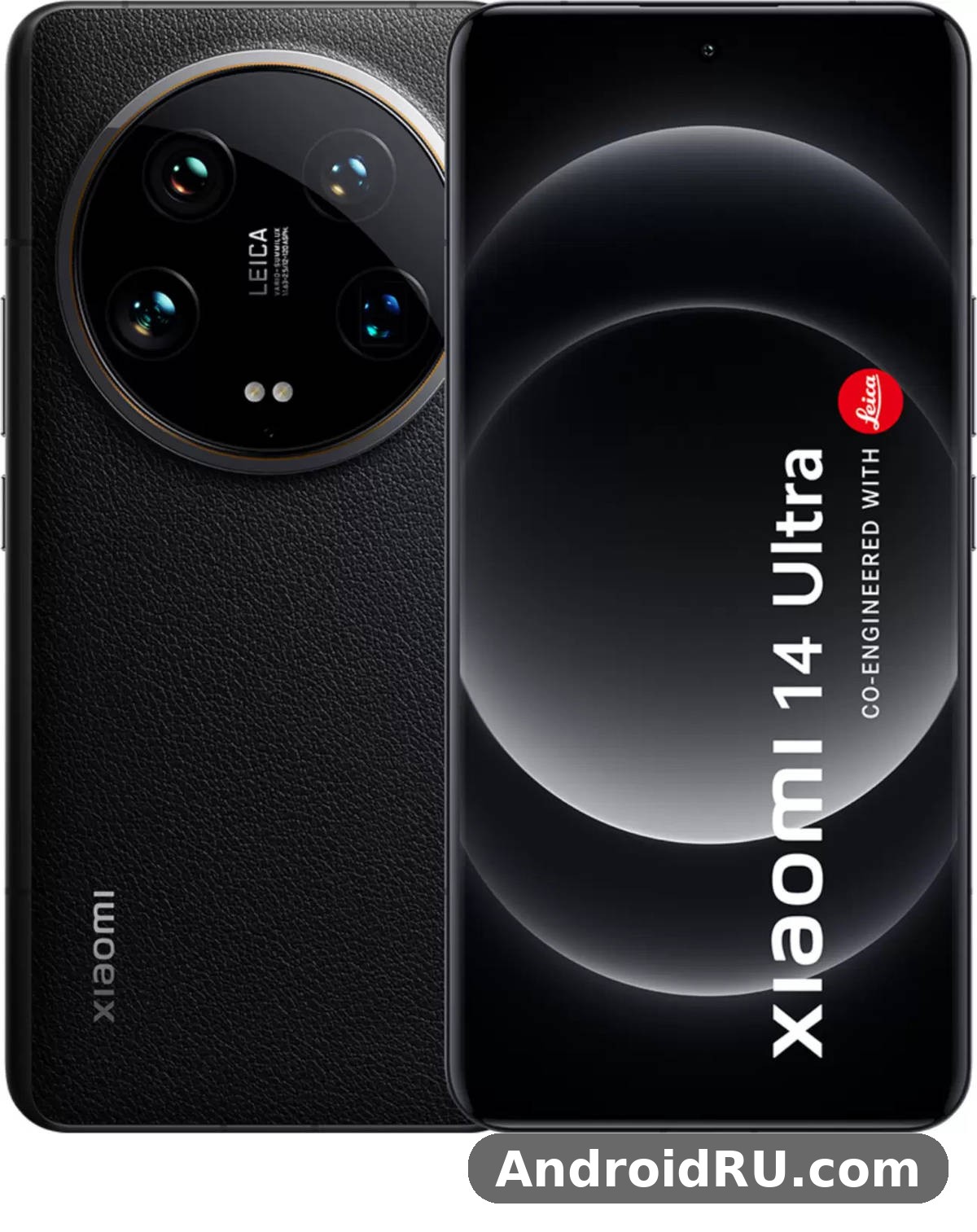
The short version is that the 14 Ultra remains a camera-first flagship with very few weak points, and its weaknesses are the familiar ones: it is big, it is heavy, and its best features need a little learning before they pay off. The Xiaomi 14 Ultra review that follows covers design, display, performance, cameras, battery, software, and the full spec sheet, with honest trade-offs at each step. If you are choosing between this phone and a newer Xiaomi, the comparison points are spelled out, so you can decide with real numbers instead of launch-day hype.
One thing to keep in mind from the start: this is a phone built around photography. Every major decision Xiaomi made, from the variable aperture to the large camera disc on the back, serves that goal. If the camera is your top priority, the 14 Ultra rewards you. If you mostly want a light phone for messaging and video, the same hardware can feel like more than you need. That tension runs through the whole Xiaomi 14 Ultra performance story, and it is worth understanding before you spend money on one.
Xiaomi 14 Ultra Design, Build Quality and Daily Handling
The Xiaomi 14 Ultra is a large phone, and there is no way around that fact. It measures 161.4 x 75.3 x 9.2 mm and weighs 219.8 g, which puts it firmly in the same class as other Ultra flagships. The weight is noticeable in a jacket pocket and during long one-handed sessions, yet the balance is better than the numbers suggest, because the weight sits evenly across the body instead of clustering at the top. The vegan leather back on the global models gives the fingers something to grip, which matters on a phone this size, and it picks up far fewer fingerprints than a glossy glass back.
The camera disc dominates the rear. It is a large raised circle that houses the four Leica lenses, and it changes how the phone sits on a table: it rocks slightly when you tap the screen, and it makes the phone top-heavy in a loose pocket. A case fixes the wobble, and most owners end up using one. Xiaomi 14 Ultra cases are widely available, from slim clear shells to the official photography kit grip, and a case also protects the leather back from scuffs. The frame is aluminium, and a titanium special edition was sold in China, which is where the Xiaomi 14 Ultra titanium frame durability discussion comes from: the titanium version resists scratches better, but the standard aluminium frame is already strong, and the difference in daily use is small.
Xiaomi 14 Ultra colors for the global release were Black and White, both with the same leather finish, while the Chinese market also saw the titanium edition. The Black version hides wear well, and the White version looks striking with the silver camera ring, though it shows marks sooner. Xiaomi 14 Ultra durability in general is solid: the frame is rigid, the buttons are firm with no rattle, and the USB-C port and speaker grilles are neatly finished. The phone carries IP68 certification, which brings us to water protection.
Xiaomi 14 Ultra IP68 Water Resistance Test in Real Life
The Xiaomi 14 Ultra IP68 water resistance test question comes up constantly, and the honest answer starts with what the rating means. IP68 certifies protection against dust and immersion in fresh water up to 1.5 metres for 30 minutes under lab conditions. It does not mean the phone is invincible in water, and it does not cover salt water, soapy water, or high-pressure jets. In practice, rain, splashes, and an accidental drop in a sink are exactly the situations the rating is built for, and owners report the phone surviving those without trouble. The sensible rule is simple: treat IP68 as insurance, not an invitation. Do not take the phone swimming, do not charge it while the port is wet, and rinse it with clean water if it meets salt or chlorinated water.
The Xiaomi 14 Ultra waterproof question is answered the same way in the FAQ below, but the short version is that no phone maker warranties water damage, even on an IP68 phone. The rating is a safety net for accidents. The leather back also deserves a mention here: it handles rain well, but it can stain if it meets dye or ink, so a case is a good idea if you carry the phone in a bag with pens or coloured fabrics.
A Big Phone That Still Feels Balanced
Daily handling comes down to three things: grip, reach, and pocketability. The leather back helps grip, the slightly curved display edges help the thumb reach across, and the 219.8 g weight is the part you cannot fix. People with smaller hands will use two hands for typing and for the camera, and that is normal for this class. The power button and volume rocker sit on the right edge where the thumb expects them, and the in-display fingerprint reader sits high enough to reach without shifting the grip. The Xiaomi 14 Ultra weight is the price of the camera hardware and the 5300mAh battery, and most buyers accept it because the camera is the reason they chose the phone.
Compared with the smaller sibling, the difference in hand is obvious. The Xiaomi 14 Review: Design, Battery Life and Usability covers a phone that is lighter, narrower, and easier to use one-handed, but it gives up the one-inch sensor and the periscope zoom. That trade is the whole decision in one sentence: the 14 Ultra is the camera phone, and the regular 14 is the pocketable phone. Both run the same software family, and both feel like Xiaomi flagships, but they are built for different hands and different priorities.
Buttons, Ports and the Infrared Blaster
The 14 Ultra keeps the features Xiaomi fans expect: stereo speakers, an infrared blaster on the top edge for controlling a TV or air conditioner, NFC for payments, and a USB-C 3.2 Gen 2 port that supports DisplayPort video output. There is no 3.5 mm headphone jack, so wired audio goes through USB-C or an adapter, and wireless audio relies on Bluetooth 5.4 with support for high-quality codecs. The Xiaomi 14 Ultra speakers are loud and clear for a phone, with a second speaker in the earpiece, and they stay clean at high volume, though bass is limited by physics, as on every phone. The vibration motor is strong and precise, which makes typing and notifications feel sharp rather than buzzy.
Xiaomi 14 Ultra Accessories Worth Considering
Xiaomi 14 Ultra accessories start with the obvious: a case, a screen protector, and a fast charger if you do not already own one. The photography kit grip is the interesting extra, because it adds a shutter button, a zoom lever, and a grip that turns the phone into something closer to a compact camera. It is not essential, and it adds bulk, but for people who shoot every day it changes how the phone feels in the hand. A 90W charger is worth owning if you want the full wired speed, since the phone can charge from a slower brick but will not hit its peak rate. Xiaomi 14 Ultra unboxing in most markets includes the phone, a cable, a case, and a screen protector already applied, though the exact box contents vary by region, so check the listing before you buy.
Xiaomi 14 Ultra Display Quality Review: Bright, Sharp and Smooth
The Xiaomi 14 Ultra display is a 6.73-inch LTPO AMOLED panel with a 1440 x 3200 resolution, a 1-120Hz adaptive refresh rate, Dolby Vision, and HDR10+ support. That combination covers the three things that matter most on a phone screen: sharpness, smoothness, and brightness. Text is crisp at 522 pixels per inch, scrolling is fluid because the refresh rate adapts to what is on screen, and HDR video looks rich because the panel can show a wide range of brightness in a single frame. The Xiaomi 14 Ultra display quality review verdict is simple: this is still one of the better screens on any phone, two years after launch.
The Xiaomi 14 Ultra screen uses LTPO technology, which lets the refresh rate drop as low as 1Hz for a static image and rise to 120Hz when you scroll or play a game. That saves battery without making the phone feel slow, and it is one of the reasons the 5300mAh battery lasts as well as it does. The panel is protected by Xiaomi Shield Glass, which resists scratches better than the glass on older Xiaomi phones, though a screen protector is still a good idea, since no phone glass is scratch-proof against sand and keys.
Xiaomi 14 Ultra Screen Brightness Nits: What 3,000 Nits Means Outdoors
The Xiaomi 14 Ultra screen brightness nits figure is 3,000 nits peak, and that number needs context. Peak brightness applies to small bright areas in HDR content, not to the whole screen at once, so the number you actually see outdoors is lower. Even so, the panel stays readable in direct sunlight, which is the real test. Maps, camera framing, and messages remain legible on a bright day, and the automatic brightness is quick to react when you step out of shade. If you shoot photos outdoors, the bright screen matters more than it sounds, because framing a shot on a dim screen is guesswork, and the 14 Ultra screen removes that problem.
Colour accuracy is strong out of the box, and the settings offer vivid and natural modes plus a custom colour temperature slider. The vivid mode suits video and games, while the natural mode is closer to accurate for photo editing. Dolby Vision video from streaming apps plays with proper tone mapping, and the wide colour gamut makes photos look rich without pushing skin tones into orange. For reading at night, the low brightness floor is gentle on the eyes, and the 1920Hz PWM dimming at low brightness reduces flicker for people who notice it.
Colour, HDR and Reading Comfort
HDR content is where the display earns its price. Highlights in a sunset photo or a bright window in a movie hold detail instead of blowing out to white, and dark scenes keep shadow detail instead of crushing to black. The panel covers the DCI-P3 colour space, which is the standard for cinema, so films and photos made for that standard look as intended. For everyday reading, the high resolution keeps small text sharp, and the adaptive refresh rate keeps the page calm when you stop scrolling. Eye comfort features include a reading mode that warms the colour temperature and a dark mode that works across the system and most apps.
Always-On Display and Refresh Rate Settings
The always-on display shows the time, date, and notification icons without waking the full screen, and it can be set to show only on tap or on a schedule to save battery. The refresh rate settings offer a choice between a fixed 60Hz, a fixed 120Hz, and the adaptive default. The adaptive default is the right choice for most people: it gives smooth scrolling when you need it and saves power when the screen is still. Gamers can force 120Hz for a consistent feel, at the cost of some battery. The screen also supports a high touch sampling rate, which makes the phone feel responsive in fast games.
Xiaomi 14 Ultra Snapdragon 8 Gen 3 Performance and Gaming
The Xiaomi 14 Ultra Snapdragon 8 Gen 3 performance story is straightforward: this is a flagship chipset from Qualcomm, built on a 4 nm process, with a prime Cortex-X4 core, an Adreno 750 GPU, and a strong AI engine. In daily use, that means apps open instantly, multitasking stays smooth with 16GB of RAM, and heavy games run at high settings without stutter. The Snapdragon 8 Gen 3 chipset is the same silicon that powered the best Android phones of 2024, and two years later it still handles everything in the Play Store without breaking a sweat. The Xiaomi 14 Ultra performance in 2026 is closer to a current upper mid-range phone in raw speed than to an old phone, which is why the 14 Ultra still feels fast.
Xiaomi 14 Ultra RAM is 16GB of LPDDR5X on the global model, paired with 512GB of UFS 4.0 storage, and the Chinese market also offered 12GB and 1TB versions. The Xiaomi 14 Ultra storage options 512GB configuration is the one most buyers will find, and 512GB is generous for a camera phone, since 50MP photos and 4K video fill storage quickly. There is no microSD slot, so the storage you buy is the storage you keep, and heavy shooters should think about cloud backup or a 1TB model if they can find one. UFS 4.0 storage is fast for installing apps, loading games, and saving large photo bursts, and it is noticeably quicker than the UFS 3.1 storage in older phones.
Xiaomi 14 Ultra Gaming Performance Test: Genshin Impact, PUBG and Everyday Play
The Xiaomi 14 Ultra gaming performance test question is really about sustained speed: any flagship can run a game well for five minutes, but the good ones keep running well after half an hour. The 14 Ultra handles demanding titles like Genshin Impact and PUBG Mobile at high settings with stable frame rates, thanks to the Adreno 750 GPU and a vapour chamber cooling system that spreads heat across the body. The phone gets warm during long sessions, as every glass phone does, but it manages heat by lowering peak speed gradually instead of dropping frames suddenly, so gameplay stays playable. The large display, stereo speakers, and strong vibration motor all help gaming, and the 120Hz refresh rate makes fast games feel responsive.
For lighter games and everyday play, the phone is overpowered in the best way: casual games, emulation, and cloud gaming all run without effort, and the battery holds up well because the chipset can finish small tasks quickly and return to idle. The Xiaomi 14 Ultra 5G connection keeps online games responsive on mobile data, and Wi-Fi 7 support means a fast home network is fully used when the router supports it. If you play competitively, a case with a grip helps, and turning on performance mode in the game launcher gives a small boost at the cost of battery and heat.
Xiaomi 14 Ultra Benchmarks and the AnTuTu Score in Context
Xiaomi 14 Ultra benchmarks place the phone among the fastest Android devices of its generation. The Xiaomi 14 Ultra AnTuTu score typically lands around the two-million mark, which matches other Snapdragon 8 Gen 3 phones and sits well above the previous generation. Geekbench scores tell the same story: strong single-core speed for app launches and strong multi-core speed for editing and multitasking. Benchmarks are a guide, not a verdict, because a phone that scores high but throttles quickly is worse in real use than a phone that scores slightly lower and holds its speed. The 14 Ultra is in the second group: its scores are high, and its sustained performance is good enough that the scores translate into real smoothness.
One honest note: newer chips have passed the Snapdragon 8 Gen 3 in benchmarks, and the Xiaomi 15 series with the Snapdragon 8 Elite is faster on paper. That does not make the 14 Ultra slow. It means the newest phones open a heavy game a fraction of a second faster, or hold a slightly higher frame rate in the most demanding scenes. For daily use, messaging, browsing, photography, and video, the difference is hard to notice. The Xiaomi 15T Pro Review: Build Quality, Software and Daily Speed is a useful comparison here, because it shows what the newer generation offers in everyday speed, and it helps to read it before deciding whether to pay more for a 2025 phone or save money on the 14 Ultra.
Xiaomi 14 Ultra Heating Issue Fix: What Actually Helps
The Xiaomi 14 Ultra heating issue fix question usually comes from gamers and 4K video shooters, because those are the two workloads that push the chipset hardest. Some warmth is normal: a 4 nm flagship chip under full load will heat a glass body, and the phone is designed to handle it. If the phone feels hotter than expected, the fixes that actually help are simple. Close background apps before a long gaming session, avoid charging while gaming, because charging adds its own heat, and use a case that does not trap heat if you play for a long time. For video, shooting 4K at 30 frames per second instead of 4K at 60 or 8K cuts heat sharply, and taking short breaks between long clips lets the phone cool.
Xiaomi 14 Ultra overheating is rarely a fault; it is usually a sign that the phone is doing heavy work in a warm room or in direct sun. If the phone gets hot during light use, like browsing or messaging, that is worth checking: a rogue app, a bad update, or a weak signal that makes the modem work hard are the common causes, and a restart plus a check of battery usage by app usually finds the culprit. The phone will protect itself by slowing down if it ever gets too hot, and that safety behaviour is normal. Keep the phone out of direct sun on a car dashboard, and it will stay comfortable.
Xiaomi 14 Ultra Camera Review: Leica Lenses in Daily Use
The camera is the reason this phone exists, and the Xiaomi 14 Ultra camera review has to start with the hardware list, because it is unusual even among flagships. The rear system has four 50MP cameras, all tuned with Leica: a 23 mm main camera with a one-inch Sony LYT-900 sensor and a variable aperture from f/1.6 to f/4.0 with optical stabilisation, a 75 mm telephoto with 3.2x optical zoom, a 120 mm periscope with 5x optical zoom, and a 12 mm ultrawide with a 122-degree field of view and autofocus. The front camera is 32MP. Every rear lens is 50MP, which means switching between lenses does not mean dropping to a weaker sensor, and that consistency is rare. The 50MP Leica Summilux variable aperture camera is the headline, but the full system is what makes the phone special.
The Xiaomi 14 Ultra Leica partnership shows up in two ways: the Summilux lenses, which are fast and sharp, and the Leica colour profiles, which give photos a distinct look. Leica Vibrant produces punchy, saturated colour for everyday shots, while Leica Authentic produces a more muted, film-like look with stronger contrast. Both are available in the camera app, and switching between them is one tap. The Xiaomi 14 Ultra photo quality in daylight is excellent by any standard: detail is high, dynamic range is wide, and colours look natural in Authentic mode and lively in Vibrant mode. The one-inch main sensor gathers more light than the smaller sensors in most phones, which shows up as cleaner shadows and less noise when the light drops.
Xiaomi 14 Ultra Leica Summilux Lens Review: The Variable Aperture Main Camera
The Xiaomi 14 Ultra Leica Summilux lens review starts with the aperture, because it is the most unusual part of the phone. The main lens opens from f/1.6 to f/4.0 in steps, which means the photographer can choose how much light enters and how deep the focus is. At f/1.6, the lens takes in maximum light for dark scenes and gives a shallow depth of field, so a portrait subject stands out against a soft background. At f/4.0, more of the scene stays sharp, which suits landscapes and group shots. Most phones fake this effect with software blur, but the 14 Ultra changes the physical opening, so the blur looks more natural and the light gathering is real.
Xiaomi 14 Ultra Variable Aperture Explained: f/1.6 to f/4.0
The Xiaomi 14 Ultra variable aperture explained in plain terms is this: a wider aperture, f/1.6, is a bigger opening that lets in more light and blurs the background more, while a narrower aperture, f/4.0, is a smaller opening that keeps more of the scene in focus. In auto mode, the phone picks the aperture itself, opening up in the dark and stopping down in bright light to keep the image sharp. In Pro mode, you can set the aperture by hand, which is useful when you want a specific look: f/1.6 for a portrait with creamy background blur, f/2.8 for a general walkaround setting, and f/4.0 for a landscape where the foreground and the mountains both need to be sharp. The difference between the settings is visible in the viewfinder, so you can learn it by trying it, not by reading a manual.
The main sensor is the Sony LYT-900, a one-inch type sensor that is larger than the main sensor in most phones, including many flagships. A larger sensor captures more light, which means cleaner images in dim rooms and at dusk, and it also gives a more natural sense of depth. The optical stabilisation keeps handheld shots sharp at slower shutter speeds, which matters for night shots. Together, the sensor, the aperture, and the Leica optics make the main camera the strongest part of the phone, and it is the lens you will use for most photos.
Xiaomi 14 Ultra 5x Periscope Zoom Test and the 3.2x Telephoto
The Xiaomi 14 Ultra 5x periscope zoom test is where the phone separates itself from flagships that only offer digital zoom. The periscope lens gives a true 5x optical zoom at 120 mm, which is ideal for distant subjects, concerts, and wildlife, and the 3.2x telephoto at 75 mm covers portraits and street photography. Both lenses have optical stabilisation, which keeps zoomed shots steady, and both are 50MP, so zoomed photos keep detail. The Xiaomi 14 Ultra zoom range runs from the 12 mm ultrawide to the 120 mm periscope, and the phone can push further with digital zoom up to 120x, though quality drops sharply past 10x, and the best results come from staying within the optical range.
In daily use, the 3.2x lens is the workhorse for portraits: 75 mm is a flattering focal length for faces, and the optical zoom keeps detail that digital cropping would lose. The 5x lens is the specialist: it brings far subjects close, and it works well in good light, though it needs more light than the main camera, so dusk shots at 5x are noisier. The phone also offers a 10x hybrid zoom that blends the periscope with software processing, and the results are usable for social media, though they do not match a true optical shot. For the best zoom photos, hold the phone steady, tap to focus on the subject, and shoot in good light.
Xiaomi 14 Ultra Night Mode Camera and Low-Light Portraits
The Xiaomi 14 Ultra night mode camera performance is one of the strongest parts of the phone, and it comes from the combination of the large sensor, the f/1.6 aperture, and multi-frame processing. In low light, the phone takes several exposures and merges them, which lifts shadows, controls bright lights, and keeps noise low. Night shots of streets, restaurants, and city skylines come out bright and detailed, with neon signs that stay readable instead of blowing out. The night mode works on the main camera, the ultrawide, and the telephoto lenses, so you are not limited to one lens after dark.
Low-light portraits benefit from the same hardware. The 3.2x telephoto with night mode gives portraits a natural perspective and a soft background, and the phone handles skin tones well in warm indoor light. The main camera at f/1.6 is the best choice when the light is very low, because it gathers the most light. One practical tip: keep the phone still for a second after pressing the shutter in night mode, since the multi-frame capture needs a moment, and moving too soon can blur the result. A wall or railing makes a good rest when no tripod is available.
Xiaomi 14 Ultra Portrait Mode Samples: What to Expect
Xiaomi 14 Ultra portrait mode samples, as shared by owners and reviewers, show a consistent look: sharp eyes, natural skin texture, and a background blur that follows the shape of the subject instead of cutting it off. The portrait mode offers a choice of focal lengths, including 35 mm, 50 mm, 75 mm, and 90 mm looks, and each gives a different feel: 35 mm suits environmental portraits with background context, 50 mm is the classic natural look, 75 mm is flattering for faces, and 90 mm gives a tighter, more dramatic frame. The Leica portrait styles add a film-like character, and the Master Portrait mode, added in software updates, improves edge detection around hair and glasses.
The best portraits come from the 75 mm telephoto in good light, with the subject a couple of metres away and the background a few metres behind them. That distance gives the blur room to work. The phone sometimes struggles with fine hair against a busy background, as every phone does, but the results are usually good, and the failures are easy to spot and retake. Portrait mode also works for pets and objects, not just people, which makes it useful for product shots and food photography as well.
Xiaomi 14 Ultra Video Recording Quality: 8K, 4K and Stabilisation
The Xiaomi 14 Ultra video recording quality is strong across the board. The phone records 8K video at 24 frames per second from the main camera, 4K at up to 120 frames per second for slow motion, and 4K at 60 frames per second with excellent stabilisation. The 4K 60 mode is the sweet spot for most people: it looks smooth, the stabilisation handles walking well, and the files are manageable. The 8K mode is impressive on paper and useful for cropping, but it heats the phone and fills storage quickly, so it is best saved for short clips. All four rear lenses can record video, and switching lenses while recording is supported, which is handy for moving from a wide scene to a close detail in one take.
Video stabilisation uses a combination of optical stabilisation and electronic processing, and the result is smooth footage without the wobble that ruins handheld video. The phone also supports Dolby Vision HDR video recording, which gives footage a wide dynamic range for playback on HDR screens, and a Movie mode with cinematic framing and focus controls for people who want a film look. Audio is captured in stereo with good wind noise handling, though a dedicated microphone is still better for serious work. For everyday video, family clips, and travel footage, the 14 Ultra is one of the best phones available.
Xiaomi 14 Ultra Best Camera Settings for Everyday Shooting
The Xiaomi 14 Ultra best camera settings depend on what you shoot, but a good starting point is simple. Set the photo mode to Leica Authentic for natural colour, or Leica Vibrant if you prefer punchier images, and leave the aperture on auto until you want a specific effect. Turn on the 50MP high-resolution mode only when you need maximum detail for cropping or printing, because it makes larger files and slower bursts; the standard 12.5MP output from pixel binning is sharper per pixel and better in low light for everyday shots. Keep HDR on auto, and let the phone decide when to use it.
For moving subjects, use the 3.2x telephoto in good light and keep the shutter speed in mind: the phone picks it automatically, but tapping to focus and holding still gives sharper results. For landscapes, use the ultrawide at 12 mm and the f/4.0 aperture for depth of field. For street photography, the 35 mm look in the main camera is a good default. The Pro mode is worth learning for night scenes and portraits, because manual control of aperture, shutter speed, and ISO gives results the auto mode cannot match, and the phone shows a live histogram to help with exposure.
Xiaomi 14 Ultra Astrophotography Mode Guide
The Xiaomi 14 Ultra astrophotography mode guide is short, because the phone does not have a single button labelled for stars; the best star shots come from the long-exposure tools in Pro mode. Start with a tripod or a stable surface, because any movement ruins a long exposure. Open Pro mode on the main camera, set the focus to infinity, set the ISO to 1600 or 3200, and set the shutter to 15 or 30 seconds. Use the self-timer so pressing the shutter does not shake the phone, and shoot in a dark place away from city lights. The one-inch sensor and the f/1.6 aperture gather enough light to show stars that the eye can barely see, and the results improve with practice.
The phone also has a long-exposure mode for light trails and moving water, which uses the same idea: a slow shutter turns motion into smooth streaks. For the moon, use the 5x periscope with a fast shutter speed and tap to focus on the moon itself, because the phone will otherwise expose for the dark sky and blow out the moon. Astrophotography is a niche use, but it shows how far the hardware goes: a phone that can photograph the Milky Way is a phone with a serious camera, and the 14 Ultra is one of the few that can do it well.
Against its closest rival, the comparison is close. The Xiaomi 14 Ultra vs Samsung Galaxy S24 Ultra camera contest comes down to style: the Samsung offers a 200MP main sensor and a longer 5x zoom with more reach, while the Xiaomi offers a larger one-inch sensor, a variable aperture, and Leica colour that many photographers prefer. The Samsung is stronger for extreme zoom and for users who want heavy processing, while the Xiaomi is stronger for natural low-light shots and for portraits with real optical depth. The Xiaomi 14 Pro Review: Photo Quality, Video and Performance is worth reading alongside this one, because the 14 Pro shares the Leica tuning and the Snapdragon 8 Gen 3, but uses a smaller main sensor and no periscope, so it shows exactly what the Ultra adds for its higher price.
Xiaomi 14 Ultra Battery Life and Charging Speed
The Xiaomi 14 Ultra battery is a 5300mAh silicon-carbon cell, which is larger than the battery in most flagships of its generation, and the extra capacity shows in daily use. The 5300mAh battery with 90W wired charging is one of the headline numbers, and it is also one of the most practical: a bigger battery means fewer midday charges, and fast charging means a short top-up actually helps. The phone pairs the large cell with an efficient LTPO display and a 4 nm chipset, so the battery lasts through a full day of heavy use and comfortably through a day of moderate use.
Xiaomi 14 Ultra Battery Life Test: A Full Day and Then Some
The Xiaomi 14 Ultra battery life test results reported by owners and reviewers point to a consistent picture: around seven to eight hours of screen-on time with mixed use, including browsing, video, messaging, and photography, and a full day with charge left at bedtime. Heavy camera days drain the battery faster, because the camera, the screen, and the image processing all draw power at once, and a day of 4K video or hundreds of photos can leave the phone near empty by evening. Light days, with mostly messaging and music, can stretch to two days. The adaptive refresh rate and the efficient chipset do most of the work, and the battery saver mode, which limits background activity and lowers the refresh rate, adds several more hours when needed.
Battery health is also worth thinking about in 2026, because a two-year-old phone may have a battery that has lost some capacity, depending on how it was charged. The phone has battery protection settings that can limit charging to 80 percent overnight and slow down charging when the phone is hot, and using those settings helps the battery last longer. If you buy a used 14 Ultra, check the battery health in the settings and ask about the charging history, because a worn battery is the most common reason an old flagship feels tired. A fresh battery makes the phone feel new again.
Xiaomi 14 Ultra Charging Speed Test: 90W Wired, 80W Wireless
The Xiaomi 14 Ultra charging speed test numbers are impressive on paper and in practice. Wired charging runs at 90W with a compatible charger, and Xiaomi rates a full charge at around 33 minutes, with a 50 percent charge in roughly 12 minutes. Those figures depend on the battery starting warm and the phone not being used during charging, so real times are a little longer, but a 15-minute top-up still adds a large amount of charge, which is the number that matters in daily life. The Xiaomi 14 Ultra wireless charging speed is 80W with a compatible Xiaomi wireless charger, which is faster than the wired charging of many other flagships, and it fills the phone in under an hour. Standard Qi wireless chargers also work, but at lower speeds, so the 80W figure needs the right pad.
The Xiaomi 14 Ultra charging story also includes 10W reverse wireless charging, which lets the phone top up earbuds or a watch from its own battery. It is a handy feature when a friend’s earbuds die, though it is slow and it drains the phone, so it is best used for small top-ups. The phone manages heat during fast charging by slowing down if it gets warm, and charging overnight with the protection settings on is gentler on the battery than a fast charge every time. For most owners, the routine that works is a fast top-up in the morning and a slow overnight charge, which keeps the battery healthy and the phone ready.
HyperOS Software, Updates and Daily Usability
The Xiaomi 14 Ultra HyperOS software launched with HyperOS based on Android 14, and it has since received HyperOS 2 and Android 15 updates in most markets. HyperOS is Xiaomi’s replacement for MIUI, and it feels cleaner and faster: the interface is lighter, the animations are smoother, and the system apps are better organised. The Xiaomi 14 Ultra HyperOS experience in daily use is good, with a control centre that is easy to reach, a lock screen that can be customised, and a gallery app that works well with the Leica camera. The phone also connects neatly with other Xiaomi devices, including tablets, watches, and earbuds, through the interconnectivity features.
Daily usability is helped by small details: the fingerprint reader is quick, face unlock works well in good light, and the gesture navigation is smooth. The Xiaomi 14 Ultra fingerprint sensor speed is fast enough that unlocking feels instant, and the sensor sits in a comfortable spot under the display. The phone supports dual SIM, eSIM in some markets, and a full set of connectivity options, which are listed in the spec table below. The software includes some pre-installed apps that can be removed, and the notification system is reliable, which matters more than it sounds, because missed notifications are a common complaint on some Android phones.
Xiaomi 14 Ultra HyperOS Update and Software Update Schedule
The Xiaomi 14 Ultra HyperOS update path is one of the reasons the phone still feels current in 2026. Xiaomi promised several years of major Android updates and security patches for the 14 Ultra, and the phone has received HyperOS 2 with Android 15, with further updates expected. The Xiaomi 14 Ultra software update schedule follows the usual pattern: major updates arrive in waves by region, security patches arrive monthly or bi-monthly, and camera improvements sometimes arrive with the major updates. If an update has not arrived yet, checking the updater in settings and waiting a few weeks is normal, because rollouts are staged.
Xiaomi 14 Ultra updates also bring camera tuning changes, and some owners noticed better portrait edge detection and faster night mode after the HyperOS 2 update. The update policy is a real factor when buying in 2026: the phone should keep getting security patches for a while yet, but it will not get new Android versions forever, so buyers who want the longest support should compare with the newer Xiaomi 15 series. For most people, the current software is mature and stable, and the phone does not need the newest version to work well. The Xiaomi 15 Review: Cameras, Performance and Battery Life shows what the newer generation offers in software and support, and it is a fair reference point if long update support matters to you.
Xiaomi 14 Ultra Fingerprint Sensor Speed and Everyday Shortcuts
The Xiaomi 14 Ultra fingerprint sensor speed is a small detail that affects daily use more than most spec sheets suggest, because unlocking happens dozens of times a day. The optical under-display reader is fast and accurate with dry fingers, and it works through most screen protectors, though a thick tempered glass protector can slow it down. Registering the same finger twice improves accuracy, and keeping the sensor area clean helps. Face unlock is a good backup in bright light, though it is less secure than the fingerprint reader, so the fingerprint is the better choice for banking apps.
Everyday shortcuts include double-tapping the back of the phone to open the camera, long-pressing the home screen for app shortcuts, and using the game launcher to block notifications while playing. The camera app can be opened from the lock screen with a swipe, and the volume buttons can be set to act as a shutter button, which is useful with the photography kit grip. These shortcuts add up: a phone that is quick to unlock and quick to open the camera takes more photos, and the 14 Ultra is built for that.
Full Specifications
The Xiaomi 14 Ultra full specifications list below covers the hardware that matters, from the display and chipset to the cameras, battery, and connectivity. The Xiaomi 14 Ultra specs in this table are the global model figures, and small differences exist between regions, so check the official page for your market if a specific band or storage option matters. The table is followed by notes on dimensions, sensors, and connectivity, which are the details that often decide whether a phone fits your life.
| Feature | Xiaomi 14 Ultra | Xiaomi 14 Pro | Samsung Galaxy S24 Ultra |
|---|---|---|---|
| Display | 6.73-inch LTPO AMOLED, 1440 x 3200, 120Hz, 3,000 nits peak | 6.73-inch LTPO AMOLED, 1440 x 3200, 120Hz, 3,000 nits peak | 6.8-inch Dynamic AMOLED 2X, 1440 x 3120, 120Hz, 2,600 nits peak |
| Chipset | Snapdragon 8 Gen 3 | Snapdragon 8 Gen 3 | Snapdragon 8 Gen 3 |
| RAM and storage | 16GB RAM, 512GB storage (global) | 12GB RAM, 512GB storage | 12GB RAM, 256GB or 512GB storage |
| Main camera | 50MP, one-inch sensor, f/1.6-f/4.0 variable aperture, OIS | 50MP, f/1.6-f/4.0 variable aperture, OIS | 200MP, f/1.7, OIS |
| Zoom cameras | 50MP 3.2x telephoto, 50MP 5x periscope | 50MP 3.2x telephoto | 50MP 5x periscope, 10MP 3x telephoto |
| Ultrawide camera | 50MP, 122-degree field of view | 50MP, 115-degree field of view | 12MP, 120-degree field of view |
| Battery and charging | 5300mAh, 90W wired, 80W wireless | 4880mAh, 120W wired, 50W wireless | 5000mAh, 45W wired, 15W wireless |
| Water resistance | IP68 | IP68 | IP68 |
| Operating system | HyperOS, Android 14 at launch | HyperOS, Android 14 at launch | One UI 6.1, Android 14 at launch |
| Weight | 219.8 g | 223 g | 232 g |
The Xiaomi 14 Ultra dimensions are 161.4 x 75.3 x 9.2 mm, and the Xiaomi 14 Ultra weight of 219.8 g makes it one of the heavier phones in its class, though it is lighter than the Galaxy S24 Ultra at 232 g. The Xiaomi 14 Ultra sensors include an under-display fingerprint reader, an accelerometer, a gyroscope, a proximity sensor, a compass, a barometer, and a colour spectrum sensor that helps the camera judge white balance. The Xiaomi 14 Ultra connectivity covers 5G on sub-6 GHz and mmWave in some markets, Wi-Fi 7, Bluetooth 5.4, NFC, an infrared blaster, and USB-C 3.2 Gen 2 with DisplayPort output. The phone has stereo speakers with Hi-Res Audio support, dual SIM support, and satellite connectivity in the Chinese titanium edition only, which is not part of the global model.
The camera hardware deserves a second look in the spec table, because the numbers explain the photo results. The main camera uses the Sony LYT-900 one-inch sensor with a 50MP resolution, the telephoto uses a 50MP sensor with a 75 mm lens and 3.2x optical zoom, the periscope uses a 50MP sensor with a 120 mm lens and 5x optical zoom, and the ultrawide uses a 50MP sensor with a 12 mm lens and autofocus for macro shots. The front camera is 32MP with an 89.6-degree field of view. Video goes up to 8K at 24 frames per second, 4K at 120 frames per second, and 1080p at up to 1920 frames per second for slow motion. The battery is 5300mAh with 90W wired, 80W wireless, and 10W reverse wireless charging, and the phone is rated IP68 for dust and water resistance.
Xiaomi 14 Ultra Verdict: Is It Worth Buying in 2026
The Xiaomi 14 Ultra verdict depends on what you value, and the honest answer is that the phone is still worth buying in 2026 for the right person. The question is Xiaomi 14 Ultra worth buying in 2026 is answered yes if the camera is your top priority, if you want a flagship screen and battery at a lower price than a new Ultra, and if you are comfortable with a big, heavy phone. It is answered no if you want the longest software support, the lightest phone, or the newest chipset, because the Xiaomi 15 series wins on those points. The 14 Ultra is a camera-first flagship that has aged well, and its price drop is what makes it interesting now.
Xiaomi 14 Ultra Price in 2026 and Who Should Buy It
The Xiaomi 14 Ultra price in 2026 is well below its launch price of 1,499 euros, and the exact figure depends on the market, the seller, and whether the phone is new or used. New stock is getting scarce in some regions, so prices vary, and used prices are lower still. Check current listings before you buy, and compare the price with the Xiaomi 15 and the Xiaomi 14 Pro, because the gap between them decides the value. If the 14 Ultra costs only a little more than the 14 Pro, the periscope zoom and the one-inch sensor are worth the difference for photographers. If the gap is large, the 14 Pro is the better value for most people.
The phone suits photographers, travellers, and anyone who wants a flagship camera without paying the newest flagship price. It suits people who shoot portraits, night scenes, and zoom shots, and who want a big battery and a bright screen. It suits less well people who want a light phone, people who mostly use their phone for messaging and video, and people who want the longest possible update support. The Xiaomi 15T Review: Design, Software and Camera Quality is a useful read for the last group, because the 15T offers newer software and a lower price, even though its camera does not match the 14 Ultra. The choice is between the best camera and the newest package, and both are reasonable.
Xiaomi 14 Ultra vs Xiaomi 14 Pro: Which One Fits You
The Xiaomi 14 Ultra vs Xiaomi 14 Pro comparison is the one most buyers actually face, because the two phones share the Snapdragon 8 Gen 3, the same display, the same HyperOS software, and the same Leica tuning. The Ultra adds the one-inch main sensor, the 5x periscope zoom, a larger 5300mAh battery, and faster wireless charging, while the Pro offers 120W wired charging and a lower price. The table above shows the numbers side by side, and the decision comes down to zoom and low light: if you shoot distant subjects or night scenes often, the Ultra is worth it. If you mostly shoot in daylight and at normal distances, the Pro gives you nearly the same photos for less money, and the Xiaomi 14 Pro Review: Photo Quality, Video and Performance covers that phone in the same detail.
The strengths of the 14 Ultra are clear: a superb camera system, a bright and sharp display, strong performance, a large battery with fast charging, and a solid build with IP68 protection. The weaknesses are equally clear: the phone is big and heavy, the camera disc makes it wobble on a table, there is no microSD slot, and the software support will end sooner than on a 2025 phone. Neither list is a surprise for a camera-first flagship, and the balance favours the buyer who cares about photos. For that buyer, the 14 Ultra remains one of the best camera phones available at its current price, and the hardware has not aged in the ways that matter most.
Frequently Asked Questions About the Xiaomi 14 Ultra
Is the Xiaomi 14 Ultra waterproof?
The Xiaomi 14 Ultra is rated IP68, which means it is protected against dust and against immersion in fresh water up to 1.5 metres for 30 minutes under lab conditions. That covers rain, splashes, and accidental drops in water, but it does not cover salt water, soapy water, or swimming, and no maker warranties water damage. Treat the rating as protection against accidents, dry the phone if it gets wet, and do not charge it while the port is damp.
Is the Xiaomi 14 Ultra worth buying in 2026?
Yes, for photographers and for buyers who want flagship hardware at a reduced price. The camera system, the display, and the battery are still competitive, and the Snapdragon 8 Gen 3 handles daily use and gaming well. It is less appealing if you want the longest software support or the lightest phone, because newer Xiaomi models win there. Compare the current price with the Xiaomi 14 Pro and the Xiaomi 15 before deciding, since the price gap decides the value.
How good is the Xiaomi 14 Ultra photo quality compared with the Xiaomi 14 Pro?
The Xiaomi 14 Ultra photo quality is better than the 14 Pro in low light and at long zoom, because the Ultra has a larger one-inch main sensor and a 5x periscope lens that the Pro lacks. In daylight at normal distances, the two phones are close, since they share the same Leica tuning and the same chipset. The difference shows up at dusk, indoors, and when you zoom past 3x, where the Ultra keeps more detail and less noise.
Does the Xiaomi 14 Ultra still get software updates in 2026?
Yes. Xiaomi 14 Ultra updates have brought HyperOS 2 and Android 15 to the phone, and security patches continue to arrive. The phone will not receive new Android versions forever, so buyers who want the longest support should check the current update policy and compare it with the Xiaomi 15 series. The software as it stands is mature and stable, and the phone works well without the newest version.
How fast does the Xiaomi 14 Ultra charge?
Wired charging runs at 90W with a compatible charger, with a full charge in around 33 minutes under ideal conditions and a 50 percent charge in roughly 12 minutes. Wireless charging runs at 80W with a compatible Xiaomi wireless charger, and the phone also supports 10W reverse wireless charging for earbuds and watches. Standard Qi chargers work at lower speeds, so the fastest rates need the right charger and pad.
That is the short answer to this Xiaomi 14 Ultra Review: Daily Performance and Key Features. The phone is a camera-first flagship that still delivers where it counts: the Leica lenses, the one-inch sensor, the bright display, and the large battery all hold up in 2026. If the camera is your priority and the size does not bother you, the 14 Ultra is still a strong buy at its current price. Check the latest price, compare it with the 14 Pro and the Xiaomi 15, and pick the phone that matches how you actually shoot, play, and use your phone every day.

