

Xiaomi 15T Review: Design, Software and Camera Quality
The Xiaomi 15T arrives as the more affordable half of Xiaomi’s 15T pair, and it makes a simple pitch: a large 6.83-inch AMOLED screen, a Leica-tuned triple camera, and a 5500mAh battery, without the flagship price of the Pro model. Announced and released on 24 September 2025, it runs Android 15 with HyperOS 2 on MediaTek’s Dimensity 8400 Ultra, a 4nm chip that sits a step below the Dimensity 9400+ in the 15T Pro but well above the mid-range chips found in most phones at this price. The result is a phone that reads like a flagship on the spec sheet and behaves like one for most of the day, with the compromises hidden in places that only show up when you go looking for them.
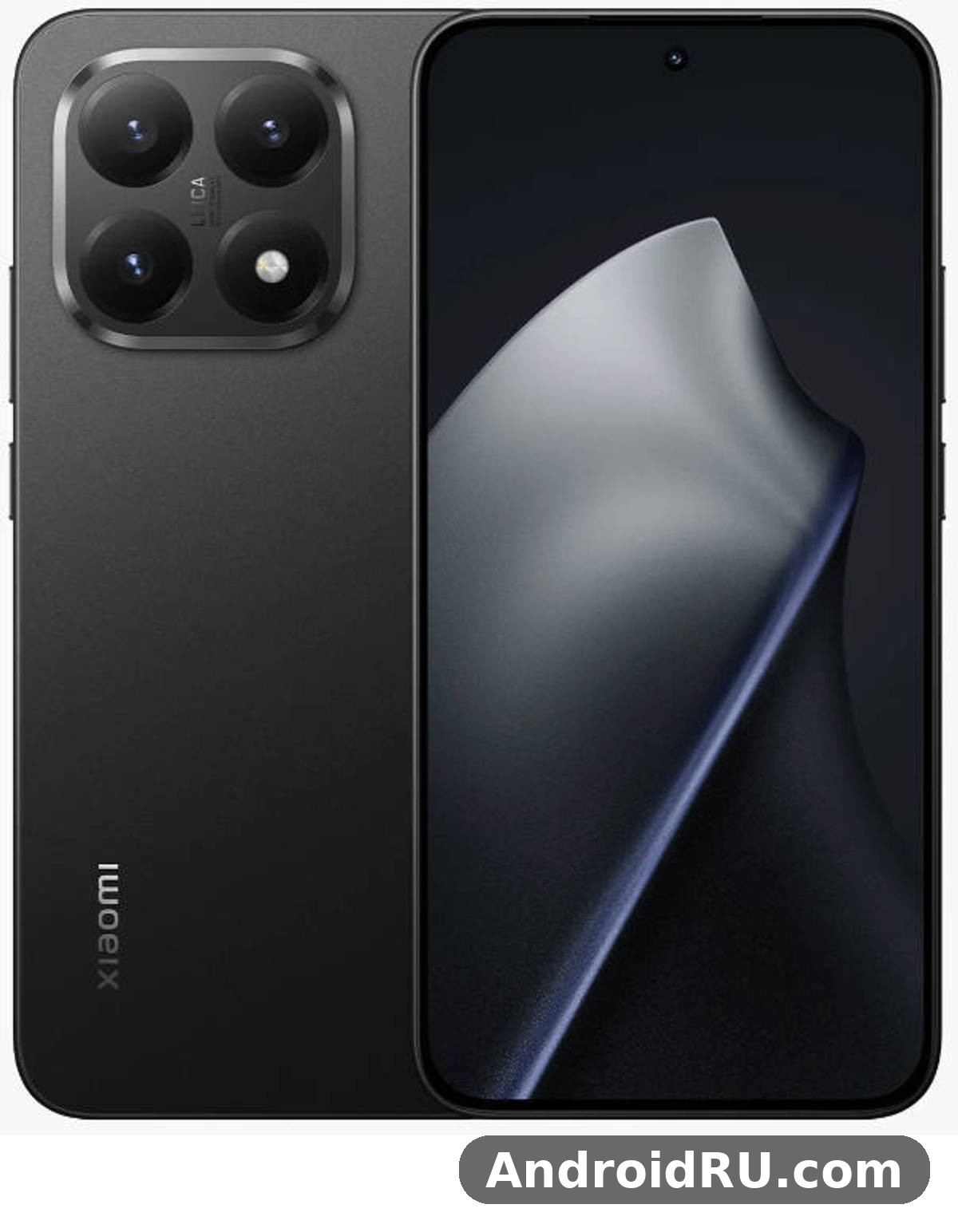
That positioning is the whole story of this phone. Xiaomi kept the parts people notice every day — the screen, the main camera, the battery — and trimmed the parts that only show up in a side-by-side comparison. The screen is big and bright, the main camera carries the Leica name and a large Light Fusion 800 sensor, and the battery is larger than the one in the smaller Xiaomi 15. What you give up against the Pro is raw peak performance, a faster charging ceiling, wireless charging, and a slightly brighter main lens. For a lot of buyers, that is a fair trade. For others, the Pro is the phone they actually want, and this review will keep pointing out where the line sits.
A note on how this review is put together: it is built from the official specification sheet, published lab figures, and published reviews of the retail phone, not from a single afternoon with one handset. Where a number comes from Xiaomi’s own labs, that is stated, and where a figure varies by region or by software version, the text says so rather than guessing. Prices are given as launch guidance with a reminder to check the current price, because regional pricing for this Xiaomi phone moves a lot in the months after launch.
Xiaomi 15T Design and Build Quality in Daily Use
The Xiaomi 15T design and build quality start with a simple fact: this is a big phone that tries hard not to feel like one. At 163.2 x 78 x 7.5 mm and 194 g, it is tall and wide, yet the 7.5 mm thickness and the flat frame keep it balanced in the hand. The flat display helps too. There is no curved edge to catch your palm, the aluminium frame gives the sides a solid feel that plastic frames in this price range rarely match, and the weight sits evenly enough that the phone does not feel top-heavy during long reading sessions. One-handed use is still a stretch, literally, because the screen is 6.83 inches across, but the flat sides give your fingers something honest to grip.
The build quality shows in the small details. The buttons have a firm click with no rattle, the USB-C port sits centred on the bottom edge next to the SIM tray, and the camera plate on the back is a rounded square that sits slightly proud of the panel without dominating it. The phone is available in Black, Gray, and Rose Gold, and the matte finish on the back resists fingerprints far better than the glossy slabs Xiaomi used to ship. The Rose Gold option is the most distinctive of the three, while Black is the safe choice that hides wear the longest. Whichever colour you pick, the in-hand feel is closer to a phone that costs considerably more than this one does.
Colours, Materials and In-Hand Feel
The front is protected by Corning Gorilla Glass 7i, a newer generation of cover glass that Xiaomi pairs with the flat AMOLED display. The frame is aluminium, and the back panel has a smooth matte finish that stays grippy enough without a case and wipes clean with a quick pass of a cloth. At 194 g the Xiaomi 15T is not light, but it is lighter than many phones with a battery this size, and the 7.5 mm profile means it slides into a jacket pocket without the bulk you might expect from a 5500mAh battery. The fingerprint sensor lives under the display, low enough to reach with a thumb, and the face unlock works as a backup for moments when your hands are wet or gloved. The Xiaomi 15T fingerprint sensor speed is quick in daily use: a short press wakes and unlocks the phone, and failed reads are rare once the print is registered twice at slightly different angles.
Durability, Speakers and Everyday Carrying
The Xiaomi 15T carries an IP68 rating, which means it is rated dust-tight and protected against immersion in fresh water under laboratory conditions, up to 1.5 metres for 30 minutes. That is a genuine flagship-grade rating, and it is one of the clearest signs that Xiaomi treats this model as a near-flagship rather than a mid-range phone. A Xiaomi 15T IP68 water resistance test in a lab is not the same as dropping the phone in a swimming pool, though. Chlorine, salt water, and soap all sit outside the test conditions, and liquid damage is not covered by the standard warranty, so treat the rating as insurance against accidents, not an invitation to take the phone swimming. A Xiaomi 15T case and screen protector are still worth buying on day one, not because the phone feels fragile, but because the camera plate sits slightly proud of the back and picks up scuffs on hard surfaces. Xiaomi includes a case in the box in many regions, so check what your retail box holds before ordering a third-party one. A Xiaomi 15T speaker quality test shows a stereo pair with clear voices and enough volume for video in a quiet room, though bass stays thin, as it does on almost every slim phone. The speakers are tuned for clarity rather than depth, which suits calls, podcasts, and dialogue-heavy video better than music.
Xiaomi 15T 6.83-inch AMOLED Display and Brightness
The display is the part of the Xiaomi 15T you will look at most, and Xiaomi clearly spent the budget here. The panel is a 6.83-inch AMOLED display with a 2772 x 1280 resolution, around 447 pixels per inch, a refresh rate of up to 120Hz, and a peak brightness of 3200 nits covering a quarter of the display area. It supports Dolby Vision and HDR10+, covers the DCI-P3 colour gamut, and reproduces 68 billion colours, which is the kind of figure that sounds like marketing until you watch HDR video on it and notice how smoothly bright highlights roll off instead of clipping to white. The flat panel is covered by Gorilla Glass 7i, and the whole screen feels modern in a way that the rest of the phone has to work to match.
Display brightness is where this panel earns its keep. In a Xiaomi 15T display brightness test, the screen stays readable in direct sun, and HDR highlights in video punch well above what the average phone in this price range manages. The panel also dims down to very low levels for night reading, and the 3840Hz PWM dimming helps with eye comfort for people who notice flicker on other OLED screens at low brightness. Xiaomi backs this with TUV Rheinland certifications for low blue light at the hardware level, flicker-free operation, and circadian-friendly output. None of that makes the screen magically restful at 1 a.m., but it does mean the hardware is doing what it can, and the software night modes do the rest.
Brightness, Colour and Eye Comfort
Colour handling on the Xiaomi 15T is flexible without being fussy. The default vivid mode makes photos and video look rich, while the original colour mode tracks closer to the source material for people who edit photos on their phone. Original Color Pro and Pro HDR modes sit in the display settings for those who want them, and the wet-touch technology means the screen keeps responding when your fingers are damp, which matters more than it sounds if you use the phone in rain or at the gym. The display brightness range is wide in both directions: bright enough for a sunny street and dim enough for a dark room without the lowest step feeling like a jump. For a phone that will spend most of its life showing photos, video, and maps, that range is the practical definition of a good screen.
Reading and Video Settings Worth Changing
Two settings are worth changing in the first week. First, try the reading mode schedule so the screen warms up in the evening without you having to remember it. Second, check the colour scheme setting and pick the mode that matches your eyes rather than the showroom default, because the vivid preset oversaturates skin tones in photos. Neither change is dramatic on its own, but together they make the screen feel like it belongs to you rather than to a shop display.
120Hz Refresh Rate and Touch Response
The 120Hz display refreshes smoothly through feeds, menus, and web pages, and the adaptive behaviour drops the rate when the screen is static, which saves battery without you noticing. Touch sampling runs at 480Hz, with an instantaneous rate of 2560Hz in Game Turbo mode, so taps and swipes register quickly even in fast games. The practical result is a phone that feels responsive in the hand: scrolling stops where you expect it to, and the screen does not feel like it is lagging half a beat behind your thumb. The refresh rate is not a variable LTPO panel that drops to 1Hz, so always-on display use costs a little more power than on the Pro, but the difference is small next to the 5500mAh battery underneath.
Xiaomi 15T Dimensity 8400 Ultra Performance and Gaming
The Xiaomi 15T Dimensity 8400 Ultra performance story starts with the chip itself: a 4nm MediaTek part with one Cortex-A725 core at up to 3.25GHz, three more at up to 3.0GHz, and four efficiency cores at up to 2.1GHz, paired with a Mali-G720 GPU and the NPU 880 for AI tasks. It is not the Dimensity 9400+ in the 15T Pro, and the gap shows up in sustained heavy loads and in the most demanding benchmark runs, but in everyday use the two phones feel closer than the spec sheet suggests. Apps open quickly, the camera processes shots without a pause, and switching between a dozen apps rarely forces a reload, thanks in part to the 12GB of LPDDR5X RAM that every configuration carries.
The Dimensity 8400 Ultra is best understood as a chip built for the way most people use a phone: short bursts of hard work separated by long stretches of light use. The single fast core handles the tap, the three performance cores handle the game or the photo edit, and the efficiency cores handle everything else without waking the big cores for no reason. Storage is UFS 4.1, which keeps app installs and large file moves quick, and the 12GB of RAM means multitasking stays smooth even with a browser full of tabs, a map running in the background, and music playing on top. The Xiaomi 15T storage options 256GB 512GB cover most buyers without fuss: 256GB is enough for a large photo library and a healthy app collection, while 512GB suits people who shoot a lot of 4K video or keep offline maps and media on the phone. There is no microSD card slot, so pick the size with your next two years in mind, not just today.
Everyday Speed and Multitasking
In daily use, the Xiaomi 15T feels fast in the ways that matter. The home screen, the camera, and the browser all respond at once, and the phone keeps its composure when you jump from a video call to a document to a photo edit without closing anything. HyperOS 2 helps here, because its animations are short and its background management is less aggressive than older Xiaomi software, so apps you left open tend to still be open when you come back. The Dimensity 8400 chip also handles AI features on-device where it can, which keeps features like photo editing and live transcription responsive without waiting on a connection. If you are coming from a phone that is three or four years old, the step up in everyday speed will feel immediate, and if you are coming from a flagship, the difference will mostly show up in the heaviest tasks rather than in normal use.
Gaming Performance and Heat Management
Gaming performance is strong for the price. In a Xiaomi 15T gaming performance test, popular titles run at high settings with stable frame rates, and the phone holds those rates for a full match without the sharp drop-off that cheaper phones show after ten minutes. The large screen helps, the stereo speakers help, and Game Turbo mode pulls the touch sampling rate up to its 2560Hz peak, which makes fast games feel more connected to your fingers. Reports of Xiaomi 15T overheating during gaming are rare, and when the phone does get warm, it tends to be around the camera plate after a long session rather than across the whole body. The frame stays comfortable to hold, and the phone throttles gently rather than stuttering, which is the right trade for a device you hold in your hands for an hour at a time.
Game Turbo Settings
Game Turbo is worth opening before a long session. It lets you block notifications, lock the brightness, and watch frame rate and temperature in a small overlay, and it keeps the phone from dimming the screen mid-game. Turn on the performance mode inside Game Turbo for competitive titles, and leave it off for casual games, because the extra heat and battery use are not free. The difference between the two modes is real, and it is the simplest way to tune the phone to the game rather than the other way round.
HyperOS 2 Software Experience on the Xiaomi 15T
The Xiaomi 15T ships with Android 15 and HyperOS 2, Xiaomi’s own software layer, and the experience is cleaner than Xiaomi’s reputation suggests. The home screen, control centre, and settings are coherent, the lock screen is genuinely customisable, and the system animations are quick without feeling rushed. HyperOS 2 brings AI-assisted writing tools, photo editing tools in the Gallery, live translation features, and Google’s Gemini assistant, along with Circle to Search, which lets you circle anything on screen to search for it. None of these features will change your life on their own, but together they make the phone feel current rather than merely new.
The Xiaomi 15T HyperOS 2 features that matter most are the small ones. The control centre is easy to reach and easy to rearrange, the notification shade separates messages from system alerts without hiding either, and the Gallery app can remove objects from photos and expand an image beyond its original frame. The camera app carries the Leica modes and filters, the file manager is quick, and the built-in security app gives you a single place to check permissions, battery use, and background activity. There is still some pre-installed software you may want to remove or disable, and the exact set varies by region, so spend ten minutes on the first day uninstalling what you will never open. After that, the software gets out of the way, which is the highest praise a phone interface can earn.
HyperOS 2 Features Worth Using
A few HyperOS 2 features deserve a proper look in the first week. Circle to Search is the fastest way to identify a product, a place, or a plant in a photo. The Gallery AI tools can clean up a shot that is nearly perfect, and the live translation features help on calls and in messaging when you are travelling. The lock screen editor lets you change the clock style, the wallpaper depth effect, and the shortcuts, so the phone looks like yours rather than like every other Xiaomi phone. The interconnectivity features with Xiaomi tablets and laptops are useful if you own them, and harmless if you do not. The key point is that these features are present without being pushed at you: the phone does not nag you to try them, and the ones you ignore cost you nothing.
Software Updates and Long-Term Support
The Xiaomi 15T software update policy covers four generations of Android OS upgrades and six years of security patches, as announced at launch. That means a phone bought in 2026 should keep receiving new Android versions for several years, with the GSMArena listing already noting an upgrade path to Android 16 with HyperOS 3. Software updates arrive as full system updates rather than small patches, and the phone supports the modern update mechanism that installs in the background, so an update rarely costs you more than a restart. Long support matters more than it used to, because the hardware in this phone — the screen, the battery, the cameras — will still be good in three years, and the software is what decides whether the phone still feels good then. Four OS upgrades and six years of patches put the Xiaomi 15T in respectable company for its price, and it is one of the stronger reasons to choose it over a cheaper phone with a shorter promise.
Notification and Battery Settings to Check First
Two settings deserve attention on day one. First, check notification permissions per app, because HyperOS 2 can be strict with background apps, and a messaging app that sleeps too deeply will deliver messages late. Second, open the battery settings and look at the app-by-app usage, which shows you quickly whether one app is draining power in the background. The battery saver modes are genuinely useful on long days, and the scheduled charging option can hold the battery at a lower level overnight and finish charging before your alarm, which is kinder to long-term battery health.
Xiaomi 15T Leica Camera Quality: Photos, Zoom and Video
This Xiaomi 15T camera quality review looks at the three rear cameras as a set, because that is how they are meant to be used. The Leica Summilux triple camera system pairs a 50MP main camera with a Light Fusion 800 sensor, an f/1.7 aperture, and optical image stabilisation, with a 50MP telephoto at 46mm offering 2x optical zoom and a 12MP ultrawide at 15mm with a 120-degree field of view. The main camera uses a 23mm equivalent focal length, the telephoto covers 46mm, and the master-lens system adds 35mm and 75mm portrait lengths in software. One correction is worth making plainly: the official specification lists the main camera aperture as f/1.7, and the wider f/1.62 aperture belongs to the 15T Pro, not this phone. That difference is real, but it is small next to the sensor size and the Leica colour science, which do most of the work in the photos you actually take.
Published Xiaomi 15T Leica camera samples show a consistent look across all three lenses: natural colours in the Leica Authentic style, punchier colours in Leica Vibrant, and a level of detail that holds up when you crop in. Daylight shots are sharp across the frame, with good dynamic range and honest skin tones, and the phone handles tricky mixed lighting — a bright window behind a person, a shaded street with a sunlit wall — without blowing out the highlights or crushing the shadows. The camera app is fast, the shutter is responsive, and the Leica filters, the classic shutter sound, and the Leica watermark are there for people who enjoy them and easy to switch off for people who do not. Photo quality is the area where this phone most clearly behaves above its price, and it is the main reason to pick it over a rival with a faster chip but a weaker camera.
Main Camera and Leica Colour
The main camera is the star of the set, and it earns that place. The 50MP Light Fusion 800 sensor uses 2.0-micrometre 4-in-1 pixels, which gather more light per pixel than the raw megapixel count suggests, and the optical stabilisation keeps shots sharp at slower shutter speeds. In daylight, the main camera produces detailed, well-exposed images with colours that look like the scene rather than like a postcard of it. The two Leica photographic styles are the heart of the experience: Leica Authentic keeps contrast and saturation restrained, with the film-like look that Leica shooters recognise, while Leica Vibrant adds warmth and punch for scenes that can take it. Xiaomi ProFocus tracks moving subjects, and the Lightning Burst mode helps with fast moments, so the camera is as useful for a child running across a park as it is for a still landscape.
Leica Authentic vs Leica Vibrant
Choosing between the two Leica styles is a matter of taste, and the right answer is to try both for a week. Leica Authentic suits portraits, street scenes, and anything where you want the photo to look like the moment felt. Leica Vibrant suits food, flowers, travel scenes, and anything where a little extra colour helps the image sing. The styles apply to all three rear cameras, so switching between lenses does not change the look of your photos, and the filters sit on top of the styles rather than replacing them. If you edit your photos afterwards, start with Authentic, because it gives you more room to work with. If you share straight from the phone, Vibrant is the easier choice.
Night Mode and Low Light
Xiaomi 15T night mode photos hold up well against phones that cost considerably more. The main camera uses its large sensor and stabilisation to keep shutter speeds low without blur, and the night mode stacks exposures to pull detail out of shadows while keeping bright signs and street lights under control. The results are bright without looking fake, and noise stays low in the areas that matter, like faces and skies. The telephoto struggles more in very low light, as every small telephoto does, and the ultrawide is the weakest of the three after dark, so the practical tip is simple: use the main camera at night whenever you can, and save the other two lenses for daylight. Readers who want to see how far the Leica partnership has come on the older flagship can compare with the Xiaomi 14 Ultra Review: Daily Performance and Key Features, which covers the previous generation of Xiaomi’s Leica tuning.
Telephoto Zoom and Ultrawide
The Xiaomi 15T telephoto zoom quality is good for a 2x lens, and the 50MP sensor behind it gives the digital zoom room to work. At 2x, shots are sharp and consistent with the main camera, which makes the telephoto the right lens for portraits and for subjects you cannot walk closer to. Digital zoom extends to 60x, but the useful range ends well before that: 4x to 5x stays presentable for social sharing, and beyond that the image softens quickly, as it does on every phone without a dedicated periscope lens. The 46mm focal length is also the classic portrait length, and the master-lens system adds a 75mm option that flattens facial features in a flattering way. A few Xiaomi 15T portrait mode tips: shoot at 46mm or 75mm rather than the wide lens, step back instead of zooming with your feet, and use the Leica portrait filters sparingly, because the natural bokeh from the telephoto is often enough on its own. The older Pro model covered in the Xiaomi 14 Pro Review: Photo Quality, Video and Performance shows how Xiaomi’s portrait tuning has developed over the last two generations, and the 15T inherits most of that work.
This Xiaomi 15T ultrawide camera review section is shorter, because the lens itself is the simplest of the three. The 12MP ultrawide covers 15mm with a 120-degree field of view, and it is at its best in daylight, where it captures architecture, landscapes, and tight interiors that the main camera cannot fit. Colours match the main camera well in good light, and distortion is controlled at the edges, though straight lines near the corners still bend a little. In low light the smaller sensor shows its limits, with softer detail and more noise than the main camera, so treat the ultrawide as a daylight tool and a creative option rather than an everyday lens. That is a fair trade at this price: the ultrawide is there when you need the width, and the main camera does the heavy lifting the rest of the time.
Video Recording and Selfie Camera
Video is a genuine strength of this phone. A Xiaomi 15T 4K video recording test shows stable, detailed footage at 4K and 30 or 60 frames per second, with gyro-based stabilisation smoothing out walking shots and 10-bit Rec. 2020 colour with HDR10+ support for high-dynamic-range scenes. Slow motion reaches 1080p at up to 960 frames per second, and the camera app offers a video teleprompter, time-lapse, and slow-motion selfie modes for creators. The video recording quality holds up in low light better than the stills from the ultrawide do, because the main sensor and stabilisation do the work, and the microphones capture clean audio in normal conditions. For a phone at this price, 4K at 60 frames per second with this level of stabilisation is a real selling point, not a checkbox feature.
The Xiaomi 15T selfie camera quality is solid without being remarkable. The 32MP in-display front camera uses an f/2.2 aperture and a 21mm equivalent focal length, and it records 4K video at 30 frames per second with HDR10+ support. Daylight selfies are detailed with natural skin tones, the portrait mode separates the subject cleanly from the background, and the screen fill light helps in dim rooms. The front camera also offers a palm shutter, a voice shutter, a timed burst, and a selfie timer, which are small features that make group shots easier. It is not the phone’s standout feature, but it is comfortably good enough for video calls, social posts, and the occasional vlog, and it matches the rest of the camera system in colour, so photos from the front and back sit well together in the same album.
Xiaomi 15T Battery Life and 67W Charging Speed
This Xiaomi 15T 5500mAh battery review section starts with the number that matters: 5500mAh is a large battery by any standard, and it is the single biggest reason this phone lasts as long as it does. The 5500mAh battery is a Xiaomi Surge cell, and it pairs with an efficient 4nm chip and a display that can drop its refresh rate when nothing is moving, so the phone stretches its charge further than the raw capacity alone would suggest. In mixed daily use — messaging, maps, photos, video, and a stretch of music or gaming — the phone comfortably reaches the end of a long day with charge to spare, and lighter users will find it stretches into a second day without anxiety.
Any serious Xiaomi 15T battery life test has to cover more than a single day, because the first day with a new phone is never typical. Published tests generally land in the same place: a full day and a half of mixed use for most people, with heavy days ending around a quarter of the battery remaining and light days ending closer to half. Screen-on time varies with brightness and with how much of the day is spent on 5G rather than Wi-Fi, so treat any single hour count as a guide rather than a promise. What matters is the pattern, and the pattern here is consistent: the Xiaomi 15T is a two-day phone for light users and a comfortable one-day phone for heavy users, which is exactly what a 5500mAh battery should deliver. Xiaomi 15T battery drain overnight is small, typically a few percent with the always-on display off and a little more with it on, so the phone does not punish you for forgetting to charge it before bed.
Battery Life in Real Use
Battery life in real use depends on the screen more than on anything else, and the 6.83-inch panel is the biggest consumer of power in this phone. Keeping the refresh rate on its adaptive setting, rather than forcing 120Hz everywhere, saves a noticeable amount over a day, and the display brightness setting matters more than any battery saver mode. Video streaming over Wi-Fi is efficient, gaming is the hungriest normal activity, and 5G in a weak signal area drains the battery faster than any app will. The practical advice is simple: use the adaptive refresh rate, keep brightness on automatic, and let the phone manage its background apps, because HyperOS 2 is good at that job when it is left alone. The battery is large enough that you do not need to micromanage it, and that is the real luxury of a phone like this.
67W Charging Speed and What Is in the Box
Charging is fast, with one caveat worth knowing before you buy. A Xiaomi 15T charging speed test from empty takes the phone to around half charge in roughly a quarter of an hour and to full in around 50 minutes with the 67W HyperCharge adapter, using Xiaomi’s own lab figures as the guide. The phone supports PD3.0 and PD2.0 charging over USB-C, so third-party chargers work, though they may charge more slowly than Xiaomi’s own 67W adapter, and Xiaomi recommends its 67W adapter or above for the fastest results. The 67W charging is wired only: there is no wireless charging on this model, which is one of the clear differences from the 15T Pro, and one of the costs of the lower price. Check whether your retail box includes the 67W adapter, because in some regions it is sold separately, and the cable in the box is USB-C on both ends. The charging speed is quick enough that a short top-up before leaving the house is genuinely useful, and the phone manages heat well during charging, so it does not get uncomfortably warm on a desk while it fills up.
Full Specifications of the Xiaomi 15T
The Xiaomi 15T full specifications below come from the official specification sheet and the GSMArena listing, with the release date confirmed as 24 September 2025. Where a figure varies by region, the table gives the global specification, and the text notes the difference. If a detail matters for your purchase — a specific band, a specific colour, or the contents of the retail box — check the official page for your region before ordering, because regional variants can differ in small ways.
| Feature | Xiaomi 15T Detail |
|---|---|
| Announced / Released | 24 September 2025 / 24 September 2025 |
| Dimensions | 163.2 x 78 x 7.5 mm |
| Weight | 194 g |
| Build | Glass front with Gorilla Glass 7i, aluminium frame, IP68 rating for dust and water resistance |
| Display | 6.83-inch AMOLED display, 2772 x 1280, 447 ppi, up to 120Hz, 3200 nits peak brightness, Dolby Vision, HDR10+, 68 billion colours, DCI-P3, 3840Hz PWM dimming |
| Operating system | Android 15 with HyperOS 2, upgradable to Android 16 with HyperOS 3 |
| Chipset | MediaTek Dimensity 8400 Ultra, 4nm, octa-core up to 3.25GHz, Mali-G720 GPU, NPU 880 |
| Memory | 12GB LPDDR5X RAM, 256GB or 512GB UFS 4.1 storage, no microSD card slot |
| Main camera | Triple Leica Summilux: 50MP wide f/1.7, 23mm, Light Fusion 800 sensor, OIS; 50MP telephoto f/1.9, 46mm, 2x optical zoom; 12MP ultrawide f/2.2, 15mm, 120-degree field of view; up to 60x digital zoom; 4K video at 30 and 60 fps, gyro-EIS, 10-bit Rec. 2020, HDR10+ |
| Selfie camera | 32MP, f/2.2, 21mm, 4K video at 30 fps, HDR10+ |
| Sound | Stereo speakers, no 3.5mm headphone jack |
| Connectivity | 5G, Wi-Fi, Bluetooth 6.0, NFC, infrared port, USB-C |
| Sensors | In-display fingerprint sensor, accelerometer, gyroscope, proximity sensor, compass, colour spectrum sensor |
| Battery | 5500mAh Xiaomi Surge battery, 67W HyperCharge wired charging, PD3.0 and PD2.0 support, no wireless charging |
| Colours | Black, Gray, Rose Gold |
| Model number | 25069PTEBG |
Connectivity, Sensors and Extras
The Xiaomi 15T WiFi connectivity features include dual-band Wi-Fi, Bluetooth 6.0 with support for high-quality audio codecs, NFC for payments and pairing, an infrared port that turns the phone into a remote control for a TV or air conditioner, and a USB-C port for charging and data. The phone supports 5G on sub-6GHz bands, dual SIM operation, and satellite-free positioning through GPS, Galileo, GLONASS, BeiDou, and QZSS. The sensor set covers the usual list — accelerometer, gyroscope, proximity, compass, and a colour spectrum sensor that helps the camera judge white balance — plus the in-display fingerprint sensor and face unlock. There is no headphone jack, so wired listening needs a USB-C adapter or USB-C headphones, and there is no microSD slot, which makes the storage choice at purchase time the one that counts. The extras are not flashy, but they are complete, and the infrared port in particular is a small feature that Xiaomi owners tend to miss the moment they switch to a phone without one.
Xiaomi 15T vs Rivals and Alternatives
The Xiaomi 15T does not exist in isolation, and the most useful comparison is with the two phones buyers most often weigh it against: its own Pro sibling and the smaller Xiaomi 15. The table below lines up the differences that matter, and the sections underneath explain which of them should change your decision. The short version is that the 15T wins on value, the Pro wins on camera reach and charging, and the smaller Xiaomi 15 wins on size and peak performance, so the right choice depends on which of those you notice every day.
| Feature | Xiaomi 15T | Xiaomi 15T Pro | Xiaomi 15 |
|---|---|---|---|
| Chipset | Dimensity 8400 Ultra | Dimensity 9400+ | Snapdragon 8 Elite |
| Display | 6.83-inch AMOLED, 120Hz, 3200 nits peak | 6.83-inch AMOLED, 120Hz, 3200 nits peak | 6.36-inch LTPO AMOLED, 120Hz |
| Main camera | 50MP Leica, f/1.7, OIS | 50MP Leica, f/1.62, OIS | 50MP Leica, f/1.62, OIS |
| Telephoto | 50MP, 2x optical zoom | 50MP periscope, 5x optical zoom | 50MP, 2.6x optical zoom |
| Battery and charging | 5500mAh, 67W wired, no wireless charging | 5500mAh, 90W wired, 50W wireless | 5240mAh, 90W wired, 50W wireless |
| Water resistance | IP68 rating | IP68 rating | IP68 rating |
| Software | Android 15, HyperOS 2 | Android 15, HyperOS 2 | Android 15, HyperOS 2 |
| Position | Best value of the three | Most capable camera and fastest charging | Smallest and fastest, shorter battery life |
Xiaomi 15T vs Xiaomi 15T Pro
The Xiaomi 15T vs Xiaomi 15T Pro decision comes down to zoom, charging, and peak speed. The Pro uses the Dimensity 9400+ chip, charges at 90W wired with 50W wireless on top, and carries a 5x periscope telephoto with the wider f/1.62 main aperture, while the standard 15T stops at 2x zoom, 67W wired charging, and no wireless charging. Everything else — the 6.83-inch screen, the 5500mAh battery, the IP68 rating, the HyperOS 2 software, and the Leica colour — is shared or nearly so. If you shoot distant subjects often, charge wirelessly at your desk, or play the most demanding games for hours, the Pro earns its premium. If none of those apply to you, the standard 15T keeps almost all of the experience for considerably less money. For a closer look at the Pro model, read the Xiaomi 15T Pro Review: Build Quality, Software and Daily Speed, which covers the same design language and software from the Pro side of the line.
Xiaomi 15T vs Xiaomi 15
The Xiaomi 15 is the smaller, faster alternative, and the choice here is about size first and everything else second. The Xiaomi 15 pairs a 6.36-inch screen with the Snapdragon 8 Elite, a 2.6x telephoto, and 90W wired plus 50W wireless charging, but its 5240mAh battery is smaller and its screen is considerably more compact. The 15T answers with a much larger display, a larger battery, and a lower price, at the cost of the faster chip and the wireless charging. Buyers who want a phone that disappears into a pocket should look at the smaller model, covered in the Xiaomi 15 Review: Cameras, Performance and Battery Life. Buyers who watch a lot of video, read for hours, or simply like a big screen will be happier with the 15T, and the battery life difference in real use is large enough to feel. The older Xiaomi 15 Pro, covered in the Xiaomi 15 Pro Review: Photo Quality, Video and Performance, is another option for buyers who find a good deal on the previous generation, though its software support window is shorter than the 15T’s from the date of purchase.
Xiaomi 15T Frequently Asked Questions
Is the Xiaomi 15T waterproof?
The Xiaomi 15T is water resistant, not waterproof, and the distinction matters. Its IP68 rating means it is protected against dust and against immersion in fresh water under laboratory conditions, up to 1.5 metres for 30 minutes. That covers rain, splashes, and an accidental drop in a sink. It does not cover swimming pools, the sea, hot tubs, or soapy water, and liquid damage is not covered by the standard warranty. Treat the rating as protection against accidents, dry the phone if it gets wet, and do not charge it while the USB-C port is still damp.
Does the Xiaomi 15T support wireless charging?
No, the Xiaomi 15T does not support wireless charging. Charging is wired only, at up to 67W with the HyperCharge adapter, and the phone supports PD3.0 and PD2.0 over USB-C. If wireless charging is a daily habit for you — a charging pad on the desk, a car mount with a built-in charger — the 15T Pro is the model in this family that offers it, at 50W. For everyone else, the 67W wired charging is fast enough that a short top-up during the day covers most needs, and a full charge takes around 50 minutes from empty.
How many Android updates will the Xiaomi 15T get?
The Xiaomi 15T is promised four generations of Android OS upgrades and six years of security patches, as announced at launch. It ships with Android 15 and HyperOS 2, with an upgrade path to Android 16 and HyperOS 3 already noted in the specification listings. Security patches continue after the OS upgrades end, which means the phone should stay safe to use for several years after it stops receiving new Android versions. That support window is one of the stronger reasons to choose the 15T over a cheaper phone with a shorter promise.
Is the Xiaomi 15T good for gaming?
Yes, the Xiaomi 15T is good for gaming at its price. The Dimensity 8400 Ultra runs popular titles at high settings with stable frame rates, the 6.83-inch 120Hz display gives games room to breathe, and the stereo speakers and Game Turbo mode round out the experience. The phone warms up during long sessions but rarely gets uncomfortable, and it throttles gently rather than stuttering. It will not match the sustained peak performance of the Dimensity 9400+ in the 15T Pro or the Snapdragon 8 Elite in the Xiaomi 15, but for most players the difference is visible only in benchmark charts, not in the game itself.
Xiaomi 15T Verdict: Who Should Buy It and Who Should Skip It
So, is Xiaomi 15T worth buying in 2026? For most buyers, the answer is yes, with the usual condition that the price is right on the day you buy it. The Xiaomi 15T price in 2026 depends on region and storage: at launch it sat around 649 euros in Europe for the 12GB and 256GB configuration, and street prices have drifted lower since, so check the current price before deciding rather than trusting a launch figure. What you get for that money is a large, bright AMOLED screen, a Leica camera that is genuinely good rather than merely branded, a battery that lasts a day and a half for most people, and software support that runs for years. The compromises — no wireless charging, a 2x telephoto instead of a periscope, and a chip that is fast rather than the fastest — are honest ones, and they are the reason the phone costs what it does.
A Xiaomi 15T long term review after six months would focus on three things: whether the battery still holds its charge, whether the software updates keep arriving on time, and whether the camera still delights after the novelty fades. On the evidence available at launch, all three look promising. The 5500mAh battery has the headroom to age gracefully, the update promise is longer than most rivals offer, and the Leica colour science is the kind of thing that grows on you rather than wearing off. The phone is not trying to be the best at any single thing. It is trying to be good at everything that matters every day, and on that measure it succeeds.
Who Should Buy the Xiaomi 15T
Buy the Xiaomi 15T if you want a big-screen phone with a strong camera and a long-lasting battery without paying flagship money. It suits photographers who like the Leica look, readers and video watchers who want the 6.83-inch screen, and anyone who is tired of charging their phone twice a day. It also suits buyers who keep a phone for three or four years, because the update promise and the battery size both point in that direction. If your current phone is three or more years old, the step up in screen, camera, and battery life will feel like a proper upgrade rather than a sideways move.
Who Should Look Elsewhere
Look elsewhere if wireless charging is part of your daily routine, if you regularly shoot subjects too far away for a 2x zoom, or if you play the most demanding games for hours and want the fastest chip available. In those cases the 15T Pro is the natural step up within the same family, and the smaller Xiaomi 15 is the alternative for buyers who want a compact phone with a faster chip. Everyone else can buy the Xiaomi 15T with confidence: check the current price for your region, pick the 512GB version if you shoot a lot of 4K video, and spend the money you saved on a case and a charger if your box does not include one.

