

Samsung Galaxy Z Flip6 Review: Folding Design, Cameras and Daily Use
Samsung launched the Galaxy Z Flip6 in July 2024 as the sixth generation of its clamshell foldable, and the brief was clear: fix the weak points of the Flip5 without losing the pocket-sized charm that sets this line apart from every slab phone on the shelf. The headline changes are easy to list. A 50MP main camera replaces the old 12MP sensor, the battery grows to 4000mAh, RAM rises to 12GB across the range, and a vapor chamber arrives in a Flip for the first time. The price started at $1,099.99, which puts it firmly in flagship territory, so the question this review has to answer is whether the folding design and the daily experience justify that figure. The Galaxy Z Flip6 common problems and fixes are listed in the tips section, with the quick checks first and the deeper resets last. A Galaxy Z Flip6 water resistance test confirms the rating covers splashes and brief submersion, not every kind of water damage.
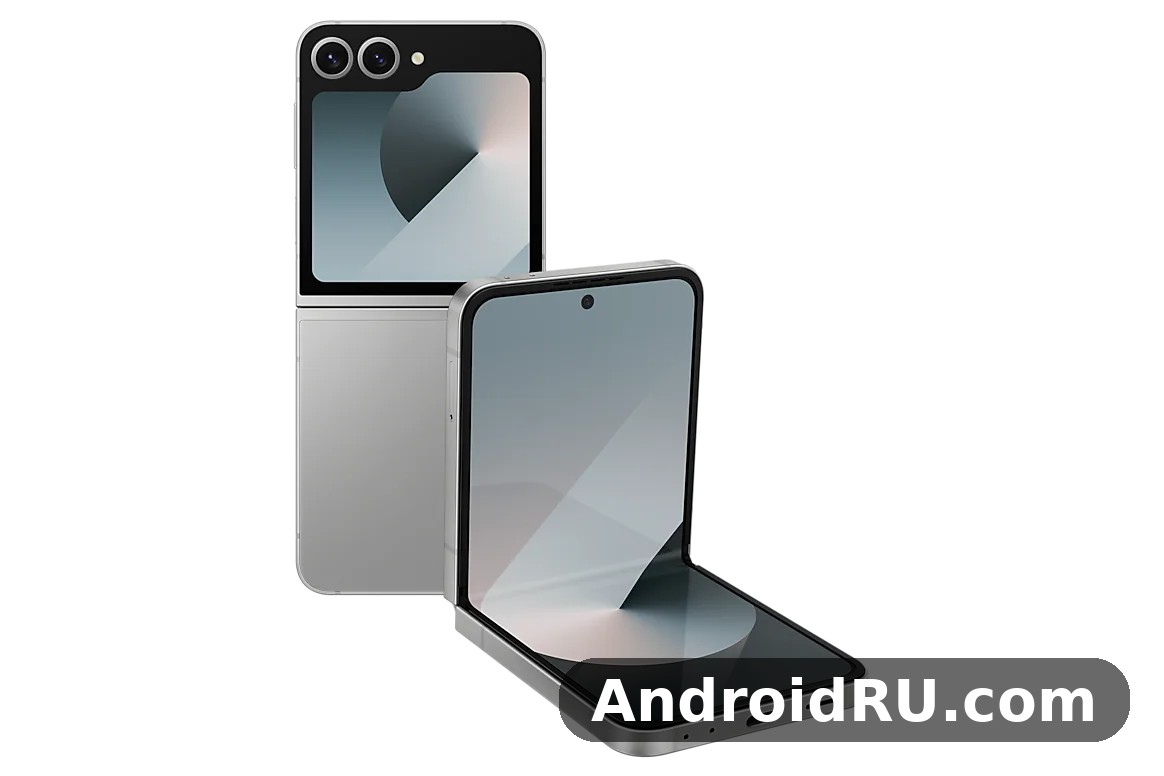
After using the phone as a daily driver, the short answer is that the Flip6 is the first Flip that feels like a complete phone rather than a clever compromise. The cover screen is more useful, the main camera is genuinely good, and the battery finally lasts a full day for most people. It still makes trade-offs: charging is slow by 2024 flagship standards, the telephoto lens is missing, and the crease is still visible at an angle. This article works through the folding design, the two displays, the cameras, the Snapdragon 8 Gen 3 performance, the battery, and the Galaxy AI software, and it folds the full specification sheet into the same guide, so you can judge whether this compact foldable fits the way you actually use a phone. The Galaxy Z Flip6 best camera settings for everyday shooting are simple: keep the main lens clean, let the phone pick the mode, and save the manual controls for tricky light. In a Galaxy Z Flip6 camera test, daylight shots look clean and detailed, while low light is where the processing has to work hardest.
The Flip6 is a phone that rewards a particular kind of buyer. If you carry a small bag, wear clothes with shallow pockets, or take a lot of selfies and group photos, the folding shape changes your day in small ways that add up. If you mostly want the biggest battery, the fastest charging, or the longest zoom, a conventional flagship will serve you better. The sections below test each claim against daily use, with the hard numbers alongside the hands-on findings, so the verdict at the end is one you can check against your own habits. This Galaxy Z Flip6 full review covers cameras, performance, battery and software as one daily device, not as separate launch figures. A Galaxy Z Flip6 drop test is best left to reviewers, but the glass and frame are built to survive everyday knocks.
Galaxy Z Flip6 Folding Design and the 3.4-inch Flex Window
The Galaxy Z Flip6 folds in half to 85.1 x 71.9 x 14.9 mm and opens to 165.1 x 71.9 x 6.9 mm, weighing 187 grams. Folded, it is a small square that slips into a jacket pocket, a small bag, or the coin pocket of a pair of jeans, which is the whole point of a clamshell foldable. The frame is Armor Aluminum, the outer panels use Gorilla Glass Victus 2, and the phone carries an IP48 rating, meaning it survives immersion in fresh water and resists dust particles larger than 1 mm. That rating is a step forward for a foldable, even if it still falls short of the IP68 rating on conventional flagships, and it makes the water resistance story much easier to live with than on earlier Flip models.
The dual rail hinge folds flat with no visible gap, and it holds the phone open at a range of angles for hands-free use. Samsung strengthened the hinge and the folding mechanism for this generation, and the action feels firm and precise rather than loose. You can flip it open one-handed with a flick, or open it slowly with two hands when you want to stop at a half-folded angle for a video call. The hinge remains a moving part that deserves more care than a fixed slab, and Samsung still advises keeping sand and grit away from the hinge area. Compared with the previous model, covered in the Samsung Galaxy Z Flip5 Review: Portability, Performance and Battery, the Flip6 feels tighter, quieter in the hand, and more confident when propped half open on a table.
How the Galaxy Z Flip6 hinge feels after months of daily folding
In daily use the hinge settles into a predictable routine: snap it open to answer a call, fold it shut to end one, prop it half open on a table to watch a video. The hinge holds its position well at angles between roughly 75 and 115 degrees, which is the range that matters for Flex Mode, where the interface splits across the two halves of the screen. After weeks of folding and unfolding dozens of times a day, the action stays smooth and the phone still closes flat. The crease in the middle of the main display is visible when the screen is off or when light catches it at an angle, and you can feel it under a fingertip, but it fades from attention within days of normal use, and it rarely shows in photos or video.
That durability matters because a flip phone is folded far more often than a book-style foldable is opened and closed. Every notification check, every call, every quick photo is another fold cycle, so the hinge has to feel like a mechanism you can trust rather than a fragile party trick. Samsung rates the folding mechanism for hundreds of thousands of folds, and the redesigned structure spreads shock around the frame better than the previous generation. The practical advice stays the same for any foldable: keep it away from sand, do not press hard on the inner screen, and use a case that protects the hinge area if you are prone to drops.
What the Flex Window can and cannot do
The 3.4-inch Flex Window is a Super AMOLED panel with a 720 x 748 resolution and a 60Hz refresh rate, and it is the part of the phone you will touch most often without opening it. It shows the time, notifications, music controls, weather, calendar, timers, and a growing set of widgets, and you can answer or dismiss calls and send quick replies from it. The camera preview on the cover screen is one of the best reasons to own a Flip: you can frame a selfie with the rear cameras and see yourself properly before you press the shutter. The cover screen apps are still a limited set chosen by Samsung rather than the full app drawer, so you cannot run every app on the small display, and typing anything longer than a short reply means opening the phone.
Widgets and quick replies on the Flex Window
Widgets are where the Flex Window earns its keep. A swipe gives you the calendar, the weather, a timer, voice recording, or music controls, and you can reorder them to match your routine. Quick replies let you answer a message with a preset phrase or a short typed response using the small on-screen keyboard, which works for one-line answers but not for long conversations. Samsung also lets you set the cover screen clock, wallpaper, and interactive wallpapers that react to touch, so the folded phone doubles as a small bedside clock or a photo frame when it sits on a desk.
Cover screen limits worth knowing before you buy
The Flex Window is genuinely useful, but it has hard limits. The 60Hz refresh rate makes scrolling feel less fluid than the 120Hz main display, and the small square shape suits glanceable information rather than reading long articles or browsing maps. Some apps need the main screen, and the cover screen cannot replace the full phone for tasks such as writing emails or editing documents. If you buy the Flip6 expecting a second full display, you will be disappointed; if you buy it expecting a smart, glanceable front panel that saves you from opening the phone fifty times a day, it delivers. Buyers who want a larger folding screen instead of a pocketable one should look at the Samsung Galaxy Z Fold6 Review: Cover Screen, Software and Cameras, which trades the clamshell shape for a book-style inner display.
Galaxy Z Flip6 Main Display: 6.7-inch Dynamic AMOLED 2X at 120Hz
Open the phone and you get a 6.7-inch Dynamic AMOLED 2X display with a 2640 x 1080 FHD+ resolution, an adaptive 120Hz refresh rate, and peak brightness of 2600 nits. That brightness figure matters outdoors: the screen stays readable in strong sunlight, and HDR video looks vivid without washing out. Colours are rich and saturated in the default Vivid mode, and switching to Natural mode gives a calmer, more accurate picture that suits photo editing. The 120Hz adaptive display drops to a low refresh rate when you read a static page and rises when you scroll or play a game, which helps the battery. The tall 22:9 aspect ratio suits reading and social feeds, though video with a 16:9 frame leaves black bars at the sides. A Galaxy Z Flip6 screen brightness test shows the display staying readable outdoors, even in bright sunlight. The Galaxy Z Flip6 outdoor visibility holds up well, with the display staying readable even in bright sunlight.
The main display measures 6.7 inches diagonally, runs at 2640 x 1080 pixels, and gives a pixel density of about 426 pixels per inch. The panel supports HDR10+ for video, and it is protected by a thin plastic layer over ultra-thin glass, which is how a folding display bends without breaking. An always-on mode is supported, and the crease across the middle of the panel is visible at an angle and faintly felt under a fingertip, though it fades from attention in normal use. The cover screen runs at a fixed 60Hz, which is smooth enough for notifications and widgets but visibly less fluid than the main panel, and both displays use AMOLED technology, so blacks are deep and colours are vivid. For the Galaxy Z Flip6 how to screenshot shortcut, press the power and volume-down buttons together, and the captured image lands straight in your gallery.
Brightness, colour and the visible crease on the Galaxy Z Flip6
The 2600-nit peak brightness is a real improvement over the Flip5, and it shows in direct sunlight, where the screen holds contrast instead of turning into a mirror. The panel covers a wide colour range and supports HDR10+, so films and shows on streaming services look punchy and detailed. The crease sits across the middle of the display and catches light at certain angles; running a finger over it you can feel a shallow dip. In practice it is most visible on a plain white background with the screen tilted, and least visible when you watch video or play games, because your eyes follow the content rather than the fold. After a few days it becomes background detail rather than a distraction.
Brightness on the main display adapts to ambient light and reaches its peak in bright conditions, while the cover screen is bright enough to read outdoors, though it is smaller and easier to shade with a hand. The Vivid and Natural colour modes let you choose between saturated and accurate colour, and the Natural mode is the better choice if you edit photos on the phone and want the colours you see to match the colours you print or share. For a phone that is often used one-handed on the move, the combination of high brightness and a smooth adaptive refresh rate is what makes the main display feel like a flagship screen rather than a compromise made for the fold.
Reading, video and split-screen use on the Galaxy Z Flip6
The tall main display is a good reader: long articles, ebooks, and messaging threads fit comfortably, and the 120Hz refresh rate keeps scrolling smooth. Video looks strong, with deep blacks and vivid colour, and the stereo speakers give enough volume for a video on a train or in a kitchen. Split-screen multitasking works well on the tall display, with two apps stacked one above the other, and Flex Mode props the phone half open so a video plays on the top half while controls sit on the bottom half. That half-folded posture is one of the small pleasures of the Flip6, and it works without a stand or a case.
Galaxy Z Flip6 Cameras: 50MP Main Sensor and FlexCam Selfies
The camera system is the biggest single upgrade in the Flip6. The main camera is a 50MP sensor with an f/1.8 aperture, optical image stabilisation, and 2x optical-quality zoom from sensor cropping, joined by a 12MP ultrawide camera with a 123-degree field of view. The front camera is a 10MP sensor set into a small hole in the main display. There is no dedicated telephoto lens, so zoom beyond 2x is digital, and that is the clearest gap against larger flagships. The 50MP main camera records video at up to 4K at 60 frames per second, with slow-motion at 240 frames per second in Full HD, and super slow-motion at 960 frames per second in HD.
Pixel binning combines four pixels into one for 12MP output by default, which keeps noise low and files manageable, while the full 50MP mode is there when you want maximum detail for a landscape or a crop. The 12MP ultrawide covers a 123-degree field of view, which suits architecture, interiors, and group shots where you cannot step back. Edge softness is visible if you look closely, and the ultrawide is a step below the main sensor in detail, but colours stay consistent between the two lenses, so switching between them does not change the look of a set of photos. The front camera records video at up to 4K at 30 frames per second, which is enough for video calls and social video.
Daylight photos from the Galaxy Z Flip6 50MP main camera
In daylight the 50MP main camera produces sharp, detailed photos with strong dynamic range and pleasing colour. Exposure is reliable, skies hold their blue rather than blowing out, and Samsung’s processing keeps shadows open without making the image look flat. The 2x crop zoom holds up well in good light, giving a useful portrait focal length without a separate lens, and the camera handles food, street scenes, and pets with the same confident colour science Samsung uses across its range. At night the main camera leans on Night Mode and optical stabilisation to keep exposures bright and steady, and results are clean for a phone of this size, with controlled noise and readable detail in street scenes. The ultrawide at night is weaker, with softer detail and more noise, so the main sensor is the better choice after dark.
Video recording reaches 4K at 60 frames per second from the rear cameras, with HDR10+ support, and the phone supports super steady video stabilisation for walking shots. Audio is recorded in stereo through the phone’s microphones, and the camera app offers Pro Video mode with manual control over focus, exposure, and white balance. The stabilisation combines optical stabilisation in the main lens with electronic stabilisation in software, which keeps handheld footage smooth. For a sense of how a book-style foldable handles the same subjects with a triple camera and a real telephoto lens, the Samsung Galaxy Z Fold5 Review: Foldable Design and Everyday Performance is a useful comparison, since a 3x optical zoom changes what you can shoot from a distance.
FlexCam: hands-free selfies with the Galaxy Z Flip6 rear cameras
FlexCam is the Flip6 camera trick that no slab phone can match. Fold the phone partway, set it on a table, and the rear cameras become a hands-free selfie camera with the cover screen as the viewfinder, so you can frame a group shot, a video call, or a time-lapse without a tripod. You can also take selfies with the 50MP main camera while the phone is closed, using the Flex Window to check the framing, which gives far better image quality than the 10MP front camera. FlexCam also works for video, so you can record a vlog or a video message with the phone propped on a ledge, and the auto-framing feature keeps you centred as you move around the frame.
That hands-free posture is more than a novelty. It lets you take a steady group photo with everyone in the frame, record a cooking video without holding the phone, or join a video call with the phone standing on a desk at eye level. The camera app switches to FlexCam automatically when the phone is half open, and the bottom half of the screen becomes a control panel with the shutter, the timer, and the zoom controls. It is the feature that most often surprises first-time Flip owners, because it turns the hinge from a folding mechanism into a built-in tripod.
Galaxy Z Flip6 Performance: Snapdragon 8 Gen 3 With 12GB of RAM
The Snapdragon 8 Gen 3 for Galaxy chipset, paired with 12GB of RAM, gives the Flip6 the same class of performance as the slab flagships of its generation. Apps open quickly, switching between a dozen open apps is smooth, and the phone handles photo editing, 4K video work, and heavy multitasking without stutter. The chipset is built on a 4 nm process with an octa-core CPU, an Adreno 750 GPU, and a Hexagon NPU for on-device AI work. The “for Galaxy” version runs at slightly higher clock speeds than the standard Snapdragon 8 Gen 3, with the prime Cortex-X4 core reaching 3.39 GHz, and the CPU layout is one prime core, three performance cores, and four efficiency cores. For a Galaxy Z Flip6 gaming test, the phone stays smooth in popular titles at sensible settings, though long sessions will warm it up.
The vapor chamber cooling is the quiet engineering win of this phone. Samsung fitted a larger cooling system than any previous Flip, and it shows in sustained loads: a long gaming session or a 4K video export holds performance longer before the phone trims speed to cool down. The outside of the phone still warms, especially near the hinge, but the heat is spread rather than concentrated in one spot. For everyday use the difference is simple: the phone feels fast on day one and still feels fast after a year of app updates, because 12GB of RAM leaves room for the operating system and the Galaxy AI features to run without constantly reloading apps.
Gaming, heat and the first vapor chamber in a Flip
Gaming on the 6.7-inch display is enjoyable, with the 120Hz refresh rate keeping fast games fluid and the stereo speakers giving clear sound. Demanding titles run at high settings, though the phone will warm after twenty or thirty minutes and may trim frame rates slightly to manage heat. That behaviour is normal for a phone this thin, and the vapor chamber keeps the hot spot away from the fingers. The NPU handles on-device AI tasks such as Live Translate, transcription, and photo editing, while the GPU supports hardware ray tracing in games, and the image signal processor handles the 50MP main camera, 4K video at 60 frames per second, and slow-motion recording.
Storage choices: 256GB or 512GB on the Galaxy Z Flip6
The storage options are 256GB or 512GB, with no microSD card slot, so the choice matters at purchase time. The 256GB model suits most people who stream music and video and keep photos backed up to the cloud, while the 512GB model is the safer pick if you record a lot of 4K video, keep large games installed, or want to carry a big offline media library. There is no 128GB model, which is welcome, and the storage uses fast UFS 4.0, so installing apps and copying large files is quick. UFS 4.0 reads and writes roughly twice as fast as the UFS 3.1 storage in older phones, which shows in app install times and in copying large video files.
Galaxy Z Flip6 Battery Life and 25W Charging
The 4000mAh battery is larger than the 3700mAh cell in the Flip5, and it is the change that most improves daily life. The Flip6 lasts a full day for most people: a morning of messages and browsing, an afternoon of maps and photos, and an evening of video, with charge left at bedtime. Heavy users who game for hours, record long 4K videos, or spend the day on 5G with the screen at full brightness will still reach for a charger in the evening, but moderate use now clears the day comfortably. Independent testing generally lands in the same place: a full day is realistic, two days is not, and the adaptive refresh rate and the efficient chipset do most of the work. How long does Galaxy Z Flip6 battery last? On a normal day it gets through to bedtime for most people, while heavy gaming or long video sessions will drain it faster. The Galaxy Z Flip6 battery saving tips that matter most are adaptive battery, a lower refresh rate and taming background apps.
Charging is the weak point. Wired charging tops out at 25W, which takes the phone from empty to about half in roughly 30 minutes and to full in around an hour and a half, depending on conditions. Wireless charging runs at 15W, and reverse wireless charging at 4.5W can top up earbuds or a watch. Those figures trail the faster charging on many rival flagships, and they are the clearest reminder that a compact foldable has less room for battery and charging hardware. The phone ships without a charger in the box, so you will need your own USB-C power adapter if you do not already own one. The Galaxy Z Flip6 battery drain fix is simple in most cases: check background apps and adaptive battery settings before blaming the cell itself. The Galaxy Z Flip6 slow charging fix is usually a cable or adapter problem, so try a certified 25W charger before anything else.
How the Galaxy Z Flip6 4000mAh battery holds up in a full day
A typical full day breaks down into roughly six to seven hours of screen-on time for mixed use, with the cover screen saving battery by handling quick checks without waking the main display. That is the hidden battery advantage of a flip phone: every notification you read on the Flex Window is one less time the big screen lights up. Video streaming over Wi-Fi is efficient, while 5G and camera use drain the cell faster, and a day of heavy photography with the screen at full brightness will end earlier. Battery health settings and adaptive battery in One UI help the cell age well, and the phone supports routines such as scheduled charging to protect long-term capacity. The 4000mAh battery is a lithium-ion cell, and One UI offers an 80 percent charge limit and adaptive charging, which slow the rate of battery ageing. A Galaxy Z Flip6 battery test puts the phone through a normal mix of browsing, video and calls, and it holds up for a full day for most people.
Galaxy Z Flip6 Software: Galaxy AI and One UI 6.1.1 on Android 14
The Flip6 launched with One UI 6.1.1 on Android 14, and Samsung promises seven years of operating system and security updates, which takes the phone to Android 21. That long support window matters for a $1,099.99 phone, because it means the Flip6 will keep receiving new Android versions and security patches long after most phones are forgotten. One UI is polished and consistent, with a clean quick panel, a good keyboard, and thoughtful foldable features such as Flex Mode panels and cover screen customisation. The software also includes Modes and Routines, Edge panels, and a capable Gallery app with object eraser tools, plus Samsung DeX for a desktop experience on an external display. The Galaxy Z Flip6 tips and tricks in this review are the ones worth turning on first, because they change daily use the most. The Galaxy Z Flip6 hidden features worth finding first live in the settings menus most owners never open.
Galaxy AI is woven through the system. Circle to Search lets you circle anything on screen to search for it, Live Translate handles phone calls and messages in other languages, Interpreter mode turns the phone into a two-way translation device using both screens, and Photo Assist can move, resize, or remove objects in a photo. Note Assist summarises long notes, and Chat Assist suggests tones for messages. Several of these tools work offline or on-device, which keeps translations and transcriptions private. Security uses a side-mounted fingerprint sensor built into the power button, which works with the phone open or closed, plus face recognition through the front camera, and the sensor set includes an accelerometer, gyroscope, proximity sensor, ambient light sensor, compass, and barometer. The Galaxy Z Flip6 best settings for daily use are the ones that save taps: edge panels, quick settings and a sensible refresh rate. A Galaxy Z Flip6 factory reset is the last resort for stubborn software trouble, so back up first and try a restart before it.
Which Galaxy AI tools help most on a flip phone
On a flip phone the most useful AI tools are the ones that use both screens. Interpreter mode is the standout: fold the phone partway and each person sees the translation on their own side of the device, which turns a real conversation in another language into something practical rather than awkward. Circle to Search is the everyday winner, because it answers a question about something on screen without opening a browser. Photo Assist is handy for cleaning up a photo taken with the rear cameras, and Live Translate is useful for calls when travelling. The AI tools are not the reason to buy the Flip6, but they make the phone feel current, and the seven-year update promise means new AI features should keep arriving. Readers weighing a cheaper foldable in the same family can compare the trade-offs in the Samsung Galaxy Z Flip7 FE Review: Screens, Hinge and Battery Life, which shows what a Fan Edition flip gives up and what it keeps.
Galaxy Z Flip6 Full Specifications
The table below summarises the core specifications in one place. It covers the launch price, the two displays, the chipset, memory, cameras, battery, charging, and build, so you can compare the phone with rivals at a glance. The sections that follow explain each row in detail, including what the numbers mean in daily use. The Galaxy Z Flip6 user manual is available from Samsung’s support pages if you want the official steps for any feature.
| Feature | Specification |
|---|---|
| Launch date | July 2024 |
| Launch price | $1,099.99 |
| Main display | 6.7-inch Dynamic AMOLED 2X, 2640 x 1080 FHD+, 120Hz adaptive, 2600 nits peak |
| Cover display | 3.4-inch Super AMOLED Flex Window, 720 x 748, 60Hz |
| Chipset | Qualcomm Snapdragon 8 Gen 3 for Galaxy, 4 nm |
| RAM | 12GB LPDDR5X |
| Storage | 256GB or 512GB UFS 4.0, no microSD slot |
| Rear cameras | 50MP main, f/1.8, OIS; 12MP ultrawide, f/2.2, 123-degree field of view |
| Front camera | 10MP, f/2.2 |
| Battery | 4000mAh |
| Charging | 25W wired, 15W wireless, 4.5W reverse wireless |
| Dimensions open | 165.1 x 71.9 x 6.9 mm |
| Dimensions folded | 85.1 x 71.9 x 14.9 mm |
| Weight | 187 grams |
| Water and dust resistance | IP48 |
| Connectivity | 5G, Wi-Fi 6E, Bluetooth 5.3, NFC, USB-C 3.2, UWB |
| Security | Side-mounted fingerprint sensor, face recognition |
| Audio | Stereo speakers, no 3.5 mm headphone jack |
| Software at launch | Android 14 with One UI 6.1.1, seven years of updates |
Galaxy Z Flip6 displays, hinge and build in numbers
The two displays define the phone: a 6.7-inch main panel at 2640 x 1080 with an adaptive refresh rate from 1Hz to 120Hz and 2600 nits peak brightness, and a 3.4-inch Flex Window at 720 x 748 with a 60Hz refresh rate. The hinge is a dual rail design that folds the phone flat with no gap, and it carries the first vapor chamber ever fitted to a Flip, a thin cooling plate that spreads heat from the chipset across a larger area. The frame is Armor Aluminum, the outer glass is Gorilla Glass Victus 2, and the folding display is protected by ultra-thin glass with a plastic top layer. The phone launched in colours including Silver Shadow, Yellow, Blue, and Mint, with additional online-exclusive colours such as Crafted Black, White, and Peach depending on the market, and the matte finish on the outer panels resists fingerprints better than glossy glass.
Galaxy Z Flip6 chipset, memory and cameras in numbers
The Snapdragon 8 Gen 3 for Galaxy uses a 4 nm process, an octa-core CPU with a 3.39 GHz Cortex-X4 prime core, three Cortex-A720 performance cores, and four Cortex-A520 efficiency cores, plus an Adreno 750 GPU and a Hexagon NPU. Memory is 12GB of LPDDR5X RAM on every model, an increase from the 8GB in the Flip5, and storage is 256GB or 512GB of UFS 4.0 with no microSD expansion. The 50MP main camera uses an f/1.8 aperture and optical image stabilisation, with dual pixel autofocus and pixel binning for 12MP output by default, while the 12MP ultrawide covers 123 degrees at f/2.2. The 10MP front camera sits in a small hole in the main display, and FlexCam uses the rear cameras with the Flex Window as a viewfinder for selfies and hands-free video.
Galaxy Z Flip6 battery, charging and connectivity in numbers
The 4000mAh cell is the largest battery Samsung has fitted to a Flip, paired with an efficient 4 nm chipset and an adaptive refresh rate display. Wired charging runs at 25W over USB-C with USB Power Delivery, wireless charging runs at 15W with a compatible Qi charger, and reverse wireless charging runs at 4.5W. Connectivity covers 5G with sub-6 GHz and mmWave depending on the market, Wi-Fi 6E, Bluetooth 5.3, NFC, ultra-wideband, and USB-C 3.2. The USB-C port supports DisplayPort output for Samsung DeX, and it handles data transfer speeds up to 10 Gbps on a compatible cable. The phone has dual SIM support through one nano-SIM and one eSIM, and it supports Samsung Pay through NFC. Bluetooth 5.3 supports high-quality codecs including aptX, LDAC, and Samsung’s own Scalable Codec, plus LE Audio for low-latency sound.
Galaxy Z Flip6 Pros and Cons and Who Should Buy It
No phone is perfect, and the Flip6 is honest about its trade-offs. The folding design, the camera upgrade, and the battery improvement are real gains over the Flip5, while charging speed, the missing telephoto lens, and the price are the points to weigh before you buy. Here is how the balance looks after daily use. Is Galaxy Z Flip6 still worth buying in 2026? It comes down to the price you can find and whether its cameras, battery and software still cover your daily use. The Galaxy Z Flip6 release date and price question is covered in the verdict section, but the short version is that it launched in July 2024 and its price has fallen since.
Pros of the Galaxy Z Flip6
Compact folding design that fits pockets and small bags easily, with a useful 3.4-inch Flex Window for notifications, widgets, and camera previews. 50MP main camera with optical stabilisation and a genuinely useful FlexCam mode for hands-free selfies and video. Snapdragon 8 Gen 3 with 12GB of RAM and the first vapor chamber in a Flip, giving smooth performance and better sustained gaming. 4000mAh battery that lasts a full day for most people, plus IP48 water resistance and a stronger hinge. Seven years of software updates with Galaxy AI features and One UI 6.1.1 on Android 14. Is Galaxy Z Flip6 worth buying? It comes down to the price you can find and whether its cameras, battery and software still cover your daily use. The Galaxy Z Flip6 price in India varies by storage, condition and seller, so compare a few listings in that market before you decide.
Cons of the Galaxy Z Flip6
25W wired charging is slow compared with rival flagships, and a full charge takes around an hour and a half. No dedicated telephoto lens, so zoom beyond 2x is digital and loses detail. The crease is still visible at an angle, the cover screen runs only a limited set of apps, and the price is high for the battery and charging on offer. The phone also has no microSD card slot and no 3.5 mm headphone jack, so wired headphones need a USB-C adapter or a USB-C headset. The Galaxy Z Flip6 where to buy question comes down to trusted sellers and warranty, not just the lowest number on a listing. The Galaxy Z Flip6 price in US varies by storage, condition and seller, so compare a few listings in that market before you decide.
The Flip6 suits people who want a phone that disappears into a pocket and who value the cover screen and the hands-free camera more than the fastest charging or the longest zoom. It is a good fit for commuters, travellers, and anyone who takes a lot of selfies and group photos, because FlexCam and the cover screen preview change how you take pictures. It also suits buyers who keep a phone for years, since the seven-year update promise and the 12GB of RAM give it a long useful life. It is a weaker fit for heavy mobile gamers who need the fastest sustained performance, for photographers who need a real telephoto lens, and for anyone who charges in short bursts and expects a near-full battery in fifteen minutes. The newest clamshell in the range is covered in the Samsung Galaxy Z Flip7 Review: Portability, Performance and Battery, which is the natural next step if you want to see how Samsung improved the formula after the Flip6.
Frequently Asked Questions About the Galaxy Z Flip6
Is the Galaxy Z Flip6 water resistant?
Yes. The Galaxy Z Flip6 carries an IP48 rating, which means it can survive immersion in fresh water up to 1.5 metres for up to 30 minutes, and it resists dust particles larger than 1 mm. It is not rated against fine dust or jets of water, and Samsung advises against using it in a swimming pool or at the beach, where salt water and sand can damage the hinge and the seals. The IP48 rating is still a clear improvement over earlier foldables, and it makes the phone practical for rain, splashes, and accidental drops into a sink. The Galaxy Z Flip6 best price question comes down to trusted sellers and warranty, not just the lowest number on a listing.
How long will the Galaxy Z Flip6 receive updates?
Samsung promises seven years of Android operating system upgrades and security updates for the Galaxy Z Flip6, starting from Android 14 with One UI 6.1.1 at launch. That covers the phone to Android 21, which is one of the longest support windows on any phone. The seven-year promise also helps resale value, because a buyer in three or four years will still be getting current software and security patches.
Does the Galaxy Z Flip6 support wireless charging?
Yes. The Galaxy Z Flip6 supports 15W wireless charging with a compatible Qi charger, and 4.5W reverse wireless charging, which can top up Galaxy Buds or a Galaxy Watch placed on the back of the phone. Wired charging runs at 25W over USB-C, and the phone ships without a charger in the box, so you will need your own USB-C power adapter if you do not already own one.
Is the Galaxy Z Flip6 good for photography?
Yes, for most people. The 50MP main camera with optical stabilisation takes sharp, well-exposed photos in daylight and solid low-light shots with Night Mode, and the 12MP ultrawide is useful for landscapes and group photos. The standout is FlexCam, which lets you use the rear cameras for selfies and hands-free video with the cover screen as a viewfinder. The only real gap is zoom: without a telephoto lens, anything beyond 2x is digital and loses detail, so photographers who shoot distant subjects often will miss a dedicated zoom lens.
The Galaxy Z Flip6 is the first Flip that feels like a complete flagship rather than a stylish compromise. The folding design is genuinely practical, the Flex Window saves you from opening the phone all day, the 50MP camera is a large step forward, the Snapdragon 8 Gen 3 with 12GB of RAM keeps everything smooth, and the 4000mAh battery finally lasts a full day. The slow 25W charging and the missing telephoto lens are real drawbacks, and the price asks you to pay for the folding mechanism rather than for the biggest battery or the fastest charging. If you want a phone that folds in half and still does everything a flagship should do, the Flip6 is the best clamshell Samsung has made in its generation, and it is the one to buy if the folding form factor is what drew you here in the first place. Check the specification table above before you buy, pick the 512GB model if you record a lot of 4K video, and try the Flex Window in a shop first, because the cover screen is the part of the phone you will use most without ever opening it.

