

Samsung Galaxy S21 5G Review: Cameras, Performance and Battery Life
The Galaxy S21 5G arrived in early 2021 as the smallest and most affordable member of Samsung’s flagship trio, and five years later it still turns up in second-hand listings, trade-in piles and upgrade conversations. I spent extended time with this phone as a daily driver, and the question that kept coming back was a simple one: does a compact 2021 flagship still hold up when cameras, speed and battery life are judged by 2026 standards? The short answer is that it does better than its age suggests in two of those three areas, and the third needs honest expectations. This review looks at the phone the way an owner actually lives with it: camera samples in daylight, at dusk and indoors, gaming sessions, app switching and heat, and a full day away from a charger with the 120Hz screen doing its thing. The Galaxy S21 5G best camera settings for everyday shooting are simple: keep the main lens clean, let the phone pick the mode, and save the manual controls for tricky light. The Galaxy S21 5G battery saving tips that matter most are adaptive battery, a lower refresh rate and taming background apps.
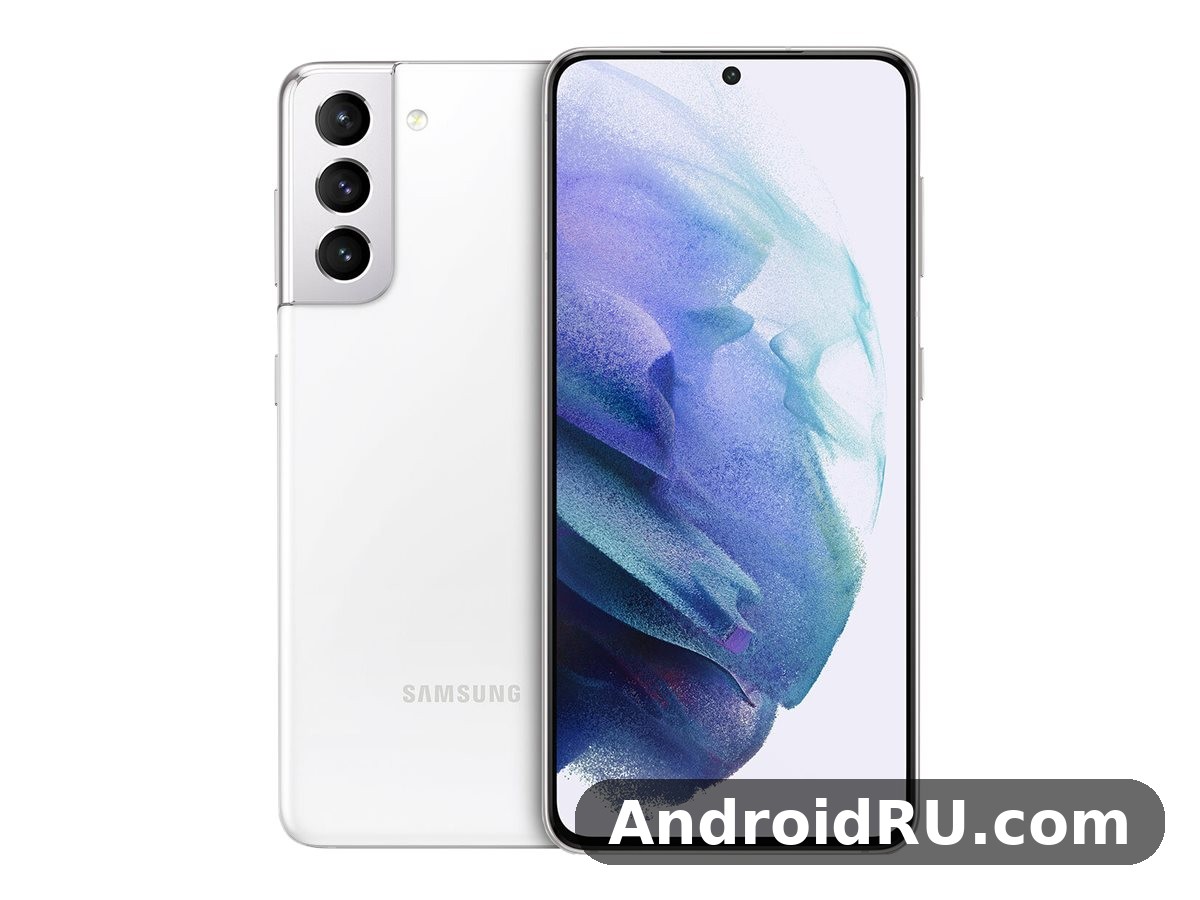
If you are weighing a used Galaxy S21 5G against a newer mid-range phone, or deciding whether to keep the one you already own for another year, the detail below should give you a clear answer. Every specification quoted here comes from the phone’s official launch figures, and the hands-on findings are matched against those figures so you can see where the numbers and the real experience agree. The camera section covers daylight, night mode, zoom and video. The performance section compares the two chip variants. The battery section gives real screen-on time rather than a lab claim. The full specification tables near the end gather every figure in one place for a quick check before you buy. The Galaxy S21 5G battery drain fix is simple in most cases: check background apps and adaptive battery settings before blaming the cell itself. The Galaxy S21 5G slow charging fix is usually a cable or adapter problem, so try a certified 25W charger before anything else.
One point shapes the whole verdict. This phone was built around a compact body, a bright screen and a versatile camera, and it traded battery capacity and a glass back to get there. At a fair used price that trade still makes sense for a lot of people. At a price close to a new mid-range phone with a bigger battery and longer support, it stops making sense. Keep that balance in mind as you read, because the same phone can be a bargain or a false economy depending on what you pay and how healthy its battery is. A Galaxy S21 5G battery test puts the phone through a normal mix of browsing, video and calls, and it holds up for a full day for most people. In a Galaxy S21 5G camera test, daylight shots look clean and detailed, while low light is where the processing has to work hardest.
Galaxy S21 5G cameras in daylight, low light and video
The rear camera system pairs a 12MP wide camera with optical image stabilisation, a 12MP ultrawide camera and a 64MP telephoto camera that handles 3x hybrid zoom and up to 30x Space Zoom. On paper that reads like a solid 2021 flagship setup, and in daylight it still behaves like one. Photos come out sharp, colourful and ready to share without editing, with Samsung’s familiar warm tint and strong contrast. Dynamic range holds up well when the sun is high, and the ultrawide keeps distortion under control for a lens this wide. Where the camera shows its age is in tricky light. Night mode helps a lot, pulling detail out of dim streets and restaurants, but it needs a steady hand and a second or two of patience. Highlights can blow out around street lamps, and fine detail softens faster than on newer phones with larger sensors. That said, for social media, family photos and travel snaps, the results remain genuinely good. The 10MP front camera is equally dependable for video calls and selfies, with natural skin tones once the beauty filters are turned down. For a Galaxy S21 5G gaming test, the phone stays smooth in popular titles at sensible settings, though long sessions will warm it up.
How good is the Galaxy S21 5G main camera for everyday photos
The 12MP wide camera is the lens you will use most, and it earns that role. Autofocus is fast thanks to dual-pixel autofocus, colours stay consistent from shot to shot, and the shutter lag is short enough to catch children and pets mid-motion. Portrait mode separates subject from background cleanly in good light, though stray hair and glasses can still confuse the edge detection. For food, street scenes and landscapes, this is a camera that rarely disappoints, and its consistency is arguably its best trait: you know what you are going to get before you press the button. The main camera uses an f/1.8 aperture with optical image stabilisation, which keeps handheld shots sharp in dimmer rooms and steadies video as well. Scene optimiser adjusts colour and exposure for common subjects, and it can be switched off in the camera settings if you prefer a flatter, more natural file to edit later. Pro mode gives manual control over ISO, shutter speed, white balance and focus for owners who want it.
Night mode and low light photography on the Galaxy S21 5G
Switch on Night mode and the phone stacks several frames to brighten shadows and calm noise. In practice, a dim cafe interior that looks murky to the eye comes out usable, even printable at small sizes. The trade-off is time: the phone asks you to hold still for two to four seconds, and moving subjects blur. Street scenes at dusk keep lamp colours under control most of the time, though very bright points of light can still clip to white. Faces in a dim restaurant stay recognisable, and the phone avoids the heavy smearing that cheaper night modes produce. If you shoot a lot after dark, a newer phone with a bigger sensor will beat it, but for occasional evening shots the S21 5G is far from embarrassing. The practical tip is simple: brace the phone against a table or a wall, let Night mode finish its countdown, and avoid shooting people who are walking toward you in the dark.
Galaxy S21 5G ultrawide and telephoto zoom in real use
The 12MP ultrawide is the fun lens of the trio. It fits whole buildings, wide landscapes and crowded rooms into one frame, and its colour output matches the main camera closely enough that switching between the two does not jar. Edge softness is visible if you pixel-peep, but at normal viewing sizes it is a non-issue. The ultrawide covers a 120-degree field of view at f/2.2, which is wide enough for interiors and group shots without stepping back. The 64MP telephoto is a different story: at 3x hybrid zoom it produces clean, detailed shots of distant subjects, and it is genuinely useful for concerts, school plays and architecture. Push it to 10x and detail starts to smear, and 30x Space Zoom is best treated as a party trick for reading a distant sign rather than a serious photographic tool. A steady hand, or a rest for the phone against a railing, helps a lot at the longest zoom lengths, because tiny shakes are magnified just as much as the subject.
Galaxy S21 5G 8K video recording and stabilisation explained
Video is a strong point. The phone records 8K at 24 frames per second from the main camera, 4K at 60 frames per second across the rear cameras, and the stabilisation in 4K is smooth enough for walking shots without a gimbal. Super Steady mode crops in further and irons out footsteps almost completely. Audio from the stereo microphones is clear, with wind noise handled reasonably well. If you film family events or short clips for social media, the video quality still feels modern, and the ability to pull 33MP stills from 8K footage remains a neat trick. Slow motion reaches 240 frames per second at 1080p and 960 frames per second at 720p, and the front camera records 4K at 30 and 60 frames per second, which keeps video calls and vlogs sharp. Director’s View records from the front and rear cameras at the same time, which suits vloggers who want to show a reaction and a scene together, and Single Take captures a burst of photos and short videos from one press of the shutter so you can pick the best result later.
Galaxy S21 5G performance with Exynos 2100 and Snapdragon 888
Two versions of this phone exist: most global markets got the Exynos 2100, while the United States, China and a few other regions got the Snapdragon 888. Both are 5nm chips paired with 8GB of RAM, and both still handle everyday work without breaking a sweat. Apps open quickly, switching between a browser, a messaging app and a camera is smooth, and the 120Hz Dynamic AMOLED 2X display makes scrolling feel fluid in a way that cheaper phones with 60Hz panels cannot match. The difference between the two chips shows up under sustained load. The Snapdragon 888 version holds its speed a little better in long gaming sessions, while the Exynos 2100 version warms up sooner and throttles a touch earlier. In normal use you would struggle to tell them apart. Neither chip feels slow in 2026 for messaging, streaming, maps, photography and social apps, though heavy games at maximum settings will push both to their limits and produce noticeable warmth on the back of the phone.
Exynos 2100 vs Snapdragon 888 Galaxy S21: which version runs better
If you are buying used, the Snapdragon 888 variant is the slightly safer pick for gaming and long video recording, with marginally better efficiency and a cooler sustained performance curve. The Exynos 2100 variant is no slouch, and its day-to-day speed is essentially identical, but it can lose a few frames in demanding titles after twenty minutes of play. Battery drain under load is a touch higher on the Exynos model too. Either way, check which chip your unit has before you buy: the model number and a quick check in Settings, then About phone, then Software information will tell you, and the price should reflect the difference if one variant is being sold at a premium. Both chips are octa-core designs with 5G modems built in, and both pair with 8GB of LPDDR5 RAM and UFS 3.1 storage, so the everyday gap is narrow and the sustained-load gap is where the Snapdragon pulls ahead.
Galaxy S21 5G gaming performance and heat after long sessions
Popular titles such as PUBG Mobile, Call of Duty: Mobile and Genshin Impact all run on this phone, with the first two comfortable at high settings and Genshin Impact happier at medium settings with a 60 frames per second target. The 6.2-inch screen is compact for gaming, yet the stereo speakers are loud and clear, and the haptics are precise. After half an hour of demanding play the frame gets warm, and on the Exynos version the phone may trim performance to protect itself. A case makes the warmth less noticeable, and taking a short break between matches keeps the experience smooth.
Heat after 30 minutes of demanding play
Heat builds gradually rather than suddenly. The first ten minutes of a demanding game feel cool and fast, the next ten bring warmth to the metal frame, and after thirty minutes the phone may ease frame rates back a step on the Exynos variant. This is the chip protecting itself, not a fault, and it rarely appears during ordinary use such as messaging, browsing, streaming and photography. Owners who game while charging should expect more heat, because charging and gaming together generate the most warmth, and a lower-wattage charger or a short break between matches keeps temperatures in check.
Multitasking with 8GB RAM on the Galaxy S21 5G
Eight gigabytes of RAM is enough for the way most people use a phone. I kept a dozen apps in memory, jumped between maps and a music app while a download ran in the background, and the phone rarely had to reload anything. Samsung’s RAM Plus feature can borrow a little storage as virtual memory, but the real 8GB does the heavy lifting. Split-screen multitasking works well on the compact display, though the narrow screen means two apps side by side feel cramped compared with the larger S21+ or Ultra. UFS 3.1 storage makes app installs and large file transfers quick, and the 256GB model is the safer choice if you shoot a lot of 4K or 8K video, because there is no microSD slot and the storage you buy is the storage you keep.
Galaxy S21 5G battery life and 25W charging in daily use
The 4000mAh battery is the weakest number on the spec sheet, and it shows. With the screen set to adaptive 120Hz, a typical day of messaging, browsing, photos and an hour of streaming lands at around four to five hours of screen-on time, and the phone usually reaches the evening with 10 to 20 percent left. Lighter users will end the day comfortably; heavy users who stream video and play games should expect to top up before dinner. Switch the display to 60Hz and the phone gains roughly an hour of screen time, which is a useful trick on long days away from a charger. Five years on, battery health matters as much as capacity. A used unit may have lost 10 to 20 percent of its original capacity, so ask for a battery health reading or budget for a replacement if you plan to keep the phone for years.
How long does Galaxy S21 5G battery last on a normal day
On a normal day with mixed Wi-Fi and mobile data, adaptive refresh rate and medium brightness, the phone lasts from morning until late evening for a moderate user. A day built around navigation, camera use and mobile data drains it faster, and a day of mostly Wi-Fi and reading stretches it further. Standby drain overnight is low, usually 3 to 6 percent, which is a sign that One UI manages background apps sensibly. If your unit drops 15 percent overnight, something is keeping it awake, and the battery usage screen in settings will name the culprit. Adaptive battery learns which apps you use daily and limits the rest in the background, and that learning improves over the first week, so battery life on day one is not the full story.
Galaxy S21 5G 25W wired charging and 15W wireless charging speed
Wired charging tops out at 25W, which takes the phone from empty to roughly half full in about 30 minutes with a compatible charger, and to full in around 70 to 80 minutes. There is no charger in the box, so you need a USB Power Delivery PPS charger to reach the fastest speeds; a standard 15W charger will take noticeably longer. Wireless charging runs at 15W with a compatible pad, reverse wireless charging shares power with earbuds or a watch at a slower rate, and the phone also supports wireless PowerShare for topping up accessories on the go.
Which charger to buy for the fastest 25W charging
Buy a 25W USB-C charger that supports USB Power Delivery with Programmable Power Supply, plus a good USB-C cable, because a thin or damaged cable can silently cap the speed. The phone shows a fast charging message on the lock screen when the full rate is active, which is the quickest way to confirm that a charger and cable are working properly together. Wireless chargers should be rated at 15W for the best result, and a case thicker than a few millimetres can slow wireless charging, so test the combination once before relying on it at a bedside.
Tips to make Galaxy S21 5G battery last longer in 2026
Small changes add up. Setting the screen to 60Hz on travel days, turning on adaptive battery, keeping brightness on auto, and limiting background activity for apps you rarely open can stretch a charge by an hour or more. Dark mode helps a little on the AMOLED panel, and switching off 5G in areas with a weak signal saves power because the modem stops hunting for a network. None of these turns a 4000mAh battery into a two-day battery, but together they make the difference between reaching bedtime and reaching for a cable at 7pm. Battery protection settings can also cap charging at 85 percent to slow long-term wear, which is a smart option for a phone that may now be bought second-hand with a battery that has already seen years of cycles.
Full Specifications of the Galaxy S21 5G
The specification sheet below gathers every key figure for this phone in one place, with the same numbers used across this review. The figures are the official launch specifications, with regional differences noted where they apply. Where a figure varies by market, the range is given and the settings check that identifies your own unit is described in the relevant section. Use these tables as a checklist when you inspect a used phone: chip variant, RAM and storage size, battery health and software version are the four things that vary most between sellers. The Galaxy S21 5G common problems and fixes are listed in the tips section, with the quick checks first and the deeper resets last. The Galaxy S21 5G release date and price question is covered in the verdict section, but the short version is that it launched in January 2021 and its price has fallen since.
Galaxy S21 5G display specifications and screen features
The 6.2-inch Dynamic AMOLED 2X display is the centrepiece of this phone. It uses a flat panel at 2400 by 1080 pixels, which works out to around 421 pixels per inch, with an adaptive refresh rate that moves between 48Hz and 120Hz depending on what is on screen. HDR10+ support, a peak brightness of around 1300 nits and an always-on display round out a screen that stays readable outdoors and vivid indoors. Gorilla Glass Victus protects the front, and the ultrasonic fingerprint sensor sits under the display. A Galaxy S21 5G screen brightness test shows the display staying readable outdoors, even in bright sunlight. Is Galaxy S21 5G still worth buying? It comes down to the price you can find and whether its cameras, battery and software still cover your daily use.
| Display feature | Galaxy S21 5G specification |
|---|---|
| Size | 6.2 inches, flat Dynamic AMOLED 2X |
| Resolution | 2400 x 1080 pixels, FHD+, about 421 ppi |
| Refresh rate | Adaptive 48Hz to 120Hz |
| Brightness | Peak around 1300 nits |
| HDR | HDR10+ certified |
| Protection | Corning Gorilla Glass Victus |
| Extras | Always-on display, ultrasonic fingerprint sensor |
Adaptive refresh rate from 48Hz to 120Hz explained
The adaptive refresh rate drops to 48Hz for still images and video, then climbs to 120Hz when you scroll or play a supported game. That keeps motion smooth without draining the battery at full speed all day. In practice the difference between 60Hz and 120Hz is obvious the moment you scroll a long page, and going back to a 60Hz phone feels sluggish by comparison. If battery life matters more than smoothness on a given day, the display settings let you lock the screen to 60Hz. Peak brightness of around 1300 nits means the screen stays readable in direct sunlight, and colours can be tuned between Vivid and Natural modes in the display settings, with a white balance slider for people who prefer a cooler or warmer tone. A Galaxy S21 5G water resistance test confirms the rating covers splashes and brief submersion, not every kind of water damage. The Galaxy S21 5G full specifications are listed in full in the specifications section below, from display and chipset to cameras and battery.
Galaxy S21 5G chipset, RAM and storage specifications
Performance comes from a 5nm flagship chip: the Exynos 2100 in most global markets, or the Qualcomm Snapdragon 888 in the United States, China and selected other regions. Both are octa-core designs with 5G modems built in, and both pair with 8GB of RAM and either 128GB or 256GB of internal storage. There is no microSD card slot, so the storage size you buy is the storage you keep, and the 256GB model is the safer choice if you shoot a lot of 4K or 8K video. To check your own unit, open Settings, then Battery and device care, then Storage to see how much space is used, and check the chip variant in Settings, then About phone, then Software information. For the Galaxy S21 5G how to screenshot shortcut, press the power and volume-down buttons together, and the captured image lands straight in your gallery. Is Galaxy S21 5G worth buying? It comes down to the price you can find and whether its cameras, battery and software still cover your daily use.
| Performance feature | Galaxy S21 5G specification |
|---|---|
| Chipset (global) | Samsung Exynos 2100, 5nm, octa-core |
| Chipset (USA, China) | Qualcomm Snapdragon 888, 5nm, octa-core |
| RAM | 8GB LPDDR5 |
| Internal storage | 128GB or 256GB UFS 3.1 |
| Expandable storage | No microSD card slot |
| Operating system at launch | Android 11 with One UI 3.1 |
| Final major update | Android 14 with One UI 6.1 |
Galaxy S21 5G camera specifications: rear, front and video
The rear camera system covers wide, ultrawide and telephoto shooting. The main 12MP wide camera has an f/1.8 aperture, dual-pixel autofocus and optical image stabilisation. The 12MP ultrawide camera has an f/2.2 aperture and a 120-degree field of view. The 64MP telephoto camera has an f/2.0 aperture and handles 3x hybrid optical zoom, with digital zoom reaching 30x Space Zoom. A 10MP front camera with an f/2.2 aperture handles selfies and video calls. The Galaxy S21 5G price in India varies by storage, condition and seller, so compare a few listings in that market before you decide. The Galaxy S21 5G pros and cons are summed up near the end of this review, with the strongest points first and the trade-offs stated plainly.
| Camera | Galaxy S21 5G specification |
|---|---|
| Main rear | 12MP, f/1.8, dual-pixel autofocus, optical image stabilisation |
| Ultrawide rear | 12MP, f/2.2, 120-degree field of view |
| Telephoto rear | 64MP, f/2.0, 3x hybrid zoom, up to 30x Space Zoom |
| Front camera | 10MP, f/2.2, dual-pixel autofocus |
| Video rear | 8K at 24fps, 4K at 30/60fps, 1080p at 30/60/240fps |
| Video front | 4K at 30/60fps, 1080p at 30fps |
| Camera features | Night mode, portrait mode, Super Steady video, 33MP stills from 8K |
Galaxy S21 5G battery, connectivity, sensors and build specifications
The phone carries a 4000mAh battery with 25W wired fast charging, 15W wireless charging and reverse wireless charging for accessories. Connectivity is complete for a 2021 flagship: 5G on sub-6GHz bands in all regions, with mmWave 5G on models sold in the United States and a few other markets, plus Wi-Fi 6, Bluetooth 5.2, NFC and a USB-C 3.2 port. The sensor set covers the usual flagship list, and Samsung Knox provides hardware-backed security with a Secure Folder for sensitive apps and files. The body measures 151.7 by 71.2 by 7.9 millimetres, weighs 171 grams, and carries an IP68 rating. Colours at launch included Phantom Gray, Phantom White, Phantom Violet and Phantom Pink, with additional colours sold through Samsung’s own channels. The Galaxy S21 5G where to buy question comes down to trusted sellers and warranty, not just the lowest number on a listing. This Galaxy S21 5G full review covers cameras, performance, battery and software as one daily device, not as separate launch figures.
| Feature | Galaxy S21 5G specification |
|---|---|
| Battery capacity | 4000mAh, non-removable lithium-ion |
| Wired charging | 25W fast charging, USB Power Delivery PPS |
| Wireless charging | 15W fast wireless charging 2.0 |
| Reverse charging | Wireless PowerShare for accessories |
| Charger in box | Not included |
| Mobile networks | 5G sub-6GHz, mmWave on selected models, 4G LTE, 3G, 2G |
| SIM | Nano-SIM and eSIM, dual SIM in selected regions |
| Wi-Fi | Wi-Fi 6 (802.11ax), dual-band, Wi-Fi Direct, hotspot |
| Bluetooth | Bluetooth 5.2, A2DP, LE |
| NFC | Yes, for payments and pairing |
| Positioning | GPS, GLONASS, BeiDou, Galileo |
| USB | USB Type-C 3.2, DisplayPort 1.2, OTG |
| Fingerprint | Ultrasonic under-display sensor |
| Face unlock | 2D face recognition |
| Sensors | Accelerometer, gyroscope, proximity, compass, barometer, ambient light |
| Security | Samsung Knox, Secure Folder |
| Audio | Stereo speakers, Dolby Atmos, no 3.5mm jack |
| Dimensions | 151.7 x 71.2 x 7.9 mm |
| Weight | 171 grams |
| Build | Metal frame, polycarbonate back, Gorilla Glass Victus front |
| Water resistance | IP68, up to 1.5 metres for 30 minutes |
| Software | Android 11 at launch, up to Android 14 with One UI 6.1 |
Galaxy S21 5G display, design and build quality after five years
The 6.2-inch Dynamic AMOLED 2X panel is still one of the best reasons to pick this phone. It is a flat FHD+ display at 2400 by 1080 pixels, with an adaptive refresh rate from 48Hz to 120Hz, HDR10+ support and peak brightness around 1300 nits. Outdoors in sunlight it stays readable, colours are vivid without looking artificial in Natural mode, and the flat glass makes screen protectors easy to fit. The in-display ultrasonic fingerprint sensor is fast and works with slightly damp fingers, and face unlock is available as a quicker but less secure alternative. The ultrasonic sensor reads a 3D map of the fingerprint rather than a flat image, which makes it harder to fool and more reliable with wet fingers than an optical sensor. Register the same finger twice at slightly different angles for the best results, and note that some thick tempered glass protectors can slow it down. The Galaxy S21 5G price in US varies by storage, condition and seller, so compare a few listings in that market before you decide. The Galaxy S21 5G best price question comes down to trusted sellers and warranty, not just the lowest number on a listing.
Design-wise, the phone’s Contour Cut camera housing blends into the metal frame in a way that still looks modern, and the polycarbonate back keeps the weight down to 171 grams. The plastic back is the one cost-cutting choice that people notice: it feels less premium than glass, picks up fine scratches over time, and does not have the cool touch of the Ultra’s glass rear. The upside is practical, since plastic survives drops better than glass and never shatters. With an IP68 rating for dust and water resistance, a metal frame and Gorilla Glass Victus on the front, the overall build feels solid and pocket-friendly. The IP68 rating means the phone is dust-tight and can survive immersion in fresh water up to 1.5 metres deep for up to 30 minutes under lab conditions, though it does not cover salt water, chlorinated water or steam, and water damage is not covered by warranty, so treat it as accident protection and dry the USB-C port before charging after the phone gets wet. A Galaxy S21 5G drop test is best left to reviewers, but the glass and frame are built to survive everyday knocks.
Is the Galaxy S21 5G compact size good for one-handed use
At 151.7 by 71.2 by 7.9 millimetres, this is one of the last genuinely compact Samsung flagships, and that is its secret weapon. It fits in a jeans pocket without a bulge, reaches across the screen with one thumb, and disappears into a small bag. If you have grown tired of phones that need two hands for everything, the size alone is a reason to consider it. The trade-off is a smaller keyboard and a tighter video canvas, so people who watch a lot of video or type long documents may prefer the larger Plus model. For a sense of how the larger sibling handles the same camera and chip in a bigger body, the Samsung Galaxy S21+ 5G Review: Photo Quality, Video and Performance covers the Plus model in the same detail, and it is the natural next read if the compact size feels too small in your hand.
One UI software, updates and long-term support on the Galaxy S21 5G
The phone launched with Android 11 and One UI 3.1, and Samsung updated it through Android 14 with One UI 6.1. That is four major Android versions, which was generous when the phone launched and remains respectable now. One UI 6.1 brings the refined quick panel, improved camera controls, lock screen customisation and Samsung’s photo editing tools, and the interface feels polished and consistent. Samsung DeX turns the phone into a desktop-style workspace on a monitor, Link to Windows connects it to a PC, and Knox security underpins the whole system. Security patches continued after the Android 14 update, though the cadence slowed to quarterly rather than monthly as the phone aged. For a phone bought in 2026, that is the honest limit of its software life: it will not receive Android 15 or the newest Galaxy AI features that arrived on later models, and some newer camera tricks will never be backported. If long-term software support is your top priority, a newer phone wins. If you are comfortable with a mature, stable system that still gets security fixes, One UI 6.1 on this hardware remains pleasant to live with. The Galaxy S21 5G tips and tricks in this review are the ones worth turning on first, because they change daily use the most. The Galaxy S21 5G hidden features worth finding first live in the settings menus most owners never open.
Galaxy S21 5G Android 14 One UI 6.1 features worth using
A few One UI features stand out in daily use. Modes and Routines can silence notifications at bedtime or switch on Wi-Fi at home automatically. The Edge panel keeps favourite apps and tools one swipe away. Secure Folder locks sensitive files and apps behind a separate biometric check, and the built-in photo editor can remove unwanted objects from a picture. None of these requires a subscription or a newer phone, and together they make the software feel richer than the stock Android experience on many rivals. The app drawer is clean, notifications group sensibly, and Samsung’s own apps for gallery, notes, calendar and health work well enough that many owners never install replacements. Buyers of a used unit should still check the software update screen before paying, because a phone stuck on an old patch level may have been neglected, and a quick check of the Android version and the security patch date tells the story in seconds. The Galaxy S21 5G best settings for daily use are the ones that save taps: edge panels, quick settings and a sensible refresh rate. A Galaxy S21 5G factory reset is the last resort for stubborn software trouble, so back up first and try a restart before it.
Galaxy S21 5G vs Galaxy S21+ and S21 Ultra: which one fits you
The S21 family shares the same chip options and the same software, and the base and Plus models share the same camera system, so the choice comes down to size, battery and zoom. The Plus adds a bigger 6.7-inch screen and a 4800mAh battery with a glass back; the Ultra adds a 108MP main camera, a 10x periscope zoom, a larger battery and S Pen support. The base S21 is the compact, lightest and cheapest of the three, and for many people that is the right call. The Samsung Galaxy S21 Ultra 5G Review: Daily Performance and Key Features sets out what the extra money buys at the top of the range, with its 108MP camera and 100x zoom, while owners coming from the previous generation may find the Samsung Galaxy S20 Ultra 5G Review: Design, Software and Camera Quality useful for judging how much actually changed between the S20 and S21 generations.
| Feature | Galaxy S21 5G | Galaxy S21+ 5G | Galaxy S21 Ultra 5G |
|---|---|---|---|
| Display | 6.2-inch FHD+ 120Hz | 6.7-inch FHD+ 120Hz | 6.8-inch QHD+ 120Hz |
| Battery | 4000mAh, 25W wired | 4800mAh, 25W wired | 5000mAh, 25W wired |
| Rear cameras | 12MP + 12MP + 64MP, 30x zoom | 12MP + 12MP + 64MP, 30x zoom | 108MP + 12MP + 10MP + 10MP, 100x zoom |
| Back material | Polycarbonate plastic | Gorilla Glass Victus | Gorilla Glass Victus |
| Weight | 171 grams | 200 grams | 227 grams |
| Best for | Compact flagship lovers | Big screen, longer battery | Maximum camera zoom |
The comparison table makes the trade-offs plain. The base model wins on size and weight, the Plus wins on battery life and screen size for the same cameras, and the Ultra wins on zoom and resolution for buyers who want the most camera hardware Samsung offered that year. None of the three is the wrong choice in general; the right one depends on whether your hand, your pocket or your camera roll matters most. The Galaxy S21 5G user manual is available from Samsung’s support pages if you want the official steps for any feature.
Pros and cons of the Galaxy S21 5G
No phone is perfect, and this one is honest about its compromises. The strengths cluster around the screen, the cameras and the size, while the weaknesses cluster around the battery, the plastic back and the end of major software updates. Weighing them against the price you would pay today is what decides whether this phone is a bargain or a false economy.
Galaxy S21 5G pros: what this phone still does well
- Compact flagship design at 171 grams that fits one hand and any pocket, with IP68 protection and Gorilla Glass Victus on the front.
- Bright 120Hz Dynamic AMOLED 2X display with HDR10+ that still looks excellent next to newer phones in the same price range.
- Versatile triple camera with 3x hybrid zoom, 8K video and strong stabilisation for photos and clips.
- Fast performance for everyday apps and games, with 5G, Wi-Fi 6, stereo speakers and wireless charging included.
- Four major Android updates to Android 14 with One UI 6.1, plus a mature feature set including DeX and Secure Folder.
Galaxy S21 5G cons: where this phone falls short
- 4000mAh battery that needs a top-up on heavy days, especially at 120Hz with 5G and the camera in use.
- Polycarbonate back feels less premium than glass and scratches more easily without a case.
- No charger in the box and only 25W wired charging, which is slower than many newer rivals.
- No microSD slot and no 3.5mm headphone jack, so storage and audio depend on the 128GB or 256GB built in and on wireless accessories.
- Major software updates have ended, and some newer Galaxy AI features will never arrive on this model.
Who should buy the Galaxy S21 5G in 2026
This phone suits three kinds of buyer. First, anyone who wants a small, light flagship and is tired of oversized phones will love the size and the screen. Second, a buyer on a tight budget who finds a clean used unit with good battery health gets a genuine flagship camera and display for mid-range money. Third, an existing owner who is happy with the phone has little reason to rush an upgrade: a fresh battery and a case can add another year or two of comfortable use. It suits less well anyone who needs two-day battery life, the longest software support, or the best low-light camera, and those buyers should look at a newer model instead. Buyers who want a slightly larger screen and a bigger battery in the same generation can also read the Samsung Galaxy S21 FE 5G Review: Build Quality, Software and Daily Speed, since the Fan Edition pairs a 6.4-inch display with a 4500mAh battery at a similar used price.
Final verdict on the Galaxy S21 5G
Five years after launch, the Galaxy S21 5G remains a likeable, capable compact phone with a great screen, a dependable camera and enough speed for everyday life. Its battery is its honest weakness, and its software journey has run its course, but neither flaw erases what it does well. Buy it used at a fair price with a healthy battery, keep the screen at 60Hz on long days, and it will serve you well for another year or two. Pay too much for a tired unit, and a newer mid-range phone with a bigger battery will serve you better. For a view of what Samsung changed in the generation that followed, the Samsung Galaxy S22 Review: Design, Software and Camera Quality shows how the next base flagship handled design, software and camera quality, and that comparison is the fastest way to decide whether to buy this phone now or stretch to its successor.
Galaxy S21 5G review FAQ
Is the Galaxy S21 5G still worth buying in 2026?
Yes, at the right price and with a healthy battery. A clean used unit offers a flagship 120Hz AMOLED display, a versatile triple camera, 5G and wireless charging for far less than a new phone with the same screen quality. Check the battery health, confirm the chip variant, and make sure the phone is not carrier-locked or blacklisted before you pay. If the price creeps close to a new mid-range phone with a bigger battery and longer support, the new phone is the better buy.
Does the Galaxy S21 5G support 5G and Wi-Fi 6?
Yes, the phone supports sub-6GHz and mmWave 5G depending on the region and carrier, plus Wi-Fi 6, Bluetooth 5.2, NFC and Ultra Wideband on some variants. In practice, 5G speeds depend on your carrier and location, and the phone will fall back to 4G LTE where 5G coverage is weak. Wi-Fi 6 gives faster and more stable connections on a compatible router, which matters most when streaming or downloading large files at home.
How many Android updates did the Galaxy S21 5G receive?
The phone launched with Android 11 and received updates up to Android 14 with One UI 6.1, which is four major Android versions. Security patches continued on a quarterly schedule after that. It will not receive Android 15, so buyers who want the newest Android version and the latest Galaxy AI features should choose a newer Samsung phone instead.
Is the Galaxy S21 5G waterproof?
The phone carries an IP68 rating, which means it is protected against dust and can survive immersion in fresh water up to 1.5 metres for up to 30 minutes under lab conditions. That is protection against accidents, not an invitation to swim with it: water damage is not covered by warranty, and the rating can weaken if the phone has been opened for repair or dropped hard. Rinse it with fresh water if it meets salt water or chlorinated water, and dry the charging port before plugging in a cable.
How much RAM and storage does the Galaxy S21 5G have?
The phone has 8GB of RAM in every configuration, with a choice of 128GB or 256GB of internal UFS 3.1 storage. There is no microSD card slot, so the storage cannot be expanded. The 256GB model is the better pick if you record a lot of 4K or 8K video, keep large games installed, or plan to keep the phone for several years, because storage and memory are the two things that cannot be upgraded later.

