

Samsung Galaxy S21 Ultra 5G Review: Daily Performance and Key Features
Five years after launch, the Galaxy S21 Ultra 5G still shows up in second-hand listings, trade-in conversations and “is it still worth it” searches every single week. That staying power is unusual for a phone from 2021, and it says something real about how far ahead of its time this handset was. Samsung packed it with a 108MP camera, a 6.8-inch Dynamic AMOLED 2X display, a 5000mAh battery and S Pen support, a combination no other phone in its launch year could match in one body. This review looks at how that hardware holds up in daily use right now, not on a launch-day spec sheet, and it folds the full hardware numbers into the same story so you do not need a second page to check them.
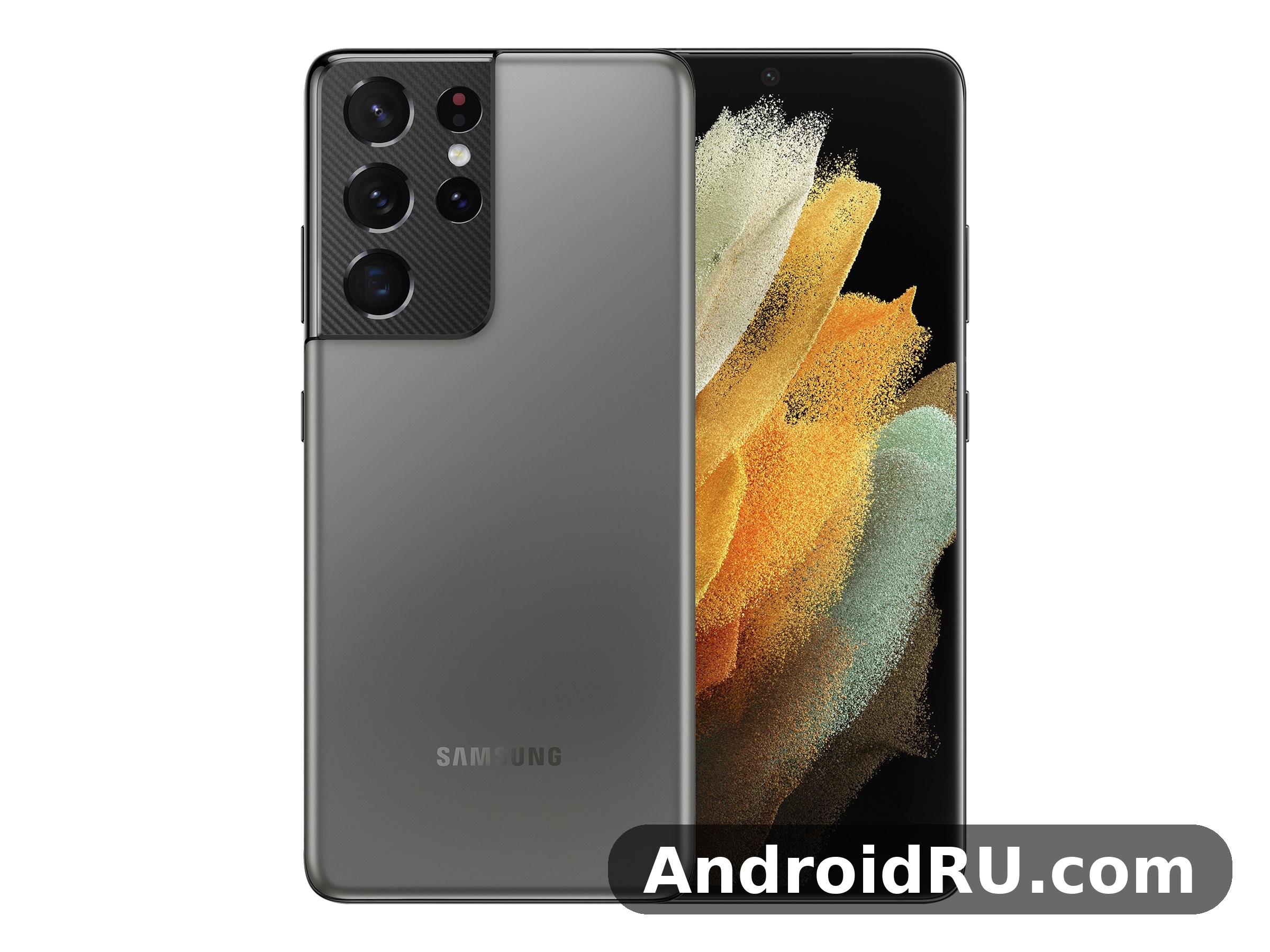
I spent weeks using the S21 Ultra as a daily phone: commuting with it, shooting photos in daylight and at night, playing demanding games, editing video on the go and leaning on it through long workdays without a charger nearby. The short version is that the phone still feels fast, the cameras still impress, and the battery still gets most people through a full day. The longer version has some honest caveats, especially around charging speed, software support and the camera bump. If you are weighing a used S21 Ultra against a newer mid-range phone, the details below should make the choice clearer, and readers who want to see how the next generation moved on can compare it with the Samsung Galaxy S22 Review: Design, Software and Camera Quality before deciding how much the newer software and cameras matter to them.
Who is this review for? It is for anyone considering the S21 Ultra in 2026: a buyer hunting for a flagship camera phone on a smaller budget, a current owner wondering whether to keep the phone for another year, and a photographer or gamer who wants to know whether the old flagship still beats a brand-new phone at the same price. Every section answers one practical question, from gaming frame rates to how long the battery really lasts, and it ends with a straight verdict on who should buy it and who should look elsewhere.
Design and 6.8-Inch Display on the Galaxy S21 Ultra 5G
The first thing you notice about the S21 Ultra is its size and presence. At 165.1 x 75.6 x 8.9 mm and 227 grams, it is a large, heavy phone, and there is no pretending otherwise. One-handed use is a stretch for most people, and the phone fills a jeans pocket completely. That said, the weight is balanced well, the matte glass back resists fingerprints far better than the glossy finish on the previous generation, and the contour-cut camera housing blends into the metal frame in a way that still looks modern. Phantom Black hides smudges best, while Phantom Silver shows off the design most, and Phantom Titanium, Phantom Navy and Phantom Brown were available in some regions. The build feels dense and solid, with no flex and no creaks, exactly what a flagship should feel like.
The display is the star of the show and the main reason the S21 Ultra still feels premium in 2026. The 6.8-inch panel runs at 3200 x 1440 pixels, supports HDR10+ and reaches peak brightness around 1500 nits, so it stays readable in harsh sunlight where cheaper phones wash out. Colours are vivid without looking artificial in Natural mode, and Vivid mode adds punch for video. Text is razor sharp at 515 pixels per inch, and the curved edges give the phone a distinctive look, even if they occasionally catch an accidental palm touch. Watching films, scrolling photos and reading long articles all feel noticeably better on this screen than on the flat 1080p panels found on most mid-range phones today. The centred hole-punch cutout for the front camera is small and easy to ignore, and the always-on display can show the time, notifications and music controls without waking the full screen.
120Hz Adaptive Refresh Rate in Daily Use
The 120Hz adaptive refresh rate is the feature you feel within minutes of picking the phone up. Scrolling through social feeds, web pages and app drawers is visibly smoother than on a 60Hz screen, and the panel can drop as low as 10Hz when you are reading a static page, which saves battery. Unlike the regular S21 models of the same year, the Ultra runs 120Hz at full QHD+ resolution at the same time, so you never have to choose between sharpness and smoothness. In practice the phone switches refresh rates intelligently and I rarely noticed it doing so, which is exactly the point. Gamers get the full 120Hz in supported titles, and the touch sampling keeps up with fast input.
Adaptive Refresh Rate Settings Worth Changing
Out of the box the phone is set to adaptive motion smoothness, which is the right default for most people. If battery life matters more than smoothness on a long day, switching to the standard 60Hz mode in Settings, then Display, then Motion smoothness, adds a useful margin of screen-on time. Keeping the resolution at QHD+ costs a little battery compared with FHD+, but the difference is small and the extra sharpness is visible when reading small text. Eye comfort shield can be scheduled for the evening, and it warms the colour temperature without making the screen look yellow during the day. Natural mode tracks the sRGB and DCI-P3 colour spaces closely, which matters for photo editing, while Vivid mode boosts saturation for a punchier look.
IP68 Water Resistance and Gorilla Glass Victus Durability
Durability is another area where the S21 Ultra still earns its keep. Gorilla Glass Victus covers the front, and the back uses the same toughened glass, so the phone survives the kind of drops and scratches that would mark a cheaper handset. IP68 water and dust resistance means rain, splashes and an accidental dunk in a sink are not emergencies, though the rating covers fresh water up to 1.5 metres for 30 minutes under test conditions and Samsung still advises against taking it swimming. The aluminium frame has held up well on units that have been used for years, with the camera housing protecting the lenses from direct contact with tables. A case is still wise, because a 227-gram phone dropped on a corner can crack any glass, but the S21 Ultra starts from a stronger position than most phones in its price class. Its smaller sibling takes a different approach to the same brief, and the Samsung Galaxy S21+ 5G Review: Photo Quality, Video and Performance is worth reading if a lighter, slimmer body matters more to you than the Ultra’s extra zoom reach.
Exynos 2100 vs Snapdragon 888 Performance and Gaming
Performance depends on where you bought the phone. Most regions, including Europe and many Asian markets, got the Exynos 2100, while the United States, China and a few other markets got the Snapdragon 888. Both are 5nm chips with an octa-core layout, one high-performance core, three mid cores and four efficiency cores, and in normal daily use the difference between them is small: apps open quickly, the interface stays smooth, and switching between a dozen apps rarely causes a reload. The Snapdragon version has a small edge in sustained gaming and in some camera processing, while the Exynos version runs a little warmer under a long load. The Exynos 2100 pairs with a Mali-G78 MP14 graphics processor, while the Snapdragon 888 uses the Adreno 660. Neither version feels slow in 2026, which is the honest headline for a phone of this age.
Day-to-day speed is genuinely good. The 12GB or 16GB of RAM keeps apps alive in the background for hours, so returning to a browser, a map or a document picks up exactly where you left it. Split-screen multitasking with a video on one side and notes on the other runs without stutter, and Samsung DeX turns the phone into a desktop-style workspace on a monitor or a TV. Heavy web pages with lots of images load fast on 5G and Wi-Fi 6E, and 5G connectivity is reliable in areas with good coverage, with downloads and streaming starting quickly. The phone handles 4K video editing in apps like CapCut without the long export waits you get on mid-range hardware. If your daily routine is messaging, browsing, streaming and photography, the S21 Ultra still has more performance than you need. Storage uses fast UFS 3.1, which keeps app installs, photo saves and file transfers quick, and there is no microSD card slot, so the storage you buy is the storage you keep.
Gaming Performance and Heat
Gaming is where the age of the chip shows most, but the phone still holds its own. Genshin Impact, PUBG Mobile and Call of Duty Mobile all run at high settings with smooth frame rates, and the 120Hz screen makes fast shooters feel responsive. After 30 to 45 minutes of a demanding game, the back of the phone gets warm and the chip throttles a little, so frame rates dip from their peak. Serious heating issues are rare, and the warmth stays comfortable to hold, but a phone with a newer chip will stay cooler for longer. The stereo speakers are loud and clear, with real separation, and they make gaming without headphones enjoyable. Turning on Game Booster and lowering the resolution to FHD+ in game settings is the simplest way to keep temperatures down during long sessions. A case with poor ventilation makes warmth worse, and removing the case during a long gaming session is a simple fix that costs nothing.
12GB and 16GB RAM Multitasking on the S21 Ultra
RAM is one of the quiet strengths of this phone. The base 128GB model ships with 12GB of RAM, and the 256GB and 512GB models can be found with 16GB. In practice, 12GB RAM multitasking is effortless: I kept a navigation app, a music app, a browser with ten tabs and a camera open at once, and the phone switched between them instantly. RAM Plus can add virtual memory using storage, but the physical RAM is so generous that most owners will never need it. For buyers choosing between used units, the 256GB model with 12GB or 16GB of RAM is the sweet spot: enough storage for photos and video, and enough memory to stay smooth for years. The 128GB model fills up quickly with 8K video and large games, so count your photo and video library before choosing. Anyone comparing the middle model of the next generation should read the Samsung Galaxy S22+ Review: Build Quality, Software and Daily Speed, which shows how the same balance of screen, speed and build was struck a year later.
108MP Camera System and 100x Space Zoom in Real Use
The camera system is the reason most people still talk about the S21 Ultra. The main sensor is a 108MP wide camera with an f/1.8 aperture and optical image stabilisation, joined by a 12MP ultrawide with an f/2.2 aperture and a 120-degree field of view, a 10MP telephoto with 3x optical zoom and an f/2.4 aperture, and a 10MP periscope telephoto with 10x optical zoom and an f/4.9 aperture. That dual-telephoto setup was rare in 2021 and it is still rare now, and it gives the phone a zoom range from 0.5x to 100x that no single-lens phone can match. Daylight photos are detailed, well exposed and richly coloured, with Samsung’s processing adding saturation that makes landscapes and food look appealing straight out of the camera. The 108MP sensor is a large 1/1.33-inch unit, and it uses nona-binning, combining nine pixels into one for brighter 12MP images, while a dedicated 108MP mode captures enormous detail for cropping, though the standard 12MP binned output is the better choice for everyday shots.
Zoom is the party trick that actually works. At 3x, photos are sharp and clean, ideal for portraits and street photography. At 10x, the periscope lens still delivers usable, detailed images of distant buildings, signs and wildlife. Beyond 30x, quality drops and the phone leans on digital processing, and at the full 100x Space Zoom the results are more of a novelty than a photograph, though they can still read text on a distant sign. Zoom lock helps steady the viewfinder at high magnification, and a tripod or a steady hand makes a visible difference past 10x. Laser autofocus helps the main camera lock focus quickly, especially in low light, and optical image stabilisation is fitted to the main and both telephoto lenses. For anyone who photographs concerts, sports or travel, this zoom range remains a genuine advantage over newer phones that cost twice as much used.
Night Mode Photos and Low Light Quality
Night mode is good but not class-leading by current standards. In dim restaurants, streets and indoor scenes, the phone brightens shadows and keeps noise under control, producing photos that look clean on a phone screen. Very dark scenes need a steady hand and a couple of seconds of exposure, and moving subjects can blur. The main camera handles low light best, the ultrawide loses detail faster, and the telephoto lenses struggle most after sunset. Compared with the latest flagships, the S21 Ultra shows more noise and less detail in the darkest scenes, but for typical evening photography, such as a dinner, a city walk or a lit street, the results are perfectly shareable. In dim light the binned 12MP mode is the better choice, because it gathers more light per output pixel and produces cleaner images with less noise.
Best Camera Settings for Everyday Photography
Three settings make the biggest difference. First, turn on scene optimiser for automatic subject detection, but switch it off if you prefer natural colours. Second, use the 3x telephoto for portraits instead of the main camera, because the perspective is more flattering. Third, enable shot suggestions, which guides framing with an on-screen prompt. Shooting in RAW through Expert RAW or the Pro mode gives more editing headroom for important photos, and the phone saves both a JPEG and a RAW file so you can keep the easy version too.
Portrait Mode and Ultrawide Camera Results
Portrait mode uses the 3x telephoto lens by default, which gives flattering perspective and natural background blur. Edge detection around hair and glasses is accurate in good light, and the blur strength can be adjusted after the shot. The 12MP ultrawide covers a 120-degree field of view and is excellent for architecture, interiors and group photos, though its edges soften and it has no autofocus, so close-up macro shots are not its strength. Video stabilisation is strong too, with Super Steady mode smoothing out walking footage impressively, and the phone’s scene optimiser adjusts colour and exposure for subjects like food, sunsets and text.
8K Video, 4K 60fps and the 40MP Selfie Camera
The 40MP front camera is one of the highest-resolution selfie cameras Samsung has ever fitted, and it shows in the detail of self-portraits and video calls. Selfies are sharp, with good skin tones and a natural level of smoothing that can be turned off entirely. The wide selfie mode fits groups without a selfie stick, and portrait mode on the front camera produces convincing background blur. Autofocus on the front camera keeps faces sharp at different distances, which many phones still lack. Video calls look crisp, which matters for remote work, and the front camera records 4K video at 60 frames per second, a spec many newer phones still do not match. The phone’s microphones pick up voice clearly and suppress background noise well, and the large screen makes it easy to see everyone in a group call.
Video recording is a strength across the board. The rear cameras record 8K video at 24 frames per second, 4K at 60 frames per second, and slow motion at up to 960 frames per second in HD, with 1080p slow motion at up to 240 frames per second. 8K footage looks detailed on a large screen, though the file sizes are huge and the phone crops in slightly, so 4K at 60 frames per second is the better everyday choice for smooth, detailed video. Director’s View records from the front and rear cameras at the same time, which is handy for vloggers who want a reaction shot alongside the scene. Stabilisation in 4K is excellent, and the phone handles panning and walking without the jitter that ruins footage on cheaper phones. HDR10+ video recording is supported, which preserves a wider range of brightness in the finished clip, and audio is recorded in stereo with wind-noise reduction available in the camera settings.
8K Video Recording File Sizes and When to Use It
One minute of 8K video takes roughly 600MB of storage, so the 128GB model fills up fast if you shoot 8K regularly. That is the main reason to treat 8K as a special-occasion mode rather than a default. For travel, events and anything you might crop later, 8K is worth it. For daily clips, family videos and social posts, 4K at 30 or 60 frames per second gives better battery life, smaller files and easier editing. The 256GB and 512GB models are the safer pick for anyone who records a lot of video, and a USB-C drive or cloud backup is worth setting up before a long trip. Electronic stabilisation is not available in 8K mode, so a steady hand or a tripod matters more at that resolution.
5000mAh Battery Life and 25W Charging
Battery life is one of the most asked-about topics for this phone, and the answer depends on the age of the battery in the unit you buy. A fresh 5000mAh battery delivers a full day of heavy use with 6 to 7 hours of screen-on time at QHD+ and 120Hz, and lighter users can stretch it to a day and a half. Real-world screen-on time on a healthy battery sits between 5 and 8 hours depending on brightness, refresh rate and network, with video playback over Wi-Fi using roughly 10 to 12 percent per hour. Mixed use with browsing, messaging, maps and photography is the S21 Ultra’s comfort zone, and it rarely needs a top-up before bedtime. Gaming and 5G are the biggest drains: an hour of a demanding game can take 15 to 20 percent, and a day on 5G in a weak-signal area will end earlier than a day on Wi-Fi. Battery health matters more than any spec here, so a used buyer should check the battery condition before paying.
Charging is the S21 Ultra’s most dated specification. Wired charging tops out at 25W using USB Power Delivery 3.0 with Programmable Power Supply, which fills the battery from empty in roughly 70 to 80 minutes, and a 30-minute charge adds about half a battery. Wireless charging runs at 15W with a compatible pad, and reverse wireless charging, called Wireless PowerShare, can top up earbuds or a watch from the back of the phone at up to 9W, stopping when the phone’s own battery falls below 30 percent. Those speeds were normal in 2021, but they feel slow next to current phones that charge at 45W or faster. The phone ships without a charger in the box, so buyers need a 25W USB Power Delivery charger to reach full speed, and a cheap 10W charger will take far longer. Overnight charging makes the speed irrelevant for most owners, but anyone who tops up in short bursts will notice the gap.
Screen-On Time and Battery Saving Tips
The biggest wins come from small changes: dropping the refresh rate to 60Hz on a long day, switching the resolution to FHD+, turning off 5G where coverage is weak, and using adaptive battery so rarely used apps sleep in the background. Dark mode helps a little on an AMOLED screen, and adaptive brightness keeps the panel from running at full power indoors. Battery protection can cap charging at 85 percent to slow long-term wear, a sensible setting for a phone you plan to keep for another year or two. Power saving mode caps the processor speed, limits background data and can switch the display to 60Hz, which can add an hour or more of use on a long day. The base model of the same family shows the same trade-off at a smaller scale, and the Samsung Galaxy S21 5G Review: Cameras, Performance and Battery Life is a useful check if you want a lighter phone with a smaller battery and the same charging speed.
One UI Software, Android 14 Update and S Pen Support
Software is where the S21 Ultra has aged most gracefully. It launched with Android 11 and One UI 3.1, and Samsung’s update promise carried it through to Android 14 with One UI 6.1, which is four major Android versions. That is a strong record for a 2021 phone, and the interface on Android 14 feels modern: redesigned quick panel, better lock-screen customisation, improved privacy controls and smoother animations. Security patches continued after the last major version, though owners should check the current patch date on any used unit, because support eventually ends and a phone without recent patches is a weaker choice for banking and work.
One UI remains one of the most feature-rich Android skins. Edge panels, Secure Folder, routines that automate settings based on time or location, and deep customisation through Good Lock give the phone a flexibility that stock Android does not match. The software can feel busy at first, with duplicate Samsung and Google apps, but most of the extras can be disabled or hidden. Long-term owners tend to value the extras once they find the two or three features that fit their routine, such as Modes and Routines turning on do-not-disturb at bedtime or opening a music app when headphones connect. The ultrasonic fingerprint sensor sits under the display and is larger and faster than the one on the previous generation. It works with wet fingers better than optical sensors, and I found it reliable once I re-registered the same thumb twice. Face unlock is present too, but it relies on the front camera rather than a dedicated 3D sensor, so it is less secure than the fingerprint reader and should not be the only lock method for banking apps.
Android 14 and One UI 6.1 Features on the S21 Ultra
One UI 6.1 brings the features most owners actually use: a cleaner quick settings layout, a new media player, battery protection options, and camera improvements such as faster shutter response. Galaxy AI features arrived on the S21 Ultra in a limited form compared with newer models, with some tools like Circle to Search and certain photo editing helpers available while the most demanding AI features stayed exclusive to newer hardware. That is a fair trade for a phone of this age, and the core experience, calls, messaging, browsing, photography and media, is unaffected. Owners who want the newest AI tools should look at a newer model, but owners who want a stable, complete phone will find little missing. S Pen support was a headline feature at launch, because it brought Note-style writing to the S series for the first time. It works with the S Pen Pro and the larger S Pen made for this phone, offering pressure-sensitive writing, air actions and quick notes on the lock screen. The catch is that the pen is sold separately and there is no slot in the phone to store it, so it lives in a case or a pocket and is easy to leave behind. For note-takers, students and anyone who signs documents on their phone, the pen is genuinely useful. For everyone else it is a nice extra rather than a reason to buy the phone.
Full Specifications of the Galaxy S21 Ultra 5G
The table below brings every key specification together in one place. Use it to compare the S21 Ultra with another phone side by side, or to confirm a single detail before buying. Figures are the launch specifications; regional variants can differ in chipset and 5G bands, so check the official page for the exact model sold in your country.
| Specification | Galaxy S21 Ultra 5G |
|---|---|
| Display | 6.8-inch Dynamic AMOLED 2X, 3200 x 1440, 120Hz adaptive, HDR10+, 1500 nits peak |
| Chipset | Exynos 2100 or Snapdragon 888, 5nm, octa-core |
| RAM | 12GB or 16GB |
| Storage | 128GB, 256GB or 512GB, UFS 3.1, no microSD slot |
| Rear cameras | 108MP wide f/1.8 OIS, 12MP ultrawide f/2.2, 10MP 3x tele f/2.4 OIS, 10MP 10x periscope f/4.9 OIS |
| Front camera | 40MP wide f/2.2, autofocus, 4K 60fps video |
| Video | 8K 24fps, 4K 60fps, 1080p 240fps slow motion, 720p 960fps super slow motion |
| Battery | 5000mAh, non-removable |
| Charging | 25W wired USB PD, 15W wireless, 9W reverse wireless PowerShare |
| Connectivity | 5G sub-6GHz and mmWave by region, Wi-Fi 6E, Bluetooth 5.2, NFC, UWB, GPS, GLONASS, BeiDou, Galileo |
| Ports | USB-C 3.2, DisplayPort, no 3.5mm jack |
| Sensors | Ultrasonic fingerprint, accelerometer, gyro, proximity, compass, barometer, light sensor |
| Build | Aluminium frame, Gorilla Glass Victus, IP68 |
| Dimensions | 165.1 x 75.6 x 8.9 mm |
| Weight | 227g |
| SIM | Nano-SIM plus eSIM, dual SIM by region |
| Software at launch | Android 11, One UI 3.1, upgradable to Android 14, One UI 6.1 |
| S Pen | Supported, sold separately, no storage slot in the phone |
| Colours | Phantom Black, Phantom Silver, plus Phantom Titanium, Navy and Brown in some regions |
Display, Chipset and Memory Specifications
The display is a 6.8-inch Dynamic AMOLED 2X panel with a resolution of 3200 x 1440 pixels, marketed as Quad HD+, at 515 pixels per inch, with HDR10+, a 120Hz adaptive refresh rate from 10Hz to 120Hz, and peak brightness around 1500 nits. Two chipsets were used depending on the market: the Exynos 2100 in most regions and the Snapdragon 888 in the United States, China and some other markets, both built on a 5nm process. Memory and storage options are generous: 12GB or 16GB of RAM, and 128GB to 512GB of UFS 3.1 storage, with the 128GB version coming with 12GB of RAM, the 256GB version available with 12GB, and the 512GB version coming with 16GB in most markets.
Camera and Video Specifications
The rear camera system starts with a 108MP wide camera with an f/1.8 aperture and optical image stabilisation, joined by a 12MP ultrawide camera with an f/2.2 aperture and a 120-degree field of view, a 10MP telephoto camera with 3x optical zoom and an f/2.4 aperture, and a 10MP periscope telephoto camera with 10x optical zoom and an f/4.9 aperture. Laser autofocus helps the main camera lock focus quickly, especially in low light. The front camera is a 40MP wide sensor with an f/2.2 aperture and autofocus, recording video at up to 4K at 60 frames per second. Rear video recording covers 8K at 24 frames per second, 4K at 30 and 60 frames per second, 1080p at up to 240 frames per second for slow motion, and 720p at up to 960 frames per second for super slow motion, with Super Steady stabilisation and HDR10+ video recording.
Battery, Charging and Connectivity Specifications
The battery is a 5000mAh lithium-ion cell, which was the largest in the Galaxy S series at launch, and wired charging is rated at 25W using USB Power Delivery, taking the battery from empty to full in roughly 70 to 80 minutes, with about 50 percent reached in the first 30 minutes. Wireless charging runs at up to 15W with a compatible Qi charger, and reverse wireless charging can charge earbuds or a watch at up to 9W. Connectivity is comprehensive: sub-6GHz 5G and, in the Snapdragon version sold in some markets, mmWave 5G as well, Wi-Fi 6E with the 6GHz band, Bluetooth 5.2 with aptX, LDAC and Samsung’s Scalable Codec, NFC, ultra-wideband, and positioning through GPS, GLONASS, BeiDou and Galileo. The USB-C port supports USB 3.2 speeds and DisplayPort output for Samsung DeX, and the phone has a single physical nano-SIM slot plus eSIM support in most regions.
How to Read This Specifications Table Before Buying
Three rows deserve the most attention. Storage has no microSD expansion, so choose the size you will need for the life of the phone. The chipset row varies by region, so confirm which version a seller is offering before paying. The battery row is a capacity, not a promise: a used phone’s real battery life depends on its health, so ask for the battery condition or test the phone for a day when you can. Check the battery health first, because it determines daily life more than any other number. Check the 10x periscope camera next, because it is the most expensive part to repair. Check the screen for burn-in by opening a plain grey image at full brightness. Finally, confirm the storage size and the chipset version match what the seller advertised, because both affect the price.
Pros and Cons: Who Should Buy the Galaxy S21 Ultra 5G
No review is honest without weighing both sides, and the S21 Ultra has a clear set of strengths and a clear set of weaknesses. The table below sums up the balance, and the sections underneath explain the points that matter most in daily use.
| Area | What works well | What falls short |
|---|---|---|
| Display | 6.8-inch QHD+ 120Hz AMOLED, bright and sharp | Curved edges can catch accidental touches |
| Cameras | 108MP main, dual telephoto, 10x optical zoom | Night photos lag behind newer flagships |
| Performance | Fast daily speed, 12GB or 16GB RAM | Heats up in long gaming sessions |
| Battery | 5000mAh, full day for most users | 25W charging feels slow in 2026 |
| Software | Android 14 and One UI 6.1, rich features | Major updates have ended |
| Build | IP68, Gorilla Glass Victus, premium feel | Heavy at 227g, large in the hand |
Three Biggest Pros of the Galaxy S21 Ultra 5G
First, the camera system: the combination of a 108MP main sensor and two telephoto lenses still delivers zoom and detail that few phones at this price can match. Second, the display: the 6.8-inch QHD+ 120Hz panel remains one of the best screens you can buy for the money, bright outdoors and smooth everywhere. Third, the overall package: 5G, Wi-Fi 6E, stereo speakers tuned by AKG with Dolby Atmos, IP68, wireless charging and S Pen support in one phone means there are very few boxes left unticked. For a buyer who wants a complete flagship experience without paying flagship money, those three strengths carry the decision.
Two Main Cons to Know Before Buying an S21 Ultra
First, charging speed: 25W wired charging is slow by current standards, and a full charge takes well over an hour. Second, software longevity: the phone has received its last major Android version, so future features and AI tools will pass it by, and security updates will eventually stop. A third consideration is size and weight, because 227 grams and a 6.8-inch body are not comfortable for everyone, and the camera housing makes the phone wobble on a flat table. None of these are deal-breakers on their own, but together they define the phone’s limits, and a buyer should go in with eyes open.
The S21 Ultra makes most sense for three kinds of buyer. Photographers and travellers who want real optical zoom will love the 10x periscope lens, and no new phone near this price offers the same reach. Media lovers who watch films, read and game on their phone will appreciate the large QHD+ 120Hz display and the stereo speakers. Value hunters who want a complete flagship, 5G, wireless charging, IP68 and a premium build, without paying for a brand-new flagship, will find the used price hard to beat. Current owners should also consider keeping the phone: if the battery is healthy and the cameras still satisfy you, there is no urgent reason to upgrade. Who should skip it? Anyone who needs the fastest charging, the longest software support or the best night photography should look at a newer model instead, and small-phone fans should also look elsewhere, because the S21 Ultra is unapologetically large and heavy. The top model of the next generation shows the gap clearly, and the Samsung Galaxy S22 Ultra Review: Cameras, Performance and Battery Life is the right comparison if your budget stretches to a current flagship.
Frequently Asked Questions About the Galaxy S21 Ultra 5G
Is the Galaxy S21 Ultra 5G still good in 2026?
Yes, for most daily tasks it is still a good phone in 2026. The display, cameras and performance hold up well, and the battery lasts a full day when the battery is healthy. The main compromises are slow 25W charging, the end of major Android updates and weaker night photography than newer flagships. If you buy a used unit with a healthy battery at a fair price, it offers better cameras and a better screen than most new mid-range phones at the same price.
How long does the S21 Ultra battery last in daily use?
On a healthy battery, expect 6 to 7 hours of screen-on time and a full day of mixed use, including browsing, messaging, photography and streaming. Heavy gaming or long stretches on 5G shorten that, sometimes to 5 hours of screen-on time or less. Battery health varies a lot on used phones, so check the battery condition or budget for a replacement if the phone is several years old. Lowering the refresh rate and resolution can add a useful margin on long days.
Does the Galaxy S21 Ultra 5G support the S Pen?
Yes, the S21 Ultra supports the S Pen, including the S Pen Pro, with pressure sensitivity and air actions. The pen is sold separately and there is no storage slot inside the phone, so you need a case with a pen holder or you carry the pen separately. Note-taking, sketching and signing documents all work well, and quick notes can be started from the lock screen without unlocking the phone.
Exynos 2100 or Snapdragon 888: which S21 Ultra version is better?
The Snapdragon 888 version has a small advantage in sustained gaming performance and camera processing, while the Exynos 2100 version is close in everyday speed and is the version sold in most regions. In normal use, messaging, browsing, streaming and photography, the difference is hard to notice. Buyers should focus on the condition, battery health and price of the unit in front of them rather than hunting for one chip or the other, because a well-kept Exynos phone beats a worn-out Snapdragon phone every time.
Is the S21 Ultra waterproof and how much storage does it have?
The phone is rated IP68 for dust and water resistance, which covers immersion in fresh water up to 1.5 metres for 30 minutes under test conditions, though Samsung advises against swimming with it. Storage comes in 128GB, 256GB or 512GB with fast UFS 3.1, and there is no microSD card slot, so storage cannot be expanded after purchase. The 256GB model is the best balance for most buyers, with room for photos, video and large apps.
What are the S21 Ultra 5G specs?
The S21 Ultra 5G specs start with the S21 Ultra 5G display, a 6.8-inch panel with a 120Hz refresh rate, so most buyers can pick a size that fits without paying for more than they need. The S21 Ultra 5G RAM is 12GB or 16GB, and the S21 Ultra 5G storage comes in 128GB, 256GB or 512GB. The S21 Ultra 5G screen size is 6.8-inch, the S21 Ultra 5G weight is 227g, and the S21 Ultra 5G colors vary by region, with black and grey finishes in most stores and extra shades in Samsung’s online store. The S21 Ultra 5G performance comes from the Exynos 2100 or Snapdragon 888 chip, and the S21 Ultra 5G WiFi 6E support keeps downloads fast. The S21 Ultra 5G S Pen works with the phone, but there is no slot in the body, so the pen is sold separately and carried on its own. The S21 Ultra 5G release date was January 2021.
When was Samsung Galaxy S21 Ultra 5G released?
The Samsung Galaxy S21 Ultra 5G was released in January 2021. That date matters when you compare prices, because the S21 Ultra 5G price has fallen since launch and newer models have taken the top spot in Samsung’s range.
Is Samsung Galaxy S21 Ultra 5G worth buying, and will S21 Ultra 5G price drop further?
Yes, if the price is right. The S21 Ultra 5G price in USA started at $1,199 at launch, and the S21 Ultra 5G price has fallen since then, so the value case is much stronger now than it was on day one. Look for S21 Ultra 5G deals around sales events, and check the S21 Ultra 5G trade in value of your current phone, because a good trade in can cut the cost further. On that basis, the S21 Ultra 5G worth buying case is simple: it is a good buy for anyone who wants a flagship camera and a big screen without paying the newest model’s price.
How does the S21 Ultra 5G vs S20 Ultra 5G comparison look?
The S21 Ultra 5G runs on Exynos 2100 or Snapdragon 888, while the S20 Ultra 5G runs on Exynos 990 or Snapdragon 865, so the newer phone is faster in heavy games and AI tasks, but the gap in everyday apps is small. The S21 Ultra 5G also gets a longer remaining update window, while the S20 Ultra 5G is now the cheaper buy and still covers the basics well. Buy the S21 Ultra 5G if you want the newest cameras and the longest support; buy the S20 Ultra 5G if the discount is large and you are happy with last year’s speed.
How good is the Samsung Galaxy S21 Ultra 5G camera?
The Samsung Galaxy S21 Ultra 5G camera is led by a 108MP main sensor, and the S21 Ultra 5G best camera settings for most people are the default Photo mode with scene optimisation on and HDR set to auto. A Samsung Galaxy S21 Ultra 5G camera test in everyday use shows sharp daylight shots, clean night photos and steady video, with the long zoom best kept to its optical range for the cleanest results.
Is S21 Ultra 5G waterproof?
Yes. The S21 Ultra 5G IP68 rating means it can handle dust and a dip in fresh water, so rain and splashes are nothing to worry about. Rinse it with clean water if it goes in the sea or a pool, and do not charge it until the port is dry.
How long does S21 Ultra 5G battery last?
In normal use the S21 Ultra 5G battery lasts a full day, and the S21 Ultra 5G battery life is helped by the 5,000mAh battery and the efficient chip. The S21 Ultra 5G screen on time usually lands between six to seven hours, and in a S21 Ultra 5G battery life test with maps, photos, video and messaging, the phone still had charge left at bedtime.
Does S21 Ultra 5G have wireless charging?
Yes. The S21 Ultra 5G wireless charging watts rating is 15W, so a compatible pad or stand tops the phone up slowly overnight, while the 25W wired charging is the faster option when you are in a hurry. The S21 Ultra 5G charging speed is 25W wired and 15W wireless, which is slower than some rivals but fast enough for an overnight charge.
Why is S21 Ultra 5G fast charging not working?
Check the charger and cable first: the S21 Ultra 5G needs a USB-C PD charger rated for 25W and a 5A cable to reach full speed, and a weak charger or a dirty port slows it down. Clean the port gently, try another cable, and restart the phone before you assume the battery is at fault.
Why does my S21 Ultra 5G lose battery overnight?
The simplest S21 Ultra 5G battery drain overnight fix is to open Settings, check Battery usage for the app draining power, and put that app to sleep. The S21 Ultra 5G always on display settings sit under Lock screen and AOD, so turning that display off at night also helps the battery hold its charge.
How to take screenshot on S21 Ultra 5G?
Press the Side key and Volume Down together for a quick screenshot, or swipe the edge of your palm across the screen if that gesture is turned on. After the capture, tap Scroll capture to save a long page as one image.
How to restart S21 Ultra 5G?
Hold the Side key and Volume Down together until the power menu appears, then tap Restart. If the phone is frozen, hold both keys for about seven seconds to force a restart.
How to transfer data to S21 Ultra 5G?
Use Smart Switch: install it on both phones, connect them by cable or Wi-Fi, and pick the photos, messages, apps and settings to move. Keep both phones charged and on the same Wi-Fi network until the transfer finishes.
How to turn off 5G on S21 Ultra 5G?
Open Settings, go to Connections, then Mobile networks, then Network mode, and pick a mode without 5G. Turning 5G off can help the battery in weak-signal areas, and you can turn it back on the same way.
Why is 5G not working on S21 Ultra 5G?
Turn airplane mode on and off, check that the SIM is seated properly, and confirm that your plan and area both support 5G. If it still fails, reset the network settings in Settings under General management, then restart the phone.
How to free up storage on S21 Ultra 5G?
Open Settings, go to Battery and device care, then Storage, and delete the large videos and unused apps it lists. The S21 Ultra 5G storage is fixed, with no microSD slot, so back photos up to the cloud and clear the Gallery recycle bin to win space back.
How to use S21 Ultra 5G with one hand?
Turn on one-handed mode in Settings under Advanced features, then swipe down on the bottom edge to shrink the screen. It makes the top of the display easy to reach on a big phone like this one.
How to record calls on S21 Ultra 5G?
Call recording on the S21 Ultra 5G depends on your region: where it is allowed, open the Phone app, go to Settings, then Record calls, and turn it on. Where it is not offered, the option simply does not appear, and recording laws vary, so check the rules where you live before you record anyone.
Does S21 Ultra 5G overheat?
In normal use the S21 Ultra 5G stays cool, and it only gets warm during long gaming sessions, 4K recording or charging in a hot car. That warmth is normal; if the phone ever shows a heat warning, close the heavy app, move it out of the sun and let it cool before you charge it.
What S21 Ultra 5G hidden features are worth trying?
The S21 Ultra 5G hidden features worth trying first are Modes and Routines, which change settings automatically, and Secure Folder, which keeps private apps and files behind a lock. Good Lock in the Galaxy Store adds more tweaks, and the Edge panel puts your favourite apps and tools one swipe away.
What S21 Ultra 5G problems do owners report most?
The most talked-about S21 Ultra 5G problems are small ones: charging feels slow next to rivals, no charger comes in the box, and there is no microSD slot. Software quirks after big updates are usually fixed by a restart or a later patch, so keep the phone updated.
Which S21 Ultra 5G cases and accessories are worth buying?
Good S21 Ultra 5G cases range from slim clear shells to rugged cases with a kickstand, and a S21 Ultra 5G screen protector is worth adding on a phone with a screen this size. The wider S21 Ultra 5G accessories range covers chargers, car mounts and Galaxy Buds, so buy the case first and add the rest as you need them.
S21 Ultra 5G fingerprint sensor not working: what should I do?
Clean the screen and your finger, then delete the old fingerprint and register it again, pressing firmly at different angles. The S21 Ultra 5G fingerprint sensor is an ultrasonic reader under the display, and a thick screen protector can confuse it, so register the fingerprint after you fit the protector.
What if the S21 Ultra 5G Bluetooth keeps disconnecting?
If your S21 Ultra 5G Bluetooth keeps disconnecting, forget the device in Bluetooth settings and pair it again. Update the phone, restart both devices, and check that no battery optimisation is putting the Bluetooth app to sleep.
Why are notifications delayed on the S21 Ultra 5G?
A common S21 Ultra 5G notification delay fix is to turn off battery optimisation for the app in Settings, so the phone does not put it to sleep. Also check that notifications are allowed for the app and that Do Not Disturb or a sleeping-apps rule is not holding them back.
What should I know about S21 Ultra 5G software updates?
Most S21 Ultra 5G software update problems clear after a restart and a retry on Wi-Fi, with the phone charged and enough free space. The S21 Ultra 5G software update promise is three generations of Android updates and four years of security patches, so the phone keeps getting new features and security patches for years.
Does the S21 Ultra 5G support dual SIM and eSIM?
Yes. The S21 Ultra 5G dual SIM eSIM setup pairs one physical nano-SIM with one eSIM in most regions, so you can keep a work number and a personal number on one phone. The S21 Ultra 5G eSIM is added in Settings under Connections, then SIM manager.
Final Verdict on the S21 Ultra for Daily Use
Buy it if the price is right, the battery is healthy and the camera zoom matters to you. Skip it if you charge in short bursts all day or you want years of new Android versions ahead. Either way, check the phone in person when you can: test the cameras, check the battery, look for screen burn-in and confirm the phone is not network locked. A careful check turns a good used phone into a great purchase, and the S21 Ultra rewards that care with flagship hardware that still feels special. An old flagship with a great screen, great zoom and honest daily performance still earns its place in 2026, as long as you buy a healthy unit and accept its charging and update limits.

