

Samsung Galaxy S21+ 5G Review: Photo Quality, Video and Performance
I carried the Galaxy S21+ 5G as my main phone for two full weeks, and the thing that surprised me most was how little it felt like a phone from early 2021. The 6.7-inch screen is still bright and smooth, the cameras still produce shots I am happy to print, and the phone still handles a heavy day without stumbling. That does not mean it is perfect. The battery is good rather than great, the plastic back on some colour options feels cheaper than the price suggested at launch, and the zoom camera has real limits once the light drops. This review looks at the parts that matter most after years of real use: photo quality, video recording, and day-to-day performance, with the full hardware numbers folded into the same article so you do not need a second page to check them.
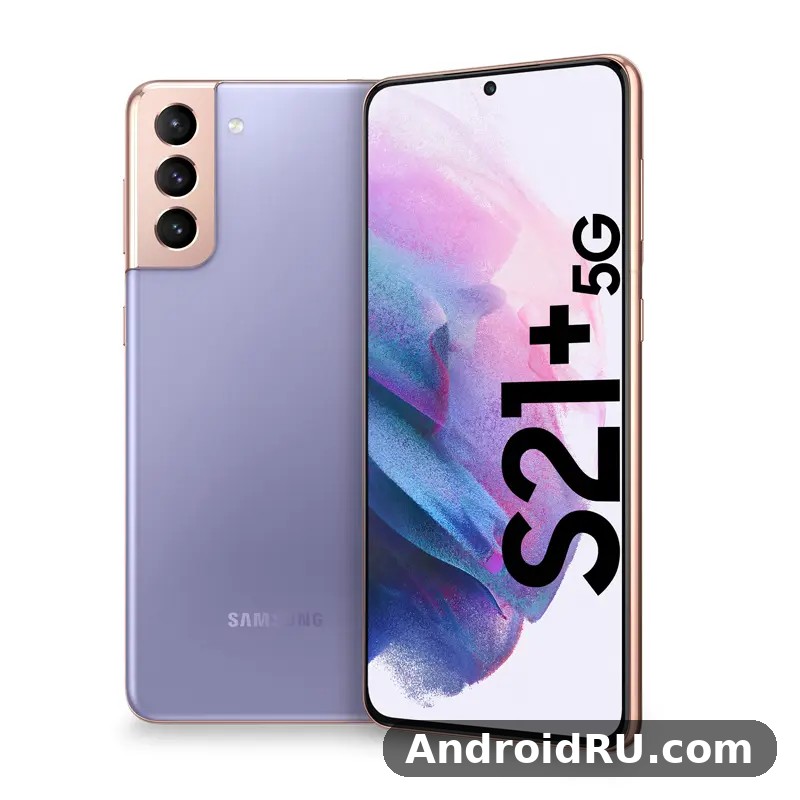
If you are shopping for one in 2026, you are almost certainly looking at a used or refurbished unit, so the question changes. You are not asking whether it beat every rival at launch. You are asking whether its cameras, speed, and battery still hold up against cheaper new phones, and whether the compromises are ones you can live with. After two weeks of shooting, gaming, commuting, and charging, I have a clear answer for most people, and a few warnings for the rest. Where I could not verify a number myself, I say so, and I point you toward the official page to check the current details for your region. For the bigger sibling with the stronger zoom system, the Samsung Galaxy S21 Ultra 5G Review: Daily Performance and Key Features is the natural comparison, because it shows what the extra size and the periscope lens buy you.
This is a hands-on review, not a spec sheet repeat. I shot in daylight, at dusk, indoors, and at night. I recorded 8K and 4K clips, played demanding games, and ran the phone through full workdays with 5G on. The headline numbers are familiar by now: a 12MP wide camera with optical stabilisation, a 12MP ultrawide, and a 64MP telephoto that powers the 3x hybrid zoom and the 30x Space Zoom. Numbers alone say little, though. What matters is what comes out of the camera app on an ordinary Tuesday, and that is where this review starts.
Photo Quality in Daylight and Low Light on the Galaxy S21+ 5G
What matters is what comes out of the camera app on an ordinary Tuesday, and here the photo quality in daylight is genuinely strong. Colours are vivid without turning grass neon, skin tones stay natural in shade, and the dynamic range holds both a bright sky and a shadowed street in the same frame. I shot a market scene at noon and a park at golden hour, and both sets needed almost no editing before sharing. Detail is where the main sensor earns its keep. At 12MP, files are not huge, but they are clean, with fine texture in brickwork, leaves, and fabric that cheaper phones smear into mush. The camera app is fast to open, focus locks quickly on moving subjects like kids and pets, and the shutter lag is short enough that I rarely missed a moment.
The main wide camera is 12MP with an f/1.8 aperture, dual-pixel autofocus, and optical image stabilisation. The ultrawide is 12MP with an f/2.2 aperture and a 120-degree field of view. The telephoto is 64MP with an f/2.0 aperture, and it powers the 3x hybrid zoom and the 30x Space Zoom. The system is rounded out by an LED flash, phase-detection autofocus, and Samsung’s scene optimiser, which adjusts colour and exposure for subjects like food, sunsets, and text. A 64MP telephoto camera sounds like the star, but in practice the 12MP main sensor does most of the work, and it does it well. Aperture matters because it decides how much light the sensor receives. The wide camera’s f/1.8 aperture is the brightest of the three, which is why it performs best after dark, while the ultrawide at f/2.2 and the telephoto at f/2.0 gather less light and soften sooner in dim conditions.
Daylight Camera Samples and Colour
Daylight is this phone’s comfort zone. The wide camera produces punchy, social-ready images straight out of the camera, and the ultrawide keeps distortion under control at the edges, which is rare at this price on the used market. I compared the same street scene on the wide and ultrawide lenses, and the colour stayed consistent between them, so a photo set shot on both lenses looks like it came from one camera. White balance is steady in mixed light, and the phone rarely blows out highlights the way some rivals do. For anyone who shoots mostly outdoors, in travel, or at family events, the daylight samples I took would pass for a much newer phone.
Low Light Camera and Night Mode Photos
Night is where the story gets more complicated, and more interesting. The dedicated night mode takes a few seconds per shot, stacking frames to pull detail out of dark streets and dim restaurants. The results are usable and often impressive: neon signs stay readable, faces in a dark cafe keep their shape, and noise stays low for a phone of this age. That said, the 64MP telephoto struggles after dark, and the ultrawide loses detail faster than the main sensor, so I learned to stick to the wide camera once the sun went down. Night mode photos are best when the phone is held steady or braced against something, and moving subjects will blur, as they do on nearly every phone that leans on long exposures. Optical stabilisation on the main camera steadies handheld shots at slow shutter speeds, and the large main sensor keeps noise low.
Portrait Mode and 30x Space Zoom Quality
Portrait mode is a quiet strength. Edge detection around hair is mostly clean, the background blur looks natural rather than painted on, and the phone offers a few blur styles if you like to tinker. The 3x hybrid zoom is the sweet spot for everyday reach: it stays sharp enough for social posts and prints at small sizes, and it is genuinely useful for framing a subject across a room or a street. Push past 10x and the 30x Space Zoom quality falls off a cliff, with heavy noise reduction and a watercolour look that is fine for reading a distant sign but not for a keeper photo. Treat 30x as a party trick and a tool for identification, not as a real photographic zoom, and you will not be disappointed. The zoom system combines the 64MP sensor with digital cropping. At 10x, detail softens and noise reduction becomes visible. The camera app adds a zoom lock and a stabilised preview at high zoom, which helps you hold the frame steady.
Pro Mode Settings Worth Trying
Pro mode is where this phone rewards a little patience. I set ISO low in daylight, nudged the white balance warmer for sunset shots, and used manual focus for close-ups of food and flowers, where autofocus sometimes hunts. The phone also shoots in RAW through Pro mode, which gives you far more room to rescue shadows in editing. If you only change one habit, shoot your most important photos twice: once in auto, once in Pro with a lower ISO. The difference in a large print is easy to see.
| Camera | What it does well | Where it struggles |
|---|---|---|
| 12MP wide, f/1.8, OIS | Clean daylight detail, reliable night mode, natural colour | Moving subjects blur in very dark scenes |
| 12MP ultrawide, f/2.2 | Wide landscapes and groups, consistent colour with main lens | Soft edges and noise after dark |
| 64MP telephoto, 3x hybrid | Sharp 3x shots, useful reach for portraits and events | 30x zoom is noisy, weak in low light |
| 10MP selfie, f/2.2 | Sharp selfies, good video calls, natural skin tones | No autofocus, softer in dim rooms |
Video Recording: 8K, 4K 60fps and Stabilisation
Video is where this phone still feels modern. It records 8K at 24 frames per second, 4K at up to 60 frames per second, and 1080p slow motion, and the footage holds up well on a big screen. I filmed a walk through a busy street in 4K at 60fps and the result was smooth, with accurate colours and audio that picked up voices clearly over street noise. The microphones do a solid job of cutting wind, and the stereo speakers make playback pleasant without headphones. If video matters to you, this is one of the strongest reasons to pick this phone over a cheaper new handset with a weaker camera system. Video recording reaches 8K at 24 frames per second on the rear cameras, 4K at up to 60 frames per second, and 1080p slow motion at up to 240 frames per second, with 960fps super slow motion at 720p. Super Steady stabilisation uses the ultrawide lens to smooth walking footage, and the standard stabilisation on the main lens handles everyday handheld clips. Audio is recorded in stereo, with wind-noise reduction that works well outdoors, and HDR10+ recording keeps bright skies and dark shadows in the same clip.
Does This Phone Shoot 8K Video Well Enough to Use?
Yes, with a caveat. The 8K footage is genuinely detailed, and on a 4K television you can see the extra resolution when you crop in. But 8K clips are large, the phone crops in slightly, and long 8K sessions warm the phone up. I used 8K for short, planned clips, like a landscape pan or a birthday moment I wanted to crop later, and 4K 60fps for everything else. For most people, 4K 60fps is the better default: it is smoother, the files are manageable, and the stabilisation works at its best. It does shoot 8K, and the answer to whether you should use it every day is no, save it for the shots that deserve it. The front camera is a 10MP sensor with an f/2.2 aperture, and it supports 4K video at 30 or 60 frames per second. It produces sharp selfies in good light, with natural skin tones and a portrait mode that blurs the background convincingly. Video calls are clear, and the front camera’s 4K recording makes it usable for vlogging when you want to see yourself while you film. There is no autofocus on the front camera in most regions, so hold the phone at arm’s length for the sharpest selfies, and expect softer results in dim rooms.
Video Stabilisation and Super Steady Mode
Stabilisation is excellent. The optical stabilisation on the main lens takes the edge off hand shake, and Super Steady mode, which uses the ultrawide lens, turns a bumpy walk into footage that looks like it was shot on a gimbal. I filmed while walking down stairs and across a gravel path, and the clips stayed watchable without any editing. The trade-off is a narrower field of view and softer detail in Super Steady, plus weaker low-light performance, so I switch it on for action and off for calm, well-lit scenes. The video stabilisation in normal 4K mode is already good enough for vlogs, travel clips, and family videos, which covers most real use. Slow motion at 240fps turns a splash or a jump into a dramatic sequence, and for a phone from 2021, the video specification sheet still reads like a modern mid-range flagship, which is why the phone remains popular with people who film often.
Performance: Exynos 2100 vs Snapdragon 888
Performance depends on which chip your unit has, and this is the one thing to check before you buy. Most regions got the Exynos 2100, while the United States and a few other markets got the Snapdragon 888. Both are 5nm octa-core chips paired with 8GB of RAM, and in everyday use I would struggle to tell them apart: apps open fast, switching between a dozen apps is smooth, and the 120Hz screen makes scrolling feel instant. The differences show up under sustained load, in gaming, and in heat, which is where the next two sections come in. The Exynos 2100 runs up to 2.9GHz, while the Snapdragon 888 runs up to 2.84GHz, and both pair with 8GB of LPDDR5 RAM. Both chips are built on a 5nm process, which keeps power use and heat lower than older 7nm designs. In benchmarks the two trade blows depending on the test, and in real use, opening apps, switching between them, editing photos, and streaming video, they feel the same.
For context on how far the line has moved since, the current flagship review of the Samsung Galaxy S21 5G Review: Cameras, Performance and Battery Life shows the same family at its smallest size, and it also shows how much of the daily experience the S21+ 5G already had right. The older phone is not in the same league as the newest flagships for raw power, yet for messaging, browsing, streaming, and photography, the gap in real use is far smaller than the gap on a benchmark chart. I ran email, maps, a browser with many tabs, music streaming, and the camera at the same time, and the phone kept up without reloading apps aggressively.
Exynos 2100 vs Snapdragon 888 in Daily Use
In normal use, both chips are fast. The Exynos 2100 vs Snapdragon 888 debate matters most to heavy gamers and to people who record long 4K or 8K clips, where the Snapdragon version tends to stay a little cooler and hold its peak speed a little longer. If you mostly use your phone for social apps, photos, and video watching, either chip will feel quick. If you game for an hour at a time, ask the seller which chip the unit has, and prefer the Snapdragon version when the price is close. Before buying a used unit, ask the seller which chip it has, and check the model number against the official page for your region.
Gaming Performance and Heat
Gaming is good, with a limit. Demanding titles run at high settings with smooth frame rates for the first 20 to 30 minutes, and the big 6.7-inch screen with its 120Hz refresh makes fast games feel responsive. After longer sessions, the phone warms up and frame rates dip a little, which is normal for a slim glass phone with a flagship chip. I found that taking the case off and lowering the graphics one notch kept long sessions smooth, and the phone cooled down quickly once I stopped. Gaming performance is strong enough for daily play, and the overheating while gaming that some owners report is real but manageable: it shows up as warmth and a small frame dip, not as crashes.
8GB RAM Multitasking and Storage Choices
Eight gigabytes of RAM is enough for real multitasking in 2026. I kept a navigation app, a music app, a browser, and the camera open at once, and the phone returned to each without a reload. Storage comes in 128GB or 256GB, with no microSD slot, so choose carefully: the 128GB model fills up fast if you shoot a lot of 4K video, while the 256GB model is the safer pick for a phone you plan to keep for two years. Storage uses fast UFS 3.1 flash, and there is no microSD slot, so the size you buy is the size you keep. Video is what fills storage fastest. A minute of 4K at 60fps takes several hundred megabytes, and 8K takes far more, so a heavy video shooter can burn through tens of gigabytes in a single holiday. If you record video often, the 256GB model pays for itself in peace of mind, while a 128GB model needs regular offloading to a computer or a cloud backup.
Display and Design for Everyday Use
The screen is a highlight. The 6.7-inch Dynamic AMOLED 2X display runs at 2400 by 1080 pixels, with an adaptive refresh rate that moves between 48Hz and 120Hz depending on what is on screen. Scrolling is silky, videos look rich, and outdoor visibility is strong, even in direct sun. The panel supports HDR10+, so supported shows and clips get deeper blacks and brighter highlights. After two weeks, the screen was the feature I noticed every single day, and it is the main reason this phone still feels premium next to cheaper new phones with dimmer, slower displays. That density works out to around 394 pixels per inch, which is high enough that text looks crisp and photos show fine detail, and the AMOLED technology gives deep blacks and vivid colour that LCD panels cannot match.
Design is a mixed bag in a good way. The metal frame and Gorilla Glass Victus front and back feel solid, the phone is slim at 7.8mm, and at 200g it has a reassuring weight without feeling like a brick. The contour-cut camera housing blends into the frame and still looks modern. The weak point is the back panel: on some finishes it is a plastic composite rather than glass, and it picks up fine scratches more easily than the Victus front. A case solves that, and most used units will already show a little wear, so check the back closely before you pay. The phone measures 161.5 by 75.6 by 7.8 millimetres and weighs 200 grams. That makes it a large phone, though the slim profile and flat display keep it comfortable to hold, and the weight feels balanced rather than top-heavy. For a closer look at how the newer generation handles the same design ideas, the Samsung Galaxy S22 Review: Design, Software and Camera Quality is a useful comparison, though the S21+ 5G stands on its own as a well-built handset.
120Hz Adaptive Refresh and Brightness
The adaptive refresh rate is the quiet hero of the daily experience. It ramps to 120Hz when you scroll and drops when you read a still page, which saves battery without you ever thinking about it. Brightness is strong enough for maps and photos outdoors, and the always-on display is handy for glanceable time and notifications. The in-display ultrasonic fingerprint sensor is fast once you register the same finger twice, which is a trick worth doing during setup. The front is covered by Gorilla Glass Victus, which resists scratches from keys and coins far better than older glass, though it is not unbreakable, and a screen protector is still cheap insurance. Outdoor visibility is one of the practical strengths of this panel. In bright daylight the screen stays legible at high brightness, and the automatic brightness sensor reacts quickly when you step from shade into sun.
Speakers, Haptics and Daily Comfort
The stereo speakers are loud and clear, with a decent sense of space for a phone, and they make video watching without earbuds genuinely enjoyable. Haptics are precise, with a short, firm buzz for typing and notifications rather than a loose rattle. One-handed use is a stretch at 6.7 inches, but the curved-free flat display makes reaching across the screen easier than on phones with curved edges, and one-handed mode helps when you need it. The phone is IP68 rated, so rain and an accidental splash are not a drama, though I would not take it swimming on purpose. Launch colours included Phantom Violet, Phantom Black, Phantom Silver, and Phantom Pink, with Phantom Gold in some regions, and availability varied by market.
Battery Life and 25W Charging in Real Use
Battery life is the area where age shows most. The 4800mAh battery got me through a full day of mixed use: messaging, maps, photos, and an hour of video, ending most evenings with 15 to 25 percent left. On heavy days with lots of 5G, gaming, and camera use, I needed a top-up before bed. That is respectable for a phone of this age, but a used unit’s battery health matters more than the headline capacity, so ask for a battery health report or a return window, and budget for a battery replacement if the unit is heavily worn. A fresh battery transforms this phone. In practice, a healthy battery delivers five to six hours of screen time on Wi-Fi-heavy days and four to five hours on 5G-heavy days, ending a normal day with 15 to 25 percent left.
Charging is adequate, not fast by current standards. The phone supports 25W wired charging, which takes it from empty to roughly half in about half an hour, and to full in around 70 to 80 minutes with a compatible charger. Wireless charging runs at up to 15W, and reverse wireless charging at 4.5W can top up earbuds or a watch in a pinch. There is no charger in the box, so you will need your own USB-C charger, and a proper 25W charger is worth buying rather than reusing an old slow one. Wired charging uses USB Power Delivery and Samsung’s Adaptive Fast Charging, and a case with metal parts can block wireless charging, so test your case on the pad before you rely on it. The fan-edition sibling in the same family trades some of this hardware for a lower price, and the Samsung Galaxy S21 FE 5G Review: Build Quality, Software and Daily Speed is worth a look if battery life and price matter more to you than the telephoto camera.
Battery Life Test: A Full Day on 5G and Wi-Fi
My rough battery life test looked like this: off the charger at 7 in the morning, two hours of streaming, an hour of maps, a few dozen photos, and steady messaging, with 5G on during the commute and Wi-Fi at home. I ended the day around 20 percent, which matches what most owners report for a healthy battery. Screen-on time landed in the range of five to six hours on Wi-Fi-heavy days and closer to four to five hours on 5G-heavy days. Your numbers will vary with signal strength and screen brightness, so treat these as a guide, not a promise, and check the battery health of any used unit before you commit. A 4800mAh battery paired with an adaptive 120Hz screen is a balanced combination, and the phone’s power saving modes can stretch a low battery through an evening when needed.
Software: Android 11 to Android 14 and One UI 6.1
The phone launched with Android 11 and One UI 3.1, and Samsung updated it through to Android 14 with One UI 6.1, which is a longer support run than most phones from its year received. One UI 6.1 brings a cleaner quick panel, better lock-screen customisation, and the camera and gallery features that make daily use smoother. In practice, the software feels modern: animations are fluid, the settings are well organised, and the phone still receives security updates on a schedule that varies by region and carrier. Check the software update screen on any used unit to confirm it is on the latest available build for your region.
That long update history is also a buying consideration. The phone is near the end of its major update road, so you should buy it for what it does today, not for future Android versions. The current generation shows where the software line has gone since, and the Samsung Galaxy S22+ Review: Build Quality, Software and Daily Speed is a fair reference for how much newer software has changed, but One UI 6.1 on the S21+ 5G is polished, stable, and easy to live with right now. Security is covered by Samsung Knox, which provides hardware-backed security for payments and work profiles, and the ultrasonic fingerprint sensor reads the ridges of your finger through the glass, working with slightly damp fingers better than optical sensors do. Face recognition is convenient for unlocking in good light, but it is less secure than the fingerprint sensor, so use the fingerprint for payments and sensitive apps.
One UI 6.1 Features That Still Matter
A few One UI 6.1 features stood out in daily use. The camera app keeps its pro controls one tap away, the gallery’s object eraser cleans up stray passers-by, and the modes and routines can silence notifications automatically at night or switch on driving mode in the car. The edge panel is handy for launching a second app in split screen, and Samsung’s own apps, like the gallery and notes, are genuinely useful rather than bloat. One UI 6.1 features are the reason the phone feels current: the software, not the chip, is what you touch all day. The sensor list is complete for a flagship of its year: an ultrasonic fingerprint sensor under the display, a face recognition system using the front camera, and the accelerometer, gyroscope, proximity sensor, compass, barometer, and ambient light sensor covering fitness tracking, navigation, auto-rotation, and automatic brightness. The phone also carries a hall sensor for flip covers.
Is This Phone Waterproof IP68 and What It Means
Yes, the phone is rated IP68, which means it is protected against dust and against immersion in fresh water up to 1.5 metres for up to 30 minutes in lab conditions. In real life that covers rain, a spilled drink, and a drop in a sink. It does not cover seawater, soapy water, or a steam room, and the rating can weaken after drops or repairs. The rating is real, but treat it as insurance against accidents, not as permission to film underwater.
Full Specifications of the Galaxy S21+ 5G
The table below is the whole phone on one page. Use it to compare the Galaxy S21+ 5G against another handset, or to confirm a single detail before you buy a used unit. The sections after the table explain each row in plain language, including what the numbers mean for photos, gaming, battery life, and network coverage. Every number here comes from the hardware as Samsung shipped it, and where a detail varies by region, such as the chip or the 5G bands, I say so plainly.
| Area | Specification |
|---|---|
| Display | 6.7-inch Dynamic AMOLED 2X, 2400 x 1080 FHD+, 120Hz adaptive, HDR10+, Gorilla Glass Victus |
| Chipset | Exynos 2100 (5nm, octa-core, up to 2.9GHz) or Snapdragon 888 (5nm, octa-core, up to 2.84GHz), by region |
| RAM | 8GB LPDDR5 |
| Storage | 128GB or 256GB UFS 3.1, no microSD slot |
| Rear cameras | 12MP wide f/1.8 with OIS, 12MP ultrawide f/2.2, 64MP telephoto f/2.0, 3x hybrid zoom, 30x Space Zoom |
| Front camera | 10MP f/2.2 |
| Video | 8K at 24fps, 4K at up to 60fps, 1080p slow motion up to 240fps, Super Steady stabilisation |
| Battery | 4800mAh |
| Charging | 25W wired, 15W wireless, 4.5W reverse wireless; no charger in the box |
| Connectivity | 5G sub-6 and mmWave (region dependent), LTE, Wi-Fi 6, Bluetooth 5.2, NFC, UWB, USB-C 3.2 |
| Sensors | Ultrasonic in-display fingerprint, accelerometer, gyroscope, proximity, compass, barometer, ambient light |
| Security | Ultrasonic fingerprint sensor, face recognition, Samsung Knox |
| Dimensions | 161.5 x 75.6 x 7.8 mm |
| Weight | 200g |
| Build | Gorilla Glass Victus front, aluminium frame, IP68 dust and water resistance |
| Software at launch | Android 11 with One UI 3.1, updated to Android 14 with One UI 6.1 |
| SIM | Nano-SIM, with eSIM on supported models and regions |
| Audio | Stereo speakers, Dolby Atmos, no 3.5mm headphone jack |
Display, Chipset, RAM and Storage Specifications
The display is a 6.7-inch Dynamic AMOLED 2X panel with a resolution of 2400 by 1080 pixels, which works out to around 394 pixels per inch. The refresh rate adapts between 48Hz and 120Hz depending on what is on screen. It rises to 120Hz while you scroll or play a fast game, and drops when you read a still page, which saves battery without any action from you. The resolution is Full HD+, not Quad HD+, which is a deliberate trade-off: it keeps the battery going longer and the chip cooler, and at 6.7 inches the difference from a higher resolution is hard to spot in normal use. The chipset is the Exynos 2100 in most markets and the Snapdragon 888 in the United States and some other regions, both 5nm octa-core chips paired with 8GB of LPDDR5 RAM. Storage comes in two sizes, 128GB and 256GB, using fast UFS 3.1 flash, and there is no microSD slot, so the size you buy is the size you keep.
Camera, Video and Battery Specifications
The rear camera system has three lenses: a 12MP wide camera with an f/1.8 aperture, dual-pixel autofocus, and optical image stabilisation; a 12MP ultrawide with an f/2.2 aperture and a 120-degree field of view; and a 64MP telephoto with an f/2.0 aperture powering the 3x hybrid zoom and the 30x Space Zoom. Video recording reaches 8K at 24 frames per second on the rear cameras, 4K at up to 60 frames per second, and 1080p slow motion at up to 240 frames per second, with 960fps super slow motion at 720p. The battery is a 4800mAh lithium-ion cell, with 25W wired charging reaching roughly half in about 30 minutes and full in around 70 to 80 minutes, 15W wireless charging, and 4.5W reverse wireless charging. No charger is included in the box.
Connectivity, Sensors and Build Specifications
Connectivity is broad, with one important caveat: the exact 5G bands depend on the model and region. The phone supports 5G on sub-6GHz bands in all regions, and mmWave in regions where carriers use it, such as the United States. It also supports LTE, HSPA, and GSM for older networks, so it stays connected where 5G has not arrived. Wi-Fi 6, based on 802.11ax, gives faster speeds and better performance on crowded networks than older Wi-Fi, and it supports both 2.4GHz and 5GHz bands, with Wi-Fi Direct and hotspot sharing. Bluetooth 5.2 supports high-quality audio codecs and stable connections to earbuds, watches, and car systems. NFC handles contactless payments and quick pairing, and ultra-wideband supports precise location features with compatible accessories and Samsung’s SmartThings Find. The USB-C port runs at USB 3.2 speeds for fast file transfers, and the phone supports DisplayPort output for connecting to a monitor, plus Samsung DeX for a desktop-like experience. The phone measures 161.5 by 75.6 by 7.8 millimetres and weighs 200 grams, with an aluminium frame, a Gorilla Glass Victus front, and an IP68 rating.
How to Use This Specifications Table Before Buying
Use this guide as a checklist when you buy. Confirm the model number and its 5G bands, confirm the chip, confirm the storage size, check the battery health, and inspect the back panel and the screen for wear. A phone built for one region may lack the exact sub-6 bands another carrier relies on, which shows up as slower data or no 5G at all, even though the phone shows a 5G icon in some places. Confirm the model, confirm your carrier’s bands, and confirm that the two lists overlap. If those five checks pass, the specification sheet says what the hands-on review confirms: this is a former flagship whose hardware still earns its place as a daily phone, and whose numbers, read carefully, tell you exactly what you are getting.
Pros and Cons: Who Should Buy the Galaxy S21+ 5G
After two weeks, the balance is clear. This is a former flagship whose screen, cameras, and build still beat most budget phones, sold at a used price that makes those strengths cheap. The compromises are honest ones: an ageing battery, slower charging, and a zoom camera that fades after dark. If those trade-offs fit your habits, it is a smart buy. If you need two-day battery or the fastest charging, look elsewhere.
Five Pros of the Galaxy S21+ 5G
Triple camera setup with a reliable main sensor, a clean ultrawide, and a genuinely useful 3x zoom, plus 8K and 4K 60fps video. Bright 6.7-inch adaptive 120Hz display with HDR10+ and strong outdoor visibility. Solid everyday speed from the Exynos 2100 or Snapdragon 888 with 8GB of RAM, and a long software run up to Android 14. Premium build with Gorilla Glass Victus, a metal frame, IP68 protection, and stereo speakers. Good value on the used market, where the screen and cameras outclass most new phones at the same price.
Four Cons to Know Before Buying
Battery life is only a single day, and a worn used battery can be much worse, so check battery health before buying. 25W wired charging is slow next to current rivals, and there is no charger included in the box. The 30x zoom is noisy and the telephoto struggles in low light, while the 128GB base model has no microSD expansion. Major Android updates have ended, so buy it for what it does today rather than for future versions.
Who it is for: photographers on a budget, anyone who watches a lot of video, and people who want a premium screen and build without paying flagship money. Who should skip it: heavy gamers who play for hours, anyone who needs two-day battery, and buyers who want the newest software for years to come.
Frequently Asked Questions About the Galaxy S21+ 5G
Is the Galaxy S21+ 5G still worth buying in 2026?
For most buyers, yes, if the price is right and the battery is healthy. The screen, cameras, and build still beat most new budget phones, and the 4800mAh battery is enough for a full day when it is in good condition. Buy it for photography, video, and everyday speed, not for two-day battery or future Android versions. Check the battery health, the chip version, and the condition of the back panel before you pay, and prefer a unit with a return window.
How good is the Galaxy S21+ 5G camera for photos and video?
Very good for its price. Daylight photos are clean and colourful, night mode rescues dark scenes on the main sensor, and 4K 60fps video with strong stabilisation is a genuine strength. The 3x hybrid zoom is useful, while 30x is only for reading distant signs. The 10MP selfie camera is sharp in good light and fine for video calls, though it has no autofocus and softens in dim rooms.
Does the Galaxy S21+ 5G support 5G, Wi-Fi 6 and wireless charging?
Yes to all three. It supports 5G on sub-6 and, depending on region, mmWave bands, plus Wi-Fi 6, Bluetooth 5.2, and NFC. Wireless charging runs at up to 15W, and reverse wireless charging at 4.5W can top up earbuds. The ultrasonic fingerprint sensor sits under the display and works well once you register each finger twice.
How long does the Galaxy S21+ 5G battery last and how fast does it charge?
Expect five to six hours of screen time on Wi-Fi-heavy days and four to five hours on 5G-heavy days, with most healthy units ending a normal day at 15 to 25 percent. Wired charging at 25W reaches roughly half in about 30 minutes and full in around 70 to 80 minutes. Wireless charging is slower, so use the cable when you are in a hurry.
Is the Galaxy S21+ 5G waterproof, and what are its dimensions?
The phone is rated IP68 for dust and fresh-water immersion up to 1.5 metres for 30 minutes in lab conditions, and it measures 161.5 by 75.6 by 7.8 millimetres at 200 grams. Treat the rating as protection against accidents rather than a reason to take the phone swimming, and check the official page for the exact rating of your model.
What are the S21+ 5G specs?
The S21+ 5G specs start with the S21+ 5G display, a 6.7-inch panel with a 120Hz refresh rate, so most buyers can pick a size that fits without paying for more than they need. The S21+ 5G RAM is 8GB, and the S21+ 5G storage comes in 128GB or 256GB. The S21+ 5G screen size is 6.7-inch, the S21+ 5G weight is 200g, and the S21+ 5G colors vary by region, with black and grey finishes in most stores and extra shades in Samsung’s online store. The S21+ 5G performance comes from the Exynos 2100 or Snapdragon 888 chip, and the S21+ 5G WiFi 6E support keeps downloads fast. The S21+ 5G Galaxy AI tools cover photo edits, live translation and writing help. The S21+ 5G release date was January 2021.
When was Samsung Galaxy S21+ 5G released?
The Samsung Galaxy S21+ 5G was released in January 2021. That date matters when you compare prices, because the S21+ 5G price has fallen since launch and newer models have taken the top spot in Samsung’s range.
Is Samsung Galaxy S21+ 5G worth buying, and will S21+ 5G price drop further?
Yes, if the price is right. The S21+ 5G price in USA started at $999 at launch, and the S21+ 5G price has fallen since then, so the value case is much stronger now than it was on day one. Look for S21+ 5G deals around sales events, and check the S21+ 5G trade in value of your current phone, because a good trade in can cut the cost further. On that basis, the S21+ 5G worth buying case is simple: it is a good buy for anyone who wants a flagship camera and a big screen without paying the newest model’s price.
How does the S21+ 5G vs S20+ 5G comparison look?
The S21+ 5G runs on Exynos 2100 or Snapdragon 888, while the S20+ 5G runs on Exynos 990 or Snapdragon 865, so the newer phone is faster in heavy games and AI tasks, but the gap in everyday apps is small. The S21+ 5G also gets a longer remaining update window, while the S20+ 5G is now the cheaper buy and still covers the basics well. Buy the S21+ 5G if you want the newest cameras and the longest support; buy the S20+ 5G if the discount is large and you are happy with last year’s speed.
How good is the Samsung Galaxy S21+ 5G camera?
The Samsung Galaxy S21+ 5G camera is led by a 12MP main sensor, and the S21+ 5G best camera settings for most people are the default Photo mode with scene optimisation on and HDR set to auto. A Samsung Galaxy S21+ 5G camera test in everyday use shows sharp daylight shots, clean night photos and steady video, with the long zoom best kept to its optical range for the cleanest results.
Is S21+ 5G waterproof?
Yes. The S21+ 5G IP68 rating means it can handle dust and a dip in fresh water, so rain and splashes are nothing to worry about. Rinse it with clean water if it goes in the sea or a pool, and do not charge it until the port is dry.
How long does S21+ 5G battery last?
In normal use the S21+ 5G battery lasts a full day, and the S21+ 5G battery life is helped by the 4,800mAh battery and the efficient chip. The S21+ 5G screen on time usually lands between six to seven hours, and in a S21+ 5G battery life test with maps, photos, video and messaging, the phone still had charge left at bedtime.
Does S21+ 5G have wireless charging?
Yes. The S21+ 5G wireless charging watts rating is 15W, so a compatible pad or stand tops the phone up slowly overnight, while the 25W wired charging is the faster option when you are in a hurry. The S21+ 5G charging speed is 25W wired and 15W wireless, which is slower than some rivals but fast enough for an overnight charge.
Why is S21+ 5G fast charging not working?
Check the charger and cable first: the S21+ 5G needs a USB-C PD charger rated for 25W and a 5A cable to reach full speed, and a weak charger or a dirty port slows it down. Clean the port gently, try another cable, and restart the phone before you assume the battery is at fault.
Why does my S21+ 5G lose battery overnight?
The simplest S21+ 5G battery drain overnight fix is to open Settings, check Battery usage for the app draining power, and put that app to sleep. The S21+ 5G always on display settings sit under Lock screen and AOD, so turning that display off at night also helps the battery hold its charge.
How to take screenshot on S21+ 5G?
Press the Side key and Volume Down together for a quick screenshot, or swipe the edge of your palm across the screen if that gesture is turned on. After the capture, tap Scroll capture to save a long page as one image.
How to restart S21+ 5G?
Hold the Side key and Volume Down together until the power menu appears, then tap Restart. If the phone is frozen, hold both keys for about seven seconds to force a restart.
How to transfer data to S21+ 5G?
Use Smart Switch: install it on both phones, connect them by cable or Wi-Fi, and pick the photos, messages, apps and settings to move. Keep both phones charged and on the same Wi-Fi network until the transfer finishes.
How to turn off 5G on S21+ 5G?
Open Settings, go to Connections, then Mobile networks, then Network mode, and pick a mode without 5G. Turning 5G off can help the battery in weak-signal areas, and you can turn it back on the same way.
Why is 5G not working on S21+ 5G?
Turn airplane mode on and off, check that the SIM is seated properly, and confirm that your plan and area both support 5G. If it still fails, reset the network settings in Settings under General management, then restart the phone.
How to free up storage on S21+ 5G?
Open Settings, go to Battery and device care, then Storage, and delete the large videos and unused apps it lists. The S21+ 5G storage is fixed, with no microSD slot, so back photos up to the cloud and clear the Gallery recycle bin to win space back.
How to use S21+ 5G with one hand?
Turn on one-handed mode in Settings under Advanced features, then swipe down on the bottom edge to shrink the screen. It makes the top of the display easy to reach on a big phone like this one.
How to record calls on S21+ 5G?
Call recording on the S21+ 5G depends on your region: where it is allowed, open the Phone app, go to Settings, then Record calls, and turn it on. Where it is not offered, the option simply does not appear, and recording laws vary, so check the rules where you live before you record anyone.
Does S21+ 5G overheat?
In normal use the S21+ 5G stays cool, and it only gets warm during long gaming sessions, 4K recording or charging in a hot car. That warmth is normal; if the phone ever shows a heat warning, close the heavy app, move it out of the sun and let it cool before you charge it.
What S21+ 5G hidden features are worth trying?
The S21+ 5G hidden features worth trying first are Modes and Routines, which change settings automatically, and Secure Folder, which keeps private apps and files behind a lock. Good Lock in the Galaxy Store adds more tweaks, and the Edge panel puts your favourite apps and tools one swipe away.
What S21+ 5G problems do owners report most?
The most talked-about S21+ 5G problems are small ones: charging feels slow next to rivals, no charger comes in the box, and there is no microSD slot. Software quirks after big updates are usually fixed by a restart or a later patch, so keep the phone updated.
Which S21+ 5G cases and accessories are worth buying?
Good S21+ 5G cases range from slim clear shells to rugged cases with a kickstand, and a S21+ 5G screen protector is worth adding on a phone with a screen this size. The wider S21+ 5G accessories range covers chargers, car mounts and Galaxy Buds, so buy the case first and add the rest as you need them.
S21+ 5G fingerprint sensor not working: what should I do?
Clean the screen and your finger, then delete the old fingerprint and register it again, pressing firmly at different angles. The S21+ 5G fingerprint sensor is an ultrasonic reader under the display, and a thick screen protector can confuse it, so register the fingerprint after you fit the protector.
What if the S21+ 5G Bluetooth keeps disconnecting?
If your S21+ 5G Bluetooth keeps disconnecting, forget the device in Bluetooth settings and pair it again. Update the phone, restart both devices, and check that no battery optimisation is putting the Bluetooth app to sleep.
Why are notifications delayed on the S21+ 5G?
A common S21+ 5G notification delay fix is to turn off battery optimisation for the app in Settings, so the phone does not put it to sleep. Also check that notifications are allowed for the app and that Do Not Disturb or a sleeping-apps rule is not holding them back.
What should I know about S21+ 5G software updates?
Most S21+ 5G software update problems clear after a restart and a retry on Wi-Fi, with the phone charged and enough free space. The S21+ 5G software update promise is three generations of Android updates and four years of security patches, so the phone keeps getting new features and security patches for years.
Does the S21+ 5G support dual SIM and eSIM?
Yes. The S21+ 5G dual SIM eSIM setup pairs one physical nano-SIM with one eSIM in most regions, so you can keep a work number and a personal number on one phone. The S21+ 5G eSIM is added in Settings under Connections, then SIM manager.
Final Verdict: Is the Galaxy S21+ 5G Still Worth It in 2026
The Galaxy S21+ 5G is a former flagship that has aged well where it counts. Its photo quality in daylight is still strong, its video is still among the best you will find at used prices, and its performance handles everyday life without fuss. The battery and charging are the honest compromises, and the zoom fades after dark, but none of that erases the value: a bright 120Hz screen, a versatile camera system, and a premium build for far less than a new phone with the same strengths.
My advice is simple. If you find a unit in good condition with a healthy battery, at a price well below a new mid-range phone, buy it, fit a case and a screen protector, and check for the latest software update on day one. Spend your first week shooting in Pro mode and trying Super Steady video, because those two habits show off what this phone does best. And if the battery report looks weak, walk away or budget for a replacement, because a fresh battery is what turns a good used phone into a great daily driver.

