

Samsung Galaxy S21 FE 5G Review: Build Quality, Software and Daily Speed
The Samsung Galaxy S21 FE 5G arrived in January 2022 as the Fan Edition of the flagship Galaxy S21 range, and it was built around a simple idea: keep the parts people actually notice every day, and trim the parts they rarely miss. That means a bright 120Hz screen, a capable triple camera, a large battery and the same top-tier chipset family as the more expensive S21 models, wrapped in a body that costs noticeably less. Four years on, the phone still shows up in second-hand listings and carrier deals, so the question is no longer whether it was good at launch. The question is whether the build, the software and the daily speed still hold up for someone buying one now. A Galaxy S21 FE 5G water resistance test confirms the rating covers splashes and brief submersion, not every kind of water damage. The Galaxy S21 FE 5G tips and tricks in this review are the ones worth turning on first, because they change daily use the most.
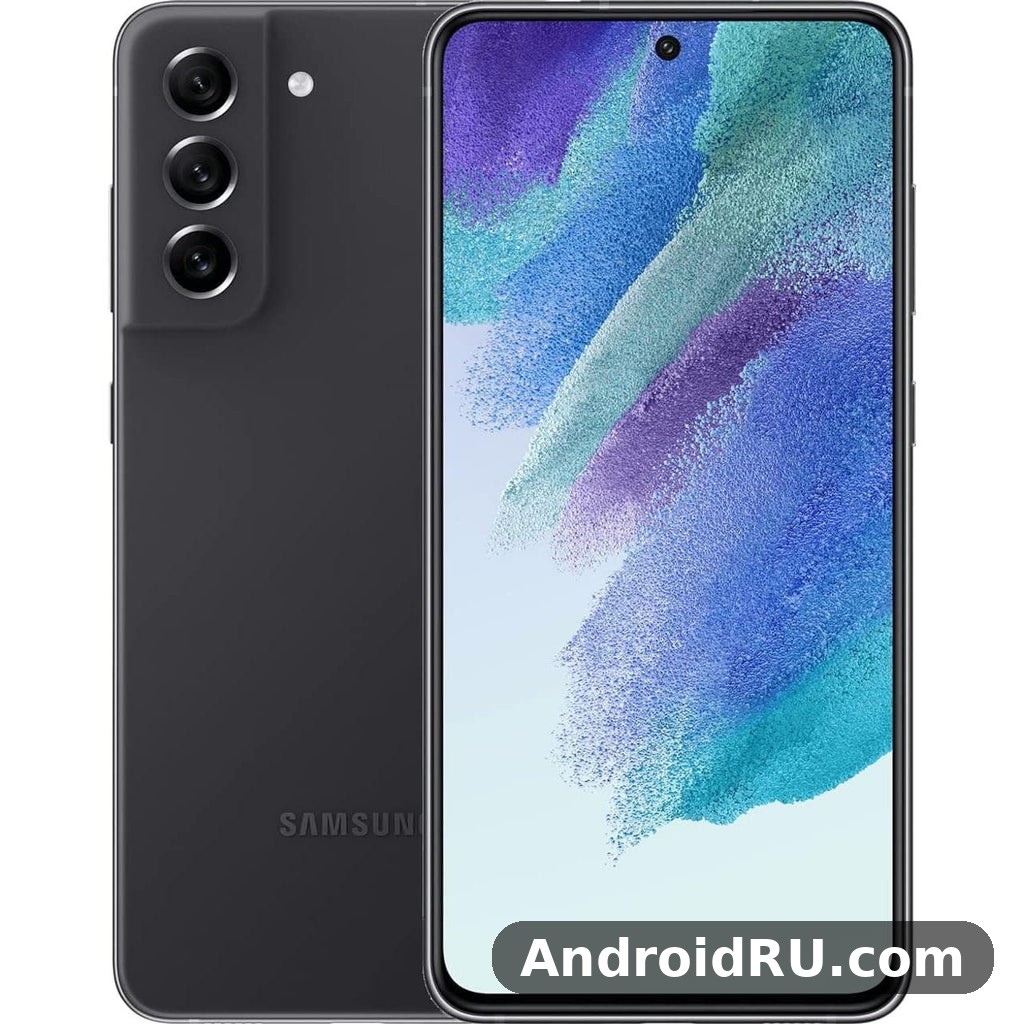
This review looks at the phone the way an owner would live with it: how it feels in the hand, how the screen behaves outdoors, how One UI has aged, how fast apps open after months of use, and where the cameras and battery genuinely help or fall short. Every specification quoted here comes from the phone’s official launch figures, and the full specification tables near the end gather those figures in one place so you can check a used unit against them before paying. The short version is that the S21 FE 5G remains a pleasant daily phone, with two or three compromises that matter more to some buyers than to others. The Galaxy S21 FE 5G hidden features worth finding first live in the settings menus most owners never open. The Galaxy S21 FE 5G best settings for daily use are the ones that save taps: edge panels, quick settings and a sensible refresh rate.
At launch the Galaxy S21 FE 5G sold for $699 in the United States, which put it in an awkward middle ground: cheaper than the Galaxy S21+ 5G, yet dearer than the mid-range Galaxy A series. Time has been kind to that pricing problem. Used and refurbished units now change hands for a fraction of the launch price, and that changes the value judgement completely. Judged at its launch price it was a good phone with tough competition. Judged at the price it sells for now, the same hardware looks like a bargain for anyone who wants a compact Samsung flagship experience without paying flagship money. Buyers weighing the smaller original against this Fan Edition can start with the Samsung Galaxy S21 5G Review: Cameras, Performance and Battery Life, which covers the compact 6.2-inch model that this phone was built to undercut on price while beating on battery size.
Samsung Galaxy S21 FE 5G build quality: plastic back, metal frame and Gorilla Glass Victus
Pick up the Galaxy S21 FE 5G and the first thing you notice is how light it feels. At 177 grams it sits comfortably in one hand, and the 7.9 mm body slips into a jeans pocket without the bulk of the larger S21 Ultra. The back panel is polycarbonate, which is a polite way of saying plastic, and Samsung finished it with a soft matte texture that resists fingerprints far better than the glossy glass on many rivals. Some buyers will miss the cold feel of glass, and that is a fair complaint, yet the trade-off brings real benefits: the phone is less slippery, it survives small drops with fewer heart-stopping moments, and a cracked back panel costs less to replace than a glass one. The frame around the edge is metal, and it gives the phone a solid core that the plastic back alone could not provide. Press the sides and there is no flex or creaking, the buttons sit firmly in their cut-outs, and the camera housing blends into the frame in the same Contour Cut style as the rest of the S21 family. That design choice matters more than it sounds, because it makes the phone look like a member of the flagship family rather than a budget imitation. Colours ranged from graphite and white to olive green and lavender, and the matte finish keeps all of them looking clean after weeks without a case. A Galaxy S21 FE 5G factory reset is the last resort for stubborn software trouble, so back up first and try a restart before it. The Galaxy S21 FE 5G user manual is available from Samsung’s support pages if you want the official steps for any feature.
How the polycarbonate back feels in daily use
In daily use the plastic back is one of those details that sounds worse on a spec sheet than it feels in the hand. The matte surface has a slight grip to it, so the phone does not slide off a car dashboard or a sloped table the way glossy glass phones do. It also stays cooler to the touch during long video calls, and it never picks up the smudged fingerprint map that glass backs collect within minutes. Owners who use a case will never think about the material at all, since the case covers it, and owners who go without a case tend to appreciate the lighter weight and the extra grip. The honest weakness is scratch resistance: keys and coins in the same pocket can leave faint marks on the matte coating over time, so a thin case or a separate pocket is still wise. A Galaxy S21 FE 5G drop test is best left to reviewers, but the glass and frame are built to survive everyday knocks.
IP68 water resistance and what it covers in real life
The IP68 dust and water resistance rating is one of the strongest parts of the build, and it is a feature many cheaper phones still lack. In practice it means the phone can survive being submerged in up to 1.5 metres of fresh water for up to 30 minutes, along with full protection against dust. That covers the accidents that actually happen: a phone dropped in a sink, caught in heavy rain, or splashed at the side of a pool. It does not cover everything, and owners should know the limits. Salt water, soapy water and chlorinated pool water can still damage seals over time, and Samsung does not cover water damage under warranty, so the rating is best treated as insurance against accidents rather than an invitation to take photos underwater. After any soaking, the USB-C port should be left to dry fully before charging.
Cleaning and caring for the matte finish
A soft, slightly damp microfibre cloth is all the matte back needs, and harsh cleaners should stay away from it because they can dull the coating. A quick wipe once a week keeps the finish looking new, and a clear slim case protects the corners without hiding the colour. The Gorilla Glass Victus on the front is tougher than the glass on most phones from the same year, yet it is not scratch-proof, so a screen protector is still a sensible addition for anyone who carries keys in the same pocket as the phone. Victus is rated to survive drops of up to 2 metres onto hard surfaces, with better scratch resistance than the previous generation of glass, though a drop onto a sharp stone can still crack it.
Samsung Galaxy S21 FE 5G display: 6.4-inch Dynamic AMOLED 2X with 120Hz refresh rate
The display is the single best reason to choose this phone. The 6.4-inch Dynamic AMOLED 2X display with a 120Hz refresh rate is bright, colourful and smooth in a way that cheaper LCD panels cannot match, and it is the same display technology Samsung uses in its flagship phones. Full HD+ resolution at 2340 by 1080 pixels keeps text sharp at normal viewing distances, and the AMOLED panel delivers deep blacks because each pixel produces its own light. Watching video at night is a genuine pleasure: dark scenes stay dark instead of glowing grey, and colours have the rich, saturated look that Samsung screens are known for. Brightness holds up outdoors as well. Peak brightness reaches around 1200 nits in bright conditions, which is enough to read maps and messages in direct sunlight without hunting for shade. The adaptive 120Hz refresh rate makes scrolling through social feeds and web pages feel fluid, and it drops back to 60Hz when nothing is moving so the battery is not wasted. Some buyers will point out that the S21 Ultra offered a sharper Quad HD+ panel with a variable refresh rate down to 10Hz, and that is true, yet in normal use the difference between Full HD+ and Quad HD+ on a 6.4-inch screen is hard to spot, while the difference in price was easy to feel. A Galaxy S21 FE 5G screen brightness test shows the display staying readable outdoors, even in bright sunlight. The Galaxy S21 FE 5G outdoor visibility holds up well, with the display staying readable even in bright sunlight.
120Hz refresh rate in scrolling, gaming and video
The 120Hz mode changes the feel of the whole phone more than any single specification on the sheet. Scrolling through a long article no longer smears text, swiping between home screens feels immediate, and supported games render motion with a clarity that makes 60Hz look sluggish by comparison. Samsung lets the refresh rate adapt automatically, or owners can lock it to 60Hz to save battery, and most people will leave it on adaptive and forget about it. Video apps mostly play at their native frame rate, so films do not look unnaturally smooth, which keeps the screen honest about what it is showing. The pixel density of about 403 pixels per inch keeps text sharp, and the 20:9 aspect ratio keeps the phone narrow enough to hold comfortably despite the large screen. The Galaxy S21 FE 5G best camera settings for everyday shooting are simple: keep the main lens clean, let the phone pick the mode, and save the manual controls for tricky light. For the Galaxy S21 FE 5G how to screenshot shortcut, press the power and volume-down buttons together, and the captured image lands straight in your gallery.
Outdoor brightness, always-on display and eye comfort
The always-on display shows the time, date and notification icons without waking the full screen, and it can be scheduled to switch off overnight so it never disturbs sleep. Eye Comfort Shield reduces blue light in the evening by warming the colour temperature, and it can follow a sunset schedule automatically. Colour modes offer a vivid default that makes photos pop, plus a natural mode that tones the saturation down for people who edit photos or prefer a calmer look. The in-display fingerprint sensor sits under the lower half of the screen, and while optical sensors of this generation are not quite as fast as the ultrasonic sensor in the S21 Ultra, it unlocks reliably once a fingerprint is registered twice from slightly different angles. In a Galaxy S21 FE 5G camera test, daylight shots look clean and detailed, while low light is where the processing has to work hardest. For a Galaxy S21 FE 5G gaming test, the phone stays smooth in popular titles at sensible settings, though long sessions will warm it up.
Eye Comfort Shield and colour modes worth setting once
Two settings are worth changing on the first day: turn on Eye Comfort Shield with a sunset schedule, and try the natural colour mode for a day before deciding which look suits you. The vivid mode flatters photos and video, yet the natural mode is closer to how images look on other screens, which matters when sharing photos with friends. Both settings live in the display menu, take seconds to change, and cost nothing in performance. The optical fingerprint sensor reads the fingerprint through the glass, and registering the same finger twice from slightly different angles makes it noticeably more reliable in daily use. It works with most screen protectors, though very thick glass protectors can reduce accuracy, and wet fingers are the one condition where it struggles, which is where face recognition or a PIN takes over.
One UI software on the Galaxy S21 FE 5G: from Android 12 to Android 14
The Galaxy S21 FE 5G launched with Android 12 and One UI 4, and Samsung later updated it to Android 14 with One UI 6.1. That update path matters because it kept the phone feeling current long after launch, adding refined quick settings, better lock screen customisation, improved photo editing tools and the Galaxy AI features that Samsung rolled out to the S21 family where the hardware allowed. One UI remains one of the most complete Android skins available: it is packed with features, and that density is both its strength and its weakness. New owners can find the settings menu crowded at first, yet almost every feature is genuinely useful once discovered. Daily software life on this phone is calm and predictable. The app drawer is clean, notifications group sensibly, and Samsung’s own apps for gallery, notes, calendar and health work well enough that many owners never install replacements. Samsung Notes handles handwritten notes with the finger or a capacitive stylus, Samsung Health tracks steps and workouts without a subscription, and the Gallery app includes an object eraser that removes strangers from holiday photos with one tap. Bixby still exists for anyone who wants it, though most owners will use Google Assistant instead, and Samsung allows that choice without a fight. The phone also supports Samsung DeX, so plugging it into a monitor or a television turns it into a basic desktop with windows and a taskbar, which is a handy trick for hotel rooms and borrowed desks.
One UI 6.1 features that change daily use
One UI 6.1 brought the most visible changes to the camera and gallery experience, with faster photo processing, easier editing and cleaner sharing menus. The quick panel was redesigned so brightness and volume sit within easy thumb reach, and the lock screen gained more clock styles and notification layouts. Battery protection settings arrived as well, letting owners cap charging at 85 percent to slow long-term battery wear, which is a smart option for a phone that may now be bought second-hand with a battery that has already seen years of cycles. None of these features is flashy on its own, yet together they make the phone feel maintained rather than abandoned, and that feeling is worth a lot when choosing a used phone. Samsung DeX turns the phone into a basic desktop when it is connected to a monitor or television, with windows, a taskbar and mouse support, and Samsung Knox runs underneath the whole system, separating work data from personal data and protecting the phone against tampering, with a Secure Folder that keeps private photos, documents and apps behind a separate lock.
Samsung Galaxy S21 FE 5G software update policy and security patches
Samsung promised four generations of Android updates and five years of security patches for the S21 FE 5G, which was generous for its price class at the time. In practice the phone moved from Android 12 through Android 13 and Android 14, keeping it in step with newer Samsung phones for most of its life. Security patches continued on a regular schedule, and that steady support is one reason the phone still makes sense as a purchase: a phone that still receives patches is a safer phone to bank and shop with. Buyers of a used unit should still check the software update screen before paying, because a phone stuck on an old patch level may have been neglected, and a quick check of the Android version and the security patch date tells the story in seconds.
Daily speed: Snapdragon 888 and Exynos 2100 performance in real use
Which chipset sits inside the Galaxy S21 FE 5G depends on the region: most markets received the Snapdragon 888, while some regions, including parts of Europe, received Samsung’s own Exynos 2100. Both are 5nm flagship chips from the same generation, both pair with 6GB or 8GB of RAM, and in everyday use the difference between them is smaller than forum debates suggest. Apps open quickly, the camera launches in about a second, switching between a browser, a messenger and a map is instant, and the phone rarely makes its owner wait. The 8GB RAM version holds more apps in memory, so returning to a game or a large document after an hour usually resumes where it stopped instead of reloading, and that version is the one to pick when both are available at a similar price. Heat is the one area where the two chips show their character. The Snapdragon 888 can run warm during long gaming sessions or 4K video recording, and the phone may dim the screen slightly or ease performance back to keep temperatures in check. This is normal behaviour for the chip generation, not a fault in the individual phone, and it rarely appears during ordinary use such as messaging, browsing, streaming and photography. The Exynos 2100 behaves in a similar way, with slightly different strengths in sustained workloads, and neither chip will trouble an owner whose heaviest daily task is social media and video streaming. Storage speed is solid for the class, with UFS 3.1 flash storage keeping app installs and photo saves quick, though there is no microSD slot, so the 128GB or 256GB bought at the start is the capacity the phone keeps for life.
App opening, multitasking and RAM options explained
Multitasking is where the RAM choice shows up. With 8GB of RAM the phone keeps a dozen apps alive in the background without breaking stride, and split-screen mode pairs a video with a chat window without stuttering. With 6GB the experience is still smooth, yet heavy apps reload more often after a long break, which costs a second or two each time. Samsung’s RAM Plus feature can borrow a few gigabytes of storage as virtual memory, and it helps on the 6GB model, though it is no substitute for real RAM when juggling large games. For buyers choosing between the two versions, the advice is simple: pay a little more for 8GB and 256GB when the price gap is small, because storage and memory are the two things that cannot be upgraded later. Out of the box, the system and pre-installed apps occupy roughly 20 to 25GB, so a 128GB model leaves about 100GB free for the owner, while a 256GB model leaves about 230GB free.
Gaming performance and heat on the Galaxy S21 FE 5G
Popular games such as PUBG Mobile, Call of Duty Mobile and Genshin Impact all run well on the S21 FE 5G, with smooth frame rates at medium to high settings and the 120Hz display making fast movement look clean. Long sessions of demanding games will warm the back of the phone and may trigger a small drop in frame rate after twenty or thirty minutes, which is the chip protecting itself, and taking a short break or lowering the graphics preset by one step restores full speed. Casual games never cause any of this, and the stereo speakers make a real difference during play: they are loud, clear and properly separated, so footsteps and dialogue have a sense of direction that a single bottom speaker cannot match.
Game Booster settings worth changing for smoother play
Game Booster, found in the settings menu, is worth opening once before a long session. Turning on the performance profile and blocking notifications during play removes the two most common annoyances, and the floating game toolbar lets the frame rate be checked without leaving the game. Owners who play while charging should use a lower-wattage charger or the battery protection cap, because gaming plus fast charging together generate the most heat, and heat is what shortens a battery’s life over years. The Snapdragon 888 pairs with the Adreno 660 graphics processor, while the Exynos 2100 pairs with the Mali-G78 MP14, and both combinations handle demanding games, 4K video editing and heavy multitasking without complaint.
Galaxy S21 FE 5G cameras in daily use: 12MP wide, 12MP ultrawide, 8MP telephoto and 32MP selfie
The camera system is the most balanced part of the phone. The main 12MP wide camera carries optical image stabilisation and a fast aperture, so daylight photos come out sharp, well exposed and full of colour, and indoor shots stay usable without a flash. The 12MP ultrawide camera covers a much wider field of view for landscapes, group photos and tight interiors, with only a small drop in detail at the edges. The 8MP telephoto camera offers 3x optical zoom, which is the feature that separates this phone from most mid-range rivals: distant subjects stay sharp at 3x, and the 30x digital Space Zoom reaches further for the occasional shot, though image quality falls away quickly beyond 10x. Video records in 4K at 60 frames per second from the main camera, with stabilisation that keeps walking footage smooth enough to watch without feeling seasick. Night photography is respectable rather than class-leading. Night mode brightens dark scenes by combining several exposures, and the results are clean for a phone of this generation, with street lights kept under control and faces still recognisable in a dim restaurant. The 32MP front camera takes detailed selfies and handles video calls well, with portrait mode blurring the background convincingly around hair and glasses. Samsung’s processing leans towards vivid colours and smooth skin, which flatters most shots straight out of the camera, and owners who prefer a more natural look can turn the scene optimiser off or shoot in Pro mode for full manual control.
Daylight photos and 3x optical zoom in practice
In bright daylight the main camera is hard to fault. Colours are punchy without looking false, dynamic range holds both sky and shadow in the same frame, and the shutter responds quickly enough to catch children and pets mid-motion. The 3x telephoto lens is the quiet star of the system: it frames portraits at a flattering distance, pulls distant architecture closer without the mush of digital zoom, and makes the phone genuinely useful at concerts and school plays where the subject is rows away. Owners who have only ever used digital zoom will notice the difference immediately, because optical zoom keeps the detail that digital zoom invents. The telephoto lens also carries its own optical image stabilisation, which matters at 3x because small shakes are magnified along with the subject.
Night mode, portrait shots and selfie camera quality
Portrait mode works on both the rear and front cameras, and edge detection around hair is good for the price class, with only the occasional wisp slipping into the blur. Night mode needs a steady hand and a second or two of patience, and the phone will say so on screen, yet the reward is a photo that looks two stops brighter than the scene felt to the eye. The 32MP selfie camera resolves plenty of detail for social media and video calls, and its wide-angle option fits a group of friends into the frame without a selfie stick. Video from the front camera reaches 4K at 60 frames per second, which is better than many newer mid-range phones manage. Pro mode gives manual control over ISO, shutter speed, white balance and focus, and it can save images in RAW format for editing on a computer.
Battery life and charging: 4500mAh battery, 25W wired and 15W wireless charging
The 4500mAh battery with 25W wired charging is sized sensibly for the 6.4-inch screen, and most owners will reach the end of a normal day with charge to spare. A typical day of messaging, browsing, an hour of video and some photography leaves roughly a quarter of the battery at bedtime, and lighter users can stretch to a day and a half. Heavy days with navigation, mobile gaming and 5G streaming will drain it faster, and the 120Hz display costs some endurance compared with 60Hz, so owners who need maximum life can switch the refresh rate down on long travel days. Battery life also depends on the age of the unit: a second-hand phone that has seen years of daily charging may hold noticeably less than a fresh one, so checking battery health in the settings or with a diagnostic app is a wise step before buying used. How long does Galaxy S21 FE 5G battery last? On a normal day it gets through to bedtime for most people, while heavy gaming or long video sessions will drain it faster. The Galaxy S21 FE 5G battery saving tips that matter most are adaptive battery, a lower refresh rate and taming background apps.
How long the battery lasts on a normal day
Screen-on time is the honest measure, and the S21 FE 5G typically delivers five to seven hours of screen-on time on a mixed day, depending on brightness, 5G use and the refresh rate setting. Wi-Fi days stretch further than 5G days, and video streaming over Wi-Fi is one of the most efficient things the phone does. Adaptive battery learns which apps are used daily and limits the rest in the background, and that learning improves over the first week, so battery life on day one is not the full story. Owners who want the best endurance should keep 5G on auto rather than forced, since the phone will drop to 4G when 5G adds nothing but drain. The Galaxy S21 FE 5G battery drain fix is simple in most cases: check background apps and adaptive battery settings before blaming the cell itself. The Galaxy S21 FE 5G slow charging fix is usually a cable or adapter problem, so try a certified 25W charger before anything else.
Charging speed and what charger to buy
Charging is quick enough without chasing the fastest numbers in the industry. The 25W wired charger fills the battery from empty to about half in roughly 30 minutes, and a full charge takes around 70 to 80 minutes with a compatible Samsung or USB Power Delivery PPS charger. The catch is that Samsung does not include a charger in the box, so a buyer needs a 25W charger of their own to see those speeds; a weaker 15W charger will still work, just more slowly. Wireless charging at 15W is convenient for a bedside pad, and reverse wireless charging can top up earbuds or a smartwatch from the back of the phone, which is a handy rescue when a case has no cable nearby. The charger to buy is a 25W USB-C model that supports USB Power Delivery with Programmable Power Supply, and a good cable matters as much as the brick, because a thin or damaged cable can silently cap the speed at 15W, and the phone shows a fast charging message on the lock screen when the full rate is active. A Galaxy S21 FE 5G battery test puts the phone through a normal mix of browsing, video and calls, and it holds up for a full day for most people.
Full Specifications of the Galaxy S21 FE 5G
The specification tables below gather every key figure for this phone in one place, with the same numbers used across this review. Every figure comes from the official specification sheet for this model, and where a figure varies by region or variant, the range is given instead of a single number. Use these tables as a checklist when you inspect a used phone: chipset variant, RAM and storage size, Android version and battery health are the four things that vary most between sellers. The headline numbers are easy to remember: a 6.4-inch 120Hz display, 6GB or 8GB of RAM, 128GB or 256GB of storage, a 12MP wide camera with optical image stabilisation, a 12MP ultrawide camera, an 8MP telephoto camera with 3x optical zoom, a 32MP front camera, and a 4500mAh battery with 25W wired and 15W wireless charging. The Galaxy S21 FE 5G common problems and fixes are listed in the tips section, with the quick checks first and the deeper resets last. The Galaxy S21 FE 5G release date and price question is covered in the verdict section, but the short version is that it launched in January 2022 and its price has fallen since.
Galaxy S21 FE 5G display specifications: 6.4-inch Dynamic AMOLED 2X, 120Hz and HDR10+
The display is the strongest single specification on this phone. The 6.4-inch Dynamic AMOLED 2X panel uses a Full HD+ resolution of 2340 by 1080 pixels, and refreshes at up to 120Hz. Dynamic AMOLED 2X is Samsung’s name for its flagship OLED technology, and it brings the deep blacks, wide colour range and high contrast that define the Galaxy S series. HDR10+ support lets compatible video show brighter highlights and deeper shadows, and the 20:9 aspect ratio keeps the phone narrow enough to hold comfortably despite the large screen. Is Galaxy S21 FE 5G still worth buying? It comes down to the price you can find and whether its cameras, battery and software still cover your daily use. The Galaxy S21 FE 5G full specifications are listed in full in the specifications section below, from display and chipset to cameras and battery.
| Display feature | Specification |
|---|---|
| Size | 6.4 inches |
| Panel type | Dynamic AMOLED 2X, capacitive touchscreen |
| Resolution | 2340 by 1080 pixels, Full HD+ |
| Pixel density | Approximately 403 pixels per inch |
| Refresh rate | Up to 120Hz, adaptive down to 60Hz |
| Aspect ratio | 20:9 |
| HDR support | HDR10+ |
| Peak brightness | Up to around 1200 nits in bright conditions |
| Protection | Corning Gorilla Glass Victus |
| Always-on display | Yes |
Chipset, RAM and storage: Snapdragon 888 or Exynos 2100, 6GB or 8GB RAM, 128GB or 256GB storage
The chipset inside the S21 FE 5G depends on the region where the phone was sold. Most markets received the Qualcomm Snapdragon 888, while some regions received Samsung’s own Exynos 2100, and both are 5nm flagship processors from the same generation with eight-core CPUs and powerful graphics. The variant is printed on the box and can be checked in the settings under the software information screen, so a buyer of a used phone can confirm which chip is inside before paying. Is Galaxy S21 FE 5G worth buying? It comes down to the price you can find and whether its cameras, battery and software still cover your daily use. The Galaxy S21 FE 5G price in India varies by storage, condition and seller, so compare a few listings in that market before you decide.
| Hardware feature | Specification |
|---|---|
| Chipset | Qualcomm Snapdragon 888 or Samsung Exynos 2100, depending on region |
| Process | 5nm |
| CPU | Octa-core (1 high-performance core, 3 performance cores, 4 efficiency cores) |
| Graphics | Adreno 660 (Snapdragon) or Mali-G78 MP14 (Exynos) |
| RAM | 6GB or 8GB LPDDR5 |
| Storage | 128GB or 256GB UFS 3.1 |
| Expandable storage | No microSD card slot |
| Cooling | Vapour chamber and graphite cooling, varies by variant |
Galaxy S21 FE 5G camera specifications: 12MP wide, 12MP ultrawide, 8MP telephoto and 32MP selfie
The rear camera system uses three lenses that cover the three distances people actually photograph at: wide for everyday shots, ultrawide for landscapes and groups, and telephoto for subjects that are far away. The main 12MP wide camera carries optical image stabilisation and a fast f/1.8 aperture with dual pixel autofocus, so it focuses quickly and keeps handheld shots sharp in low light. The 12MP ultrawide camera opens to a 123-degree field of view at f/2.2, and the 8MP telephoto camera offers 3x optical zoom at f/2.4 with its own optical image stabilisation, reaching 30x with digital zoom. The front camera is a 32MP sensor at f/2.2, which records detailed selfies and video calls. The Galaxy S21 FE 5G pros and cons are summed up near the end of this review, with the strongest points first and the trade-offs stated plainly. The Galaxy S21 FE 5G where to buy question comes down to trusted sellers and warranty, not just the lowest number on a listing.
| Camera | Specification |
|---|---|
| Main wide | 12MP, f/1.8, 26mm, dual pixel autofocus, optical image stabilisation |
| Ultrawide | 12MP, f/2.2, 13mm, 123-degree field of view |
| Telephoto | 8MP, f/2.4, 76mm, 3x optical zoom, optical image stabilisation, up to 30x digital zoom |
| Front camera | 32MP, f/2.2, 26mm wide |
| Rear video | 4K at 30 and 60 frames per second, 1080p at 30, 60 and 240 frames per second, 720p at 960 frames per second slow motion |
| Front video | 4K at 30 and 60 frames per second, 1080p at 30 frames per second |
| Photo features | Night mode, portrait mode, single take, panorama, pro mode, food mode, slow motion, hyperlapse |
| Flash | LED flash on the rear |
Galaxy S21 FE 5G battery, connectivity, sensors and build specifications
The 4500mAh battery is a lithium-ion cell sized to the 6.4-inch screen, and it supports wired charging at 25W, wireless charging at 15W, and reverse wireless charging for accessories such as earbuds and smartwatches. Connectivity covers every wireless standard an owner is likely to need: 5G on sub-6GHz bands in all markets, with mmWave support on models sold in markets where carriers use it, plus Wi-Fi 6, Bluetooth 5.2, NFC and a USB-C 3.2 port that carries charging, data and video output for Samsung DeX. The body measures 155.7 by 74.5 by 7.9 millimetres, weighs 177 grams, and carries an IP68 rating. Colours at launch were graphite, white, olive green and lavender. This Galaxy S21 FE 5G full review covers cameras, performance, battery and software as one daily device, not as separate launch figures. The Galaxy S21 FE 5G price in US varies by storage, condition and seller, so compare a few listings in that market before you decide.
| Feature | Specification |
|---|---|
| Battery capacity | 4500mAh, lithium-ion, non-removable |
| Wired charging | 25W fast charging, USB Power Delivery with Programmable Power Supply |
| Wireless charging | 15W, Qi compatible |
| Reverse wireless charging | Yes, Wireless PowerShare for earbuds and watches |
| Charging port | USB Type-C 3.2 |
| Charger in the box | No charger included |
| Battery protection | Charge cap at 85 percent available in settings |
| Mobile networks | 5G sub-6GHz, mmWave in supported markets; 4G LTE, 3G, 2G |
| SIM | Nano-SIM and eSIM, dual SIM in supported variants |
| Wi-Fi | Wi-Fi 6, 802.11 a/b/g/n/ac/ax, dual-band, Wi-Fi Direct, hotspot |
| Bluetooth | Bluetooth 5.2, A2DP, LE, aptX HD |
| NFC | Yes, for payments and pairing |
| Positioning | GPS, Glonass, Beidou, Galileo |
| USB | USB Type-C 3.2, USB On-The-Go, DisplayPort output for DeX |
| Audio | Stereo speakers, no 3.5mm headphone jack, USB-C audio |
| Fingerprint sensor | Under display, optical |
| Face recognition | Yes, front camera based |
| Sensors | Accelerometer, gyroscope, proximity, compass, barometer, light sensor |
| Security platform | Samsung Knox, Secure Folder |
| Operating system at launch | Android 12 with One UI 4 |
| Latest update | Android 14 with One UI 6.1 |
| Update promise | Four generations of Android updates, five years of security patches |
| Desktop mode | Samsung DeX, wired and wireless |
| Dimensions | 155.7 by 74.5 by 7.9 millimetres |
| Weight | 177 grams |
| Front | Corning Gorilla Glass Victus |
| Frame | Aluminium |
| Back | Matte polycarbonate |
| Water and dust resistance | IP68, up to 1.5 metres of fresh water for 30 minutes |
| Colours | Graphite, white, olive green, lavender |
| Launch | January 2022, Android 12 with One UI 4 |
Checking the specifications on a used phone before buying
Before paying for a used S21 FE 5G, open the settings and check four things: the model number and chipset, the Android version and security patch date, the storage size and free space, and the battery health. Then test the fingerprint sensor, the cameras at 1x and 3x zoom, and the charging port with a cable. A phone that passes those checks matches the specification sheet above, and a phone that fails one of them is worth a lower price or a different seller. The fastest way to compare two phones is to line up the same rows: display size and refresh rate, chipset and RAM, camera zoom, battery capacity and charging speed, then weight and water resistance. A phone that wins on one row and loses on another is not a worse phone, it is a different set of trade-offs, and the right choice depends on which rows matter to the buyer. The Galaxy S21 FE 5G best price question comes down to trusted sellers and warranty, not just the lowest number on a listing.
Pros and cons of the Samsung Galaxy S21 FE 5G in 2026
No phone is perfect, and the S21 FE 5G is best understood as a set of deliberate trade-offs rather than a list of mistakes. Its strengths cluster around the screen, the cameras and the software support, while its weaknesses sit in the materials, the charging speed and the missing extras that flagship buyers take for granted. Weighing those two sides honestly is the fastest way to decide whether this is the right phone, because the same feature that one buyer calls a compromise, another buyer will call a fair saving.
Pros: what the Galaxy S21 FE 5G does well
- Bright 120Hz AMOLED display: the screen is the best part of the phone, smooth and vivid indoors and readable outdoors.
- Versatile triple camera: the 3x optical zoom, ultrawide lens and capable night mode cover more situations than most phones at this price.
- IP68 rating and Gorilla Glass Victus: flagship-level protection against dust, water and drops that cheaper phones rarely offer.
- Long software support: updates from Android 12 to Android 14 with One UI 6.1, plus years of security patches, kept the phone current.
- Light and comfortable body: at 177 grams the phone is easy to hold for long calls and reading sessions.
- Wireless charging and reverse wireless charging: convenient features that many mid-range rivals still omit.
Cons: where the Galaxy S21 FE 5G falls short
- Plastic back instead of glass: the polycarbonate rear feels less premium than the glass backs on the S21 and S21+.
- No charger in the box: buyers must supply their own 25W charger to reach the fastest wired charging speed.
- No microSD slot: storage cannot be expanded, so the 128GB version can feel tight after years of photos and video.
- 25W charging is modest: rivals in the same price range now charge at 45W or faster, and a full charge takes over an hour.
- Chipset can run warm: the Snapdragon 888 and Exynos 2100 both warm up during long gaming sessions or 4K recording.
- Selfie camera processing: skin smoothing can look heavy-handed in bright light unless the beauty filters are turned down.
Who should buy the Galaxy S21 FE 5G now, and who should skip it
The S21 FE 5G suits a specific buyer: someone who wants a Samsung phone with a great screen, a flexible camera and proper water resistance, at a price far below the current flagship range. It is a strong choice for students, for parents buying a reliable phone for a teenager, for anyone replacing a broken older Galaxy, and for buyers who prefer a lighter phone that still feels fast. It also suits owners of older Galaxy A phones who want a clear step up in screen quality and camera zoom without learning a new brand. The phone is less suited to buyers who need the fastest charging, the longest battery life or the most powerful gaming chip of the current year, and anyone who records long 4K videos in hot weather will meet the thermal limits sooner than on a newer phone. Shoppers comparing it with the larger Plus model from the same generation can read the Samsung Galaxy S21+ 5G Review: Photo Quality, Video and Performance, and buyers coming from the previous generation will find the Samsung Galaxy S20 Ultra 5G Review: Design, Software and Camera Quality useful for seeing how much the S21 family moved on from the S20 range.
Final verdict on the Galaxy S21 FE 5G
The Galaxy S21 FE 5G earned its place by getting the everyday details right: a screen that makes every scroll pleasant, cameras that cover wide, normal and zoomed shots without fuss, software that stayed supported for years, and a body light enough to forget in a pocket. Its compromises are honest ones, visible on the spec sheet before purchase, and at the price it sells for now they are easy to live with. Anyone shopping in this range should hold the phone, check the battery health, confirm the Android version, and compare it with one newer model before deciding. Buyers torn between this Fan Edition and the top camera phone of the same year can read the Samsung Galaxy S21 Ultra 5G Review: Daily Performance and Key Features, and anyone weighing it against the previous generation’s Plus model can check the Samsung Galaxy S20+ 5G Review: Daily Performance and Key Features before making the final call.
Frequently asked questions about the Samsung Galaxy S21 FE 5G
Is the Samsung Galaxy S21 FE 5G still worth buying in 2026?
Yes, at the right price it is still worth buying, because the 120Hz AMOLED display, the triple camera with 3x optical zoom, the IP68 rating and the One UI software remain competitive with many new mid-range phones. The key is the price: as a cheap second-hand or refurbished purchase it is a bargain, while at close to its original launch price it would face much stronger new competition. Check the battery health, confirm the software is on Android 14, and buy the 8GB RAM and 256GB storage version when the price gap is small.
Does the Galaxy S21 FE 5G have a microSD card slot?
No, the Galaxy S21 FE 5G has no microSD card slot, so storage cannot be expanded after purchase. It ships with either 128GB or 256GB of internal storage, and buyers who record a lot of 4K video or keep large offline music libraries should choose the 256GB version. Cloud backup and occasional transfers to a computer can free space on the 128GB model, yet the 256GB version removes the worry entirely.
How long does the Galaxy S21 FE 5G battery last, and how fast does it charge?
On a normal mixed day the 4500mAh battery lasts a full day with roughly a quarter left at bedtime, giving five to seven hours of screen-on time depending on brightness and 5G use. Wired charging at 25W reaches about half capacity in roughly 30 minutes and a full charge in around 70 to 80 minutes, provided a compatible 25W charger is used, since no charger ships in the box. Wireless charging runs at 15W, and reverse wireless charging can top up earbuds or a watch.
Which chipset does the Galaxy S21 FE 5G use, Snapdragon 888 or Exynos 2100?
It depends on the region: most markets received the Qualcomm Snapdragon 888, while some regions received Samsung’s Exynos 2100. Both are 5nm flagship chips from the same generation, and in everyday use the difference is small, with apps, browsing and photography feeling equally fast on either version. The Snapdragon version is often preferred for gaming and long-term custom software support, yet either chip delivers the daily speed this review describes.
Is the Galaxy S21 FE 5G waterproof?
The phone carries an IP68 rating, which means it is protected against dust and can survive submersion in up to 1.5 metres of fresh water for up to 30 minutes. That covers rain, splashes and accidental drops in a sink or bath, yet it does not make the phone safe for swimming, salt water or soapy water, and water damage is not covered by warranty. Treat the rating as protection against accidents, dry the USB-C port before charging after any soaking, and the phone will handle everyday water exposure without trouble.
What is the screen size and refresh rate of the Galaxy S21 FE 5G?
The Galaxy S21 FE 5G has a 6.4-inch Dynamic AMOLED 2X display with a Full HD+ resolution of 2340 by 1080 pixels and a refresh rate of up to 120Hz, with HDR10+ support and Gorilla Glass Victus protection. Peak brightness reaches up to around 1200 nits in bright conditions, and the always-on display shows time and notifications without waking the full panel.

