

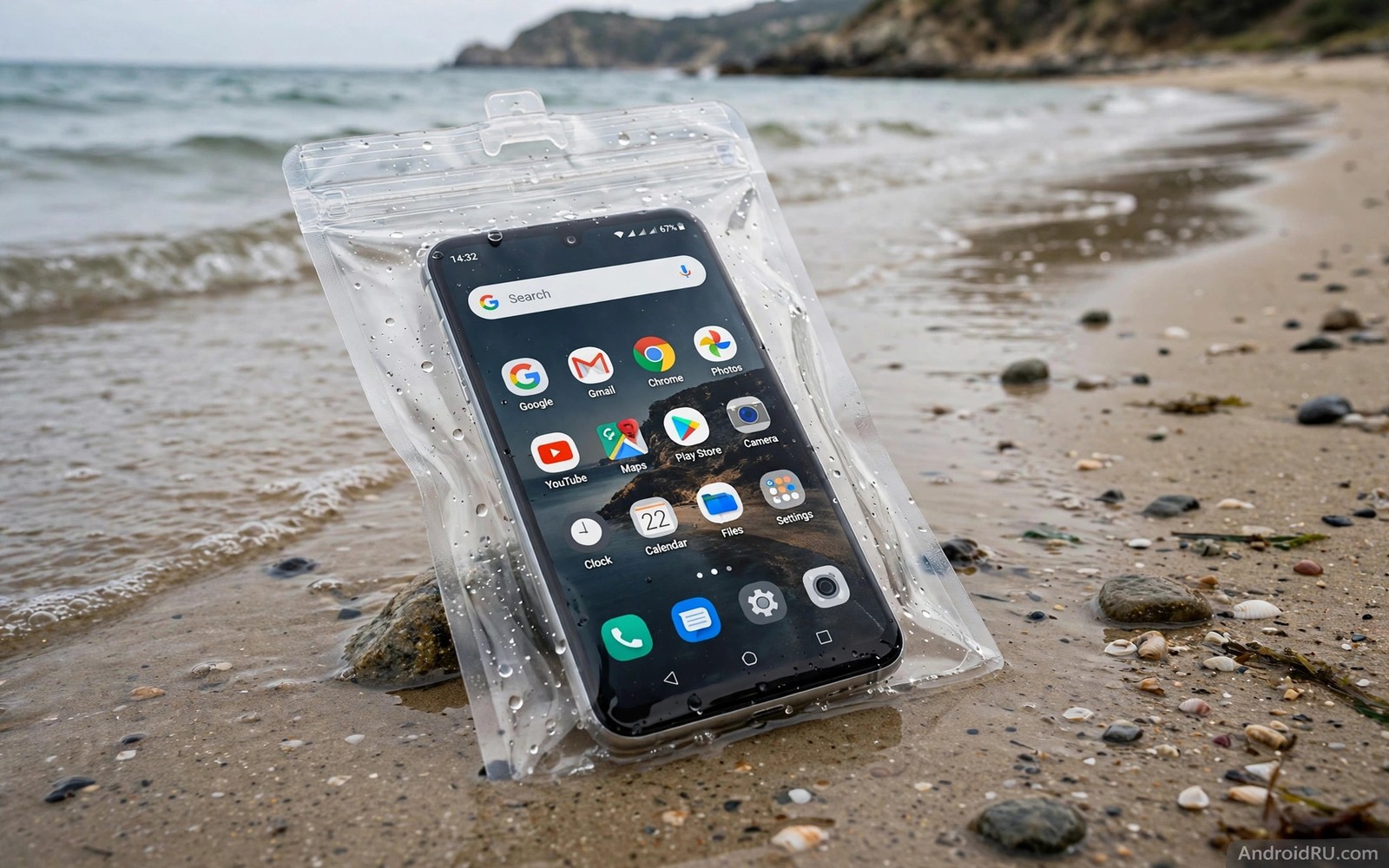
Waterproof pouches promise phone protection underwater but diving sports test them far harder than a splash. Depth increases water pressure and that pressure tests every seal and seam. A pouch that survives a pool may fail at diving depth. Understanding depth ratings and seal design helps you choose a pouch that matches your sport. This guide explains how pouches work and how to test them before a dive.
A pouch rating describes the maximum depth and time it can withstand. A common rating is IPX8 which means immersion beyond one metre under manufacturer conditions. The exact depth and time vary by product and must be checked. A pouch rated to ten metres is not automatically safe at thirty metres. Depth rating is a hard limit and not a rough guide. Exceeding it risks a flood that can destroy a phone instantly.
Seal design matters as much as rating because a single grain of sand can break a seal. Most pouches use a double zip lock or a roll top seal. A roll top seal folds over several times to create a pressure resistant closure. A zip lock seal relies on a clean track without debris. Inspect the seal before every dive and clean it with fresh water after salt use. A clean seal is the foundation of underwater protection. For hiking water protection see protective gear for outdoor hiker smartphones for trail pouch use.
Understand depth ratings and pressure
Water pressure increases by about one atmosphere for every ten metres of depth. That pressure pushes water against the pouch from all sides. A pouch at thirty metres faces about four times surface pressure. Seals must hold against that force without leaking. A pouch designed for shallow snorkelling may not hold at diving depth. Always choose a pouch rated beyond your planned maximum depth. A safety margin protects against rating optimism and seal wear.
Time under water also matters because a seal that holds for thirty minutes may weaken over hours. Check the rated time as well as the rated depth. A dive that exceeds the rated time risks slow leakage. Plan dives within both depth and time limits. That planning is part of dive safety and not just phone care. A phone flood during a dive distracts from dive safety itself.
Temperature changes affect pouches because cold water can stiffen seals. A seal that is flexible at the surface may become stiff at depth. Test the pouch in cold water before a cold dive if possible. A stiff seal may need extra care during closure. Warm the pouch indoors before a cold dive to keep seals flexible. Small temperature habits improve seal reliability underwater.
Test a pouch before trusting it underwater
Test every pouch empty before first use with a tissue inside. Submerge it in a sink or a bucket for the rated time. Check the tissue for any moisture after the test. A dry tissue means the pouch passed a basic test. A damp tissue means the pouch has a seal fault. Do not trust a pouch that fails an empty test with a real phone. That test costs little and prevents a costly flood.
Repeat the empty test after any drop or after long storage. Seals can age and crack during storage. A pouch stored folded may develop creases that leak. Store pouches flat and away from sharp objects. Inspect seams for cracks before each dive season. A seasonal inspection catches aging before a dive. That inspection is especially important for pouches used in salt water.
Test touch and camera function through the pouch before a dive. A pouch that blocks touch makes underwater photography frustrating. A pouch that fogs makes photos cloudy. Anti fog inserts or a small silica packet can reduce fogging. Test photo clarity in a pool before a dive. A pool test reveals touch and fog issues in a safe environment. For camera protection on land see protective camera shields for lenses for lens care.
Use the pouch correctly during diving sports
Close the pouch slowly and check the seal twice before entering water. A rushed closure is a common cause of leaks. Remove air from the pouch before sealing to reduce buoyancy. Excess air makes the pouch float and harder to handle underwater. A pouch with minimal air sits more naturally in a pocket or on a lanyard. That handling ease matters during active diving sports.
Attach the pouch to a lanyard or a secure pocket to prevent loss. A floating pouch can drift away quickly in a current. A lanyard keeps the phone close and accessible for photos. Check the lanyard strength before a dive. A weak lanyard can break under water pressure and movement. A strong lanyard is a safety accessory for both phone and diver.
Rinse the pouch with fresh water after salt water use. Salt crystals can damage seals if left to dry. Dry the pouch fully before opening it near the phone. Opening a wet pouch can drip water onto the phone. That drip defeats the purpose of the pouch. A careful rinse and dry routine extends pouch life and protects the phone after the dive.
dive_pouch_check.txt
Depth rating exceeds planned dive depth
Empty tissue test passed
Seal clean and free of sand
Touch and camera tested in pool
Lanyard attached and secure
The checklist above is an original example written for this guide. It gives you a pre dive check for waterproof pouch use. Complete it before every dive with a phone. A passed checklist means the pouch is ready for the water.
Store the pouch flat in a cool dry place between dives. Avoid folding the seal area sharply. Sharp folds can create permanent creases that leak. A flat stored pouch maintains seal shape for longer. Good storage extends the useful life of a pouch across many dive seasons. That storage habit is a small effort with a large protective benefit.
Choose a pouch for your exact sport
Snorkelling and scuba diving place different demands on a pouch. A snorkelling pouch may only need shallow depth protection for short periods. A scuba pouch needs a much higher depth rating and a stronger seal. Choose a pouch rated for the deepest sport you actually practise. A pouch rated for a deeper sport also works for shallower sports. That safety margin is worth a small extra cost.
Surfing and kayaking add impact and movement risks that diving does not. A pouch for those sports needs a secure lanyard and a shock resistant design. A pouch that floats is useful if it falls into water during a sport. Test buoyancy in a pool before using a floating pouch in open water. A sport matched pouch protects better than a generic waterproof bag.
Common mistakes
The most common mistake is trusting a pouch without an empty test. That mistake risks a phone flood on the first dive. Another mistake is exceeding the depth rating for a deeper dive. That mistake risks seal failure under pressure. A third mistake is closing a pouch with sand on the seal. Sand breaks the seal and allows a slow leak. Clean seals are essential for every dive.
People also open a pouch immediately after a dive while it is still wet. That opening can drip water onto the phone. Dry the pouch exterior first. Open it away from the phone if possible. That careful opening protects the phone after a successful dive. A good dive should not end with a wet phone from careless opening.
A final mistake is using a pouch for a phone with a cracked screen. A cracked screen may allow water to enter the phone even inside a pouch if the pouch leaks slightly. A pouch is not a substitute for phone repair. Repair a cracked screen before diving use. That repair protects the phone even if a pouch seal is imperfect and for rugged case protection see heavy duty cases without massive bulk for impact protection.
FAQ
Can I take photos underwater with a pouch?
Yes if the pouch allows touch through the material and the camera window is clear. Test photo function in a pool before a dive. Some pouches work better with volume buttons as a shutter. Learn your phone shutter shortcut before diving. A shortcut avoids touch struggles underwater. Clear photos need a clean window and a fog free pouch.
Fogging can ruin underwater photos even with a good pouch. Use an anti fog insert if available. Keep the pouch out of direct sun before the dive to reduce temperature changes. A stable temperature reduces fogging. Test fogging in a pool with the same conditions as the dive. A pool test predicts dive photo quality well.
How deep can a typical waterproof pouch go?
Typical pouches range from a few metres for snorkelling to thirty metres or more for diving. Check the exact rating for your pouch model. Do not assume a pouch is dive rated because it says waterproof. Waterproof is a vague term without a depth figure. A dive pouch must state a depth and time rating. Choose a pouch rated beyond your planned depth.
A pouch rated to thirty metres should not be used at forty metres. Pressure beyond rating risks seal failure. Plan dives within the pouch rating. That limit is part of dive planning. Respecting it protects the phone and avoids distraction during the dive.
Should I rinse a pouch after salt water use?
Yes rinse with fresh water after every salt water dive. Salt crystals can damage seals and zips if left to dry. Rinse gently without forcing water into the seal area. Dry the pouch fully before storage. A rinsed and dried pouch lasts longer and seals better. That routine is essential for salt water diving sports.
Inspect the seal after rinsing for salt residue or sand. Clean any residue with a soft cloth. A clean seal is ready for the next dive. A dirty seal is a leak risk. Make rinsing and inspection a standard post dive habit. That habit extends pouch life across many seasons.
Conclusion
Waterproof pouches protect diving devices when depth rating and seal care match the sport. Pressure increases with depth and tests every seal. Empty tissue tests prove a pouch before a phone is trusted inside. Correct closure and lanyard use prevent loss and leaks. Fresh water rinsing after salt use extends pouch life. Those steps turn a simple pouch into reliable dive protection.
Your concrete next step is to run an empty tissue test on your pouch tonight. Submerge it for the rated time and check the tissue for moisture. If the tissue stays dry then test touch and camera in a pool before your next dive. If the tissue is damp then replace the pouch before trusting it with a phone underwater.

