

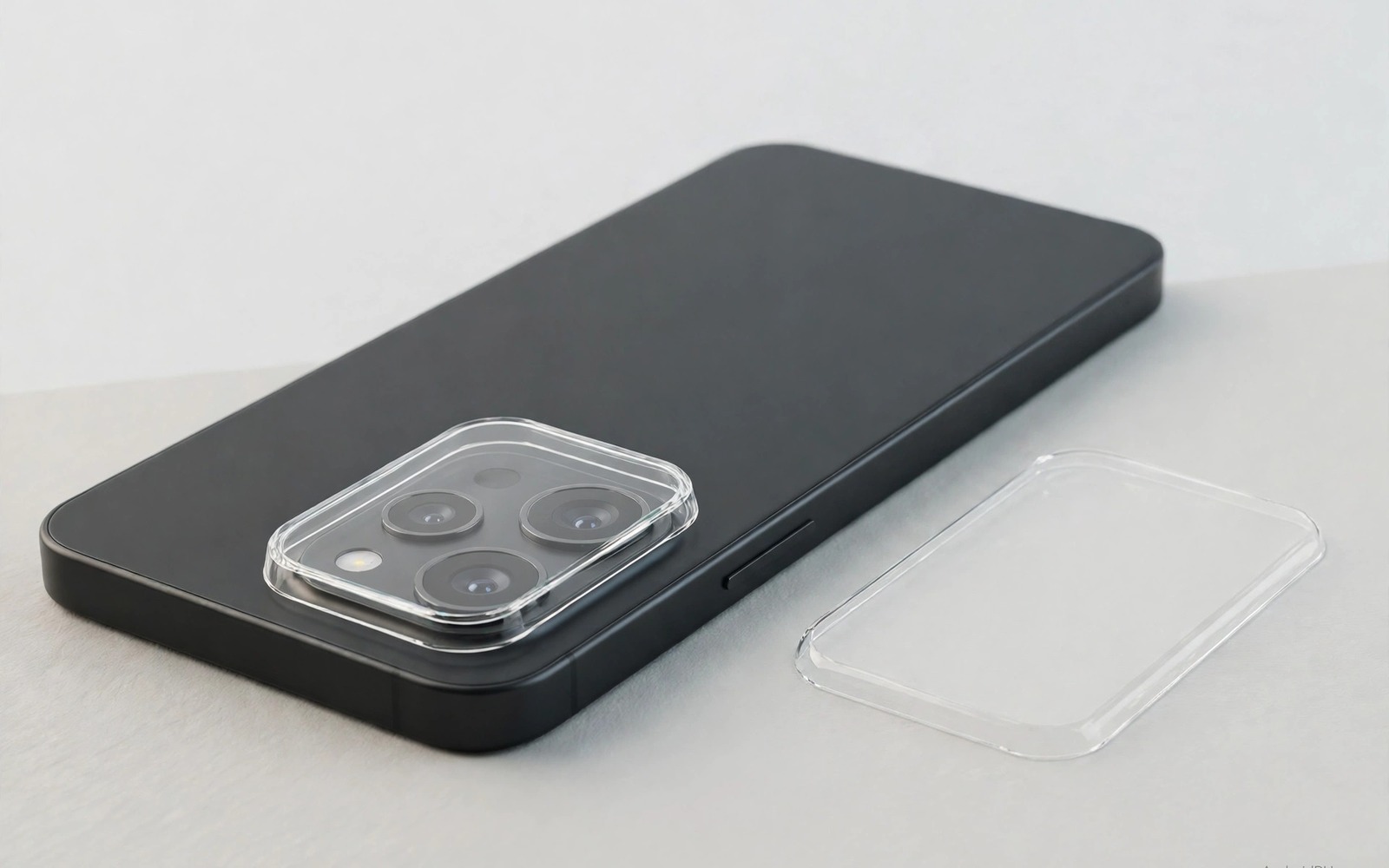
A scratched camera lens ruins photos with flare and soft spots that no editing can fully fix. Phone camera lenses sit proud of the back and catch keys and tables first. A protective shield adds a sacrificial layer that takes the scratch instead of the lens. Choosing the right shield matters because a poor shield can add flare or reduce sharpness. This guide explains shield types and care so your photos stay clean.
The most common shield is a thin tempered glass cover shaped for the camera module. It sticks over the lenses and protects against light scratches. A good glass shield uses clear glass with an anti reflective coating. That coating reduces extra flare from the added layer. A cheap shield without coating can create ghosting in bright light. Quality of glass matters more than thickness for photo clarity.
A metal ring shield protects the lens edges without covering the glass. It raises the lens area slightly so the glass does not touch flat surfaces. That design avoids any optical layer over the lens. It also protects against edge chips from drops. A ring shield suits users who prioritise photo purity over full glass coverage. For lens accessories that expand photo options see camera lens accessories for mobile photography for creative add ons.
Choose glass metal or full module shields
A full module glass shield covers the entire camera island with one piece. It protects all lenses and the surrounding area together. It is easy to fit because one piece aligns with the module shape. A full module shield can trap dust under the glass if fitted in a dusty room. Fit it in a clean room and check for dust before pressing it down. A dust free fit gives the clearest photos.
Individual lens glass covers protect each lens separately. They allow precise fitting for phones with large lens bumps. They can be harder to align than a full module shield. A misaligned individual cover can sit over a lens edge and cause vignetting. Take time to align each cover carefully. A well aligned individual cover gives excellent protection with minimal optical impact.
A metal ring shield is a frame that surrounds the lenses without glass over them. It protects against flat surface scratches by raising the contact point. It does not protect against sand or grit that touches the lens directly. Use a ring shield with a case that has raised edges for best protection. That combination keeps the lens off surfaces while leaving optics untouched. Choose a ring that fits your exact camera module shape.
Fit a shield without dust or bubbles
Clean the camera lenses with a dry microfibre cloth before fitting any shield. Remove dust with a soft blower if available. Work in a bathroom after a shower if your room is dusty because steam settles airborne dust. That trick gives a cleaner fitting environment. Avoid fitting a shield outdoors in wind because dust will settle under the glass. A clean fit is essential for clear photos.
Align the shield slowly and press from the centre outward to remove air. Do not press hard on the lens area itself. Press on the edges and the module area instead. Check the alignment through the camera app after fitting. Take a test photo of a bright light source to check for extra flare. A good shield should add almost no flare compared with a bare lens test. If flare is strong then remove and refit the shield or try a different brand.
Replace a cracked shield promptly because a crack can scatter light into photos. A cracked shield also loses protective strength. Keep a spare shield in a drawer for quick replacement. A spare prevents a gap in protection after a drop. Replacement is cheap compared with a lens repair. That cost difference makes prompt replacement an easy decision. For case protection that complements a shield see smartphone cases rated most protective to worst for case choices.
Care for lenses and shields daily
Wipe lenses and shields with a dry microfibre cloth before important photos. A cloth removes fingerprints and light dust without scratching. Avoid using a shirt sleeve because fabric may carry grit. A dedicated cloth in a pocket is a small habit with a large photo benefit. Clean lenses give sharper photos and better low light performance. That habit matters more than any shield brand alone.
Store the phone with the camera side away from keys and coins. A separate pocket for the phone prevents most scratches. A case with a raised camera edge also helps during storage. That raised edge keeps the lens off a table surface. Combine a shield with a raised case edge for layered protection. Layered protection covers both flat surfaces and pocket hazards.
Check the shield monthly for scratches and edge lifting. A lifting edge can trap dust under the shield. Replace a lifting shield before dust reaches the lens. A monthly check takes a minute and protects photo quality. That check is especially important after drops or after beach use where sand can enter edges. Regular checks keep protection effective over time.
camera_shield_check.txt
Lenses cleaned with microfibre cloth
Shield aligned and dust free
Test photo flare check passed
Case raised edge intact
Spare shield stored in drawer
The checklist above is an original example written for this guide. It gives you a fitting and maintenance check for camera protection. Use it after fitting a new shield and monthly thereafter. A passed checklist means your camera is ready for important photos.
Keep the microfibre cloth clean by washing it occasionally without fabric softener. A dirty cloth can scratch a lens it is meant to protect. Store the cloth in a small pouch to keep it free of grit. A clean cloth is part of camera care and not an optional extra. Small care habits protect expensive camera hardware over the life of the phone.
Protect lenses during travel and storage
Travel is when camera lenses face the most risk from bags and keys and sand. Store the phone in a separate pocket away from hard objects during travel. Use a case with a raised camera edge for every trip. A raised edge keeps the lens off tables and bag surfaces. That simple protection prevents most travel scratches without extra gear.
Check the lens before a photo session at a new location. A quick wipe with a microfibre cloth removes dust picked up during travel. A clean lens gives sharp photos in a new place. A dusty lens gives soft photos that cannot be fixed later. That pre session check takes seconds and protects memories from a trip.
Common mistakes
The most common mistake is fitting a shield over a dusty lens. That mistake traps dust that shows in photos. Another mistake is using a cheap shield without anti reflective coating. That shield adds flare in bright light. A third mistake is leaving a cracked shield in place. A cracked shield degrades photos and offers little protection. Replace shields promptly after damage.
People also clean lenses with rough fabric that scratches the coating. A rough cloth can cause fine scratches over time. Use only a soft microfibre cloth for lens cleaning. Avoid paper towels for lens care because they can be abrasive. Soft tools protect the lens coating and keep photos sharp. For port and general phone care see clean dirty USB-C ports without damage for safe cleaning habits.
A final mistake is assuming a shield makes the lens indestructible. A shield protects against light scratches and not against a hard drop onto rock. A case with drop protection is still needed for impact safety. Combine shield and case for full protection. That combination covers scratches and drops together. No single accessory covers every risk alone.
FAQ
Does a camera shield reduce photo quality?
A quality shield with anti reflective coating reduces quality very little. A cheap shield without coating can add flare and reduce contrast. Test a shield with a bright light photo after fitting. Compare it with a bare lens photo from before fitting. If flare increases noticeably then try a better shield. A good shield should be almost invisible in normal photos.
Keep the shield clean because dirt on the shield affects photos like dirt on a lens. Wipe the shield before important photos. A clean quality shield gives sharp results. A dirty shield gives soft results regardless of brand. Cleaning matters as much as shield quality for photo clarity.
Should I use a glass shield or a metal ring?
A glass shield protects against sand and grit touching the lens. A metal ring avoids any optical layer but leaves the lens exposed to grit. Choose glass for dusty or sandy environments. Choose a metal ring if you prioritise absolute optical purity. Many users combine a ring with a raised case edge for a middle ground. That combination protects against flat surfaces without glass over the lens.
Consider your photo habits when choosing. A user who photographs in bright light may notice flare from a cheap glass shield. A user who hikes in dust may need glass protection. Match the shield type to your environment. That match gives the best balance of protection and photo quality.
How often should I replace a camera shield?
Replace a shield when it cracks or when scratches become visible in photos. Replace it also when the edge lifts and traps dust. A shield in normal use may last many months. A shield after a drop may need immediate replacement. Check the shield monthly and after any impact. Prompt replacement keeps protection effective.
Keep a spare shield ready so replacement does not leave a gap. A gap of a few days can allow a scratch. A spare in a drawer solves that problem. Replacement takes only a few minutes with a clean cloth. That small effort protects a costly camera module.
Conclusion
Camera lens shields protect photos by taking scratches that would otherwise hit the lens. Glass shields cover the lens fully. Metal rings raise the lens off surfaces without an optical layer. Full module shields offer easy fitting for complex camera islands. Clean fitting and regular checks keep any shield effective. Combined with a raised case edge a shield gives layered protection for daily and travel use.
Your concrete next step is to inspect your camera lenses tonight under bright light. If you see no shield then fit a quality anti reflective shield this week. If you already use a shield then take a bright light test photo and check for flare. Replace the shield if flare or scratches appear in that test.

