

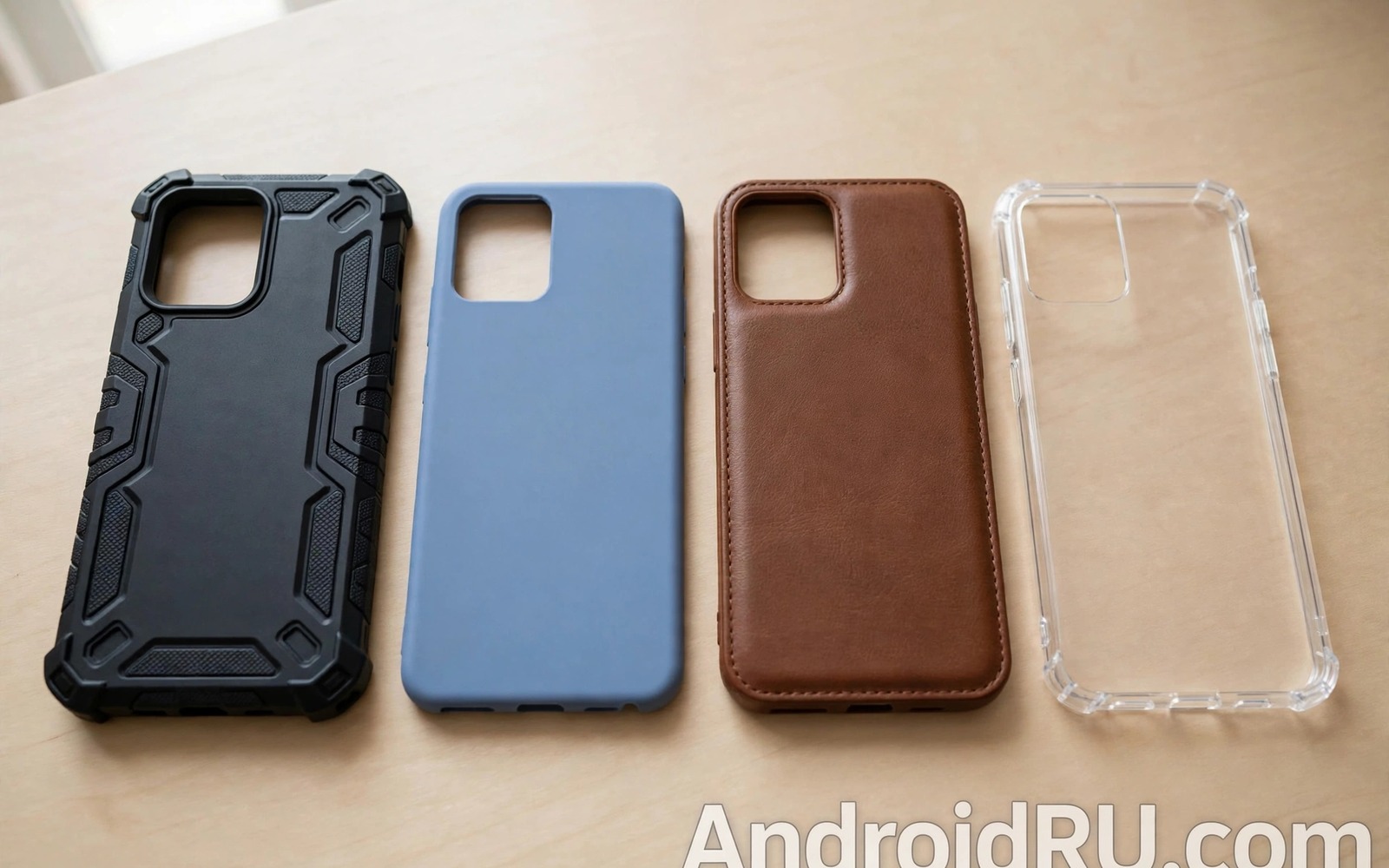
A phone case promises protection but not every case protects in the same way. Some cases absorb a hard corner drop while others only guard against light scratches. Some cases look strong yet add so much bulk that the phone becomes hard to hold. That poor grip can cause more drops than the case prevents. A good rating must look at drop absorption and grip and button feel and case fit together. This guide rates seven common case types from the most protective to the worst value for most users. The rating focuses on real daily use rather than on marketing words about military strength.
The most protective cases use a soft inner layer plus a hard outer shell. The soft layer slows the phone down during a fall and the hard shell spreads the force across a wider area. Raised edges around the screen and the camera add a small gap when the phone lands face down. That gap can stop a flat screen crack on a smooth floor. A case with a raised lip is not a guarantee against a rock or a sharp corner. It simply raises the odds that a common flat drop ends without damage. Cases with only a thin hard shell lack that soft layer and they can transfer shock straight to the phone frame.
Slim cases sit at the other end of the scale for protection. They guard against scratches and light bumps and they keep the phone pocket friendly. A slim case will not absorb a hard drop onto concrete in the same way as a rugged case. Clear cases show off the phone design but many clear cases turn yellow after months of sun and heat. Wallet cases add card storage yet they can become thick and they can block wireless charging on some phones. A bumper case protects the edges while leaving the back open for cooling. Each type suits a different user and the worst value case is the one that fights your daily habits.
Most Protective Case Types Explained
Rugged dual layer cases lead this rating for users who work outdoors or who drop a phone often. The inner silicone layer grips the phone and the outer polycarbonate shell resists cracks. Port covers on some rugged cases keep dust out of openings on a building site or a beach. That dust protection helps the charging port and the speaker over time. The trade off is size and weight. A rugged case can make one handed use harder and it can make a phone feel heavy in a jacket pocket. For a user who values safety over slimness that trade off is worth it.
Hybrid cases with air cushions in the corners rank next for balanced protection. Air pockets in the corners act like small shock absorbers during a fall. The back stays slimmer than a full rugged case and the grip often feels better in the hand. Many hybrid cases also support wireless charging without removal. A hybrid case may not survive repeated drops onto rough stone as well as a thick rugged case. It still handles the common drops from a table or a pocket height far better than a thin shell. For most office and home users a hybrid case offers the best mix of safety and comfort.
Middle Ground Cases For Daily Use
Silicone cases offer good grip and a soft feel that many users love. The soft surface stops a phone from sliding off a table and it absorbs light shocks well. Silicone can attract lint in a pocket and it can stretch over time around the edges. A silicone case with a firm inner frame holds its shape longer than a pure soft case. Leather cases look premium and they age with a patina that some users enjoy. Leather protects against scratches but it absorbs water and it can stain after rain. A leather case suits a careful user who wants style first and moderate protection second.
Clear hard cases protect the back from scratches while showing the phone colour. Their weakness is grip on smooth surfaces and yellowing over time. A clear case with a soft bumper edge improves grip and drop handling compared with a pure hard shell. Wallet cases rank lower for pure protection because the flap can open during a fall and expose the screen. A wallet case with a magnetic clasp stays shut better than a loose flap. Still a wallet case adds bulk and it can make wireless charging less reliable when cards sit between the phone and the charger. Choose a wallet case only if card storage matters more than slimness.
Worst Value Cases To Avoid For Most Users
Ultra thin hard shells offer the worst value when a buyer expects drop protection. They look sleek and they cost little but they crack easily and they transfer shock to the phone. A thin shell can also make a phone more slippery than a bare phone. Decorative cases with large metal charms or loose glitter can scratch the phone back and they can block signal in some spots. A case with a built in ring or stand can help grip but a cheap hinge can break and leave a sharp edge. Value means protection per price and per gram of bulk. A case that fails on both counts is poor value even if it looks attractive in a photo.
A case that does not fit the exact model is also poor value at any price. A loose case shifts during a fall and it can let dust grind against the back. A case with misaligned button covers can make volume controls hard to press. Test buttons and ports right after fitting and return a case that blocks a microphone hole. A good case should feel like part of the phone rather than a loose jacket. For a slim but strong option then heavy duty cases without massive bulk show how strength need not mean huge size. For harsh outdoor work then outdoor drop protection accessories pair well with a rugged case. A screen protector also matters and choosing a tempered glass protector helps you complete the setup.
Record Your Own Drop Test Results
A simple log helps you compare cases without relying on memory. Record the drop height and the surface and the result after each test on a soft surface first. Never drop a phone onto concrete on purpose for a test because that test can break a good phone. Use a controlled low drop onto a mat and note scuffs and button feel. The script below creates a small record file for those notes. It keeps each test on one line so you can review the results later and spot a case that loosens after a few weeks.
tests = []
tests.append('hybrid case mat drop no damage')
with open('case_tests.txt', 'w') as f:
    for t in tests:
        f.write(t + chr(10))
Attribution: This code sample is an original example written for this article. It shows a simple way to store case test notes in a text file. It does not come from any outside guide and it does not test a phone by dropping it.
Review the log after a month of use and look for edge lift or button stiffness. A case that loosens will show gaps at the corners in photos over time. Take a photo of each corner once a month to track wear. If a case starts to lift then replace it before a real drop tests a weakened fit. A fresh case costs far less than a screen repair and it keeps the phone feeling new in the hand.
When you shop in a store then hold the cased phone as you would during a call and during a walk. A case that feels secure in a quick hold may still slip after ten minutes of use. Walk around the store and slip the phone into a pocket and pull it out again. That pocket test reveals grip and lint problems that a photo cannot show. If the store allows a return then keep the receipt and test the case at home for a few days before you commit to it.
Clean the case once a week to keep grip and colour in good shape. A soft cloth with mild soap removes skin oil from silicone and it keeps a clear case looking fresh longer. Remove the phone before washing a case and dry the case fully before refitting. Moisture trapped between case and phone can leave marks on the back glass. A clean case also lets you spot cracks early. A small crack near a corner can grow after the next drop so replace a cracked case promptly.
Common Mistakes
One common mistake is buying a rugged case and then removing it at home because it feels too big. That habit leaves the phone bare during the very drops that happen at home. Choose a case you will actually keep on the phone all day. Another mistake is trusting a drop rating without checking the test surface. A rating from a low drop onto a mat does not prove survival on rough concrete. A third mistake is ignoring grip. A case that slips from the hand often will cause more drops than a slightly less protective case with a firm grip.
Some buyers also keep a yellowed clear case because it still fits. Yellowing signals material ageing and the case may have become brittle. Replace an aged case before it cracks in a fall. Another error is stacking a thick case with a thick screen protector that lifts the case edge. Test the pair together on day one. If the case lifts the protector then choose a case friendly protector rather than forcing the combination.
Frequently Asked Questions
Which case type protects best against corner drops?
A rugged dual layer case with air cushions in the corners protects best against corner drops. The soft inner layer slows the impact and the hard shell spreads the force. A hybrid case with corner air pockets is a close second for most users. A thin hard shell offers little corner protection and should not be trusted for hard falls.
Do clear cases really turn yellow?
Many clear cases turn yellow after sun exposure and heat over months. The yellowing comes from material ageing rather than dirt alone. A clear case with a stated anti yellowing coating may last longer but no clear case stays perfect forever. Replace a yellowed case when the colour change bothers you or when the material feels brittle.
Can a case block wireless charging?
A very thick case or a case with metal parts can block or slow wireless charging. Wallet cases with cards inside can also interfere with charging. Test wireless charging right after fitting a new case. If charging stops then remove cards or choose a thinner case for wireless charging use.
Conclusion
The best case for most users is a hybrid case with corner protection and a firm grip. Rugged cases win for outdoor work and thin shells win only for scratch protection. Avoid cases that slip and avoid cases that do not fit your exact model. Pair the case with a good screen protector and test buttons and charging on day one. Your concrete next step is simple. Tonight check the corners of your current case for lift and grip and order a hybrid case if the current case slips or feels loose.

