

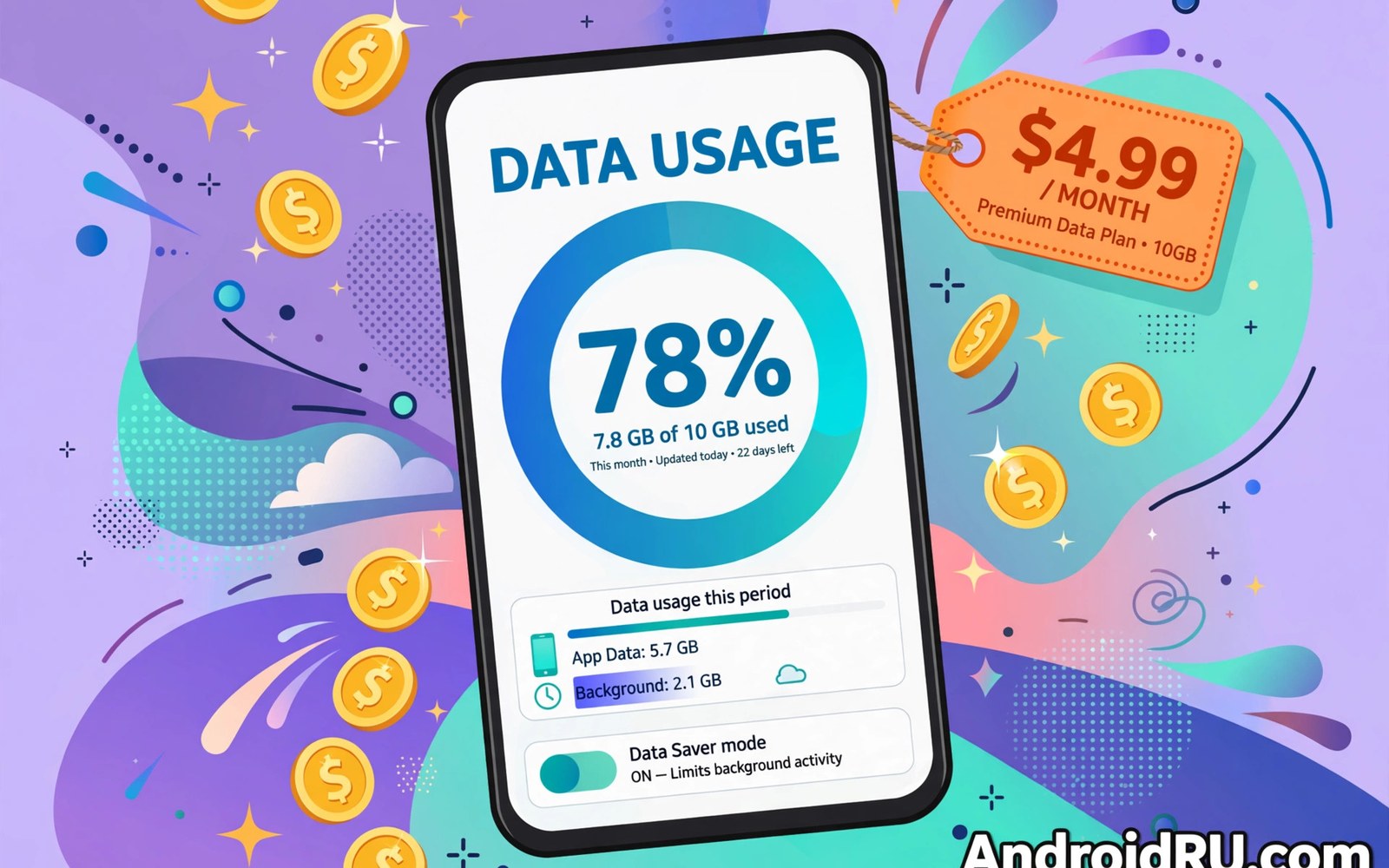
Heavy data users burn through small plans in days. Streaming and hotspot use add up fast each month. Prepaid plans can still serve heavy users well. The trick is reading the allowance and throttle rules. Some prepaid plans offer huge full-speed allowances. Others slow to a crawl after a small cap. This article compares prepaid options for heavy use. It shows how to pick a plan that survives your habits.
Prepaid no longer means weak service or old phones. Modern prepaid plans run on major networks. They offer 5G access and hotspot options. They skip credit checks and long contracts. That freedom suits users who hate surprises. The sections below cover allowances and speeds. They also cover hotspot rules and buying checks.
What High Data Usage Really Means
High usage starts around 50 gigabytes per month for most people. Video streaming drives the largest share of that total. One hour of HD video uses about 3 gigabytes. Ultra HD video can use three times that amount. Music streaming uses far less data per hour. Social video apps sit between music and HD streaming. Check your current usage in phone settings first. Your real number beats any guess about your habits.
Hotspot use changes the picture even more. A laptop tethered to a phone burns data fast. Cloud backups and software updates add hidden gigabytes. Video calls for work add steady daily usage. Add those sources before you pick an allowance. A plan that fits phone-only use may fail hotspot use. Choose an allowance above your measured total. A buffer of 20 percent prevents end-of-month throttling pain.
Full Speed Allowance Versus Throttled Speed
Most prepaid plans advertise a large headline number. The fine print splits that number into full-speed data and slow data. Full-speed data runs at normal network rates. Slow data may crawl at 128 kilobits per second. That crawl barely loads modern web pages. Video stalls and maps load slowly at that rate. Always ask how much data runs at full speed. That number is the real allowance of the plan.
Some plans offer truly unlimited full-speed data. Those plans cost more and may still deprioritize traffic. Deprioritization slows you only on busy towers. Throttling slows you after a cap regardless of tower load. Learn which rule your plan uses before you buy. Throttling hurts more because it applies everywhere. Deprioritization hurts less because it applies sometimes. Heavy users should avoid hard throttling whenever possible.
Prepaid Versus Postpaid for Heavy Users
Postpaid plans often include premium data priority. They also bundle perks such as streaming services. They require credit checks and monthly bills. Prepaid plans skip contracts and credit checks. They cost less in most direct comparisons. They may offer lower priority during congestion. Heavy users in busy cities feel that gap most. Heavy users in quiet areas rarely notice it at all.
Device financing is another postpaid advantage. Carriers discount phones for postpaid contracts. Prepaid users usually buy phones outright. That upfront cost offsets some monthly savings. Do the math over two years rather than one month. Add phone cost to plan cost for each option. The cheaper total over two years is the real winner. Do not judge a plan by one month alone.
Hotspot Rules That Trap Heavy Users
Hotspot allowances often differ from phone data allowances. A plan may offer 100 gigabytes for the phone. The same plan may offer only 10 gigabytes for hotspot. Laptop use burns that hotspot pool in days. Check the hotspot number before you rely on tethering. Some plans charge extra for hotspot access itself. Others include it but cap the speed. Read both the allowance and the speed terms carefully.
Work-from-home users need hotspot rules most of all. Video meetings over hotspot use steady data all day. A capped hotspot plan fails midweek under that load. Consider a dedicated home internet line for heavy work use. Use phone hotspot only as a backup in that case. If hotspot is your only internet then buy a plan built for it. Readers who tether daily should also compare hotspot tethering plans before committing. The right plan prevents a mid-month work crisis.
Network Priority and Peak Hour Reality
Priority decides who slows first on a busy tower. Direct carrier customers usually get top priority. Prepaid users on the same network may wait longer. The gap appears at events and rush hours. It rarely appears at home late at night. Test any prepaid plan at peak hours first. Stream a video at dinner time on a weekday. Browse maps during a morning commute. Those tests reveal priority truth better than ads.
Some prepaid brands sell priority tiers for extra money. A higher tier behaves closer to a direct plan. Compare tier prices with direct plan prices. The premium prepaid tier may cost nearly as much. In that case the direct plan may offer better perks. In other cases the tier still saves money overall. Judge by total cost and real peak speeds. A cheap plan that stalls at dinner time is no bargain.
Managing Data to Stretch Any Plan
Small habits stretch a prepaid allowance a long way. Download videos on Wi-Fi before you leave home. Set streaming apps to standard quality on mobile data. Turn off auto-play for social video feeds. Restrict cloud photo backup to Wi-Fi only. These changes can save tens of gigabytes monthly. They cost little convenience in daily use. Most users never miss the higher mobile quality.
Android data saver mode helps even more. It blocks background data for most apps. It lets chosen apps run normally in the foreground. Set a monthly data warning near your allowance limit. Set a hard cutoff if overage charges apply. Review the data usage screen weekly at first. You will spot hungry apps within days. Restrict or replace the worst offenders fast. Data discipline turns a mid-tier plan into a heavy-use plan.
Switching Prepaid Plans Without Pain
Prepaid switching is easy because no contract binds you. Buy the new SIM or eSIM and test it first. Keep the old plan active during the test month. Port your number only after the test passes. Porting usually completes within hours on prepaid. Keep the old account details ready for the port form. A wrong PIN delays the move by days. Double-check every digit before you submit.
Timing matters for prepaid renewals. Switch near the end of a billing cycle. Switching early can waste days already paid for. Some carriers refund unused days and others do not. Ask about refunds before you cancel anything. Test coverage at home and at work on the new plan. If both pass then port with confidence. If either fails then try another brand instead. Prepaid freedom means you can test without fear.
Family and Multi-Line Prepaid Options
Families can stack prepaid lines for big savings. Each line keeps its own allowance and number. Some brands discount each extra line added. Compare the multi-line total with a shared postpaid plan. Shared plans pool data across the family. Separate prepaid lines isolate heavy users from light users. A teenager streaming all day cannot drain a parent line. That isolation is a hidden benefit of separate lines.
Parents should set data warnings on teen lines. Warnings teach budgeting without sudden cutoffs. Some brands offer parental controls in their apps. Use them to block premium purchases and adult content. Review teen usage monthly and adjust allowances. A teen who streams less may drop to a cheaper tier. Families who share data should also review shared family data plans for pooled options. The best family setup matches each member usage honestly.
Reading the Fine Print Like a Pro
Plan pages bury key limits below the headline offer. Scroll to the full terms before you buy anything. Look for throttle speeds after the allowance ends. Look for video quality caps on streaming. Some plans cap video at standard definition always. That cap saves data but softens picture quality. Look for hotspot caps and roaming limits too. A ten-minute read prevents months of frustration.
Compare the renewal price as well as the first-month price. Introductory prices often rise after three months. Multi-month prepayment can lock a lower rate. That lock helps only if you stay with the brand. Test the network for a month before prepaying a year. A year of weak coverage is a costly mistake. Start monthly and prepay only after proof. Patience protects your wallet here.
Student Senior and Low Income Discounts
Many prepaid brands offer discounts for students and seniors. Some offer programs for low-income households. Those programs can cut bills by half or more. Eligibility rules vary by brand and region. Check the brand discount page before you pay full price. Bring proof of status when you apply. Approval usually takes a few days at most. A discount you never claim is money lost monthly.
Lifeline-style programs may include a free phone allowance. They may also include a monthly data allowance. Rules differ widely so verify local details. Community groups often help with applications. Do not pay a third party to apply for you. Official applications are free through the brand. A legitimate program never charges an application fee. Guard personal documents during any application process.
When Prepaid Stops Making Sense
Prepaid wins for most users but not for everyone. Users who finance flagship phones yearly may prefer postpaid. Device deals can outweigh prepaid monthly savings. Users who need top priority data daily may also prefer postpaid. Emergency workers and heavy hotspot users fit that group. Users with poor prepaid support experiences may pay for stores. Face-to-face help has real value for some buyers.
Run the two-year total before you decide either way. Add phone cost and plan cost for both paths. Add perks you would actually use and pay for. Ignore perks you would never open. The honest total reveals the true winner. Revisit the math when your phone is paid off. A paid-off phone often flips the winner to prepaid. Smart buyers recheck after every device payoff.
Heavy Use Prepaid Checklist
- Measure your real monthly usage in phone settings first.
- Confirm how much data runs at full speed before throttling.
- Check the separate hotspot allowance and hotspot speed.
- Test the plan at peak hours before you port your number.
- Set data saver mode and Wi-Fi-only backup rules.
- Switch near the end of a billing cycle to avoid waste.
Settings > Network & internet > SIMs > Data usage
Monthly total = streaming + hotspot + work calls
Buffer target = monthly total x 1.2
Full-speed allowance must exceed buffer target
Test: video stream at dinner time on a weekday
The method above reflects common plan comparison practice for heavy mobile users. Allowances and throttle speeds change often by brand and region. Always confirm current terms on the carrier page before you buy.
Pick for Your Real Usage Not the Ad
The best prepaid plan for heavy use is the one that fits your measured total. Ignore headline numbers and read full-speed terms. Check hotspot rules if you tether for work. Test at peak hours before you port your number. Add a 20 percent buffer to your allowance. That buffer prevents throttling pain late each month. Prepaid freedom rewards careful shoppers with real savings. Users comparing network types should also weigh budget carrier plans against premium direct plans.
Revisit your plan twice a year as usage changes. Streaming habits grow and work patterns shift. A plan that fit last year may throttle you today. Prepaid switching costs little so act on new needs fast. Keep measuring usage and keep testing alternatives. The heavy user who shops yearly pays less for more data. That habit is worth more than any single plan deal.

