

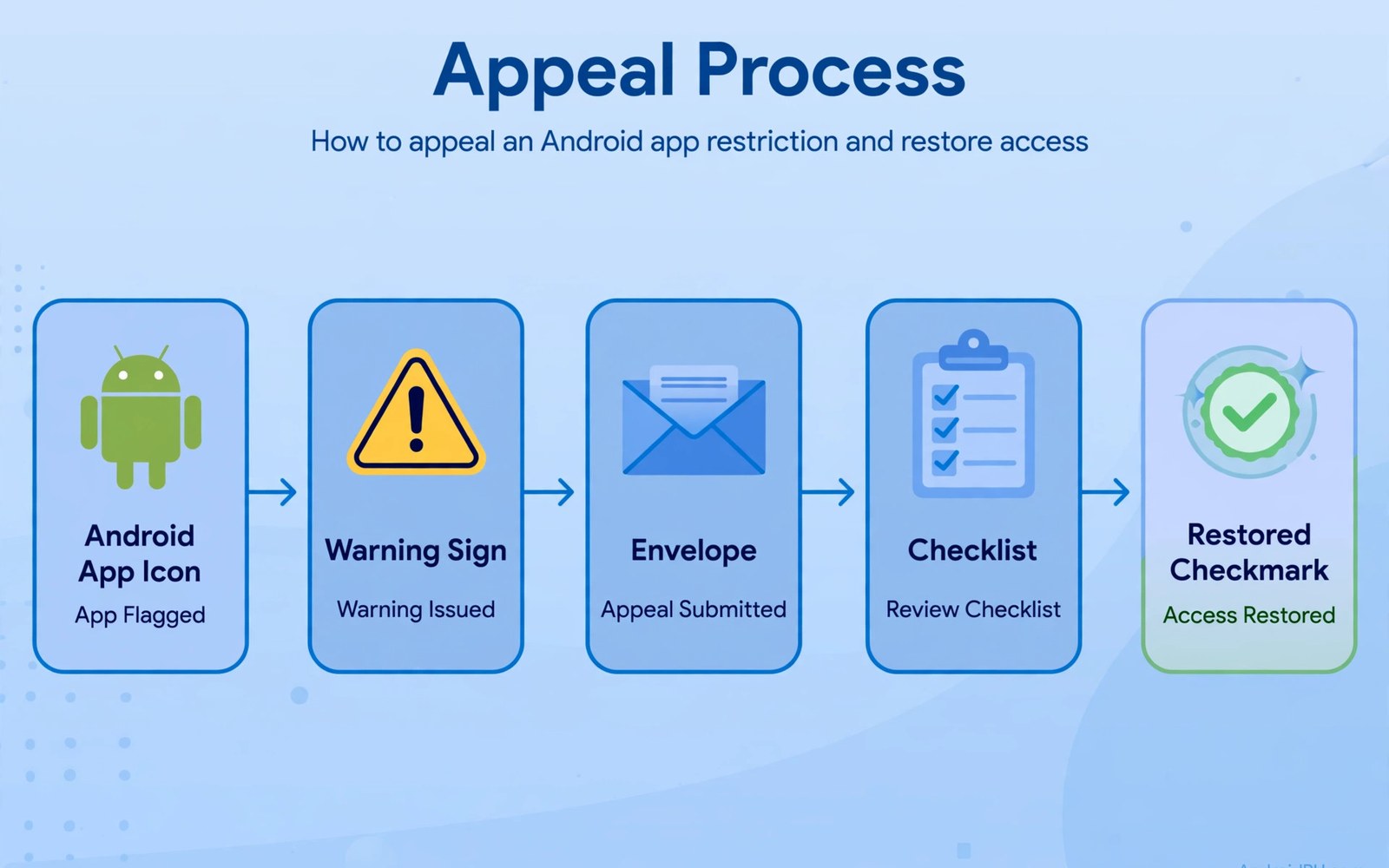
A suspension can feel sudden even when a warning preceded it. The notice usually names a rule and sometimes a location in the app. Read that notice twice before reacting. A calm reading reveals whether the suspension reflects a real fault or a misunderstanding that evidence can correct.
An appeal is not a complaint about unfair treatment in general terms. It is a factual case that the decision was wrong or that the fault is now fixed. Evidence and a clear fix matter far more than emotion. A short evidence based appeal gives reviewers a reason to reverse the decision.
Act promptly because appeal windows and account consequences have timelines. Gather evidence first but do not delay for weeks while gathering perfect proof. A timely appeal with strong core evidence beats a late appeal with exhaustive evidence. Speed and substance together give the best chance.
Understand Suspension Types
An app suspension removes one app from the store while the account may remain active. An account ban removes the account and all of its apps. The distinction matters because the remedy differs. An app appeal focuses on one app. An account appeal must address the pattern across apps.
Some suspensions follow repeated warnings while others follow a severe single violation. A severe violation such as malware or fraud faces a harder appeal path. A policy misunderstanding faces an easier path when evidence is clear. Judge your appeal strategy by the severity that the notice implies.
Read The Notice Carefully
Identify the rule cited and the app version cited and any example given. Check whether the example still exists in the current app. A fault fixed in a later version may still trigger a suspension based on an older review. Version details can change the whole appeal approach.
Note the appeal deadline and the appeal channel stated in the notice. Use the official channel rather than a general support form. An appeal sent to the wrong channel may never reach the review team. Follow the channel instructions exactly even when they feel bureaucratic.
Gather Evidence Immediately
Preserve the suspended version of the app and the listing before you change anything. Take screenshots of the disputed screens and of the fixed screens when a fix exists. Collect contracts and licenses and creation records that support your case. Evidence collected after changes is harder to trust.
Keep a timeline of relevant events with dates. Note when the feature shipped and when you fixed any related fault. A timeline helps reviewers see the sequence clearly. A timeline without dates feels like a story. A timeline with dates feels like a record.
Fix Real Faults First
If the notice identifies a real fault then fix it before appealing. An appeal that denies a real fault will fail. A fix plus an appeal shows good faith and gives reviewers something to verify. Fix the root cause rather than only the cited example.
Test the fix on a real device and record the test with screenshots. A fix that you claim without proof is only a promise. A fix that you demonstrate with evidence is a fact. Reviewers decide based on facts that they can verify quickly.
Write A Factual Appeal
Structure the appeal in three parts. State the decision that you dispute and the rule cited. Present evidence that the decision was mistaken or that the fault is fixed. Request a specific outcome such as reinstatement of the app. A clear structure helps a busy reviewer follow your case.
Keep the appeal brief and polite. Avoid long background about your business history. Avoid accusations about reviewer motives. Focus on the rule and the evidence and the fix. A brief factual appeal respects the reviewer time and strengthens your credibility.
Address Account History Honestly
An account appeal must address prior warnings and strikes honestly. Acknowledge past faults that were real and explain what changed since. Denying a documented history damages credibility for the current case. Honest acknowledgment plus a record of improvement is stronger than denial.
Show a pattern of compliance since the last warning. List fixes shipped and policies adopted and training completed. A pattern matters more than a single good release. Reviewers look for sustained change when they judge whether an account should return.
Avoid Common Appeal Mistakes
Avoid submitting multiple identical appeals at once. Duplicate appeals create confusion and can slow the review. Submit one complete appeal and wait for a response. If new evidence appears then submit a focused update rather than a duplicate.
Avoid threatening language or legal threats in a first appeal. A threat without a legal basis harms your case. Keep the first appeal factual and cooperative. Legal action is a separate step that needs professional advice rather than a line in an appeal form.
Handle A Rejected Appeal
A rejected appeal is not always the end of the process. Read the rejection reason carefully for new information. A rejection may name a different aspect of the fault. Address that aspect with a new fix and a new appeal when the process allows it.
Do not resubmit the same appeal unchanged after a rejection. An unchanged resubmission wastes reviewer time and your credibility. Change something material such as a fix or new evidence. A material change gives the reviewer a reason to decide differently.
Protect Users During Suspension
Tell existing users what happened in honest terms when they contact support. Users on installed versions may still use the app while the store listing is down. Explain the situation without blaming the store in public messages. A calm user message preserves trust during a difficult period.
Do not direct users to unofficial downloads during a suspension. Unofficial downloads expose users to modified versions and to security risks. They can also worsen the account case. Keep users on official channels even when those channels are temporarily limited.
Prevent Future Suspensions
Add the suspension cause to your release checklist permanently. Review that checklist before every future release. A cause that appears once can appear again if the checklist does not guard against it. Prevention is cheaper than any appeal no matter how successful.
Audit all apps on the account when one app is suspended. A fault pattern in one app may exist in others. Fixing sibling apps proactively shows good faith. It also prevents a second suspension while the first appeal is still pending.
Work With Professional Help
Consider professional help for an account ban or for a suspension involving a major revenue app. A professional can assess the strength of the case and the best evidence to present. Bring your evidence file and timeline to the consultation. Preparation makes professional help more effective and less costly.
For a smaller app suspension you may handle the appeal yourself with careful documentation. Follow the same principles of fact and brevity and evidence. Professional help is valuable but it cannot replace your own knowledge of the app and its history.
Rebuild After Reinstatement
Reinstatement is the start of recovery rather than the end of the story. Monitor reviews and ratings closely after return. Users may return slowly and some may have moved to alternatives. A steady update cadence helps rebuild visibility and trust.
Communicate the return to users through release notes and support channels. Thank users who stayed during the suspension. Avoid public celebration that draws attention to the dispute. A quiet professional return serves the app better than a dramatic announcement.
Keep An Appeal Record
Keep a complete record of every notice and appeal and response with dates. A record helps if a similar issue arises later. It also helps new team members understand the account history. A complete record turns a painful event into institutional knowledge.
Review the appeal record annually as part of a policy audit. Note which arguments worked and which did not. Use those lessons to improve future appeals and future prevention. A team that learns from appeals will need fewer appeals over time.
Stay Calm And Persistent
Suspension appeals test patience as much as evidence. Responses can take time and may feel impersonal. Stay persistent with factual follow ups rather than emotional pressure. Persistence with new evidence beats repeated identical messages.
Focus energy on fixes and on users while the appeal is pending. Improve the app and support existing users. A better app strengthens any future appeal. Calm persistent work is the best response to a suspension that you believe is unjust.
- Read the notice twice and identify the rule cited
- Preserve the suspended version before changing anything
- Fix real faults before appealing
- Write a brief factual appeal with evidence attached
- Submit one complete appeal and wait for a response
- Add the suspension cause to your release checklist
Preparing An Appeal Timeline
Build a timeline for the appeal process with the notice date and the appeal date and the response date. Track each follow up with its date and content. A timeline prevents duplicate submissions caused by forgotten follow ups. It also shows whether a response is overdue.
Share the timeline with the team so everyone knows the current status. A shared timeline prevents a second team member from submitting a conflicting appeal. Conflicting appeals confuse reviewers and weaken the case. One timeline and one appeal owner keep the process coherent.
Learning From Other Developers
Other developers who faced suspensions often share general lessons in public forums. Read those lessons for process tips such as evidence organization and appeal structure. Do not copy another appeal verbatim because each case differs. General process lessons help while copied arguments do not.
Focus on lessons about prevention rather than only about appeal tactics. Prevention lessons such as checklist changes help more than appeal wording. A developer who learns prevention from others will face fewer suspensions. Shared experience is most valuable when it changes future behavior.
Checking Appeal Status Regularly
Check appeal status on a fixed schedule rather than several times a day. A daily check is enough during an active appeal. Frequent checking without new information only increases stress. A fixed schedule keeps the team informed without consuming the whole day.
Record each status check with its date and result in the appeal timeline. A status that stays unchanged for a long period may deserve a polite follow up with new evidence. A follow up without new evidence rarely helps. Patience with a clear record is the professional way to track an appeal.
For reference the snippet below shows the appeal sequence in the order that gives a case its best chance.
// Appeal checklist example
val appealSteps = listOf(
    "read_notice",
    "preserve_evidence",
    "fix_fault",
    "write_appeal"
)
for (step in appealSteps) { println(step) }
For more context read Android Vitals tracking for crashes and ANR rates and private enterprise Android app publishing for organizations. You may also find Google Play billing system updates for digital goods helpful for your next release.
The steps above follow the approach described in the official developer documentation for this platform. That guidance explains the same sequence in general terms. This article adapts those ideas into a practical workflow for independent developers and small teams.

